Top 20 Castles in Lecce
Castles in Lecce offer a glimpse into the region's rich history and strategic importance, set within a landscape known for its Baroque architecture. The area features a variety of fortified structures, from monumental fortresses in the city center to Renaissance castles in the surrounding countryside. These historical sites reflect centuries of defensive architecture and cultural evolution in the Salento region. Exploring these castles provides insight into the military and feudal past of Lecce and its surroundings.
Best castles in Lecce
…Last updated: August 4, 2026
Acaya Castle
Highlight • Castle
Translated by Google •
Tip by

Lecce Castle
Highlight • Castle
Translated by Google •
Tip by

Sign up now to discover places like this
Get recommendations on the best single tracks, peaks, & plenty of other exciting outdoor places.
Sign up for free
Castello di Corigliano d'Otranto
Highlight • Castle
Translated by Google •
Tip by

Castro Castle
Highlight • Trail
Tip by

Historic Centre of Otranto
Highlight • Settlement
Translated by Google •
Tip by

Baronial Palace of Collepasso
Highlight • Castle
Translated by Google •
Tip by
Guarini Castle of Poggiardo
Highlight • Castle
Translated by Google •
Tip by
Piazza del Popolo, Muro Leccese
Highlight • Historical Site
Translated by Google •
Tip by

Village of Roca Nuova
Highlight • Historical Site
Tip by
Baronial Palace (Aragonese Castle) of Martano
Highlight • Castle
Tip by
Sign up for free to discover even more castles in Lecce.
Sign up for free
Already have an account?
Start today with a free account
Your next adventure awaits.
Login or Signup
Popular around Lecce
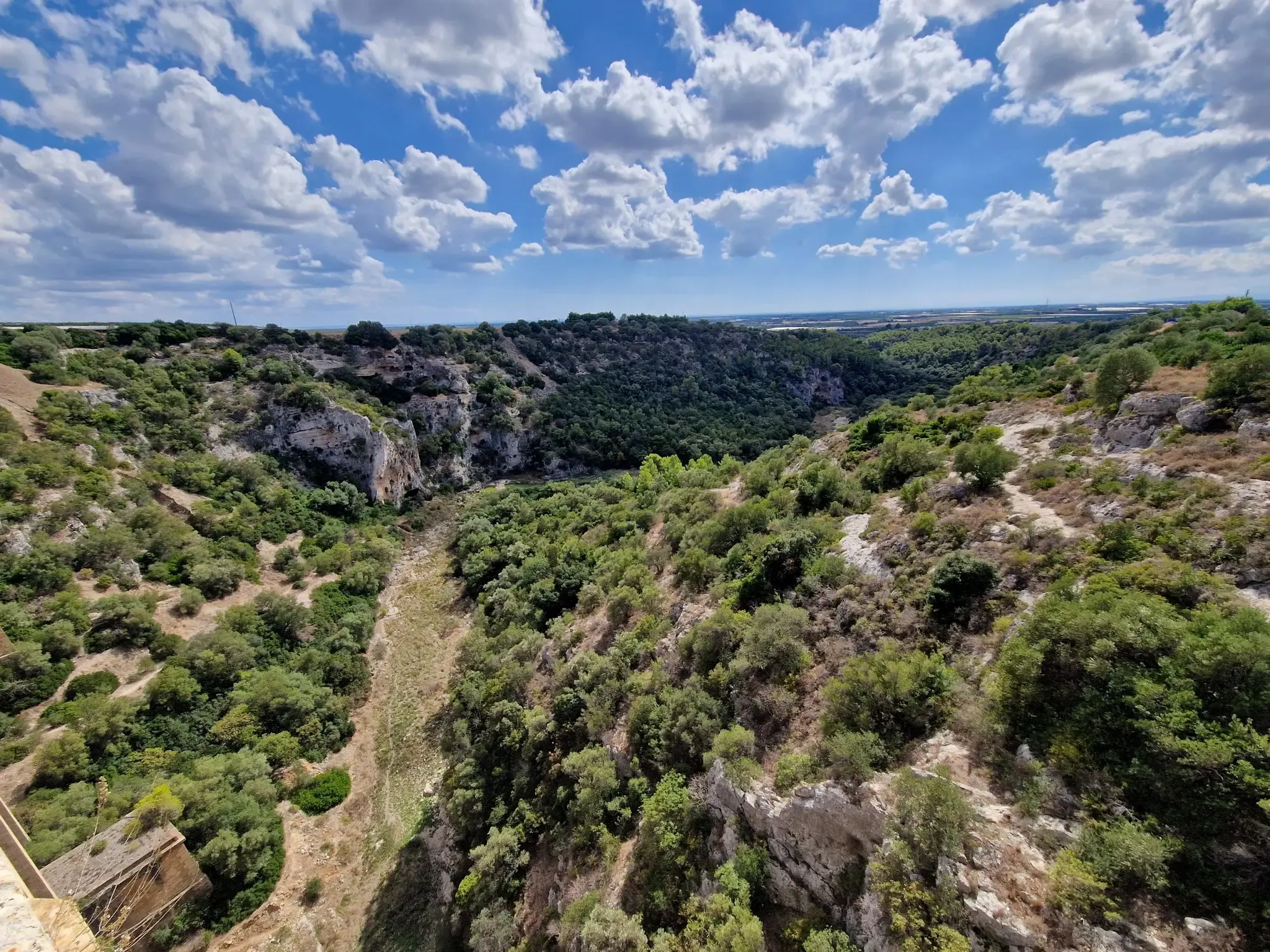
Discovering Puglia by bike – essential rides
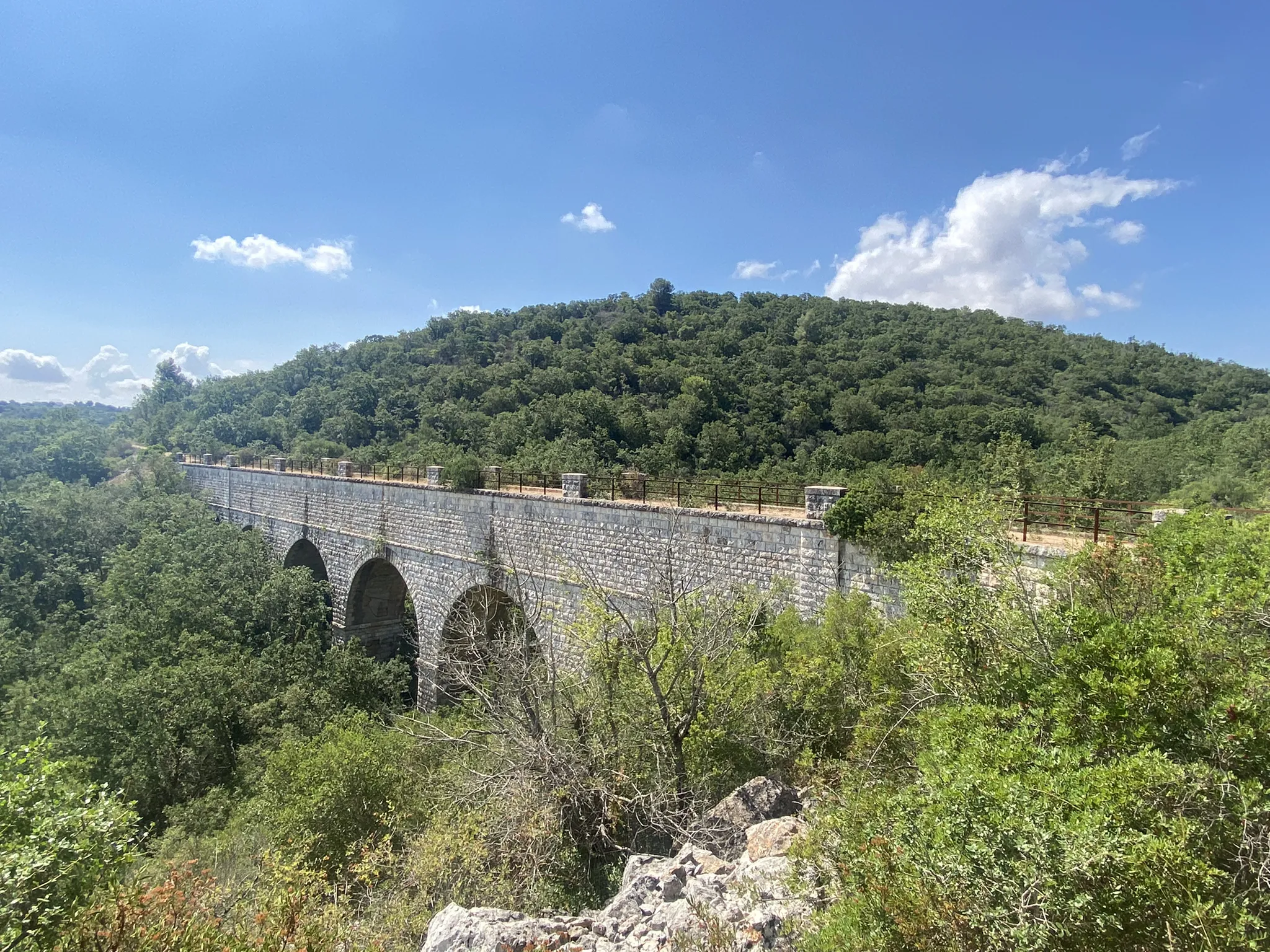
Caposele to Santa Maria di Leuca – Apulian Aqueduct Cycle Route

Trieste to Santa Maria di Leuca – the Adriatic Cycle Route
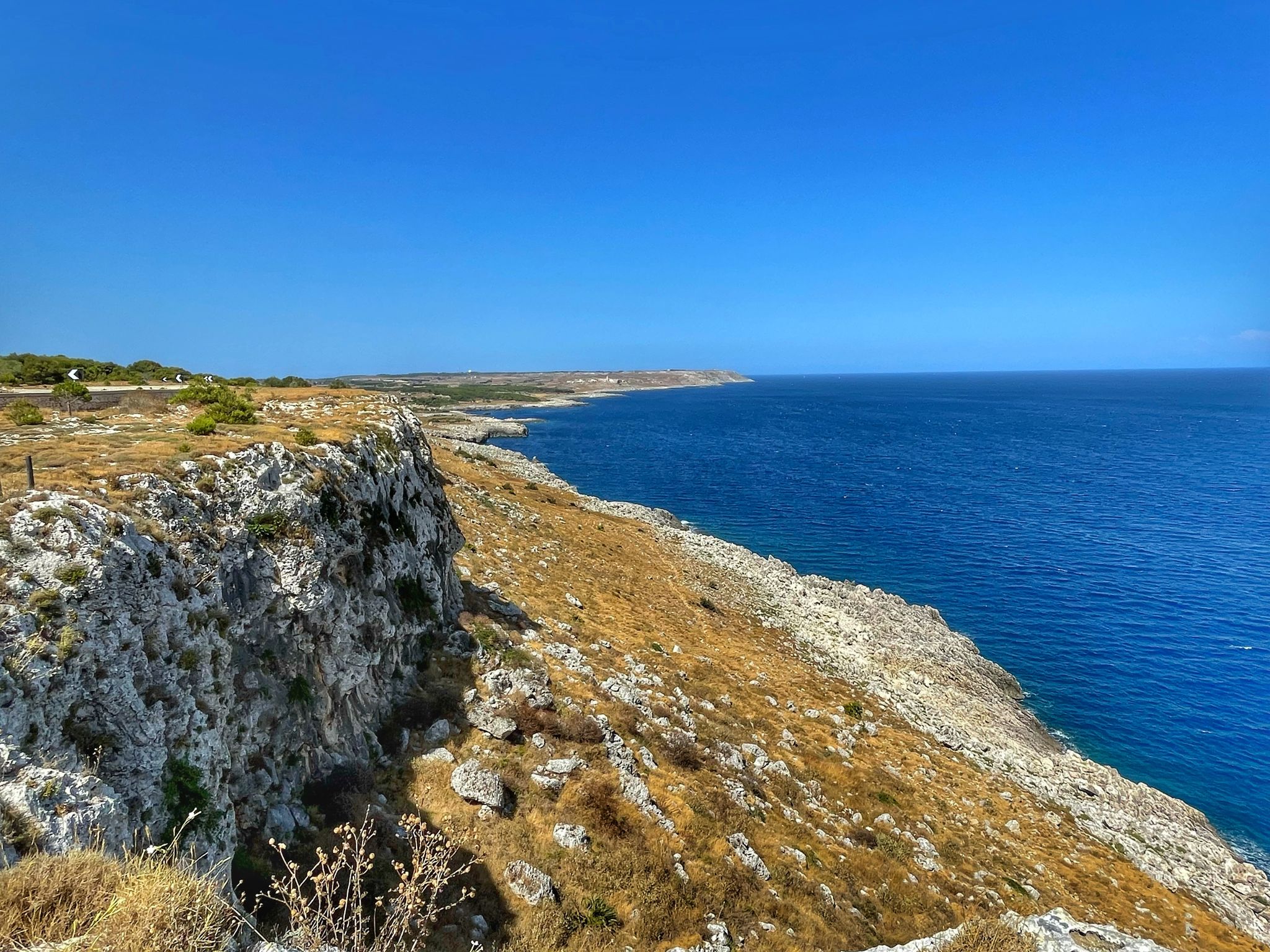
Triangle of Wonders – Salento Ring from Gallipoli
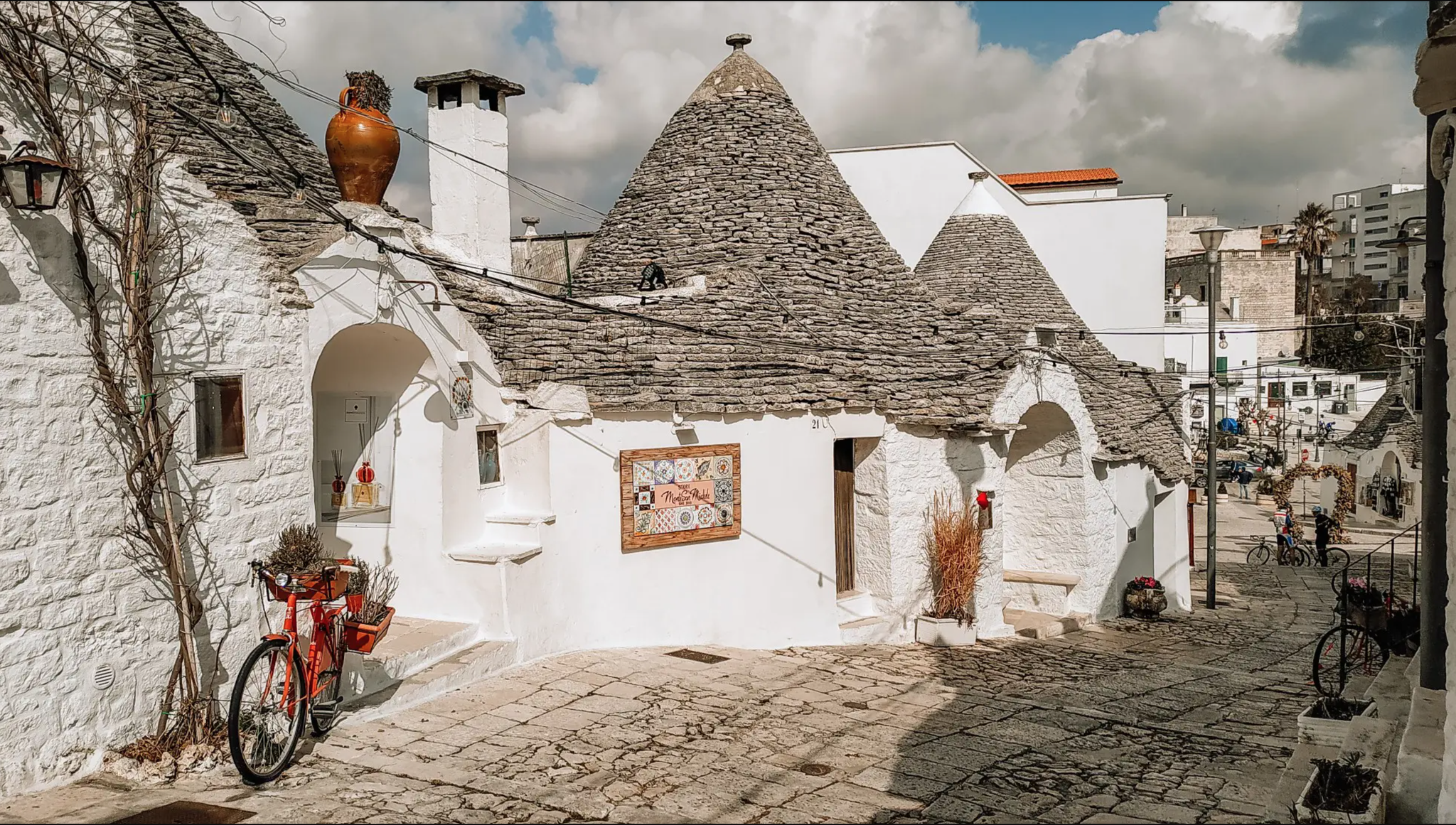
Cycle through the painted blue – a journey of discovery in Puglia
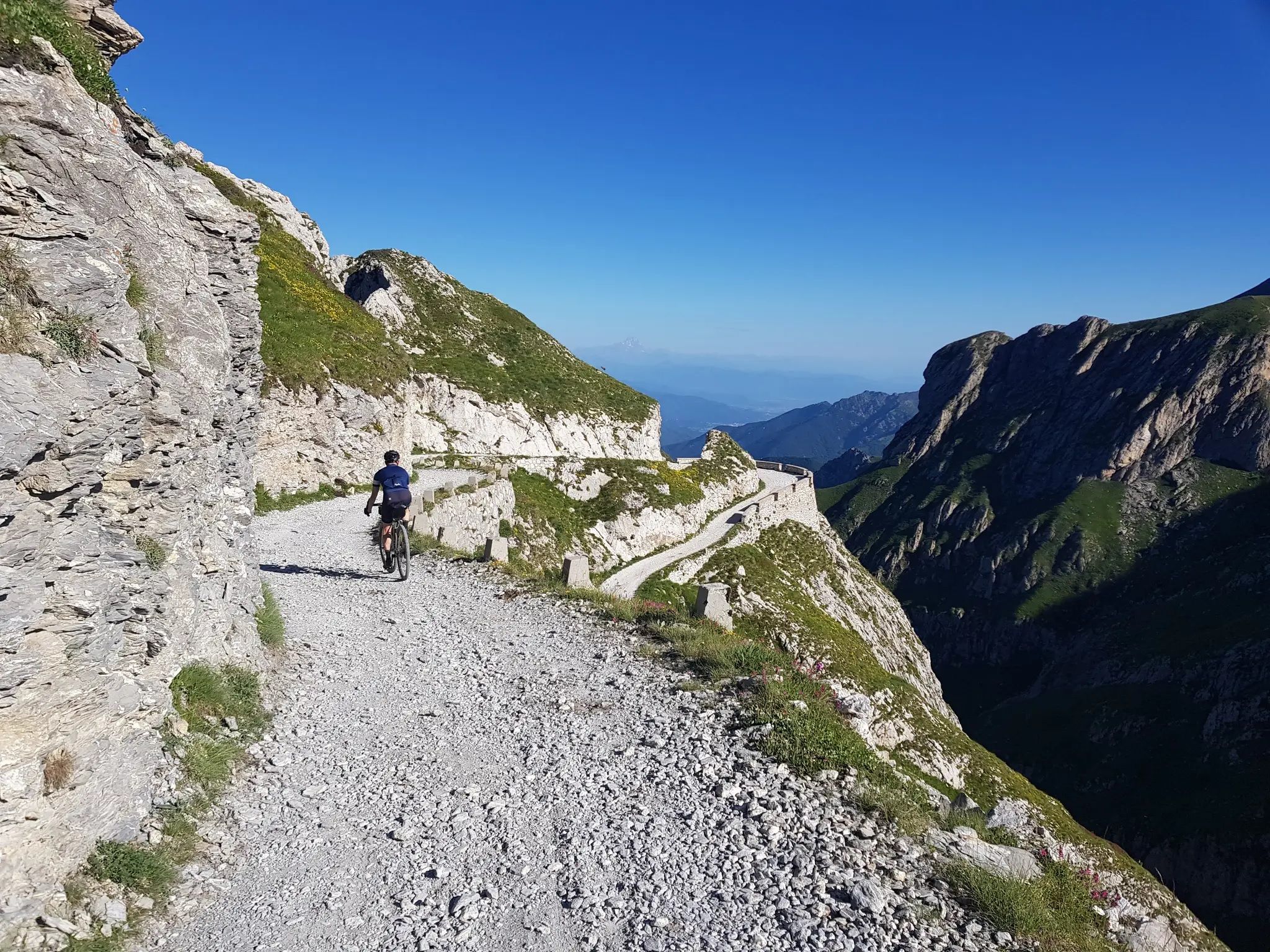
From the boot’s toe to the heel – the most beautiful cycling Tours in Italy
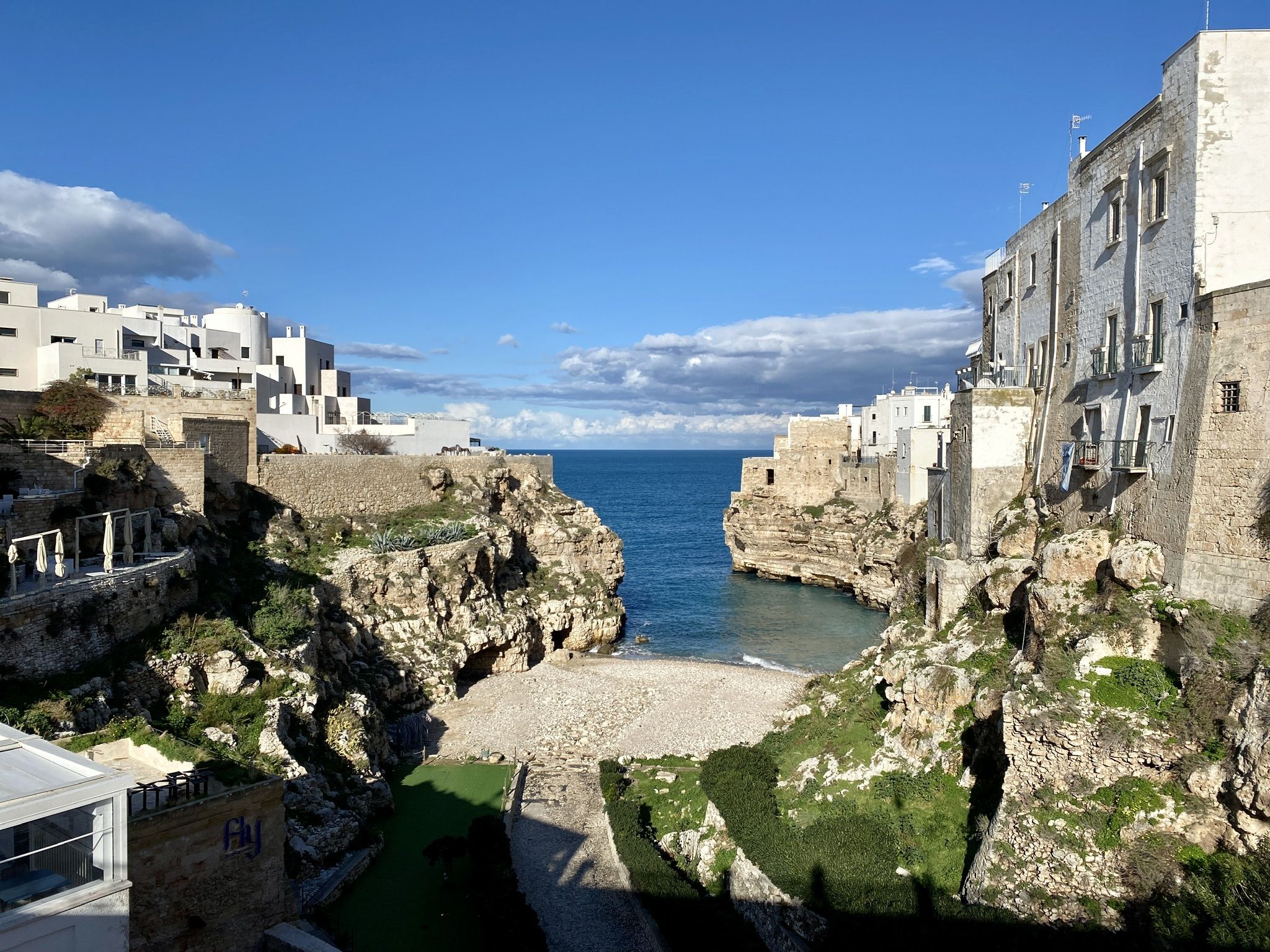
Sea, culture, taste and nature — Italy’s Puglia by bike
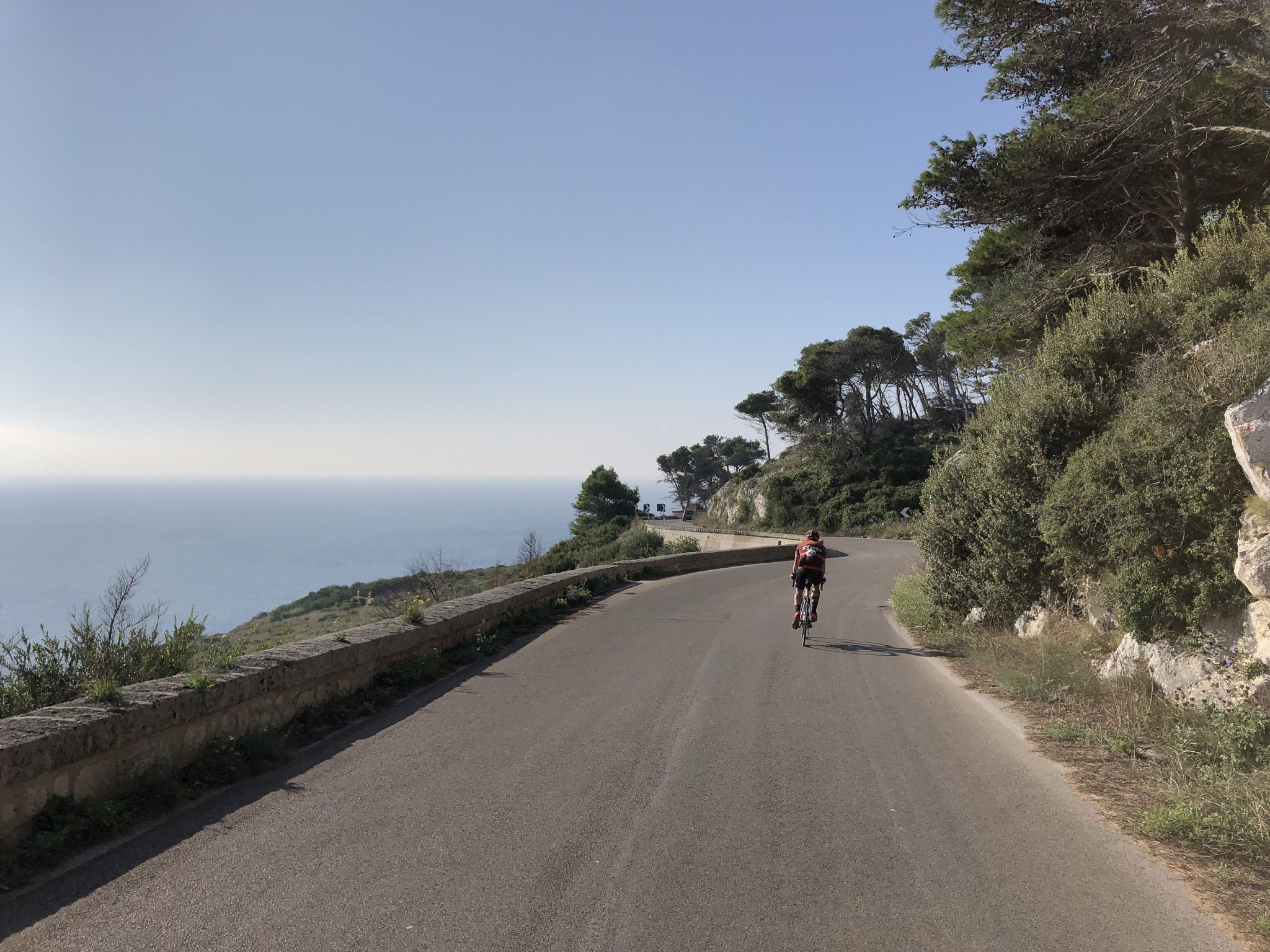
Italy’s Puglia from Bari to Santa Maria di Leuca — all the way south
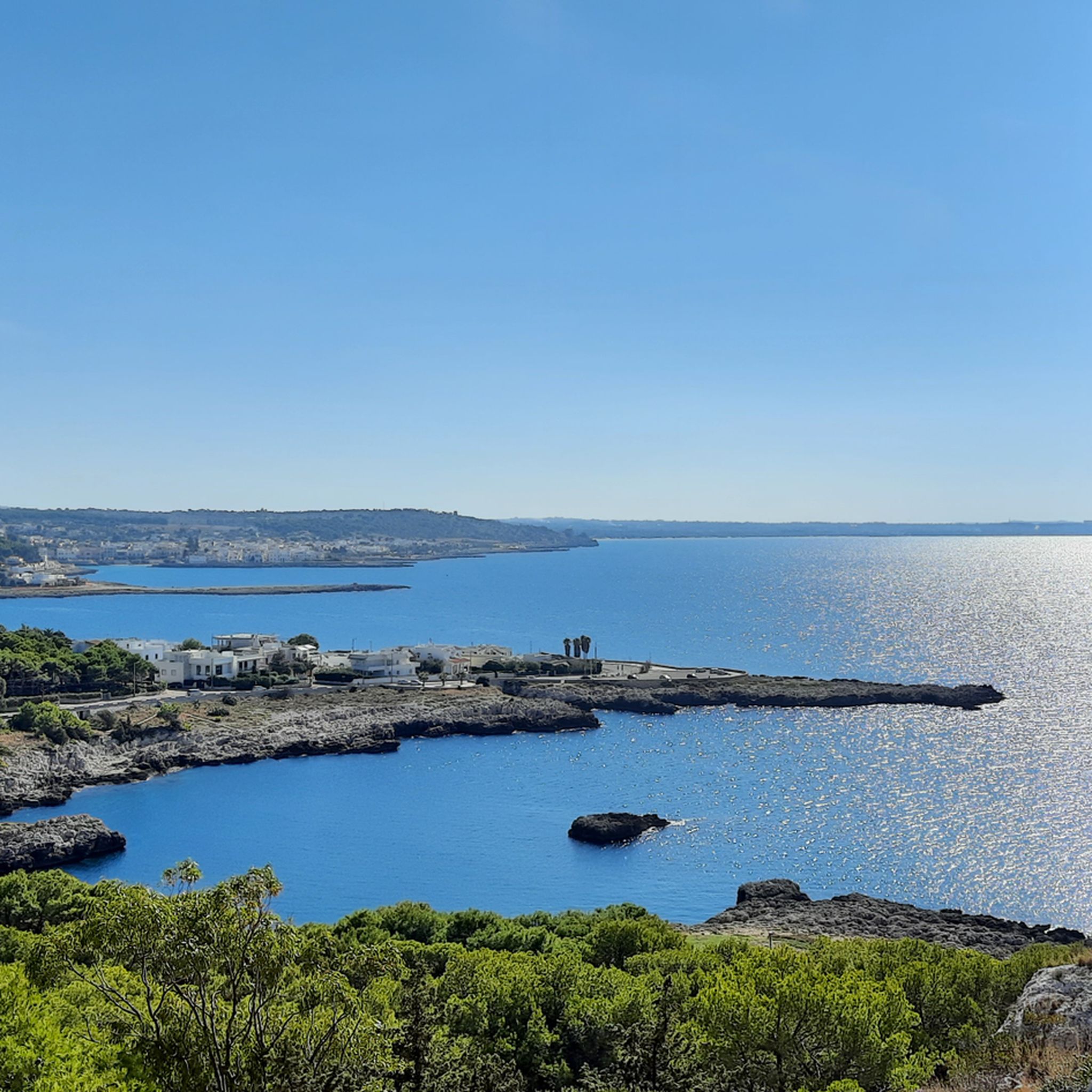
Hiking in Lecce
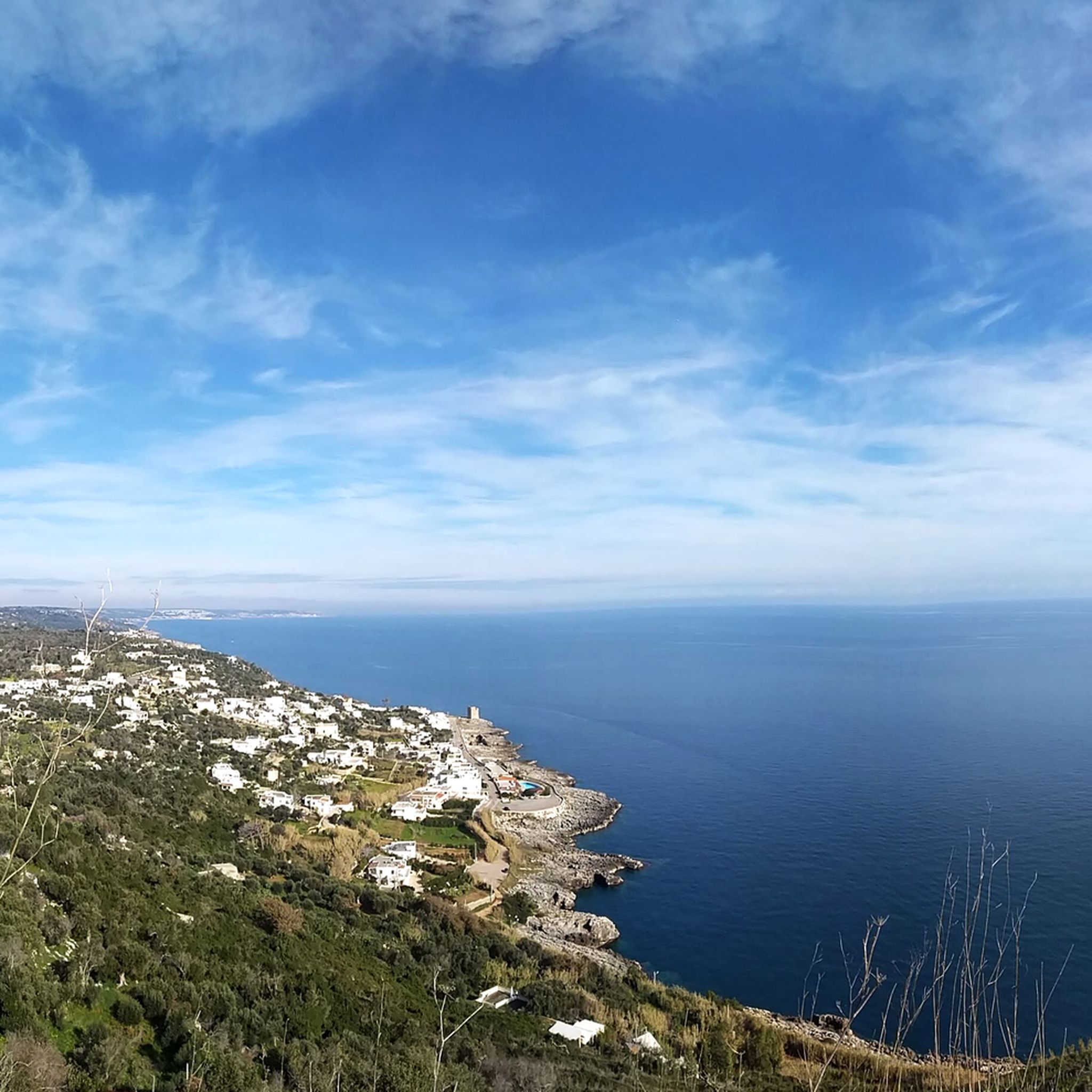
Cycling in Lecce
Other adventures in Lecce


Tips from the Community

Dominating the historic center of Poggiardo, which is definitely worth a visit.
1
0


A beautiful castle with a suggestive façade adorned with numerous statues. Inside the very interesting exhibition of Giuseppe Palumbo, the photographer on a bicycle who documented Salento between 1907 and 1959 and in the various rooms an exhibition path with original images, articles and studies dedicated to the phenomenon of tarantism. A short distance away in the enchanting historic center of Corigliano d'Otranto is the church of San Nicola Vescovo with a valuable mosaic depicting the tree of life.
0
0
in front of the castle there is a balcony overlooking the sea
0
0

Reachable from Lecce with road bike, mountain bike and gravel. 3 fascinating routes
0
0

In the hamlet of the same name in the municipality of Vernole, in the Lecce area, Acaya Castle was built in the 16th century by Gian Giacomo of the Acaya family, on behalf of Charles V, the famous sovereign on whose empire "the sun never set".
0
0

Beautiful castle in Puglia
0
0
Frequently Asked Questions
What are some of the most historically significant castles in Lecce?
Lecce and its surroundings boast several castles with rich histories. The Acaya Castle is a prime example of a Renaissance fortress, built between 1521 and 1535. In the heart of Lecce, the Castello Carlo V, originally Norman, was significantly expanded by Charles V in the 16th century to defend against Ottoman invasions. Another notable site is Castello di Corigliano d'Otranto, which showcases the transition from medieval square towers to round Renaissance ones.
Which castles are particularly interesting for history buffs?
For those deeply interested in history, the Castello Carlo V in Lecce is a must-see. It's the largest fortified structure in Puglia and offers insights into medieval and 16th-century military architecture. The Acaya Castle is another excellent choice, representing a crucial piece of 16th-century military architecture in the Salento region. Both offer a deep dive into the area's defensive past.
Are there family-friendly castles to visit in Lecce?
Yes, several castles in the Lecce area are suitable for families. Acaya Castle, Gallipoli Castle and the Ravelin, and Castello di Corigliano d'Otranto are all categorized as family-friendly. These sites often provide engaging experiences for visitors of all ages, allowing them to explore historical architecture and imagine life in past centuries.
What is the best time of year to visit the castles in Lecce?
The best time to visit the castles in Lecce is typically during the spring (April-June) and autumn (September-October) months. During these periods, the weather is pleasant, with comfortable temperatures for exploring. Summer can be very hot, while winter might be cooler and some sites may have reduced opening hours.
How long does it typically take to visit Castello Carlo V?
A visit to Castello Carlo V can vary, but most visitors spend between 1 to 2 hours exploring its interior, including the grand halls, the Cartapesta Museum, and the Roman-era entertainment installation. Guided tours are often available for a more in-depth experience.
Are there any castles outside the immediate city center worth visiting?
Absolutely. Just outside Lecce, in the hamlet of Acaya, you'll find Acaya Castle, a well-preserved Renaissance fortress. Further afield, Gallipoli Castle and the Ravelin is almost entirely surrounded by the sea, offering a unique coastal castle experience. Castello di Corigliano d'Otranto is also a significant site outside the city, known for its architectural transition.
What outdoor activities can I do near the castles in Lecce?
The Lecce region offers various outdoor activities. For gravel biking, you can explore routes like the 'Mouth of the Alimini Lakes – Baia dei Turchi (Turks' Bay), Otranto loop' or the 'Gallipoli Castle and the Ravelin – Gallipoli Old Town and Harbor loop'. For hiking, consider the 'Lecce Historic Center Loop' or the 'Ciolo Bridge – View of the Ciolo Bridge and the inlet loop'. You can find more details on these and other routes in the Gravel biking in Lecce and Hiking in Lecce guides.
Are there hiking trails near the castles in Lecce?
Yes, there are several hiking opportunities. For instance, the 'Lecce Historic Center Loop' is an easy hike that allows you to explore the city's historical core. More challenging options include 'The Ciolo gorge and the Cipolliane trail along the Salento coast' or 'La Serra del Mito and the Grotta Verde' in the nearby natural parks. Discover more routes in the Easy hikes in Lecce and Hiking in Lecce guides.
What are the parking options near Castello Carlo V?
Castello Carlo V is located in the heart of Lecce. While direct parking at the castle might be limited, there are several paid parking garages and street parking zones within walking distance in the city center. It's advisable to check local signage or use parking apps for the most current information on availability and rates.
Are Lecce castles generally wheelchair accessible?
Accessibility can vary significantly between different historical sites. While some modern cultural centers within castles like Castello Carlo V may have improved accessibility, many older structures, including parts of castles, might have stairs, uneven surfaces, or narrow passages that could pose challenges for wheelchair users. It's recommended to check with individual castle administrations for specific accessibility details before your visit.
Are there cafes or amenities near the castles?
Yes, especially for castles located within or close to urban centers. Castello Carlo V in Lecce is surrounded by numerous cafes, restaurants, and shops in the city center. Acaya Castle is in a small hamlet that also offers some local amenities. For castles in more rural settings, amenities might be less frequent, so it's always good to plan ahead.
What other historical sites are worth seeing in the Lecce area?
Beyond the castles, Lecce is rich in historical sites. The Historic Centre of Otranto, with its Cathedral and Aragonese Castle, is a major attraction. You can also explore the Piazza del Popolo in Muro Leccese, which is surrounded by historical buildings. The region is dotted with ancient settlements and monuments reflecting its long and varied past.
Are there any unique or less-known castles in the Lecce province?
While Castello Carlo V and Acaya Castle are well-known, the Lecce province has other interesting, perhaps less-frequented, sites. The Baronial Palace of Collepasso and the Baronial Palace (Aragonese Castle) of Martano offer glimpses into local feudal history. Torre del Parco in Lecce, while now a hotel, is a restored 15th-century medieval tower that retains much of its historical charm and original features.
Most popular routes in Lecce
Most popular attractions in Lecce

Get inspired with the komoot mobile app


Didn’t find what you were looking for?
Explore Lecce’s best castles region by region:
Explore more
Looking for the best castles somewhere else? Discover other guides in Lecce:
