The best cycling routes around Artenay
4.5
(4)
47
riders
5
rides
Touring cycling routes around Artenay are situated within the Loiret department, a region characterized by its generally flat topography and extensive waterways. The area features the Loire River, along with canals such as the Canal d'Orléans and the Canal de Briare, which integrate into various cycling paths. Expansive natural areas like the Orléans Forest also contribute to the diverse landscapes available for cyclists. This terrain provides a suitable environment for touring cycling, offering a mix of dedicated paths and quiet…
Last updated: October 28, 2026
Hard bike ride. Good fitness required. You may need to push your bike for some segments of this route.
12
riders
Hard bike ride. Good fitness required. You may need to push your bike for some segments of this route.

4.0
(1)
10
riders
30.4km
02:38
50m
50m
Hard bike ride. Good fitness required. You may need to push your bike for some segments of this route.
4.5
(2)
4
riders
18.8km
01:04
50m
40m
Easy bike ride. Mostly paved surfaces.
3
riders
47.5km
02:42
100m
100m
Moderate bike ride. Good fitness required. Mostly paved surfaces.
Our route recommendations are based on thousands of hikes, rides, and runs completed by other people on komoot.
Start today with a free account
Your next adventure awaits.



Tips from the Community

I am a regular fisherman of the Rué pond, As a reminder the pond is classified Natura 2000, bicycles are prohibited around the pond and dogs must be kept on a leash. The regulations are available at the town hall of Mardié or from the association of the pike of Donnery which manages this pond.
1
0

beautiful castle to discover
0
0
Still as majestic, a beautiful castle.
1
0

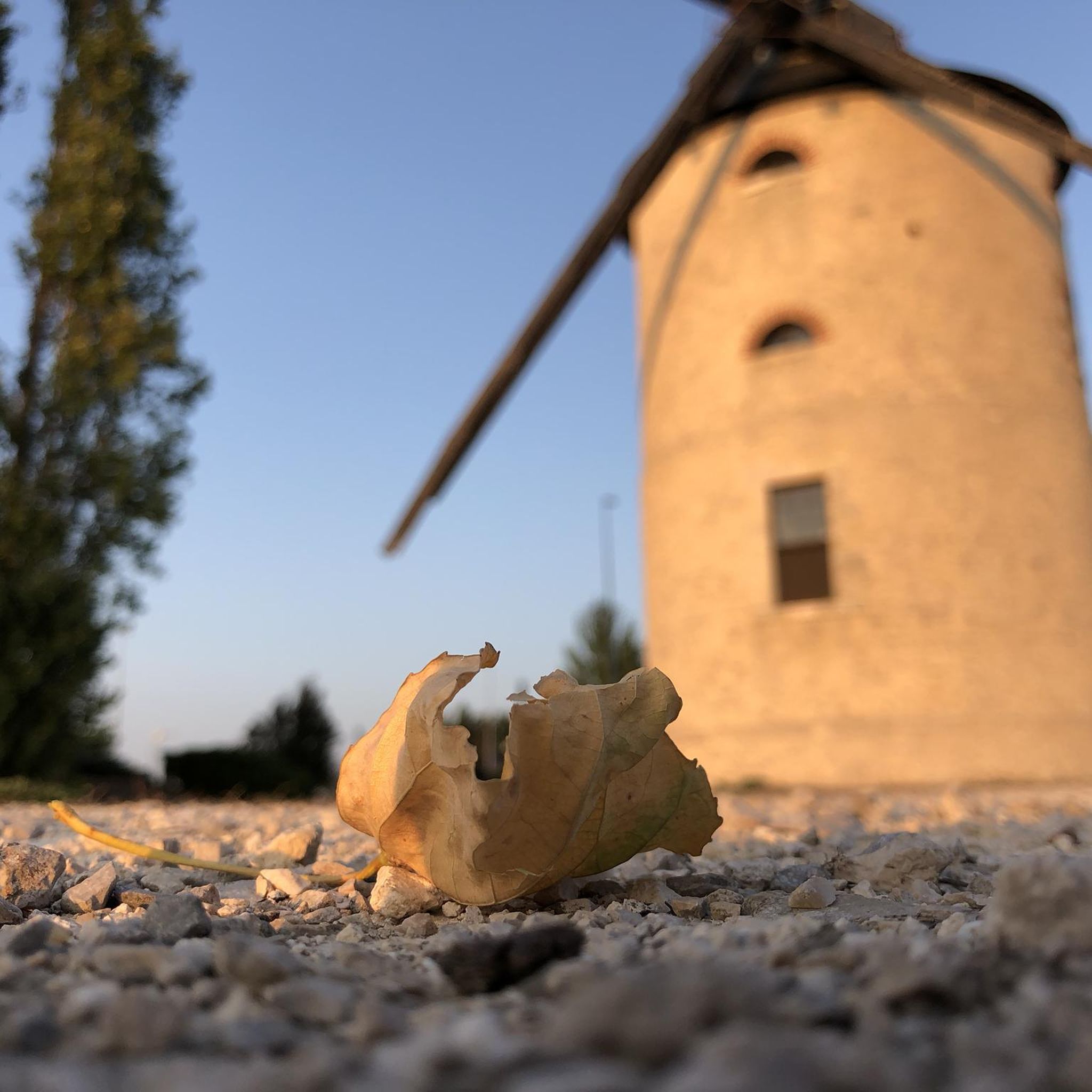
The Moulin de Lignerolles is one of the last pivotal windmills in the Loiret department. Built in 1848, this wooden mill belonged to Louis-Joseph Soulas, famous painter and director of the Orléans School of Fine Arts. You can admire the restored mill and its ingenious mechanism, as well as the panoramic view of the plain. The mill is open to the public on Sundays from 2:30 p.m. to 6 p.m., and also hosts various events throughout the year, such as a flea market, concerts and exhibitions. Visiting the Moulin de Lignerolles is an excellent way to discover the heritage and charm of the Beauceron countryside.
1
0

The Saint André church (13th-15th-16th centuries) In the 7th century, the Benedictine abbey of Bonneval created a priory-curate. Its existence is confirmed by a bull from Pope Gregory second half of the 16th century. In 1793 the church was desecrated and transformed into wine and spirits warehouses. In 1801, the church was returned to worship and changed diocese: from the diocese of Chartres, to which it belonged before the Revolution, it passed to the diocese of Orléans, notably for reasons of distance: Chartres is 48 km from Patay then that Orléans is only 27 km away. The church is 30 m long and 17 m wide. The oldest parts are located near the large porch (13th century). One of the pillars of the nave is decorated with a vestige of Danse Macabre from the mid-15th century. A small masonry door on the right communicated with the old priory, of which ruins remain to the south of the church. The choir dates from the 14th century; the apse wall was decorated with paintings at the end of the 19th century, the chapels were then redeveloped and equipped with new stained glass windows. The keystones of the large nave were made from casts taken from the figurines which adorn the Thesis Room of the University of Orléans, built in 1411. The bell tower, located to the north of the choir, would be an old watchtower. Its pinnacles and eight openings were made after the Wars of Religion. The four bells were melted in 1868. The largest was cracked by a Prussian shell in 1870 and was recast in 1871. Since that year, Ernestine (809 kg, 1 m 12 in diameter at the base, sounding the F), Gabrielle (550 kg, 0.981 m in diameter, sounding the ground), Anne (398 kg, 0.573 m in diameter) and Marie (222 kg, 0.724 m in diameter, sounding the C) give rhythm to the daily life of the small town of Patay, old Beauceron railway junction. On August 15, 1944, an ammunition train was blown up at Patay station. The station was blown up, except for the carriage shed, and all the windows in the town were shattered. Luckily, a providential storm limited the damage. The only two stained glass windows that survived the explosion are those on the right side aisle which date from 1930 and relate the communion of Joan of Arc in the Patay church in 1429. The church was listed as a Historic Monument in 1925 by decree of October 6, 1925.
0
0
If you are looking for a unique and historic hiking destination in the Loiret, you can visit the Moulin d'Artenay, a stone windmill dating from 1849. This impressive monument, which stands 16 meters high high and has wings 22 meters long, is one of the rare examples of this type in the Beauce region. You can visit the interior of the mill and discover its machinery, its production of fine flour and the life of the millers. You can also admire a collection of old agricultural equipment at the neighboring farm. The Moulin d'Artenay is open to the public every third Sunday of the month from April to September, from 2 p.m. to 6 p.m. Don't miss this opportunity to discover an element of local heritage.
2
0
The Orléans national forest is the largest national forest in France. With its 35,000 hectares of woods, its thousand ponds and marshes, and its rich biodiversity, this forest offers a variety of trails and landscapes to explore. You can admire the majestic oaks and pines, spot the rare osprey or fish eagle, and learn about the history and culture of the region.
2
0
The Moulin de Lignerolles is one of the last pivotal windmills in the Loiret department. Built in 1848, this wooden mill belonged to Louis-Joseph Soulas, famous painter and director of the Orléans School of Fine Arts. You can admire the restored mill and its ingenious mechanism, as well as the panoramic view of the plain. The mill is open to the public on Sundays from 2:30 p.m. to 6 p.m., and also hosts various events throughout the year, such as a flea market, concerts and exhibitions. Visiting the Moulin de Lignerolles is an excellent way to discover the heritage and charm of the Beauceron countryside.
2
0
Frequently Asked Questions
What kind of terrain can I expect for touring cycling around Artenay?
The Artenay area, situated within the Loiret department, is characterized by its generally flat topography, making it ideal for touring cyclists. Routes often follow the Loire River, canals like the Canal d'Orléans and Canal de Briare, and traverse expansive natural areas such as the Orléans Forest. This diverse landscape offers a mix of dedicated paths and quiet rural roads, suitable for relaxed rides.
How many touring cycling routes are available near Artenay?
There are several touring cycling routes around Artenay, with komoot featuring 7 distinct routes. These routes cater to various skill levels, offering options for easy, moderate, and difficult rides.
Are there touring cycling routes suitable for families around Artenay?
Yes, the Loiret department, where Artenay is located, is known for its extensive network of cycle trails that cater to cyclists of all skill levels, including families. The generally flat terrain and dedicated paths make it an excellent choice for family-friendly rides. An example of an easier route is La Générale loop from Gidy, which is 11.7 miles (18.8 km) long.
What are the difficulty levels of touring cycling routes in the Artenay area?
The touring cycling routes around Artenay offer a range of difficulty levels. You can find 3 easy routes, 1 moderate route, and 3 difficult routes, ensuring options for beginners and experienced cyclists alike. The region's flat terrain generally makes for accessible cycling.
Are there any circular touring cycling routes near Artenay?
Yes, many touring cycling routes around Artenay are designed as loops, allowing you to start and finish at the same point. Examples include the challenging Forêt domaniale d'Orléans par le moulin de Lignerolles — boucle depuis Artenay, the scenic Étang de la Retrêve – Mare aux Tanches loop from Chevilly, and the moderate Moulin de Lignerolles loop from Cercottes.
What historical and natural landmarks can I see along touring cycling routes near Artenay?
While specific attractions within Artenay itself are not detailed, its location in the Loiret department means routes often pass through historic towns and villages like Meung-sur-Loire and Cléry-Saint-André. You can also encounter natural features such as the Loire River, the Orléans Forest, and various canals. The wider region is also home to renowned châteaux of the Loire Valley.
What is the best time of year for touring cycling around Artenay?
The Loiret department, including Artenay, benefits from a mild climate, making it suitable for year-round cycling. However, spring and autumn offer particularly pleasant temperatures and beautiful scenery. Summer is also popular, but it's advisable to cycle earlier in the day to avoid the midday heat.
Where can I find parking for touring cycling routes in Artenay?
While specific parking locations for each route are not provided, Artenay and surrounding towns generally offer public parking facilities. For routes starting from specific villages or natural areas, look for designated parking lots near trailheads or local amenities. It's always a good idea to check local signage upon arrival.
Are there accommodations and services for cyclists in the Artenay region?
Yes, the Loiret department is committed to cycle tourism. The "Accueil Vélo" quality charter ensures that many local tourist professionals, including accommodations, restaurants, and bike rental/repair shops, have adapted their services to meet the needs of cycling tourists. This means you can often find bike-friendly hotels, gîtes, and cafes along the routes.
Can I access touring cycling routes near Artenay using public transport?
Public transport options for accessing cycling routes with bikes can vary. While regional trains (TER) in France often allow bikes, it's crucial to check specific routes and times, especially during peak seasons. For more detailed information on moving around the Loiret department, including public transport, you can consult the official tourism website: tourismeloiret.com.
What do other touring cyclists enjoy most about cycling in Artenay?
The touring cycling routes around Artenay are highly rated by the komoot community, with an average score of 4.75 stars from more than 4 reviews. Cyclists often praise the region's diverse landscapes, which include the tranquil Orléans Forest and picturesque waterways, as well as the generally flat and accessible terrain suitable for various skill levels.
Most popular attractions around Artenay

Get inspired with the komoot mobile app


Explore more
Browse the best Cycling routes in other regions.
