Top 20 Natural Monuments around Vosselaar
Natural monuments around Vosselaar offer diverse natural spaces, cherished for their ecological value and recreational opportunities. The municipality in the Belgian province of Antwerp features varied landscapes, from fens and heathlands to managed forests. These areas provide opportunities for outdoor activities and observing local flora and fauna. Their ongoing management ensures their preservation for future generations.
Best natural monuments around Vosselaar
- The most popular natural monuments is Devil's Pit Pond, a lake that is a nature reserve featuring dry…
Last updated: July 23, 2026
The Zwart Water
Highlight • Lake
Translated by Google •
Tip by

Wortel-Kolonie
Highlight • Historical Site
Translated by Google •
Tip by

Sign up now to discover places like this
Get recommendations on the best single tracks, peaks, & plenty of other exciting outdoor places.
Sign up for free
De Hoge Mouw with its sleeping giant
Highlight • Monument
Translated by Google •
Tip by
Devil's Pit Pond
Highlight • Lake
Translated by Google •
Tip by

Bootjesven
Highlight • Lake
Translated by Google •
Tip by
Sign up for free to discover even more natural monuments around Vosselaar.
Sign up for free
Already have an account?
Start today with a free account
Your next adventure awaits.
Login or Signup
Tips from the Community

Many captivating stories have been written about this well (not just any well). The first probably dates back to 1571, when Lieske Coolbonders committed suicide by drowning herself in the well while the devil himself was pursuing her. Lieske was the illegitimate daughter of Katrien Coolbonders, who was raped by a Spanish nobleman. The nobleman was murdered by Katrien's husband. The body was first dumped in the Devil's Well. Later, it was buried somewhere nearby. (Efkesweg.be)
5
0
Viewed from above, with a little imagination, the Kempen Ridge's relief can be seen as if a giant were sleeping beneath the landscape. Because of the vegetation on the sand dunes, they no longer move, and the giant's slumber is not disturbed. In 2018, Gijs Van Vaerenbergh's artwork, "A Giant Sculpture," was unveiled. It was placed on the 30-meter-high summit of the Hoge Mouw sand dune. (Efkesweg.be)
7
0

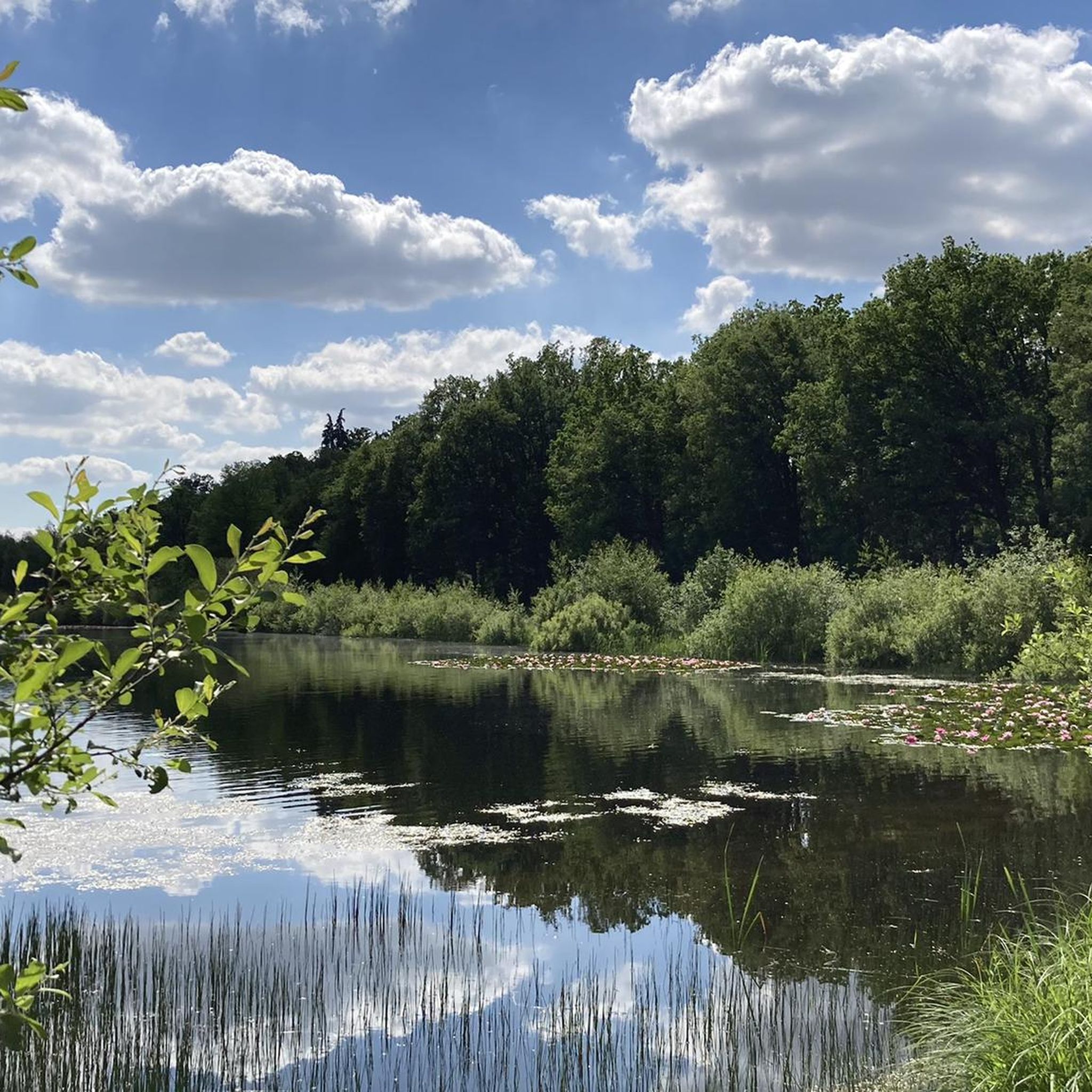
The Bootjesven is one of the most famous and beautiful spots in Wortel-Kolonie 🌿. 📍What is the Bootjesven? • It is a natural fen, surrounded by pine forests and heathland, in the heart of the tranquility of the Colony. • The name refers to the "boats" of peat moss that float on the water, giving the surface a fairytale-like appearance. • The fen is a vulnerable nature reserve: special plants such as cotton grass and sundew grow there, and you often find dragonflies and waterfowl there. • It is part of the Merkske Valley, a European Natura 2000 protected area. 🌿 Experience for hikers and cyclists • The Bootjesven is located along several beautiful hiking trails that start from the De Klapekster Visitor Center. • It is an ideal place to take a break and enjoy the peace and quiet and nature. • Because it is a sensitive area, walking on designated paths and not allowing dogs off the leash is important for the preservation of this unique natural environment.
9
1

In a thunderstorm, it is best not to touch it, a lightning strike can be dangerous. Inside it is a Faraday cage and you are safe, but what if you touch the corten steel at the moment that lightning strikes? Still, stay away from this beautiful work of art in a thunderstorm!?
4
0

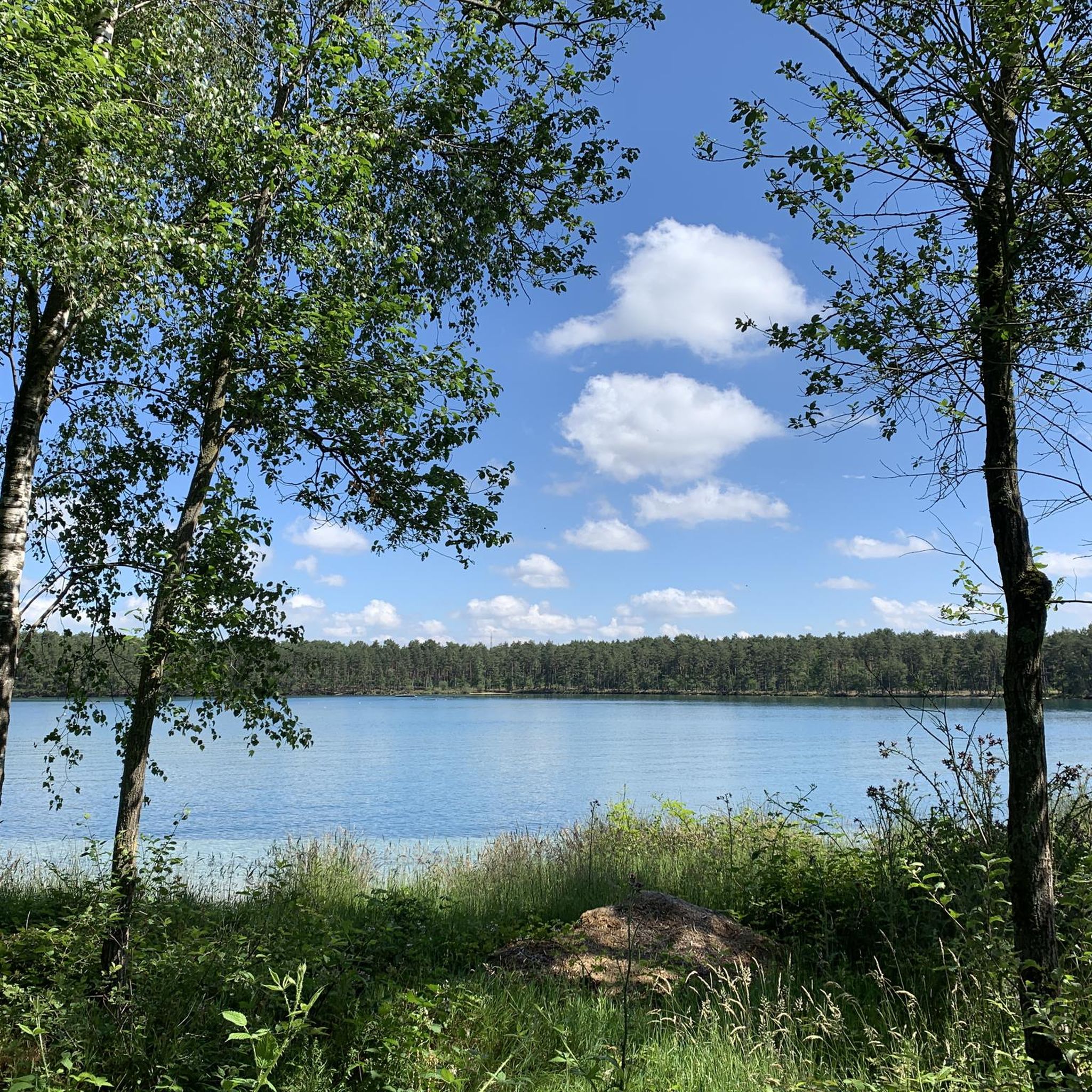
The Bootjesven is a fen that was created by extracting peat. Peat was extracted on a large scale in the entire Noorderkempen region between the middle of the 13th and the 18th century. Peat is dried peat that was dug from the marshy peat areas. The extracted peat was laid out to dry and then used as a raw material. This location is now a large body of water where it is wonderful to stay. You can cool off up to your knees and no further. Swimming is prohibited.
12
0

Fun to spin the wheel here and listen to the story around this mysterious pool...
5
1

A special one... you must see it
5
1
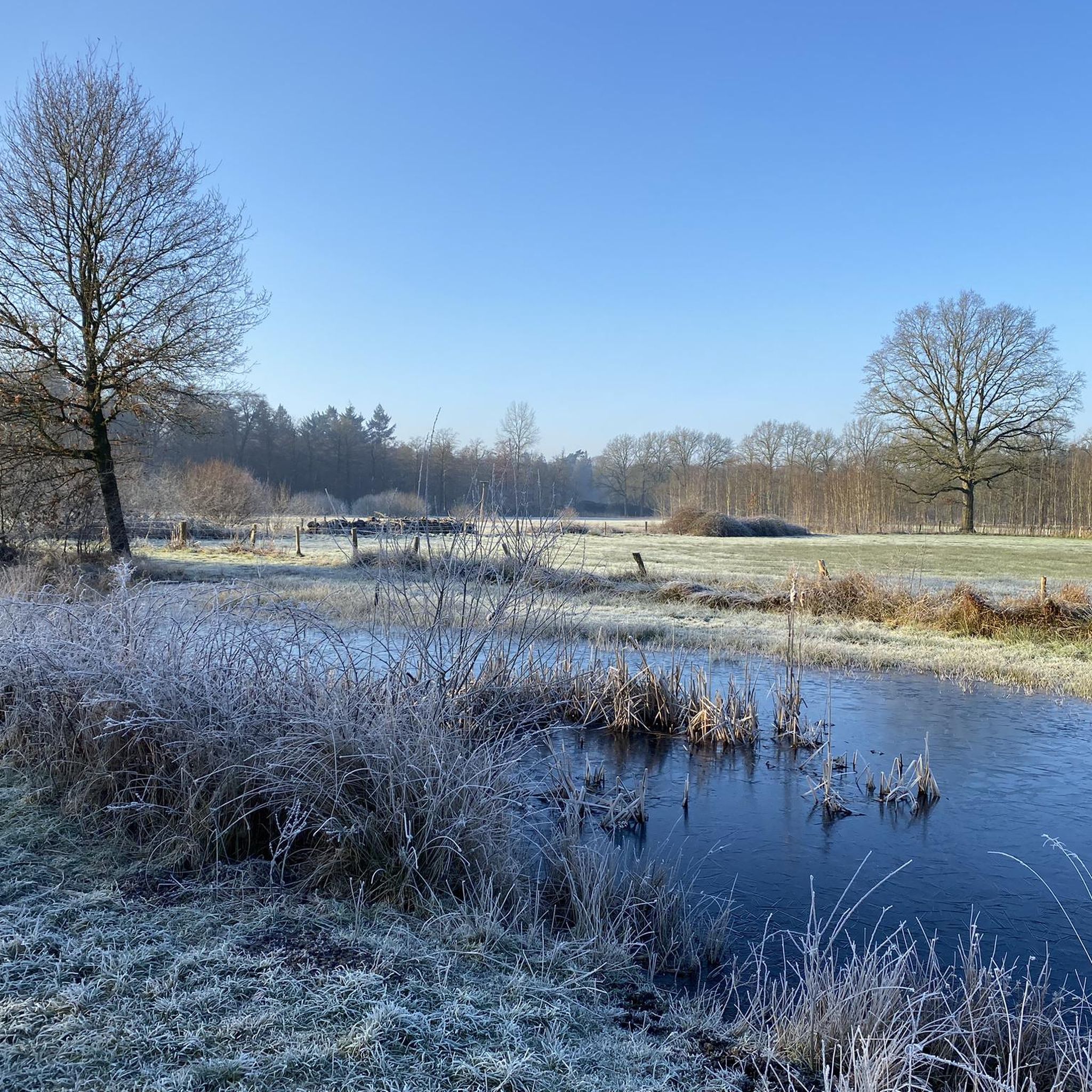
Het Zwart Water is a nature reserve southwest of the town of Lichtaart, which is part of the Antwerp municipality of Kasterlee, located near Lavendelweg 1-3. The area is managed by the Agency for Nature and Forests. The area is located on the Kempense Heuvelrug and consists of a fen that used to be in a drifting sand and heathland area, but was largely forested with conifers during the 19th century. On the edge of the fen you will find bog myrtle thickets, willow swamp forest and poor grassland. There is a floating dome in the fen that forms a safe resting place for birds. The forest is gradually being transformed into more mixed forest. In addition, there are remnants of heathland.
8
0
Frequently Asked Questions
What unique natural features can I explore in Vosselaar?
Vosselaar offers diverse natural features. You can visit The Zwart Water, a distinctive fen with bordering woods and a floating platform for birds. Another interesting spot is Devil's Pit Pond, a nature reserve known for its characteristic Kempen landscape, dry and wet heathland, and pools locally called "devil's pits." The region also features managed forests like Konijnenberg and Zwartgoorheide, which are actively preserved for biodiversity.
What outdoor activities are available in the natural areas around Vosselaar?
The natural areas around Vosselaar are ideal for various outdoor activities. You can enjoy walking and cycling in areas like Konijnenberg, which has paved cycling paths, and Zwartgoorheide, a primary walking forest with designated paths for cyclists and equestrians. For more structured routes, you can find numerous hiking trails, running routes, and MTB trails throughout the region.
Are there family-friendly natural monuments in Vosselaar?
Yes, several natural areas in Vosselaar are suitable for families. Konijnenberg is a walking and play forest, perfect for children. De Hoge Mouw with its sleeping giant is another great spot where children can romp in the soft sand and discover the unique artwork. Many areas, including The Zwart Water and Devil's Pit Pond, are also categorized as family-friendly, offering accessible paths and interesting sights.
Can I bring my dog to the natural monuments in Vosselaar?
Yes, some natural areas in Vosselaar are dog-friendly. Zwartgoorheide, for instance, includes an off-leash zone specifically for dogs, making it a great place to walk with your canine companion. Always check local signage for specific rules and regulations regarding dogs in other natural areas.
What historical insights can I gain from visiting Vosselaar's natural monuments?
Vosselaar's natural areas offer a blend of natural beauty and history. Wortel-Kolonie is a significant historical site and a UNESCO World Heritage Site, originally an agricultural colony. The Hof van Vosselaar (Parkbos) features a park forest that developed from a moated rectory domain, providing a glimpse into the region's religious and landscape history. Even Devil's Pit Pond has historical connections, with finds indicating prehistoric burial fields.
What is the best time of year to visit the natural monuments in Vosselaar?
The natural monuments in Vosselaar can be enjoyed year-round, but each season offers a different experience. Spring brings blooming flowers like lily-of-the-valley in Hof van Vosselaar. Summer is ideal for walking and cycling. Autumn showcases beautiful foliage in the forests. Even winter offers opportunities for quiet walks, especially in areas like Zwartgoorheide and Konijnenberg, where the landscape takes on a serene beauty.
Where can I find parking when visiting natural monuments in Vosselaar?
Parking facilities are available at some natural monuments. For example, Wortel-Kolonie is known to have parking, serving as a departure point for walking and cycling routes. For other areas, it's advisable to check local information or maps for designated parking spots near trailheads or main entrances.
What kind of wildlife can I expect to see in Vosselaar's natural areas?
Vosselaar's diverse ecosystems support a variety of wildlife. In Zwartgoorheide, the managed fringe vegetation provides habitat for lizards, slow worms, tree pipits, and various butterfly and wild bee species. The Zwart Water is a resting and nesting spot for birds, and you might spot deer in areas like Wortel-Kolonie if you visit early in the morning. Konijnenberg also features titmouse nesting boxes, part of a local initiative to support bird populations.
Are there any natural monuments with unique geological features in Vosselaar?
While Vosselaar is not known for dramatic geological formations, it does have interesting features. De Hoge Mouw is part of the Kempense Heuvelrug, a chain of hills made of ferrous sandstone, and features shifting dunes that are now stabilized by vegetation. The Zwart Water has a unique hydrological history, formed by a hard subsoil layer preventing water drainage, leading to peat accumulation and its characteristic dark color.
What do visitors enjoy most about the natural monuments in Vosselaar?
Visitors appreciate the tranquility and diverse landscapes of Vosselaar's natural monuments. Many enjoy the opportunity to connect with nature, whether it's listening to birds at The Zwart Water, exploring the historical context of Wortel-Kolonie, or simply enjoying a peaceful walk. The well-maintained paths and efforts in ecological preservation also contribute to a positive visitor experience.
Are there any natural areas in Vosselaar that are actively managed for ecological preservation?
Yes, several natural areas in Vosselaar undergo active management for ecological preservation. Konijnenberg features grazing management by sheep to maintain open and diverse vegetation, along with forest thinning to promote biodiversity. Zwartgoorheide also uses grazing sheep to manage fringe vegetation, encouraging diverse plant species and providing habitat for various animals. These efforts ensure the ecological value of these areas is preserved.
Can I find viewpoints or scenic spots within Vosselaar's natural monuments?
Yes, several natural monuments offer scenic viewpoints. De Hoge Mouw is the highest point of the Kempense Heuvelrug, offering expansive views of the surrounding landscape. The Zwart Water has a viewing hut that allows you to intensely enjoy the activity of birds. Additionally, the park forest of Hof van Vosselaar provides beautiful woodlands with large trees and a pond, creating picturesque settings.
Most popular routes around Vosselaar
Most popular attractions around Vosselaar

Get inspired with the komoot mobile app


Explore more
Extend your search for the best caves by checking out these guides of the top ones around Vosselaar:
