Top 18 Gorges around Günthersbühler Forst
Canyons around Günthersbühler Forst offer diverse geological formations and natural landscapes. The region, while not directly featuring named canyons within its immediate boundaries, is in proximity to several notable gorges. These areas provide opportunities for hiking and exploring unique natural features, including sandstone cliffs, caves, and waterfalls. The landscape is shaped by rivers carving through rock, creating dramatic scenery.
Best canyons around Günthersbühler Forst
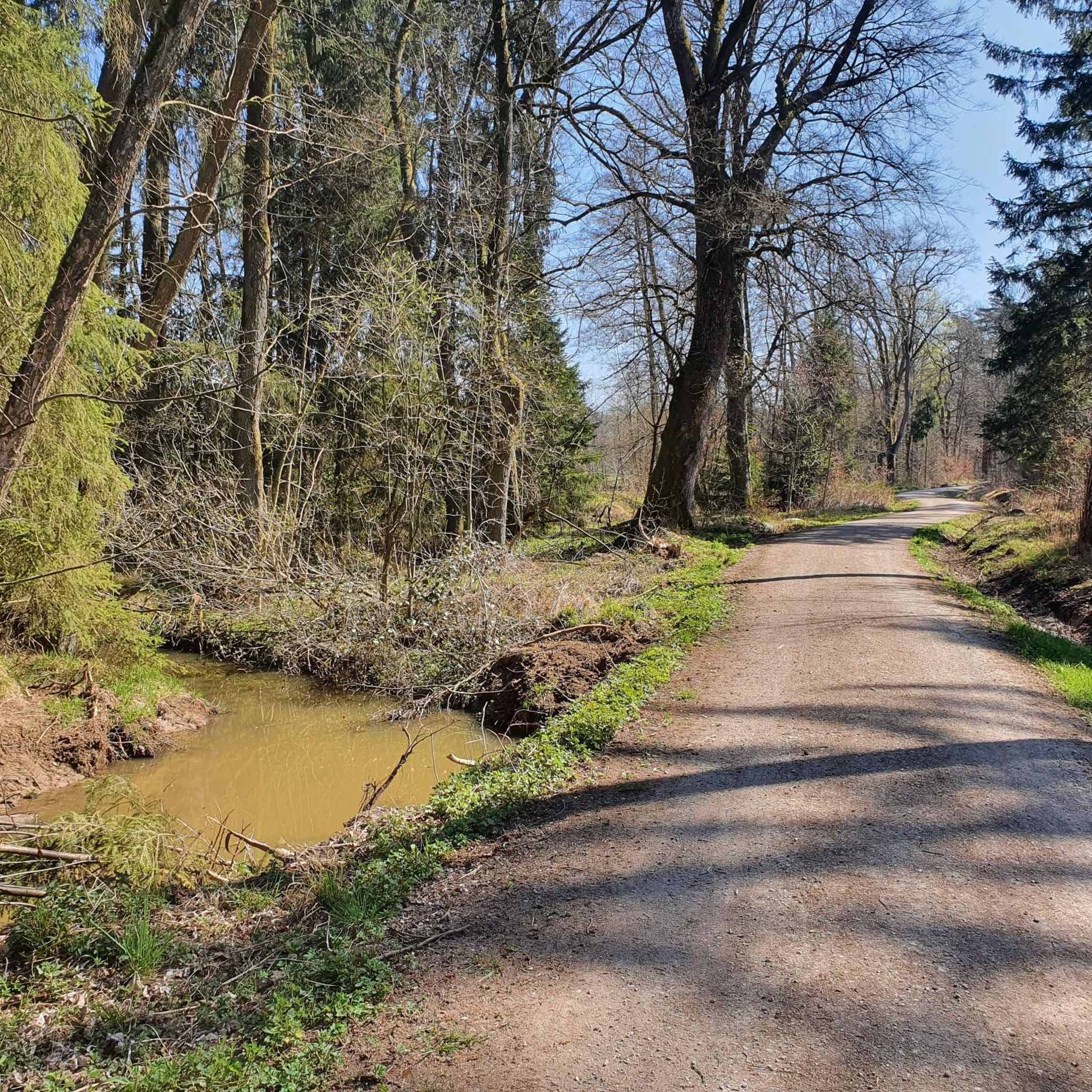
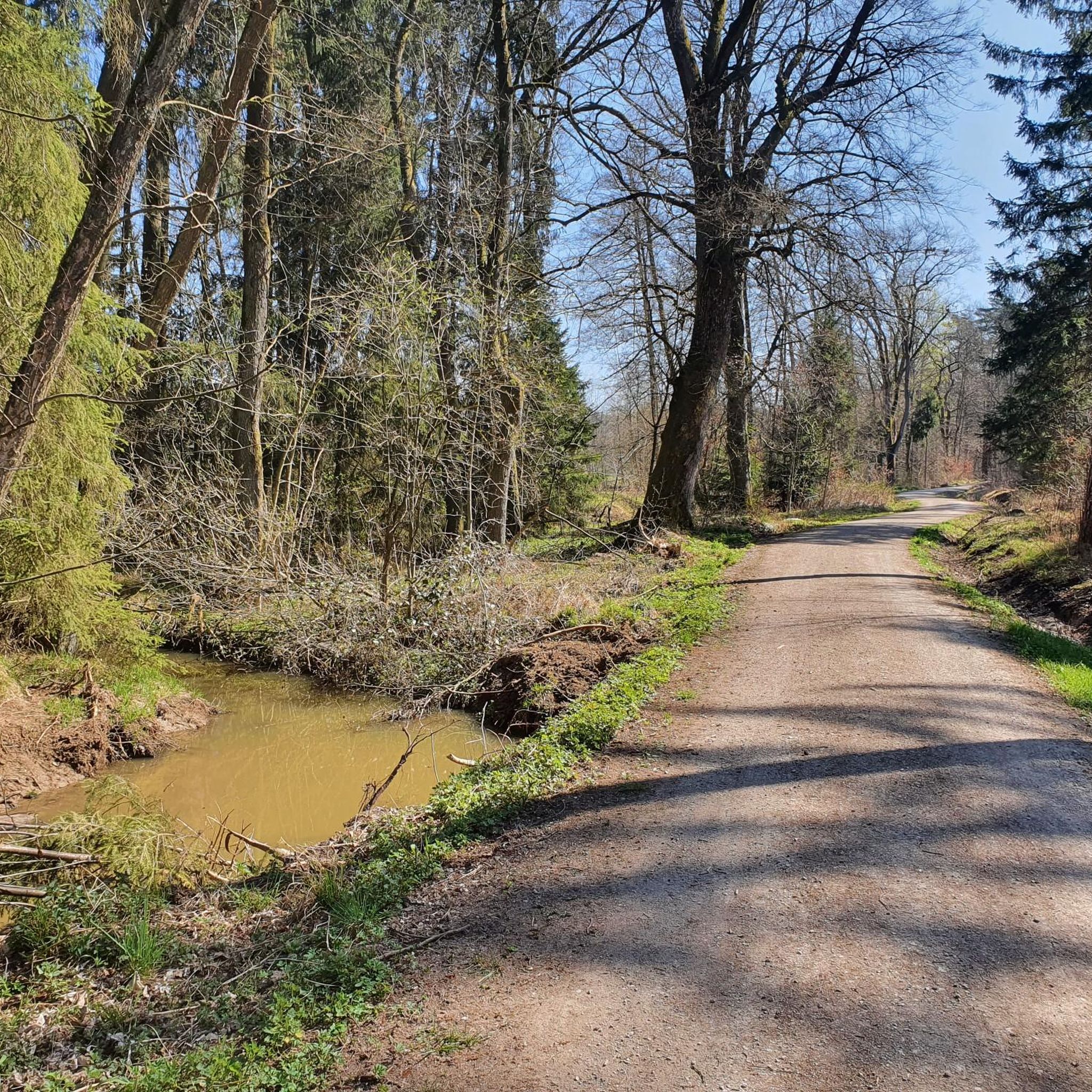
- The most popular canyons is Bitterbach Gorge, a gorge cut into the Burgsandstein near Lauf…
Last updated: May 28, 2026
Bitterbach Gorge
Highlight (Segment) • Gorge
Translated by Google •
Tip by

Klingender Waterfall
Highlight • Waterfall
Translated by Google •
Tip by

Sign up now to discover places like this
Get recommendations on the best single tracks, peaks, & plenty of other exciting outdoor places.
Sign up for free
Old Stone Bridge
Highlight • Bridge
Translated by Google •
Tip by

Teufelsbadstube Gorge
Highlight • Gorge
Röthenbach Gorge
Highlight • Gorge
Translated by Google •
Tip by

Sign up for free to discover even more gorges around Günthersbühler Forst.
Sign up for free
Already have an account?
Start today with a free account
Your next adventure awaits.
Login or Signup

Tips from the Community

Small but nice. When it rains it can be a bit slippery, so be careful
4
1

Very nice viewpoint to the Teufelsbadstube with a small information sign The Teufelsbadstube is about 500 meters long, up to 75 meters wide and up to 25 meters deep. The gorge is partly surrounded by weathered sandstone rock formations. The Teufelsgraben stream that flows through the gorge rises about 400 meters east of the Teufelsbadstube and is additionally fed by the Stephansquelle near the Felsenkeller. After about two kilometers, the Teufelsgraben joins the Röstgraben and subsequently becomes the Eschergraben. A small waterfall has formed in the upper part of the gorge. The water falls about 2 meters down over a layer. The gorge is largely overgrown and difficult to access.
6
0

https://www.via-ferrata.de/touren/gps/rundwandel-teufelsbadstube-kalchreuth-im-winter Lots of icicles at the moment
7
0

Geotope Teufelsbadstube / Teufelsgraben The Teufelsbadstube is around 500 meters long, up to 75 meters wide and up to 25 meters deep. The gorge is partly surrounded by weathered sandstone rock formations. The Teufelsgraben stream that flows through the gorge rises about 400 meters east of the Teufelsbadstube and is also fed by the Stephansquelle near the Felsenkeller. After about two kilometers the Teufelsgraben joins the Röstgraben and then becomes the Eschergraben. A small waterfall has emerged in the upper part of the gorge. The water falls here over a stratum about 2 meters deep. The area is designated as geotope 572R001 by the Bavarian State Office for the Environment. tourism The Teufelsbad step is a local tourist destination and is freely accessible all year round. Numerous hiking trails lead to this place, where there is also a beer cellar that is served in the summer months.
8
0

Always fascinating, sometimes more, sometimes less water and again completely different when you walk along the stream bed in dry weather
8
0

Very nice. Very hidden. With a beer garden.
5
0

Highly recommended, definitely go there if you're in the area
5
0
It's beautiful here, or simply amazing The scenery is a dream
6
0
Frequently Asked Questions
What are some notable gorges near Günthersbühler Forst?
The region around Günthersbühler Forst is home to several impressive gorges. Key highlights include the Bitterbach Gorge, known for its varied scenery throughout the year, and the Teufelsbadstube Gorge, which features weathered sandstone formations and a small waterfall. Further afield, the Schwarzachklamm and Teufelskirche (Devil's Church) offer dramatic natural beauty with unique geological formations.
What unique geological features can I expect to see in the gorges around Günthersbühler Forst?
You can expect to encounter impressive sandstone cliffs, often reaching significant heights, carved by rivers. Many gorges feature intriguing caves and rock overhangs, such as the Gustav-Adolf-Höhle and Karlshöhle in Schwarzachklamm. The Teufelskirche gorge is notable for its mineral deposits within tunnels, showcasing various color tones.
What is the difficulty level of hiking trails in the gorges around Günthersbühler Forst?
The hiking trails vary in difficulty. Many are well-maintained and suitable for various fitness levels, including families. However, some paths, like those in the Teufelskirche gorge, can involve wooden bridges and stone blocks, requiring good footing and waterproof footwear, especially in wet conditions. The trail along the Nessenbach can also be more demanding in sections.
Are the gorges around Günthersbühler Forst suitable for families?
Yes, several gorges are family-friendly. The Schwarzachklamm, for instance, offers well-maintained trails suitable for families. The Klingender Waterfall and its surrounding Hüttenbach Gorge are also recommended for family outings. Always check specific trail conditions, as some paths may be less suitable for very young children or strollers.
When is the best time to visit the gorges near Günthersbühler Forst?
The gorges offer beauty year-round. Spring, after the snowmelt, is ideal for seeing waterfalls and streams at their fullest, such as in the Bitterbach Gorge. Summer provides lush greenery, while autumn brings vibrant foliage. In winter, some gorges, like Teufelskirche, can feature striking icicle formations, though caution is advised due to potentially icy conditions.
Are there any historical sites or legends associated with these gorges?
Yes, some gorges have rich histories and legends. The Schwarzachklamm features the Gustav-Adolf-Höhle, where King Gustav II Adolf of Sweden is believed to have held a sermon in 1632. The Teufelskirche (Devil's Church) gorge gets its name from local legends, adding a mystical element to its unique geological formations.
What kind of natural features, like waterfalls or caves, can be found?
You'll find a variety of natural features. The Klingender Waterfall, with a fall height of about 5 meters, is a prominent natural monument. The Teufelsbadstube Gorge also features a small waterfall. Caves like the Gustav-Adolf-Höhle and Karlshöhle are present in the Schwarzachklamm, and the Teufelskirche gorge has tunnels with unique mineral deposits.
Where can I find parking for the gorges?
Specific parking information varies by gorge. For the Schwarzachklamm, parking is typically available near Schwarzenbruck. For the Teufelskirche gorge, parking can be found near Altdorf bei Nürnberg. For other local gorges, it's advisable to check local signage or online maps for designated parking areas near trailheads.
Are there places to eat or drink near the gorges?
Yes, some gorges have amenities nearby. The Schwarzachklamm, for example, has a beer garden at Waldschänke Brückkanal. The Teufelsbadstube Gorge is directly at the Kalchreuther Felsenkeller, which includes a beer cellar served in the summer months.
What other outdoor activities can I do near the gorges around Günthersbühler Forst?
Beyond exploring the gorges, the Günthersbühler Forst area offers diverse outdoor activities. You can find numerous hiking trails, including easy forest walks and more challenging routes. There are also extensive options for road cycling and running trails throughout the wider region.
Are there specific hiking routes recommended for exploring these gorges?
Yes, there are many recommended hiking routes. For instance, the Schwarzachklamm offers well-maintained hiking trails that guide you through its impressive sandstone cliffs. The Klingender Waterfall is an excellent starting point for exploring the Hüttenbach Gorge. You can find more detailed hiking routes in the Hiking around Günthersbühler Forst guide.
Can I bring my dog to the gorge trails?
Many trails in the Günthersbühler Forst area are dog-friendly, allowing you to enjoy the natural beauty with your canine companion. However, it's always recommended to keep dogs on a leash, especially in nature reserves like the Schwarzachklamm, and to be mindful of other hikers and wildlife. Some paths with steep sections or wooden structures might be challenging for certain dogs.
What do visitors enjoy most about the gorges around Günthersbühler Forst?
Visitors frequently appreciate the tranquil and scenic escape into nature, the unique geological formations, and the rich diversity of flora. The well-maintained trails and the opportunity to discover hidden caves and waterfalls are also highly valued. Many enjoy the changing scenery throughout the seasons, making each visit a new experience.
Most popular routes around Günthersbühler Forst
Most popular attractions around Günthersbühler Forst

Get inspired with the komoot mobile app


Explore more
Already discovered everything in this region? See additional gorges around Günthersbühler Forst for your next adventure:
