Attractions and Places To See in Cáceres - Top 20
Best attractions and places to see in Cáceres include a UNESCO World Heritage Old Town, known for its blend of Roman, Islamic, Northern Gothic, and Italian Renaissance architecture. The region of Cáceres in western Spain's Extremadura offers a diverse landscape of historical, cultural, and natural attractions. Visitors can explore ancient city walls, palaces, and cathedrals within the city, alongside natural monuments and reserves in the surrounding province. The area features both urban historical sites and extensive natural parks with diverse…
Last updated: October 9, 2026
Monfragüe Castle
Highlight • Castle
Translated by Google •
Tip by

Co-Cathedral of Santa María, Cáceres
Highlight • Religious Site
The origin of this church dates …
Translated by Google •
Tip by
Sign up now to discover places like this
Get recommendations on the best single tracks, peaks, & plenty of other exciting outdoor places.
Cáceres Main Square
Highlight • Historical Site
Translated by Google •
Tip by
Villarreal de San Carlos
Highlight • Settlement
Translated by Google •
Tip by

Royal Monastery of Santa María de Guadalupe
Highlight • Religious Site
Translated by Google •
Tip by
Arco de Cáparra
Highlight • Monument
Translated by Google •
Tip by
Carlos V Bridge
Highlight • Bridge
Translated by Google •
Tip by

Historic center of Cáceres
Highlight • Historical Site
Translated by Google •
Tip by

Bridge Over the Tagus Reservoir
Highlight • Bridge
Translated by Google •
Tip by
Plaza Mayor de Plasencia
Highlight • Settlement
Translated by Google •
Tip by

Sign up for free to discover even more attractions in Cáceres.
Already have an account?
Start today with a free account
Your next adventure awaits.
Popular around Cáceres
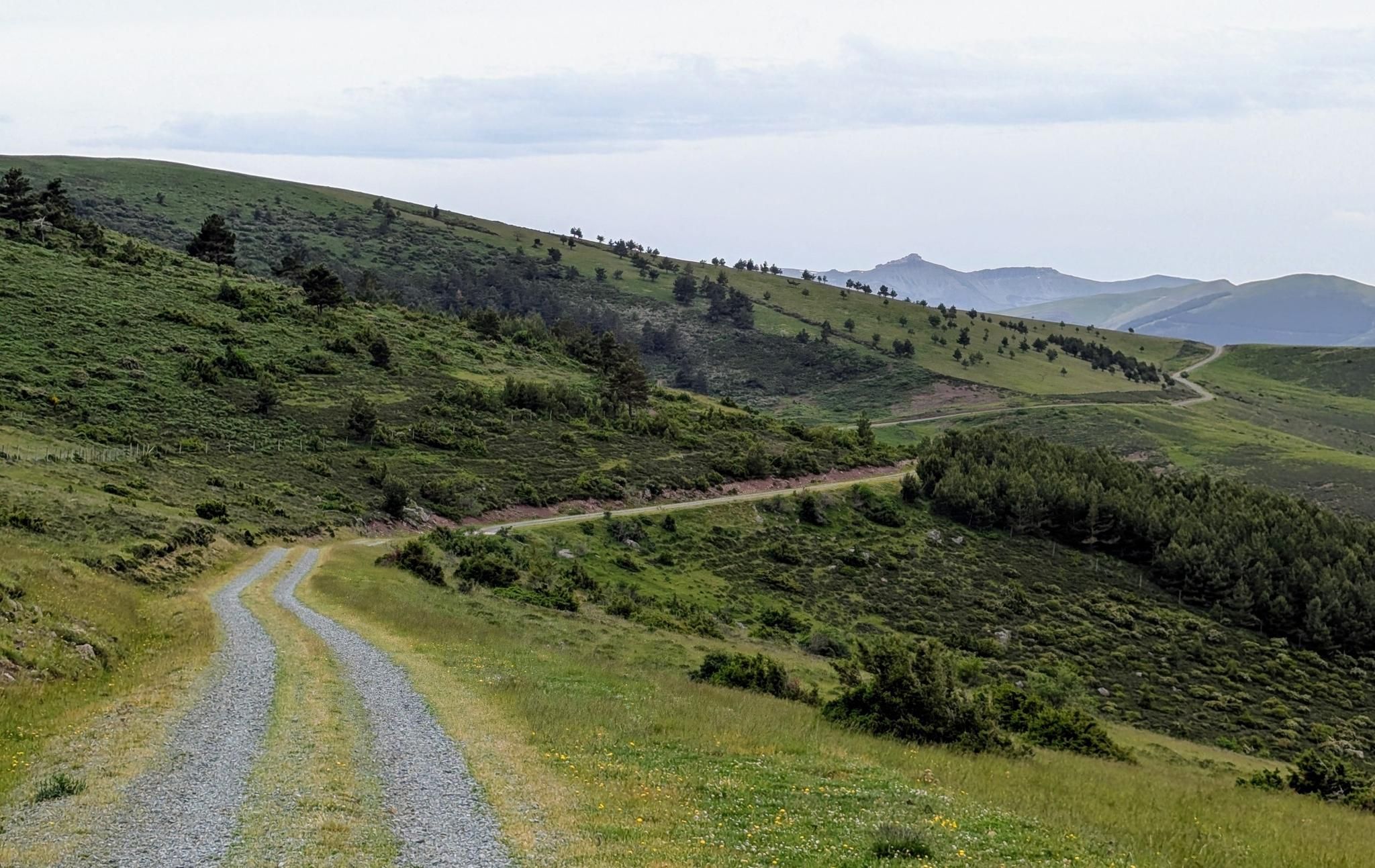
MTB Transhumance — Cañada Real Soriana Occidental
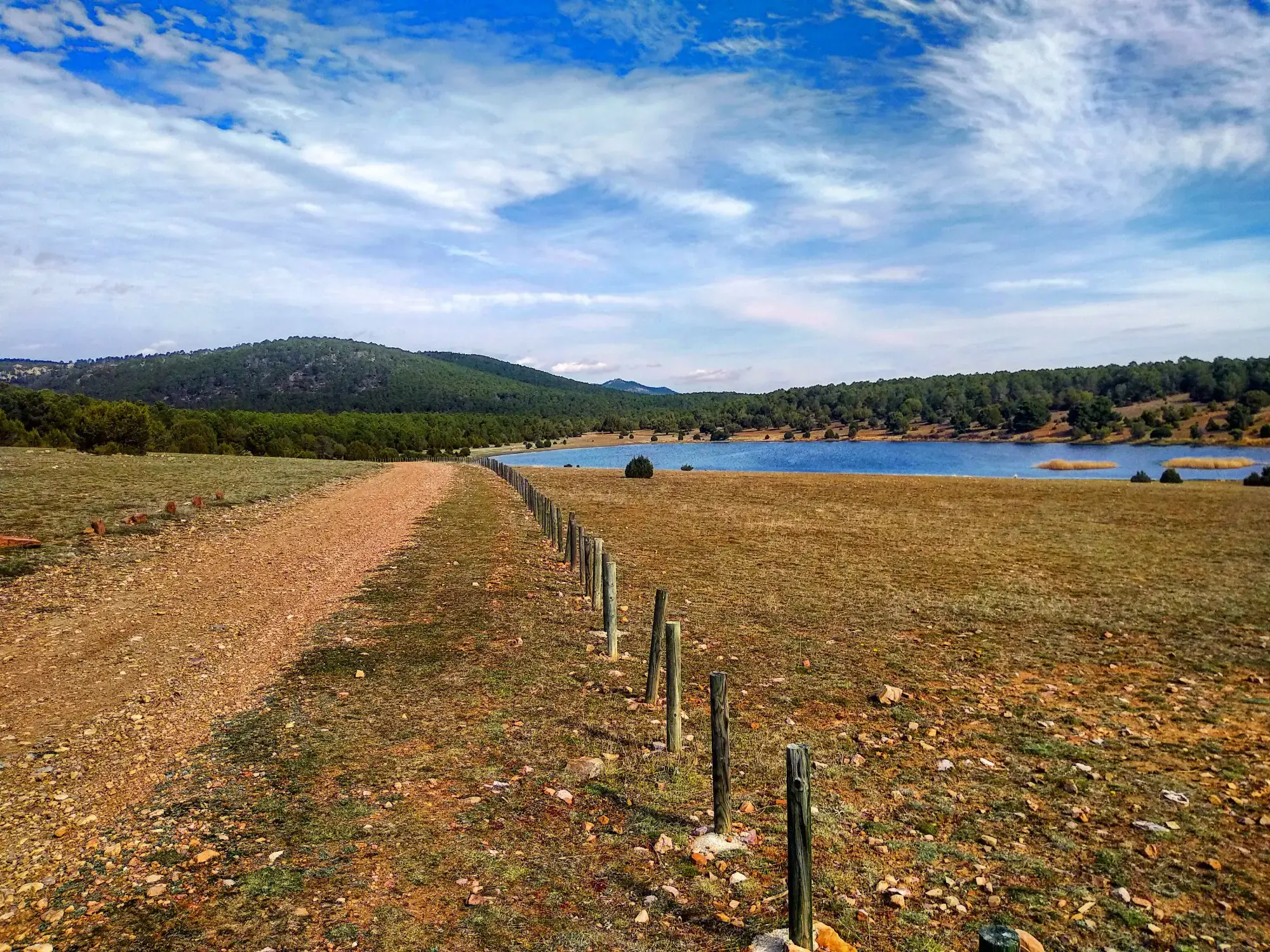
Sendero Español GR 10 — De este a oeste
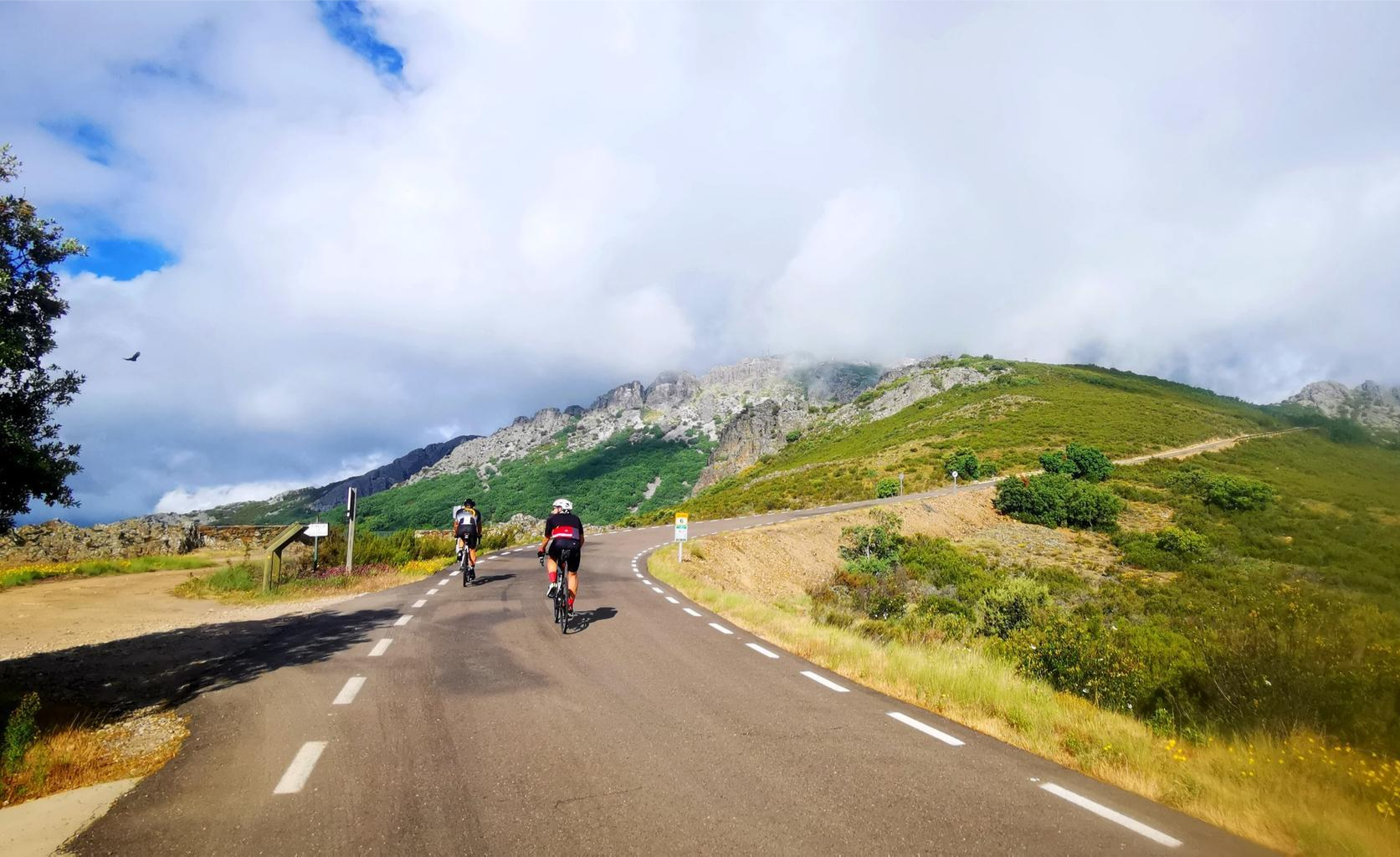
Legendary climbs - Ports of La Vuelta a España
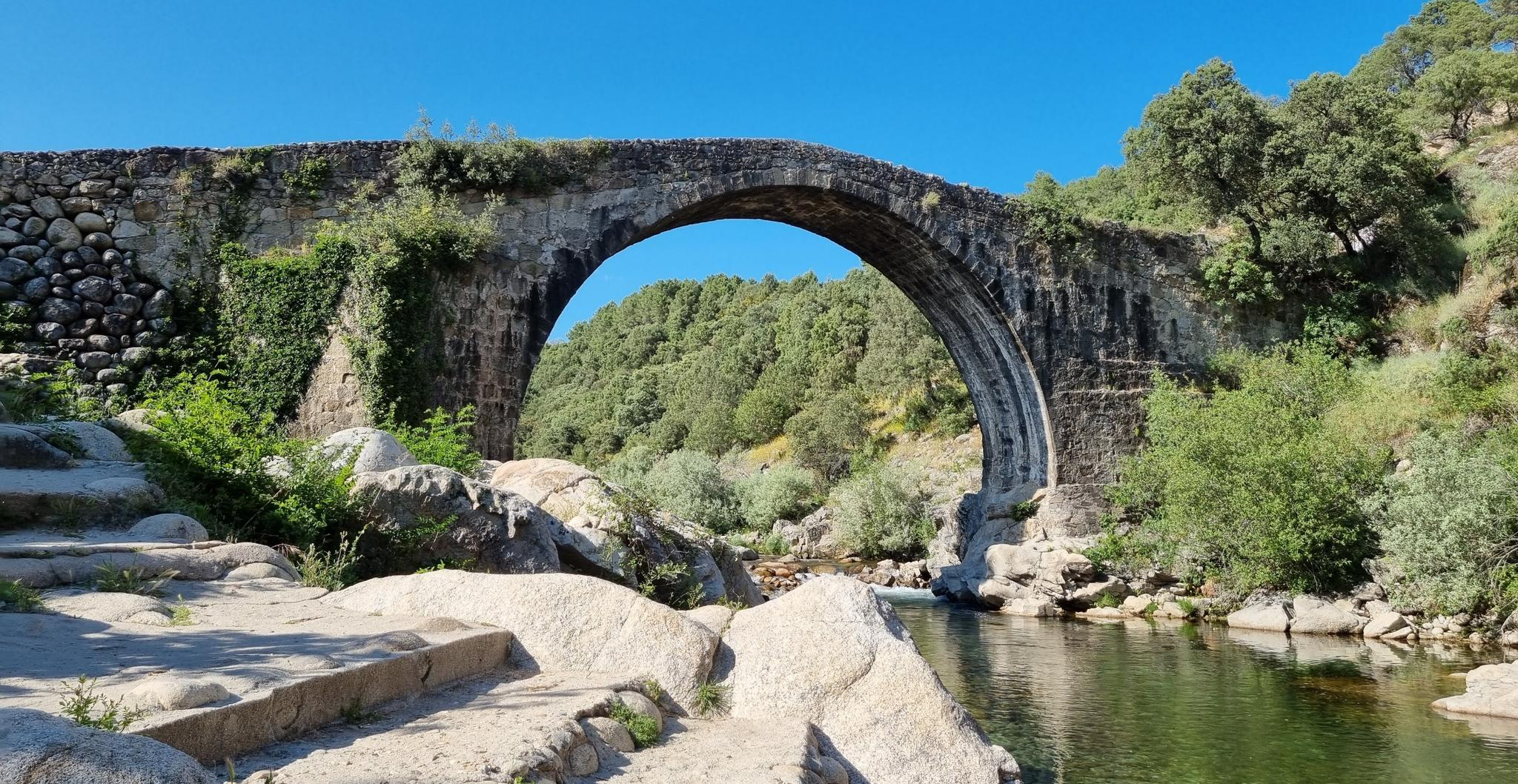
Monumental and Natural History — The Way of La Vera GR-111
Six routes to discover Extremadura on foot
Extremadura's natural paradise by bike — Tour of Monfragüe
12 hiking gems throughout Spain
Gijón to Sevilla in Spain – Vía de la Plata (GR 100)
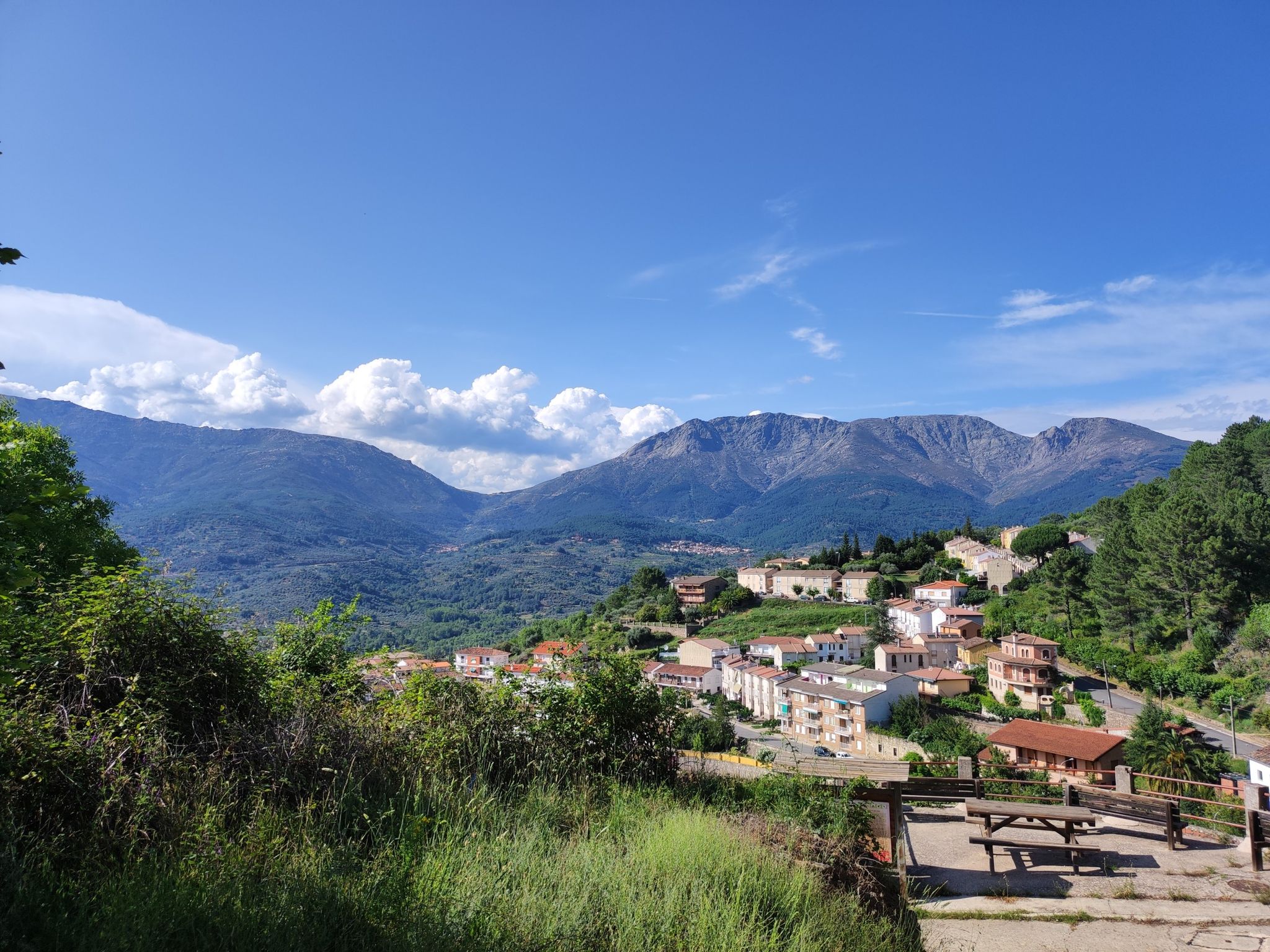
An epic hike in Spain’s Tiétar Valley – Valle del Tiétar (GR 180)
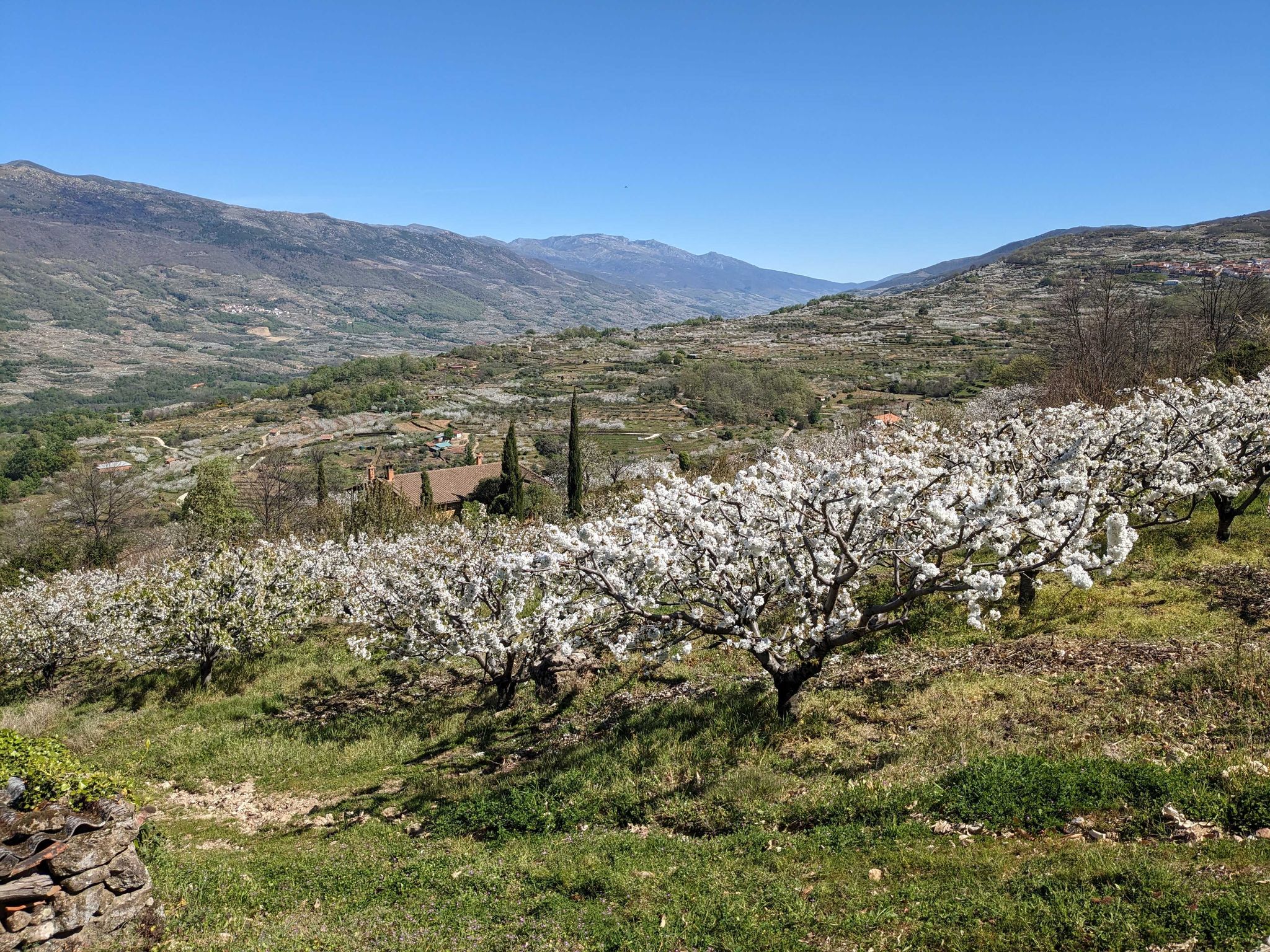
Cherry paradise – Spain’s Valle del Jerte (GR 110)
Other adventures in Cáceres


Tips from the Community

Gives the feeling of being on a film set or somewhere in Mexico. Perhaps not so strange, because the Virgin of Guadalupe is the patroness of Mexico. In the hills, the virgin is said to have been found seven centuries ago. Strictly forbidden to take photos inside the walls, monks walk with the group...
16
1
Cáparra was once a walled city with suburbs, but it was not a very important ancient city. Not much of the city remains, except for some ruins and an arch. The site is fortunately free to visit and there are signs in English.
8
0

The Royal Monastery of Santa María de Guadalupe is a 14th-century monastery located in the Spanish town of Guadalupe, in the province of Cáceres. It was declared a UNESCO World Heritage Site in 1993. Inside, you can appreciate Gothic, Mudéjar, Renaissance, Baroque, and Neoclassical architectural styles. A place with a rich history and breathtaking architectural beauty! 🌟🏰
16
0
The historic center of Cáceres, declared a UNESCO World Heritage Site, is one of the most impressive monumental complexes in Spain. Walking through its cobbled streets is like traveling to the Middle Ages, thanks to its excellent state of preservation and the absence of modern buildings that alter its aesthetics.
14
1


Arch of Cáparra, symbol of the Via de la Plata
1
1

The Plaza Mayor of Plasencia is the nerve center of the city, in the beginning it even functioned as a Bullring, like many other town squares in Spain. In this sense, the 'Miracle of the Bull of Plasencia' appears in the Cantigas of Alfonso He interceded so that nothing would happen to him. The Plaza Mayor, is a square with arcades around the edge and is located in the heart of the old town of Plasencia, dominating the square, the Town Hall in the main tower of the building, known to all as Piacenza, the grandfather of Mayorga, which acts as the clock tower that rings the bells every half hour. This building dates back to the 16th century and has been restored several times over the years, it is a transitional style from Gothic to Renaissance. On one side of the Town Hall is the old prison building built in the 17th century with a masonry façade and a coat of arms of King Philip IV. in https://plasenciaturismo.es/plaza-mayor
2
0
In 2011, the redevelopment and remodeling works of the Plaza Mayor were completed, led by architects Antonino Antequera, Francisco Pol Méndez and Asunción Rodríguez Montejano. The project included the creation of several spaces, such as the Summer Plaza, a shady place with trees and fountains; the Winter Square, flanked by a fountain wall and a continuous stone bench; the new Music Forum, in the Balbos Forum, next to the Town Hall, for chamber concerts; and a large central free space for events, whose pavement formally recalls the vernacular Cáceres brick vault, and which has water fountains to combat the summer heat. If you visit Cáceres, you cannot miss exploring this emblematic Plaza Mayor and admiring its rich history and architecture.
10
0
Frequently Asked Questions
What are the most significant historical sites to visit in Cáceres?
Cáceres is renowned for its rich history. The Historic Centre of Cáceres, a UNESCO World Heritage site, is a must-see, featuring a blend of Roman, Islamic, Gothic, and Renaissance architecture. Key landmarks within the Old Town include the Co-Cathedral of Santa María, the Torre de Bujaco which offers panoramic views, and the Cáceres Main Square. Further afield, the Royal Monastery of Santa María de Guadalupe is another UNESCO World Heritage site with stunning architecture.
Are there family-friendly attractions in Cáceres?
Yes, Cáceres offers several family-friendly attractions. The Cáceres Main Square and the Co-Cathedral of Santa María are suitable for all ages. The Torre de Bujaco provides an engaging historical experience with great views. For a natural outing, Parque del Príncipe is a very extensive and emblematic park within the city, perfect for a family stroll. The Natural Monument of Los Barruecos also offers unique geological formations and diverse birdlife that can be fascinating for children.
What natural features can I explore in the Cáceres region?
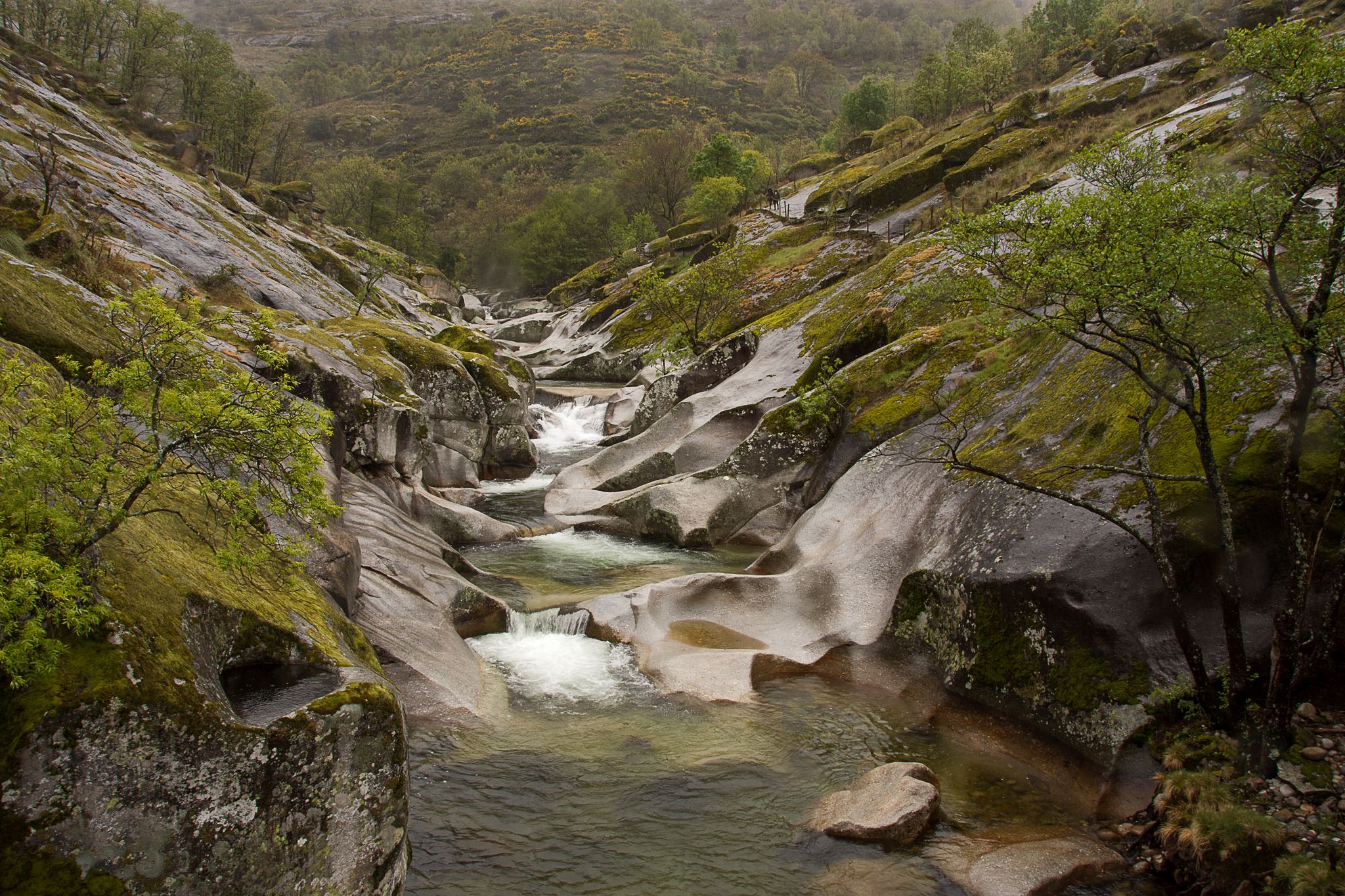
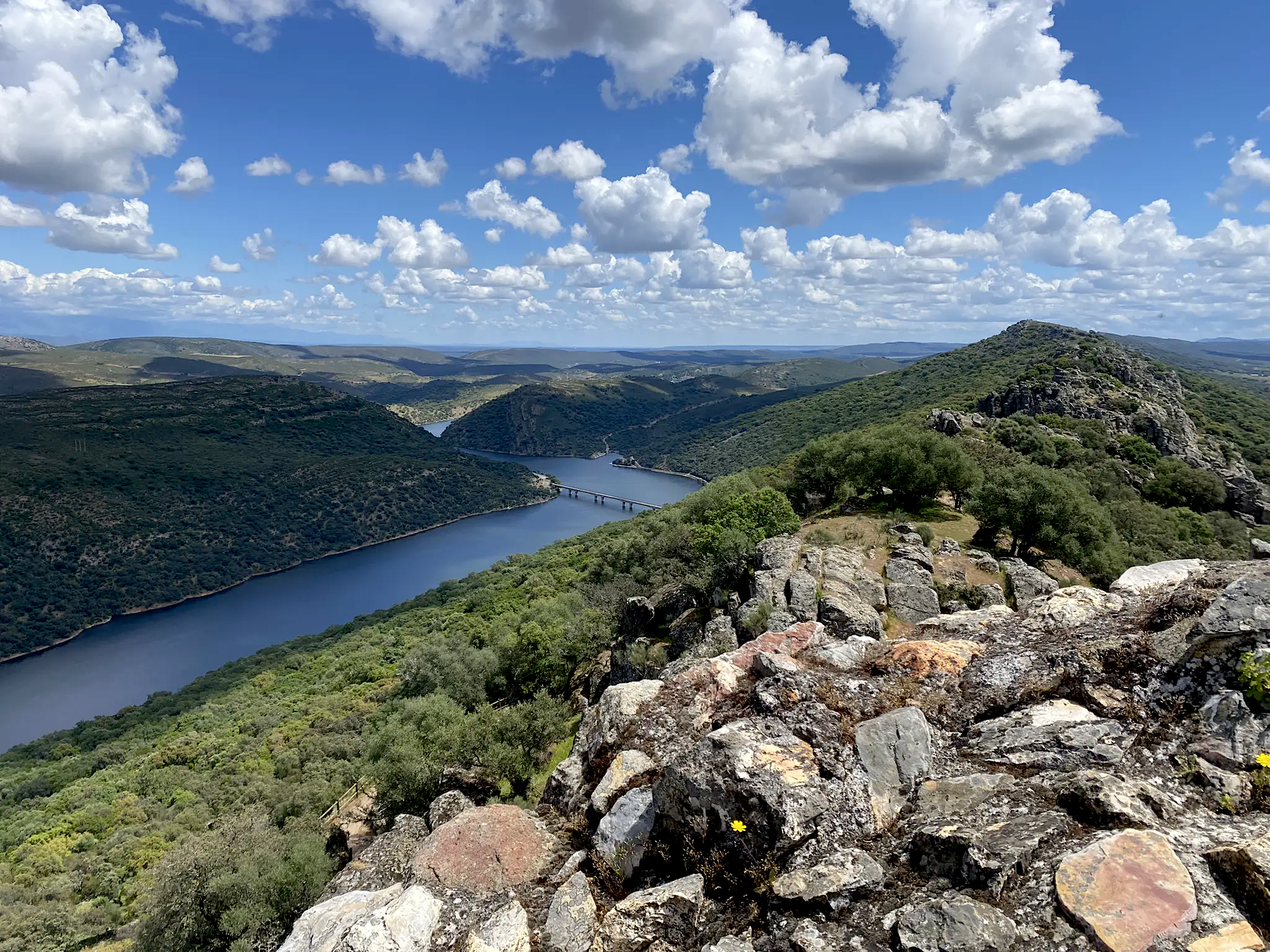
The Cáceres region boasts diverse natural beauty. The Natural Monument of Los Barruecos, near Malpartida de Cáceres, is known for its unique geological formations and birdlife, including white storks. The Sierra de Gata, in the northeast, offers lush woodlands, mountains, and natural swimming pools like El Jevero and La Carreciá. For dramatic landscapes, visit the Garganta de los Infiernos Natural Reserve, featuring waterfalls, pools, and the notable deep potholes in the Los Pilones area. The Monfragüe Castle is located in the heart of Monfragüe National Park, a prime spot for birdwatching.
What outdoor activities and trails are available near Cáceres?
The Cáceres region is excellent for outdoor activities. You can find various hiking trails, including easy options like the Garganta de las Nogaleas Trail or the circular walk in Monumento Natural Los Barruecos. For more challenging routes, consider the Los Llanos - Calderón Trail. Mountain biking is also popular, with trails such as the 'Los Barruecos and Casar de Cáceres Loop from Cáceres'. You can explore more options and detailed routes in the Easy hikes in Cáceres, Waterfall hikes in Cáceres, and MTB Trails in Cáceres guides.
Are there any unique viewpoints in Cáceres province?
Yes, the region offers several unique viewpoints. The Torre de Bujaco in the Old Town provides excellent panoramic views of Cáceres. For natural vistas, the Monfragüe Castle, situated in Monfragüe National Park, offers strategic views over the park's landscape, ideal for birdwatching. The Berrocal de la Data, a Natural Monument near Valencia de Alcántara, is also noted for its impressive granite rocks and stargazing opportunities.
What is the best time of year for outdoor activities in Cáceres?
The best season for outdoor activities in Cáceres is generally spring (March to May) and autumn (September to November). During these periods, the weather is mild and pleasant, ideal for hiking, cycling, and exploring historical sites without the intense heat of summer. Spring brings blooming landscapes, while autumn offers comfortable temperatures and beautiful fall colors, especially in areas like Sierra de Gata.
Where can I find wild swimming locations near Cáceres?
The Sierra de Gata region, located northeast of Cáceres province, is known for its natural swimming pools. Popular spots include El Jevero and La Carreciá. Additionally, the Garganta de los Infiernos Natural Reserve features various pools and waterfalls, particularly in the Los Pilones area, where you can find refreshing waters for a dip.
What cultural sites are there beyond the main historical landmarks?
Beyond the prominent historical sites, Cáceres offers a rich cultural scene. The Cáceres Museum, housed in the Palacio de las Veletas and Casa de los Caballos, explores Extremadura's heritage from the Palaeolithic to the contemporary age and features an impressive Arab cistern. The Helga de Alvear Museum of Contemporary Art provides an avant-garde artistic experience. You can also visit the Church of San Francisco Javier, an 18th-century example of Jesuit Baroque architecture, or the Casa Museo Árabe Yusuf Al Burch, a restored 12th-century Arab house.
Are there any accessible attractions in Cáceres for wheelchair users?
While the historic Old Town with its cobbled streets can be challenging, some areas are more accessible. The Cáceres Main Square is generally accessible. Modern areas and some museums may offer better accessibility. It's advisable to check specific venues for their current accessibility provisions before visiting.
What are some recommended day trips from Cáceres?
Several excellent day trips can be made from Cáceres. The Natural Monument of Los Barruecos is a short drive away and offers unique landscapes and birdwatching. The Monfragüe National Park, home to Monfragüe Castle, is a prime destination for nature lovers and birdwatchers. The Royal Monastery of Santa María de Guadalupe, a UNESCO site, also makes for a fascinating historical and cultural excursion.
What do visitors enjoy most about the attractions in Cáceres?
Visitors particularly appreciate the historical depth and architectural beauty of Cáceres. The well-preserved Old Town, with its blend of architectural styles, often leaves a lasting impression. Many enjoy the panoramic views from the Torre de Bujaco and the serene atmosphere of the Co-Cathedral of Santa María. The natural parks, like Monfragüe, are highly rated for their birdwatching opportunities and scenic trails, offering a perfect contrast to the urban historical sites.
Where can I find Roman-era sites in the Cáceres region?
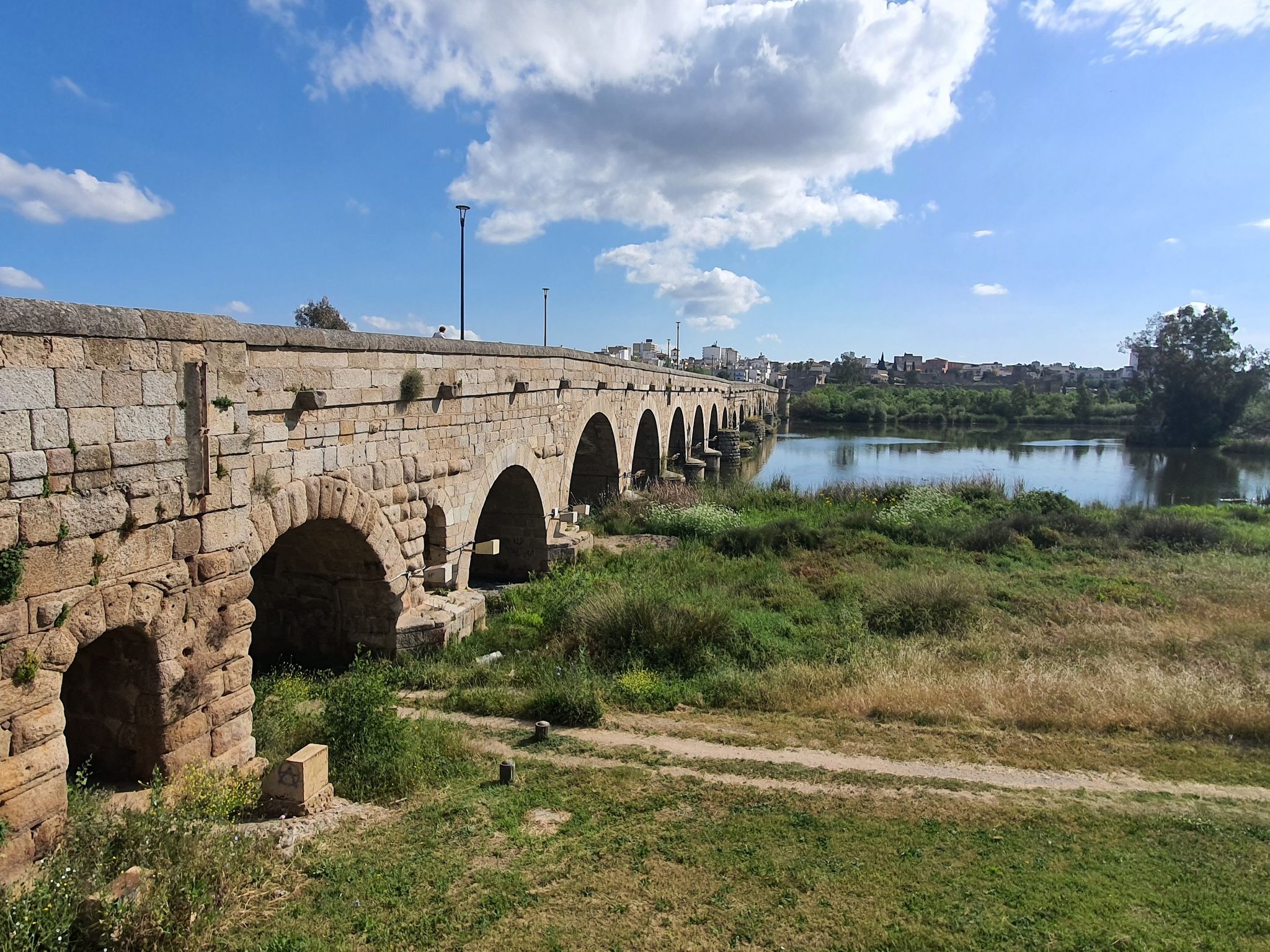
Cáceres has a strong Roman heritage. The city walls themselves have Roman origins, later reconstructed by the Almohads. The Alcántara Roman Bridge is a magnificent example of Roman engineering in the region. Additionally, the Roman Camp of Cáceres el Viejo offers an Interpretation Center providing insights into the camp and soldier life during the Roman period.
Most popular routes in Cáceres
Most popular attractions in Cáceres

Get inspired with the komoot mobile app


Didn’t find what you were looking for?
Are you keen on exploring more awesome places nearby? Browse our guides:
Explore more
Still not found the Highlight you’re looking for? See guides of the top attractions in other regions:
