Top 20 Natural Monuments in Barcelona
Best natural monuments in Barcelona offer a diverse range of natural landscapes, from coastal areas to mountainous regions. The city is situated between the Mediterranean Sea and the Collserola mountain range, providing varied terrain for exploration. This geographical position contributes to unique geological features near Barcelona, including significant peaks and coastal formations. The region of Catalonia, where Barcelona is located, features several natural parks and protected areas.
Best natural monuments in Barcelona
- The most popular natural monuments is Matagalls (1697…
Last updated: August 6, 2026
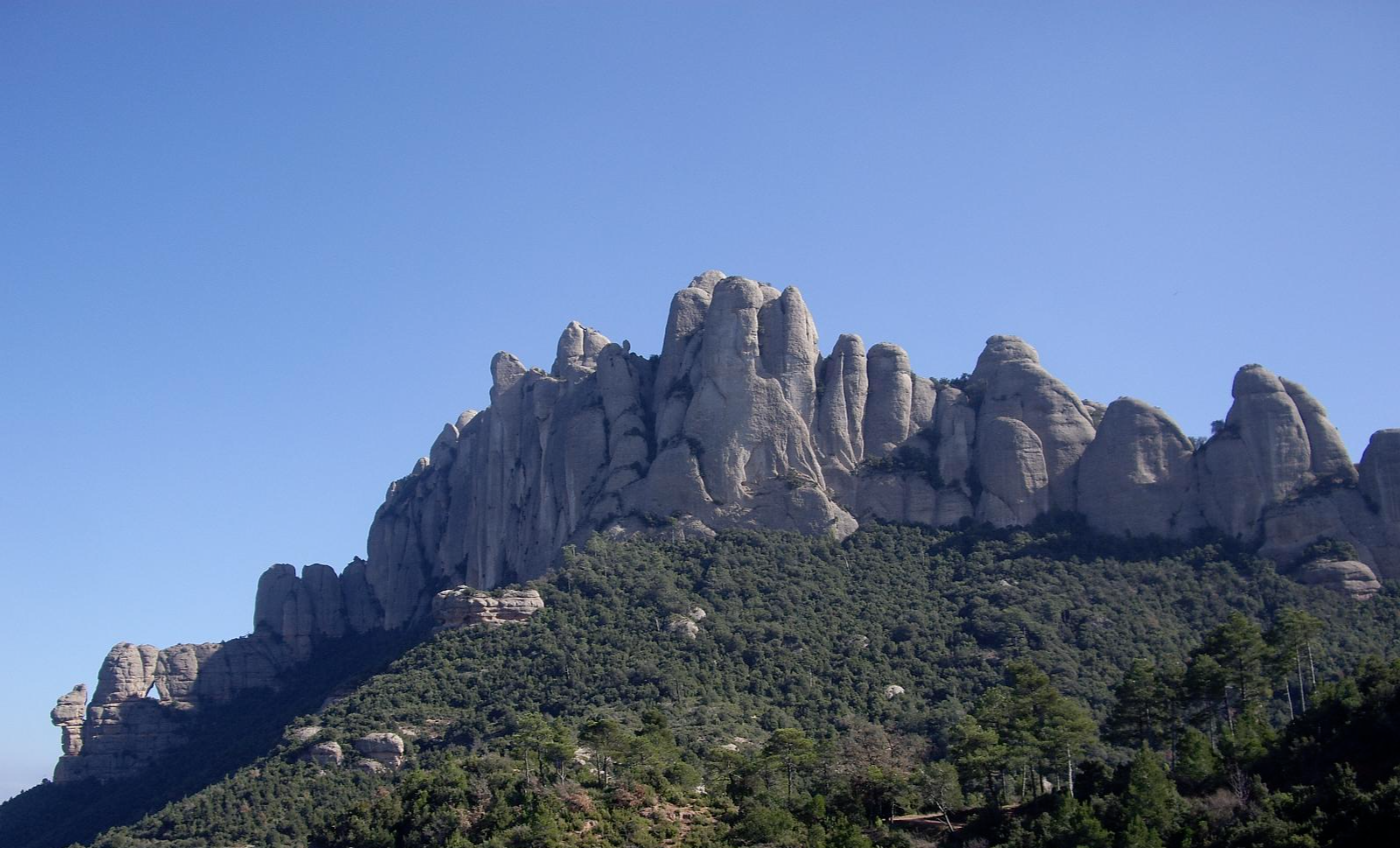
Sant Jeroni Summit
Highlight • Summit
Translated by Google •
Tip by

Monumental Cascade, Parc de la Ciutadella
Highlight • Monument
Antoni Gaudí had a small, hidden task during construction. However, his lizards are visible next to the "Aquarium" entrance.
Translated by Google •
Tip by

Sign up now to discover places like this
Get recommendations on the best single tracks, peaks, & plenty of other exciting outdoor places.
Sign up for free
Cypresses Viewpoint
Highlight • Viewpoint
Translated by Google •
Tip by

Miramar Gardens
Highlight • Viewpoint
Translated by Google •
Tip by
Pi d'en Xandri
Highlight • Natural Monument
Translated by Google •
Tip by
Magic Fountain of Montjuïc
Highlight • Monument
Translated by Google •
Tip by
Matagalls (1697 m)
Highlight • Summit
Its summit can be reached by several routes, all with their own charm. The easy access of del …
Translated by Google •
Tip by

Sant Jeroni Trail, Montserrat
Highlight (Segment) • Trail
Translated by Google •
Tip by

La Mola (1,103 m)
Highlight • Summit
Translated by Google •
Tip by

Dolmen of the Roca d'en Toni
Highlight • Historical Site
Translated by Google •
Tip by

Sign up for free to discover even more natural monuments in Barcelona.
Sign up for free
Already have an account?
Start today with a free account
Your next adventure awaits.
Login or Signup
Popular around Barcelona

Triathlon 360 – my journey around the world
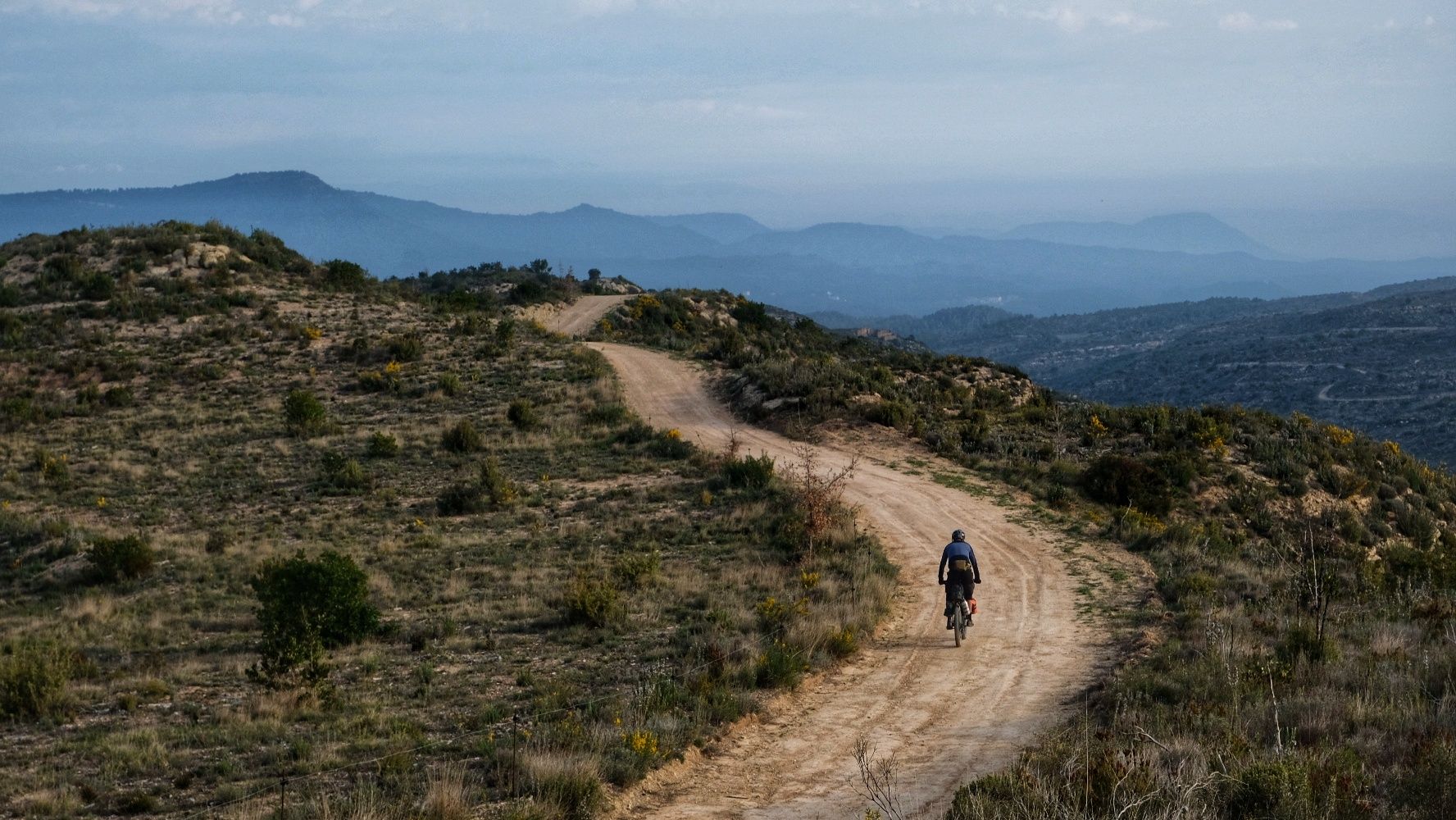
European Divide Trail — 7,600 km across the continent
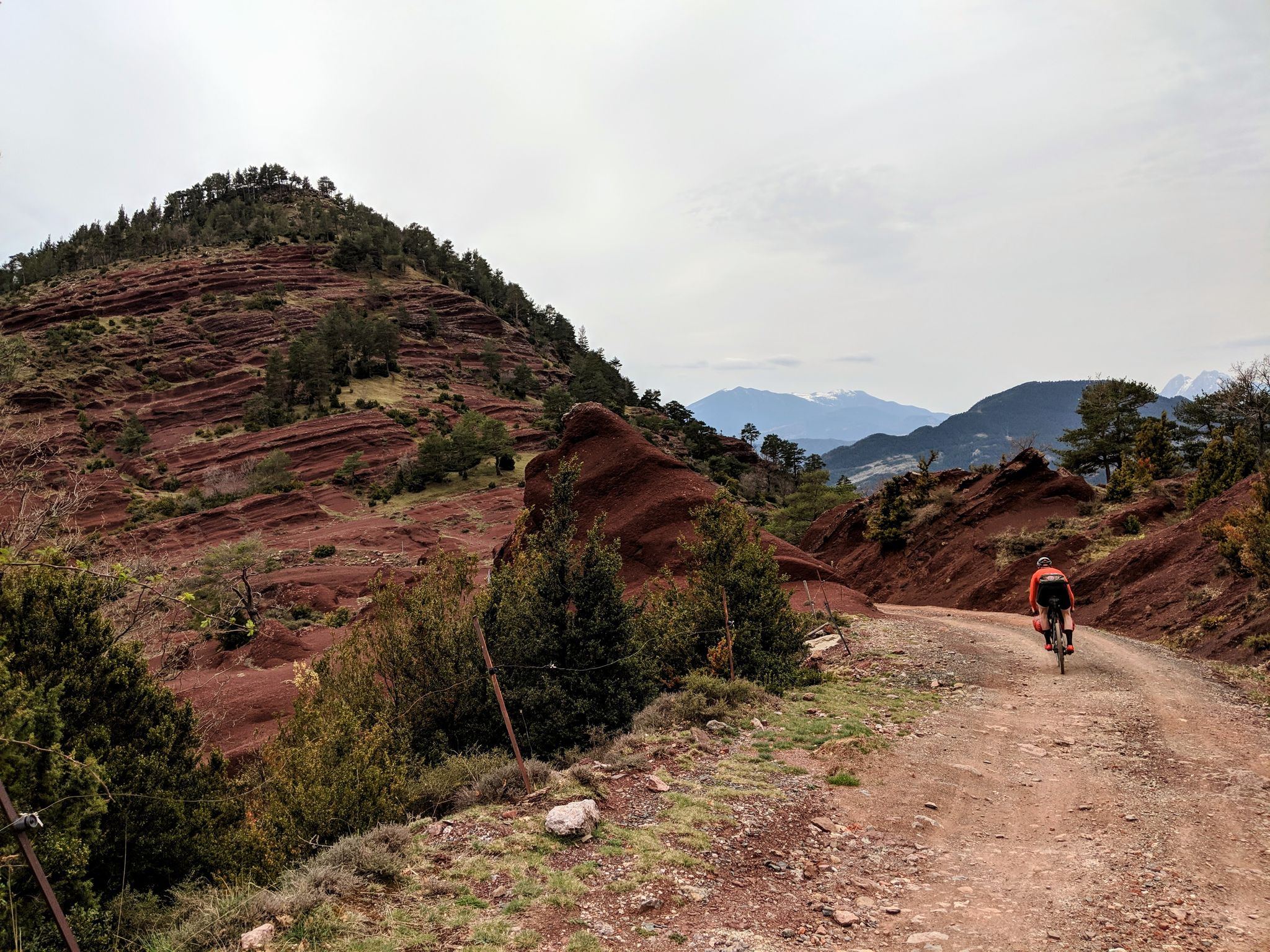
Catalunya Trail — Bikepacking in the Pyrenees
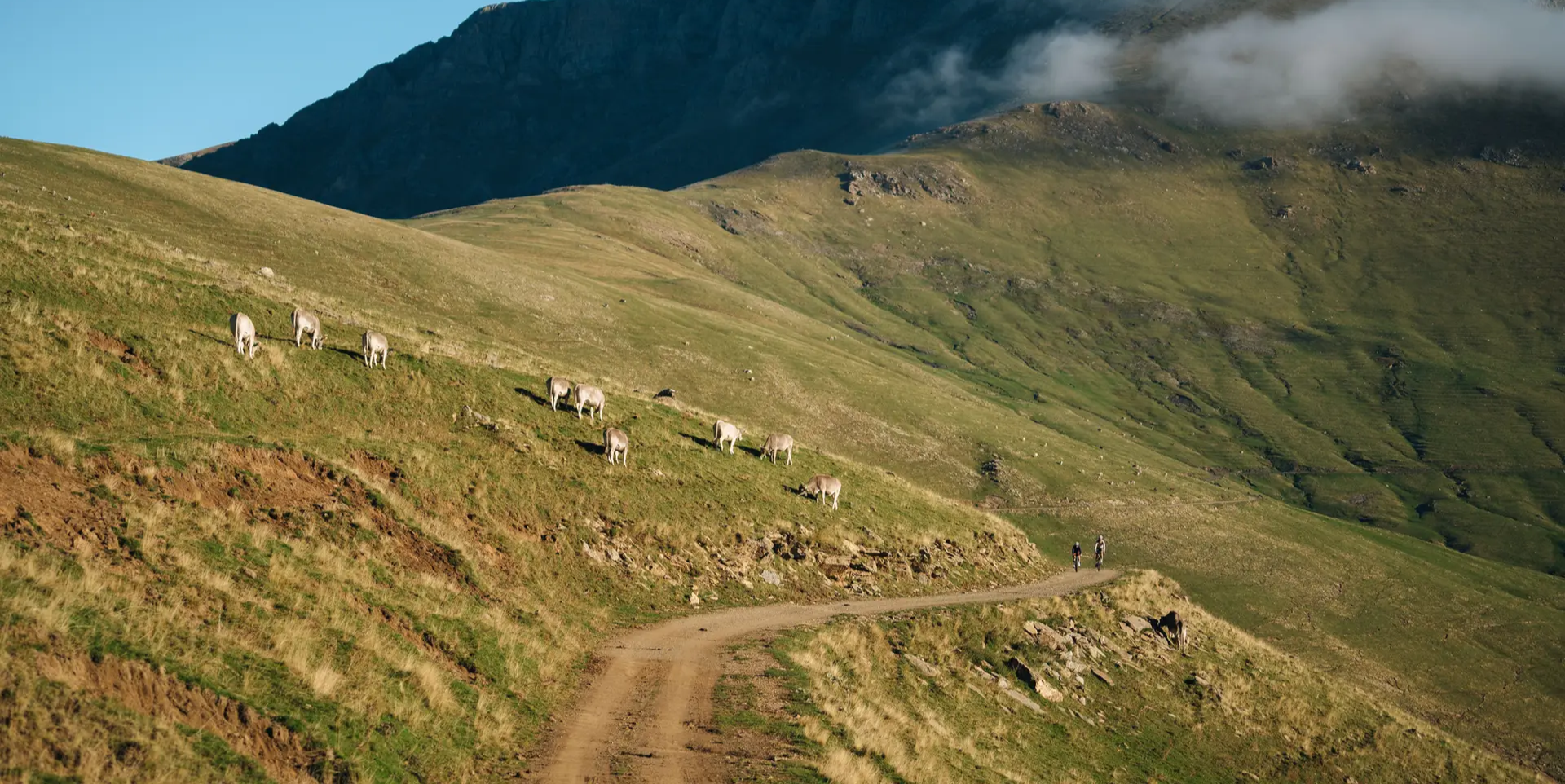
Grand Tour of Catalonia Gravel – your bikepacking adventure
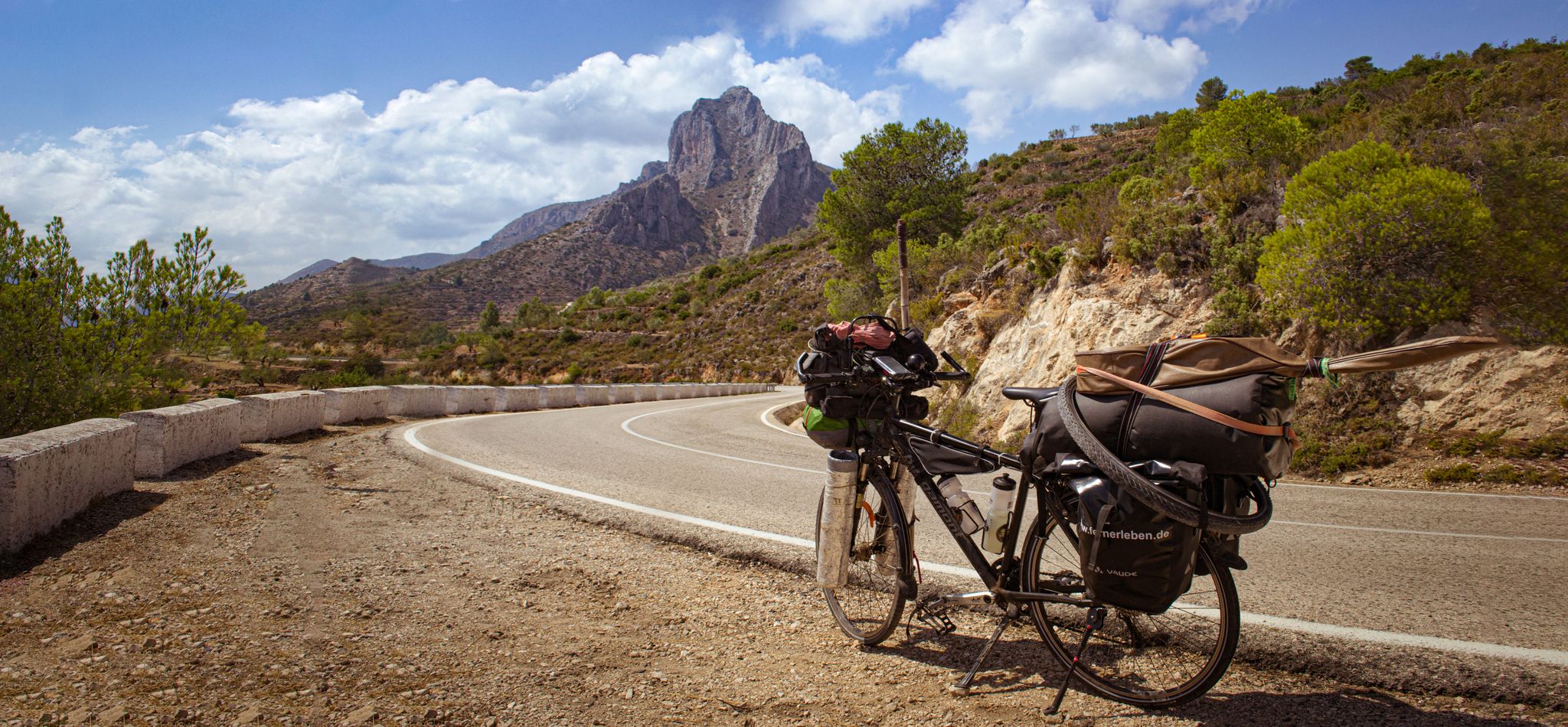
On the road to the sun — bikepacking to southeast Spain
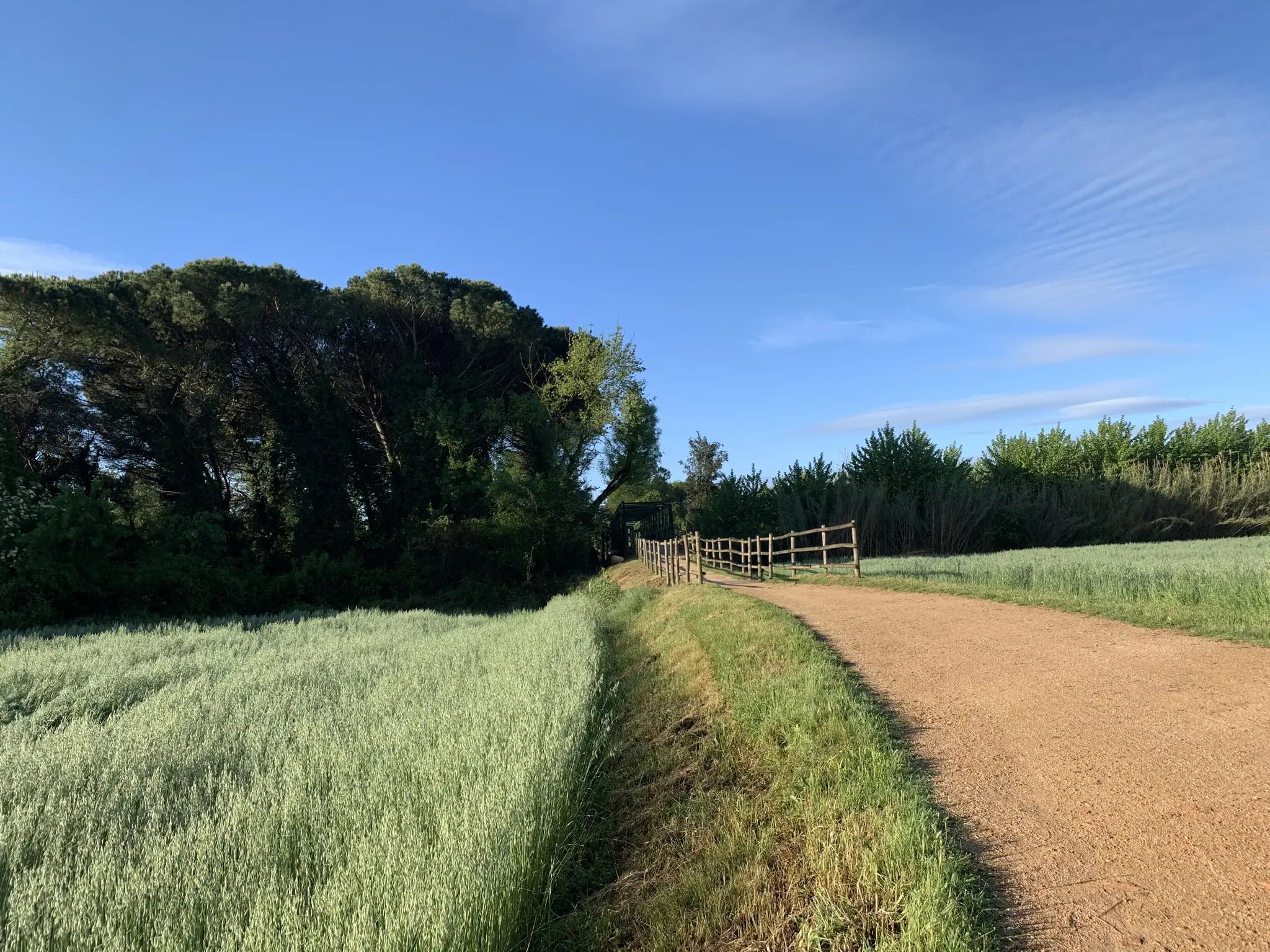
Barcelona to Girona – a road cycling mecca on your gravel bike
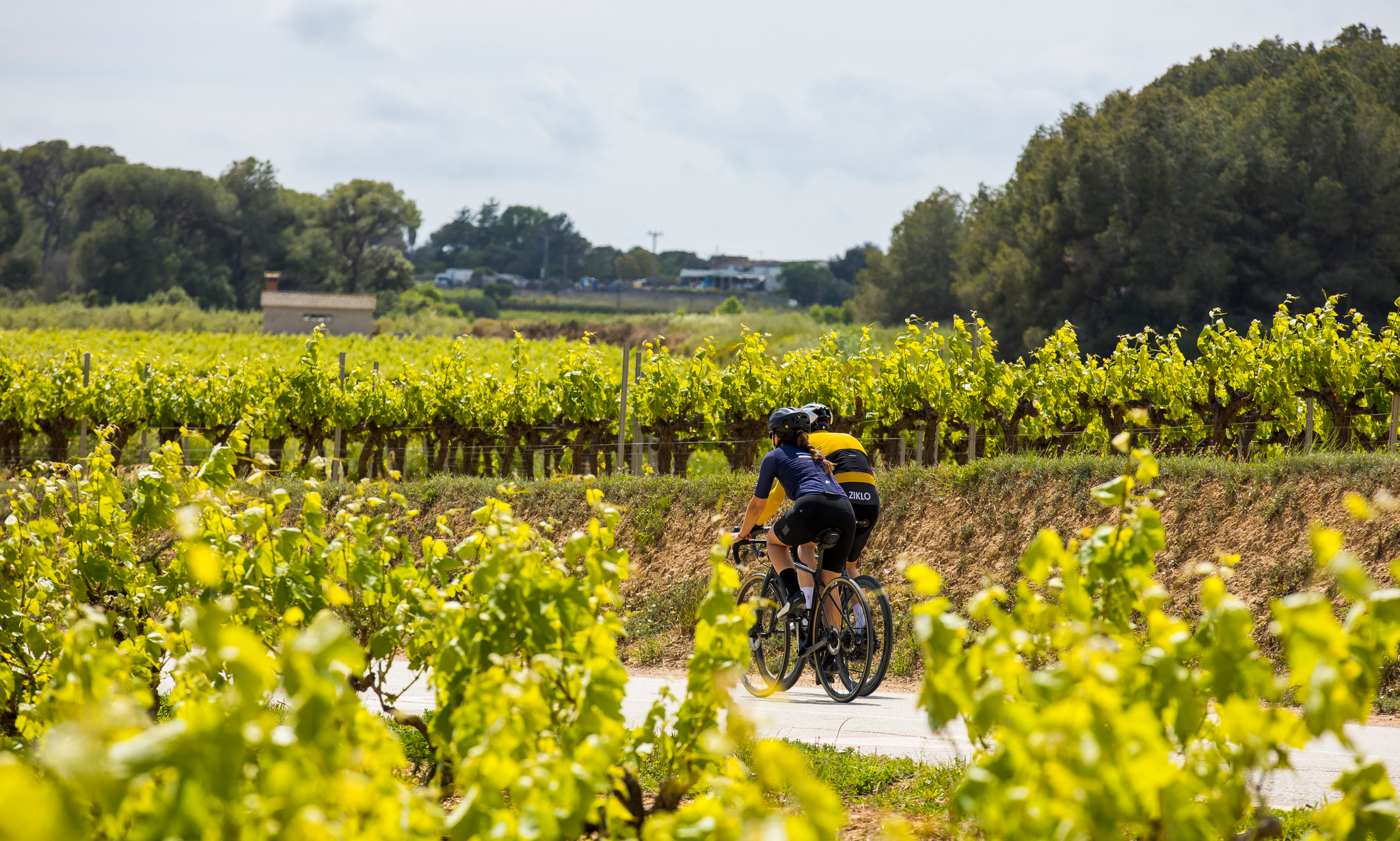
Cycling in the province of Barcelona — family routes and traverses
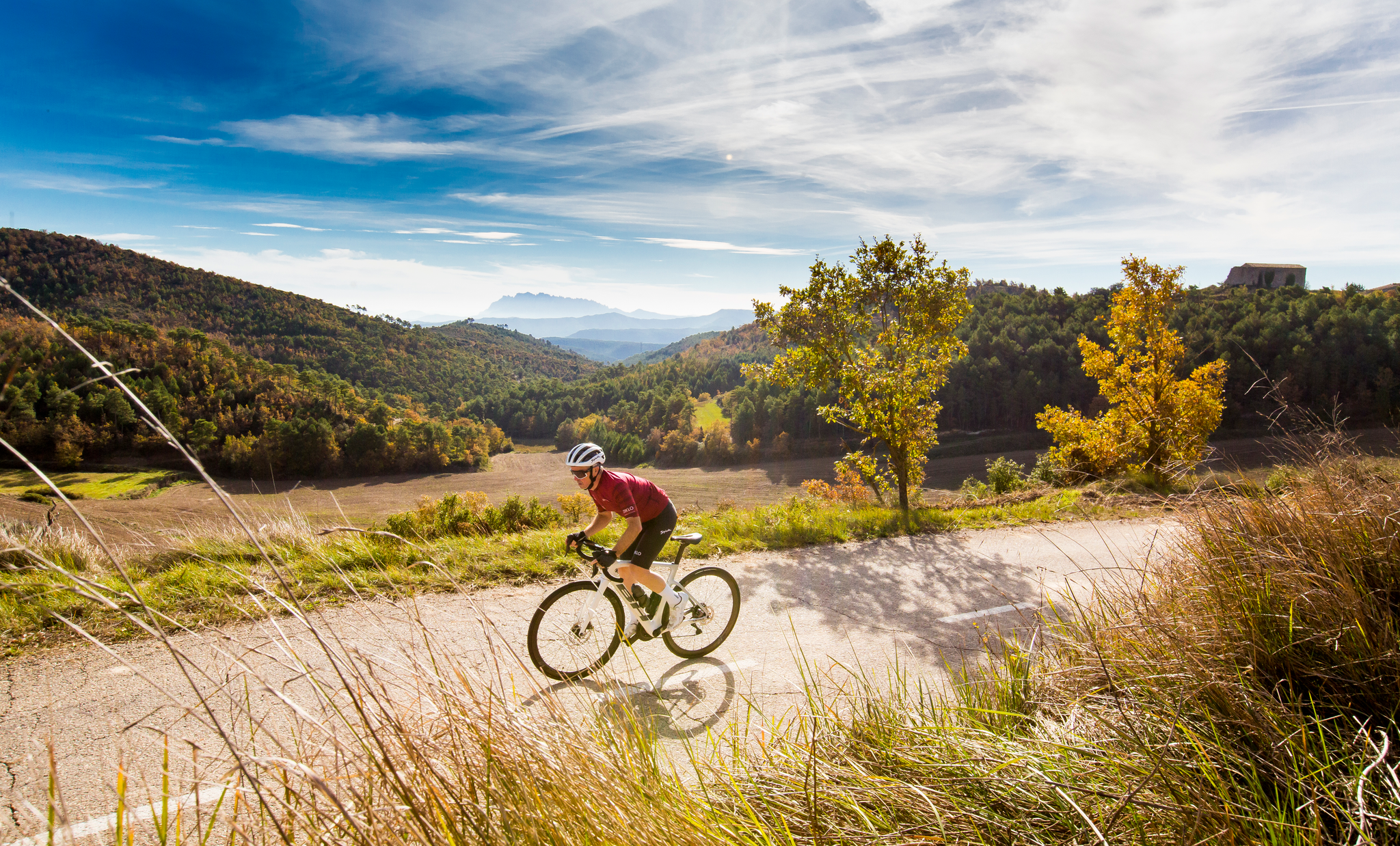
Barcelona: routes near the Tour de France 2026 Grand Départ
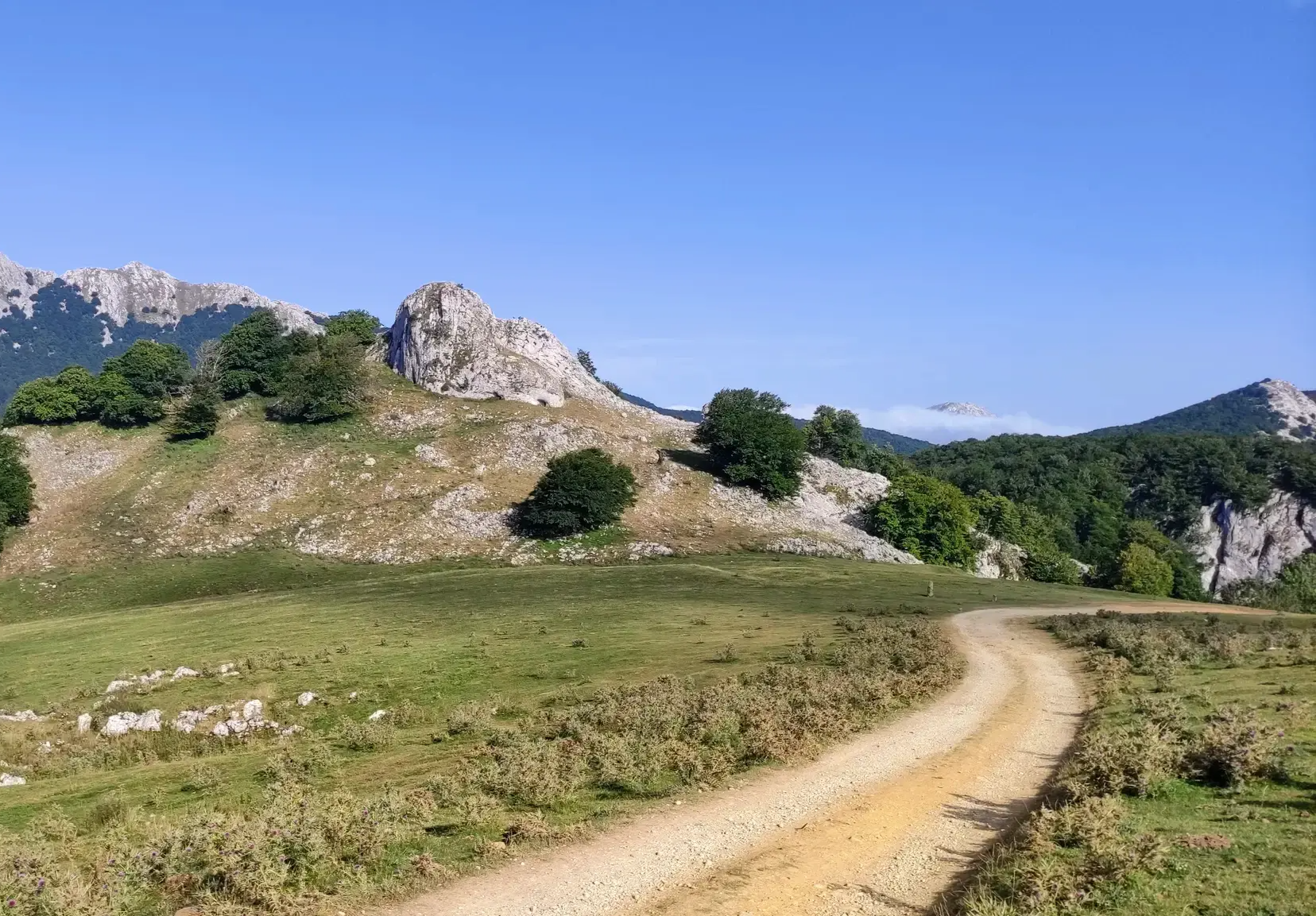
The Ignatian Way - In the footsteps of Ignatius of Loyola
The Pilgrims' Road to Montserrat - GR 96
Other adventures in Barcelona


Tips from the Community

Un monument megalític datat entre el final del neolític i l'edat del bronze, considerat un dels jaciments prehistòrics més importants del Maresme.
0
0

I really loved this place — it’s truly unique. Montserrat Monastery has an incredible atmosphere and stunning views. The hike from the monastery to Sant Jeroni is especially memorable: the trail includes many stone steps, but it’s well-maintained and quite manageable. Along the way, you’re constantly rewarded with breathtaking views of the необычні скельні formations and surrounding landscapes. At the top, the 360-degree panoramic view is absolutely spectacular and makes the whole hike worth it.
0
0

Hape Kerkeling, a well-known entertainer in the German-speaking world, wrote down some thoughts about a mystical experience (encounter with God) while traveling through Spain, which I would also like to offer to the viewer of this small sacred monument on the Matagalls: "To encounter God, one must first extend an invitation to him, for he will not come uninvited. It is also a form of good manners. We have free choice. He builds an individual relationship with each person. Only someone who truly loves is capable of this." (Hape Kerkeling in "Ich bin dann mal weg")
0
0

Antoni Gaudí had a small, hidden task during construction. However, his lizards are visible next to the 'Aquarium' entrance.
9
1

A classic for visitors to Montserrat and its surroundings.
0
0

Currently only operating Thursday to Sunday (June 2025)
1
0
The restaurant has been closed since 2023.
1
0

The Magic Fountain of Montjuïc in Barcelona, designed by Carles Buïgas, was constructed for the 1929 Barcelona International Exposition. Located at the head of Avinguda Maria Cristina, it features 3620 jets spraying 700 gallons of water per second, with the highest spout reaching 170 feet. Initially completed in 1929, the fountain was damaged during the Spanish Civil War and didn’t operate until 1955. In the 1980s, it was restored, and music was added to the light shows, becoming a popular attraction, especially during the summer.
1
0
Frequently Asked Questions
Which natural monuments in Barcelona are suitable for families?
Several natural monuments in Barcelona are family-friendly. The Monumental Cascade in Parc de la Ciutadella offers a relaxing environment with opportunities for rowboat rides. The Magic Fountain of Montjuïc is also a popular spot for families, especially during its shows. Additionally, Miramar Gardens and Cypresses Viewpoint provide beautiful views and open spaces for all ages.
Are there natural monuments near Barcelona that are good for beginner hikers?
While many natural monuments involve intermediate or challenging hikes, some areas offer easier access. The Parc de la Ciutadella, with its Monumental Cascade, is a flat and accessible option within the city. For a gentle walk with historical significance, consider visiting Pi d'en Xandri, an ancient tree with a tranquil setting.
What kind of unique geological features can be found near Barcelona?
The region around Barcelona, situated between the Mediterranean Sea and the Collserola mountain range, boasts diverse geological features. You can explore significant mountain peaks like Matagalls (1697 m) and Sant Jeroni Summit, which offer extensive views. The area also features gorges and waterfalls, such as Gorg de la Mola, showcasing the natural erosion and rock formations.
What outdoor activities can I do near these natural monuments?
The natural monuments in and around Barcelona are excellent starting points for various outdoor activities. You can find numerous mountain hikes, including challenging routes around Montserrat like the Sant Jeroni Summit loop. There are also waterfall hikes, such as the Salto de Sallent circular from Rupit. For runners, trails like the Montjuïc 360 Trail offer scenic routes. Explore more options in the Mountain Hikes in Barcelona, Waterfall hikes in Barcelona, and Running Trails in Barcelona guides.
Are there historical sites integrated with natural settings among Barcelona's monuments?
Yes, Barcelona's natural monuments often blend with historical significance. The Magic Fountain of Montjuïc is a man-made monument with historical roots from the 1929 International Exhibition. The La Mola (1,103 m) summit not only offers natural beauty but also hosts a historical religious building. Additionally, the Dolmen of the Roca d'en Toni is an ancient historical site set within a natural landscape.
What do visitors enjoy most about the natural monuments in Barcelona?
Visitors frequently praise the extensive views from summits and viewpoints, such as those from Matagalls (1697 m), which is described as an iconic hiking mountain with great views. The tranquil and idyllic atmosphere of places like the Parc de la Ciutadella is also highly appreciated for relaxation and walks. The blend of natural beauty with historical and cultural elements, particularly around Montjuïc, is a recurring highlight.
How accessible are natural monuments near Barcelona by public transport?
While some natural monuments within Barcelona, like those on Montjuïc or in Parc de la Ciutadella, are well-served by public transport, reaching more remote mountain peaks or natural parks often requires a combination of public transport and a final stretch by car or a longer hike. For instance, areas like Montserrat are accessible by train and then a rack railway or cable car, but specific trailheads might require further planning.
Are there natural monuments in Barcelona with restaurants or facilities nearby?
Yes, some natural monuments offer nearby amenities. The area around the Magic Fountain of Montjuïc and Miramar Gardens on Montjuïc is well-equipped with restaurants and cafes, especially given its proximity to the city and cultural institutions. While more remote summits like Sant Jeroni once had a restaurant near the summit, it's best to check current availability and plan accordingly for food and water on longer excursions.
What is the best time of year to visit natural parks and monuments near Barcelona?
The best time to visit natural parks and monuments near Barcelona is generally during the spring (April to June) and autumn (September to October). During these seasons, the weather is mild and pleasant for hiking and outdoor activities, avoiding the intense heat of summer and the cooler, sometimes rainy, winter months. Spring brings blooming flora, while autumn offers beautiful foliage, especially in mountainous regions.
Can I find hidden natural gems or less-known spots in the Barcelona region?
Beyond the well-known sites, the Barcelona region holds many lesser-explored natural gems. While specific 'hidden' spots are often discovered through local knowledge or detailed exploration, focusing on areas slightly further from the immediate city center or exploring less-trafficked routes in natural parks can lead to unique discoveries. For example, exploring different trails around the Montseny Natural Park, where Matagalls is located, can reveal quieter corners.
Are natural monuments in Catalonia generally dog-friendly?
Many natural areas and trails in Catalonia are dog-friendly, but regulations can vary by specific park or monument. It's generally advisable to keep dogs on a leash, especially in protected areas, to respect wildlife and other visitors. Always check the specific rules for each natural park or site you plan to visit, as some may have restrictions, particularly in sensitive ecological zones or during certain seasons.
Most popular routes in Barcelona
Most popular attractions in Barcelona

Get inspired with the komoot mobile app


Didn’t find what you were looking for?
Find even more amazing natural monuments in Barcelona by checking out the top Highlights region by region:
Explore more
Extend your search for the best caves by checking out these guides of the top ones in Barcelona:
