Attractions and Places To See in Palencia - Top 20
Best attractions and places to see in Palencia include a mix of historical landmarks, cultural sites, and natural features within the city and its surrounding province. Located in Castile and León, Spain, Palencia is characterized by its significant Romanesque heritage and the impressive Canal de Castilla. The region offers diverse landscapes, from the high peaks of Montaña Palentina to the green spaces along the River Carrión. Visitors can explore ancient Roman villas, medieval towns, and protected natural parks.
Best attractions and places to see in Palencia
- The most popular attractions is Quadruple Lock of the Canal de Castilla, a man-made monument considered one of the most ingenious works of the entire canal complex. This set of locks saves almost 15 meters of difference in level.
- Another must-see spot is Canal de Castilla, a historical river and engineering feat. It is a significant work from the Spanish Enlightenment, offering routes for walking and cycling.
- Visitors also love Scenic Section of the Canal de Castilla, a frequented section that coincides with the Camino Frances de Santiago. It is considered one of the most beautiful parts of the canal.
- Palencia is known for its Romanesque architecture, the Canal de Castilla, and natural areas like the Montaña Palentina Natural Park. The region offers a variety of historical sites, cultural venues, and outdoor exploration opportunities.
- The attractions in Palencia are appreciated by the komoot community, with 269 upvotes and 89 photos shared across 322 highlights.
Last updated: September 26, 2026
Canal de Castilla
Highlight • River
Translated by Google •
Tip by

Quadruple Lock of the Canal de Castilla
Highlight • Monument
In total, the locks save almost 15 meters of difference in level.
Translated by Google •
Tip by

Sign up now to discover places like this
Get recommendations on the best single tracks, peaks, & plenty of other exciting outdoor places.
Pilgrim Statue in Carrión de los Condes
Highlight • Monument
Translated by Google •
Tip by

Church of Santa María la Blanca in Villalcázar de Sirga
Highlight • Religious Site
It can be visited every day and with the pilgrim's credential it costs one euro per person. Children enter free.
Translated by Google •
Tip by

Bodegas de Moratinos
Highlight • Structure
Translated by Google •
Tip by

Scenic Section of the Canal de Castilla
Highlight (Segment) • Structure
It coincides with the Camino Frances de Santiago and with the EV1 EuroVelo route.
Translated by Google •
Tip by
Ledigos
Highlight • Settlement
Translated by Google •
Tip by
Frómista
Highlight • Settlement
Here the itineraries of the Camino de Santiago and the Canal de Castilla intersect, so that it is a place very frequented by pilgrims.
Be sure to visit the Romanesque church of San Martín de Tours, after all you are in Palencia and this province is famous for the Romanesque it houses.
At this point there is a public fountain and, very close, several bars and ATMs.
Translated by Google •
Tip by
Casa Grande de Palencia
Highlight • Historical Site
Initially, the Casa Grande was the private residence of a local noble family. Over time, the building has been adapted for various uses, including its transformation into a restaurant, which has retained much of its original structure and charm.
Translated by Google •
Tip by
Monastery of San Zoilo
Highlight • Religious Site
Translated by Google •
Tip by
Sign up for free to discover even more attractions in Palencia.
Already have an account?
Start today with a free account
Your next adventure awaits.
Popular around Palencia
Camino Francés and Camino Finisterre – Cycling pilgrimages in Spain
Santiago de Compostela – A journey through northern Spain (10 days)
La Calzada de los Blendios (GR 73) — From the plateau to the sea
9 mountain biking routes in undiscovered Spain
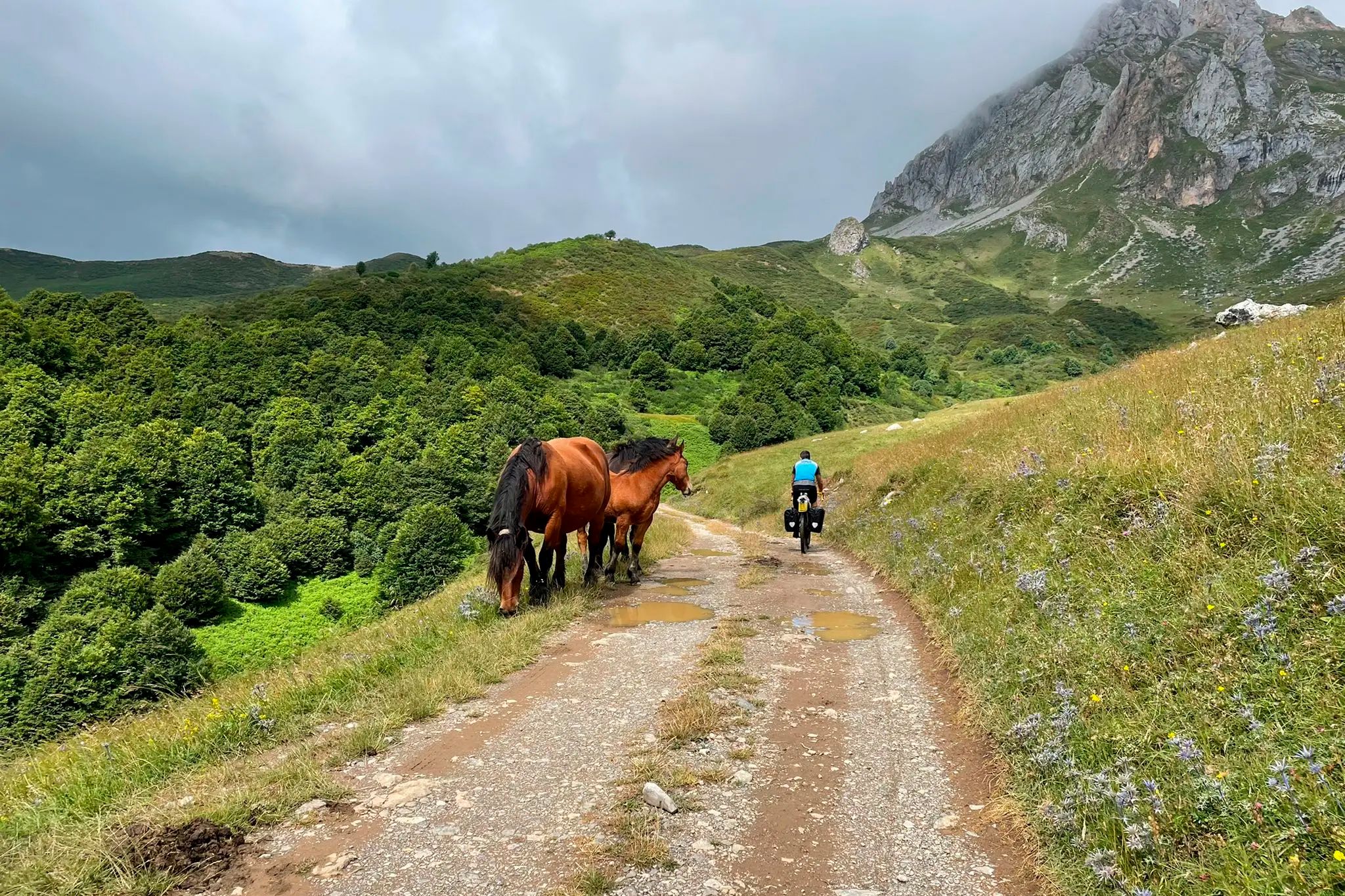
TransCantabrica – Extreme mountain biking in northern Spain
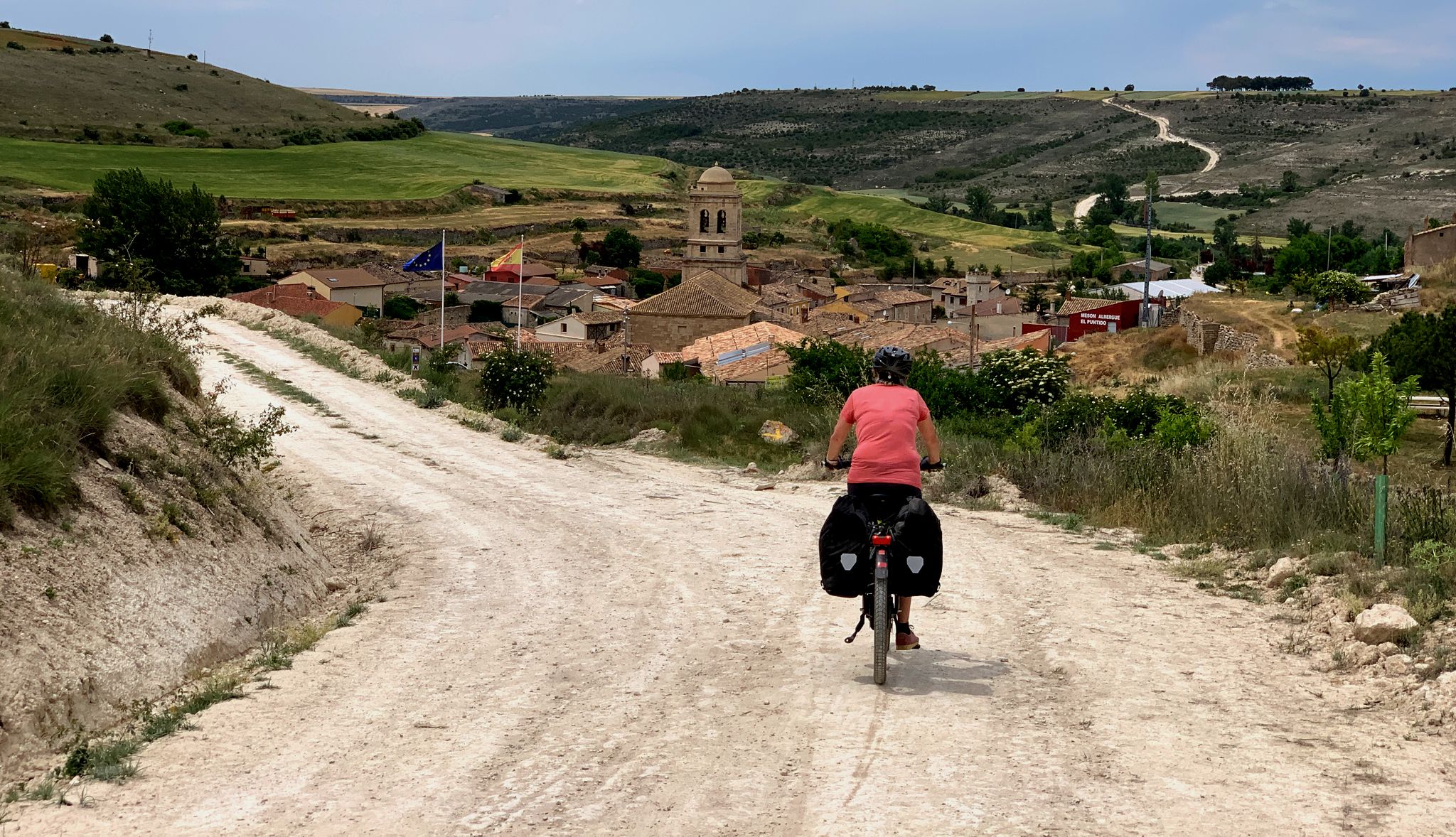
The Pilgrim Route — EuroVelo 3 through Spain
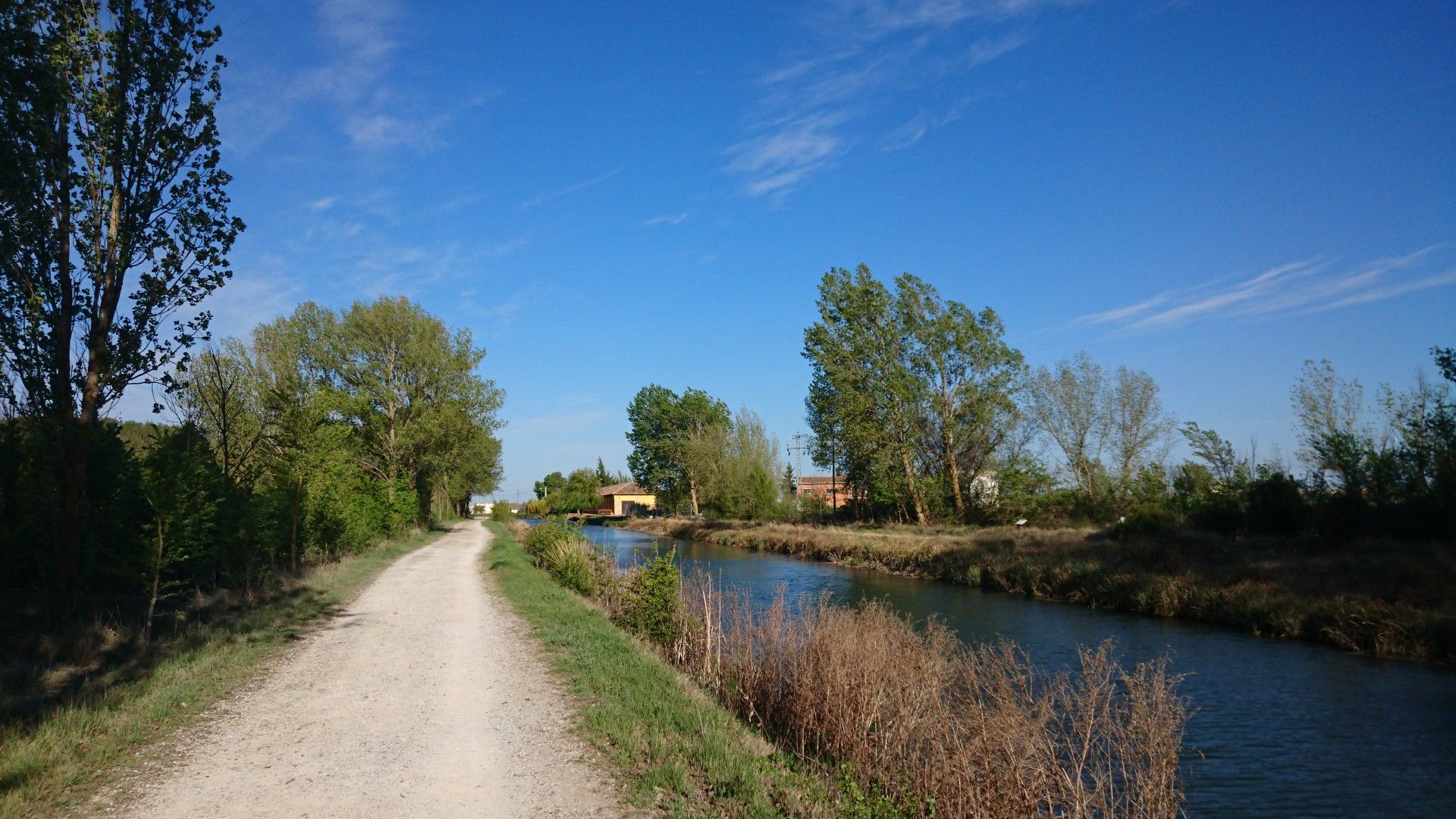
The history of civil engineering — the Castille Canal by bike
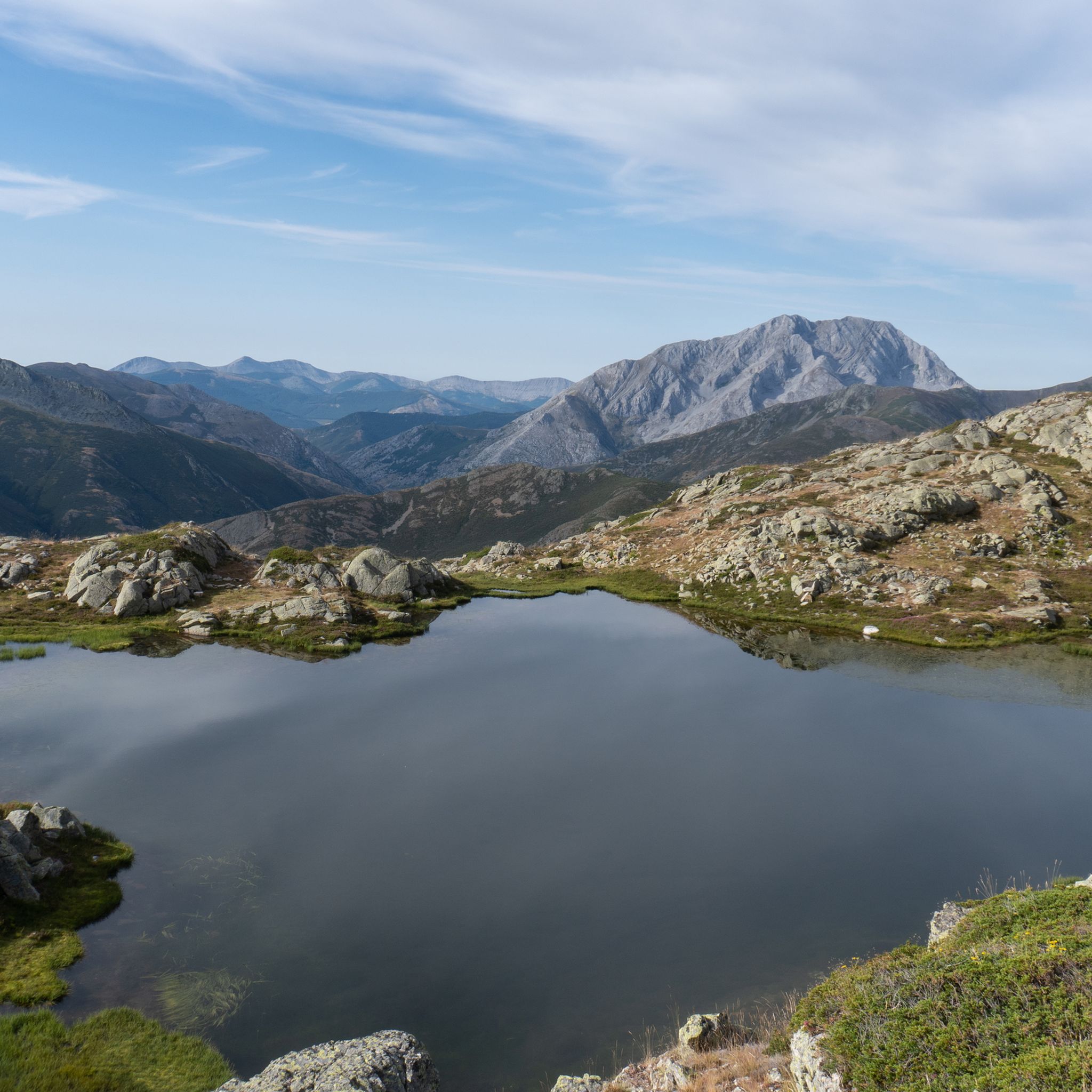
Hiking in Palencia
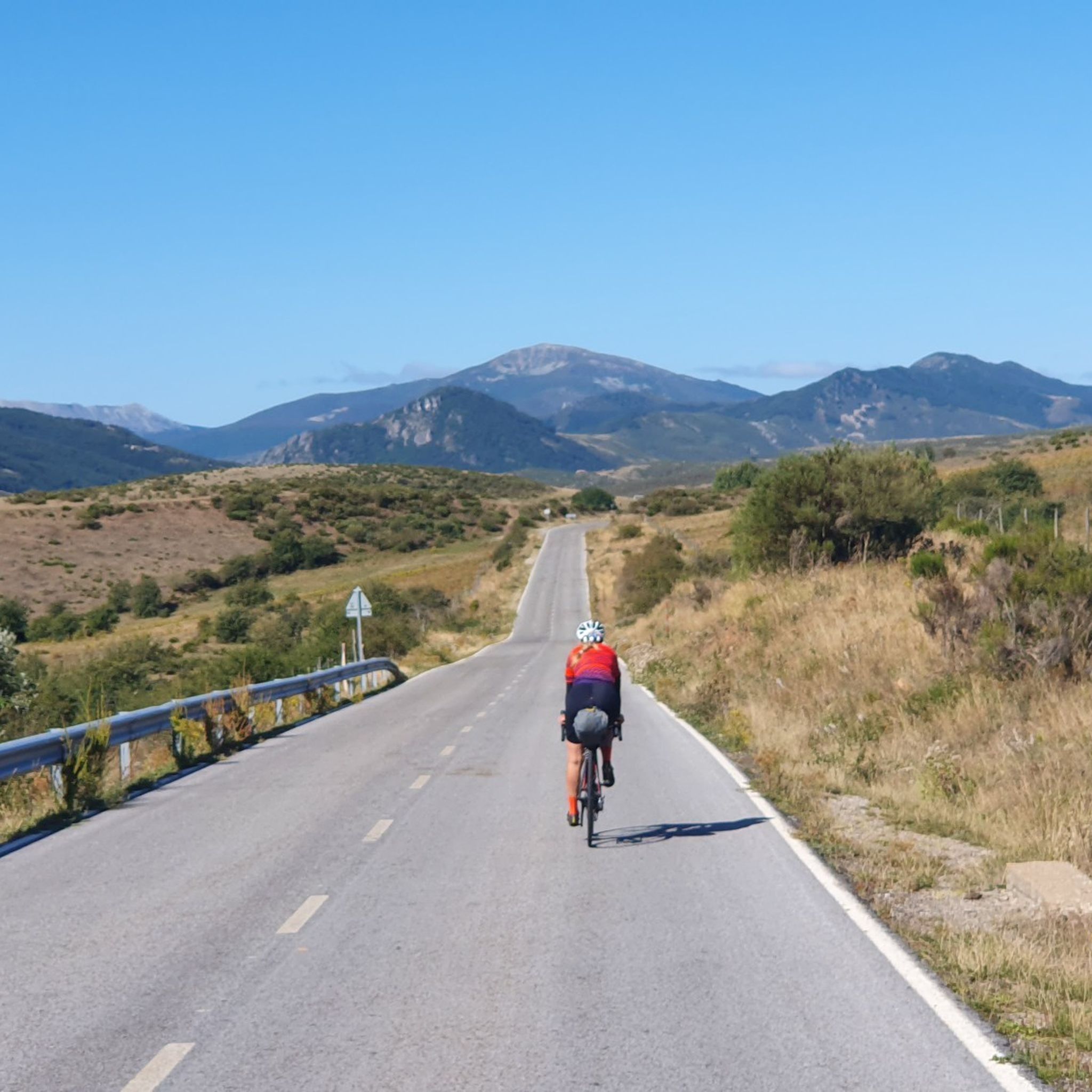
Road Cycling Routes in Palencia
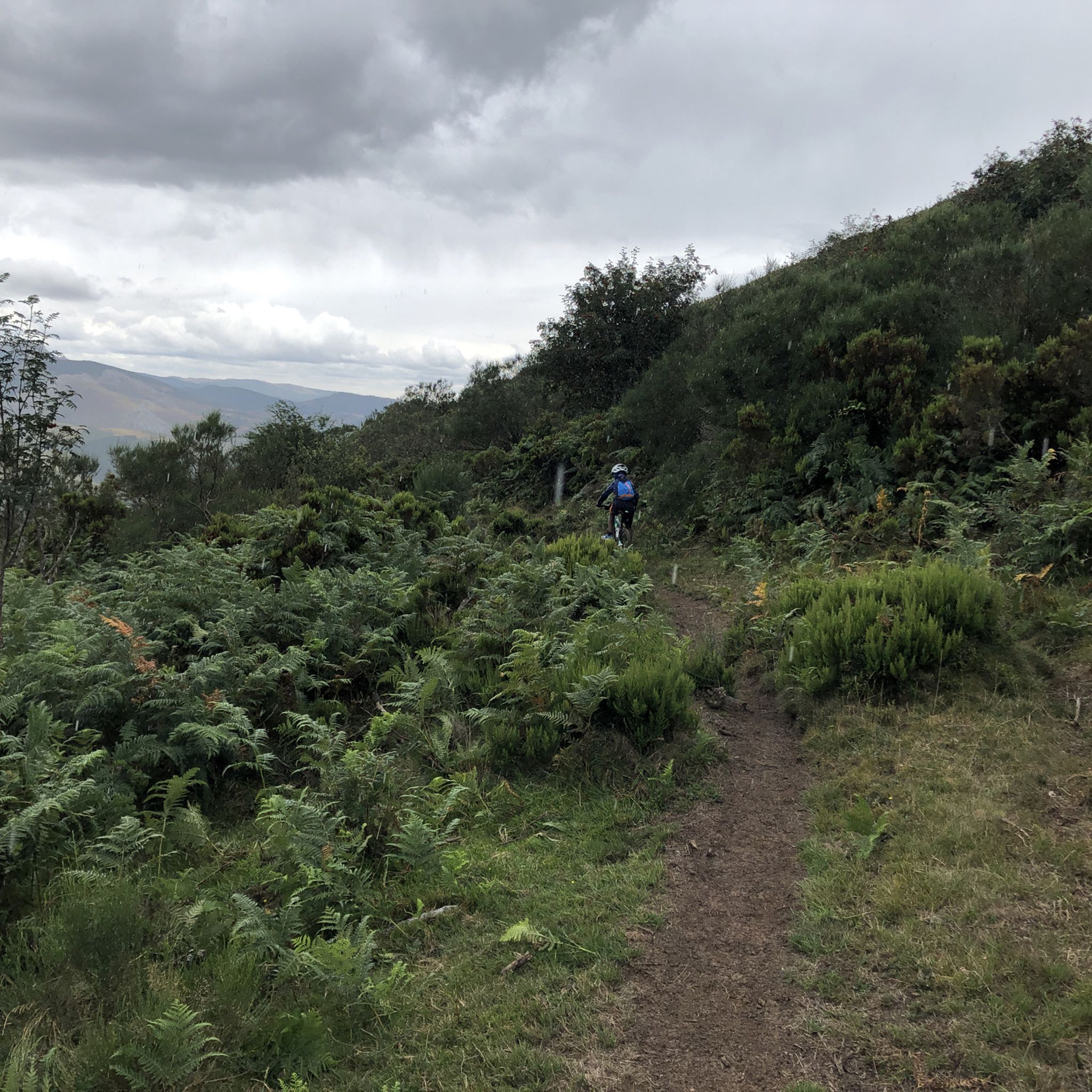
MTB Trails in Palencia
Other adventures in Palencia


Tips from the Community

A short, pleasant stretch to walk because the water cools the air a little.
1
1

Ledigos, in the province of Palencia, is a small town with about 60 inhabitants, located on the French Way of St. James, between Calzadilla de la Cueza and Terradillos de los Templarios. Its history, architecture, and natural surroundings make it an interesting stop for pilgrims and travelers.
1
0
The Statue of the Pilgrim in Carrión de los Condes is an emblematic monument located in Plaza Piña Merino, right at the entrance to the town if you're coming from Frómista, right on the Camino de Santiago. This bronze sculpture represents a traditional pilgrim, dressed in a cape and hat, and carrying the Jacobean symbols: the shell, the staff, and the calabash. It is a life-size figure that pays tribute to the thousands of pilgrims who pass through this historic town in Palencia each year.
2
0
The Statue of the Pilgrim in Carrión de los Condes is an emblematic monument located in Plaza Piña Merino, right at the entrance to the town if you're coming from Frómista, right on the Camino de Santiago. This bronze sculpture represents a traditional pilgrim, dressed in a cape and hat, and carrying the Jacobean symbols: the shell, the staff, and the calabash. It is a life-size figure that pays tribute to the thousands of pilgrims who pass through this historic town in Palencia each year.
1
0

Beautiful sunrise on the Way of St. James
2
1

Santa Maria la Blanca is a temple-fortress of Templar origin dating back to the 12th century.
3
1
The Castile Canal, whose construction began in 1753, was intended to connect Castile to the Atlantic Ocean.
7
0
La Casa Grande in Palencia is a historic building that has undergone several stages over the years. Originally, it was a stately home built in the 19th century. Initially, the Casa Grande was the private residence of a local noble family. Over time, the building has been adapted for various uses, including its transformation into a restaurant, which has retained much of its original structure and charm.
4
0
Frequently Asked Questions
What natural features can I explore in and around Palencia?
Palencia offers diverse natural landscapes. You can explore the Canal de Castilla, an impressive engineering feat perfect for walking and cycling. The Montaña Palentina Natural Park in the north boasts high peaks, forests, and diverse wildlife, including the Cantabrian brown bear. Closer to the city, Monte el Viejo provides opportunities for hiking and mountain biking, connected by a bike lane. Don't miss the ancient yew grove of Tejeda de Tosande or the Covalagua Waterfall and Cueva de los Franceses.
Are there hiking opportunities near Palencia's attractions?
Yes, Palencia is excellent for hiking. You can find numerous trails, especially in the Montaña Palentina Natural Park. Popular routes include the Tejeda de Tosande Trail, the Mazobre Waterfall Trail, and the Curavacas from Vidrieros for more challenging hikes. For easier options, consider the Path "El Roblón de Estalaya" or the Las Tuerces Labyrinth Trail. You can find more details and routes in the Hiking in Palencia guide or the Easy hikes in Palencia guide.
What historical landmarks should I visit in Palencia city?
In Palencia city, the imposing Gothic-style Palencia Cathedral, often called the "unknown beauty," is a must-see, with its Crypt of San Antolín. Overlooking the city is the iconic Cristo del Otero sculpture. Explore the arcaded Plaza Mayor, home to the City Hall and the Franciscan church of San Francisco, and the Church of San Miguel, believed to be where El Cid was married. The Calle Mayor is also notable for its architecture and shops.
Where can I experience Palencia's rich Romanesque heritage?
Palencia province is renowned for its Romanesque heritage, with over fifty preserved buildings. Key stops include the church of San Martín in Frómista, the hermitage of San Pelayo in Perazancas, and the monastery of Santa María in Aguilar de Campoo. The medieval town of Carrión de los Condes, a key stop on the Camino de Santiago, also features important Romanesque monuments like the Church of Santa María del Camino and the Church of Santiago.
Are there family-friendly attractions in Palencia?
Many attractions in Palencia are suitable for families. The Canal de Castilla, including the Quadruple Lock and the Scenic Section, offers pleasant walks and cycling routes. The green spaces along the River Carrión, such as Sotillo de los Canónigos, are also popular recreational areas. Exploring towns like Frómista and Ledigos, with their historical sites, can also be engaging for families.
What do visitors particularly enjoy about the Canal de Castilla?
Visitors frequently praise the Canal de Castilla for its historical significance as a work of the Spanish Enlightenment and its scenic beauty. The Quadruple Lock of the Canal de Castilla near Frómista is considered one of the most ingenious works of the entire canal complex. The Scenic Section of the Canal de Castilla, coinciding with the Camino Frances de Santiago, is especially popular for walking and cycling, offering a beautiful and frequented experience.
Can I go cycling along the Canal de Castilla?
Yes, the Canal de Castilla is an excellent location for cycling. Its old towpaths provide scenic routes, allowing you to observe rich birdlife and historic hydraulic constructions. The Scenic Section of the Canal de Castilla is particularly frequented by cyclists and coincides with the EV1 EuroVelo route. You can find various road cycling routes in the region, such as "Pedaling the Palencian Romanesque," in the Road Cycling Routes in Palencia guide.
Are there any ancient Roman sites to visit in the Palencia province?
Absolutely. The Villa Romana La Olmeda, located about 60 km from Palencia, is an exceptionally well-preserved Roman villa. It is an important archaeological site that offers a fascinating glimpse into Roman life and architecture in the region.
When is the best time of year to visit Palencia's attractions?
The best time to visit Palencia generally depends on your preferred activities. Spring (April-June) and early autumn (September-October) offer pleasant temperatures for exploring historical sites and outdoor activities like hiking and cycling. Summers can be hot, especially in July and August, while winters can be cold, particularly in the Montaña Palentina, though they offer a different kind of beauty.
What cultural sites are there in Palencia beyond the main landmarks?
Beyond the major landmarks, Palencia offers several cultural sites. The Museum of Palencia, housed in the 16th-century Casa del Cordón, showcases the region's history from prehistoric times to the Middle Ages. The Diocesan Museum, next to the Cathedral, displays religious art. For contemporary art, visit the Díaz-Caneja Foundation. The city also has an Archaeological Museum, and historical convents like San Pablo and Santa Clara are worth exploring.
Are there any wheelchair-accessible attractions in Palencia?
While accessibility can vary, some sites offer better access. The Pilgrim Statue in Carrión de los Condes is noted as wheelchair accessible. When planning your visit, it's advisable to check specific accessibility details for individual attractions, especially historical buildings, as some may have limitations due to their age and structure.
What wildlife can I expect to see in Palencia's natural areas?
In the Montaña Palentina Natural Park, you can encounter a rich variety of wildlife. This protected area is home to significant species such as the Cantabrian brown bear, the Iberian wolf, and the golden eagle. The Canal de Castilla and the lagoons of Nava de Fuentes and Boada are also important for birdwatching, offering opportunities to observe diverse birdlife.
Most popular routes in Palencia
Most popular attractions in Palencia

Get inspired with the komoot mobile app


Didn’t find what you were looking for?
Are you keen on exploring more awesome places nearby? Browse our guides:
Explore more
Still not found the Highlight you’re looking for? See guides of the top attractions in other regions:
