Top 20 Lakes in Huesca
Best lakes in Huesca are found within the Aragonese Pyrenees, a region characterized by its natural landscapes. The area features numerous bodies of water, many of which are glacial in origin and locally known as "ibones." These lakes offer diverse natural settings and opportunities for outdoor activities. Huesca's lakes are a notable feature of its mountainous terrain.
Best lakes in Huesca
- The most popular lakes is Piedrafita Lake, a lake with easy access suitable for all ages. Its setting…
Last updated: July 7, 2026
Piedrafita Lake
Highlight • Lake
Translated by Google •
Tip by

Anayet Lakes
Highlight • Lake
Translated by Google •
Tip by

Sign up now to discover places like this
Get recommendations on the best single tracks, peaks, & plenty of other exciting outdoor places.
Sign up for free
Ibonet de Batisielles
Highlight • Lake
Translated by Google •
Tip by

Ibón of Plan (Basa de la Mora)
Highlight • Lake
The name of Basa de la …
Translated by Google •
Tip by

Lower Blue Ibón
Highlight • Lake
All the Aragonese lakes are protected by being included …
Translated by Google •
Tip by

Port de Barroude
Highlight • Mountain Pass
Translated by Google •
Tip by

Ibón de Sabocos
Highlight • Lake
Translated by Google •
Tip by

Col de la Fache
Highlight • Mountain Pass
Translated by Google •
Tip by

Arguis Reservoir
Highlight • Lake
Translated by Google •
Tip by

Ibón de Acherito
Highlight • Lake
It is always worth a visit.
Translated by Google •
Tip by

Sign up for free to discover even more lakes in Huesca.
Sign up for free
Already have an account?
Start today with a free account
Your next adventure awaits.
Login or Signup
Popular around Huesca
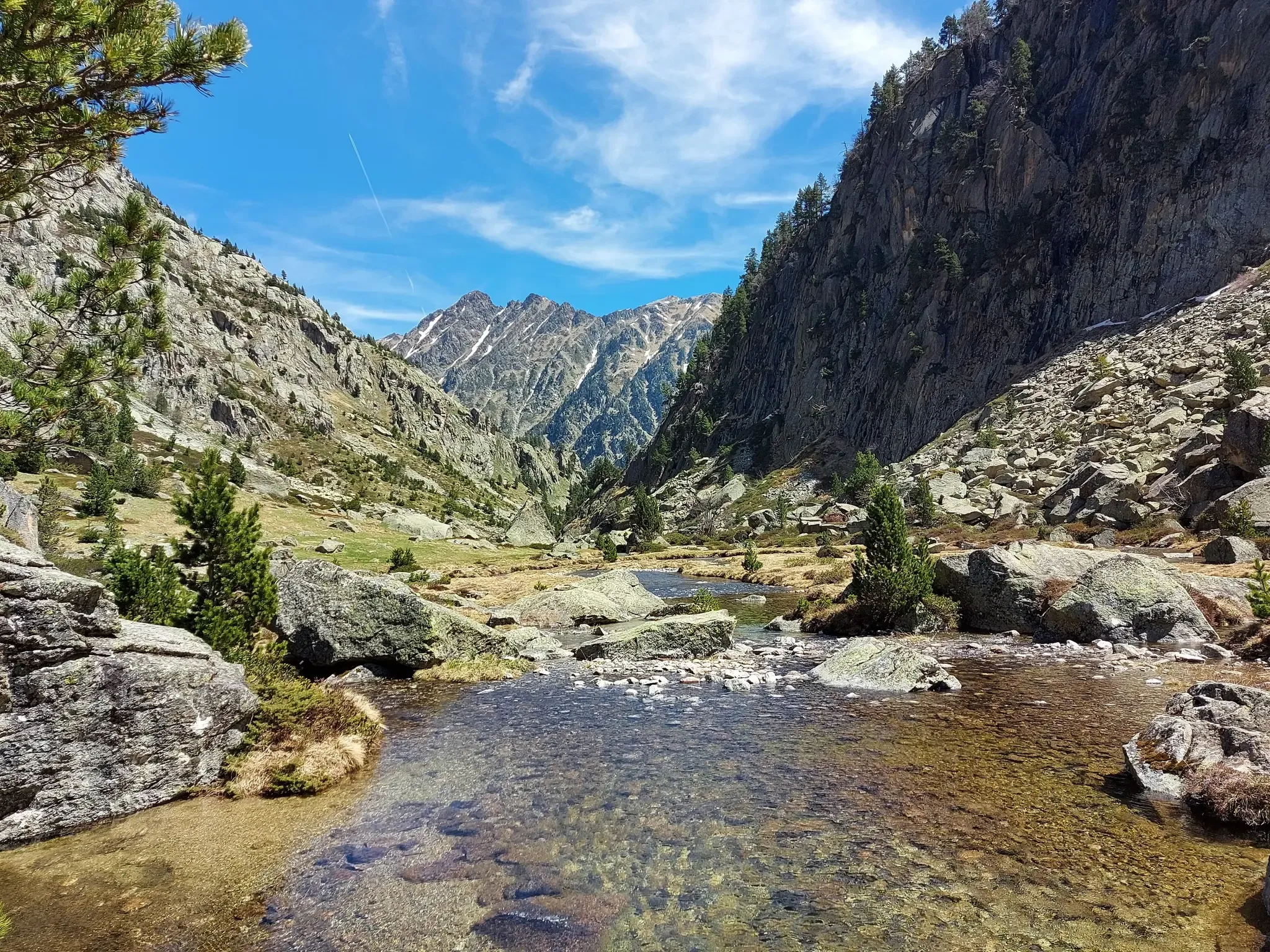
Tour of the Balaïtous – From passes to lakes
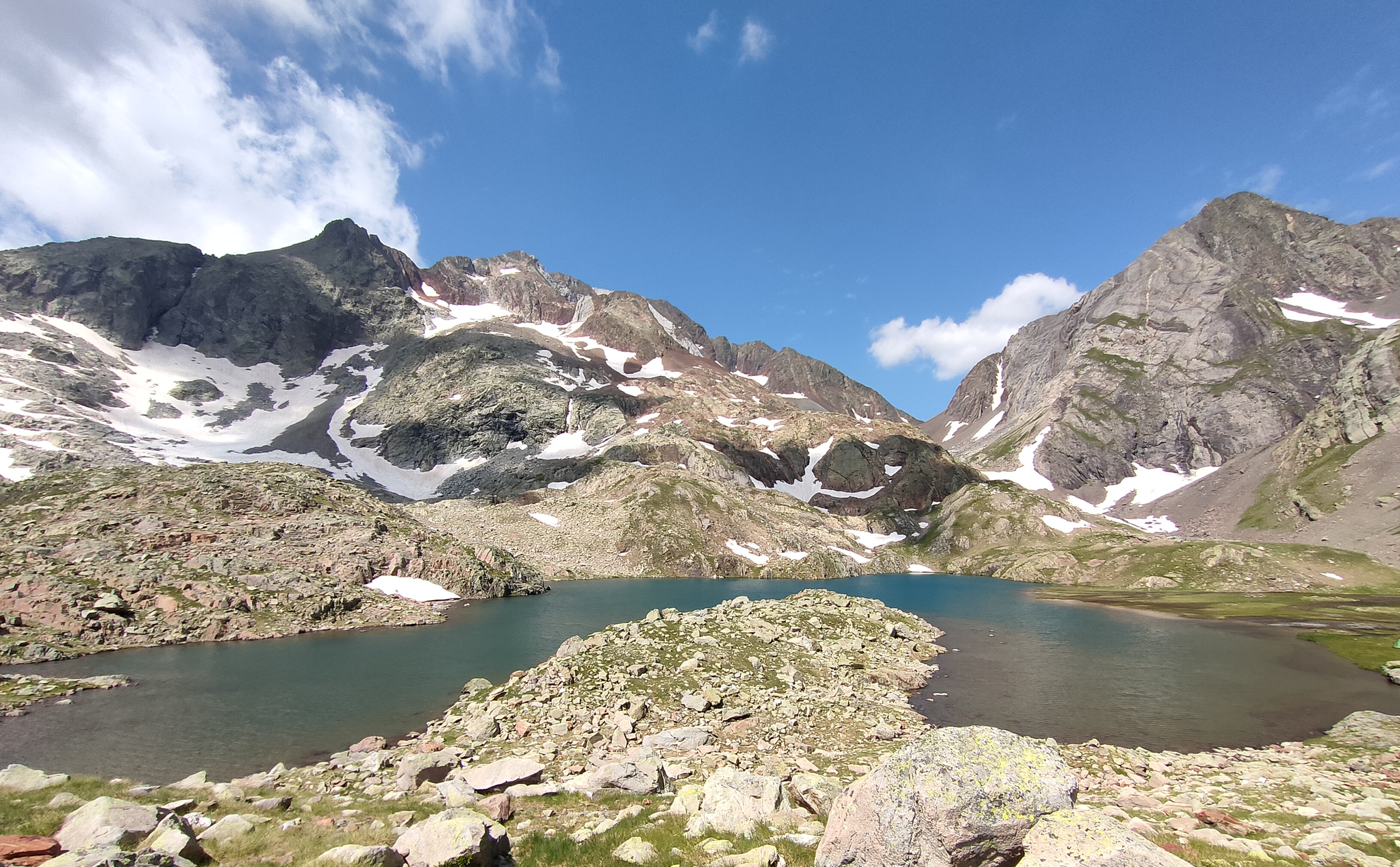
Panoramic Pyrenees – 15 hikers' peaks of over 3,000 metres
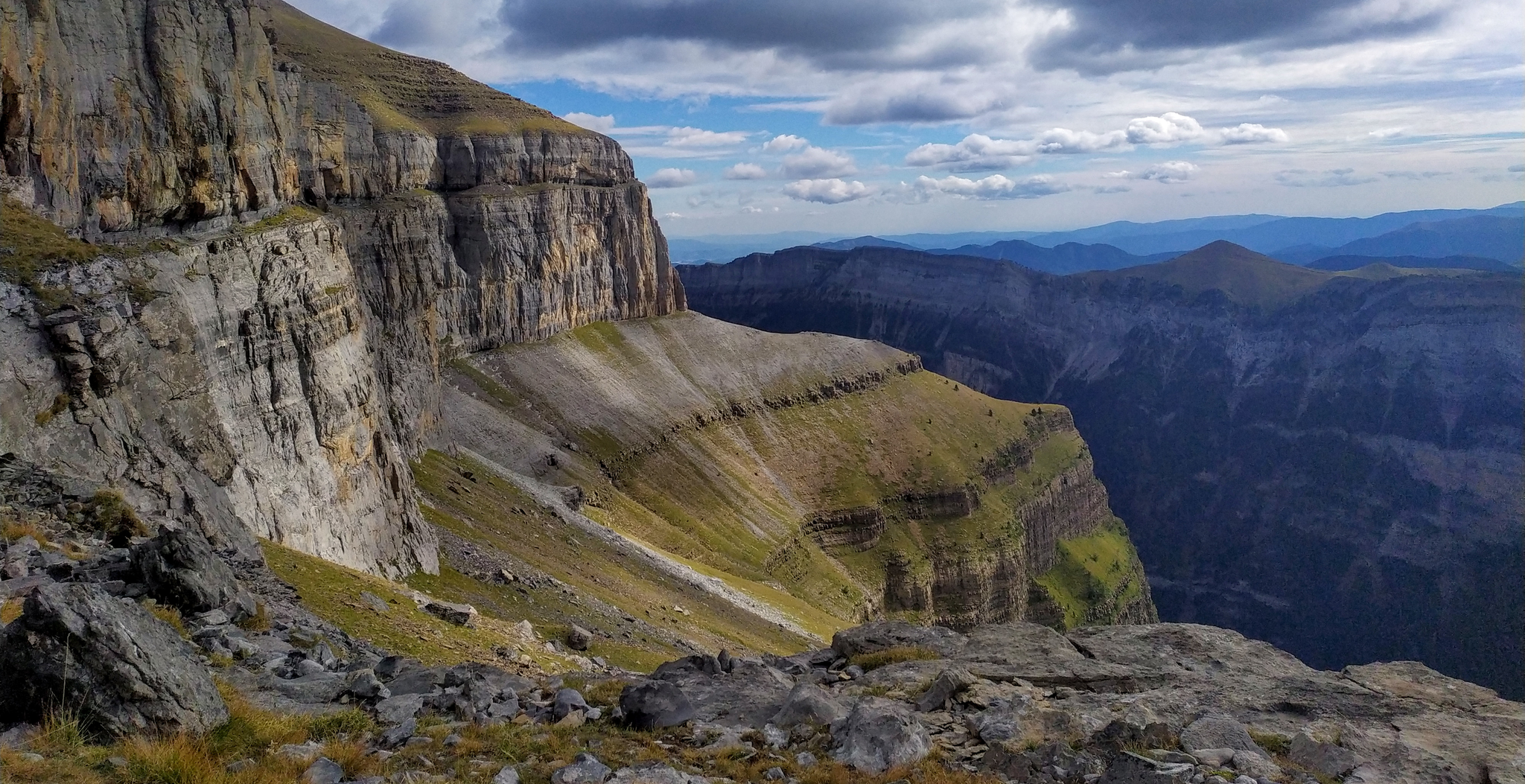
Hike from Gavarnie to Ordesa – A breathtaking loop in the cirques
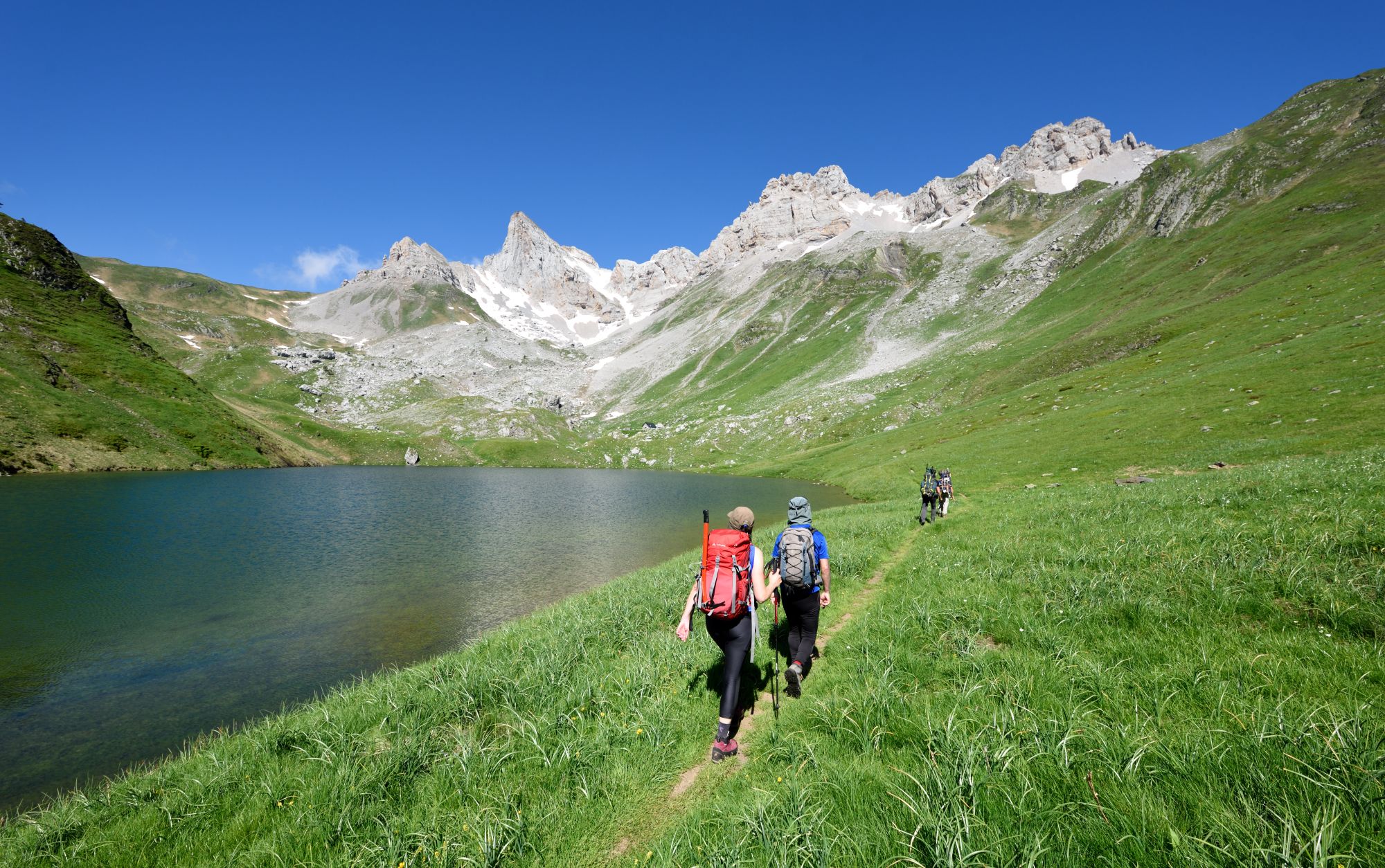
Classic Swallows Route in Spain – Mountains with history
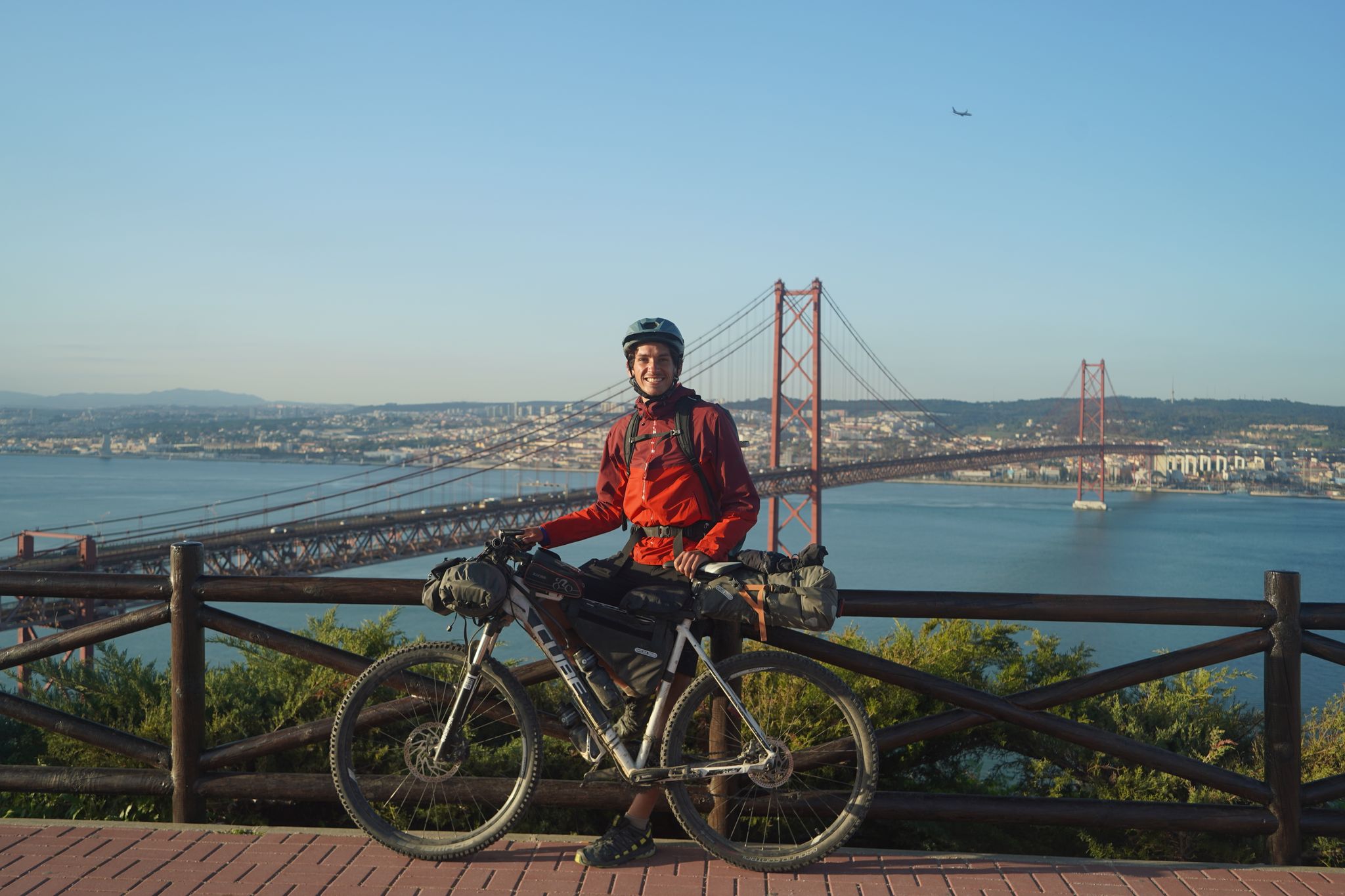
Road to Lisbon – bikepacking the Alps, Pyrenees and Picos de Europa
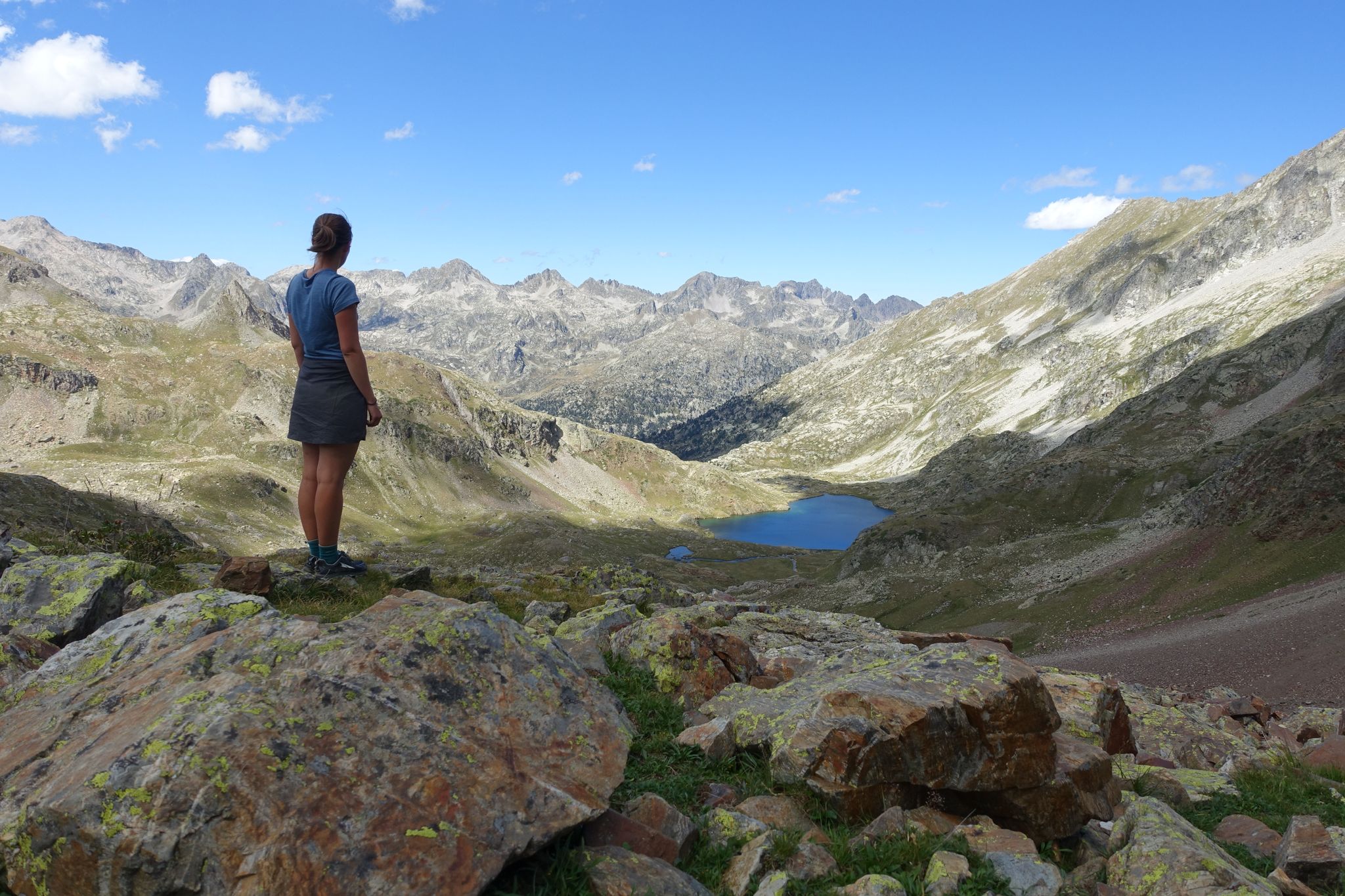
Haute Route Pyrénéenne – Pyrenees Crossing
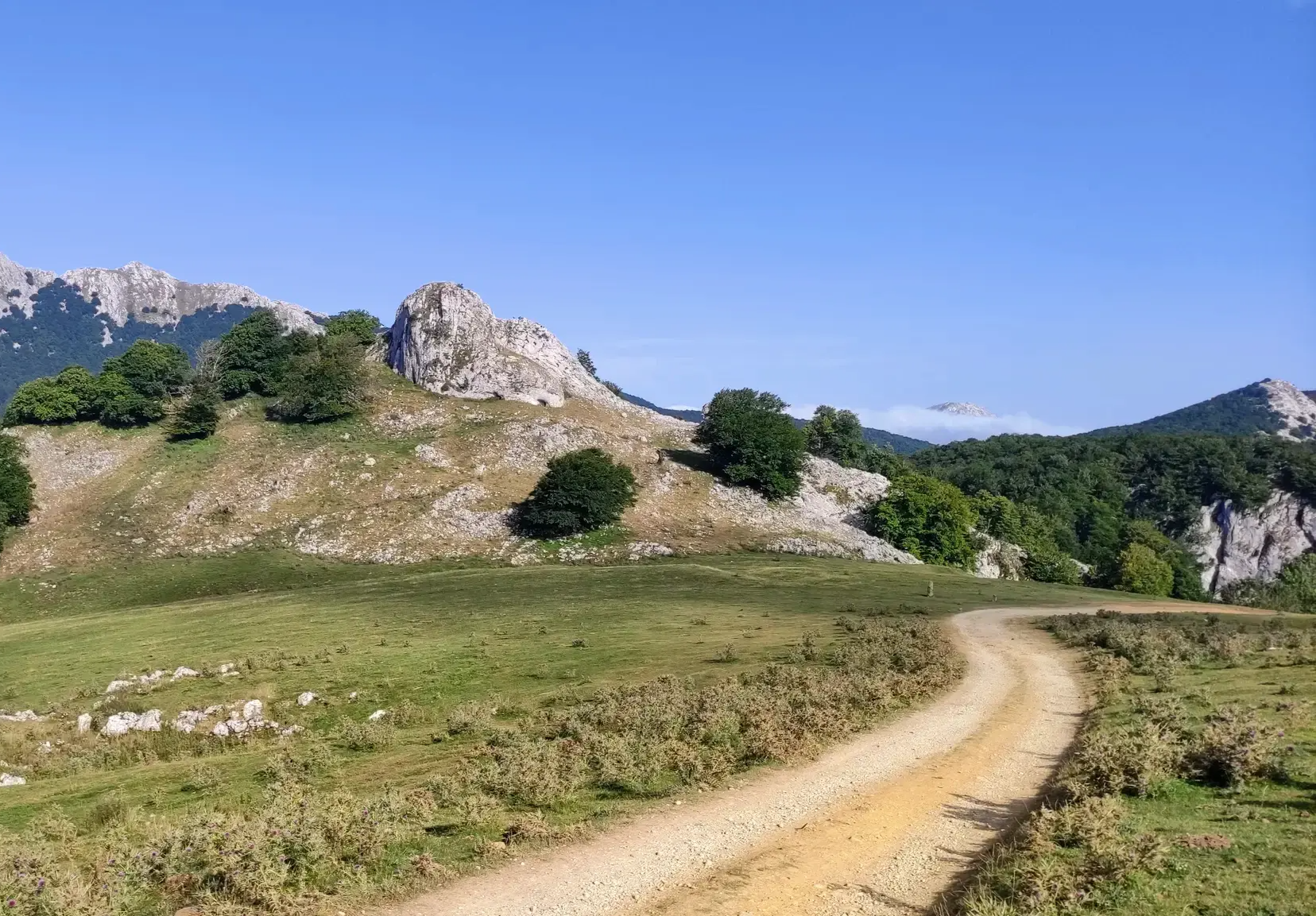
The Ignatian Way - In the footsteps of Ignatius of Loyola
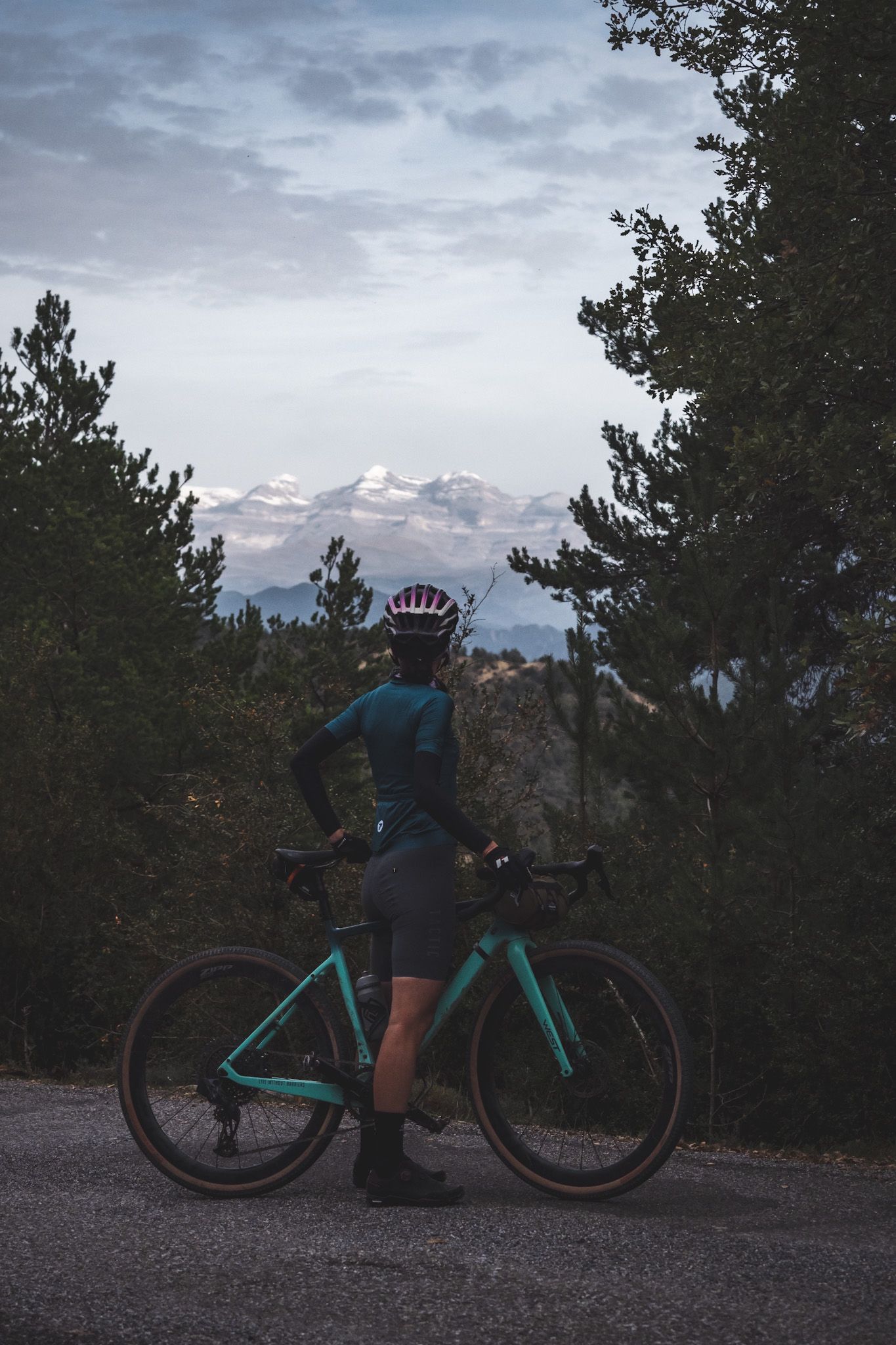
Where silence reigns - Grand Gravel Sobrarbe
In the footsteps of the Roman road - GR 95
On the other side of the Pyrénées
Other adventures in Huesca


Tips from the Community

lunchtime lazy wank brought me to https://livesexcams9.cc/ again, typed 'anal' into search, filtered by 'new' and stumbled upon thin 20yo art student painting a canvas, brush between toes, butt plug tail swishing like a fox. next tip goal: replace brush tail with dildo, ofc. dudes in chat started requesting color palette matching her cunt swatches; we jokingly created a hex code #rosebutt69. she laughed so hard the tail popped out mid-squat, chat tipped harder, tail went back upgraded. pure art school chaos turned live sex performance. the site never asked for cc for just watching, i drifted like a hobo from nude live room to room, found cosplay nurses, gamer girls getting ploughed while league reloaded, bored housewives rubbing bean next to sleeping spouse. endless nude video call feels like scrolling tiktok except every clip is wet and uncensored and smells like possibility. tuesday evening boredom slammed me onto https://striphub.cc/ and https://stripcafe.org/ , sorted by 'hairy' found a 29yo petite asian squirter with full bush shaped into a heart, seriously cute shit. her room topic: "tip to water my garden," how poetic for a stoner fuck. i drop ten, she squirted into a plastic cactus pot perched on table, mission accomplished. site ran smooth even with picture-in-picture while i doomscrolled twitter. later discovered a german couple doing heavy metal karaoke while fucking, chick sang rammstein with dick inside, quality content. their private rate only 6 tokens a minute, cheapest live cam strip i ever saw. i hopped in, requested Du Hast, and man, every "nein" synced with deep thrust, best remix ever. bookmark these freaks if you like live sex and mementos.
0
0

Crowded on the way there. Avoid weekends, but the return trip takes you along small paths with magnificent views. https://youtu.be/Ok7Ho9e7DwM?si=Zw-F5dc7hrTHr3sT
0
0

A beautiful lake located at 1,905 m in a glacial cirque surrounded by Pico del Verde (2,295 m) and Peña Sabocos (2,757 m). It has a maximum depth of 25 m and is close to the Asnos Lake.
0
0

Entry into Spain, change from the northern, French side to the dry southern valley to Parzan
0
0


Charming lone lake. The westernmost of the Pyrenees. It is always worth a visit.
2
0

In Occitan, fache, facla means “rock bar”. The Col de la Fache is located at an altitude of 2,664 meters between the French department of Hautes Pyrénées and the Spanish province of Huesca. A magnificent view is revealed on the Spanish side and its many lakes including the ibónes of Respomuso and Campo Plano. In the distance, you can also see the Pic du Midi d'Ossau and the large Aiguille d'Ansabère. The French side offers stunning views of the Marcadau valley with Lac de la Fache in the foreground. We find there in particular the Vignemale and the Pic du Chabarrou. To the south of the pass we find the Grande Fache, the highest point of Marcadau and the Pic de Cambalès which stands north of the pass.
0
0

All the Aragonese lakes are protected as they are included in the Inventory of Singular Wetlands, so any activity that could modify the quality of their waters is prohibited. While bathing is not specifically mentioned, it is understood that bathing with chemicals on the skin such as sunscreens, deodorants, perfumes or creams is negatively affecting the quality of the water, so it cannot be done. You can read the protection decree and the list of wetlands included here: boa.aragon.es/cgi-bin/EBOA/BRSCGI?CMD=VEROBJ&MLKOB=558856590404
0
0
Frequently Asked Questions
Which lakes in Huesca are known for their stunning natural beauty and unique features?
The Huesca Pyrenees offer several lakes with distinct natural beauty. The Anayet Lakes are notable for their glacial origin, volcanic peaks, and reflections of the Midi d'Ossau. Estanés Lake, located at 1,754 meters, features striking rocky mountains and a blend of reddish stones with turquoise waters. The Embalse de Lanuza is surrounded by the picturesque town of Lanuza and Peña Foratata, offering crystal-clear waters and traditional architecture.
Are there easy-access lakes suitable for all ages and families?
Yes, Piedrafita Lake is known for its easy access by track or path, making it suitable for all ages. Its beautiful setting includes meadows that lead to the glacial cirque and the lake's shore. The Embalse de Lanuza also offers gentle hiking paths, including a 4.5-mile trail circling the lake, and activities like paddleboarding and pedal boats, making it family-friendly.
What kind of scenery can I expect around the lakes in Huesca?
The lakes in Huesca, many of which are glacial 'ibones', are set within the Aragonese Pyrenees. You can expect dramatic volcanic rock formations, intense green meadows, and diverse flora around lakes like the Ibones de Anayet. Other areas feature dense forests, imposing crags, and traditional stone villages like Lanuza, all set against a backdrop of Pyrenean peaks. The blend of reddish stones with turquoise waters, as seen at Estanés Lake, creates spectacular scenes.
Are there any lakes with interesting local legends or folklore?
Yes, Ibón de Plan, also known as Basa de la Mora, is steeped in local folklore. A legend tells of a Moorish princess who drowned there while fleeing Christian troops. Tradition says that on the night of San Juan, those with a pure heart who wash their faces in the lake can see her dancing on the surface.
When is the best time of year to visit the lakes in Huesca?
Summer is generally ideal for hiking to high-altitude lakes like the Ibones de Anayet. However, many lakes, such as Estanés Lake, are suitable for visits year-round, offering mountain getaways in summer or spring, and opportunities for snowshoeing in winter. The Ibón de Plan fills up after the winter thaw, making spring and summer good times to see it at its fullest.
What outdoor activities can I do near the lakes in Huesca?
Beyond enjoying the scenery, you can find numerous outdoor activities. Hiking is very popular, with routes ranging from easy walks around Piedrafita Lake to challenging mountaineering ascents near the Ibones de Bachimaña. Water sports like paddleboarding, canoeing, and pedal boating are available at the Embalse de Lanuza. For more hiking options, explore guides like Hiking in Huesca or Mountain Hikes in Huesca.
Are there challenging hikes for experienced mountaineers near the lakes?
Yes, the Huesca Pyrenees offer challenging routes. The hike to the Ibones de Bachimaña, for instance, can be demanding but offers incredibly rewarding views and serves as a base for various mountaineering activities and ascensions, including peaks exceeding three thousand meters like Los Infiernos and Gran Facha. Expert mountaineers can also consider adding the summit of Peña Telera to their visit to Piedrafita Lake, though this requires very good physical condition and winter climbing equipment with snow or ice.
Do I need any permits to hike around the lakes in Huesca?
Generally, permits are not required for most standard hikes around the lakes in Huesca. However, it's always advisable to check local regulations, especially for specific areas within natural parks or for more challenging mountaineering routes, as conditions or access rules can change.
How can I reach the lakes using public transport?
While some areas in the Pyrenees have limited public transport, specific routes and services may be available, especially during peak seasons. For detailed information on bus routes or other public transport options to specific lake areas like Ibones de Anayet, Bachimaña, Piedrafita, or Ibón de Acherito, it is recommended to consult local tourist information centers or regional transport websites.
Are there options for accommodation or refreshments near the lakes?
Yes, depending on the lake, you can find various options. The town of Lanuza, on the banks of the Embalse de Lanuza, offers amenities. Near the Ibones de Bachimaña, there is a modern mountain refuge that provides a base for mountaineers. For other lakes, nearby towns in the Huesca Pyrenees often have accommodation, restaurants, and cafes. Camping overnight by some lakes, like the Ibones de Anayet, is also an option for a deeper immersion in nature.
What is the significance of the 'ibones' in Huesca?
The 'ibones' are glacial lakes, a defining feature of the Huesca Pyrenees. They are typically found at high altitudes and are formed by ancient glaciers, contributing significantly to the region's unique natural landscapes. These bodies of water are often surrounded by dramatic peaks and diverse ecosystems, making them popular destinations for hikers and nature enthusiasts.
Can I find any hidden or less-known lakes in Huesca?
While many lakes are popular, the vastness of the Huesca Pyrenees means there are numerous smaller, less-frequented ibones. For example, the Ibones de Bachimaña are part of a series of glacial cirques with many other ibones like Gramatuero and Pezico. Exploring areas like the Posets Maladeta Natural Park or the Valles Occidentales Natural Park might lead you to majestic mountain lakes such as Ibonet de Batisielles or Ibón de Acherito, which offer breathtaking panoramic alpine views away from the busiest spots.
Most popular routes in Huesca
Most popular attractions in Huesca

Get inspired with the komoot mobile app


Didn’t find what you were looking for?
Find the best lakes in Huesca per region:
Explore more
Still not found your perfect lake in Huesca? Check out the guides of these regions to see even more beautiful places.
