Top 15 Caves in Huesca
Best caves in Huesca are found within the Aragonese Pyrenees, offering diverse subterranean experiences. The region, particularly the Sierra de Guara and Ordesa y Monte Perdido National Park, features impressive geological formations and historical sites. Visitors can explore ancient hermitages, discover prehistoric art, and engage in caving activities. Huesca provides a blend of adventure, history, and natural beauty across its varied landscapes.
Best caves in Huesca
- The most popular caves is Picamartillo Cave, a cave located on the left…
Last updated: June 3, 2026
El Chorro Waterfall and the Cave and San Cornelio Hermitages
Highlight • Waterfall
Translated by Google •
Tip by

San Caprasio Caves
Highlight • Cave
Translated by Google •
Tip by

Sign up now to discover places like this
Get recommendations on the best single tracks, peaks, & plenty of other exciting outdoor places.
Sign up for free
Picamartillo Cave
Highlight • Cave
Translated by Google •
Tip by

Quizans Shelter
Highlight • Cave
Translated by Google •
Tip by
Río Vero Rock Art Sites
Highlight • Historical Site
Translated by Google •
Tip by
Santa Elena Hermitage and Fountain
Highlight • Religious Site
Translated by Google •
Tip by

Poza de Chichirigoy
Highlight • Natural Monument
Translated by Google •
Tip by
Hermitage of the Virgin of the Cave
Highlight • Religious Site
Translated by Google •
Tip by

Tortiellas Sinkhole
Highlight • Cave
Translated by Google •
Tip by

Paúles de Sarsa
Highlight • Settlement
Translated by Google •
Tip by

Sign up for free to discover even more caves in Huesca.
Sign up for free
Already have an account?
Start today with a free account
Your next adventure awaits.
Login or Signup
Popular around Huesca
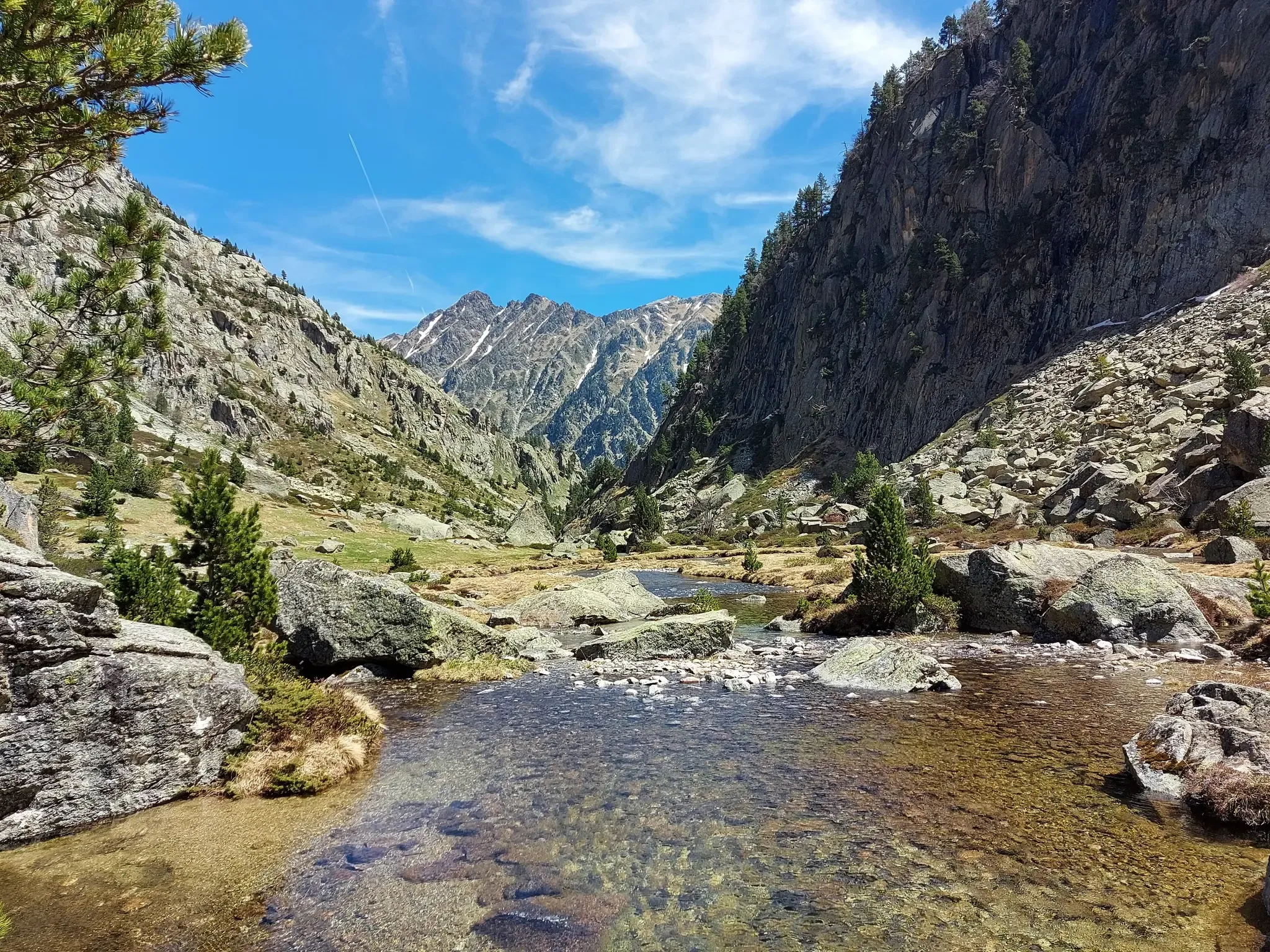
Tour of the Balaïtous – From passes to lakes
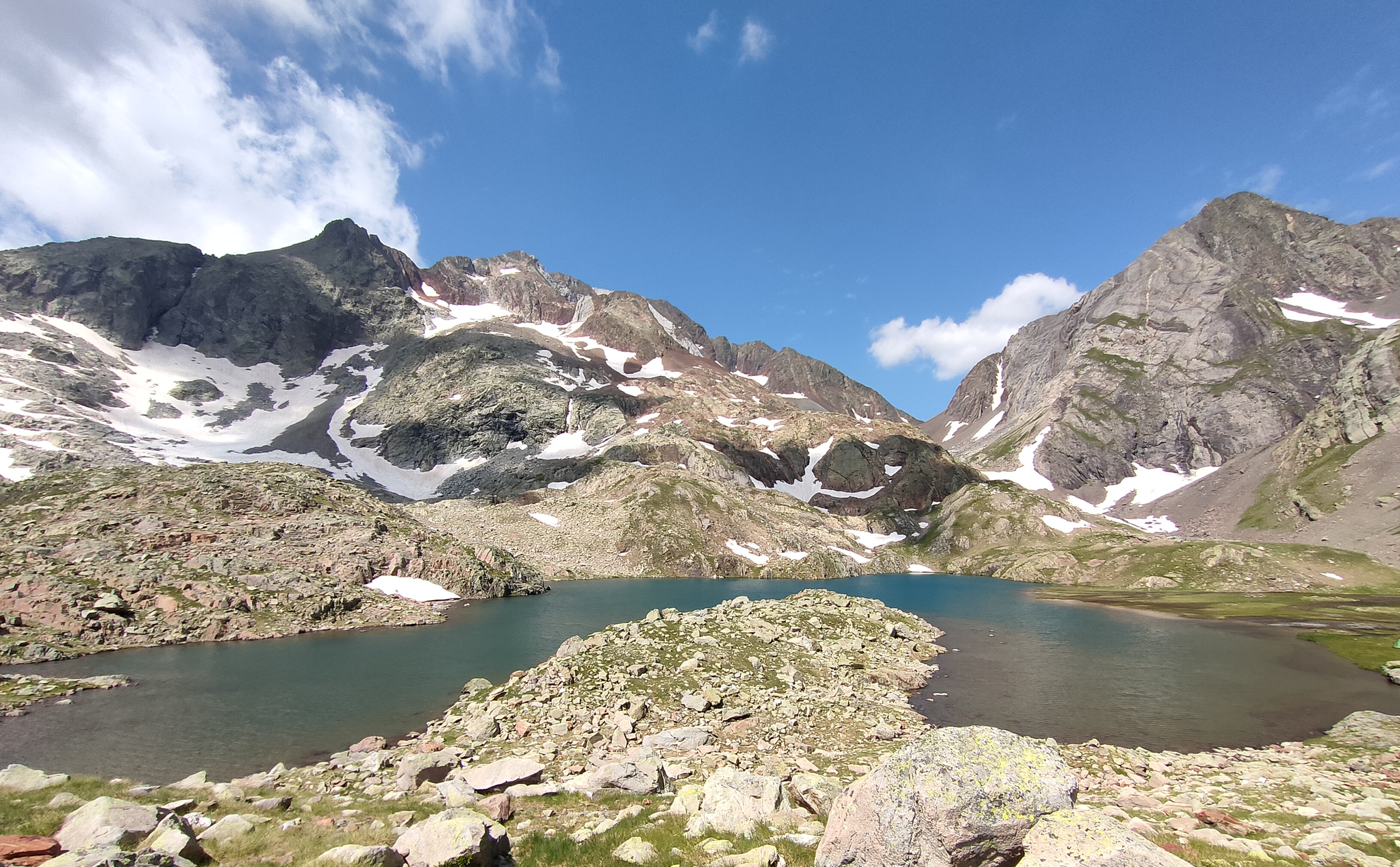
Panoramic Pyrenees – 15 hikers' peaks of over 3,000 metres
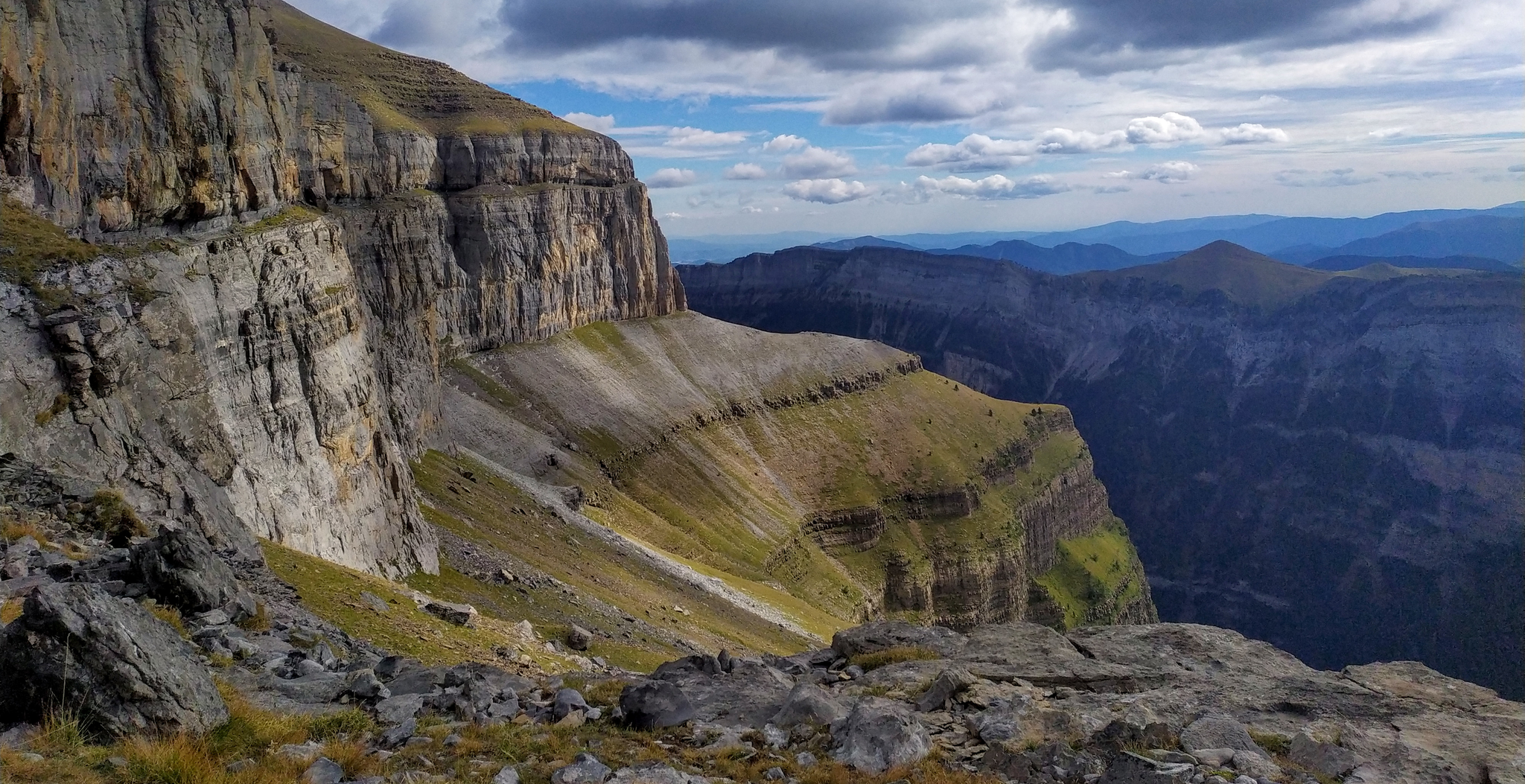
Hike from Gavarnie to Ordesa – A breathtaking loop in the cirques
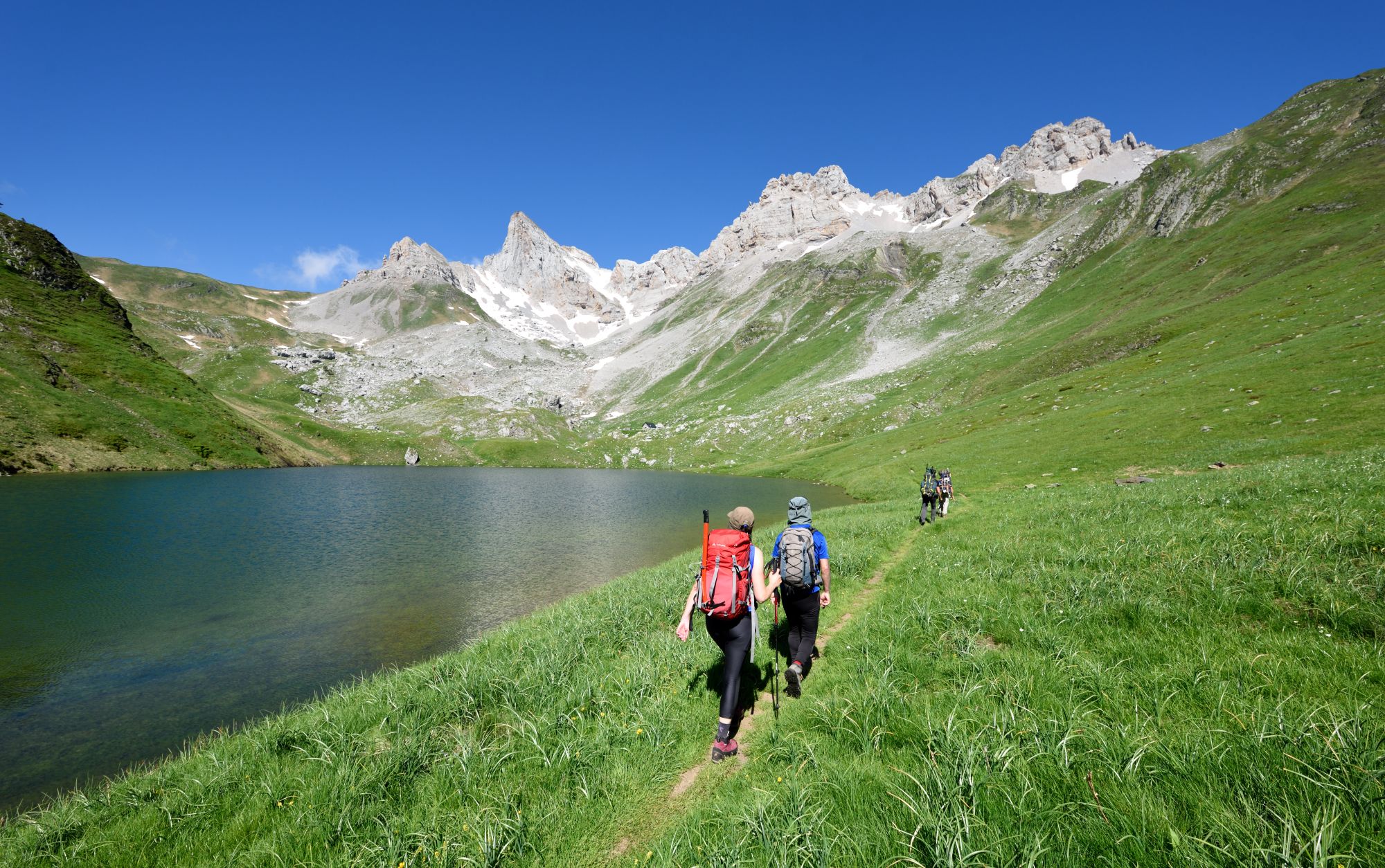
Classic Swallows Route in Spain – Mountains with history
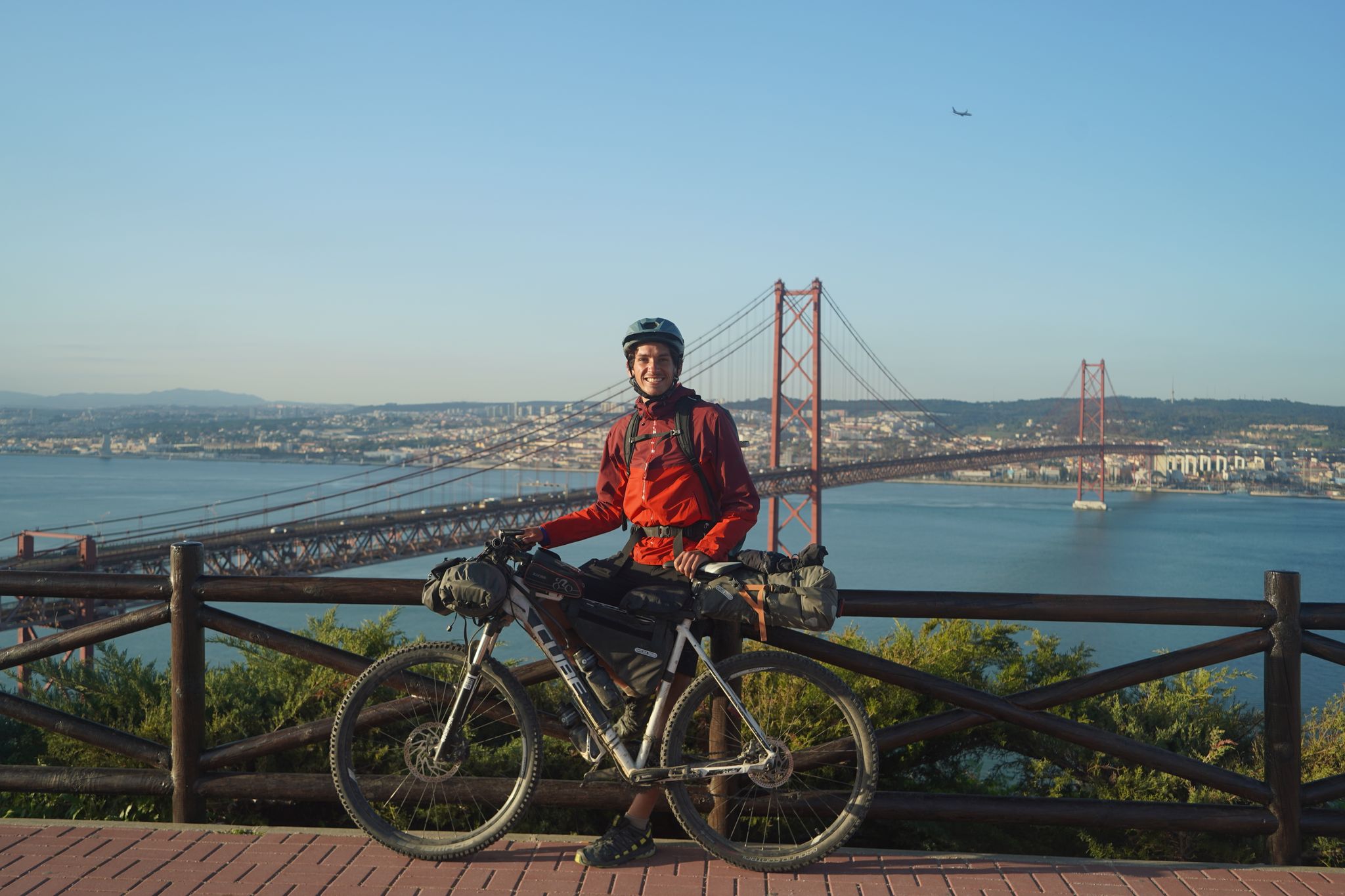
Road to Lisbon – bikepacking the Alps, Pyrenees and Picos de Europa
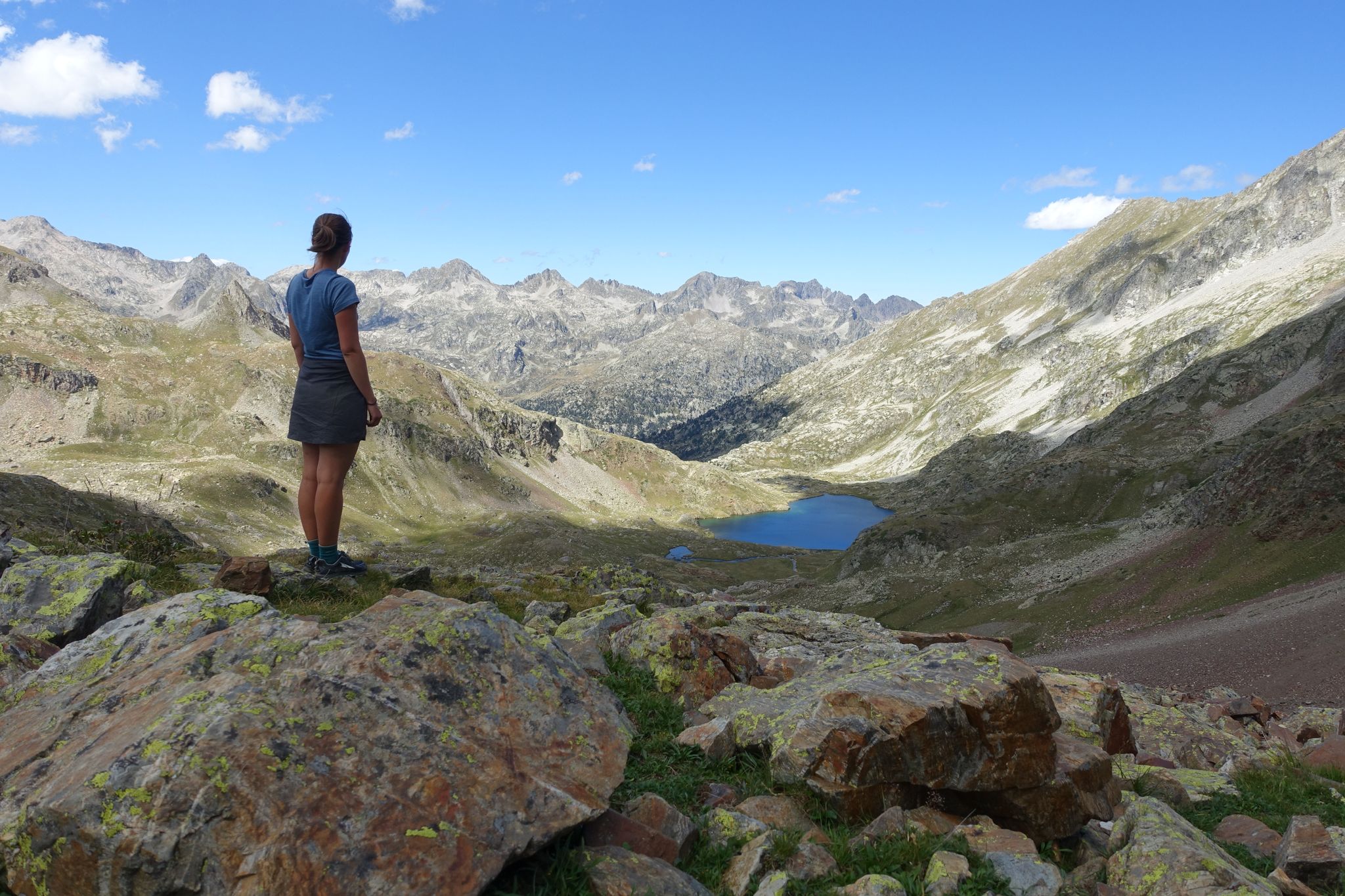
Haute Route Pyrénéenne – Pyrenees Crossing
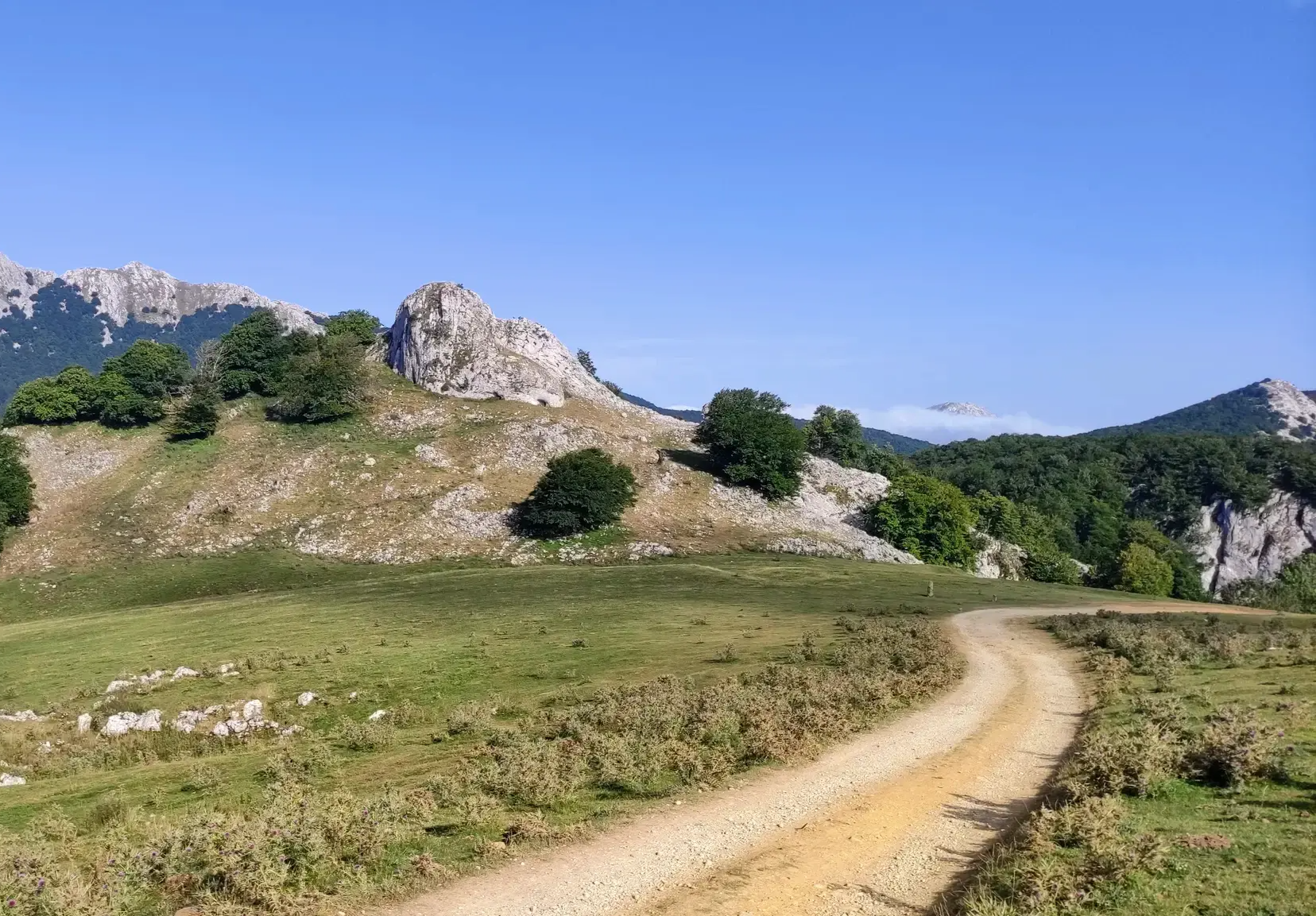
The Ignatian Way - In the footsteps of Ignatius of Loyola
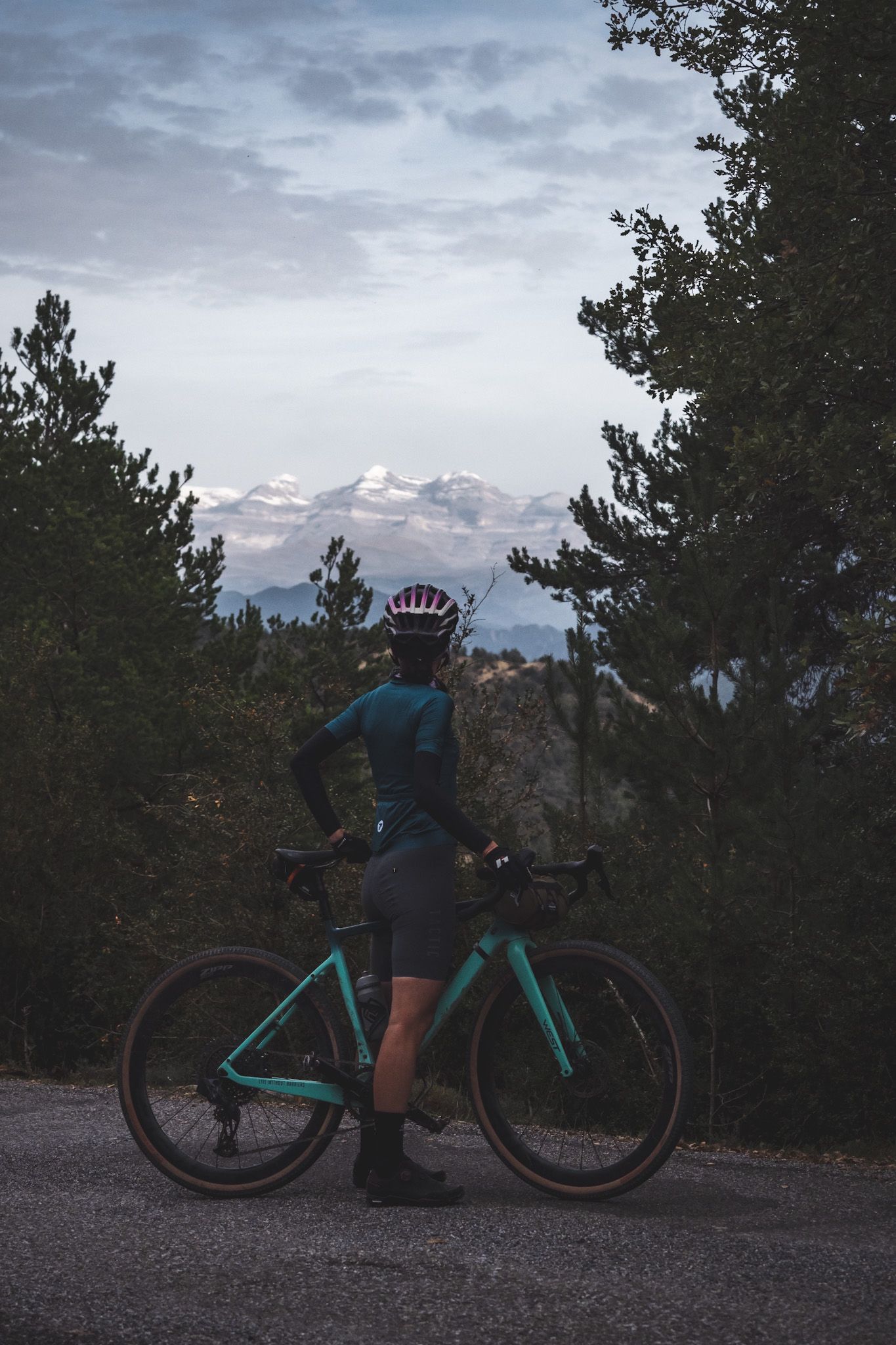
Where silence reigns - Grand Gravel Sobrarbe
In the footsteps of the Roman road - GR 95
On the other side of the Pyrénées
Other adventures in Huesca


Tips from the Community

Six river crossings that are difficult barefoot. Water sandals or a pair of old trainers recommended
0
0

It's a shame as they are all quite dry and stagnant.
0
0

A magical place! Magnificent views and peaks of the Ruta de los Miradores
0
0

A group of natural caves located on the slopes of Mount San Caprasio, associated with ancient pastoral, hermitage, and possibly even pre-Christian uses. Some were used as shelters for shepherds or anchorites, and local tradition links them to the primitive cult that gave rise to the hermitage. Relatively easy to access from the track or the hermitage, they are a curious place to explore on foot, with views of the Ésera Valley and an utterly silent environment. They add a mystical and ancestral touch to any route in the area.
0
0

A beautiful route that follows the route of the pilgrims to the Sanctuary of Santa Orosia from the town of Yebra de Basa. Santa Orosia is a highly venerated saint in the area, she is the patron saint of the city of Jaca, and a large crowd of people from the surrounding towns and other parts of Aragon gathered on her pilgrimage, as she was known to heal the possessed. The Sanctuary dates back to the 17th century, when it was built to accommodate the increase in devotion to the saint. It was built in the place where tradition places the martyrdom of Santa Orosia. The route is marked by small hermitages through a landscape that goes from the initial marls to a humid area with vegetation sheltered by the Santa Orosia ravine in its highest area.
1
0

Hammerhead Cave.. Impressive cavity In the course of the Vero River🏞️🤩
0
0

Surprising place for the hermitage carved into the rock. Next door is a shelter for emergency overnight stays. Very good views from the hermitage itself and if you go to the top it is a first-rate viewpoint of the area.
1
0

The route crosses the Tortiellas pass, goes up a small slope to the end of a ski lift and continues straight up towards the crest of the sierra. At the edge of the mountain there is an abyss with collapsed walls that fall towards the Candanchú slope and in front of some rocky walls on top of a grassy slope where the entrance to the abyss and the first installation of the rappels are located. The path to get there is clear halfway up the slope, first along the grassy slope and at the end through a small rock that goes down to the hole in the cave. There are two facilities, one older than the other. The first is more modern and has the cleanest abseil down a vertical wall. The first rappel is the most comfortable and simple, it ends on a small circular platform where a fork appears. The descent continues a few meters to the left and immediately the rings of the next rappel appear on the wall to the left. The abseil is a chimney channel with several projections and a lot of loose stones, it is almost inevitable to throw stones during the descent. The first ones to go down must get out of the rappel line while the next ones go down, there is enough space. On the last step it is good to turn on the front. The following rings are on the wall to the left, visible with the natural light that enters through the exit hole. In this rappel stones also fall but it is easier and it is practically all from the outside.
0
0
Frequently Asked Questions
What kind of historical and cultural caves can I explore in Huesca?
Huesca is rich in historical and cultural subterranean sites. You can visit the San Caprasio Caves, which hold significance as restored hermitages with a legend of the bandit "Cucaracha." Another notable site is the San Úrbez Hermitage, an 8th-century rock hermitage carved into a cliff face within the Ordesa y Monte Perdido National Park. Additionally, the Sierra de Guara Natural Park features numerous rock shelters with prehistoric paintings, such as the Quizans Shelter and the broader Río Vero Rock Art Sites, which are UNESCO World Heritage sites showcasing ancient human history.
Are there any family-friendly caves or activities suitable for beginners in Huesca?
Yes, Huesca offers options for families and beginners. The San Úrbez Hermitage is listed as family-friendly, offering a unique historical visit accessible via a staircase. For an introductory caving experience, the Molino de Aso Cave in Añisclo Canyon is excellent, featuring a flat itinerary with ample space and only a small section requiring crawling. The Santa Elena Hermitage and Fountain is also categorized as family-friendly.
What are the geological features I can expect to see in Huesca's caves?
Huesca's caves, particularly in areas with karst topography like the Sierra de Guara, showcase impressive geological formations. Visitors can expect to see stalactites, stalagmites, columns, and evidence of underground rivers. The region's canyons and national parks also feature dramatic rock formations and natural monuments.
What outdoor activities can I do near the caves in Huesca?
Many caves in Huesca are situated within stunning natural landscapes, offering various outdoor activities. You can find numerous hiking trails, including easy options like 'The Pasarelas del Vero - circular from Alquézar' near Picamartillo Cave. For more ideas on hiking, check out the Easy hikes in Huesca guide. The region is also popular for canyoning, mountain biking, and road cycling. Explore more routes in the MTB Trails in Huesca guide and Road Cycling Routes in Huesca guide.
Are there any dog-friendly caves or cave-related sites in Huesca?
Yes, the San Úrbez Hermitage is listed as dog-friendly, allowing you to bring your canine companion to this unique historical site. Always ensure dogs are kept on a leash and follow any local regulations.
When is the best time to visit the caves in Huesca?
The best time to visit caves in Huesca generally depends on the specific cave and your preferred outdoor activities. For sites like the San Úrbez Hermitage, specific visiting dates are May 1st, Whit Monday, September 14th, and December 15th. For general cave exploration and associated outdoor activities like hiking, spring and autumn often offer pleasant weather. Always check local conditions and specific cave access information before planning your trip.
What should I wear when exploring caves in Huesca?
When exploring caves in Huesca, it's advisable to wear comfortable clothing suitable for varying temperatures, as caves can be cooler than the outside air. Sturdy, closed-toe shoes with good grip are essential. For some routes, like those near Picamartillo Cave, you might need to bring booties to pass through river sections. Always consider bringing a headlamp or flashlight, even if the cave is partially lit.
Are there any caves in Huesca that are part of a scenic route or offer impressive views?
Absolutely. The Picamartillo Cave is a notable feature along the popular "Footbridges Route" (Pasarelas del Vero) near Alquézar, offering spectacular metal walkways and stunning natural scenery. The San Úrbez Hermitage also provides surprising views from its unique rock-face location. Additionally, the El Chorro Waterfall and the Cave and San Cornelio Hermitages offer impressive views of rock-cut hermitages and a powerful waterfall.
What is the difficulty level for exploring caves in Huesca?
The difficulty level varies significantly among Huesca's caves. Some, like the Molino de Aso Cave, are suitable for beginners with flat itineraries. Others, such as the Tortiellas Sinkhole, are categorized as challenging and may involve climbing. Many historical and scenic cave sites are intermediate, requiring a moderate level of fitness. Always check the specific highlight details for difficulty ratings before planning your visit.
Are there any less crowded caves or hidden gems to discover in Huesca?
While popular sites attract visitors, the vastness of Huesca's natural parks and canyons means there are many opportunities to find less crowded spots. Exploring areas within the Ordesa y Monte Perdido National Park or the Sierra de Guara beyond the most famous trails can lead to quieter experiences. For example, the Molino de Aso Cave, while accessible, offers a more focused caving experience within the Añisclo Canyon. Researching specific local guides or lesser-known trails can help you discover hidden gems.
Can I find any caves related to water features like rivers or waterfalls in Huesca?
Yes, Huesca's caves are often intertwined with its impressive water features. The Picamartillo Cave is located on the left bank of the Vero River, and its route may involve passing through the river. The El Chorro Waterfall and the Cave and San Cornelio Hermitages are directly associated with a powerful waterfall. Additionally, the Poza de Chichirigoy is a natural monument featuring a river and a cave.
Most popular routes in Huesca
Most popular attractions in Huesca

Get inspired with the komoot mobile app


Didn’t find what you were looking for?
Discover more caves in Huesca region by region:
Explore more
Extend your search for the best caves by checking out these guides of the top ones in Huesca:
