Top 20 Castles in Aberdeenshire
Castles in Aberdeenshire are a prominent feature of the region's landscape, offering a glimpse into Scotland's history. This area, known as "Scotland's Castle Country," contains a diverse collection of historic fortresses. From dramatic clifftop ruins to well-preserved tower houses, these sites are points of interest for visitors. The region's natural features often complement these historical structures, providing varied terrain for exploration.
Best castles in Aberdeenshire
- The most popular castles is Dunnottar Castle, a natural monument and castle that sits…
Last updated: October 9, 2026
Dunnottar Castle
Highlight • Natural Monument
Translated by Google •
Tip by

New Slains Castle
Highlight • Castle
Tip by

Sign up now to discover places like this
Get recommendations on the best single tracks, peaks, & plenty of other exciting outdoor places.
Balmoral Castle
Highlight • Castle
Translated by Google •
Tip by

Findlater Castle
Highlight • Castle
Tip by

Castle Fraser
Highlight • Castle
The traditional walled garden is vibrant throughout the seasons, with specimen trees, …
Tip by

Dunnideer Hill Fort Ruins
Highlight • Viewpoint
Tip by

View of Dunnottar Castle
Highlight • Viewpoint
Tip by

Tolquhon Castle Ruins
Highlight • Historical Site
Tip by

Knock Castle
Highlight • Historical Site
Tip by

Huntly Castle Ruins
Highlight • Castle
Translated by Google •
Tip by
Sign up for free to discover even more castles in Aberdeenshire.
Already have an account?
Start today with a free account
Your next adventure awaits.
Popular around Aberdeenshire
Bothies of Britain: hiking and biking adventures to unique mountain shelters
TGO Challenge 2023 – Coast to Coast: Oban to Montrose
The Firetrail — Three days around the River Dee
Adventures Around Aberdeenshire — Bikepacking moorland, forest and coast
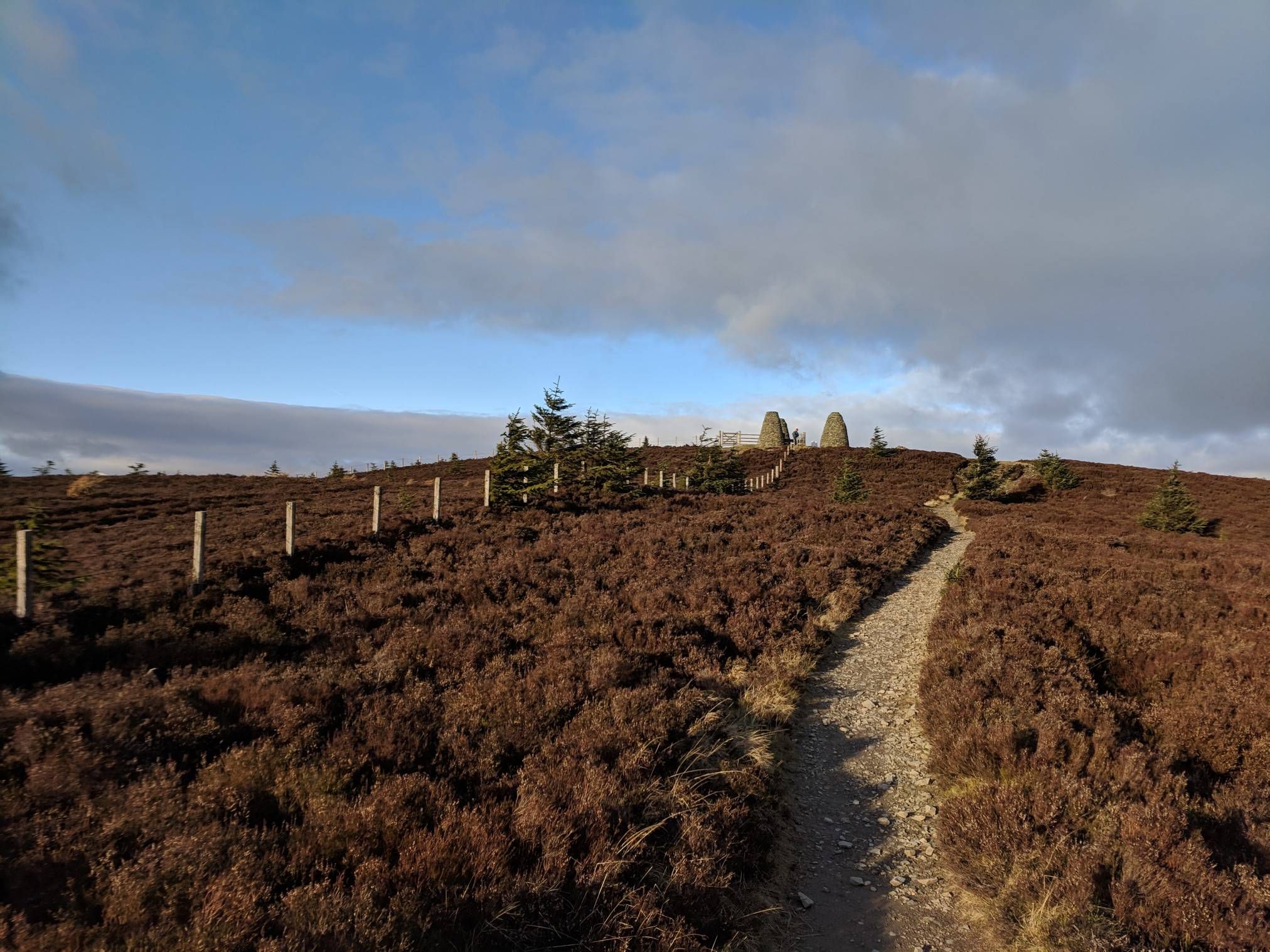
The Central Belter — Gravel trails of the coast and Cairngorms
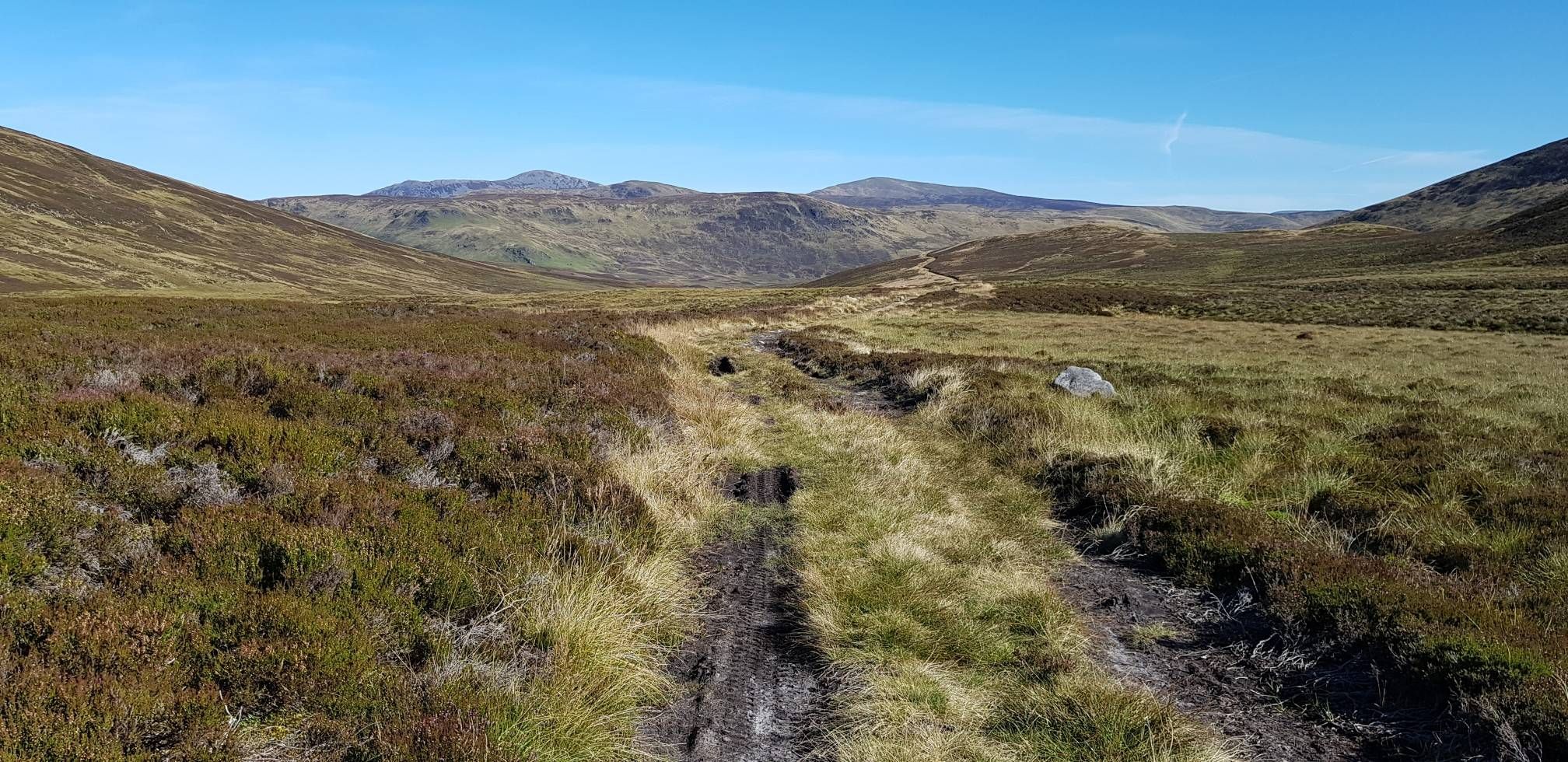
Cairngorms Loop — Burns, Lochs & Bothies of the Scottish Highlands
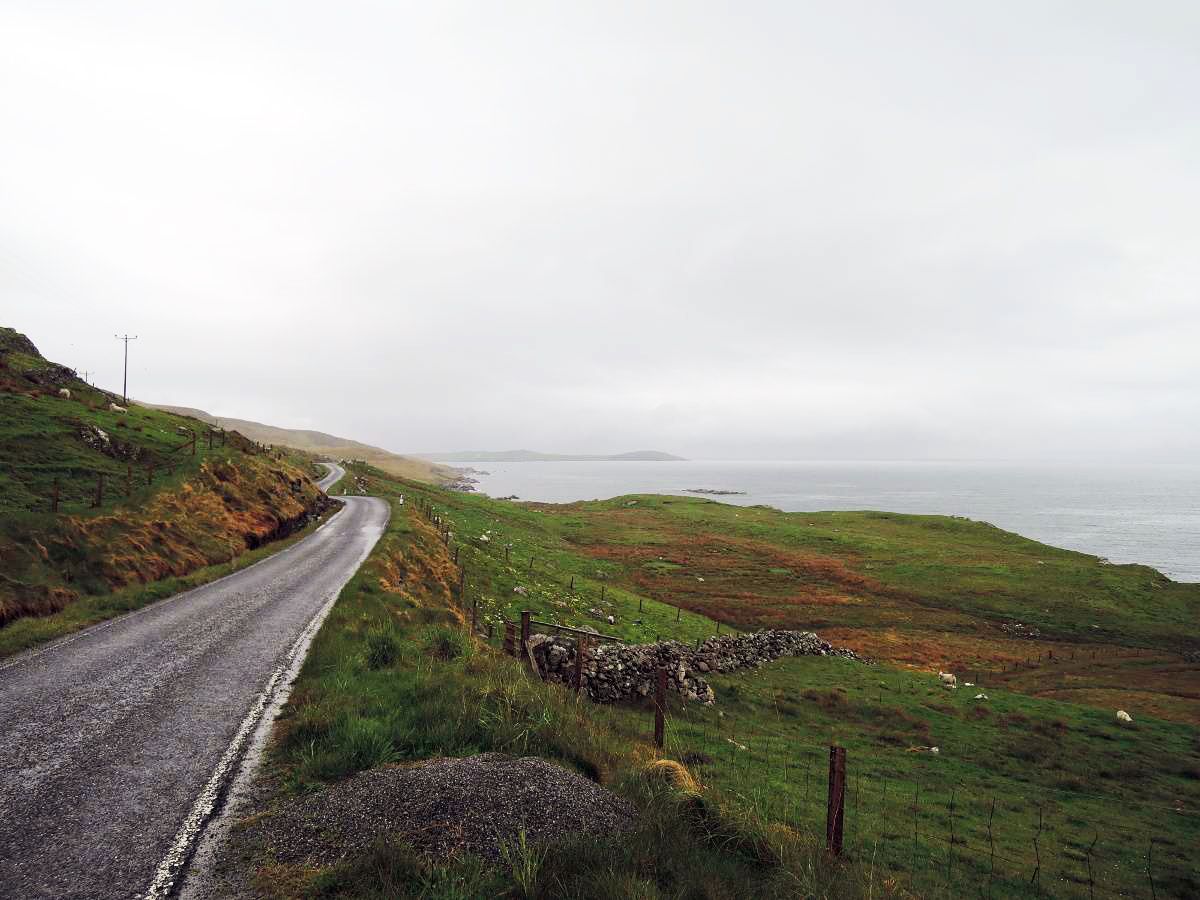
The North Sea Coast Cycle Route part 7 — Scotland
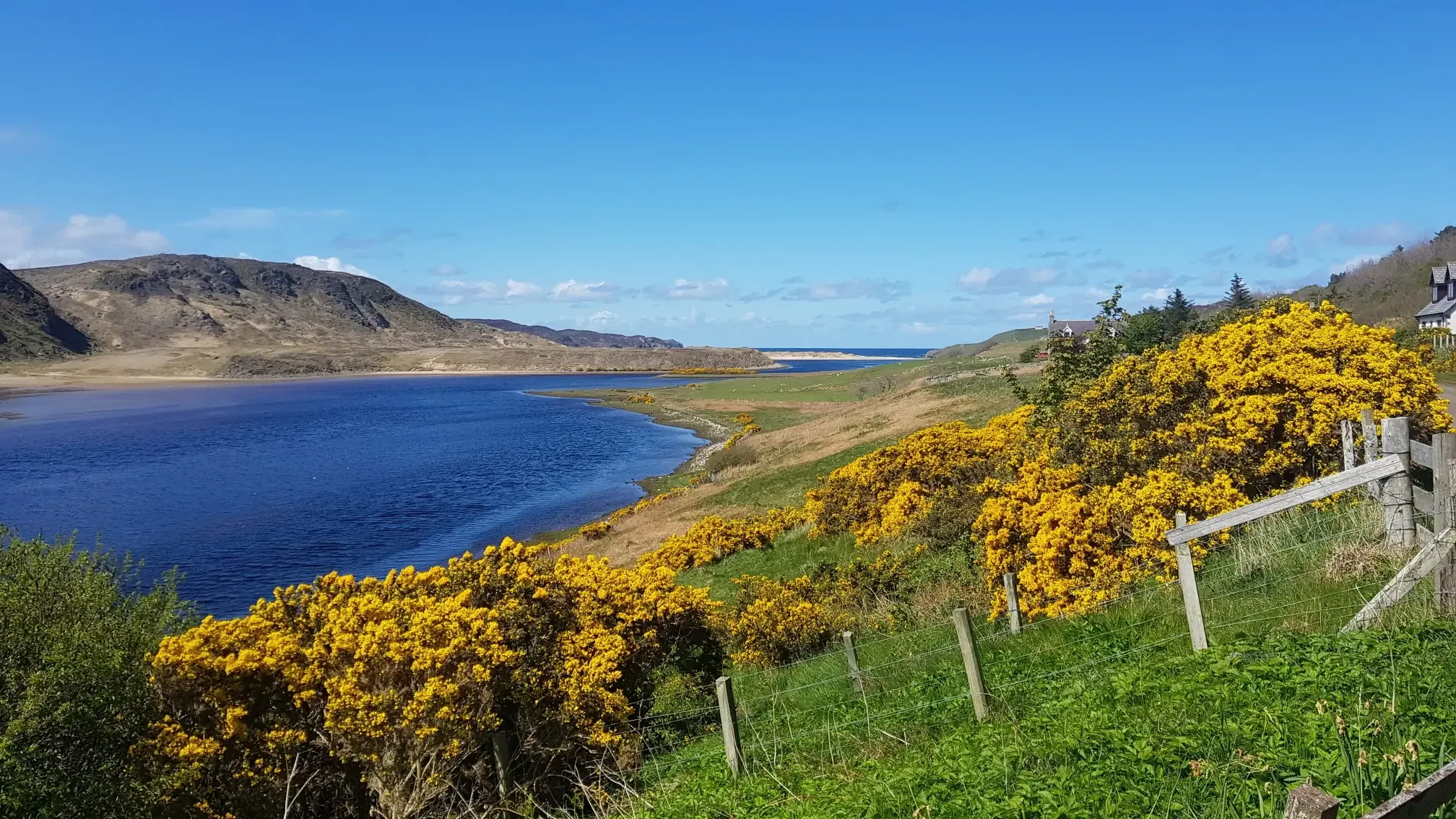
A fantastic journey along Britain’s entire East Coast – NCN 1
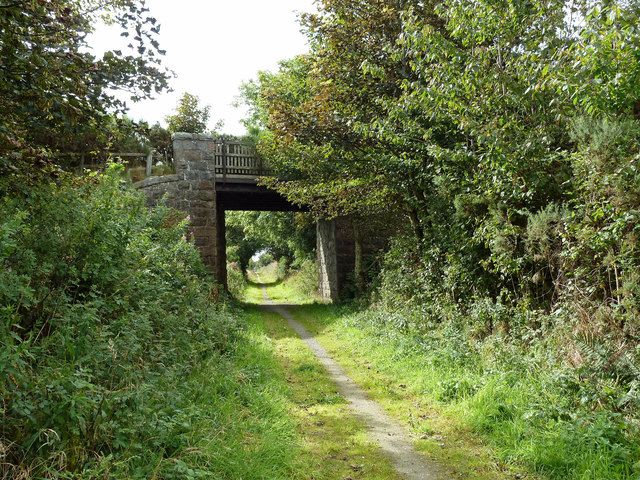
Countryside to coast – Formartine and Buchan Way
Intrusion into Scottish Territory – The Pictish Trail
Other adventures in Aberdeenshire


Tips from the Community

Teetering on the side of a 15m high cliff, the castle is built out on a tiny headland, meaning access is only via a narrow strip of land. The first records of the castle relate to preparations for the Viking invasion by King Haakon in the 1260s. King Alexander Ill's military efforts to repel the invasion were inadequate and the Vikings ended up occupying the castle for some time. The present-day ruins probably date from the late 14 century and were built by Sir John Sinclair and modelled on Rosslyn Castle just outside Edingburgh, the stronghold of the Sinclair family. The path down to the castle is narrow and unstable, so it may be best to admire it from the viewpoint on the coastal path.
0
0

Wonderful castle directly in the rock. Freely accessible. Caution when wet, risk of slipping! Parking on site, approx. 1km walk.
1
0

A breathtaking place, freely accessible, caution on the cliffs!
0
0

Very beautiful castle and a wonderfully walled garden🌺🏵🥀
0
1
Wonderfully located facility directly on the North Sea coast
0
0
Nestled in a large park with beautiful trees.
0
0

Bram Stoker spent a lot of his time around Cruden Bay and New Slain's Castle. He found it an inspiration for his famous book Dracula. 🧛♂️ I recommend accessing it from Cruden Bay, as it's a stunning walk along the cliff tops.
0
0
Frequently Asked Questions
What are some of the most historically significant castles in Aberdeenshire?
Aberdeenshire is rich in history. Dunnottar Castle, for instance, is famous for protecting the Scottish Crown Jewels and hosting figures like William Wallace and Mary Queen of Scots. Drum Castle, one of Scotland's oldest intact castles, features a 13th-century tower and a rich family library. Fyvie Castle, dating back to the 13th century, showcases centuries of architectural styles and opulent interiors.
Are there any castles in Aberdeenshire that are particularly good for families with children?
Yes, several castles offer great experiences for families. Balmoral Castle allows public access to its gardens and ballroom, which can be interesting for all ages. Crathes Castle features an adventure fort in its extensive grounds, alongside beautiful gardens and walking trails. Castle Fraser, with its large grounds and engaging stories, is also considered family-friendly.
Which castles offer the most scenic views or natural features?
For breathtaking scenery, Dunnottar Castle is unparalleled, perched dramatically on a rocky headland overlooking the North Sea. New Slains Castle also provides great views over the water. Findlater Castle, a ruined castle on a cliff edge, offers stunning coastal vistas and a quieter experience. Many castles, like Drum Castle and Crathes Castle, are surrounded by extensive parkland, forests, or walled gardens, offering peaceful walks and natural beauty.
What is the best time of year to visit the castles in Aberdeenshire?
The best time to visit is generally during spring and summer (April to September) when the weather is milder, gardens are in bloom, and opening hours are typically longer. For example, Balmoral Castle's gardens and ballroom are open to the public between April and July. Some castles may have reduced hours or seasonal closures in autumn and winter, so it's always advisable to check specific castle websites before planning your visit.
Are there opportunities for outdoor activities like hiking or cycling near the castles?
Absolutely. Many castles are situated amidst beautiful landscapes perfect for outdoor activities. For instance, you can walk along the coast from Stonehaven to reach Dunnottar Castle, often spotting wildlife. The extensive grounds of castles like Drum and Crathes offer various walking trails. For more structured routes, you can find numerous running, MTB, and gravel biking trails in the wider Aberdeenshire region, such as those listed in the Running Trails in Aberdeenshire or MTB Trails in Aberdeenshire guides.
Which castles are considered 'hidden gems' or less crowded?
While popular castles attract many visitors, you can find quieter spots. Findlater Castle, though challenging to access, offers a dramatic clifftop ruin experience with fewer crowds than Dunnottar Castle. Tolquhon Castle Ruins and Eden Castle Ruins are also historical sites that offer a more tranquil exploration experience.
Can I visit the castles using public transport, or is a car necessary?
While some castles are accessible by public transport, having a car generally offers more flexibility to explore the wider 'Castle Country' of Aberdeenshire, especially for those off the main routes. For example, to reach New Slains Castle, you can park in Cruden Bay and take a short walk. For specific public transport options to individual castles, it's best to check local bus schedules or castle websites.
Are there any castles in Aberdeenshire that are particularly unique in their architecture or history?
Craigievar Castle, often called the 'pink castle,' is a pristine example of a 17th-century tower house with distinctive Scottish Baronial architecture and no electricity above the first floor, offering a unique historical experience. Drum Castle is notable for its blend of a late 13th-century tower, a Jacobean mansion, and Victorian additions, showcasing different architectural periods within one structure. Fyvie Castle stands out with its five towers, each added by different families throughout its 13th-century history.
What kind of wildlife can I expect to see around Aberdeenshire's castles?
The diverse landscapes surrounding Aberdeenshire's castles are home to various wildlife. Along the coast near Dunnottar Castle, you might spot seals, dolphins, and puffins. The parklands and forests around castles like Craigievar and Crathes are home to diverse wildlife, including various bird species and possibly deer. The Old Wood of Drum, near Drum Castle, is a former royal hunting forest and offers opportunities for wildlife observation.
How long should I allocate for visiting a castle in Aberdeenshire?
The time needed varies greatly depending on the castle and your interest. For a large site like Dunnottar Castle or Balmoral Castle, you could easily spend 2-3 hours exploring the grounds, interiors, and exhibitions. Smaller ruins or viewpoints like New Slains Castle might only require 30 minutes to an hour. If you plan to explore surrounding trails or gardens, allocate extra time.
Are there any castles that are particularly well-preserved or offer guided tours?
Craigievar Castle is exceptionally well-preserved, offering interesting guided tours through its rooms, which house numerous artifacts. Crathes Castle also boasts remarkably well-preserved original Jacobean painted ceilings and offers a fascinating glimpse into 16th-century Scottish life. Castle Fraser, lovingly preserved by the National Trust for Scotland, also provides a comprehensive historical experience with its period furniture.
Most popular routes in Aberdeenshire
Most popular attractions in Aberdeenshire

Get inspired with the komoot mobile app


Didn’t find what you were looking for?
Explore Aberdeenshire’s best castles region by region:
Explore more
Looking for the best castles somewhere else? Discover other guides in Aberdeenshire:
