Top 20 Lakes in Argyll and Bute
Best lakes in Argyll and Bute are found in a region of Scotland known for its diverse natural landscape. This area features numerous lochs, encompassing both freshwater and sea lochs, set amidst mountains, forests, and varied coastlines. The geography includes significant features like the Highland Boundary Fault Line and the Cowal Peninsula. These lochs offer a range of natural and historical attractions for visitors.
Best lakes in Argyll and Bute
- The most popular lakes highlight is Inveraray, a settlement and historical site located on Loch Fyne. This 18th-century new town features significant architecture and was historically important for herring fishing.
- Another must-see spot is Cruachan Dam, a viewpoint and man-made monument above Loch Awe. This site includes a pumped-storage hydroelectric power station deep within Ben Cruachan, offering views of the surrounding mountain peaks.
- Visitors also love Loch Fyne, a sea loch extending 65 kilometers inland. It is known for its mountainous terrain, marine life, and historical attractions like Inveraray Castle.
- Argyll and Bute is known for its freshwater lochs, such as Loch Lomond and Loch Awe, and its extensive sea lochs, including Loch Fyne and Loch Long. These include the longest freshwater loch in Scotland and the longest sea loch, offering varied exploration opportunities.
- The lakes in Argyll and Bute are appreciated by the komoot community, with more than 100 highlights, over 40 photos, and nearly 90 upvotes.
Last updated: October 9, 2026
Inveraray
Highlight • Monument
Tip by

Cruachan Dam
Highlight • Viewpoint
The penstocks are a pair of tunnels, 260 meters (850 ft) long and inclined at 56 ° from the horizontal with a 5.3 meters (17 ft) diameter, which then bifurcate into four steel lined 190 meters (620 ft) long, 2.5 meters (8 ft 2 in) diameter shafts. The penstocks underwent a major inspection and refurbishment in 2003.
The Cruachan Reservoir is 396 meters above Loch Awe and is surrounded by a 316-meter dam. The reservoir has a catchment area of 23 square kilometers, and is able to hold 7 gigawatt hours (25 TJ) of energy. Environmental restrictions called for the dam to have a "clean" structure, so the operating machines are inside the dam wall itself. The pressure tubes consist of a pair of tunnels, 260 meters long and inclined 56 degrees from the horizontal, with a diameter of 5, 3 meters, which then branch into four steel-lined 190 meter long, 2.5 meter diameter shafts.
The pressure pipelines were subjected to a thorough inspection in 2003.
Translated by Google •
Tip by

Sign up now to discover places like this
Get recommendations on the best single tracks, peaks, & plenty of other exciting outdoor places.
Loch Fyne
Highlight • Lake
In the north the terrain is mountainous, with the Arrochar Alps, Beinn Bhuidhe, Glen Shira, Glen Fyne, Glen Croe, Arrochar, Tyndrum and Loch Lomond nearby.
It is overlooked by the Tinkers' Heart, an old travelers' monument[1]
Loch Fyne is a popular area for sport diving and fishing. It is also a popular tourist destination with attractions such as Inveraray Castle and the nearby ruins of Castle MacEwen and Old Castle Lachlan.
The village of Portavadie is on the east shore of the loch. A passenger ferry traverses the loch to Tarbert from the slipway at Portavadie.
Dolphins, seals and otters inhabit the loch, and basking sharks can appear in its waters during the summer months. A Ross's gull was present at the loch in early 2007.
Tip by
Loch Long
Highlight • Natural
Historically, Loch Long was the border between Argyll and Dunbartonshire. A redrawing of the borders in 1996 meant that the sea loch came to lie entirely within Argyll and Bute.
(Wikipedia)
Showing Translation
Tip by

Tobermory Harbour
Highlight • Settlement
Today it's a well-loved tourist attraction, featuring the Tobermory Distillery and was the setting of children's TV show Balamory. You'll find plenty of places to eat, drink and stay here, as well as gorgeous shops filled with local arts and crafts.
Tip by

Lochan a' Ghurrabain
Highlight • Forest
The loch is filled with water lilies and has a rich bird population. Herons, mallards, goosanders, and red-breasted mergansers are often seen on the loch. Blackcaps, firecrests, and treecreepers can be found in the trees surrounding the loch.
You can walk all the way around this loch.
Showing Translation
Tip by
Loch Lomond Shore at Ardleish
Highlight • Natural
Before the path leads from Loch Lomond into the interior, you will find several ideal spots for camping on a meadow right on the shore.
Translated by Google •
Tip by

Kerr’s Folly Statue (Wee Peter), Bandry Bay
Highlight • Lake
Tip by

Luss Pier
Highlight • Structure
Translated by Google •
Tip by

Loch Tulla
Highlight • Lake
Translated by Google •
Tip by

Sign up for free to discover even more lakes in Argyll and Bute.
Already have an account?
Start today with a free account
Your next adventure awaits.
Popular around Argyll and Bute
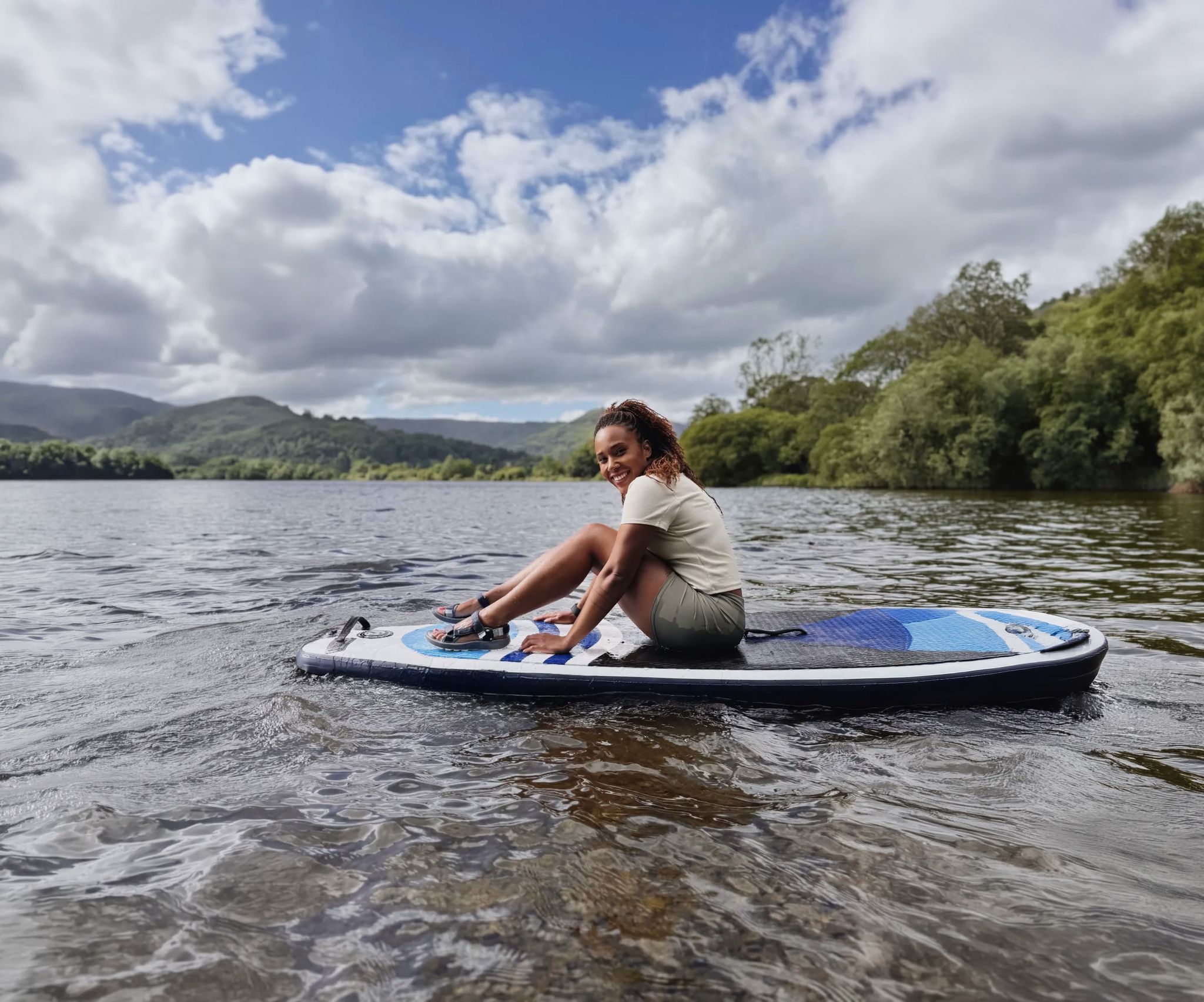
Scenic hikes to stand-up paddleboarding locations in the UK
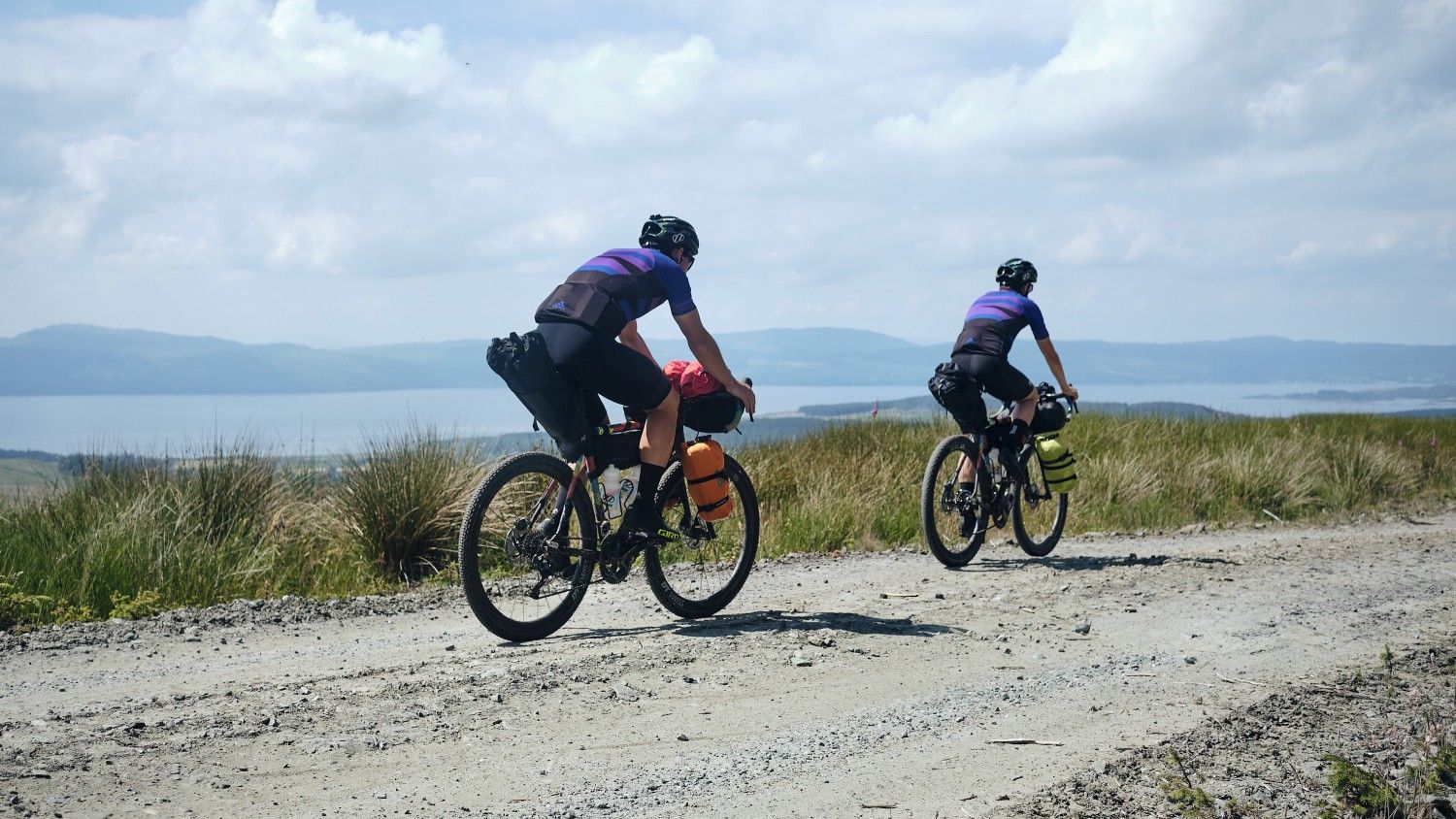
Wild About Argyll Trail — Bikepacking Scotland's lochs and coastline
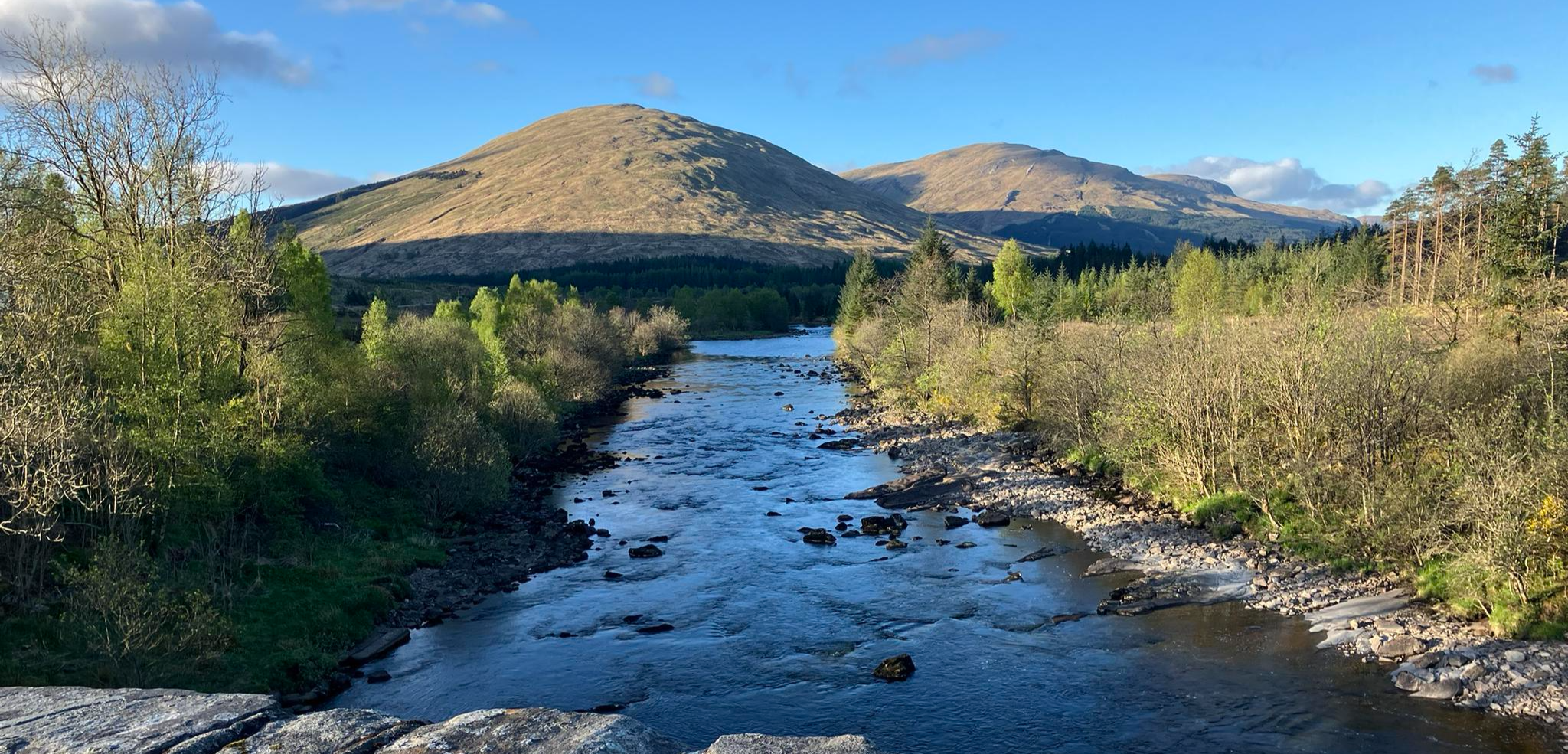
Running the West Highland Way – Scotland's Great Trails
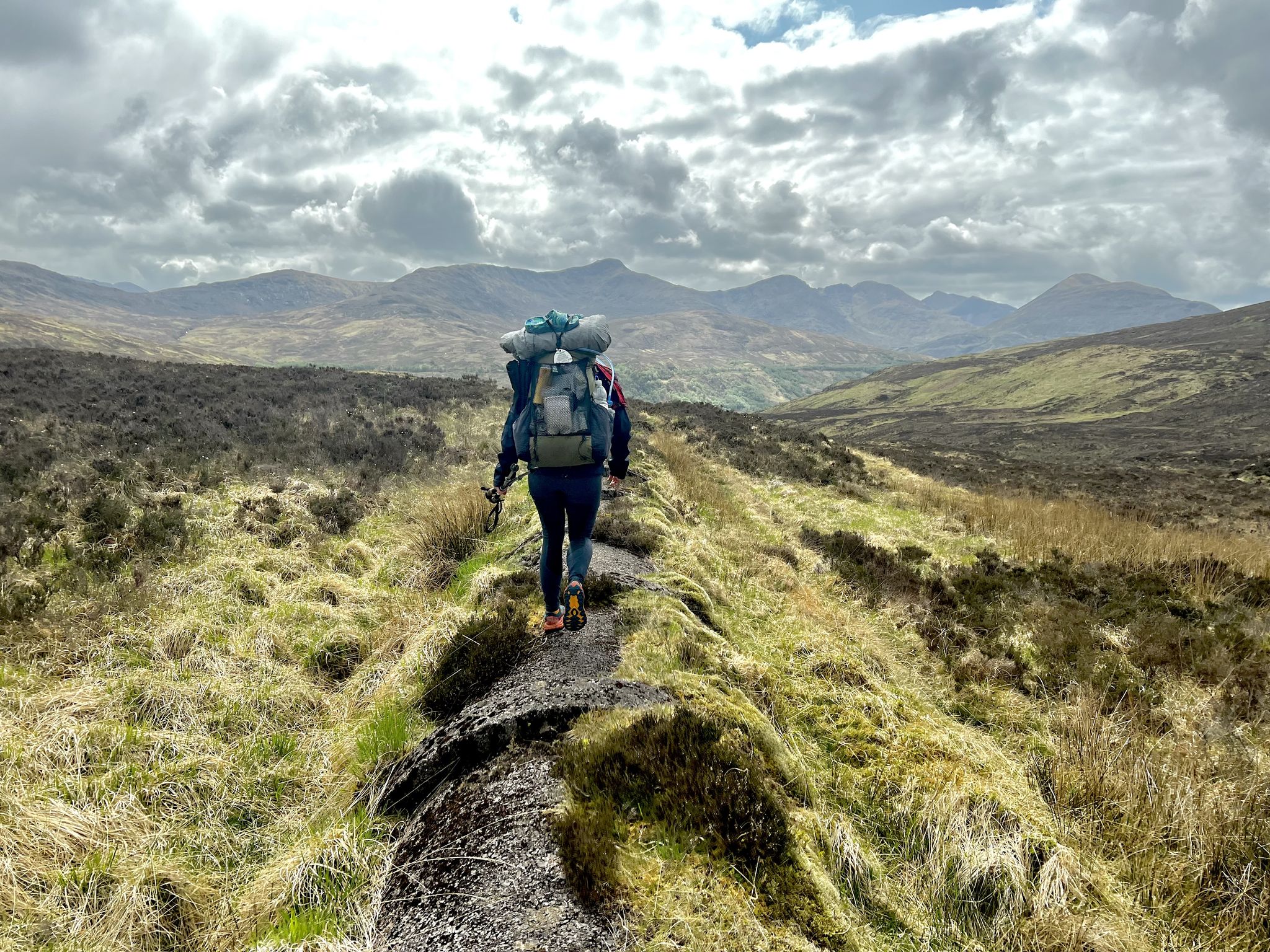
TGO Challenge 2023 – Coast to Coast: Oban to Montrose
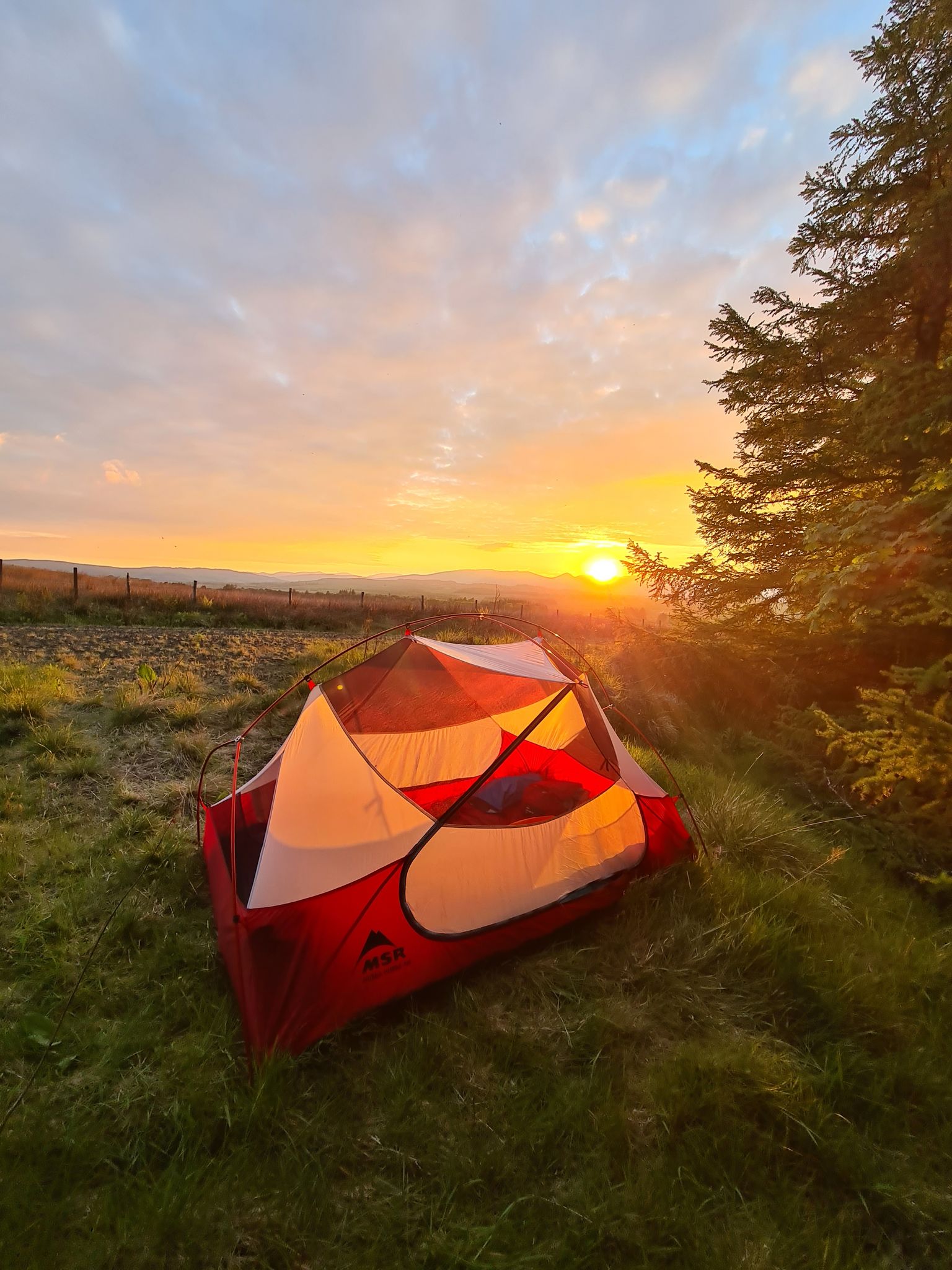
The John Muir Way — A conservationist's Scottish coast to coast
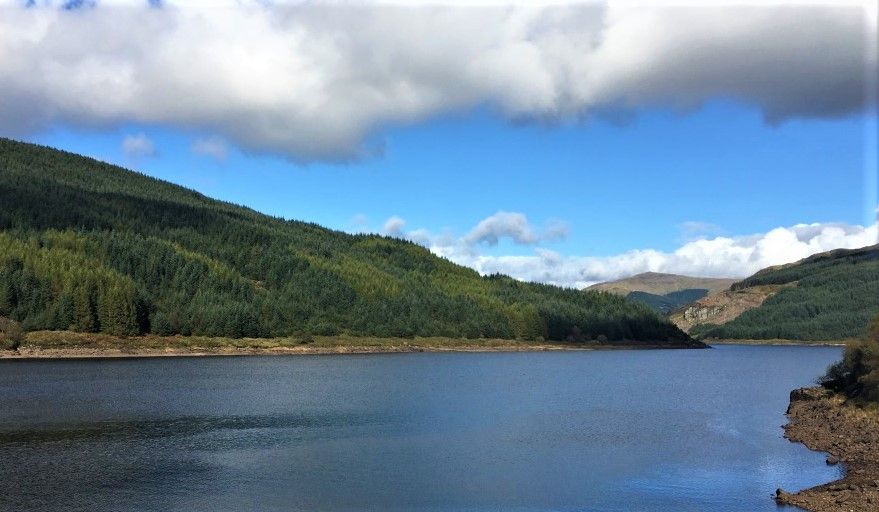
West Island Way — An enchanting and ever-changing island hike
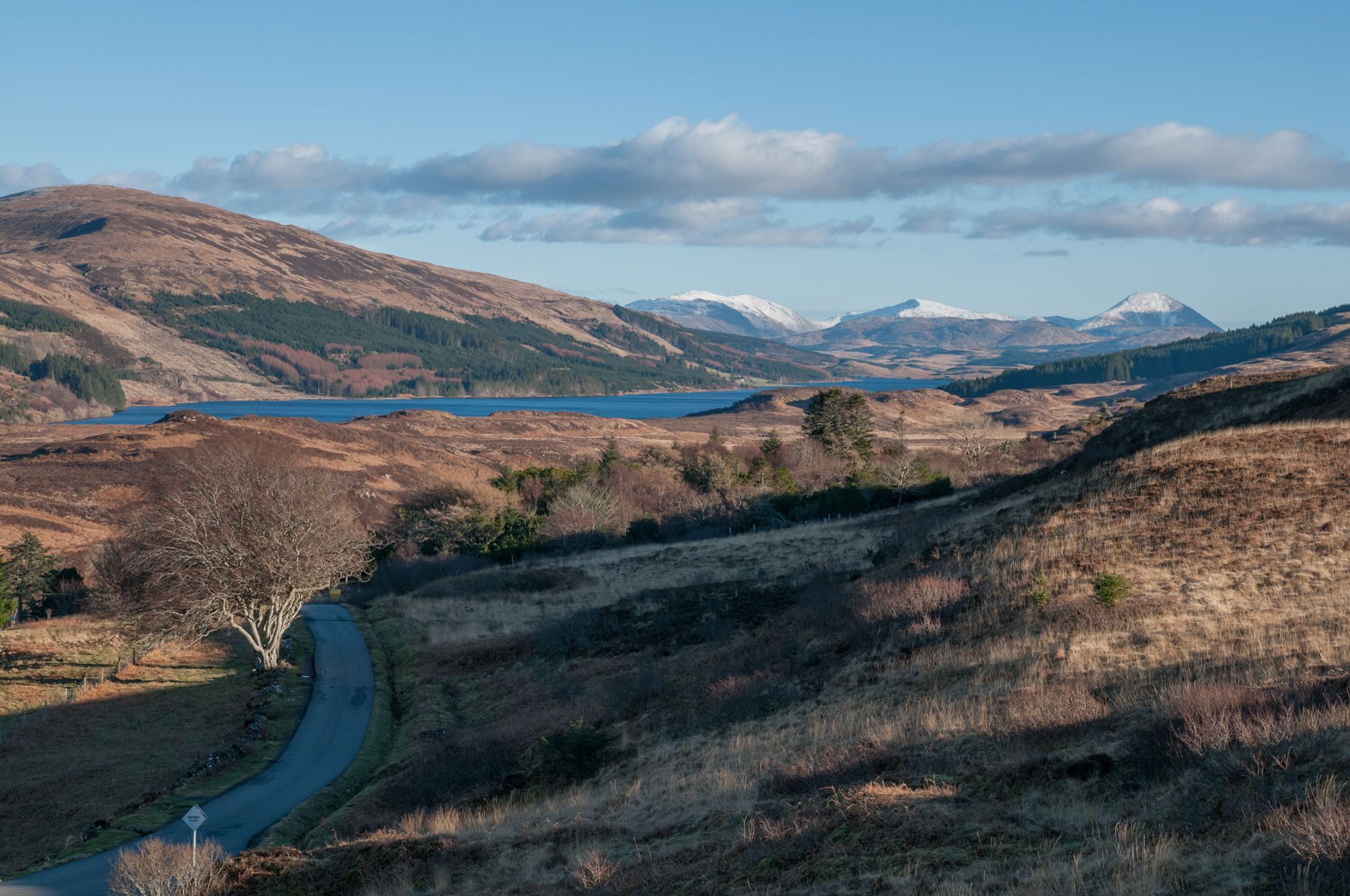
West Island Trail – Island hopping by bike in the Inner Hebrides
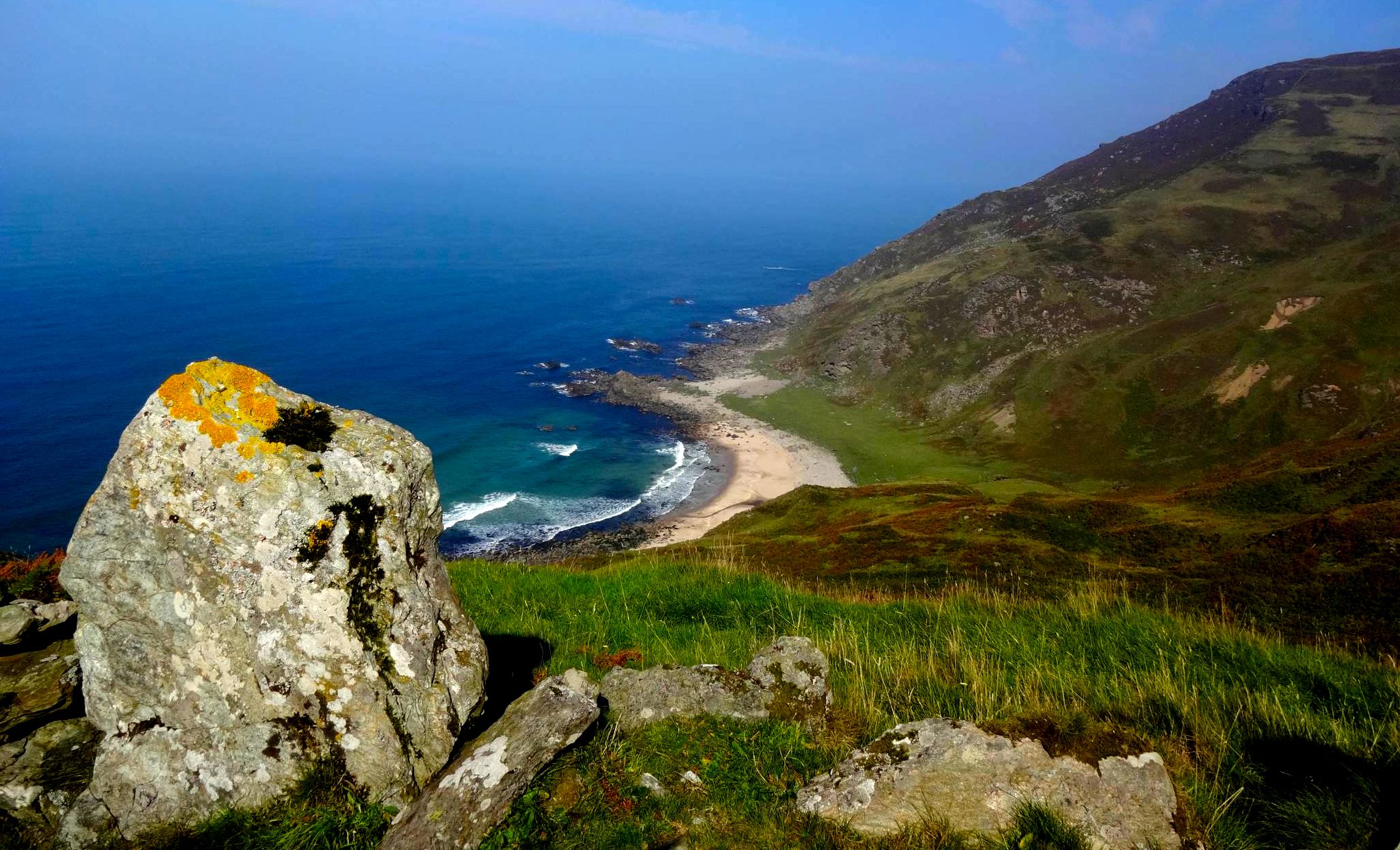
Kintyre Way — A peninsula hike along wild coastline and empty hills
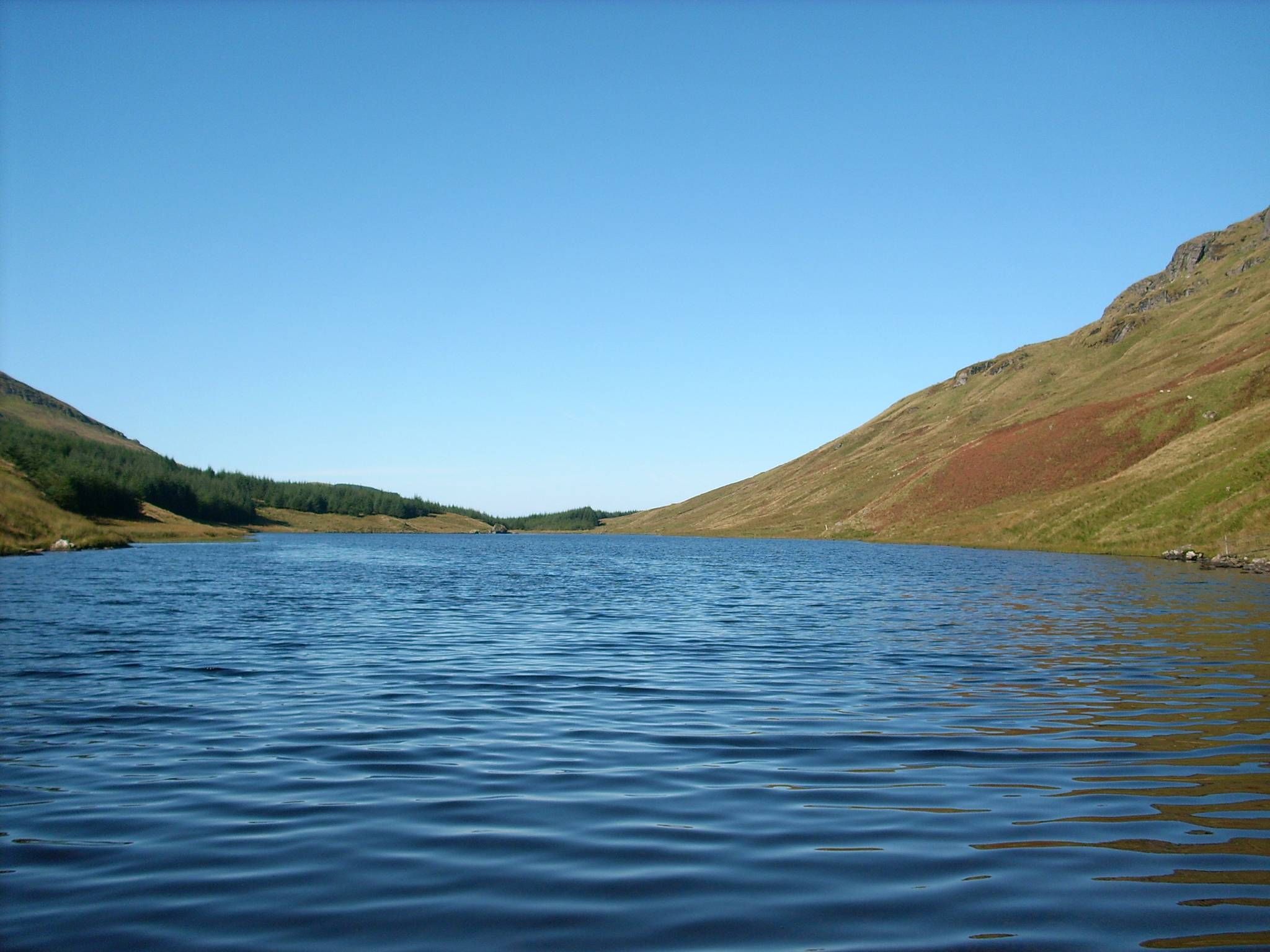
Loch Lomond and Cowal Way — Experience Scotland in 57 miles
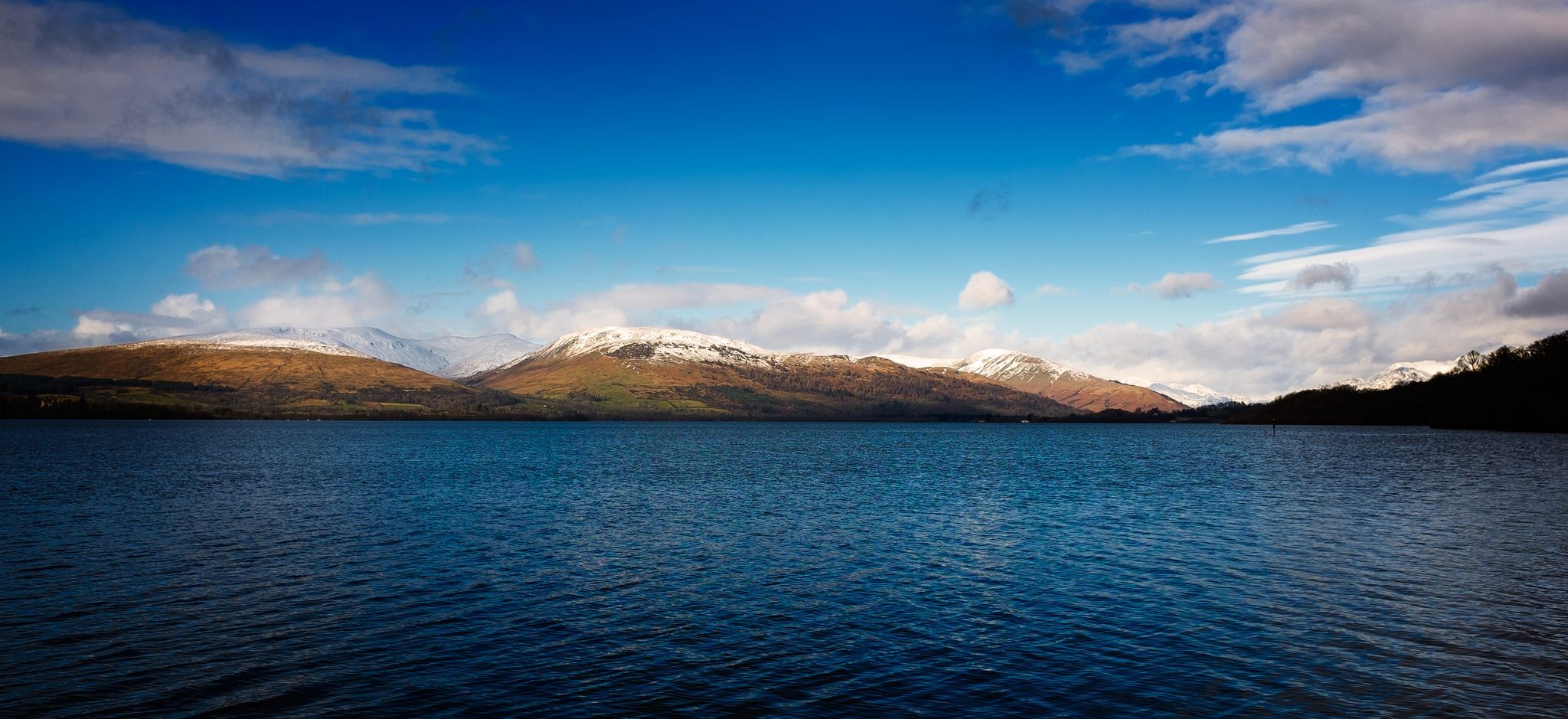
Three Lochs Way — A breathtaking hike from lowlands to Highlands
Other adventures in Argyll and Bute


Tips from the Community

Lochan a Ghurrabain is an artificial loch that was constructed as an energy source for the mill, but is now a beautiful spot for birdwatchers, hikers, and anglers. The Tobermory Angling Club rents the loch, which is stocked with rainbow trout. The loch is filled with water lilies and has a rich bird population. Herons, mallards, goosanders, and red-breasted mergansers are often seen on the loch. Blackcaps, firecrests, and treecreepers can be found in the trees surrounding the loch. You can walk all the way around this loch.
5
0
Loch Long is a sea loch in Argyll and Bute. The loch originates from the Firth of Clyde and runs to the Arrochar Alps. The loch is approximately 30 km long and about 2 to 3 km wide. Historically, Loch Long was the border between Argyll and Dunbartonshire. A redrawing of the borders in 1996 meant that the sea loch came to lie entirely within Argyll and Bute. (Wikipedia)
6
0

The Loch Loch right by the village of Inveraray. There is a small fishing harbour with a snack bar in Inveraray.
0
0
Wonderful little town, with restaurants, many small shops and a castle.
0
0

On the West Highland Way, you walk "down from a mountain range" towards the lake for some time. Once at the bottom, you then walk past it in a wide arc.
0
0

Luss is a charming village on the shores of Loch Lomond, Scotland's largest and most picturesque loch.
3
0
Luss, Scottish Gaelic: Lus; meaning "herb", is a village in Argyll and Bute in Scotland, on the west shore of Loch Lomond.
3
0

Lochan a Ghurrabain is known as the water lilies loch. It's an artificial loch, created to provide a steady stream of water to power the local mills. The water power is no longer needed, so it's a haven for wildlife with a pretty and fairly easy walk around it. Look out for Heron, Mallard, Goosander and Goldeneye on the loch and other birds in the surrounding woodland.
0
0
Frequently Asked Questions
What are some of the most scenic viewpoints around the lochs in Argyll and Bute?
Argyll and Bute offers numerous breathtaking viewpoints. For dramatic mountain and loch vistas, consider visiting Cruachan Dam above Loch Awe, which also provides views of the surrounding mountain peaks. Loch Fyne itself is known for its mountainous terrain and offers many scenic spots. Additionally, the shores of Loch Lomond, particularly around areas like Luss Pier, provide picturesque views of the loch and its islands.
Are there family-friendly activities and places to visit around the lochs?
Yes, many areas around the lochs are great for families. Inveraray on Loch Fyne is a family-friendly settlement with historical significance. Loch Lomond offers various boat trips, and attractions like Loch Lomond Shores provide shopping, dining, and a Sea Life Aquarium. The village of Luss on Loch Lomond's shore is also a charming spot for families. Loch Goil is popular for water-based activities like kayaking and canoeing, suitable for active families.
What historical sites can I explore near the lochs in Argyll and Bute?
The region is rich in history. On Loch Fyne, you can visit Inveraray, an 18th-century new town featuring significant architecture and the ancestral home of the Duke of Argyll, Inveraray Castle. Loch Awe is home to the iconic Kilchurn Castle and Innes Chonnel Castle. On Loch Goil, Carrick Castle, a 14th-century tower house, stands on its shores. The area around Loch Fyne also features the ruins of Old Castle Lachlan and Castle MacEwen.
What kind of outdoor activities and routes are available near the lochs?
Argyll and Bute's lochs are a hub for outdoor enthusiasts. You can find numerous cycling routes, including challenging options like the 'Duart Castle, Loch Scridain and Loch na Keal loop' or the 'Kilberry Stones loop' for touring bicycles, and gravel biking routes such as the 'Loch Awe & Loch Avich loop'. For hikers, there are trails like 'Beinn Chabhair' or easier options like the 'Lower Falls, Aros Park' loop. You can explore more routes in the Cycling in Argyll and Bute, Gravel biking in Argyll and Bute, and Waterfall hikes in Argyll and Bute guides.
Are there any dog-friendly trails or areas around the lochs?
Many areas in Argyll and Bute are welcoming to dogs. While specific dog-friendly trails are not always explicitly marked, general walking paths and open spaces around the lochs are often suitable for dogs, provided they are kept under control. Inveraray is noted as a dog-friendly settlement, and many of the natural trails around Loch Lomond, Loch Fyne, and Loch Awe are popular with dog walkers. Always check local signage for any restrictions, especially in nature reserves or near livestock.
What natural features and wildlife can I expect to see around the lochs?
The lochs are rich in natural beauty and wildlife. Loch Lomond, part of a National Park, features sparkling waters, mountains, and 22 islands. Loch Fyne is known for its diverse marine life, including dolphins, porpoises, and minke whales, and its dramatic hills and forests. Loch Awe boasts heavily wooded hillsides, rocky shores, and is excellent for wildlife spotting, including in the Glen Nant National Nature Reserve. Loch Goil is a haven for seals, otters, red deer, and various bird species, with red squirrels in Cormonachan Woodlands.
When is the best time to visit the lochs in Argyll and Bute?
The best time to visit largely depends on your preferred activities. Spring (April-May) and Autumn (September-October) offer pleasant weather for hiking and exploring, with beautiful scenery and fewer crowds. Summer (June-August) is ideal for water sports and longer daylight hours, though it can be busier. Winter offers a more tranquil experience with dramatic landscapes, but some facilities might have reduced hours, and weather conditions can be challenging for outdoor activities.
What are some lesser-known or less crowded lochs to visit in Argyll and Bute?
While Loch Lomond and Loch Fyne are popular, you might find a quieter experience at other lochs. Loch Awe, Scotland's longest freshwater loch, offers unspoiled and rugged scenery with fewer crowds, perfect for those seeking tranquility and fishing. Loch Goil, nestled within the Loch Lomond & The Trossachs National Park, also provides a remote, fjord-like character, making it a peaceful retreat for outdoor enthusiasts.
What amenities are available for visitors around the lochs?
Visitor amenities vary by location. Larger settlements like Inveraray on Loch Fyne and Luss on Loch Lomond offer cafes, shops, and accommodation. Loch Lomond Shores provides a wider range of facilities including shopping and dining. Portavadie Marina and Village on Loch Fyne also offers facilities. The village of Lochgoilhead serves as a base for exploring Loch Goil with accommodation and amenities. Many lochs also have parking facilities, though public transport access can be limited in more remote areas.
Can I go wild swimming or engage in other water sports in the lochs?
Yes, many of the lochs are suitable for water activities. Loch Lomond is a very popular destination for water sports such as kayaking, canoeing, water skiing, swimming, and sailing. Loch Fyne and Loch Goil also offer opportunities for boating, kayaking, and canoeing. Loch Awe is renowned for its fishing, particularly for trout. Always exercise caution, be aware of water conditions, and adhere to any local regulations or safety guidelines when engaging in water activities.
What geological features are notable around the lochs?
The geology of Argyll and Bute is quite distinctive. The Highland Boundary Fault Line cuts through Loch Lomond, dividing its southern lowlands from its northern Highlands. Loch Fyne's unique mineral content is said to contribute to the distinctive flavor of its famous oysters. Loch Goil is enclosed by steep mountains and forests, giving it a remote, fjord-like character. The region's landscape is shaped by ancient geological processes, creating the dramatic hillsides and deep lochs seen today.
Most popular routes in Argyll and Bute
Most popular attractions in Argyll and Bute

Get inspired with the komoot mobile app


Didn’t find what you were looking for?
Find the best lakes in Argyll and Bute per region:
Explore more
Still not found your perfect lake in Argyll and Bute? Check out the guides of these regions to see even more beautiful places.
