Attractions and Places To See in Syunik - Top 20
Attractions and places to see in Syunik, a province in southeastern Armenia, offer a blend of natural beauty and historical heritage. This rugged region features ancient observatories, medieval monasteries, and natural wonders like waterfalls and gorges. Syunik's diverse landscape ranges from warm valleys to forested mountains and alpine meadows, encompassing various climate zones. The area provides numerous opportunities to explore historical sites and natural features.
Best attractions and places to see in Syunik
- The most popular attractions is Tatev Monastery…
Last updated: July 20, 2026
Tatev Hermitage
Highlight • Religious Site
Tip by

Tatev Monastery
Highlight • Religious Site
Tip by

Sign up now to discover places like this
Get recommendations on the best single tracks, peaks, & plenty of other exciting outdoor places.
Sign up for free
Ruins of Old Khot Village
Highlight • Historical Site
Tip by

Tatevi Anapat Monastery
Highlight • Religious Site
Translated by Google •
Tip by

Meghri Pass (2535 m)
Highlight • Mountain Pass
Tip by
Shaki Waterfall
Highlight • Waterfall
Tip by
Devil's Bridge (Teufelsbrücke) and Healing Springs
Highlight • Natural Monument
Translated by Google •
Tip by
View of the Vorotan Valley
Highlight • Viewpoint
Tip by

Tatev Monastery Road
Highlight (Segment) • Cycleway
Tip by

Old Shinuhayr village ruins
Highlight • Historical Site
Tip by
Sign up for free to discover even more attractions in Syunik.
Sign up for free
Already have an account?
Start today with a free account
Your next adventure awaits.
Login or Signup
Popular around Syunik
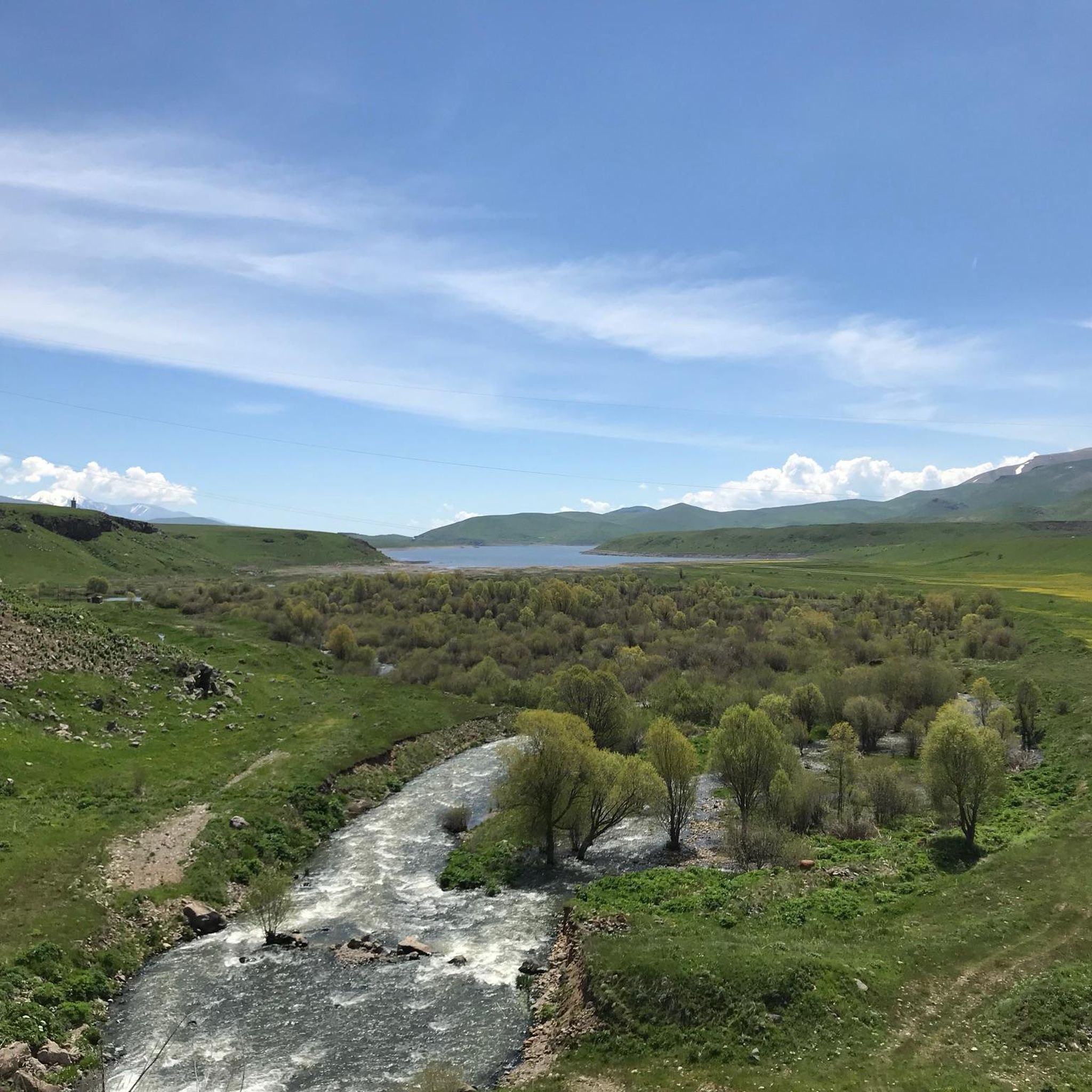
Tips from the Community

The road is perfect, with the added bonus of some very beautiful views.
0
0


There is no water. Furthermore, it is extremely dusty because there is no tarmac (road works) and the lorries lift a lot of dust
0
0

The monastery complex from the 17th century with a three-aisled church in the center served as a secluded retreat for hermits. Today even a priest lives again as a true hermit in this grassy, picturesque ruin.
1
0
In the Middle Ages, the monastery, located at an altitude of 1540 m, was one of the most important centers of the Armenian Apostolic Church and of Armenian science and education.
1
1
Frequently Asked Questions
What historical sites can I explore in Syunik?
Syunik is rich in history. Beyond the famous Tatev Monastery, you can visit the fascinating Ruins of Old Khot Village, an abandoned medieval settlement. Don't miss the ancient Old Shinuhayr village ruins or the 17th-century Tatev Hermitage, nestled at the bottom of the Vorotan Gorge.
Are there any ancient observatories or unique prehistoric sites in Syunik?
Yes, Syunik is home to the intriguing Karahunj Observatory, often called the 'Armenian Stonehenge.' This megalithic complex near Sisian features basalt slabs, some with circular holes, and is believed to be an ancient astronomical observatory dating back over 7,500 years. You can also find the Ughtasar Petroglyphs on Mount Ughtasar, showcasing drawings from the Paleolithic era.
What natural wonders should I see in Syunik?
Syunik boasts several impressive natural attractions. The Shaki Waterfall near Sisian cascades 60 feet over basalt lava flows. Another must-see is Devil's Bridge (Satani Kamurj), a natural bridge spanning the Vorotan Gorge with healing mineral springs and natural pools. The Vorotan Gorge itself offers picturesque views and is one of Armenia's deepest gorges.
Where can I find scenic viewpoints in Syunik?
For breathtaking views, consider taking the Wings of Tatev cable car, recognized as the world's longest reversible aerial tramway, offering panoramic vistas over the Vorotan Gorge on its way to Tatev Monastery. The Meghri Pass (2535 m) provides expansive mountain scenery, and the View of the Vorotan Valley is a highly recommended spot for its stunning outlook.
What hiking opportunities are available in Syunik?
Syunik offers diverse hiking trails for various skill levels. You can explore routes like the moderate Tatevi Anapat Monastery – Tatev Hermitage loop from Tatev (12.8 km) or the easier Hiking loop from Khndzoresk (4.8 km). Other options include the Ruins of Old Khot Village loop from Khot (6 km) or the Shaki Waterfall – Scenic River Landscape loop from Shaqi (5.8 km).
Are there any protected natural areas or national parks in Syunik?
Yes, Syunik is known for its diverse ecosystems and protected areas. Arevik National Park and Shikahogh State Reserve are two significant protected zones. Shikahogh is Armenia's second-largest forest reserve, preserving rich flora and fauna, including rare and endangered species.
Can I visit a cave village in Syunik?
Absolutely! The Old Khndzoresk Cave Village is a fascinating historical site where thousands of people once lived in natural and man-made caves carved into the cliffs. A suspension bridge connects the old and new parts of the village, offering incredible views of the ancient dwellings, which were inhabited until the 1950s.
What is the best time to visit Syunik for outdoor activities?
The diverse landscape of Syunik means conditions vary. Generally, late spring (May-June) and early autumn (September-October) offer pleasant weather for hiking and exploring natural sites. Access to high-altitude areas like the Ughtasar Petroglyphs typically requires a 4x4 vehicle and is best between June and September.
What are some other notable monasteries in Syunik besides Tatev?
Beyond the prominent Tatev Monastery, you can visit Tatevi Anapat Monastery, located on a high plateau above the Vorotan Gorge, offering a serene viewpoint. Another significant site is Vorotnavank Monastery, an ancient complex consisting of St. Stephen and St. Karapet churches, considered a true gem of Syunik Province.
Are there any cities in Syunik worth exploring for their culture or architecture?
Goris, the second-largest city in Syunik, is known for its 19th-century architecture, including two-story houses and medieval cave dwellings in Old Goris. You can also see the 4th-century basilica of Surp Hripsimé. Kapan, the capital, offers historical monuments like the 4th-century Baghaberd Fortress. Meghri, near the Iranian border, is notable for its mild climate, fruit orchards, and historical sites like the 11th-century Meghri Fortress.
What do visitors enjoy most about attractions in Syunik?
Visitors frequently praise the dramatic settings of the monasteries, especially Tatev Monastery, and the breathtaking views from the Wings of Tatev cable car. The unique historical insights offered by sites like the Ruins of Old Khot Village and the natural beauty of Shaki Waterfall and Devil's Bridge are also highly appreciated.
Are there opportunities for cycling near Syunik's attractions?
Yes, there are cycling opportunities, particularly around the Tatev area. The Tatev Monastery Road is a notable cycle way that offers scenic views. For more detailed routes, you can explore guides for cycling in the wider Syunik region.
Most popular routes in Syunik
Most popular attractions in Syunik

Get inspired with the komoot mobile app


Explore more
Still not found the Highlight you’re looking for? See guides of the top attractions in other regions:
