Attractions and Places To See in Veliko Tarnovo Region - Top 16
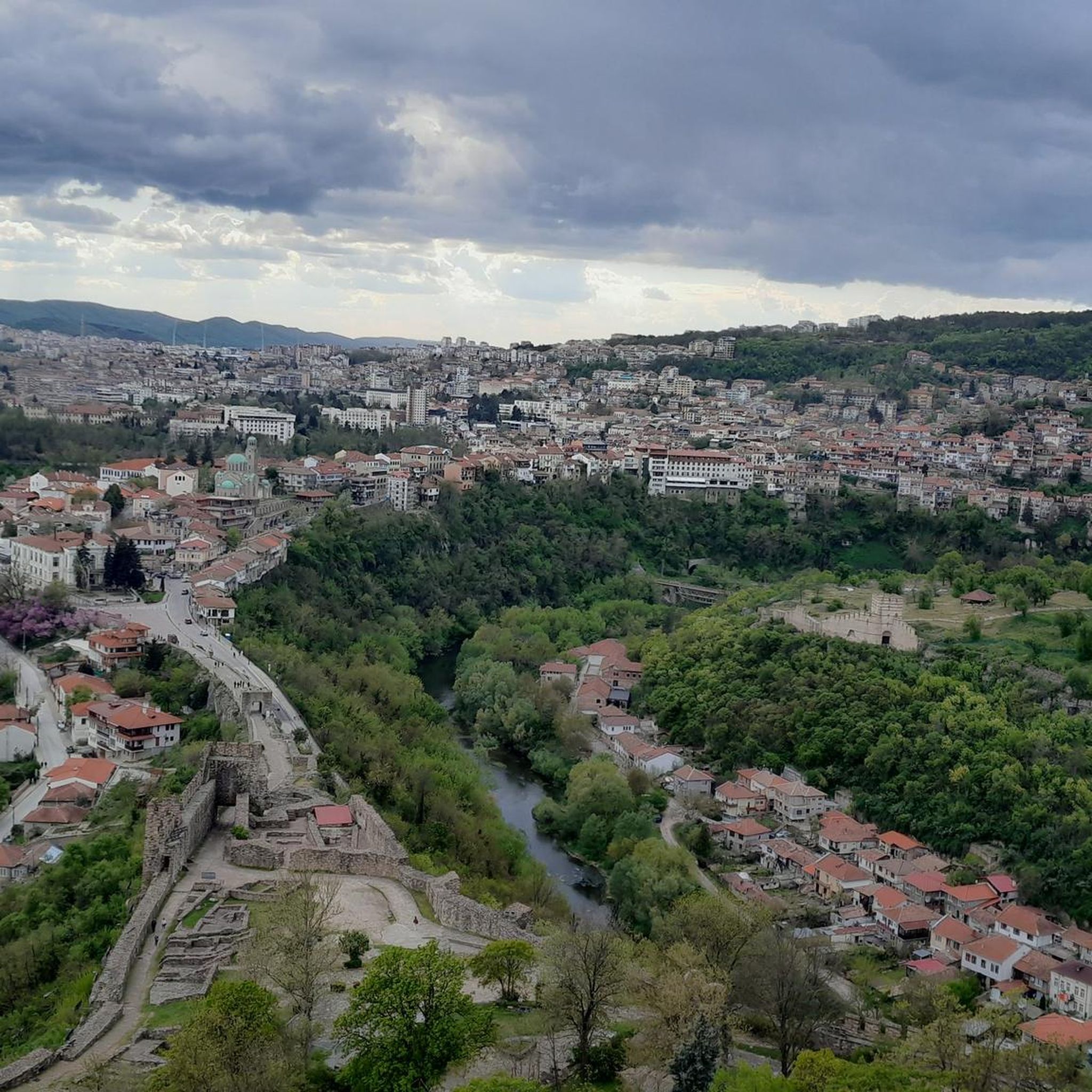
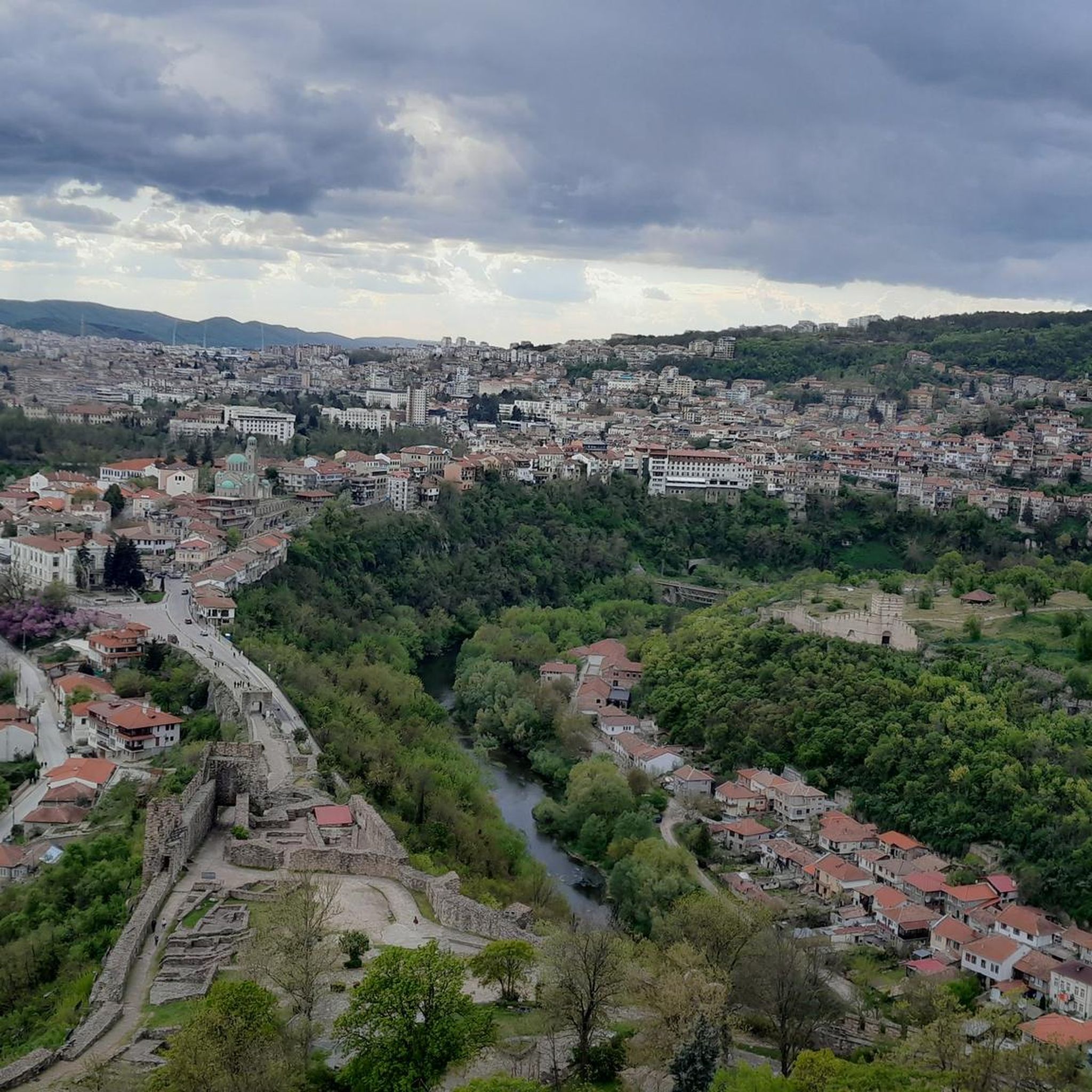
Best attractions and places to see in Veliko Tarnovo Region include a rich collection of historical landmarks and natural features. The region is centered around the city of Veliko Tarnovo, a former capital of the Second Bulgarian Empire, dramatically situated along the Yantra River. Visitors can explore medieval fortifications, significant cultural sites, and scenic landscapes. The area offers diverse points of interest for those interested in history, architecture, and outdoor exploration.
Best attractions and places to see in Veliko Tarnovo…
Last updated: October 24, 2026
Church of the Nativity of Christ
Highlight • Religious Site
Translated by Google •
Tip by

Tsarevets Fortress
Highlight • Castle
Translated by Google •
Tip by

Sign up now to discover places like this
Get recommendations on the best single tracks, peaks, & plenty of other exciting outdoor places.
Asenevtsi Monument
Highlight • Monument
Translated by Google •
Tip by

Stone Bridge of Veliko Tarnovo
Highlight • Bridge
Translated by Google •
Tip by

Church of the Assumption
Highlight • Religious Site
Translated by Google •
Tip by
Arbanassi Village and Historic Churches
Highlight • Historical Site
Translated by Google •
Tip by

Tvardishki Pass
Highlight (Segment) • Mountain Pass
Tip by

Emen Waterfall
Highlight • Waterfall
Tip by

Sarafkina House
Highlight • Historical Site
Translated by Google •
Tip by
Konstantsaliev House
Highlight • Historical Site
The ground floor is built of stone and includes the pumpkin room, servants' …
Translated by Google •
Tip by
Sign up for free to discover even more attractions in Veliko Tarnovo Region.
Already have an account?
Start today with a free account
Your next adventure awaits.
Popular around Veliko Tarnovo Region
Tips from the Community

This is the earliest and the most richly decorated church in the village of Arbanasi. It was built by stages. The oldest layer of wall-paintings is from the end of XVI c. It consists of a naos, a narthex, a gallery and a chapel dedicated to St. John the Baptist. One of the most interesting scenes is the genealogical tree of Jesus Christ with the twelve ancient philosophers. It is in the narthex. “The wheel of life” is the most impressive wall-painting in the gallery of the church. This is the earliest presentation of the scene on the walls of Bulgarian churches
0
0
The house was built in the end of XVII c. and was reconstructed several times. It is an ethnographic museum in nowadays. The exposition represents the way of life of the wealthy merchants in the period of the zenith of the village XVI- XVII-th c. The house is an example of the unique style of architecture in the village of Arbanasi – a house-fortress surrounded by high stone walls.
0
0

Really beautiful path. Peaceful and really calm roads. Not to be missed!
0
0

It is one of the most beautiful Revival-era houses in Veliko Tarnovo. Built in 1861, it is unique for its location and architecture. The house has two floors facing the street and five floors facing the river. It houses an exhibition depicting the lifestyle and culture of the people of Veliko Tarnovo in the 19th century.
0
0
The Tsarevets Fortress (Bulgarian: Царевец) in Veliko Tarnovo is located on the hill of the same name in the former capital of Bulgaria. It is considered the most important fortress of the Second Bulgarian Empire. The entire fortress is surrounded by thick walls up to 3.6 meters high. The fortress has three entrances or gates. The main gate, which has a drawbridge, is located in the westernmost part of the hill on a narrow rocky outcrop. The second gate is 180 meters from the first, and the third, which existed until 1889, is 450 meters further away. Source: https://de.wikipedia.org/wiki/Tsarevets
1
0
The Konstanzaliev House was built in the 17th century. It underwent some reformation in the 18th century. The ground floor is built of stone and includes the pumpkin room, servants' quarters, the hideout, the cellar, the storeroom, the stables, and the main, rear, and internal staircases. The main entrance is guarded by a solid door, and the specially provided guard post is covered with grilles. The second floor houses the guest rooms, the family bedrooms, the kitchen, and the laundry rooms. In the most exquisite part of the house, there is a room for the mother and her newborn baby. The furniture lends the fortress silhouette of the house a sense of intimacy and warmth. This impression is further enhanced by the diverse decorative elements, skillfully created by builders according to the requirements and well-being of the owner. The exhibition recreates the way of life of the Arbanassi people in the 18th and 19th centuries.
1
0
A richly furnished house from the 17th/18th century, a typical example of the Arbanasi town house type. Konstanzaliyev's House was built at the beginning of the 17th century. Its monumental interior architecture, richness of form, and many interesting details make this house one of Arbanasi's most remarkable architectural monuments.
0
0
The Church of the Nativity with the Paraclasis of St. John the Baptist was built in the 16th and 17th centuries. The wall paintings were created between 1632 and 1649. Older wall paintings have also been preserved, probably dating from the 16th century. The northern corridor of the church was open during the first phase of construction; in the second phase, it was walled up and decorated with new wall paintings.
0
0
Frequently Asked Questions
What historical landmarks should I visit in Veliko Tarnovo Region?
The region is rich in history. Don't miss the iconic Tsarevets Fortress, a medieval stronghold that served as a royal residence. You can also explore the Asenevtsi Monument, commemorating the Bulgarian rulers of the Second Empire. Other significant sites include Trapezitsa Fortress, the Church of the Forty Martyrs, and the Veliko Tarnovo Archaeological Museum.
Are there any natural attractions or viewpoints in the Veliko Tarnovo Region?
Yes, the region offers stunning natural beauty and viewpoints. The Swing of Love (Lyulkata na Lyubovta) provides scenic views, especially beautiful in winter. You can also visit the Emen Waterfall within the Emen Canyon, or explore other waterfalls like Khotnyshki Waterfall and Kapinovski Waterfall. For panoramic vistas, consider the Tvardishki Pass or Sveta Gora Park.
What cultural sites are worth exploring in the Veliko Tarnovo Region?
The region boasts several important cultural sites. The nearby Arbanasi Village is famous for its historic churches, such as the Church of the Nativity of Christ and the Church of the Assumption, known for their well-preserved frescoes. You can also visit the Arbanassi Village and Historic Churches as a combined experience. The Samovodska Charshiya (Bazaar) offers a glimpse into 19th-century crafts and traditions.
Are there family-friendly attractions in Veliko Tarnovo Region?
Many attractions are suitable for families. The Asenevtsi Monument and Stone Bridge of Veliko Tarnovo are family-friendly spots. The Mini Bulgaria Park, with its miniature models of famous landmarks, is also a great option for children. Arbanasi Village and its churches are also considered family-friendly.
What outdoor activities and routes can I find near these attractions?
The Veliko Tarnovo Region offers various outdoor activities. You can find easy hikes like the 'Emenska Cave – Emen Waterfall loop from Emen' or 'Tsarevets Fortress – View of Tsarevets Fortress loop from Veliko Tarnovo'. For more options, explore the easy hikes in Veliko Tarnovo Region. There are also running trails and cycling routes available, such as the 'Veliko Tarnovo City Center loop' for cycling, which you can find more about in the Cycling in Veliko Tarnovo Region guide.
What is the best time of year to visit Veliko Tarnovo Region?
The Veliko Tarnovo Region is enjoyable throughout the year, but spring and autumn offer pleasant weather for exploring historical sites and natural landscapes. Spring brings the Medieval Tarnovgrad International Festival, while winter offers stunning views, particularly from spots like the Swing of Love (Lyulkata na Lyubovta).
Are there any dog-friendly trails or attractions in the area?
While specific dog-friendly designations for attractions are limited, many of the natural trails and outdoor areas, such as those around Emen Canyon or Sveta Gora Park, are generally suitable for walks with dogs. Always ensure your dog is on a leash and follow local regulations.
How can I get to Arbanasi Village from Veliko Tarnovo using public transport?
Arbanasi Village is a short distance from Veliko Tarnovo. Regular bus services connect Veliko Tarnovo to Arbanasi, making it easily accessible for a day trip. Check local bus schedules for the most up-to-date information on routes and timings.
What are some lesser-known or 'hidden gems' in the Veliko Tarnovo Region?
Beyond the main attractions, consider visiting the Sarafkina House, a beautifully preserved Revival-era house showcasing 19th-century lifestyle. For nature lovers, exploring the eco-trails around Emen Canyon or discovering the less-frequented monasteries like Dryanovo Monastery and Preobrazhenski Monastery can offer a unique experience.
Where can I find parking near Tsarevets Fortress?
Parking is available near the entrance to Tsarevets Fortress in Veliko Tarnovo. There are designated parking areas for visitors, though during peak season, it might be advisable to arrive early to secure a spot. Some areas around the Old Town also offer street parking or smaller lots.
What kind of historical architecture can I expect to see?
The region is renowned for its medieval Bulgarian architecture, particularly evident in the fortresses like Tsarevets Fortress and the numerous churches. You'll find examples of the Second Bulgarian Empire's architectural style, often characterized by intricate frescoes and stone masonry, as seen in the Church of St. Demetrius of Thessaloniki and the churches in Arbanasi.
Are there opportunities for wild swimming in the Veliko Tarnovo area?
While the Yantra River flows through the region, designated and safe wild swimming spots are not widely publicized. The Emen Waterfall area has a small 'beach' after passing between rocks, which might offer a refreshing dip, but always exercise caution and check local conditions before entering any natural waters.
Most popular routes in Veliko Tarnovo Region

Get inspired with the komoot mobile app


Explore more
Still not found the Highlight you’re looking for? See guides of the top attractions in other regions:
