Attractions and Places To See in Viljandi - Top 16
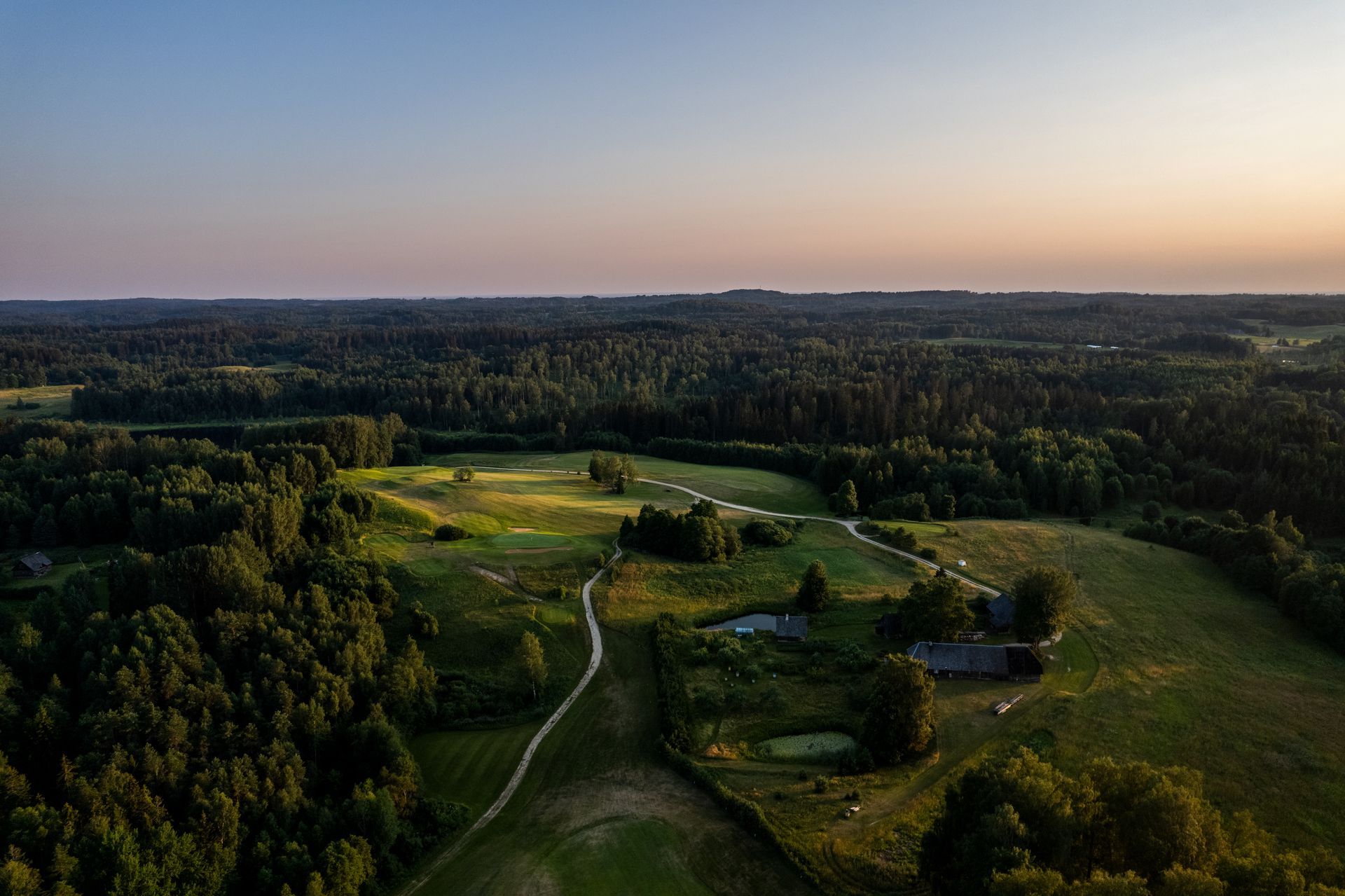
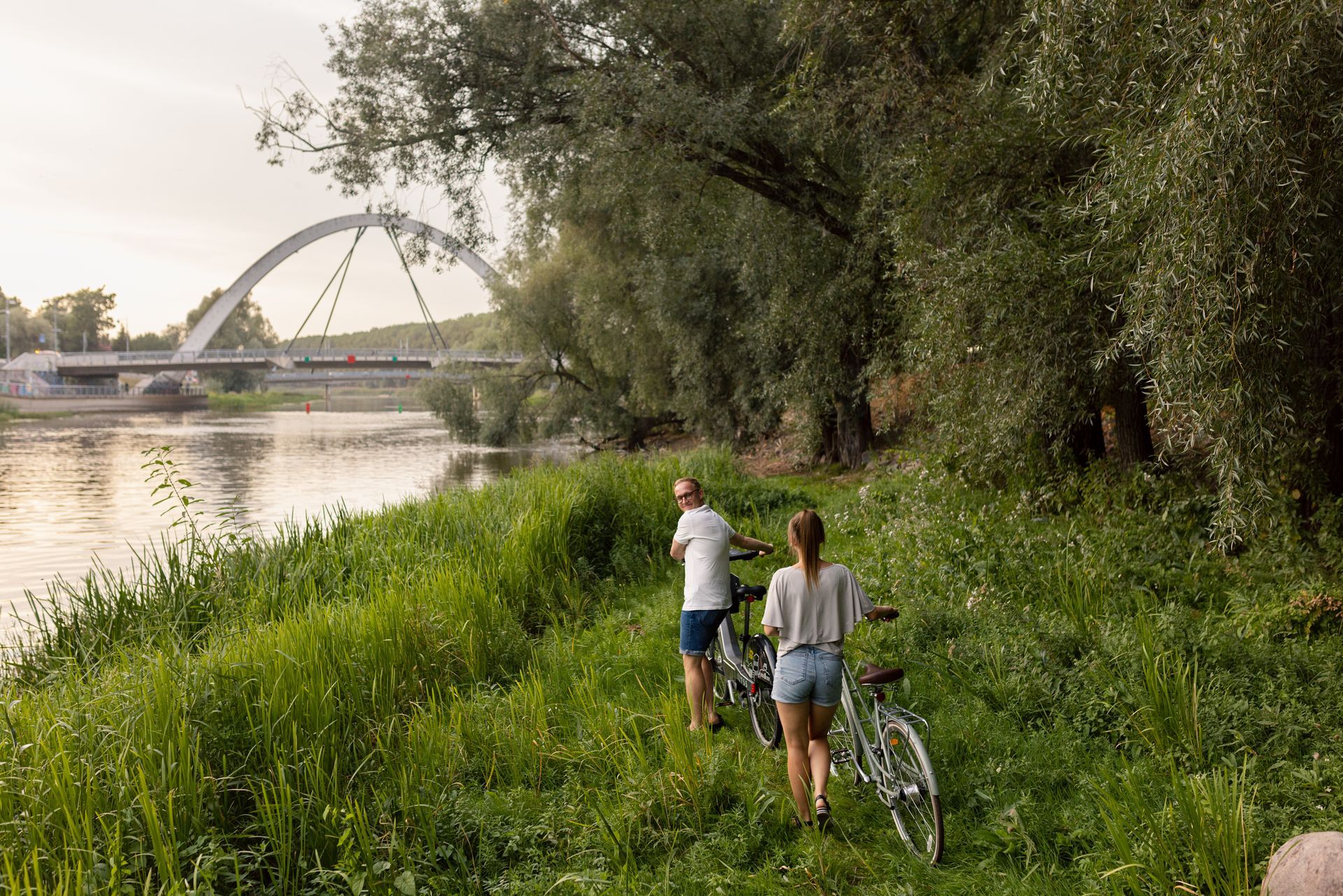
Best attractions and places to see in Viljandi include a mix of historical sites, cultural venues, and natural landscapes. This town in southern Estonia is characterized by its medieval past, with remnants like castle ruins overlooking Lake Viljandi. The region offers diverse outdoor experiences, from lake activities to extensive hiking trails within nearby national parks. Viljandi provides opportunities to explore both urban charm and natural beauty.
Best attractions and places to see in Viljandi
- The most popular attractions is Bog…
Last updated: July 28, 2026
Bog Pools of Soomaa National Park
Highlight • Lake
Showing Translation
Tip by

Beaver Trail (Soomaa National Park)
Highlight • Trail
Only the beaver was the only one we saw 😉😂🦫
Showing Translation
Tip by
Sign up now to discover places like this
Get recommendations on the best single tracks, peaks, & plenty of other exciting outdoor places.
Sign up for free
Soomaa National Park Visitor Centre
Highlight • Rest Area
Translated by Google •
Tip by

Viljandi Castle Ruins
Highlight • Castle
Translated by Google •
Tip by

Observation Deck at Soomaa National Park
Highlight • Viewpoint
Awesome 😎
Showing Translation
Tip by
End of Wheelchair-Accessible Trail, Soomaa National Park
Highlight • Trail
Showing Translation
Tip by
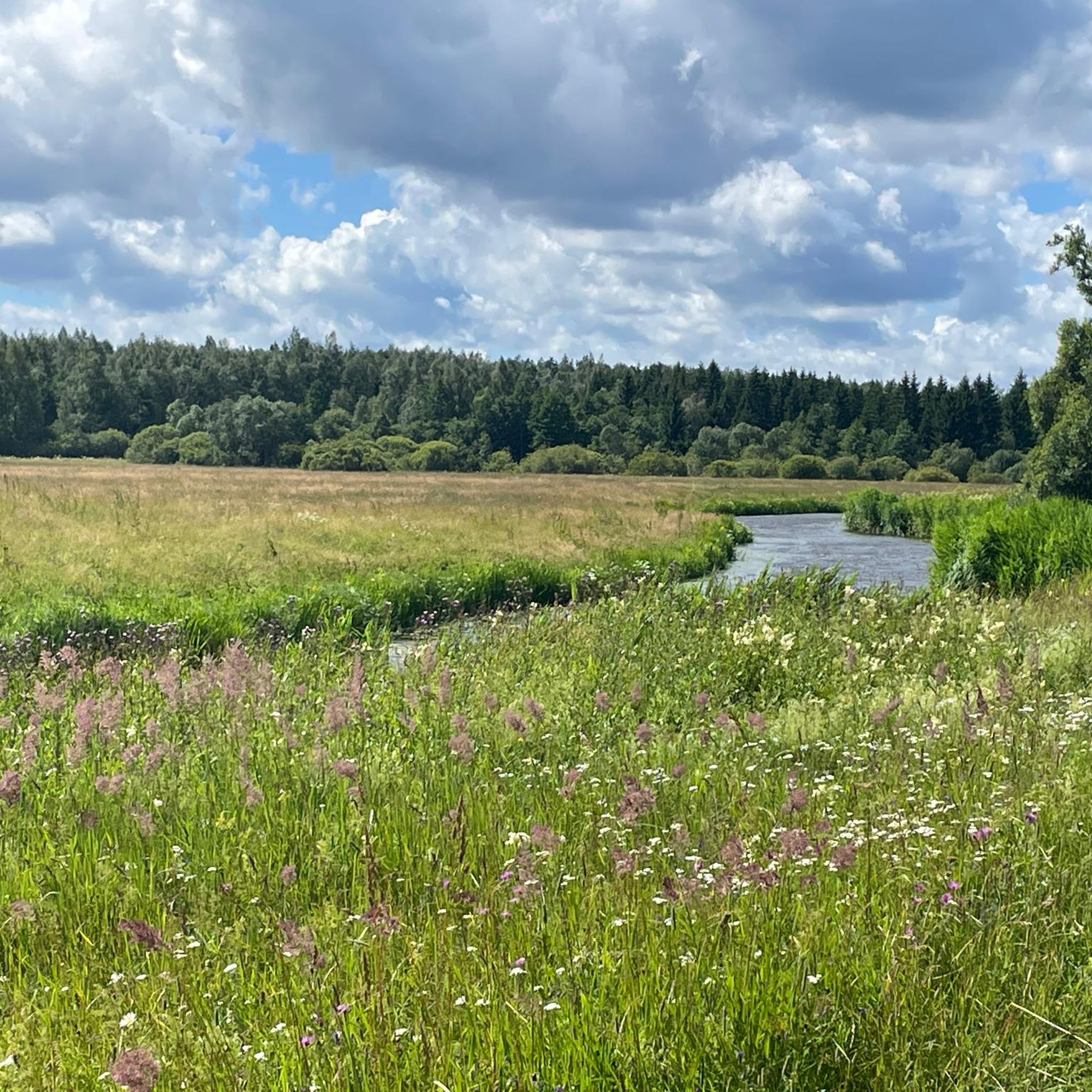
Primeval Forest Along the River (Soomaa National Park)
Highlight (Segment) • Forest
Translated by Google •
Tip by

Viljandi Jaani Kirik (St. John's Lutheran Church)
Highlight • Religious Site
Translated by Google •
Tip by
Jaani Seta Hotel
Highlight • Rest Area
Translated by Google •
Tip by
St. Paul's Church (Viljandi)
Highlight (Segment) • Religious Site
Translated by Google •
Tip by
Sign up for free to discover even more attractions in Viljandi.
Sign up for free
Already have an account?
Start today with a free account
Your next adventure awaits.
Login or Signup
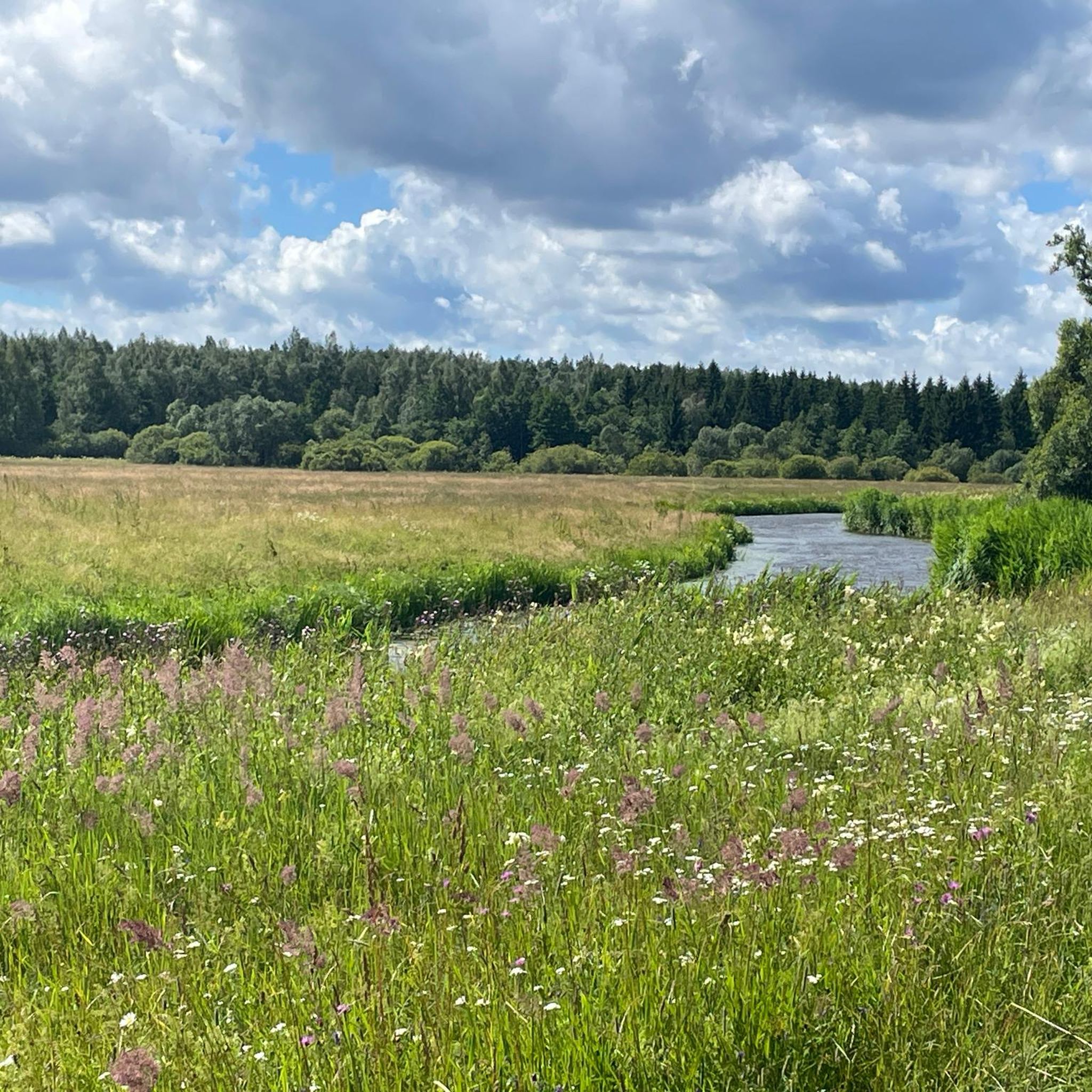
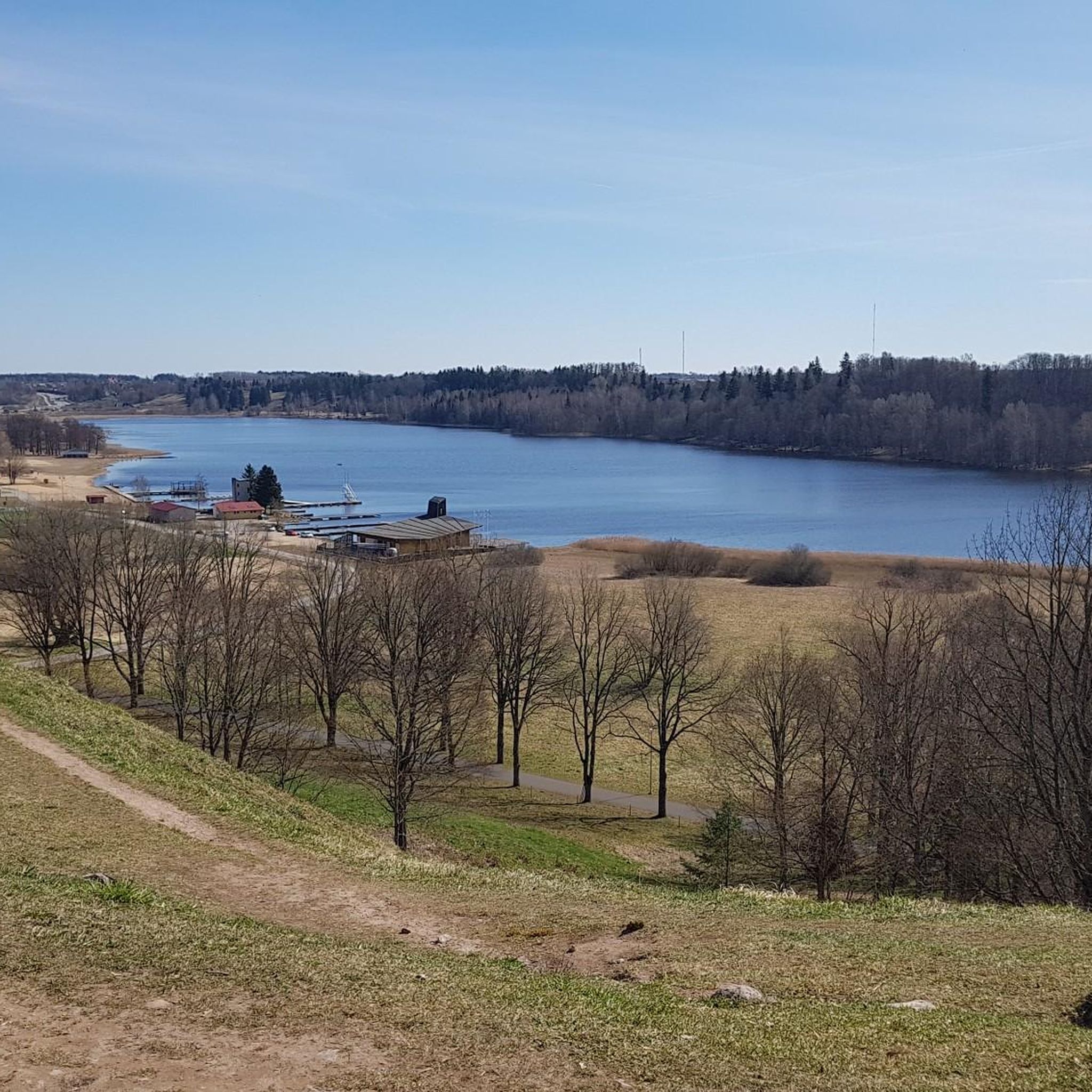

Tips from the Community

Only the way there and back remains as a one-way street, a pity, the rest of the way is worth seeing.
5
0
We got water for our camper from the nice lady and a stamp for our hiking booklet, awesome what is offered here.🇪🇪🤘❤️
5
0
Nice little circular trail, the boardwalks are always something special. Only the beaver was the only one we saw 😉😂🦫
5
0
Unthinkable in Germany, so be grateful to be here. Awesome 😎
7
0
This is something really special 😎, a viewing tower, boardwalks, two construction sites await you, we were alone in this beautiful moor landscape.
7
0

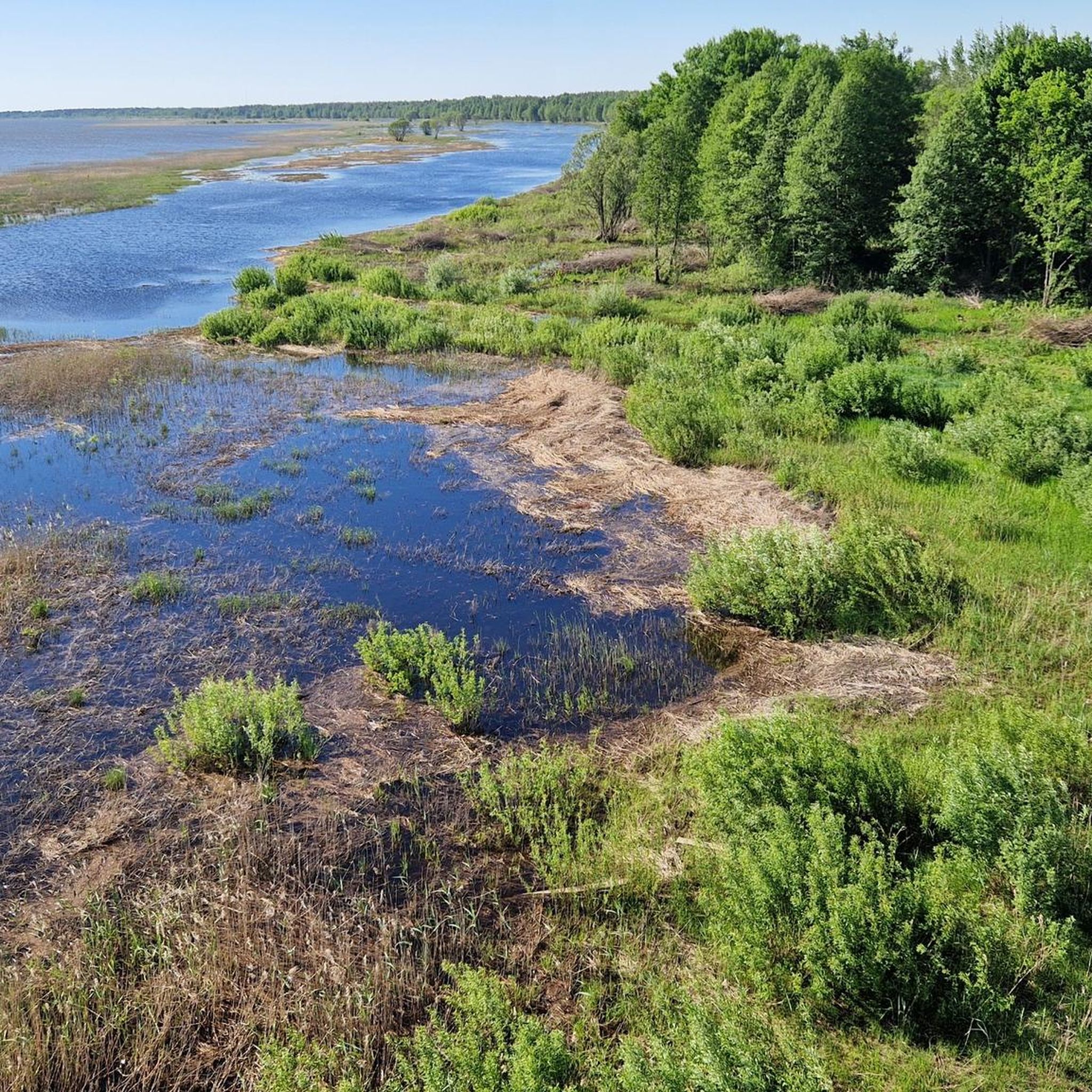
A small moor lake in a raised bog. The water is a boggy brown. You can swim in the lake.
0
0

Located in the heart of Viljandi's Old Town, on the edge of Johan Laidoner Square, the hotel features a restaurant, café, and seminar rooms. The historic building has undergone a thorough renovation and, after a nearly 100-year hiatus, has begun operating as a hotel again.
4
0
The church, dedicated to St. John the Baptist, was built in the 17th century on the ruins of the former Franciscan monastery church. The church was destroyed and rebuilt several times during various wars. The church remained in use after World War II, but was closed in 1950 and converted into a warehouse. The church was re-consecrated in 1992 and is also used extensively as a concert hall. Interesting facts: The church features an altar table designed by Aivar Oja and stained-glass windows by Renee Aua. The tapestries were woven by local textile artist Prof. Anu Raud, whose work "Emapuu" is on display at the UN headquarters in New York.
5
0
Frequently Asked Questions
What historical sites can I explore in Viljandi?
Viljandi boasts a rich history. You can explore the 13th-century Viljandi Castle Ruins, which offer panoramic views over Lake Viljandi. The town also features the historic Viljandi Suspension Bridge, built in 1879, and the restored Viljandi Old Water Tower, providing an observation point. Additionally, visit the historic St. John's Church in Viljandi, known for Estonia's largest carillon, and the neo-Gothic St. Paul's Church.
Are there any family-friendly activities or attractions in Viljandi?
Yes, Viljandi offers several family-friendly options. The Bog Pools of Soomaa National Park provide a unique bathing experience and a wooden plank deck suitable for a pleasant walk. The Beaver Trail in Soomaa National Park is an educational and engaging walk for all ages, with boardwalks through swampy areas. The Viljandi Castle Park is also a great spot for families, featuring expansive views and a traditional Estonian village swing. For a relaxed outdoor experience, the Oksa Campfire Site is a good option.
What outdoor activities can I do near Viljandi's attractions?
Viljandi and its surroundings are excellent for outdoor enthusiasts. You can enjoy hiking on trails like the Beaver Trail or explore the unique landscape of the Bog Pools of Soomaa National Park. For more extensive hiking, check out routes in the Hiking in Viljandi guide, which includes a moderate 13.5 km loop from the Viljandi Suspension Bridge to the Castle Ruins. Cycling and mountain biking are also popular, with various routes available in the Cycling in Viljandi and MTB Trails in Viljandi guides.
Are there any accessible attractions in Viljandi for visitors with mobility needs?
Yes, efforts have been made to provide accessible options. The Wheelchair-Accessible Trail in Soomaa National Park offers a barrier-free path for a portion of the route. Additionally, the Mouth of the Tänassilma River at Lake Võrtsjärv features wheelchair-accessible facilities and viewpoints.
What is the best time of year to visit Viljandi for sightseeing and outdoor activities?
The warmer months, particularly from late spring to early autumn (May to September), are ideal for visiting Viljandi. During this period, Lake Viljandi is popular for swimming and sunbathing, and the hiking trails, such as the 12-kilometer path around the lake, are most enjoyable. The famous Viljandi Folk Music Festival takes place annually in July, attracting many visitors. While some attractions remain open, winter can be cold with snow, making outdoor activities more challenging, though the snowy landscape can be picturesque.
Where can I experience Viljandi's natural beauty?
Viljandi is rich in natural beauty. Lake Viljandi is central to the town's identity, offering opportunities for swimming and relaxation. The Viljandi Castle Park, situated on the edge of the primeval valley, provides expansive views of the lake and surrounding landscape. Explore the unique Bog Pools of Soomaa National Park or walk through the Primeval Forest Along the River within the same national park. The Viljandi Landscape Conservation Area also protects the ancient valley and its natural features.
What cultural attractions does Viljandi offer?
Viljandi is a hub for culture. The Kondas Centre is an art museum dedicated to naïve, modern folk, and outsider art, notably featuring works by Paul Kondas and unique strawberry sculptures around town. The Estonian Traditional Music Center is crucial for preserving folk music, hosting concerts and workshops, and is home to the renowned Viljandi Folk Music Festival. You can also visit the Museum of Viljandi, housed in an old pharmacy, to learn about the town's history, or catch a performance at the Ugala Theatre, one of Estonia's oldest professional drama theaters.
Are there any unique or 'hidden gem' attractions in Viljandi?
Beyond the main sights, Viljandi offers some charming spots. The Viljandi Old Town itself, with its cobblestone streets and colorful wooden houses, is a delight to explore. The Trepimägi, a historic stairway of 158 steps leading down to the lake, offers unique views and passes grand villas. The Viljandi Musical Instrument Park is also a distinctive place to discover. Keep an eye out for the large red concrete strawberry sculptures scattered around town, inspired by Paul Kondas's painting.
How long should I plan to spend at Viljandi's attractions?
To fully experience Viljandi's main attractions, including the castle ruins, lake area, and a few cultural sites, a minimum of 1-2 full days is recommended. If you plan to explore the national parks, hike longer trails, or attend events like the Folk Music Festival, you might want to extend your stay to 3-4 days. A leisurely stroll through the Old Town and a visit to a museum or two can easily fill a day, while the natural areas like Soomaa National Park can take a half to a full day each.
Can I find cafes or restaurants near Viljandi's main attractions?
Yes, Viljandi's Old Town and areas around Lake Viljandi offer various dining options. You'll find cozy cafes and restaurants within the charming Old Town, perfect for a break after exploring historical sites. While specific names are not provided here, the general area around the town center and near the lake is known to have establishments where you can enjoy local cuisine or a coffee.
What do visitors enjoy most about Viljandi?
Visitors frequently praise Viljandi for its unique blend of history, culture, and natural beauty. The serene atmosphere of Lake Viljandi, the historical significance of the castle ruins, and the charm of the Old Town are often highlighted. Many appreciate the well-maintained trails, like the wooden plank deck at the Bog Pools of Soomaa National Park, and the educational aspects of the Beaver Trail. The scenic views from the Suspension Bridge and the overall tranquility of the region also receive high marks.
Are there opportunities for wild swimming in Viljandi?
Yes, Lake Viljandi is a popular spot for swimming, especially during the warmer months. It's a central part of the town's identity and offers a refreshing experience. Additionally, the Bog Pools of Soomaa National Park offer a unique bathing experience within a raised moor, providing a different kind of wild swimming opportunity.

Get inspired with the komoot mobile app


Explore more
Still not found the Highlight you’re looking for? See guides of the top attractions in other regions:
