Top 20 Gorges in Great East
Canyons in Great East France are found within a diverse region in northeastern France, encompassing the former areas of Alsace, Champagne-Ardenne, and Lorraine. The landscape features mountainous terrain, particularly in the Vosges Mountains, which are characterized by lush forests, granite peaks, and winding rivers. These natural formations provide opportunities for various outdoor activities, including canyoning and scenic hiking. The region's geological history has carved out numerous gorges and combe valleys, offering varied natural experiences.
Best canyons in Great East
- The…
Last updated: September 27, 2026
Sentier des Roches
Highlight (Segment) • Trail
Showing Translation
Tip by

Sentier des Roches (Felsenpfad)
Highlight • Trail
Translated by Google •
Tip by

Sign up now to discover places like this
Get recommendations on the best single tracks, peaks, & plenty of other exciting outdoor places.
Wormspel Combe
Highlight • Gorge
Translated by Google •
Tip by

Phény stream
Highlight • Gorge
Translated by Google •
Tip by

Frankenthal-Missheimle Nature Reserve
Highlight • Natural Monument
Tip by

Dagobert's Cave
Highlight • Gorge
Translated by Google •
Tip by

Dwarves' Grotto
Highlight • Cave
Translated by Google •
Tip by

Druids' Grotto
Highlight • Cave
Translated by Google •
Tip by

Crosery Gorges
Highlight • Gorge
Translated by Google •
Tip by

Les Dames de Meuse
Highlight • Natural Monument
According to …
Translated by Google •
Tip by

Sign up for free to discover even more gorges in Great East.
Already have an account?
Start today with a free account
Your next adventure awaits.
Popular around Great East
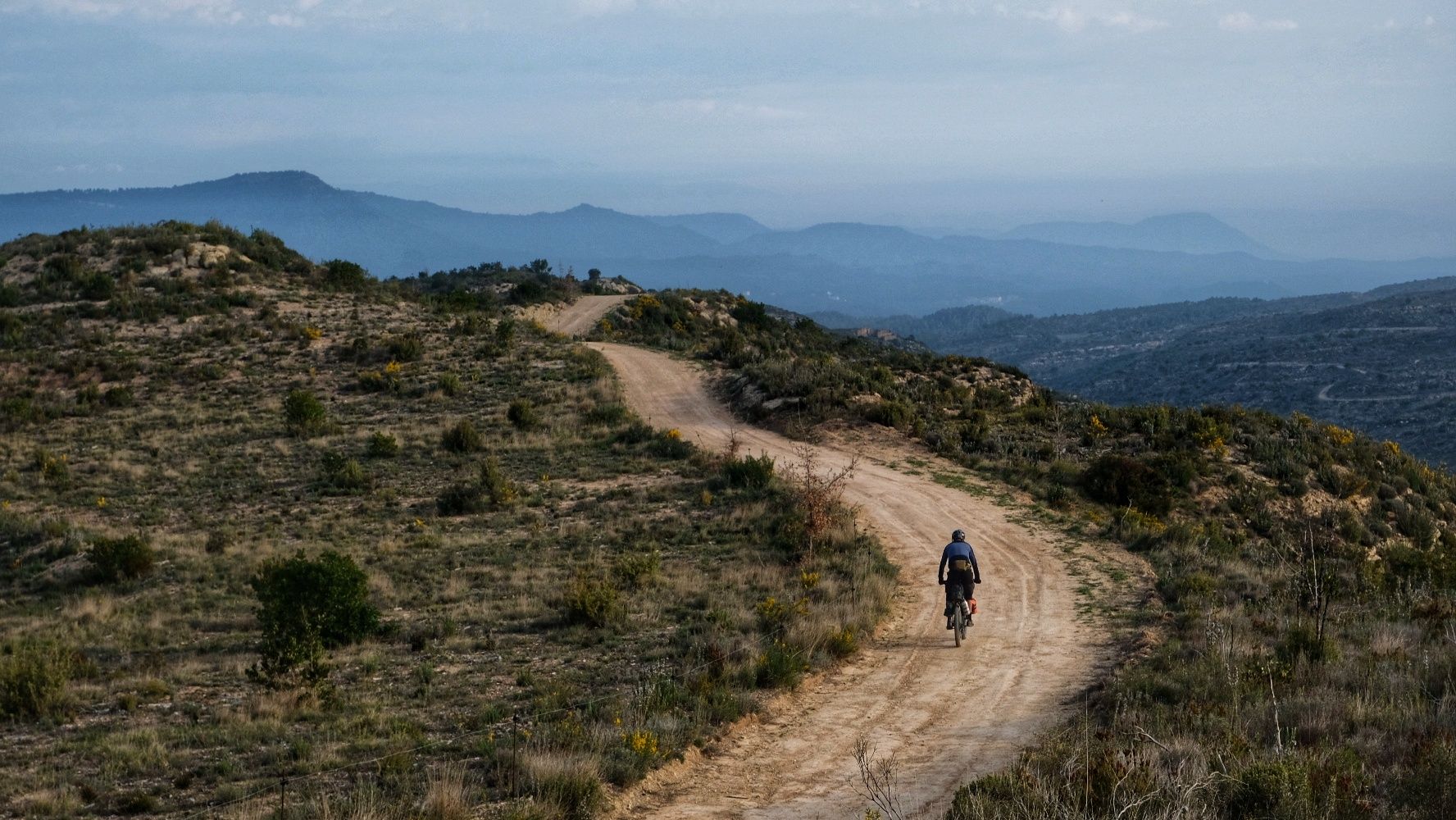
European Divide Trail — 7,600 km across the continent
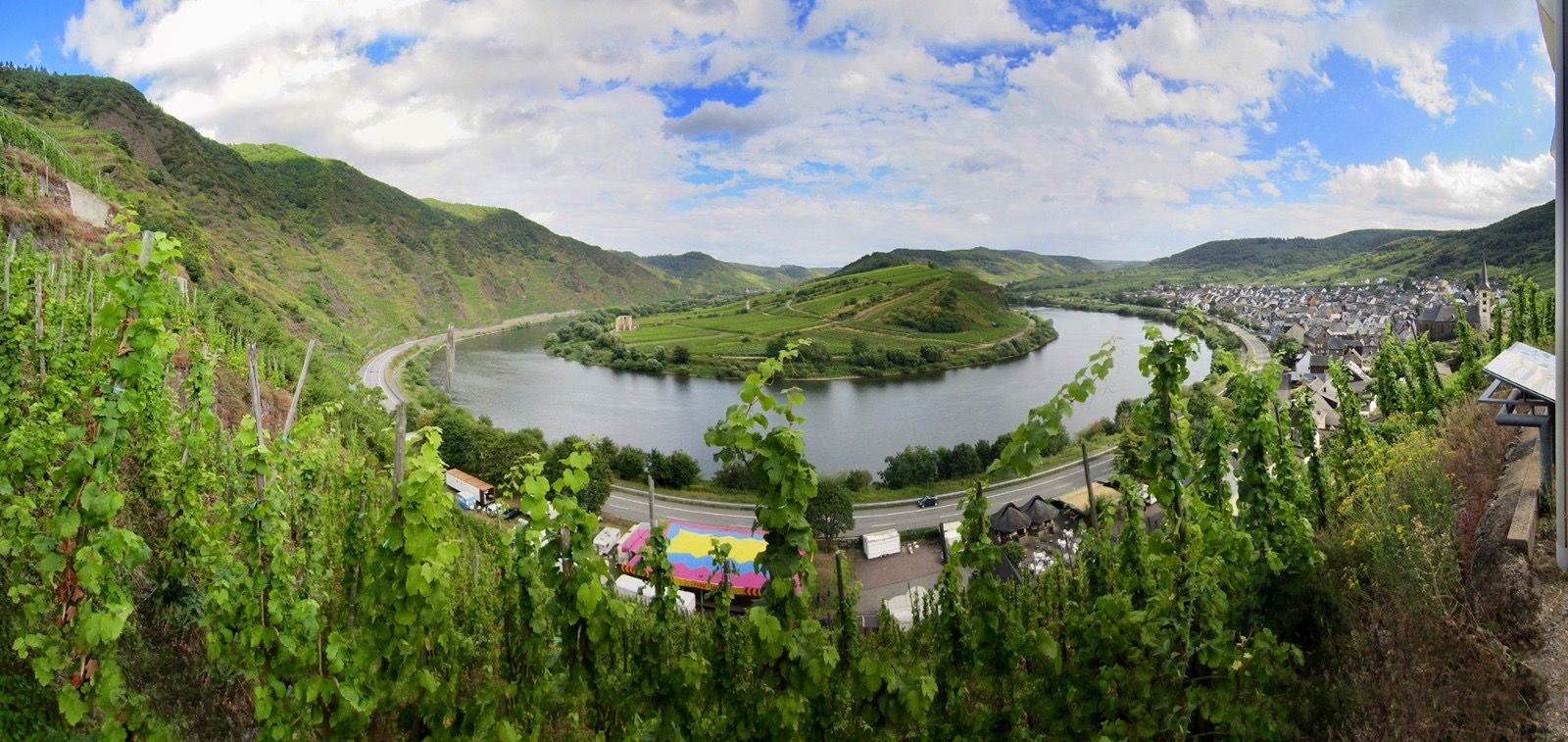
The Moselle cycle path — from the Vosges to the Rhine in 18 stages
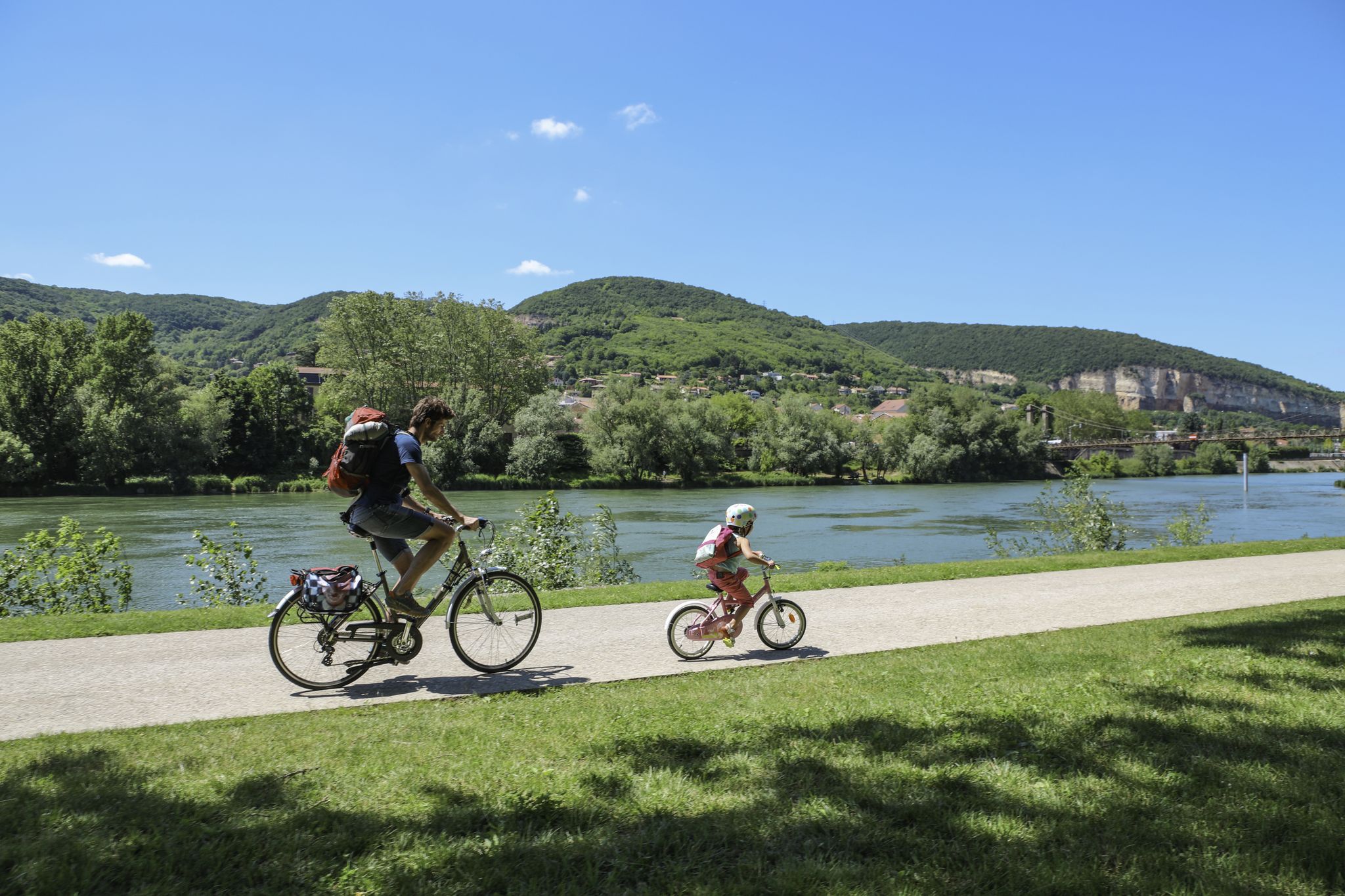
The Voie Bleue – Moselle-Saône by bike
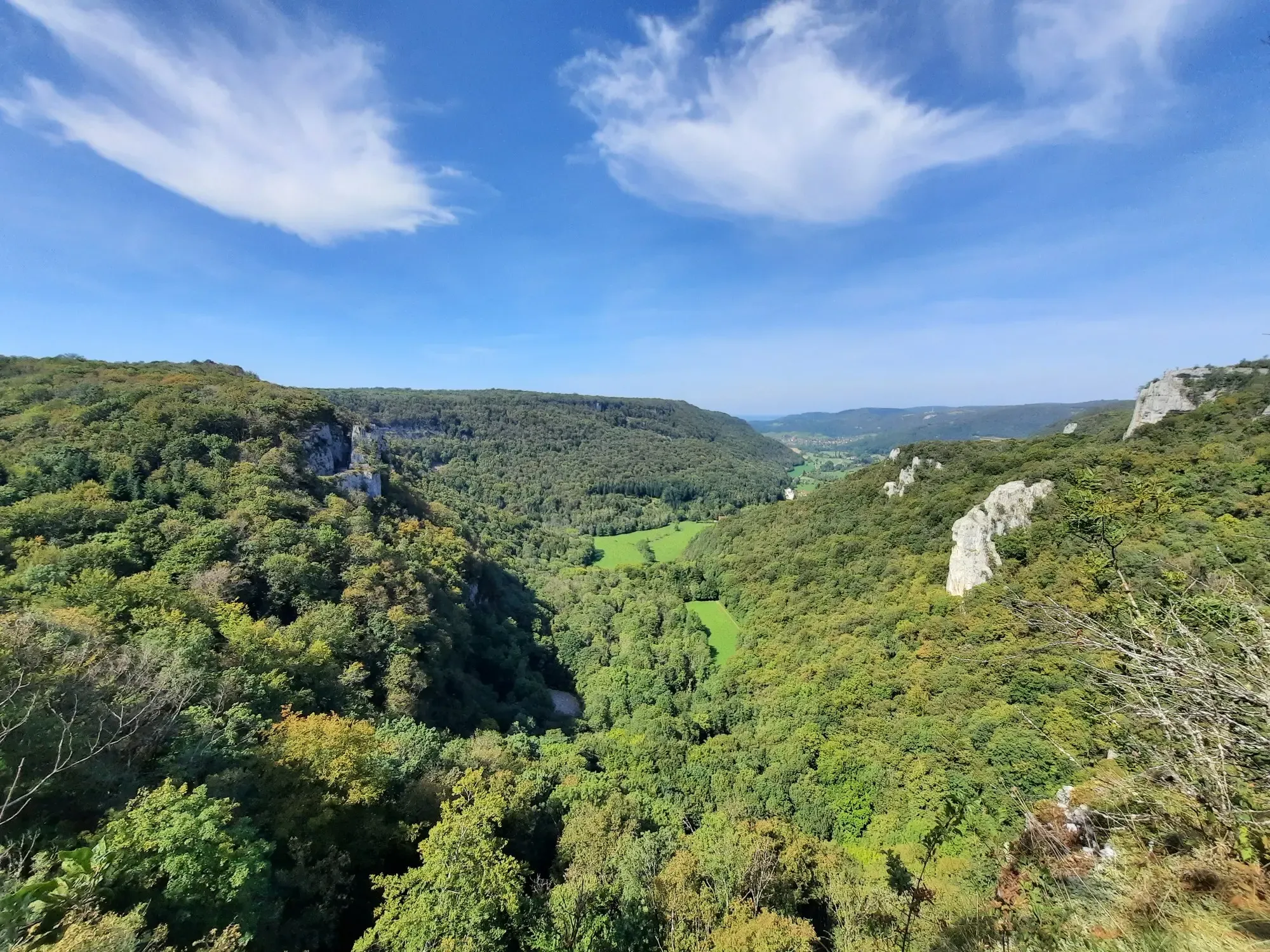
The Ardennes Trail (GR 14) – From Paris to the Belgian border
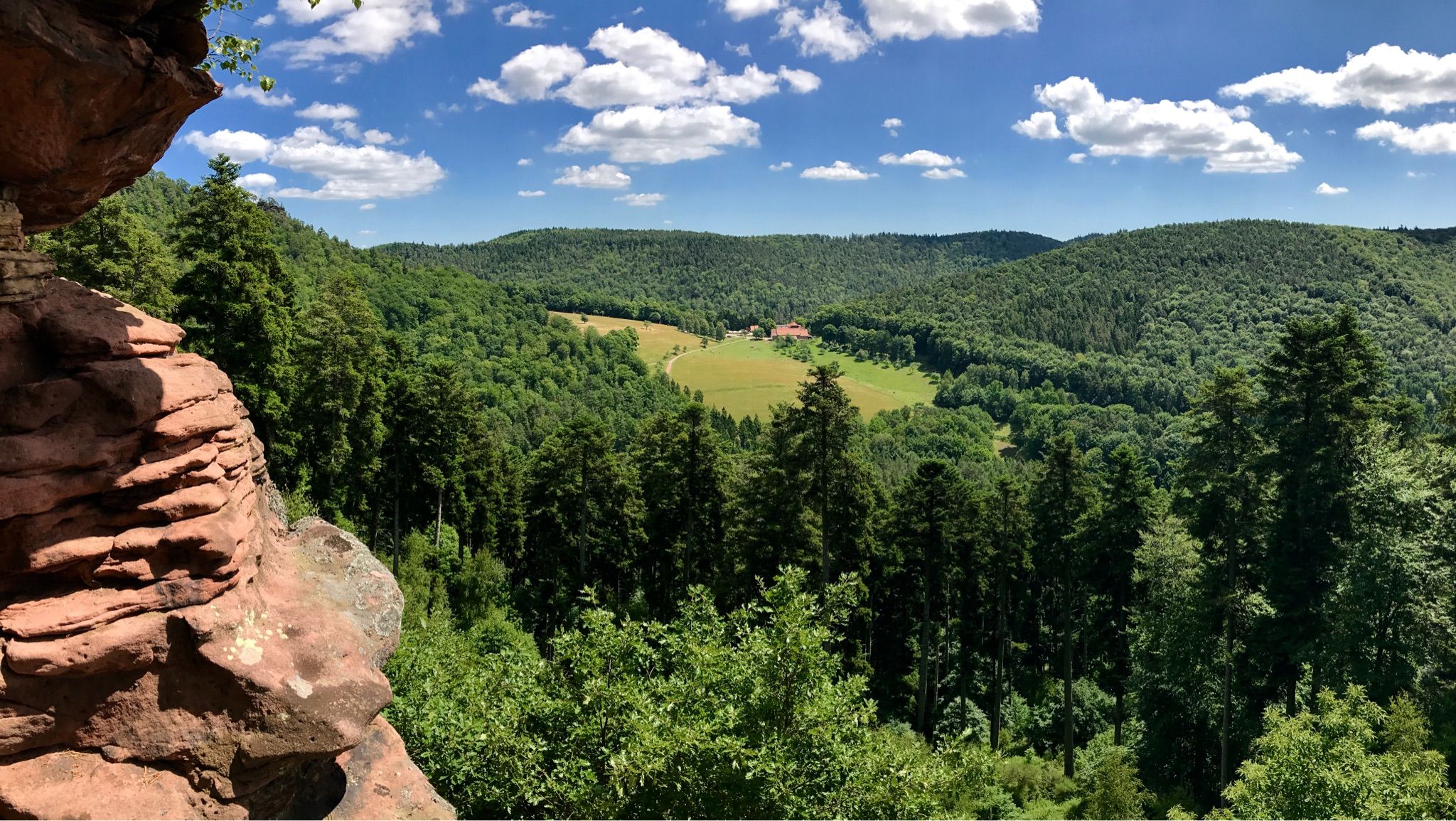
Hike the GR 53 – Explore castles along the Franco-German border
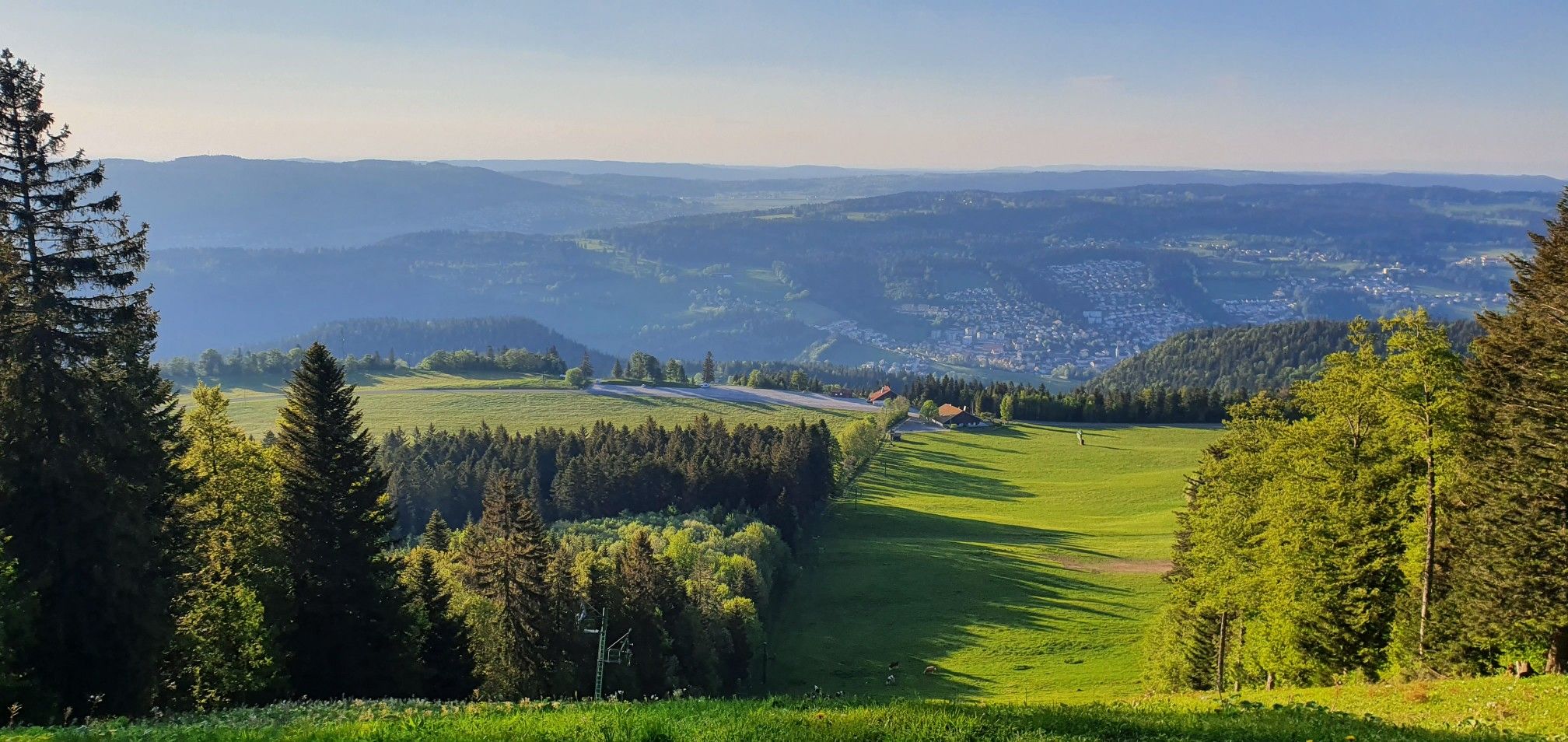
GR 5 – The Europe Trail from the Mediterranean to Germany
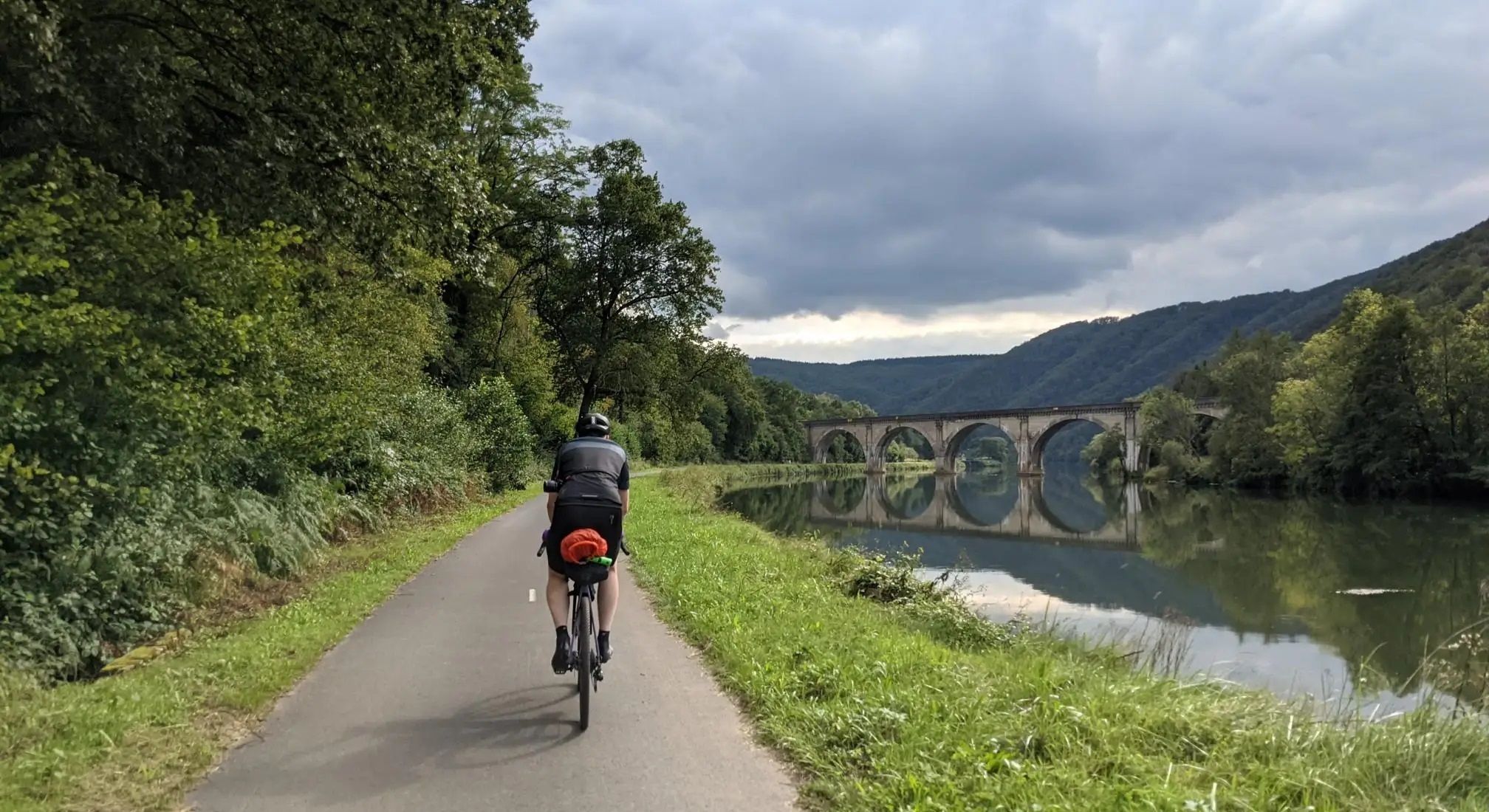
Aachen to Reims – Ardennes, Meuse and Champagne
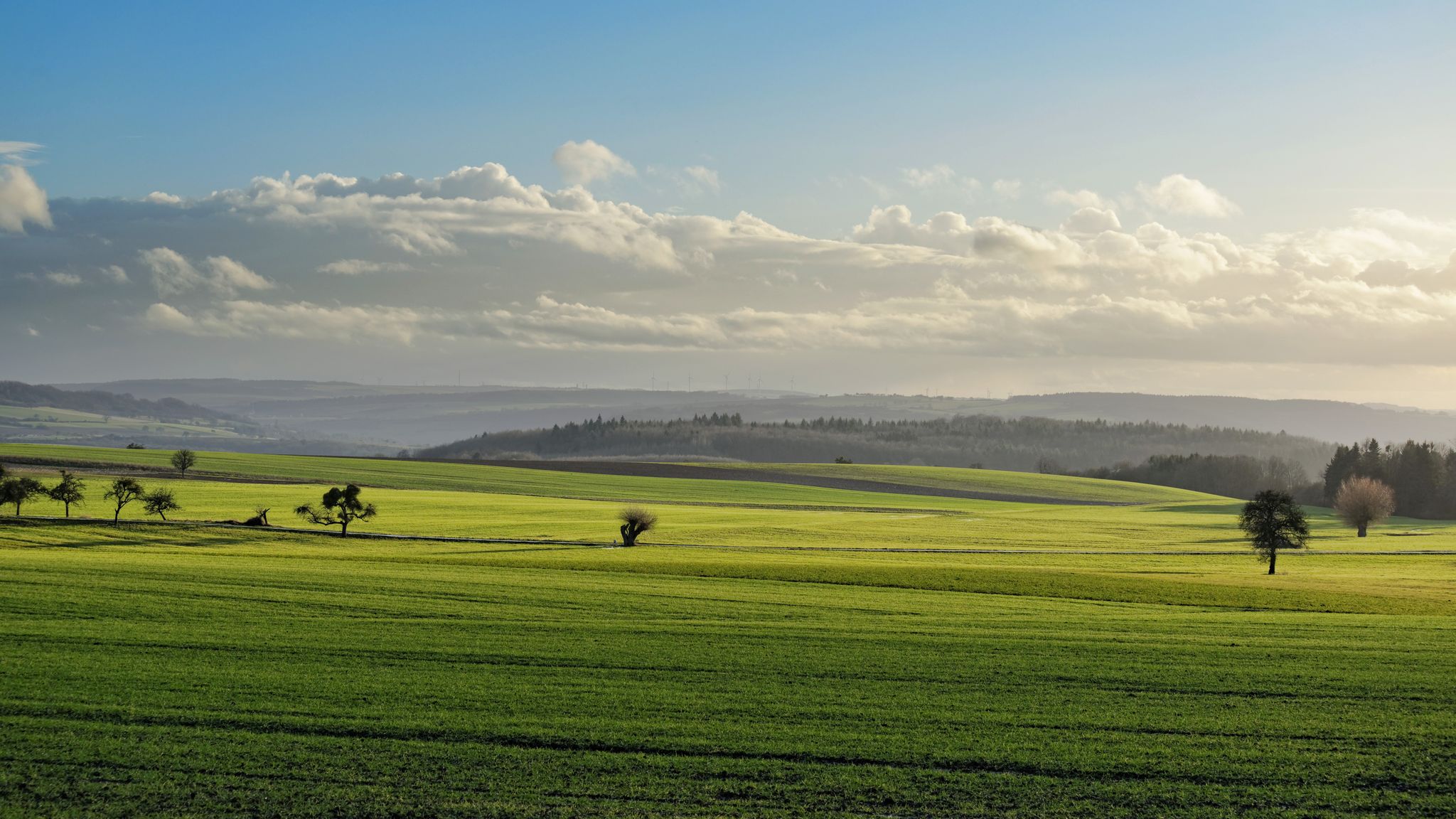
GR5 — The Europe Trail from Abreschviller to Apach
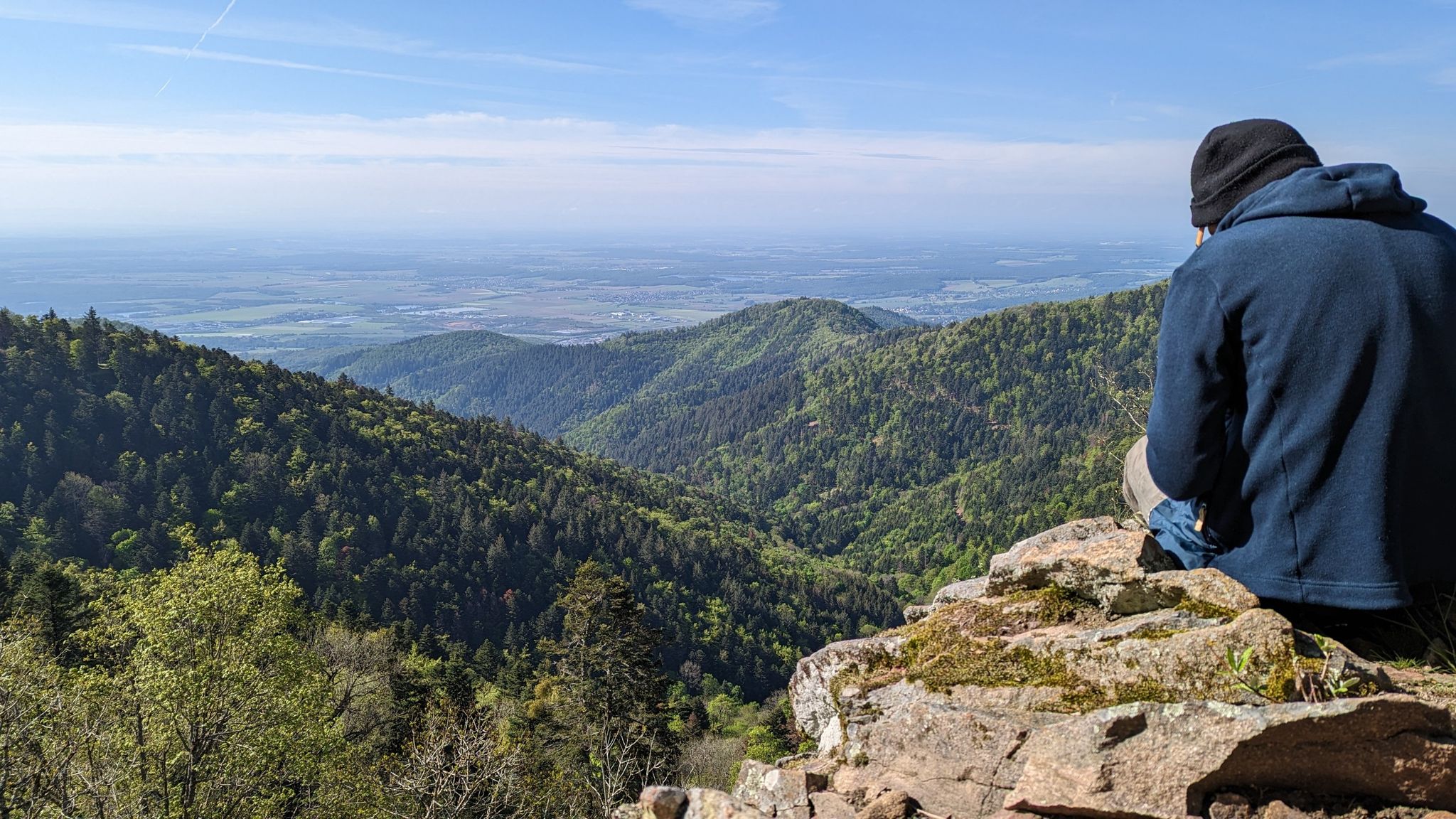
Sentier de l'Europe (GR 5) – Montbéliard to Abreschviller
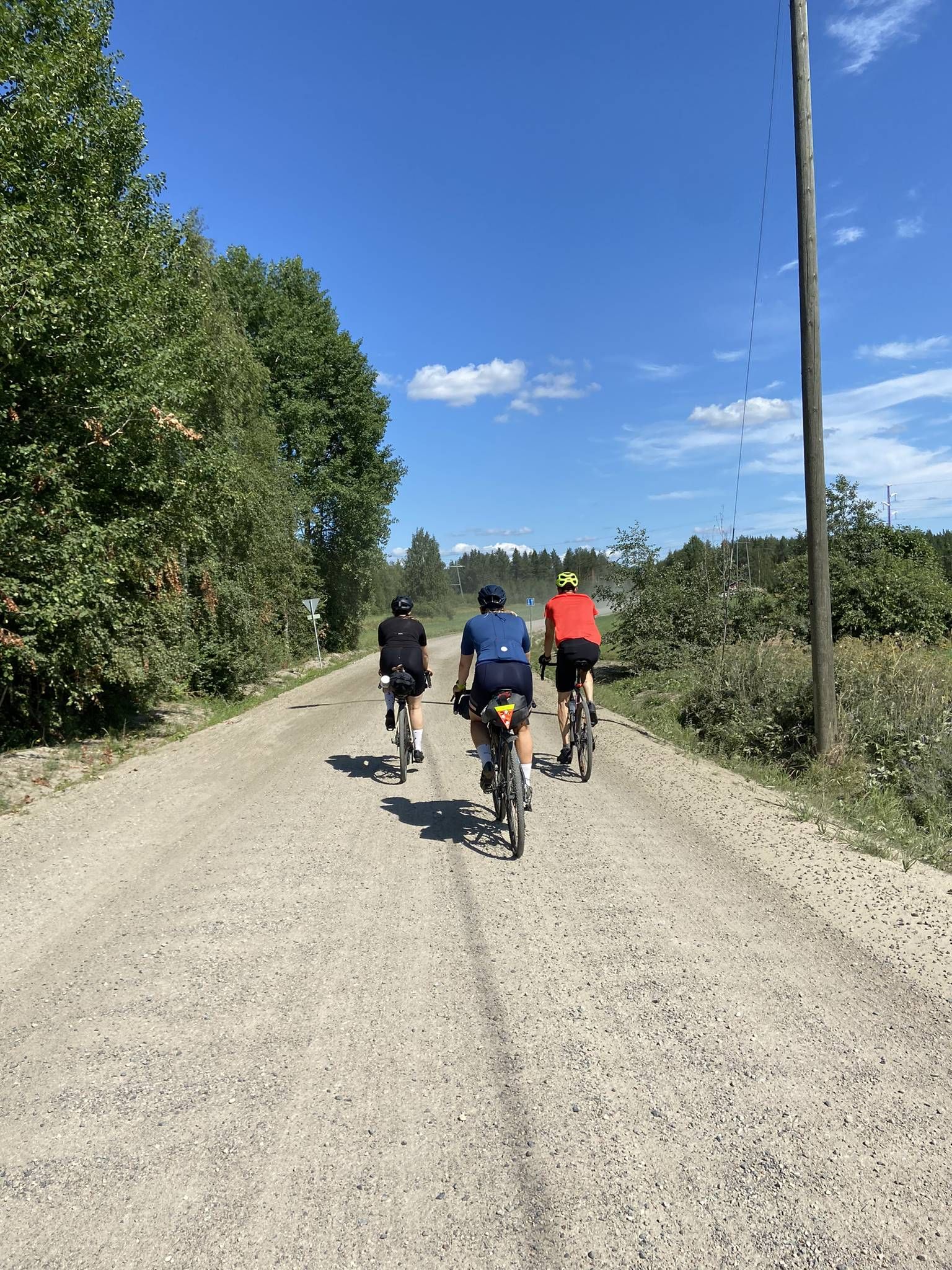
Naples to North Cape — Two friends, one purpose and many scoops of ice-cream
Other adventures in Great East


Tips from the Community

The Frankenthal-Missheimle National Nature Reserve is one of the most spectacular and ecologically valuable nature reserves in the High Vosges. It extends along the Alsatian eastern side of the Vosges ridge between Hohneck and Col de la Schlucht. The area is characterized by steep glacial valleys (cirques), vertical rock faces, high moors, and alpine plateaus. Landscape highlights in the protected area The Frankenthal Valley: A kettle-shaped, deeply incised glacial valley. The Ferme Auberge of the same name is located here amidst lush meadows. The Martinswand: An imposing, almost vertical rock face directly above the valley. It is an extremely popular area for climbers and a breeding ground for rare birds. The Hirschsteine (Rochers des Hirschsteine): A striking rock formation that can be climbed via an adventurous path secured with ladders and steps (the Sentier des Hirschsteine). The Missheimle Moor: A sensitive high moor below the rocks of the Petit Wurzelstein. Flora and Fauna The harsh microclimate has preserved Ice Age relics and alpine species here: Animals: The reserve is famous for its chamois, which can be observed in the steep slopes of the Wormspel, especially in the morning. The extremely rare and protected capercaillie (Grand Tétras) and peregrine falcons also live here. Plants: Botanical specialties such as arnica, yellow gentian, and the Vosges alpine knotweed shape the vegetation.
0
0

ATTENTION: Sentier des Roches is closed from 1 November until 30 April.
3
1

A lovingly furnished grotto for the little dwarves
0
0

This is and has been one of the most beautiful hikes in decades – a mystical (fairy) forest with a picturesque gorge through which a clear stream meanders, burbling and gurgling! Truly, simply beautiful – nature that captivates, fascinates, and casts its spell...!!! Again and again...
2
0

The route is not accessible! It's cordoned off with tape and prohibited.
1
0

The bridge is closed due to the risk of falling.
2
0

An unexpected trail but without regrets...
2
0

Great corner with mega views
2
0
Frequently Asked Questions
What kind of canyoning experiences can I find in the Grand Est region?
The Grand Est region, particularly in the Vosges Mountains, offers diverse canyoning experiences. You can find routes suitable for beginners and families, such as the Seebach Canyon near Ballon d'Alsace and Wildebach, which feature rappelling, jumps into natural pools, and natural water slides. For more advanced adventurers, the Canyon de la Goutte des Saules and Canyon du Soultzbach provide routes with more vertical descents and a succession of cascades.
Are there family-friendly canyons or gorges suitable for children in Grand Est?
Yes, several options are suitable for families. The Seebach Canyon is accessible for children from 8 years old, offering a mix of rappelling, jumping, and sliding in a preserved natural setting. The Wildebach canyon in the Vosges is also noted as a family-friendly option for discovering canyoning. For hiking, the Crosery Gorges offer gentle trails along a river, with picnic areas and opportunities for children to enjoy the water.
Where can I find challenging hiking trails with gorge-like features in Grand Est?
For challenging hikes with impressive gorge features, the Sentier des Roches is highly recommended. This alpine trail requires sure-footedness and a head for heights, featuring breathtaking rock formations and steep paths. It's an adventurous experience for experienced hikers. Another option is the Wormspel Combe, which offers superb scenery and a breathtaking panorama, often part of more strenuous mountain hikes.
What are some unique geological formations or 'hidden gems' to explore in Grand Est?
Beyond traditional canyons, the Carrière Barrois near Freyming-Merlebach in Moselle offers a unique, canyon-like landscape. This former sandstone quarry, now reclaimed by nature, stretches over 7.5 kilometers and presents a striking, ochre-colored environment reminiscent of an American canyon. It's a fascinating site for its visual experience and rich biodiversity. Additionally, the Dwarves' Grotto features an impressive gorge with a crack in the rock leading to a plateau with beautiful views.
What natural features can I expect to see when visiting the gorges in Grand Est?
When exploring the gorges in Grand Est, you can expect to encounter a variety of natural features. These include lush forests, granite peaks, winding rivers, and impressive rock formations. Many gorges feature waterfalls, natural water slides, and clear, emerald pools carved by centuries of flowing water. Sites like the Crosery Gorges are known for their serene atmosphere, with the soothing sound of water and green surroundings.
What outdoor activities are available near the canyons and gorges in Grand Est?
Beyond canyoning and hiking within the gorges, the Grand Est region offers a wide range of outdoor activities. You can find numerous hiking trails, from easy walks to challenging mountain routes. For example, you can explore easy hikes or mountain hikes in the region. The area is also popular for cycling, including gravel biking, allowing you to explore the diverse landscapes surrounding the canyons.
Is there a specific time of year that is best for visiting the canyons in Grand Est?
The best time to visit the canyons and gorges in Grand Est largely depends on the activity. For water-based activities like canyoning, the warmer months from late spring to early autumn (typically May to September) are ideal, as water levels are generally suitable and temperatures are pleasant. For hiking and exploring the scenic gorges, spring and autumn offer comfortable temperatures and beautiful foliage, though summer is also popular. Always check local conditions, especially after heavy rainfall, as water levels can change rapidly.
What should I wear or bring for canyoning in Grand Est?
For canyoning, it's essential to wear appropriate gear for safety and comfort. This typically includes a wetsuit (often provided by guiding companies), a helmet, and sturdy shoes with good grip that can get wet. You'll also need a harness for rappelling. It's advisable to bring a change of clothes, a towel, and a waterproof bag for personal items. Always consult with your canyoning guide or tour operator for specific equipment recommendations.
Are there any historical or cultural sites near the gorges in Grand Est?
While the primary focus of the gorges is natural beauty, some sites have historical or legendary connections. For instance, Dagobert's Cave and the Druids' Grotto are notable for their names suggesting ancient folklore or historical presence. The Dwarves' Grotto is also steeped in local legends about mythical creatures. These sites offer a blend of natural exploration with a touch of local history and myth.
What do visitors enjoy most about the gorges in Grand Est?
Visitors frequently praise the immersive natural beauty and the adventurous opportunities. Many appreciate the tranquility and the soothing sounds of water found in places like the Crosery Gorges. The breathtaking rock formations and panoramic views, especially from spots like Wormspel Combe and the Sentier des Roches, are also highly valued. The combination of challenging trails and serene natural settings makes for a memorable experience.
Can I find gorges with waterfalls in the Grand Est region?
Yes, many gorges in the Grand Est region feature beautiful waterfalls. The Vosges Mountains, in particular, are known for their winding rivers and cascades. For example, the Phény stream is a notable gorge with a waterfall. The Canyon de la Goutte des Saules and Canyon du Soultzbach also involve descending a succession of cascades during canyoning activities, and the Crosery Gorges offer trails leading past waterfalls.
Most popular routes in Great East
Most popular attractions in Great East

Get inspired with the komoot mobile app


Didn’t find what you were looking for?
Want to see even more gorges? See the best ones in Great East region by region:
Explore more
Already discovered everything in this region? See additional gorges in Great East for your next adventure:
