Top 20 Castles in Brittany
Castles in Brittany offer a journey through the region's rich history and diverse landscapes. This area, known for its rugged coastline, ancient forests, and distinct cultural heritage, features a collection of historical fortifications. These structures range from medieval strongholds to elegant châteaux, each providing insight into Brittany's past. The castles are situated across various geographical settings, from coastal areas to river valleys.
Best castles in Brittany
- The most popular castles is Suscinio Castle, a castle that served as a ducal residence from the 13th century. Located on the Rhuys peninsula, it features an impressive moat and turrets, with historical activities and an animal park on its estate.
- Another must-see spot is Château de Josselin seen from the Sainte-Croix bridge, a castle and historical site. From this viewpoint, visitors can observe the castle's imposing towers reflected in the River Oust, showcasing its dual architectural nature.
- Visitors also love Saint-Malo Castle, a castle integrated into the city wall. Built between the 15th and 18th centuries, it now houses a museum and is classified as a historic monument.
- Brittany is known for its medieval fortresses, ducal residences, and coastal fortifications. The region offers a variety of castles to explore, each with unique architectural styles and historical significance.
- The castles in Brittany are appreciated by the komoot community, with more than 100 highlights and over 250 photos shared.
Last updated: August 2, 2026
Saint-Malo Castle
Highlight • Castle
Translated by Google •
Tip by

Concarneau - Ville Close
Highlight • Monument
Translated by Google •
Tip by

Sign up now to discover places like this
Get recommendations on the best single tracks, peaks, & plenty of other exciting outdoor places.
Sign up for free
Château de Turpault
Highlight • Castle
Translated by Google •
Tip by

Queen's Fort
Highlight • Castle
Translated by Google •
Tip by

Suscinio Castle
Highlight • Castle
Translated by Google •
Tip by

Château de Josselin seen from the Sainte-Croix bridge
Highlight • Castle
The castle can be visited and also houses a museum of dolls and toys.
Translated by Google •
Tip by

Josselin Castle
Highlight • Religious Site
Translated by Google •
Tip by

View of Fort National from Éventail Beach
Highlight • Viewpoint
Translated by Google •
Tip by

Fort des Capucins
Highlight • Historical Site
Translated by Google •
Tip by

view of Costaérès Island and Castle
Highlight • Castle
This was built on an islet bought by Bruno Abakanowicz (also called Bruno Abdank, who built a little later around 1896 the Hôtel Bellevue in Ploumanac'h), engineer and mathematician of Polish origin at the end of the century. summer 1892 to the customs officer René Le Brozec, a Perrosien who cultivated potatoes there and dried lichen and fish. The transaction at the time was 0.25 francs per square meter. It was completed around 1896 by the engineer Lanmoniez and the Lannionnais entrepreneur Pierre Le Tensorer. After her death in 1900, her daughter, Sofia Abakanowicz, who had become Madame Poray, had the villa extended by a wing to the west in return on the rear facade.
During the Second World War, the villa was requisitioned by the German army, and suffered some interior damage.
Following roofing work, on September 6, 1990, a fire partially destroyed the interior of the building. The image of this castle on its islet is often used to illustrate postcards and tourist guides of the Côte de granit rose, Côtes-d'Armor and Brittany. fr.wikipedia.org/wiki/Ch%C3%A2teau_de_Costa%C3%A9r%C3%A8s
Translated by Google •
Tip by

Sign up for free to discover even more castles in Brittany.
Sign up for free
Already have an account?
Start today with a free account
Your next adventure awaits.
Login or Signup
Popular around Brittany
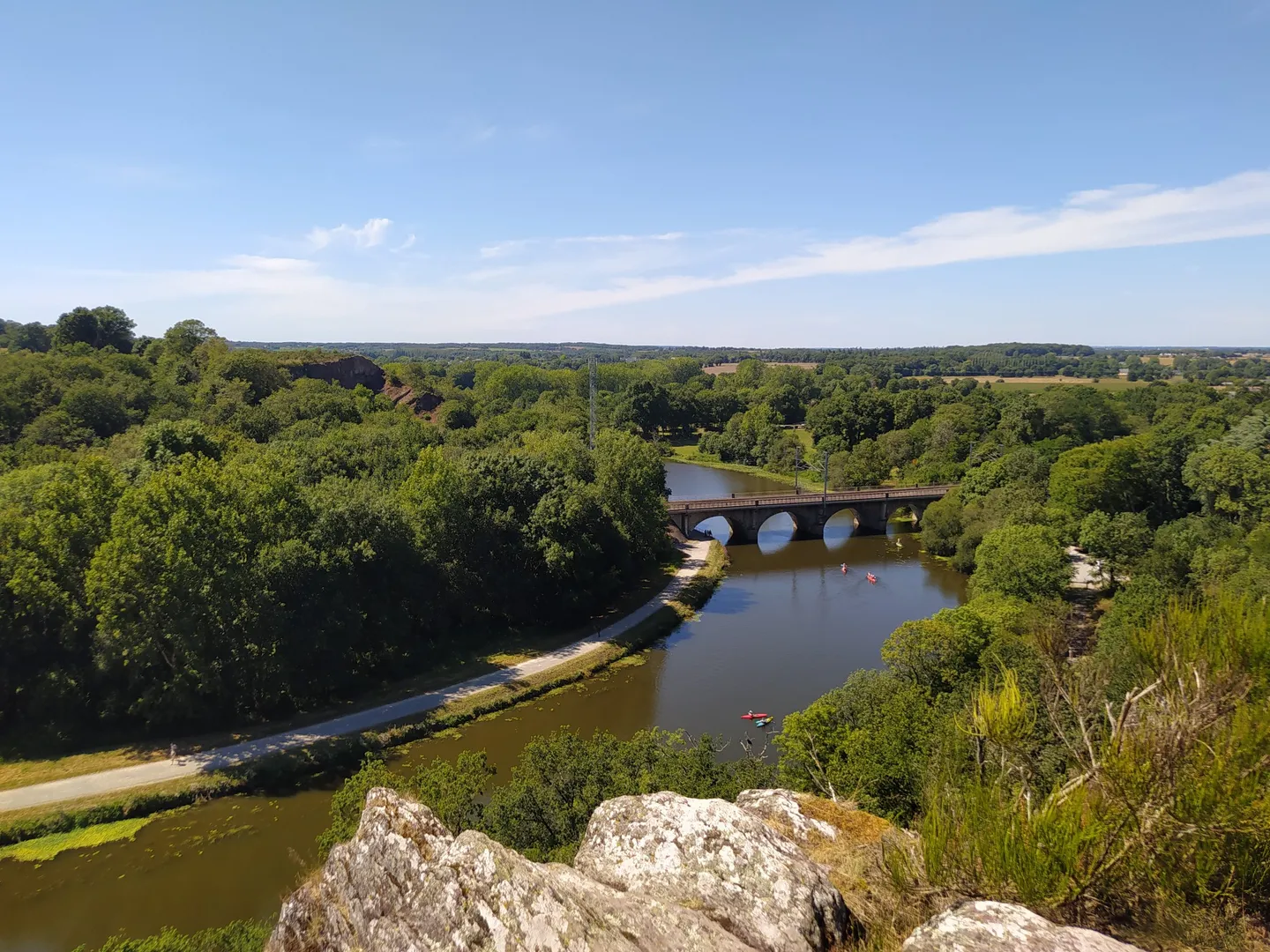
The GR 39 — On the historical traces of Brittany
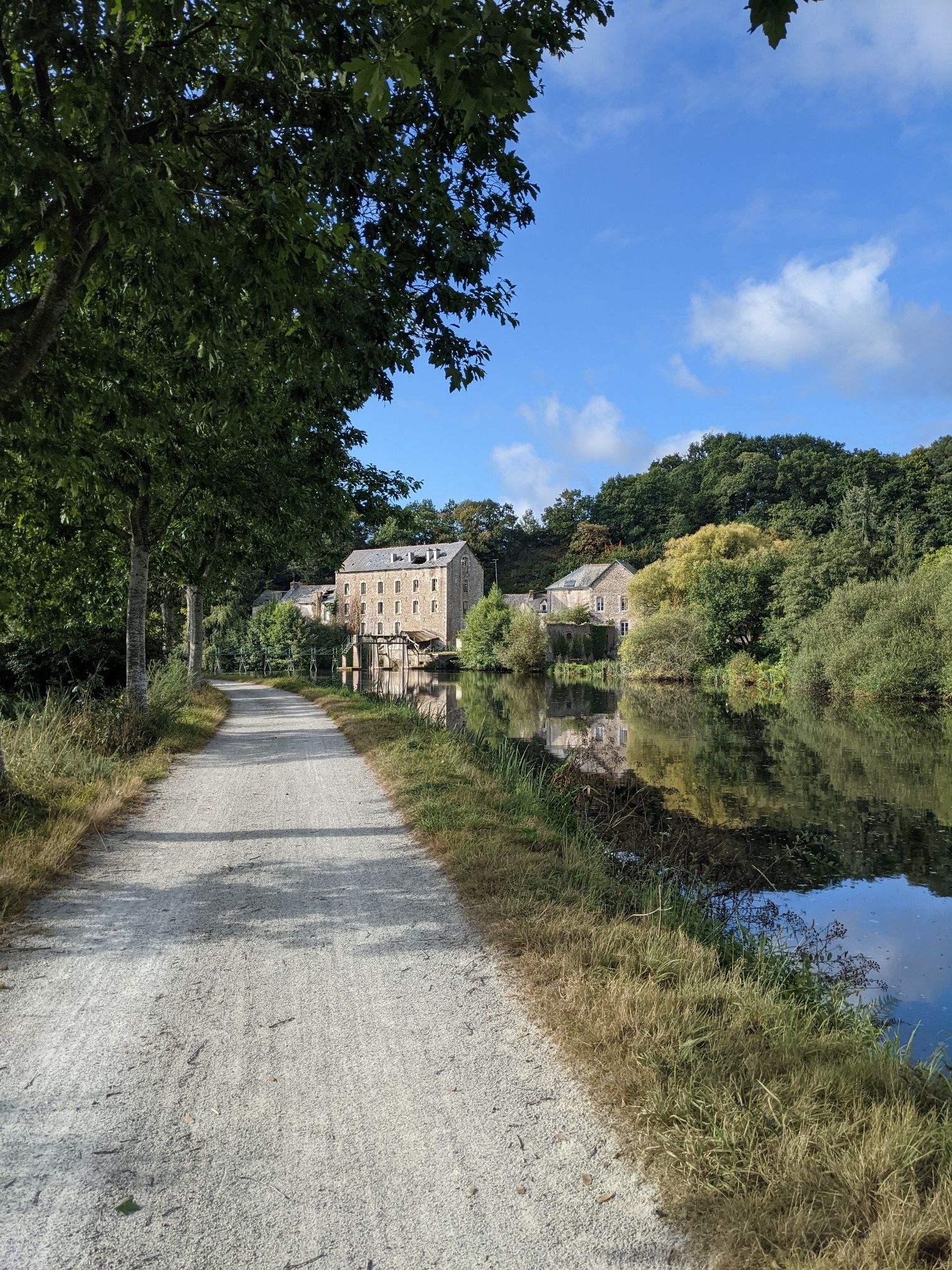
Nantes-Brest Canal – Cycling along Brittany's towpaths
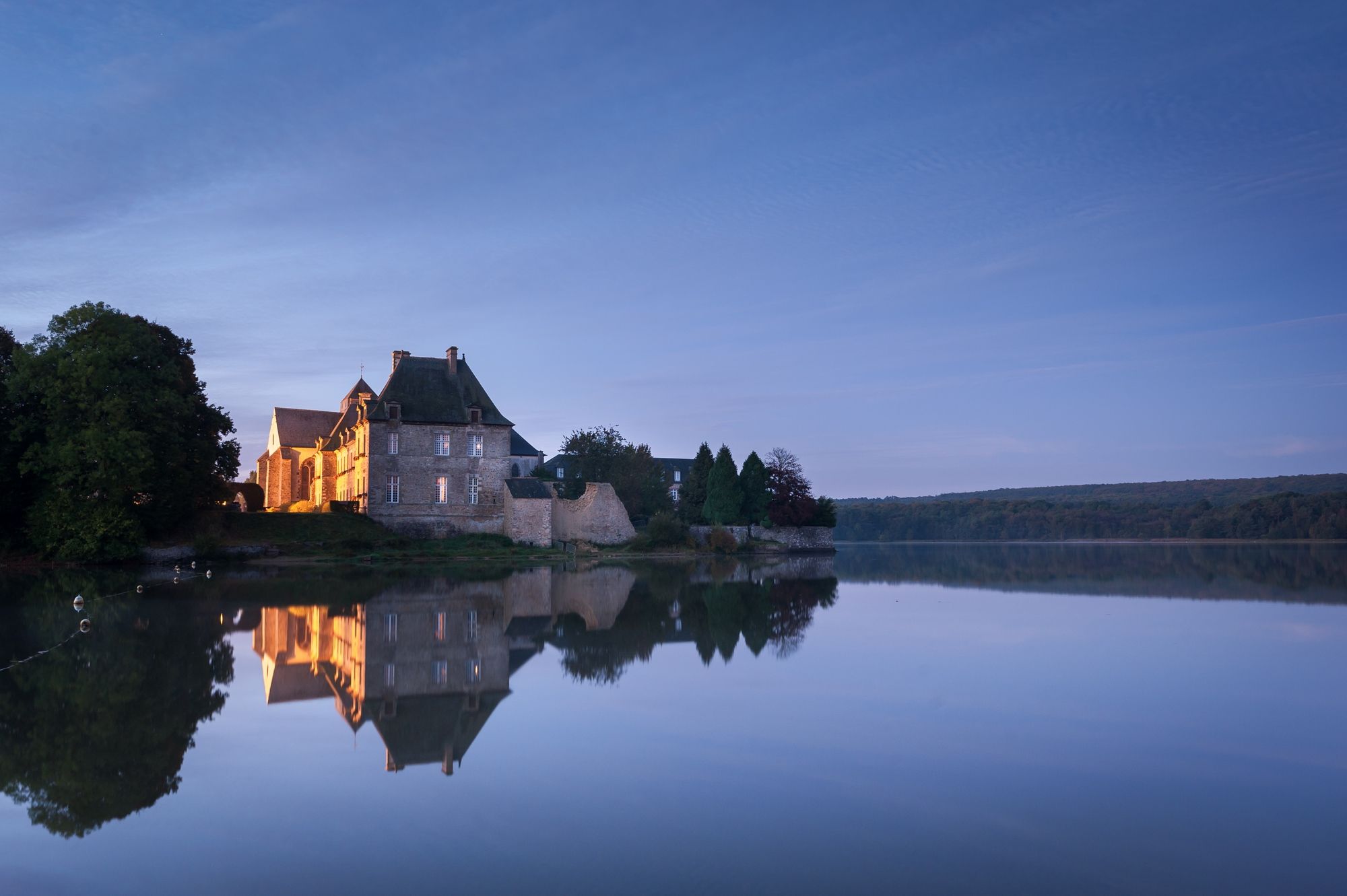
GR® de Pays Tour de Brocéliande – In pursuit of the druids
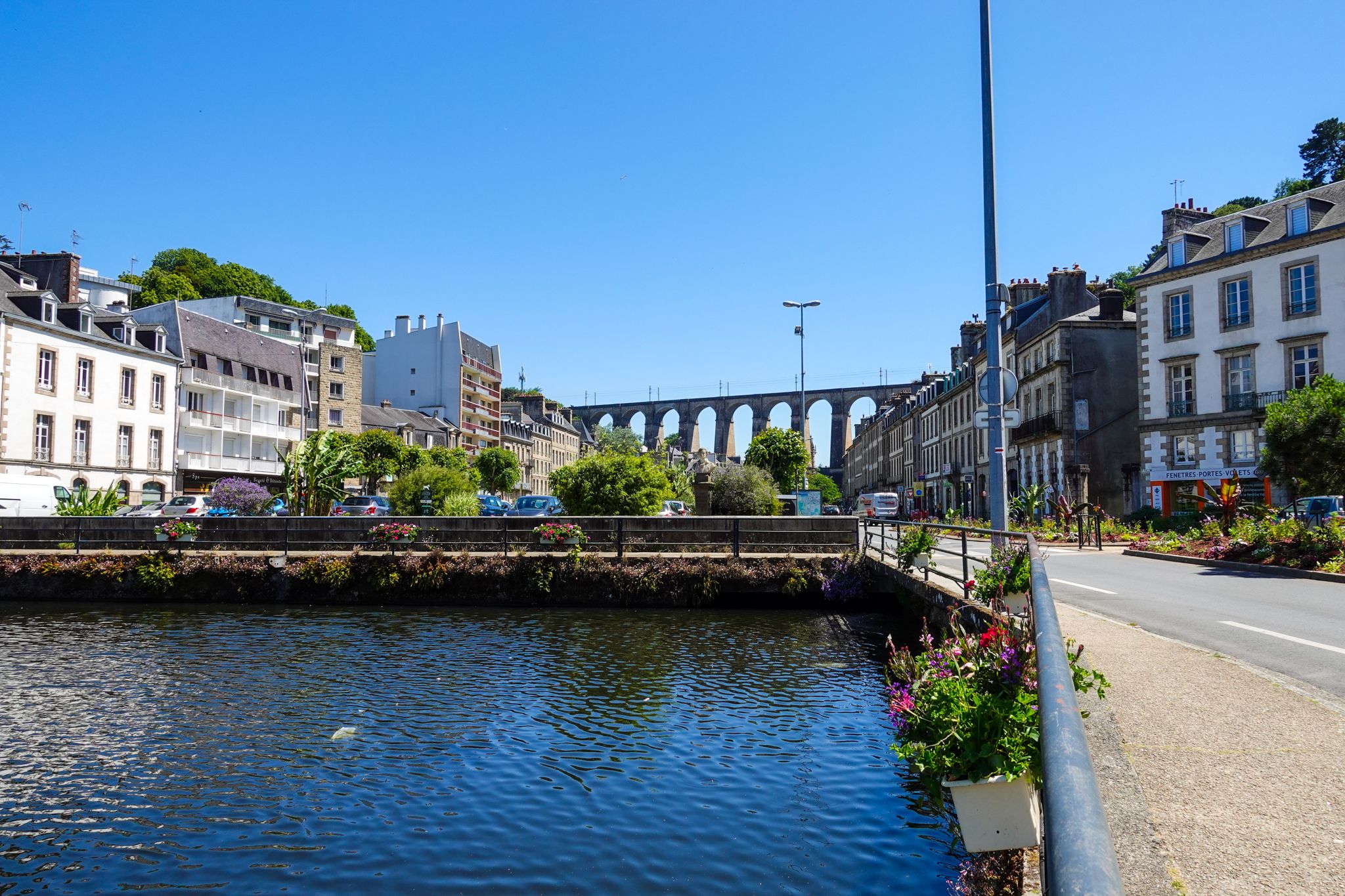
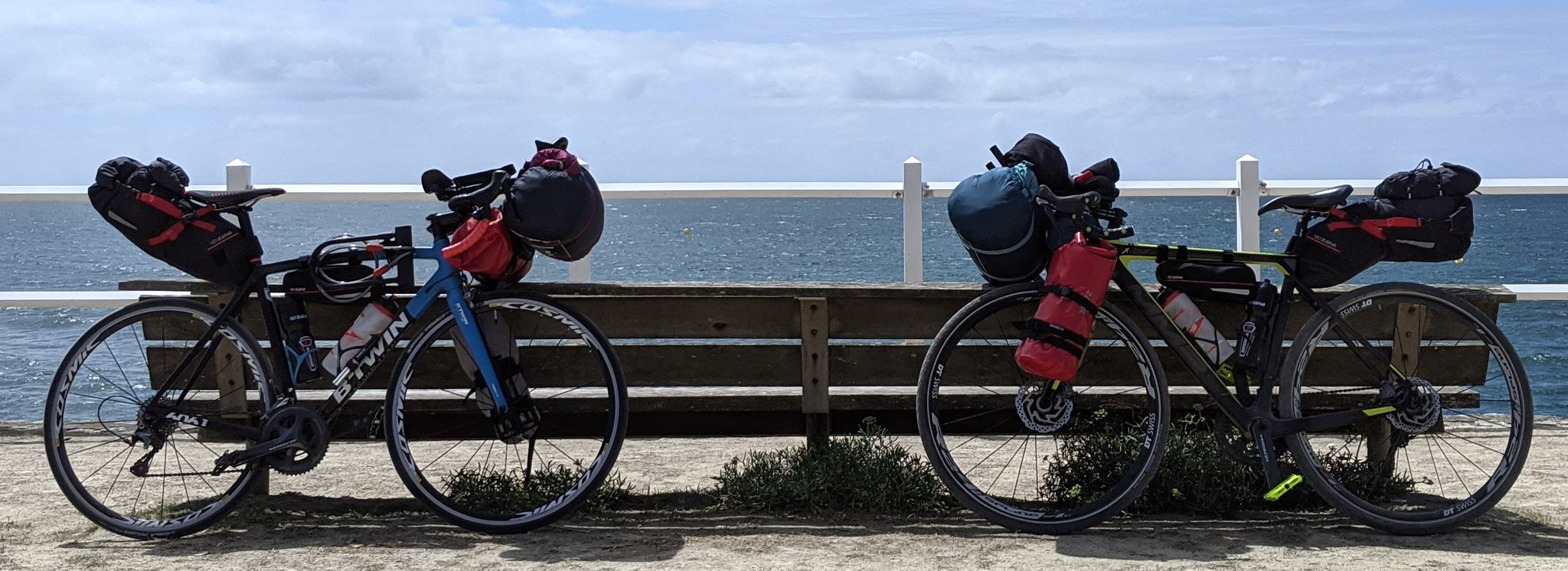
EuroVelos 1 and 4 — Cycle-touring a week in Brittany
La Vélodyssée — From north to south via the ocean
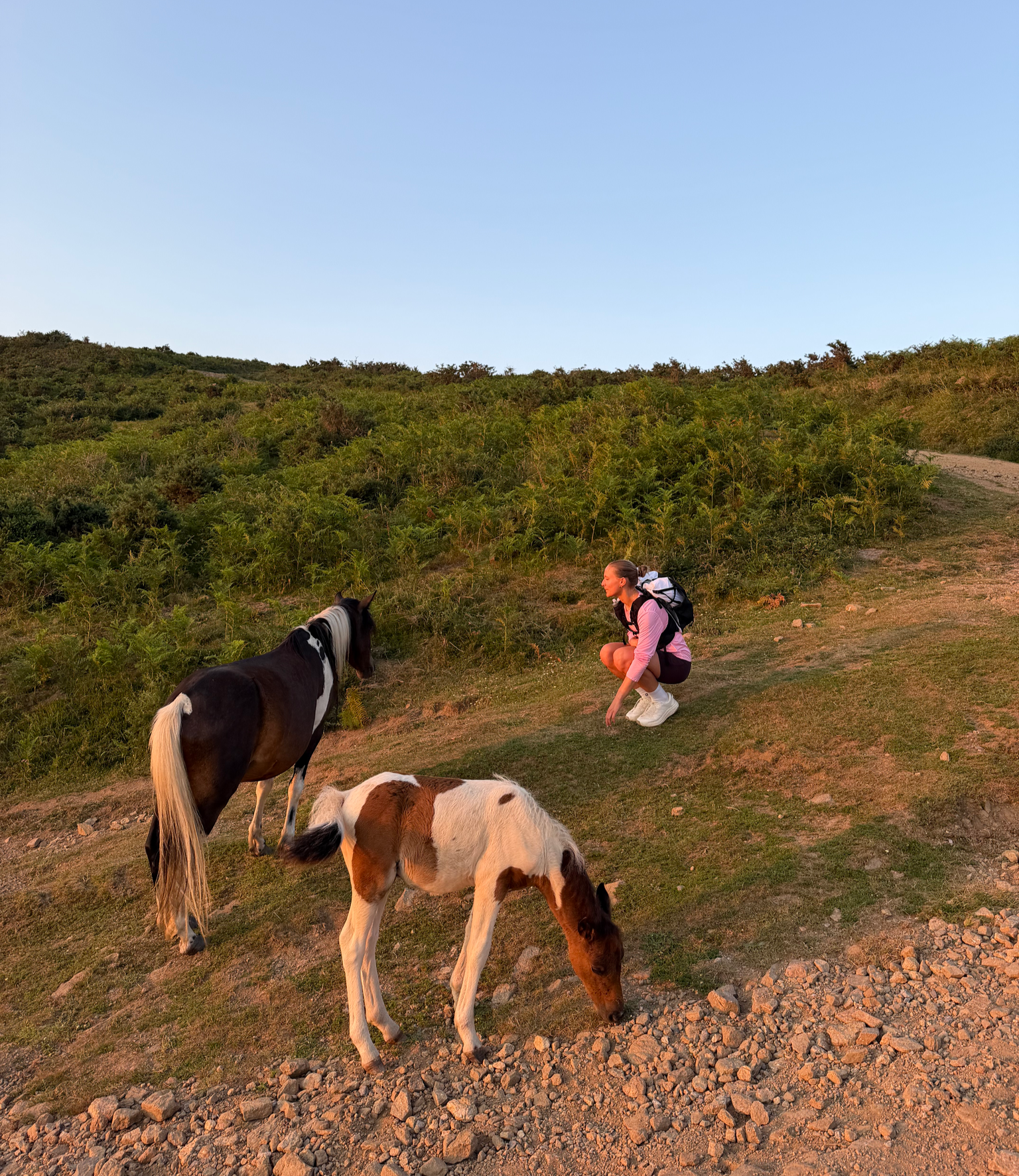
France’s Best Sunrise & Sunset Hikes
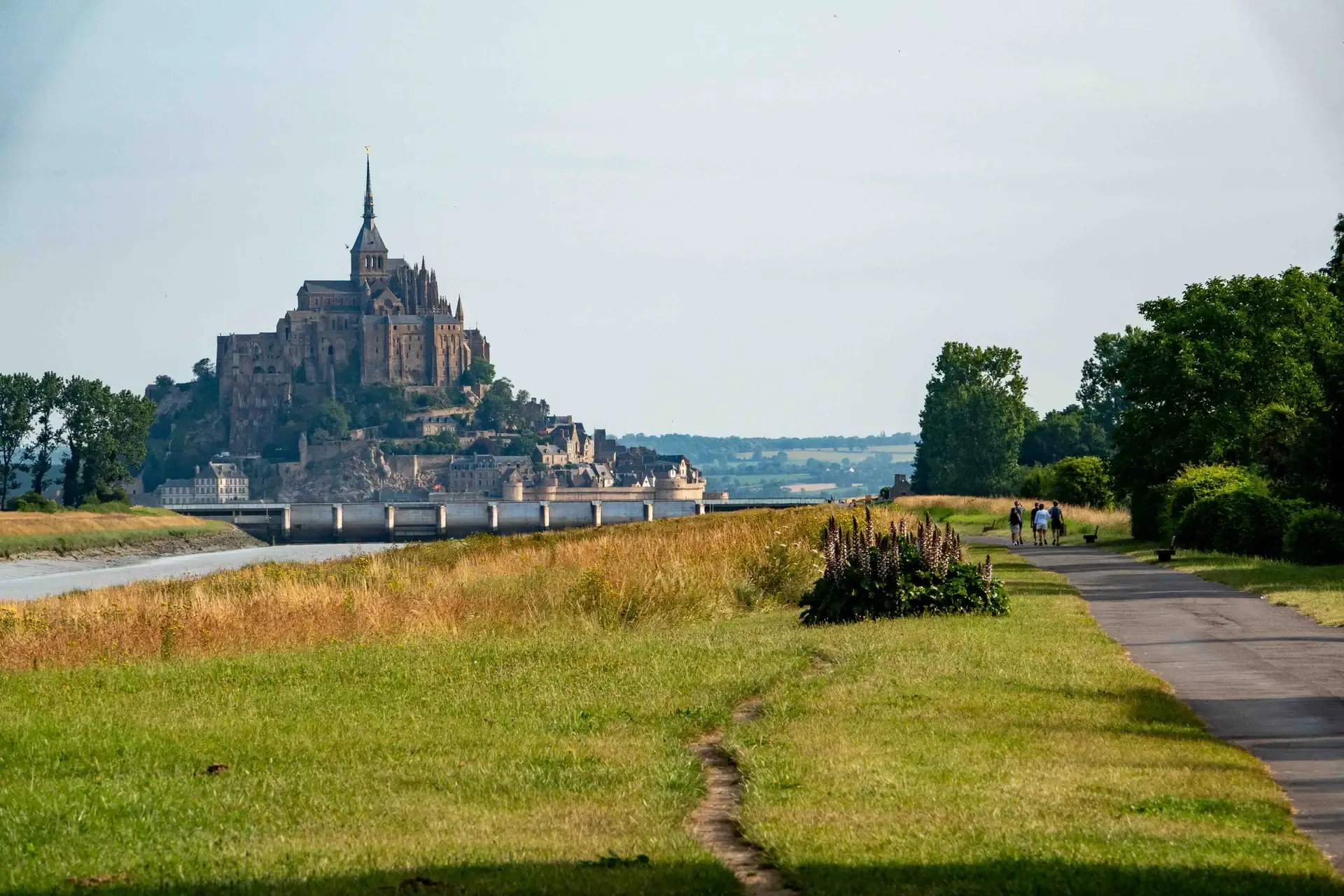
History and gastronomy - La Régalante
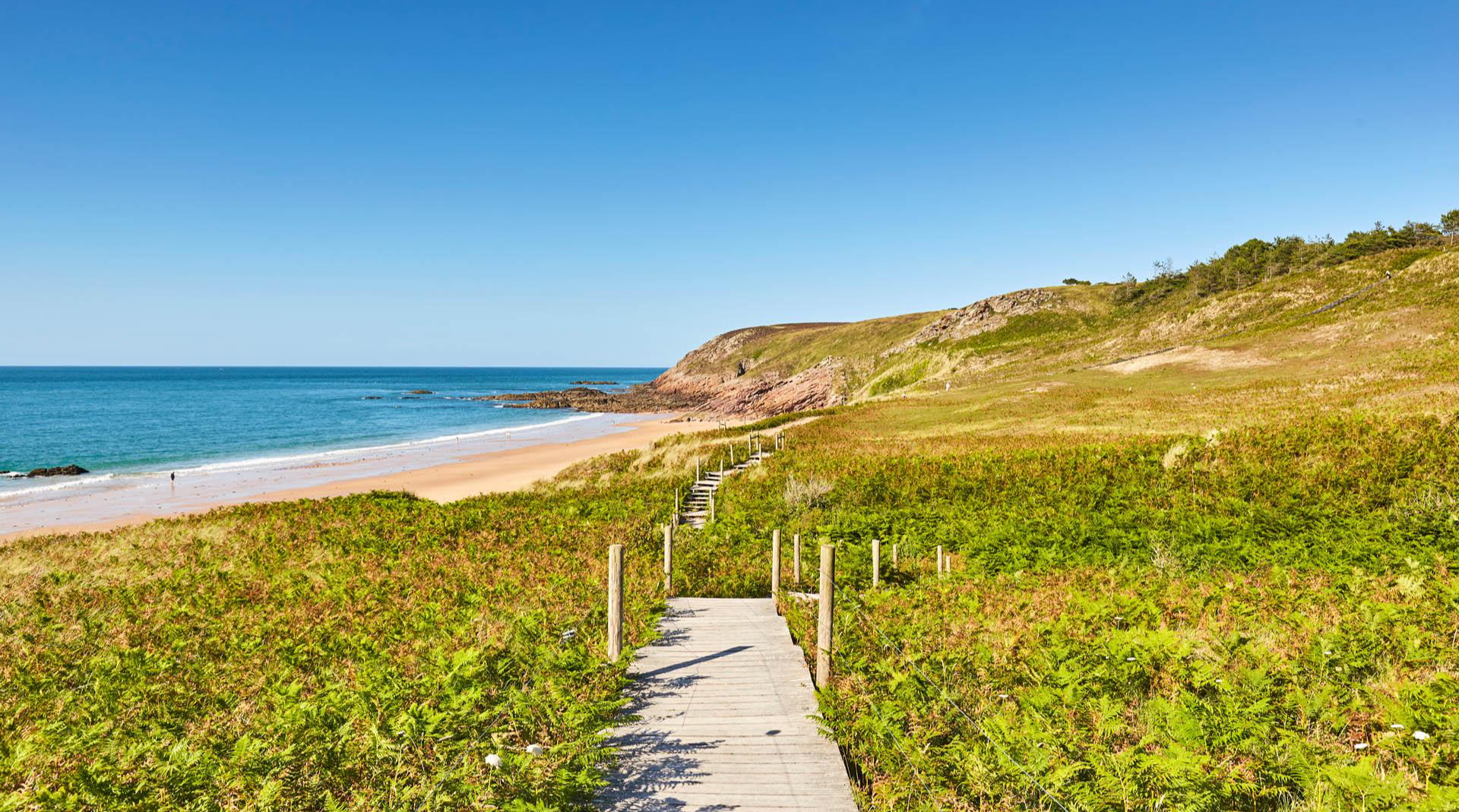
Cap d’Erquy Val-André on foot – sea, nature and Breton heritage
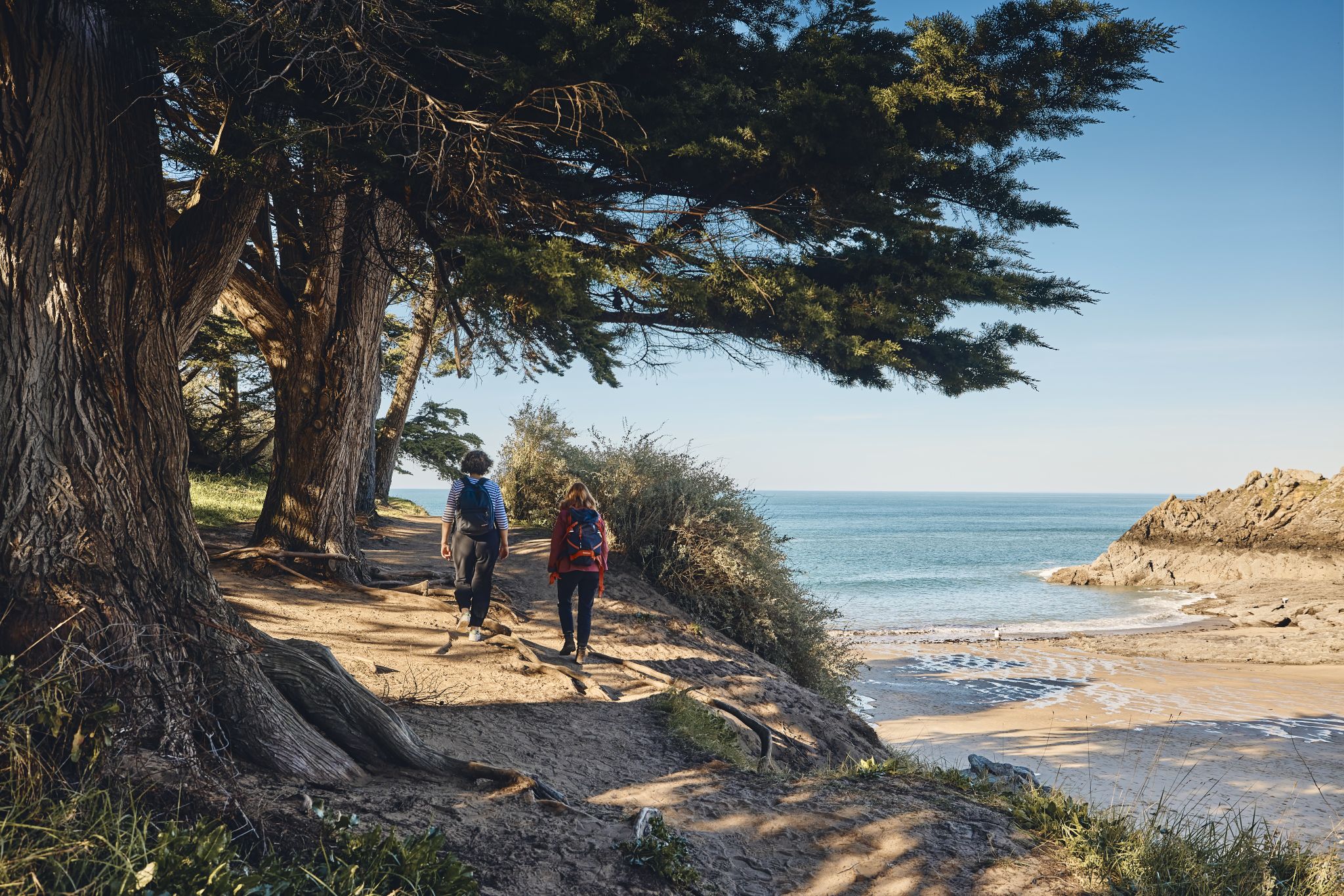
10 of the most beautiful walks in Brittany
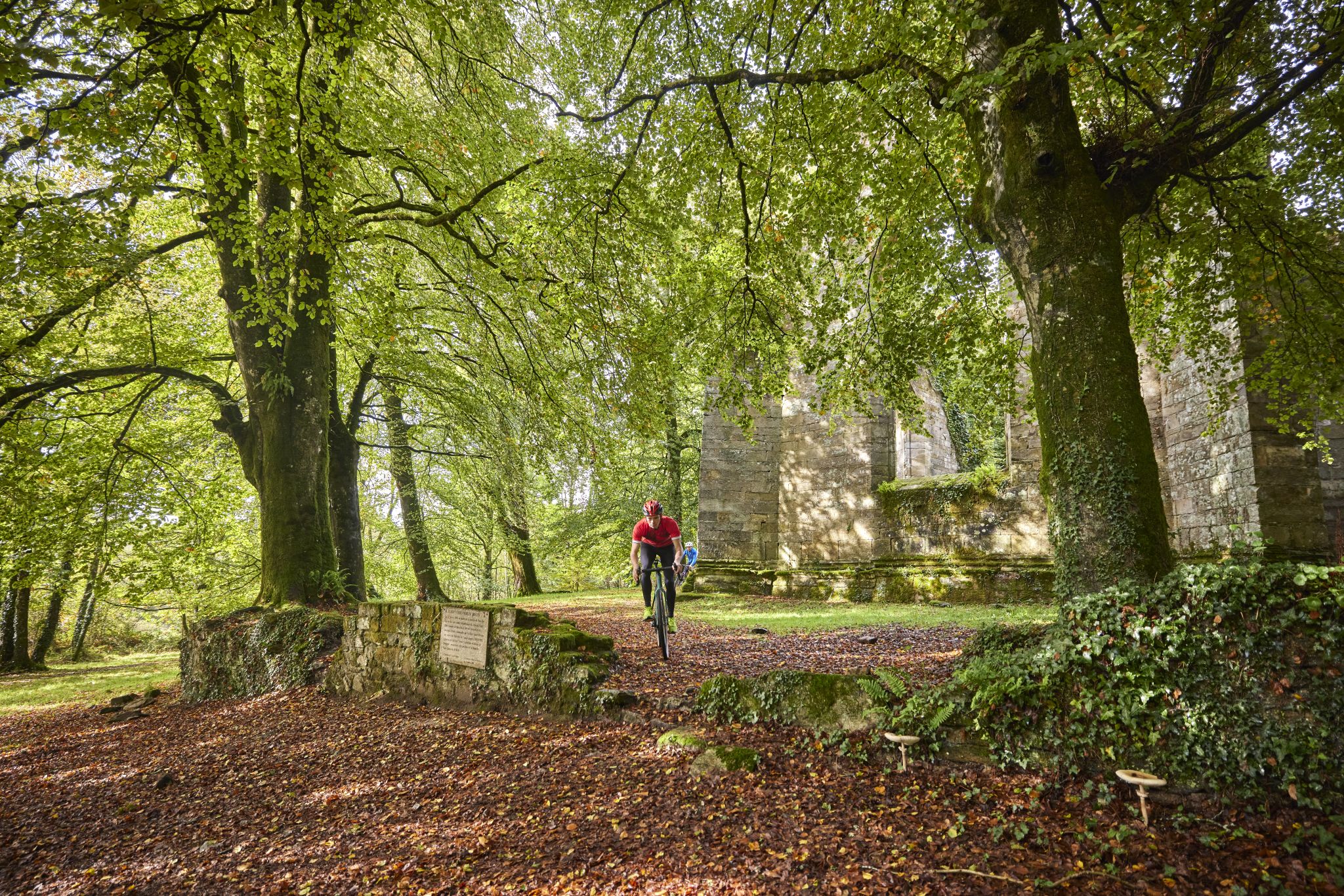
7 gravel routes to discover in Brittany
Other adventures in Brittany


Tips from the Community

The Château de Saint-Malo, also known as the Château de la Duchesse Anne, is located in the heart of the old town (intra-muros). Built between the 15th and 17th centuries, it served both as a military defense and as a representative office for the Dukes of Brittany. It was further fortified under Vauban. The castle suffered damage throughout its history, including during the French Revolution and World War II, but has been restored. Today, it houses the city hall and, until 2019, was home to the Musée d'Histoire de la Ville et du Pays Malouin.
25
0
The Fort à la Reine is a historic bastion of the city walls of Saint-Malo, originally built in the 17th century by order of Vauban and later heightened in the 18th century. Located at the northwestern tip of the city, near the Tour Bidouane and the Plage de Bon-Secours, it provided strategic defense across the bay. Today, it is freely accessible, part of the city wall circuit, and offers panoramic views.
21
0

very interesting although a tourist hotspot
2
0

The Fort à la Reine in Saint-Malo is a historic bastion that forms part of the city's fortifications. It was originally built in 1694 as the "Bastion du Cheval-Blanc" after an Anglo-Dutch attack on Saint-Malo. The famous military engineer Vauban ordered its construction to better protect the city against enemy attacks.
8
0
The Château de Saint-Malo is a historic castle in the city of Saint-Malo, Brittany. Located in the old town of Saint-Malo (Intra-Muros), close to the city beach and the city walls. Built in the 15th century by the Dukes of Brittany, particularly under Duke Jean V, it originally served to control the city of Saint-Malo, which was known for its strong sense of independence.
9
0

Magical town with a fairytale castle. (however, I recommend you swerve the Logis Hotel-Restaurant du Chateau). Or if you can find no other accommodation, at least avoid eating in the restaurant, which was one of the few outright poor places to eat I've found in France.
0
0

The fort dates back to the 19th century and takes its name from a rock that is said to look like a praying monk - an impressive backdrop in any case.
1
0

Frequently Asked Questions
Which castles in Brittany are particularly family-friendly?
Many castles in Brittany offer activities for families. For example, Suscinio Castle features historical activities, treasure hunts, workshops, and an animal park. The Château de Fougères provides audioguides and activity booklets for children, and hosts performers in summer. Château de Bienassis offers interactive sound trails, medieval games, treasure hunts, and escape games. Château de Kerjean welcomes families with screenings, animated scale models, and telescopes.
Are there castles in Brittany with significant historical importance for history enthusiasts?
Brittany is rich in historically significant castles. The Saint-Malo Castle, built between the 15th and 18th centuries, is integrated into the city wall and now houses a museum. Château de Fougères, an 11th-century medieval fortress, was crucial for protecting Brittany's border. Château de Vitré served as a refuge for the Parlement de Bretagne. Suscinio Castle was a majestic residence of the Dukes of Brittany. Château de Josselin has been the ancestral home of the Rohan family for over a thousand years, showcasing centuries of architectural evolution.
What natural features or viewpoints can I enjoy near Brittany's castles?
Several castles offer stunning natural surroundings and viewpoints. From Suscinio Castle, you can climb a tower for breathtaking views of the Atlantic Ocean and the Suscinio marshes. The Château de Combourg overlooks the 'Tranquil Lake' and is surrounded by a 25-hectare park. Château de la Roche-Jagu provides magnificent views of surrounding valleys, ideal for sunsets. You can also get a superb view of Château de Josselin from the Sainte-Croix bridge, with its towers reflected in the River Oust.
What is the best time of year to visit castles in Brittany?
The best time to visit Brittany's castles often depends on your preferences. Spring is ideal for seeing the magnificent gardens in bloom, such as those at Château de Trévarez. Summer offers pleasant weather for exploring grounds and attending outdoor events, like the performances at Château de Fougères. Some castles, like Château de Trévarez, also host special illuminations around Christmas.
Are there opportunities for outdoor activities like hiking or cycling near Brittany's castles?
Yes, Brittany offers numerous outdoor activities near its castles. You can find various hiking routes, such as the 'Cap Fréhel and Fort La Latte' loop, or the 'Tour of the island of Bréhat'. For cyclists, there are cycling routes like 'On the Quiberon peninsula' or sections of 'La Vélomaritime'. Road cycling options are also available, including 'West of Rennes' and 'La Littorale and Pointe Saint-Mathieu Loop' from the Road Cycling Routes in Brittany guide.
Which castles in Brittany are known for their unique architecture?
Brittany's castles display diverse architectural styles. Château de Josselin presents a striking duality: an impregnable fortress from the river and a masterpiece of Breton Flamboyant Gothic on its courtyard facade. Château de Trévarez stands out with its pink brick Belle Epoque architecture and innovative features like structural steelwork and elevators. Château de Fougères is a prime example of medieval French architecture with its numerous turrets and moat.
Can I find castles in Brittany that are located near the coast or beaches?
Yes, Brittany has several castles with coastal proximity. Suscinio Castle is uniquely situated just steps from the beach, almost with its 'feet in the water,' offering views of the Atlantic Ocean. Château de Bienassis is located on the North Brittany coast. You can also find coastal fortifications like Saint-Malo Castle, which is integrated into the city wall, and View of Fort National from Éventail Beach.
Are there castles in Brittany that are still inhabited or have literary connections?
Château de Josselin has been the ancestral home of the Rohan family for over a thousand years, with the family still residing there. Château de Combourg is famous for its literary connections, particularly with the Romantic writer François-René de Châteaubriand, whose family still inhabits the castle. You can visit Châteaubriand's room in the Cat Tower, offering insight into his world.
What kind of gardens can I expect to see at Brittany's castles?
Many castles in Brittany boast impressive gardens. Château de Josselin features a renowned rose garden with over 160 varieties, formal French gardens, and an English landscape park. Château de Trévarez is famous for its magnificent 85-hectare gardens, labelled a 'remarkable garden,' with collections of hydrangeas, camellias, fuchsia, and Japanese maples. Château de Bienassis includes a charming vegetable garden and a sprawling forest park, while Château de la Roche-Jagu has extensively Gallic-styled gardens.
What do visitors particularly enjoy about the castles in Brittany?
Visitors appreciate the rich history and diverse experiences offered by Brittany's castles. Many enjoy the architectural grandeur, from medieval fortresses like Château de Fougères to elegant Renaissance châteaux. The engaging features, such as historical activities at Suscinio Castle, museums within castles like Saint-Malo Castle, and beautiful gardens, are frequently highlighted. The scenic locations, often with views of rivers, lakes, or the ocean, also contribute to a memorable visit.
Are there any castles in Brittany that offer virtual reality experiences?
Yes, Château de Bienassis provides virtual reality experiences that immerse visitors in the castle's history, offering a modern way to engage with its past.
Which castles in Brittany host cultural events or festivals?
Several castles in Brittany host cultural events. Château de Fougères hosts musicians, dancers, and performers during the summer. Château de Kerjean features temporary and permanent exhibitions, traditional festivals (fest-noz), and shows throughout the year.
Most popular routes in Brittany
Most popular attractions in Brittany

Get inspired with the komoot mobile app


Didn’t find what you were looking for?
Explore Brittany’s best castles region by region:
Explore more
Looking for the best castles somewhere else? Discover other guides in Brittany:
