Top 20 Natural Monuments in Brittany
Best natural monuments in Brittany are characterized by rugged coastlines, diverse landscapes, and unique geological formations. The region, known for its dramatic cliffs and ancient rock formations, offers numerous natural sites. These monuments showcase Brittany's natural heritage, from pink-hued granite to vast inland seas. The area provides varied terrain for exploration, reflecting its rich natural history.
Best natural monuments in Brittany
- The most popular natural monuments is Along the pink granite coast, a natural monument known for its extraordinary…
Last updated: August 6, 2026
Along the pink granite coast
Highlight • Monument
Translated by Google •
Tip by

Mean Ruz Lighthouse
Highlight • Monument
Translated by Google •
Tip by

Sign up now to discover places like this
Get recommendations on the best single tracks, peaks, & plenty of other exciting outdoor places.
Sign up for free
Pink Granite Coast
Highlight (Segment) • Natural Monument
Translated by Google •
Tip by

Pink Granite Coast
Highlight • Natural Monument
Translated by Google •
Tip by
Pointe du Raz
Highlight • Viewpoint
You can walk almost to …
Translated by Google •
Tip by

Isthmus of Penthièvre
Highlight • Natural
On these few meters a road, a railway line and the cycle …
Translated by Google •
Tip by

Cape Fréhel
Highlight • Viewpoint
Translated by Google •
Tip by

Rock formation near Ploumanac'h
Highlight • Natural Monument
Translated by Google •
Tip by

Grouin Point
Highlight • Viewpoint
Dominated by a semaphore built in 1861, …
Translated by Google •
Tip by

Pointe de Pen-Hir
Highlight • Viewpoint
Translated by Google •
Tip by

Sign up for free to discover even more natural monuments in Brittany.
Sign up for free
Already have an account?
Start today with a free account
Your next adventure awaits.
Login or Signup
Popular around Brittany
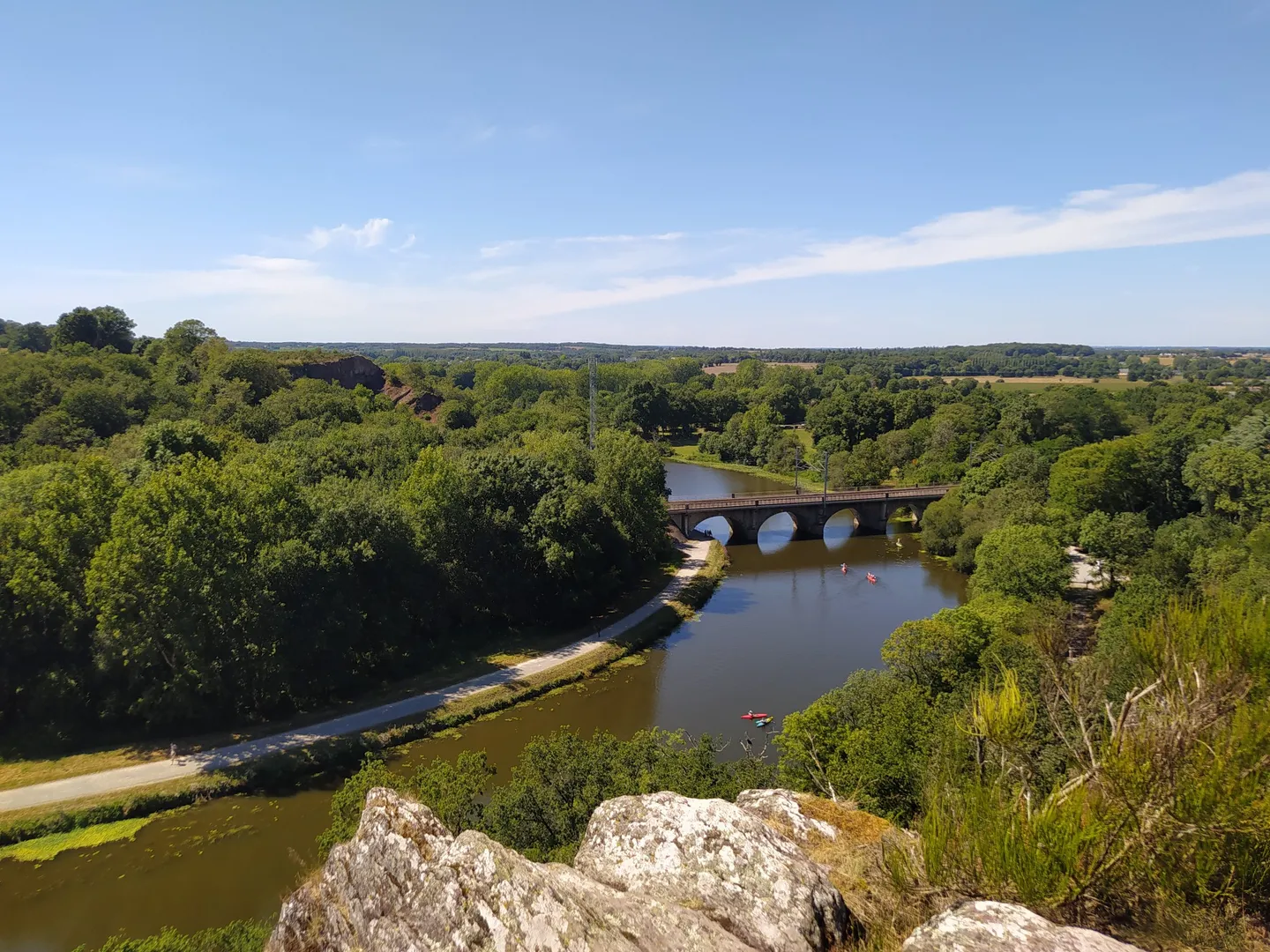
The GR 39 — On the historical traces of Brittany
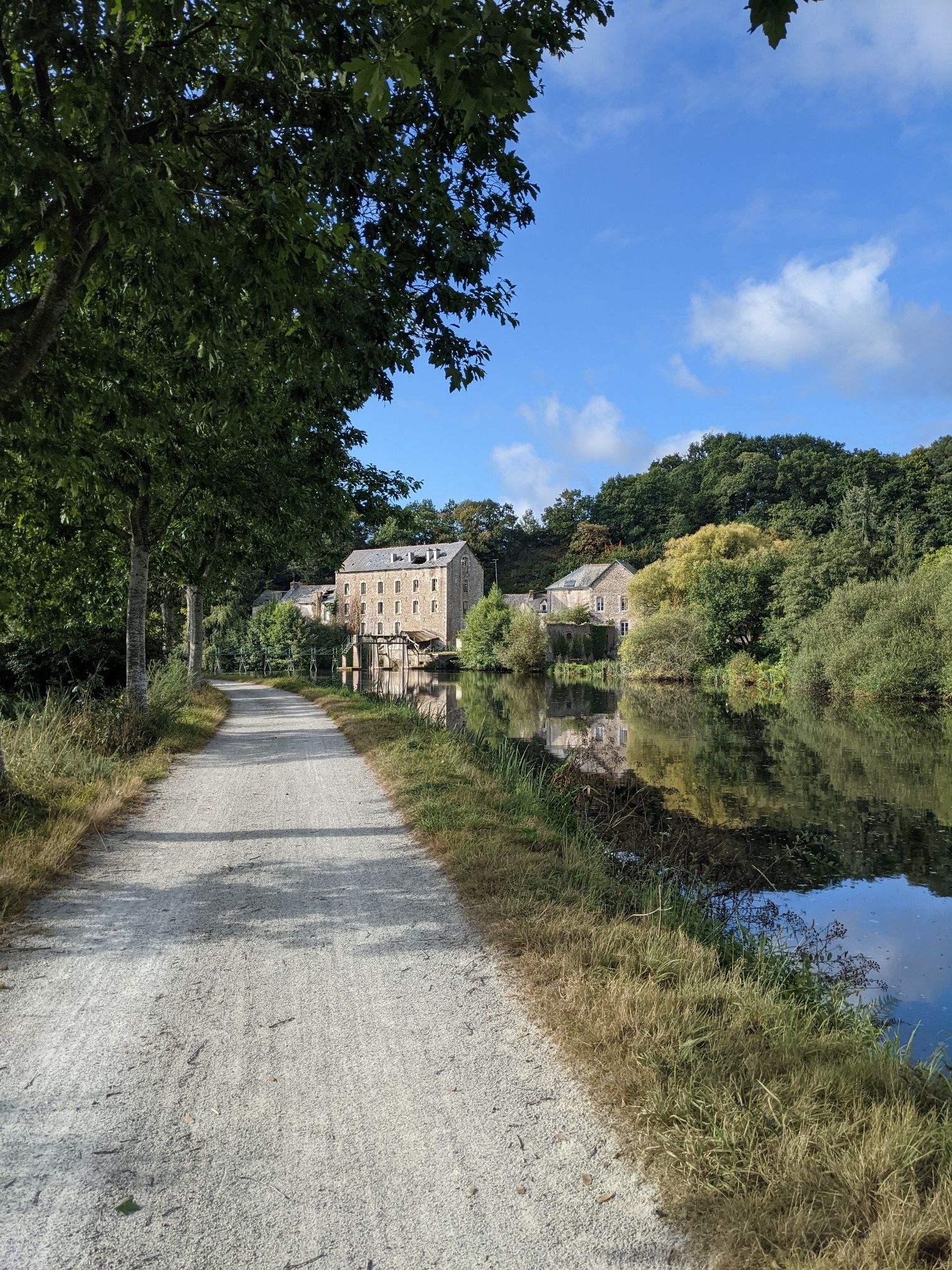
Nantes-Brest Canal – Cycling along Brittany's towpaths
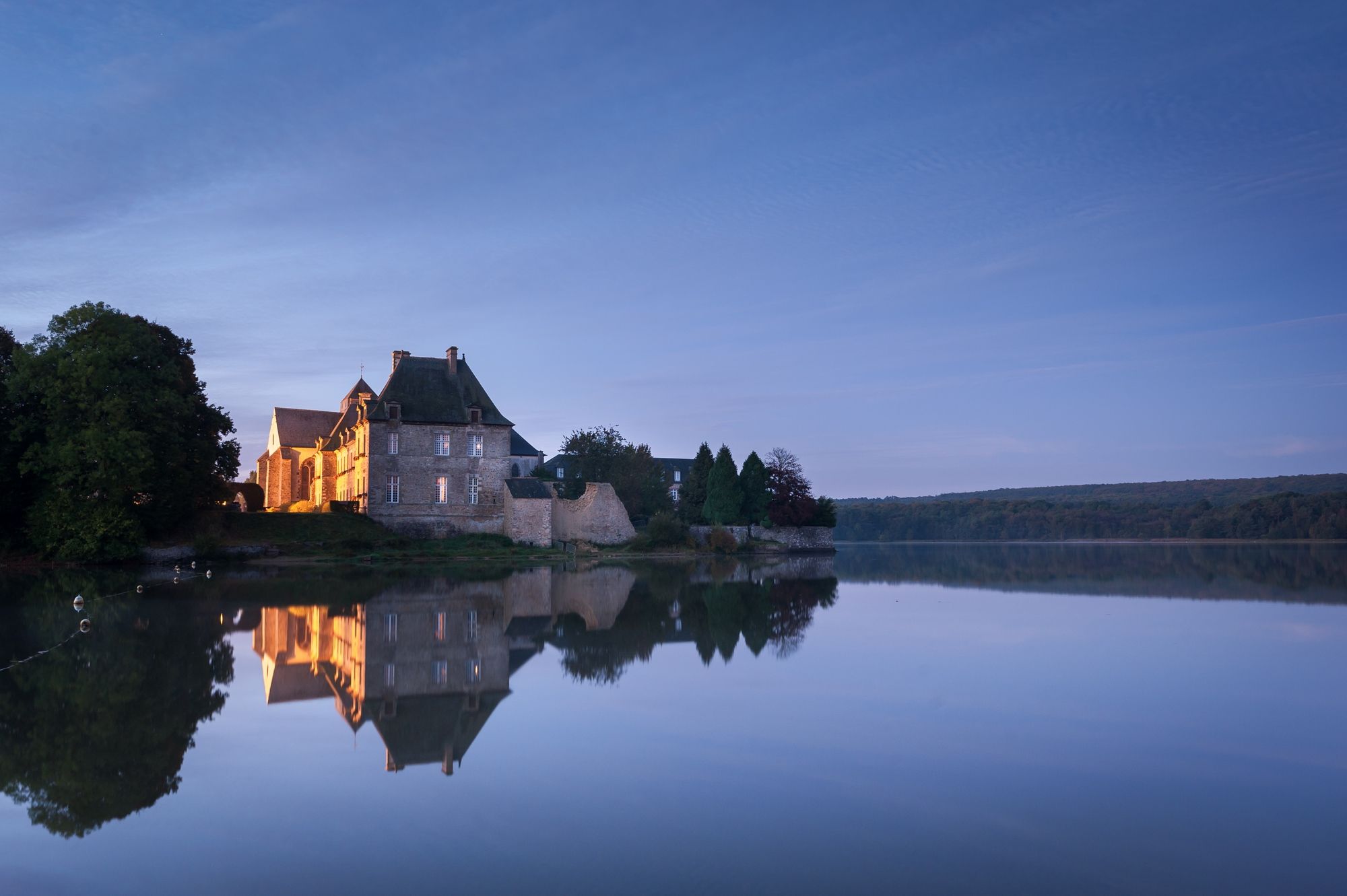
GR® de Pays Tour de Brocéliande – In pursuit of the druids
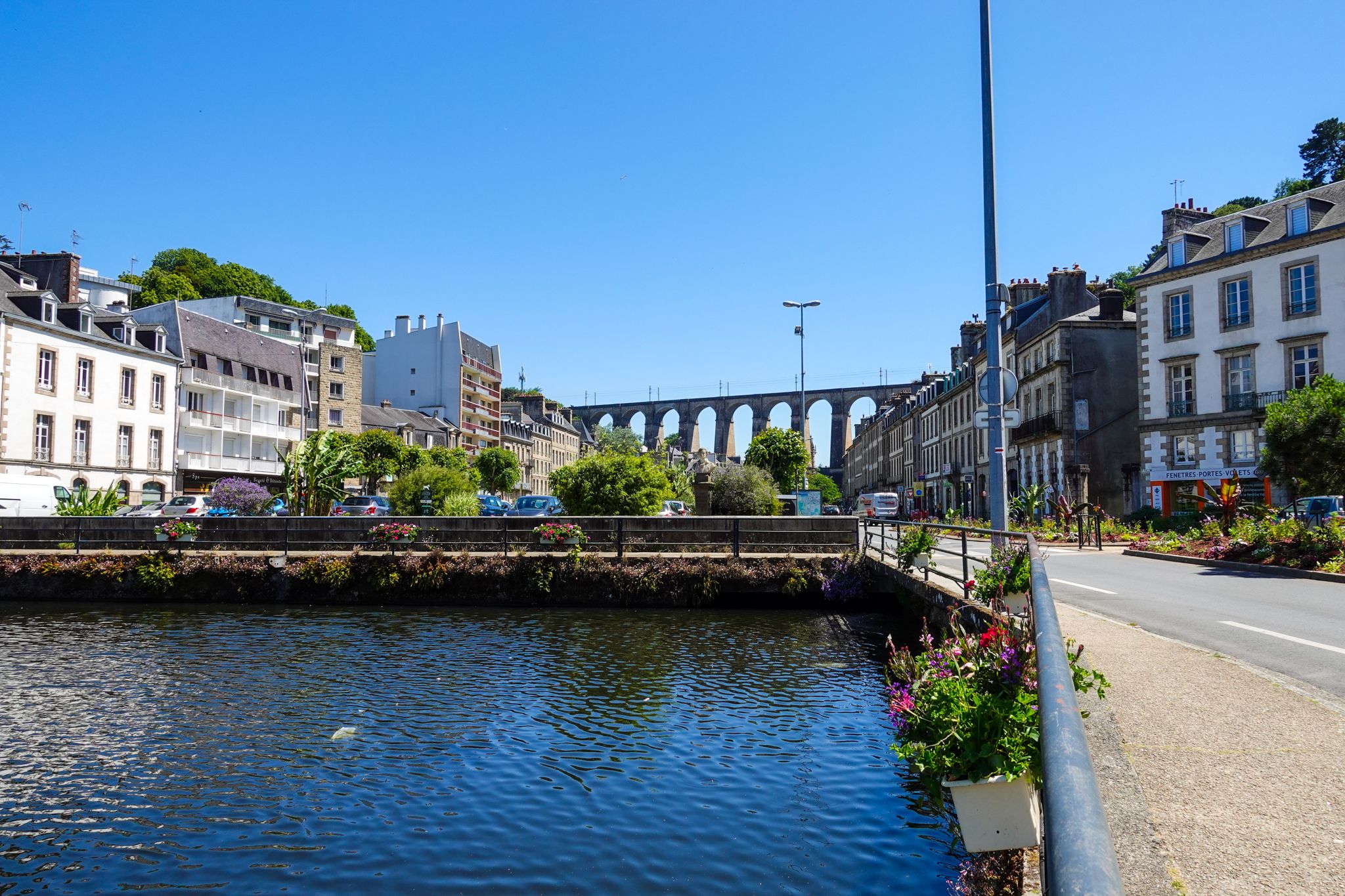
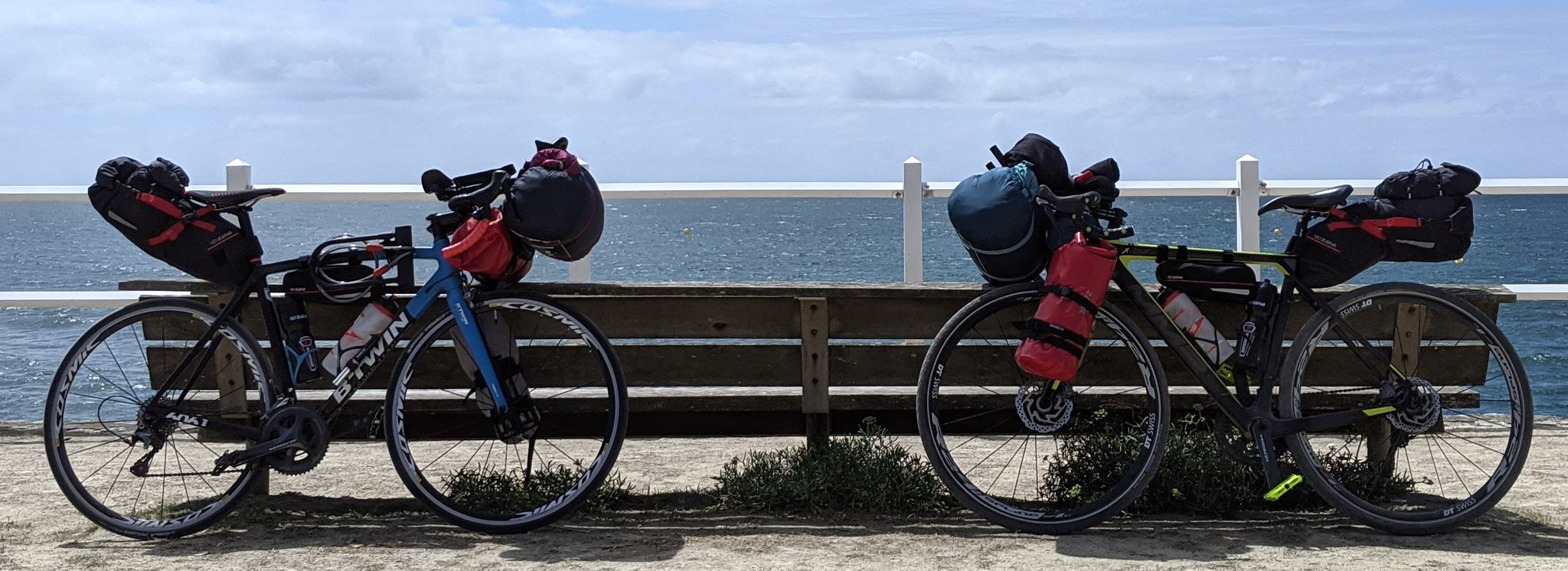
EuroVelos 1 and 4 — Cycle-touring a week in Brittany
La Vélodyssée — From north to south via the ocean
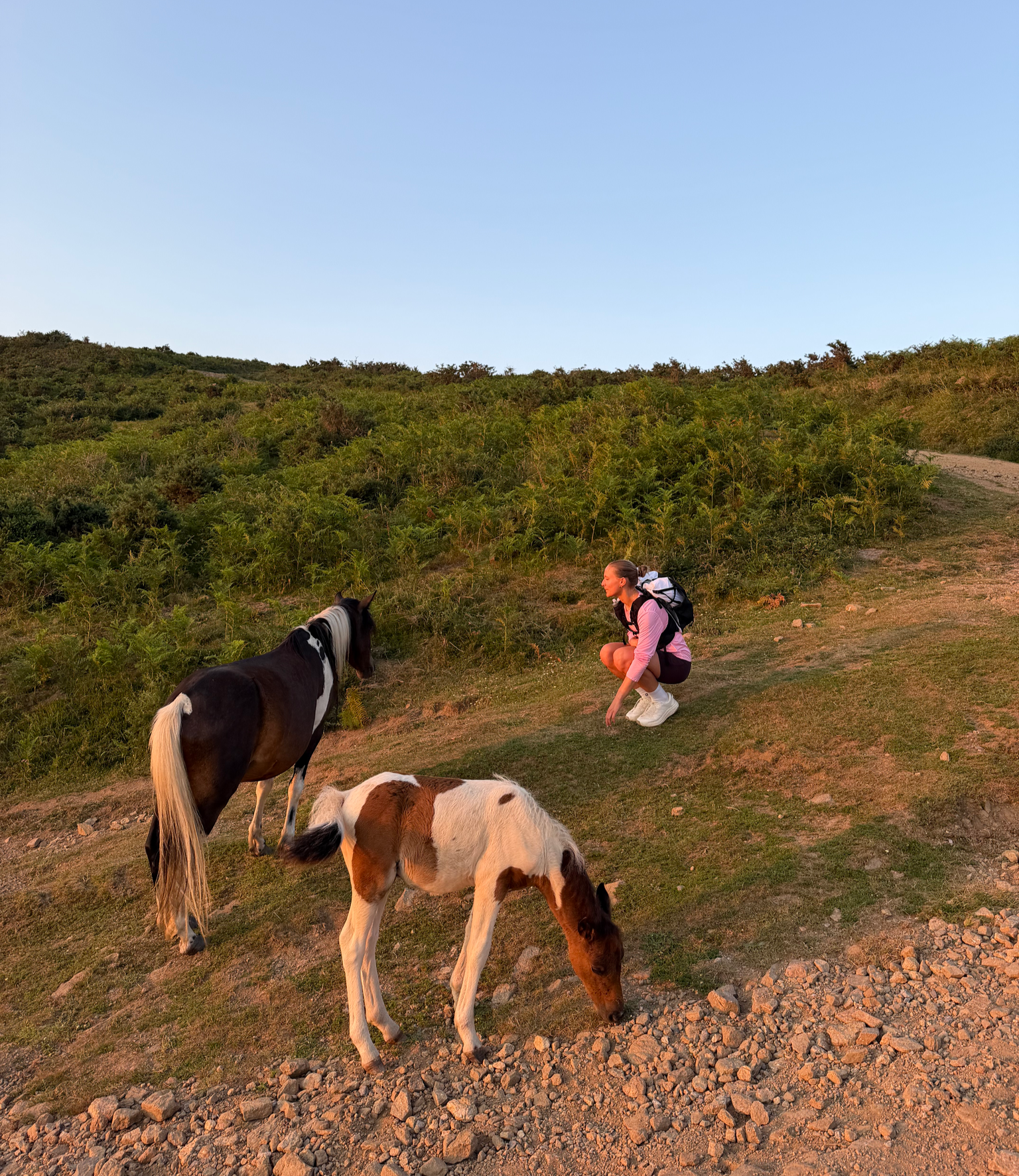
France’s Best Sunrise & Sunset Hikes
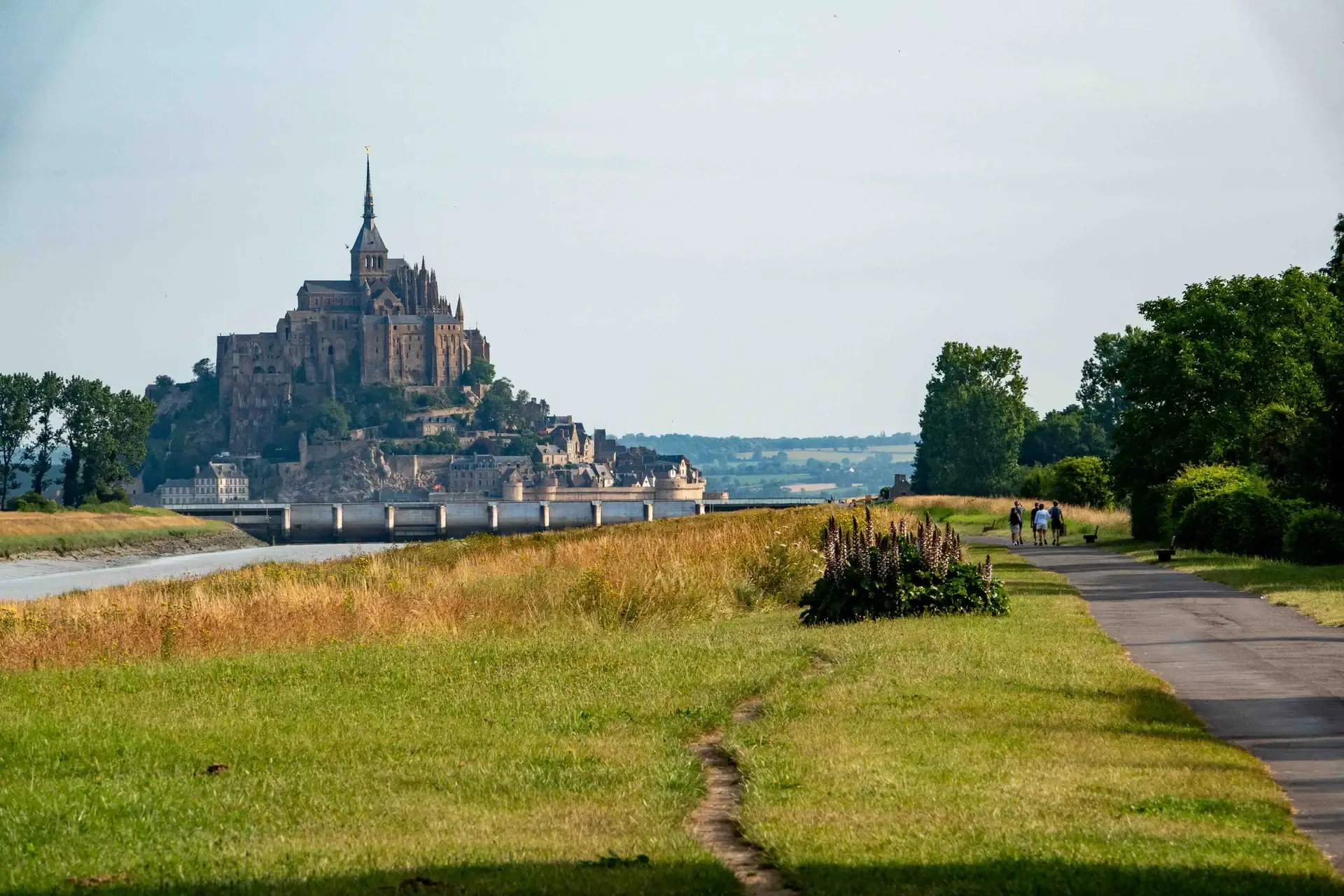
History and gastronomy - La Régalante
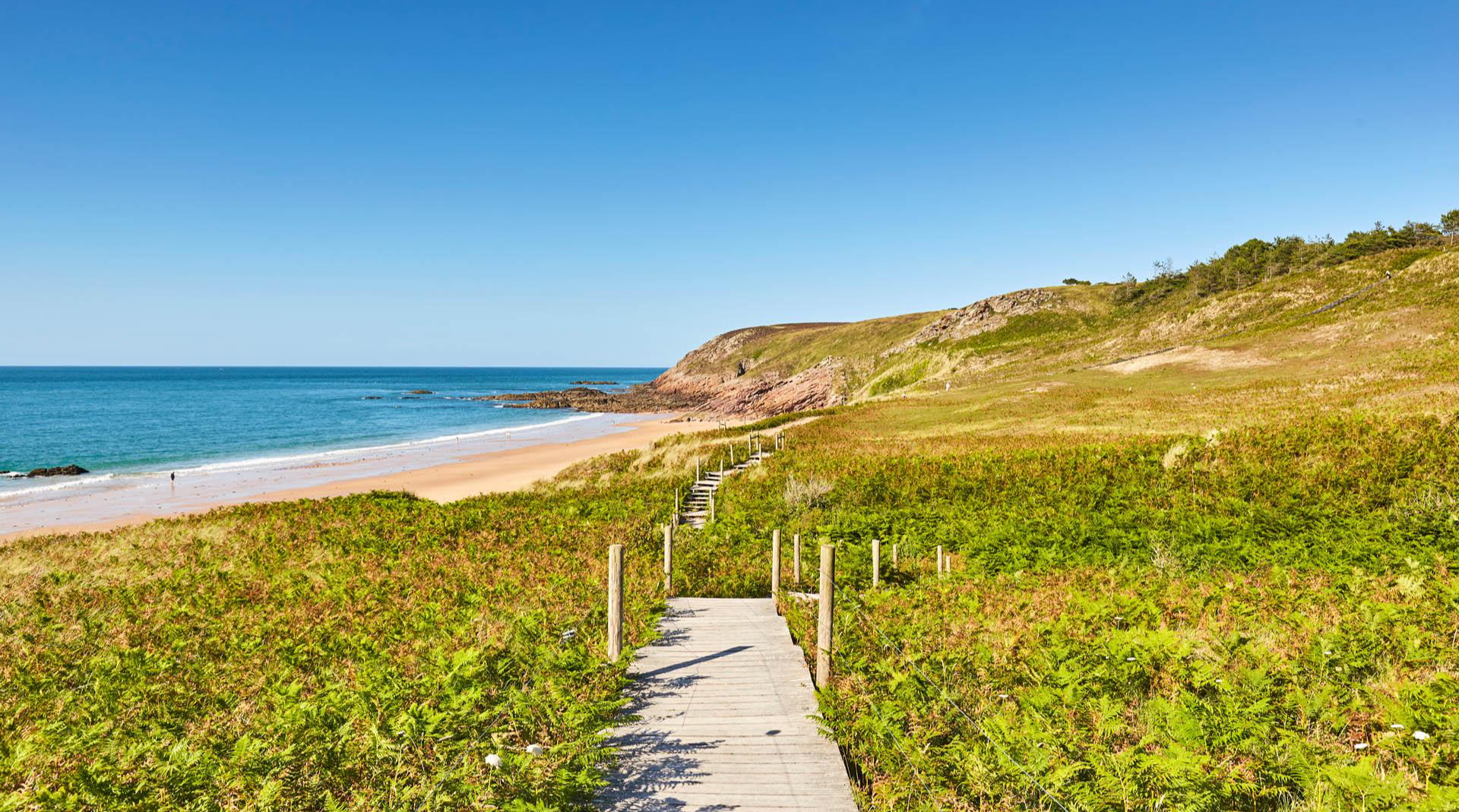
Cap d’Erquy Val-André on foot – sea, nature and Breton heritage
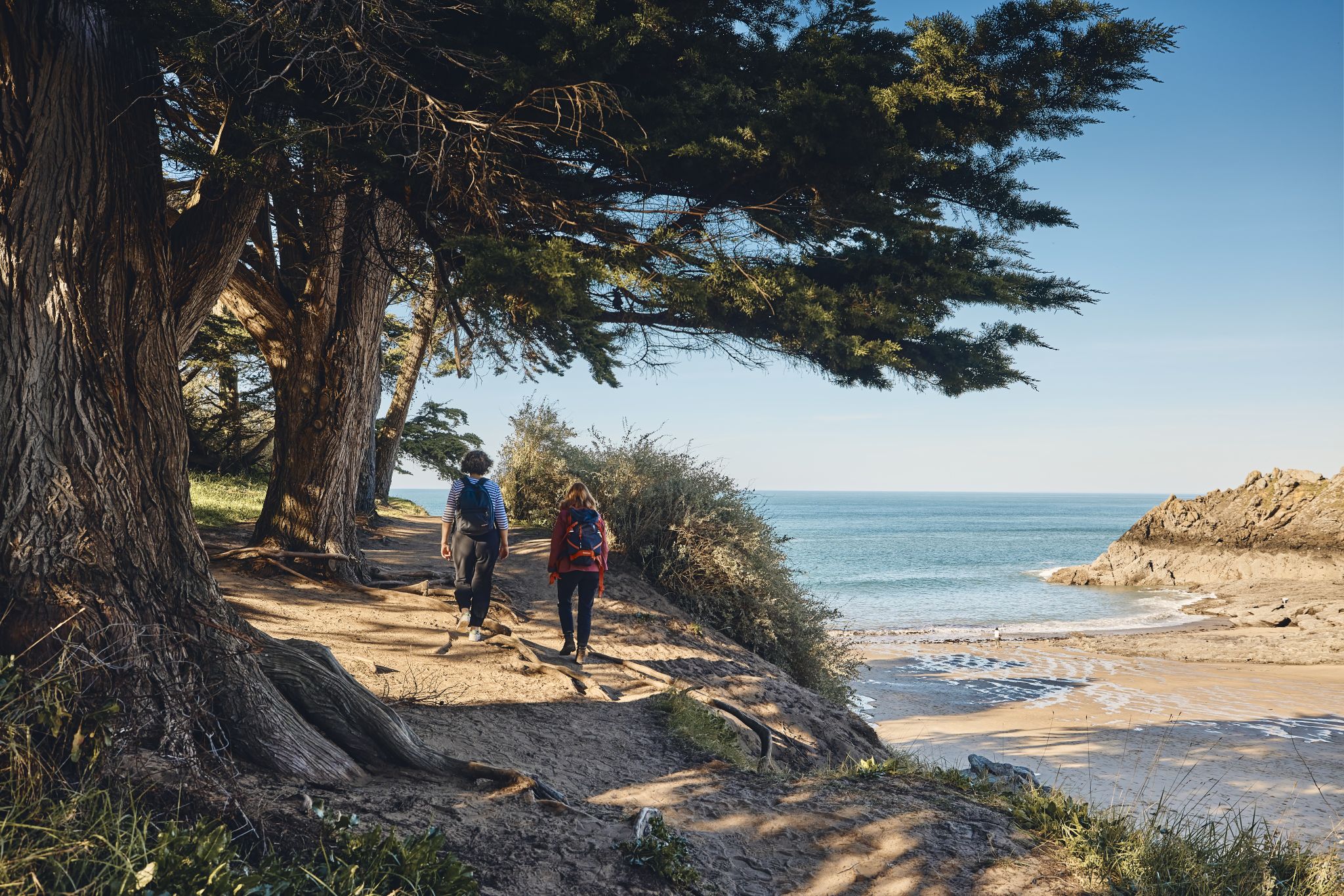
10 of the most beautiful walks in Brittany
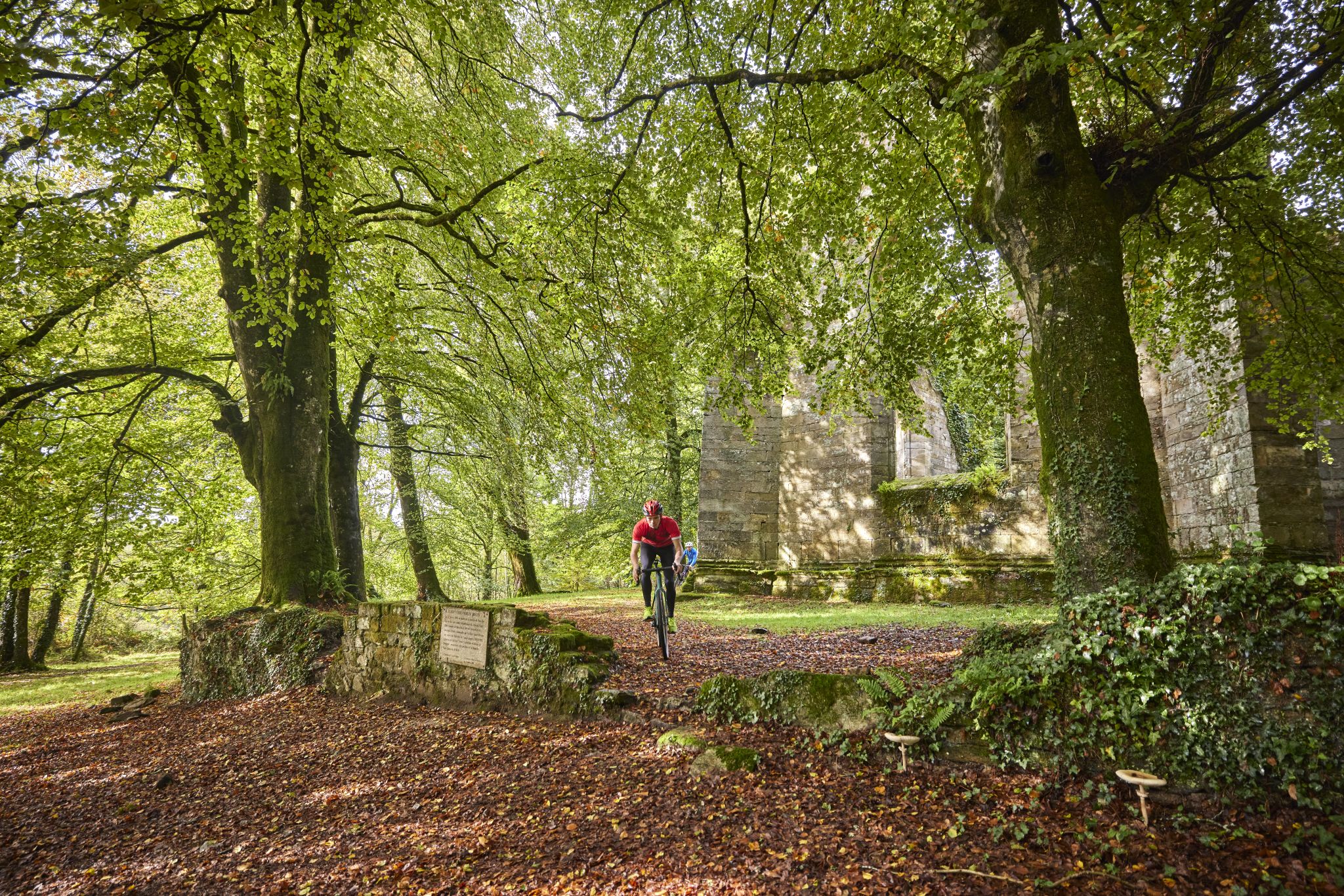
7 gravel routes to discover in Brittany
Other adventures in Brittany


Tips from the Community

What a great trail. Climbing on the stones, hearing the sea roar, the wind whistles around your ears. Whoever lets their imagination run wild can discover figures in many of the stones. What nature has created here over the years amazes me.
0
0

Ploumanac’h is a small fishing village on the northern coast of Brittany, the so-called Côte de Granit Rose, the pink granite coast. The formerly independent village now belongs to the municipality of Perros-Guirec.
1
0

The Phare de Mean Ruz, also known as the Ploumanac'h Lighthouse, is one of the most famous landmarks of Brittany's Pink Granite Coast. The original tower was built in 1860, but was destroyed during World War II and rebuilt in 1946 in its original form. Since 1948, it has once again emitted its signature flashing red light across the sea, visible for up to 11 nautical miles. At approximately 15 meters high, the lighthouse marks the entrance to Ploumanac'h Bay. Unfortunately, access to the lighthouse is closed to the public.
2
0
The Ploumanac'h Lighthouse (Phare de Mean Ruz) is nestled among the striking pink granite cliffs. Built in 1946 from pink granite, it serves to ensure navigation by marking dangerous coves and cliffs. At approximately 15 meters high, the square tower is a popular photo subject and a typical stop for hikers on the historic Sentier des Douaniers (Customs Officers' Trail). Other nearby attractions include the Château du Diable and the Petite Baie de Ploumanac'h.
1
0
Particularly impressive is the coast at Ploumanac'h, a picturesque town known for its bizarre rock formations. Here, granite cliffs rise from the ground in sometimes bizarre shapes, offering spectacular views of the sea. One highlight is the Ploumanac'h lighthouse, perched on a rock and a popular photo opportunity.
1
0
Over millions of years, the interplay of wind, rain, sea, and erosion has carved the most incredible forms out of solid pink granite. Bizarre boulders rise from the ground everywhere, some resembling small castles, others resembling strange animals. Particularly striking is the Château du Diable, whose castle-like silhouette captures visitors' imaginations. The entire coastal landscape is so dramatic and unique that one almost feels as if they are in another world.
2
0
Cap Fréhel is one of the most spectacular coastal landscapes in Brittany. The cliffs, up to 70 metres high, made of pink sandstone, the vast heathlands, and the numerous seabirds make the headland a special natural experience. In addition to the current lighthouse, the historic Vauban tower from 1702 recalls the long history of coastal surveillance and maritime safety.
12
0
Perched high on the pink granite cliffs above the Emerald Coast, Cap Fréhel offers sweeping views extending all the way to the islands of Jersey. Surrounded by the colorful Lande de Fréhel and important bird sanctuaries such as La Fauconnière, nature, history, and the sea combine here in a striking way. The nearby lighthouse and Fort La Latte complete the unique coastal panorama.
27
0
Frequently Asked Questions
What are some of the most striking geological features found among Brittany's natural monuments?
Brittany is renowned for its unique geological formations. The Pink Granite Coast, for instance, features extraordinary pink-hued granite rocks sculpted into various shapes by wind and sea, glowing with intensified colors at sunrise and sunset. Another notable site is Pointe du Raz, with its dramatic 70-meter-high cliffs at the westernmost tip of Brittany, carved by the relentless Atlantic Ocean.
Are there any natural monuments in Brittany that are particularly good for birdwatching?
Yes, Brittany offers excellent opportunities for birdwatching. The Sept-Îles archipelago, just off the Pink Granite Coast, is a significant bird sanctuary home to large colonies of seabirds like puffins, gannets, and guillemots. Cap Fréhel is also an ornithological reserve, a haven for seabirds including rare species such as the northern fulmar and Atlantic puffin. Additionally, the Gulf of Morbihan is a paradise for birdwatchers, especially during migration seasons, with over 200 bird species.
Which natural monuments offer the best panoramic views in Brittany?
For breathtaking panoramic views, consider visiting Pointe du Raz, which offers spectacular vistas of crashing waves, jagged rocks, and the open sea, with views of the 'La Vieille' lighthouse and the island of Sein. Grouin Point provides extensive views over the Bay of Mont Saint-Michel and the Channel coasts. Cap Fréhel also offers magnificent views, especially from its lighthouse, extending to Fort La Latte and even the Cotentin coast on clear days.
What kind of outdoor activities can I do near Brittany's natural monuments?
Brittany's natural monuments are surrounded by opportunities for various outdoor activities. You can find numerous hiking trails, including easy walks like the Ploumanac'h Customs Trail near the Pink Granite Coast. For cycling enthusiasts, there are many road cycling routes and MTB trails throughout the region. The Gulf of Morbihan is particularly suited for boating, kayaking, and island-hopping.
Are there family-friendly natural monuments in Brittany?
Yes, several natural monuments in Brittany are suitable for families. The Pink Granite Coast offers a walking paradise with playful rock formations that children often enjoy. The Isthmus of Penthièvre is a family-friendly beach area. The Gulf of Morbihan, with its calm waters and car-free islands like Île-aux-Moines and Île d'Arz, is also ideal for family walks and cycling.
What is the best time of year to visit Brittany's natural monuments?
The spring and summer months are generally considered the best time to visit Brittany's natural monuments. In spring, coastal moorlands like those at Cap Fréhel burst into vibrant purple and yellow hues with heather and gorse. The mild climate of the Gulf of Morbihan makes it pleasant for exploration, and the longer daylight hours allow for more extensive outdoor activities. However, the dramatic cliffs of Pointe du Raz can offer an intense and captivating experience even during winter storms.
Are there any historical landmarks associated with Brittany's natural monuments?
Yes, some natural monuments are closely linked with historical sites. The Mean Ruz Lighthouse (Phare de Ploumanac’h) on the Pink Granite Coast, rebuilt in 1946, stands amidst rugged granite rocks and is an iconic landmark. Near Cap Fréhel, you can find the impressive Fort La Latte, and a popular trail connects Cap Fréhel to Fort La Latte. The Gulf of Morbihan also features ancient standing stones on its islands.
Can I find easy walking trails around the natural monuments in Brittany?
Absolutely. Many natural monuments in Brittany offer accessible and easy walking trails. For example, the Sentier des Douaniers along the Pink Granite Coast provides a walking paradise. The islands within the Gulf of Morbihan, such as Île-aux-Moines and Île d'Arz, have car-free roads perfect for leisurely walks and cycling. Even at dramatic sites like Pointe du Raz, there are official routes that allow visitors to experience the views safely.
What makes the Gulf of Morbihan a unique natural monument in Brittany?
The Gulf of Morbihan, meaning 'little sea' in Breton, is a unique natural monument due to its status as a vast inland sea dotted with over 40 islands and islets. It's recognized as one of the most beautiful bays in the world and is a Regional Natural Park. Its calm, sheltered waters are ideal for boating and island-hopping, offering a distinct blend of coastal charm and rich biodiversity, including a significant bird population.
Are there any natural monuments in Brittany known for their dramatic cliffs?
Brittany is famous for its dramatic coastlines and towering cliffs. Pointe du Raz is particularly known for its rugged, breathtaking beauty and cliffs that stand about 70 meters high, offering spectacular views of the Atlantic. Cap Fréhel also features dramatic 70-meter-tall pink sandstone and schist cliffs that plunge steeply into the English Channel, providing stunning vistas.
What are some lesser-known but equally impressive natural monuments in Brittany?
Beyond the most famous sites, Brittany holds other impressive natural monuments. The Plougrescant Chasm is a unique geological formation worth exploring. Cap de la Chèvre offers stunning viewpoints and a sense of wild beauty. Additionally, Pointe de Pen-Hir on the Crozon peninsula is emblematic for its turquoise waters and impressive cliffs, especially when the wind creates tumultuous currents.
Most popular routes in Brittany
Most popular attractions in Brittany

Get inspired with the komoot mobile app


Didn’t find what you were looking for?
Find even more amazing natural monuments in Brittany by checking out the top Highlights region by region:
Explore more
Extend your search for the best caves by checking out these guides of the top ones in Brittany:
