Top 20 Natural Monuments in South Holland
Best natural monuments in South Holland encompass a variety of captivating natural areas and sites. The province features diverse ecosystems, from historic cultural landscapes to dynamic coastal dunes and freshwater wetlands. These areas offer unique geological and biological formations, showcasing centuries of Dutch water management and ecological importance. South Holland provides numerous opportunities to explore its varied landscapes and natural heritage.
Best natural monuments in South Holland
- The most popular natural monuments is Kwade Hoek, a natural monument that…
Last updated: July 10, 2026
Brouwersdam
Highlight (Segment) • Structure
Translated by Google •
Tip by

Scheveningen Water Tower
Highlight • Monument
Translated by Google •
Tip by

Sign up now to discover places like this
Get recommendations on the best single tracks, peaks, & plenty of other exciting outdoor places.
Sign up for free
Brouwersdam Beach and Coastal Path
Highlight (Segment) • Beach
Translated by Google •
Tip by

Kinderdijk Windmills (UNESCO World Heritage Site)
Highlight • Monument
Translated by Google •
Tip by

Keukenhof Tulip Fields
Highlight • Natural
Translated by Google •
Tip by

Kwade Hoek
Highlight • Natural Monument
Translated by Google •
Tip by

Sand Motor (Zandmotor)
Highlight • Beach
Tip by

Keukenhof
Highlight • Natural Monument
Keukenhof in a few figures, it is 32 hectares of flowers, 7 million …
Translated by Google •
Tip by

Keukenhof Flower Gardens
Highlight • Natural Monument
Translated by Google •
Tip by

Keukenhof Castle
Highlight • Castle
Translated by Google •
Tip by

Sign up for free to discover even more natural monuments in South Holland.
Sign up for free
Already have an account?
Start today with a free account
Your next adventure awaits.
Login or Signup
Popular around South Holland
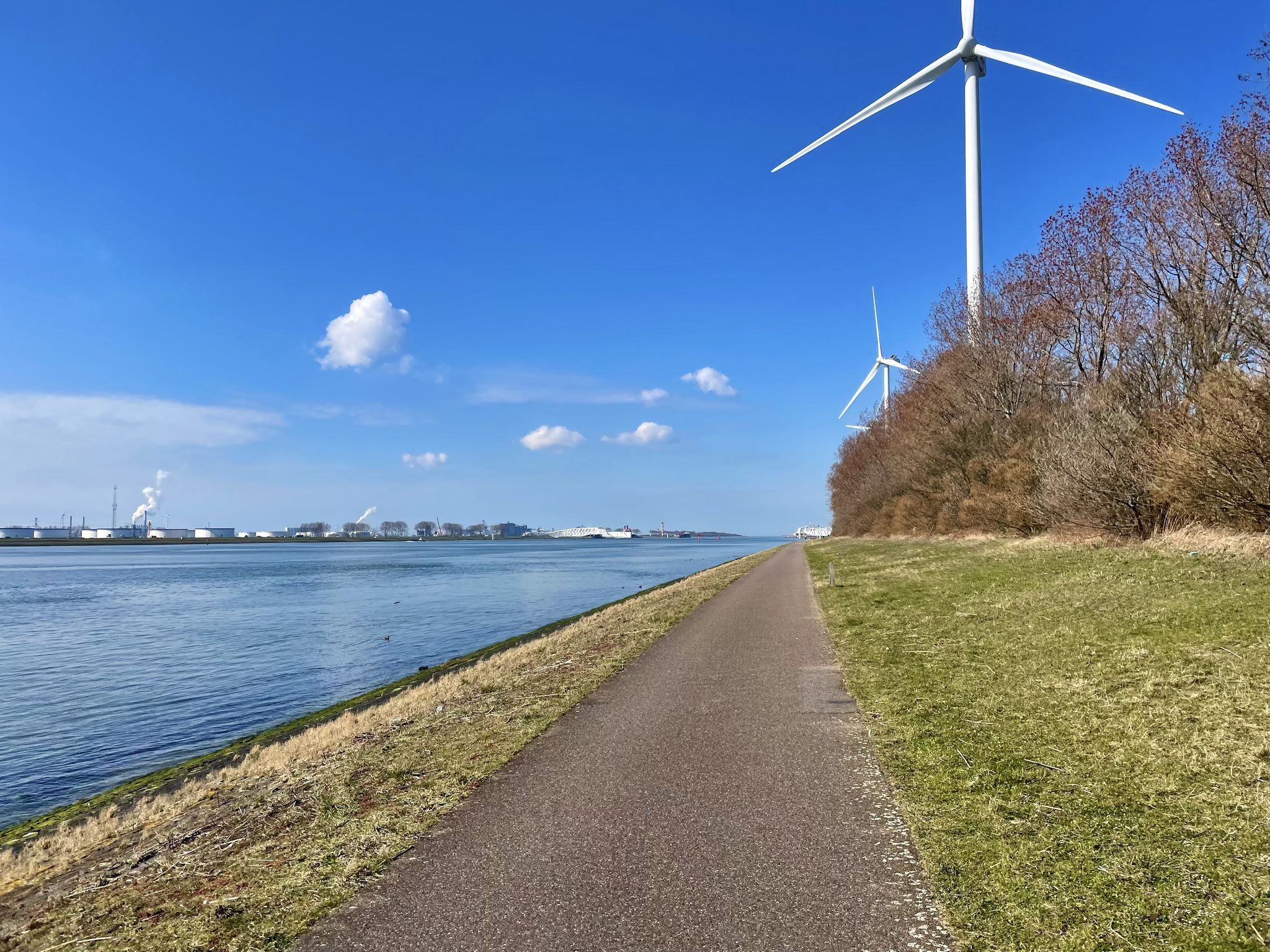
The Meuse Cycle Route - Follow the Meuse from the hills to the harbor
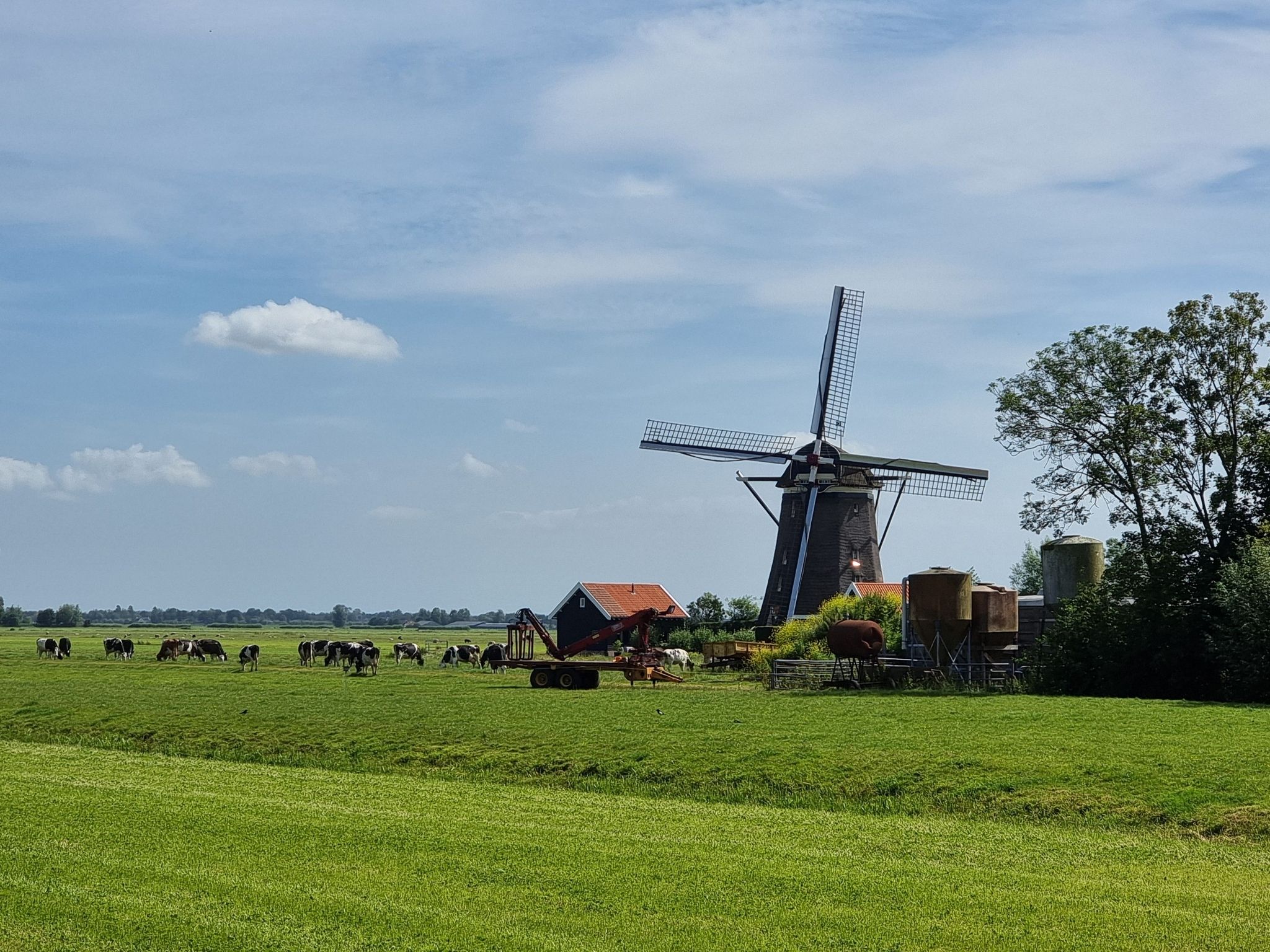
Pilgrim Trail (LAW 7-1) - Through idyllic villages and vast polders
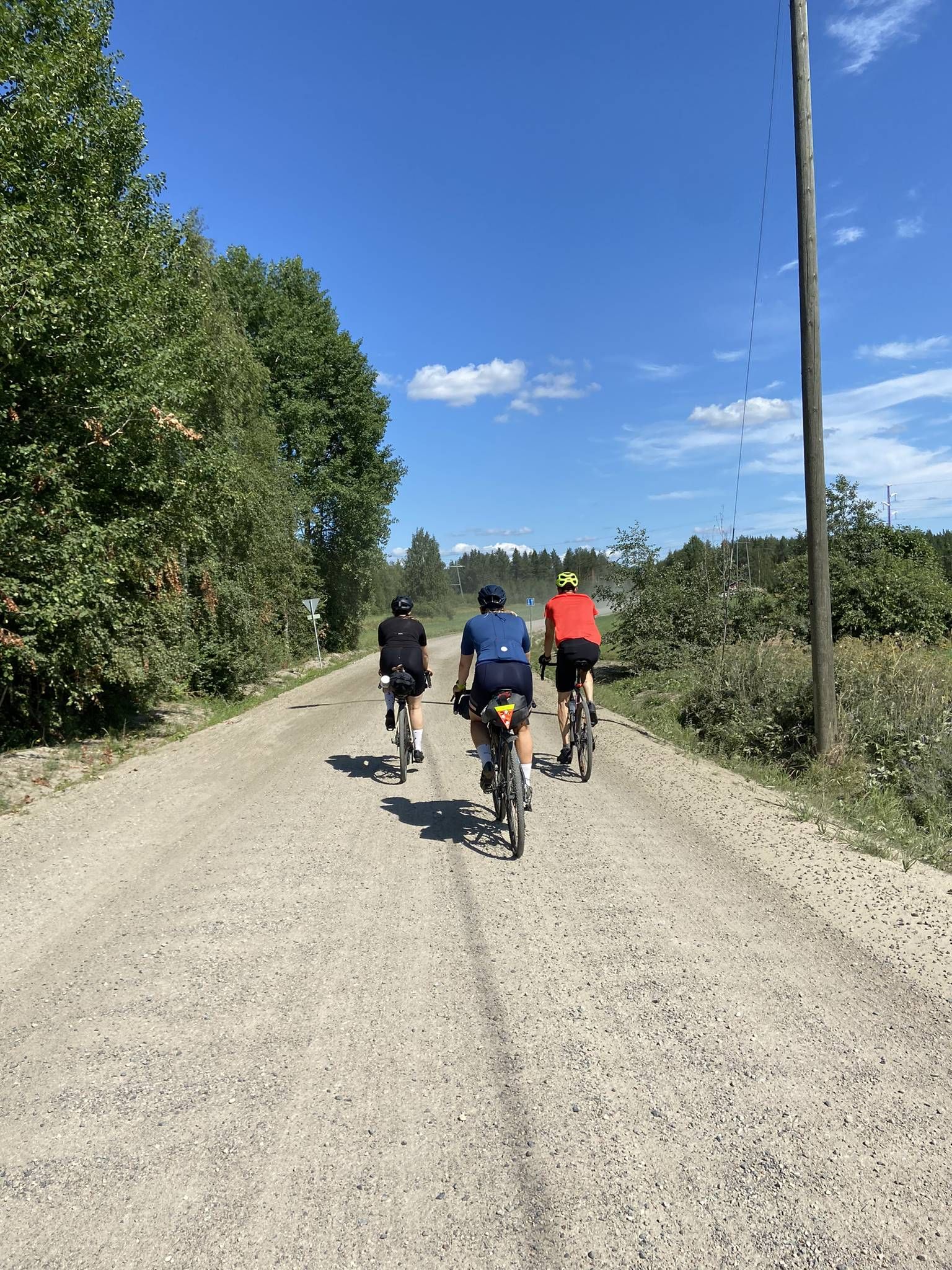
Naples to North Cape — Two friends, one purpose and many scoops of ice-cream
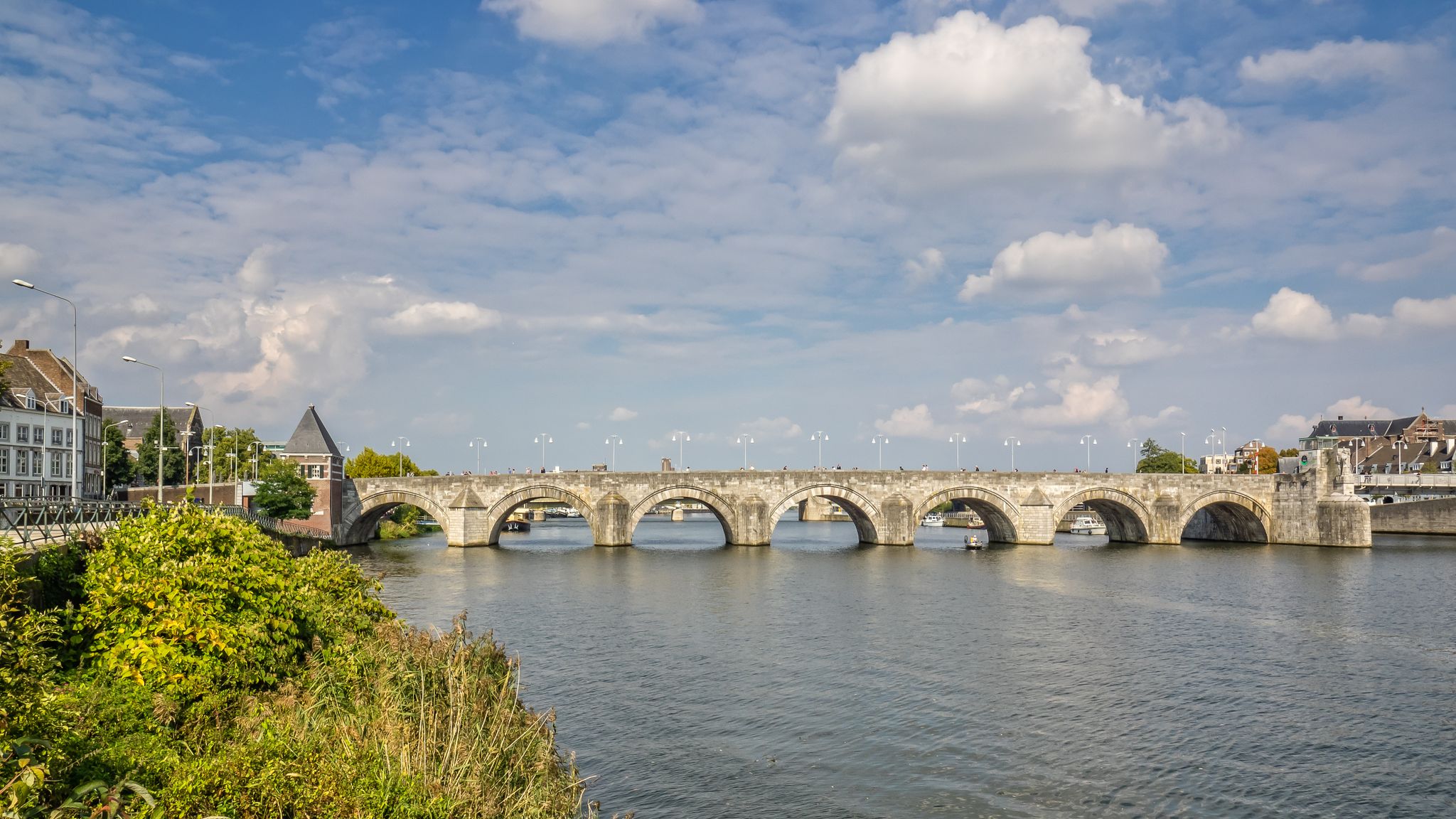
LF Maasroute – From Maastricht to Rotterdam along the Meuse River
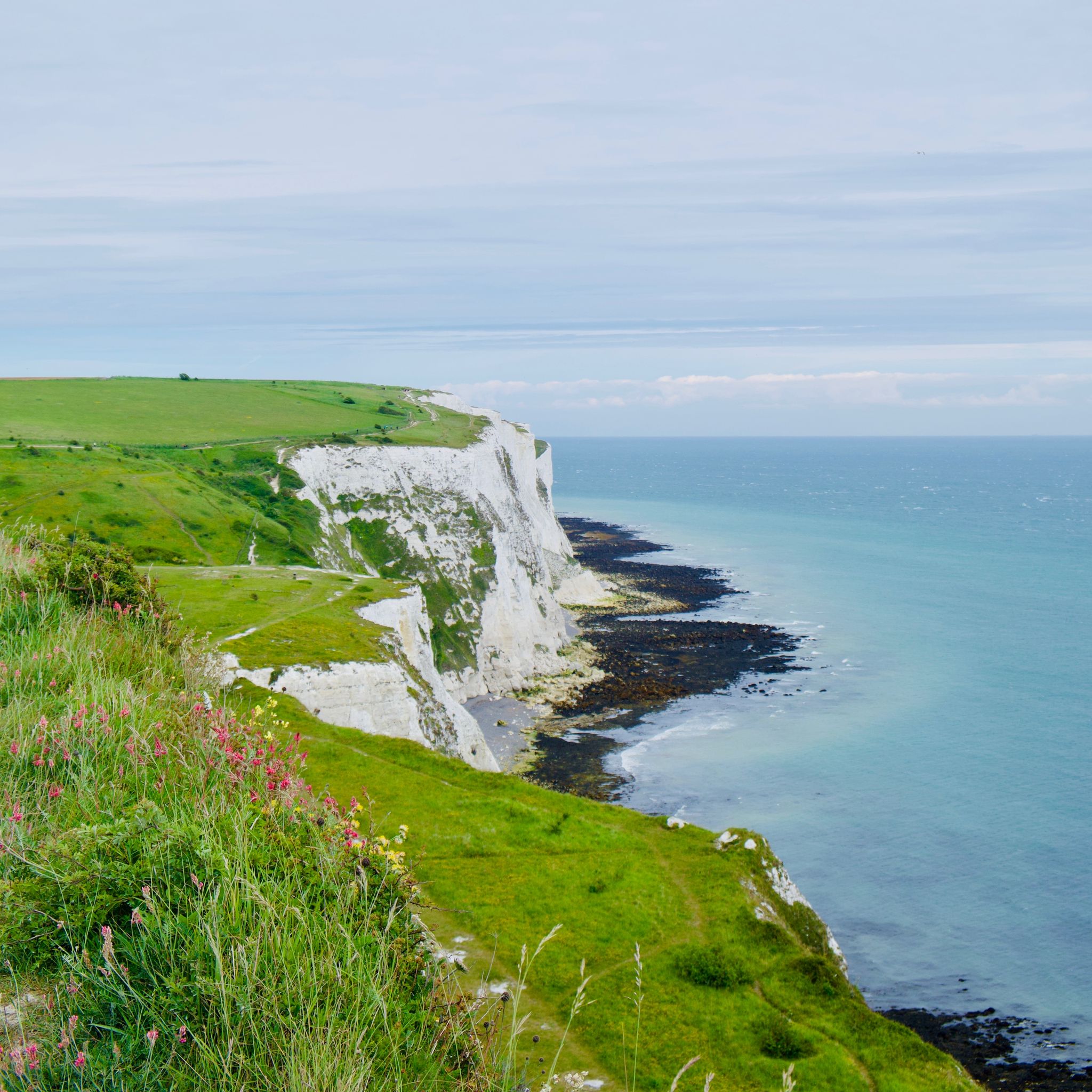
From Amsterdam to London - along the North Sea and across the water
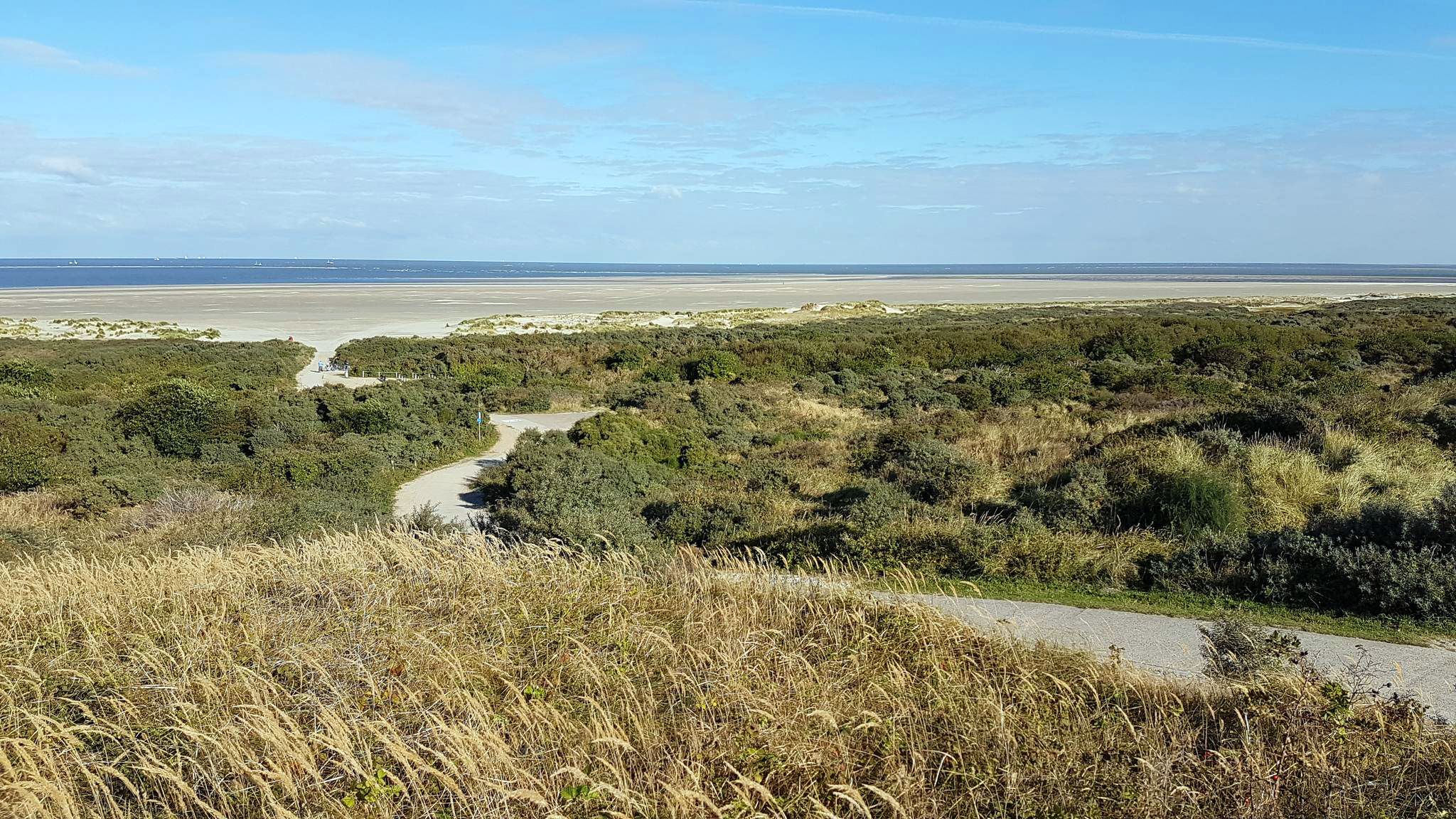
The North Sea Coast Cycle Route — Netherlands and Belgium
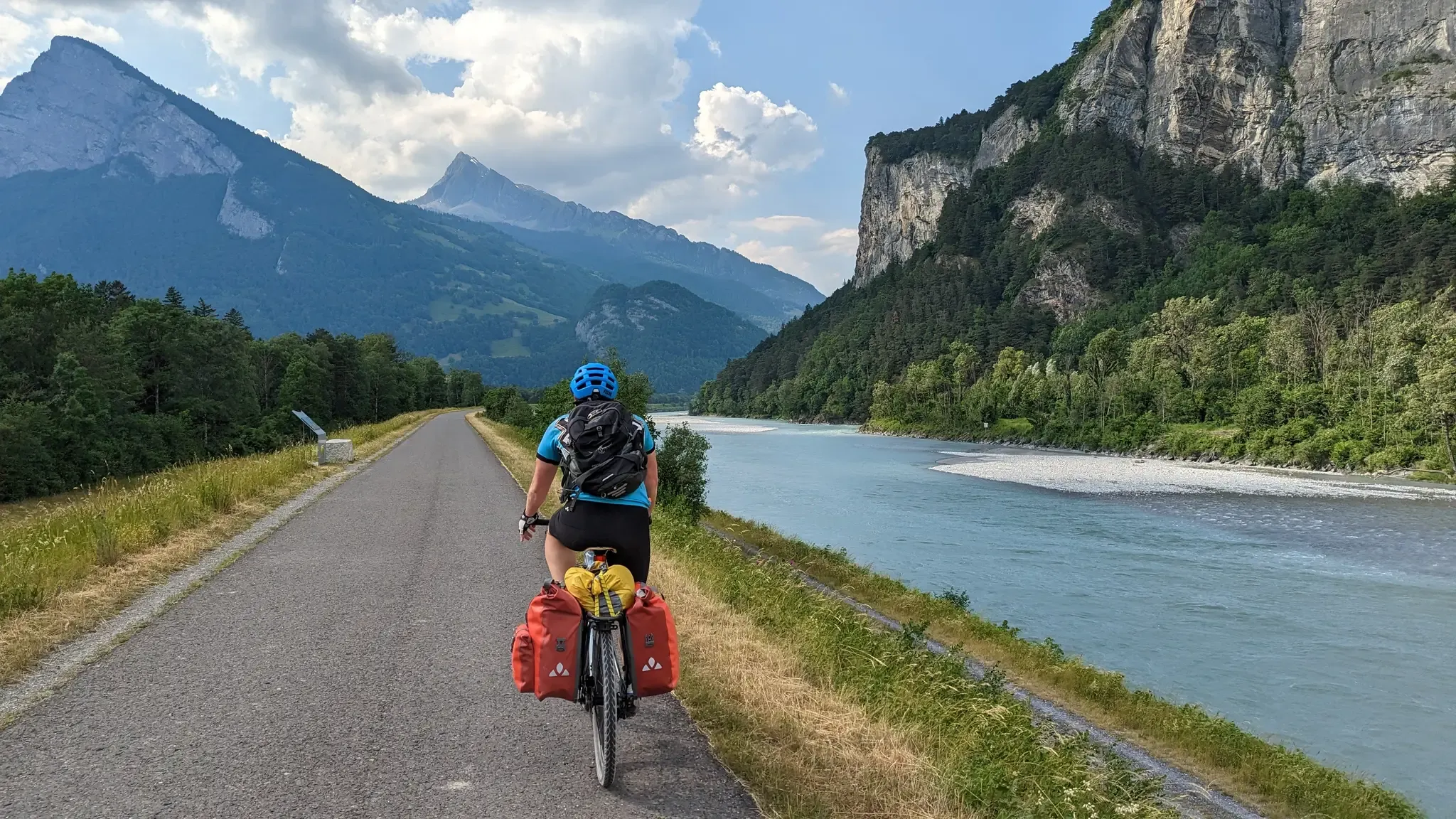
The Rhine Cycle Path — From the source to the North Sea
The Meuse Cycle Route - Follow the Meuse from the hills to the harbor
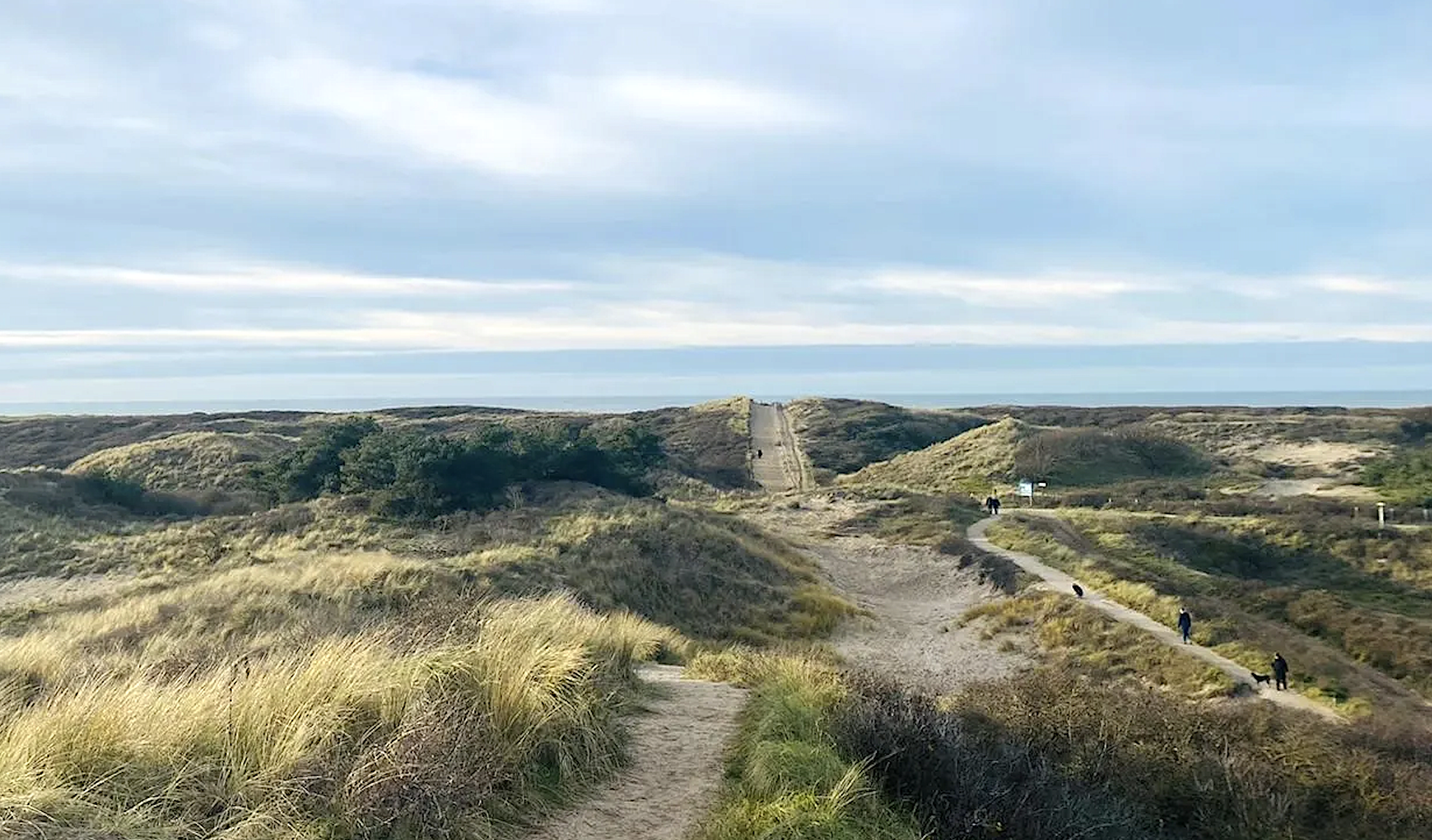
The Hollands Duin on foot – walking between forests, dunes and sea
Hiking around Noordwijk – routes with dunes, flowers and sea
Other adventures in South Holland


Tips from the Community

🌷The Netherlands- a colorful 🌷tulip nation🌷 💐Almost 80 percent of all tulip plants available worldwide are grown in the Netherlands. Red, White, Purple or Orange – visitors can admire the full splendor of colors of the flowers at Keukenhof in the province of South Holland💐. Besides tulips, 🌼daffodils, hyacinths, and crown imperials also grow there. The plants thrive particularly well thanks to calcareous soil. 💐The beds are artfully designed so that the splendor of colors of the plants can unfold in interplay🌷. The 32-hectare park is explored via walking paths, which are a total of 15 kilometers long💐.
1
0

For tulip lovers and fans of beautiful, flowery parks, a visit to Keukenhof in the Netherlands is a MUST. Between mid-March and the end of May, tulips of various varieties bloom there.
1
0

Here you see the characteristic Scheveningen Water Tower, located in the dunes near Scheveningen (Pompstationsweg 327, The Hague)
6
0
The water tower is located in the Oostduinen dunes near Scheveningen, near Pompstationsweg. It is a national monument. Designed in the Eclectic style by architect Bert Brouwer and civil engineer Theodor Stang, it was built in 1874 by the Hague Dune Water Company.
5
0

Great scenery, but bad bike path.
0
0

In the province of South Holland lies the island of Goeree-Overflakkee with the Kwade Hoek nature reserve. The name is said to refer to treacherous currents and sandbanks in this area, where many ships sank in the past. This still young dune landscape is a mosaic of damp dune slacks, salt marshes, and mudflats, with a very special flora and fauna.
4
1

It's beautiful there, I would just avoid going on April 12th due to the crowds and road closures for the flower parade.
2
0

Very beautiful area, not always accessible due to breeding season from March 15 to July 16.
3
0
Frequently Asked Questions
Which natural monuments in South Holland are highly rated by visitors?
Visitors frequently praise the unique landscapes and historical significance of several natural monuments. Kwade Hoek, a nature reserve with a mix of fresh and saltwater influences, is particularly well-regarded for its unique flora and fauna. The iconic Kinderdijk Windmills (UNESCO World Heritage Site) are also a favorite, showcasing centuries of Dutch water management. For floral beauty, Keukenhof is a must-see, especially during spring.
What natural features can I explore in South Holland?
South Holland offers a diverse range of natural features. You can explore dynamic coastal dune landscapes like those found at Kwade Hoek or the extensive Meijendel area. There are also freshwater tidal areas such as De Biesbosch National Park, characterized by a labyrinth of rivers and willow forests. Additionally, the region boasts historic cultural landscapes like Kinderdijk and numerous forests and green spaces, including the ancient Haagse Bos.
Are there family-friendly natural monuments in South Holland?
Yes, many natural monuments in South Holland are suitable for families. Kinderdijk Windmills offers an engaging experience with its historic windmills and flat paths for walking or cycling. Keukenhof is also very popular with families, providing vast displays of flowers and open spaces. Coastal areas like Brouwersdam and Sand Motor provide beach access and open areas for play.
What is the best time to visit the natural monuments in South Holland?
The best time to visit depends on what you wish to experience. For vibrant floral displays, spring (March to May) is ideal, especially for Keukenhof and the surrounding Bulb Region. The dune areas and coastal sites are enjoyable year-round, offering refreshing walks in spring and autumn, and beach activities in summer. Winter can also be a unique time to visit places like Kinderdijk for a quieter experience.
What outdoor activities can I do near these natural monuments?
South Holland's natural monuments are excellent starting points for various outdoor activities. You can enjoy cycling through the Hollandse Duinen National Park or around the Kinderdijk Windmills. Gravel biking is popular in areas like the Westduinpark and Wapendal Dunes. For mountain biking, trails can be found near the Noordwijk Dunes. Many areas, including the forests and dune reserves, are also perfect for hiking and birdwatching.
Are there historical sites integrated with natural monuments in South Holland?
Yes, South Holland beautifully blends natural beauty with rich history. The Kinderdijk Windmills are a prime example, showcasing 18th-century engineering within a picturesque polder landscape. Keukenhof Castle, with its historic gardens, offers a glimpse into the region's past. The De Horsten Royal Estate also combines natural landscapes with historical significance, and the Scheveningen Water Tower is a national monument located within the dunes.
Where can I go for birdwatching near natural monuments in South Holland?
South Holland offers excellent birdwatching opportunities. Meijendel, the largest continuous dune area, is a top bird nature reserve, home to over 250 bird species. De Biesbosch National Park, a freshwater tidal area, is renowned for sightings of white-tailed eagles and ospreys. Kwade Hoek, with its unique mix of damp dune valleys and salt marshes, also supports diverse birdlife.
Are there any natural monuments in South Holland that are less known but worth visiting?
While many sites are popular, areas like the Seringeberg Lookout – De Horsten Estate offer beautiful forest views and a peaceful experience. The Goudse Hout and Bieslandse Bos are also significant green spaces that provide tranquil escapes from urban life, perfect for walking and enjoying nature away from the crowds.
What are the options for walking and hiking in the dune areas of South Holland?
The dune areas along South Holland's North Sea coastline provide extensive options for walking and hiking. Meijendel, Hollandse Duinen National Park, and the Westduinpark & Wapendal Dunes offer varied landscapes with breathtaking views of the beach and sea. These areas feature numerous trails suitable for different fitness levels, allowing visitors to explore coastal ecosystems and spot wildlife.
Can I visit the natural monuments in South Holland using public transport?
Many natural monuments in South Holland are accessible by public transport, though some may require a combination of train, bus, and a short walk or cycle. Kinderdijk is reachable by waterbus from Rotterdam or Dordrecht. Keukenhof operates special bus services during its opening season. Major cities like The Hague and Leiden, which are close to dune areas and forests, have good public transport connections. It's advisable to check specific routes and schedules for your chosen destination.
Are there natural monuments in South Holland suitable for dog walking?
Many natural areas and dune reserves in South Holland are dog-friendly, often with designated off-leash areas. The extensive dune landscapes, such as Meijendel and parts of Hollandse Duinen National Park, are popular for dog walks. Forested areas like the Haagse Bos also welcome dogs, usually on a leash. Always check local regulations and signage at the specific location you plan to visit, as rules can vary.
What makes Kinderdijk a unique natural monument?
Kinderdijk is unique because it's a UNESCO World Heritage Site that showcases the largest concentration of historic 18th-century windmills in the Netherlands. It's a testament to centuries of Dutch water management, demonstrating how the Dutch have lived with and managed water. The picturesque polder landscape, with its network of dikes, dams, and water pumps, offers a fascinating glimpse into this engineering marvel, making it a cultural landscape of natural significance.
Most popular routes in South Holland
Most popular attractions in South Holland

Get inspired with the komoot mobile app


Didn’t find what you were looking for?
Find even more amazing natural monuments in South Holland by checking out the top Highlights region by region:
Explore more
Extend your search for the best caves by checking out these guides of the top ones in South Holland:
