Easy hikes and walks around Tangerhütte
4.5
(1250)
5,209
hikers
46
hikes
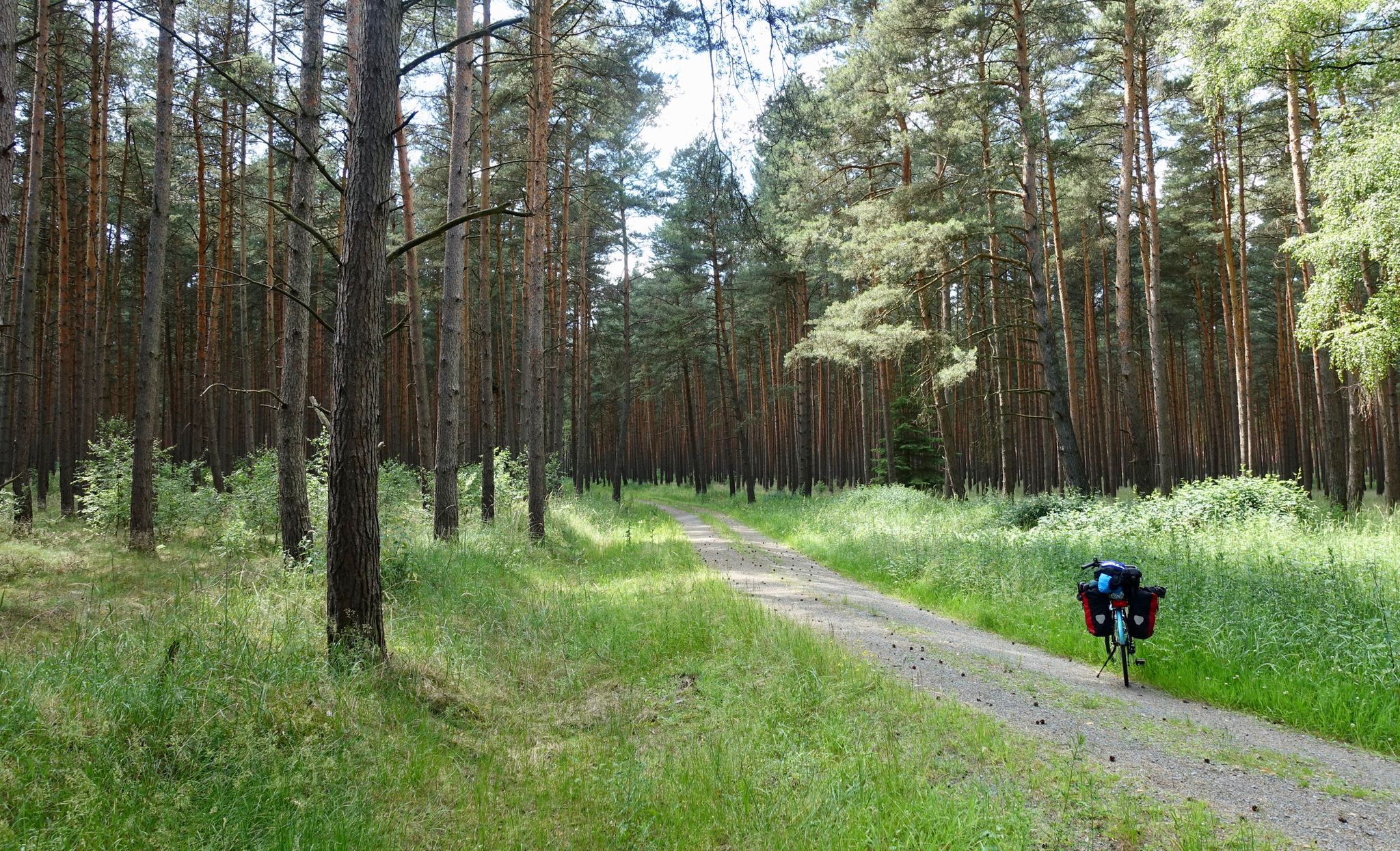
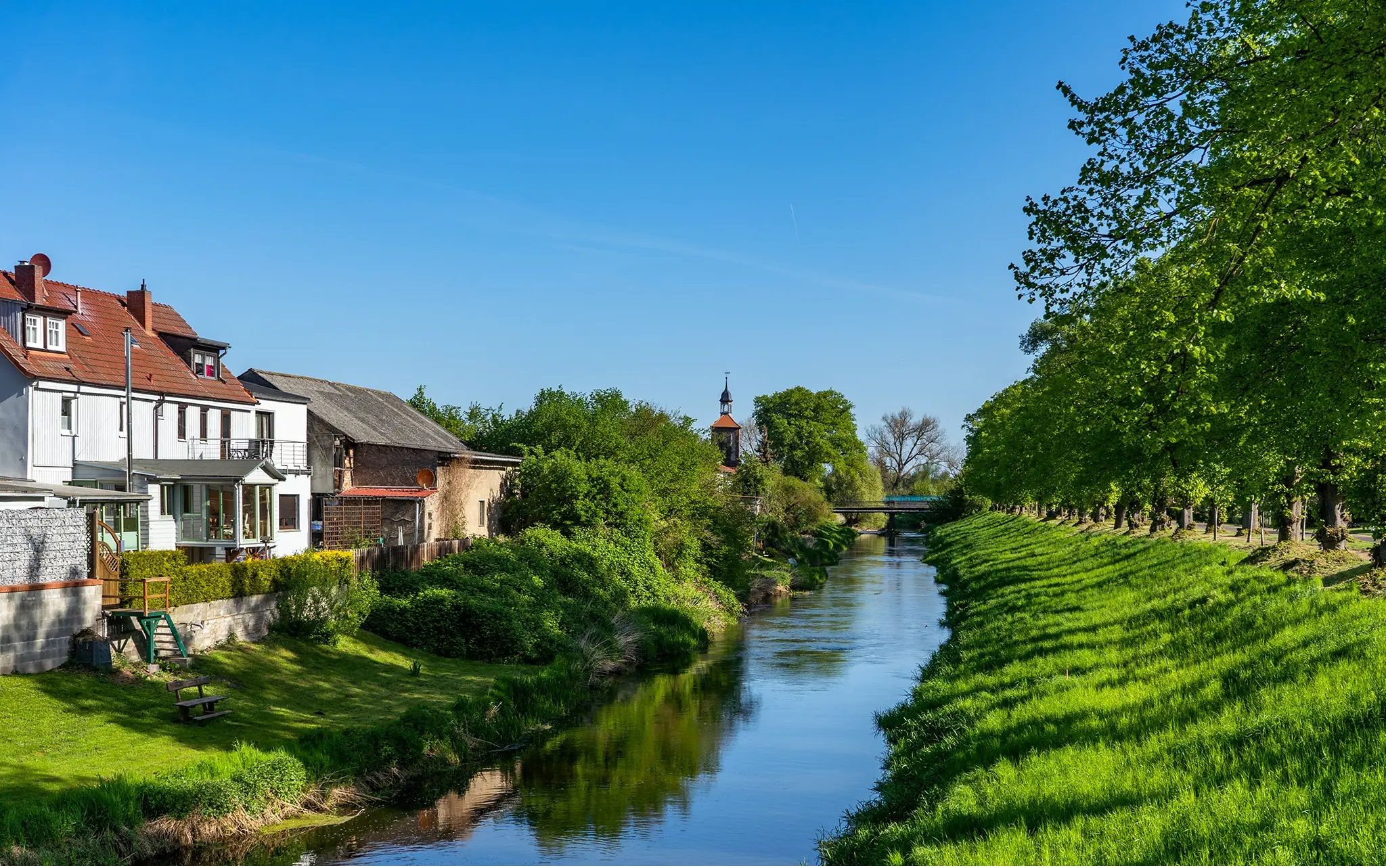
Easy hiking trails around Tangerhütte traverse diverse landscapes, offering accessible routes for outdoor activities. The region is situated on the western edge of the Drömling Nature Park, providing unique natural experiences. Hikers can explore picturesque countryside, including the Uchte Lowlands and heath landscapes, with routes often following the Elbe-Havel Canal.
Best easy hiking trails around Tangerhütte
- The most popular easy hiking route is Old Elbe – Hof Kleeblatt Farm Shop loop from Kehnert, an easy 4.8 miles (7.7 km)…
Last updated: October 31, 2026
4.8
(9)
25
hikers
7.72km
01:57
20m
10m
Easy hike. Easily walkable paths.
4.7
(3)
12
hikers
5.76km
01:27
10m
10m
Easy hike. Easily walkable paths.

5.0
(3)
8
hikers
6.21km
01:34
10m
10m
Easy hike. Easily walkable paths.
2.5
(2)
11
hikers
Easy hike. Easily walkable paths.
5.0
(1)
5
hikers
4.68km
01:11
10m
10m
Easy hike. Easily walkable paths.
Get access to more routes and recommendations from other explorers.
Already have an account?
Our route recommendations are based on thousands of hikes, rides, and runs completed by other people on komoot.
Other adventures around Tangerhütte


Tips from the Community

The Bismarck manor house in Briest near Tangerhütte is the oldest surviving ancestral seat of the von Bismarck family in the Altmark region. The von Bismarck family received the estate in 1345 as a fief. Christoph von Bismarck built the manor house in 1624 in the late Renaissance style. After the Second World War, the family was expropriated in 1945. In 1997, the family bought back parts of the estate and began renovation. The manor house is made of oak half-timbering with red brick infill. An octagonal stair tower connects the wings of the building. The historical ensemble includes an 18th-century brewery house, a manor chapel from 1599 and a large manor park. The park was designed in the 19th century according to plans by Christian Schaumburg. The main building is a private residence of the von Bismarck family. The brewery house is used today for celebrations and social events. The manor park is accessible to visitors. https://rittergut-briest.simdif.com/
2
0
The former foundry of the Tangerhütte ironworks in the Stendal district, Saxony-Anhalt, is considered the historical birthplace of the industrial town of Tangerhütte. Founded in 1842, the plant developed rapidly under the industrialist Wagenführ family into a world-renowned center for art and machine casting. Around 1900, the plant employed more than 1,500 workers and achieved international fame. Before the construction of the foundry, the then village of Vaethen was a small rural settlement. Only the boom of the ironworks led to the settlement of workers, the construction of schools and infrastructure, and finally, in 1928, the renaming of the place to Tangerhütte. The listed complex comprises six historic brick halls with filigree cast-iron supporting structures. They reflect the typical industrial architecture of the 19th century. The protected ensemble also includes the factory owner's villas and an adjacent landscape park, which houses the famous art casting pavilion from the Paris World's Fair. After the Second World War, operations continued as VEB Eisenwerk. After the political changes in 1989, significant parts of the production facilities fell into disrepair and entered a period of vacancy lasting decades. Today, the approximately 16,000 square meter site between Industriestraße and Gießereistraße is a well-known lost place. As large parts of the roofs have collapsed, facades are unstable, and the halls are heavily overgrown, the town of Tangerhütte launched an unusual initiative in the summer of 2026: the ruinous but historically valuable area is being auctioned off with a symbolic minimum bid of 1 Euro. The town's goal is to find investors with a viable concept for creative, event, or modern commercial locations in order to save the historic building fabric from final decay. The "Aus einem Guss" e.V. support association has been committed to preserving this industrial cultural heritage for years. https://de.wikipedia.org/wiki/Eisenwerk_Tangerh%C3%BCtte
2
0
The mausoleum of the Wagenführ family is an impressive, listed building and one of the central landmarks in the city park of Tangerhütte. The mausoleum was built in 1883 by the Berlin architect Otto March. It was created as a resting place after the death of the industrialist and owner of the ironworks, Franz von Wagenführ. It is located somewhat hidden in the approximately 22-hectare city park of Tangerhütte, directly behind the New Palace. The park was laid out at the time with sightlines so that one could look directly at the mausoleum. The building is characterized by its historic brick construction. While the exterior appears well-maintained, the interior is currently suffering from severe saltpeter damage. Originally, the coffins of the family of manufacturers, who achieved great prosperity through the local Tangerhütte ironworks, were displayed in the basement. Until the 1970s, the building housed the family's remains. Today, the historic building stands empty, and there is currently no fixed plan for its use. As part of guided tours through the city park, the mausoleum can occasionally also be visited from the inside. https://www.euroreiseblog.de/der-stadtpark-in-tangerhuette/
2
0
The Old Castle Tangerhütte is a historic factory owner's villa in the Neo-Renaissance style, built in 1872–1874 in the northwest of the present-day city park of Tangerhütte. The striking building with a mansard roof served the industrialist Wagenführ family, the founders of the local ironworks, as a representative residence for decades. As the family seat became too small for the subsequent generation, the magnificent New Castle was built at the other end of the park just 36 years later (1909–1911). After the family's flight and expropriation in 1945, the building served as a field hospital, convalescent home, and tuberculosis sanatorium. During GDR times, it housed the local district polyclinic. After the fall of the Wall, the stately villa stood empty for a long time and increasingly fell into disrepair, becoming a "lost place". A few years ago, a private investor acquired the estate. Since then, the complex has been gradually renovated to revive it in the future as a hotel, spa, and event location. https://industriekultur-sachsen-anhalt.de/standorte/altmark/tangerhuette-altes-schloss
2
0
The Neues Schloss is located in the southeastern part of the park. It is a massive three-story building with eleven bays and a converted mansard roof. It was built in 1909 based on an Italian model. Above the portal and the outdoor staircase, there is a small balcony, and to the right and left of the staircase, there are sphinx replicas. Above the portal, the coat of arms of the Wagenführ von Arnim family can be seen. https://www.tangerhuette.de/de/sehenswuerdigkeiten/154243,1138,de,1.html
2
0

Founded in 1829, later one of the largest employers in the region.Specialized in cast iron, including stoves, building components, machine components.Large, extensive factory site along the current Industriestraße.Continued after 1990 as Eisenwerk Tangerhütte GmbH.Production was gradually discontinued; parts of the site are now empty or have been repurposed.
0
0

Briest Manor was built in 1624 and rebuilt in 1839 after a fire. It is considered one of the last remaining aristocratic residences of its kind in Northern Germany.
3
0

The Old Palace, built in 1888 by the Wagenführ industrial family, stood empty for a long time and fell into disrepair. Improvement is in sight. A Bulgarian investor is renovating it.
1
0
Frequently Asked Questions
How many easy hiking trails are available around Tangerhütte?
There are over 25 easy hiking trails around Tangerhütte, offering accessible routes for various outdoor activities. In total, the region features 49 recorded hikes, catering to different preferences.
What kind of landscapes can I expect on easy hikes in Tangerhütte?
Easy hikes in Tangerhütte traverse diverse landscapes, including picturesque countryside, the Uchte Lowlands, and heath landscapes. Many routes are situated on the western edge of the Drömling Nature Park, providing unique natural experiences. You might also find paths alongside the Elbe-Havel Canal.
Are there any easy circular walks in Tangerhütte?
Yes, Tangerhütte offers several easy circular walks. For example, the Grieben Post Mill loop from Bittkau is an easy 7.2 km path with minimal elevation changes, and the Grieben Post Mill loop from Grieben is a 6.2 km trail through the countryside.
What are some notable natural features or viewpoints to see on easy hikes?
You can discover several natural features and viewpoints. Consider visiting the Bölsdorfer Haken Nature Observation Tower for scenic views, or the Confluence of the Tanger and Elbe Rivers. The View of the Old Elbe at Bucher Brack-Bölsdorfer Haken also offers picturesque river landscapes.
Are there any family-friendly easy walks in Tangerhütte?
Many of the easy trails are suitable for families due to their minimal elevation changes and accessible paths. The Tangerhütte City Park, with its swan pond and artificial waterfall, offers pleasant walking paths ideal for families.
What historical landmarks can I explore on easy hikes in the area?
You can explore historical landmarks such as the Wagenführ Family Mausoleum and the Old Castle Tangerhütte. The Bismarck Manor in Briest and the Briest Chapel are also accessible on easy routes.
What do other hikers say about the easy trails in Tangerhütte?
The easy trails in Tangerhütte are highly rated by the komoot community, with an average score of 4.6 stars from over 370 reviews. Hikers often praise the region's diverse landscapes, well-maintained paths, and the peaceful atmosphere of the Drömling Nature Park.
Can I find easy trails that offer views of water bodies?
Yes, several easy trails offer views of water bodies. The Old Elbe – Hof Kleeblatt Farm Shop loop from Kehnert provides views of the Old Elbe. Additionally, the Elbe-Havel Canal often features alongside hiking routes, and the Tangerhütte City Park has a charming swan pond.
What is the best time of year for easy hiking in Tangerhütte?
The summer months are particularly suitable for outdoor activities like hiking in Tangerhütte. The region's diverse landscapes, including the Drömling Nature Park, are best enjoyed when the weather is mild and pleasant.
Are there any easy trails near Tangerhütte that lead to lakes or parks?
Yes, you can find easy trails leading to beautiful parks and lakes. The Tangerhütte City Park is a notable destination, established in 1873, featuring a swan pond and an artificial waterfall. Nearby, you can also explore the Stadtsee and Stadtsee Island Stendal or Bebelpark and Schwanenteich.
Are the easy hiking trails in Tangerhütte generally accessible?
Many of the easy paths around Tangerhütte are easily accessible and suitable for a wide range of hikers. The trails often feature minimal elevation changes, making them welcoming for various skill levels.
Most popular routes around Tangerhütte
Most popular attractions around Tangerhütte

Get inspired with the komoot mobile app


Explore more
Browse the best Hikes in other regions.
