Easy hikes and walks around Flirsch
4.6
(7108)
35,884
hikers
546
hikes
Easy hiking trails around Flirsch are set within the Austrian Alps, specifically in the Lechtal Alps and Verwall Group, at an elevation of 1,157 meters. The region features a diverse natural environment with lush meadows, dense forests, and impressive mountain scenery. Key natural features include the Schnanner Gorge and the Mösli Nature Reserve, offering varied terrain for easy exploration.
Best easy hiking trails around Flirsch
- The most popular easy hiking route is Ganatschalm – Mösli Nature Reserve loop from Flirsch…
Last updated: June 2, 2026
5.0
(1)
10
hikers
3.59km
01:08
140m
140m
Easy hike. Great for any fitness level. Easily-accessible paths. Suitable for all skill levels.
4.3
(6)
12
hikers
4.79km
01:21
100m
110m
Easy hike. Great for any fitness level. Easily-accessible paths. Suitable for all skill levels.

Sign up for free
4.3
(6)
19
hikers
3.01km
00:54
100m
100m
Easy hike. Great for any fitness level. Easily-accessible paths. Suitable for all skill levels.
7
hikers
2.86km
01:00
160m
160m
Easy hike. Great for any fitness level. Easily-accessible paths. Suitable for all skill levels.
8
hikers
3.72km
01:09
130m
130m
Easy hike. Great for any fitness level. Easily-accessible paths. Suitable for all skill levels.
Get access to more routes and recommendations from other explorers.
Sign up for free
Already have an account?
Our route recommendations are based on thousands of hikes, rides, and runs completed by other people on komoot.
Start today with a free account
Your next adventure awaits.
Login or Signup
Popular around Flirsch
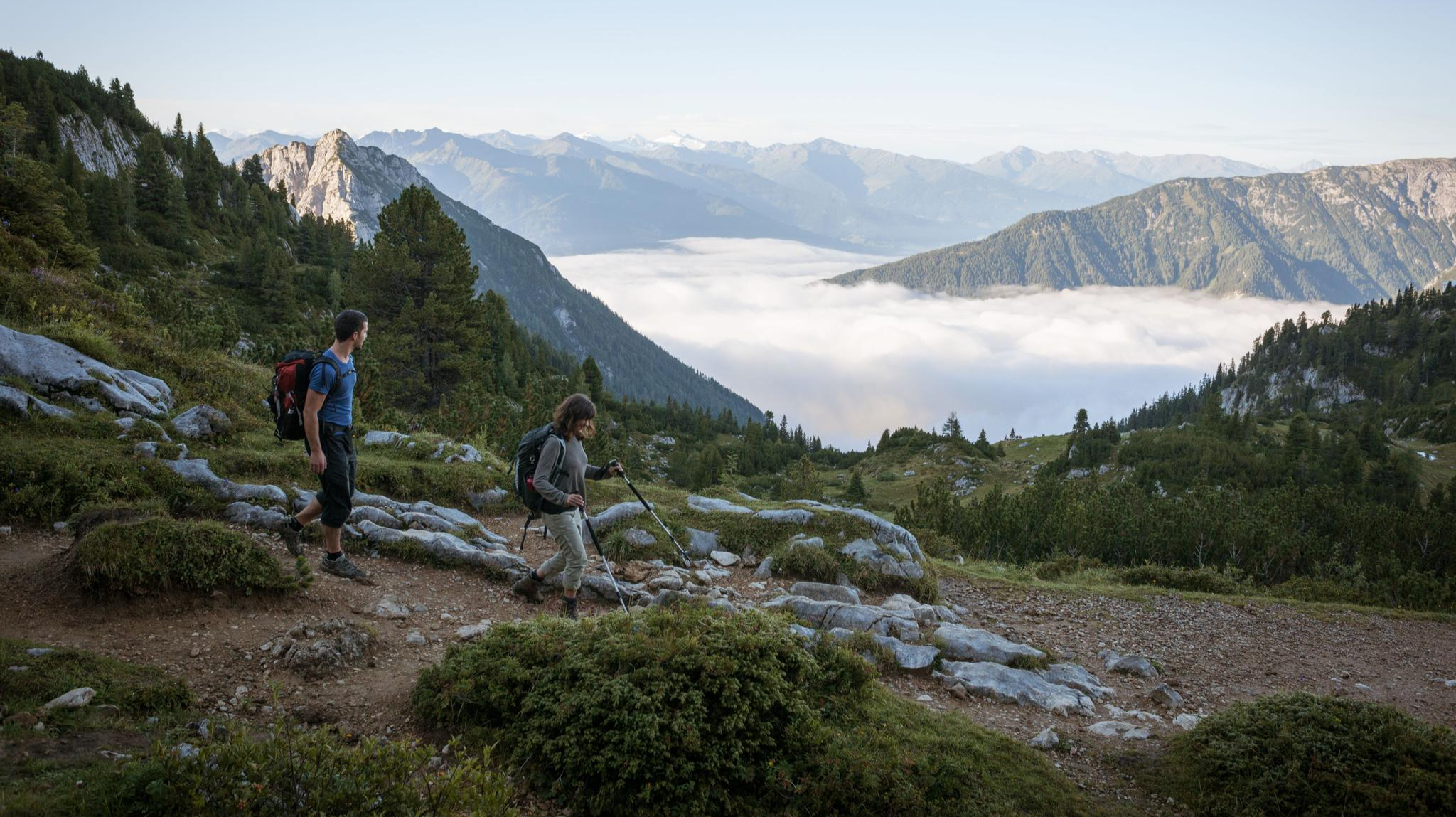
Eagle Walk – Majestic hiking along Tirol's trail
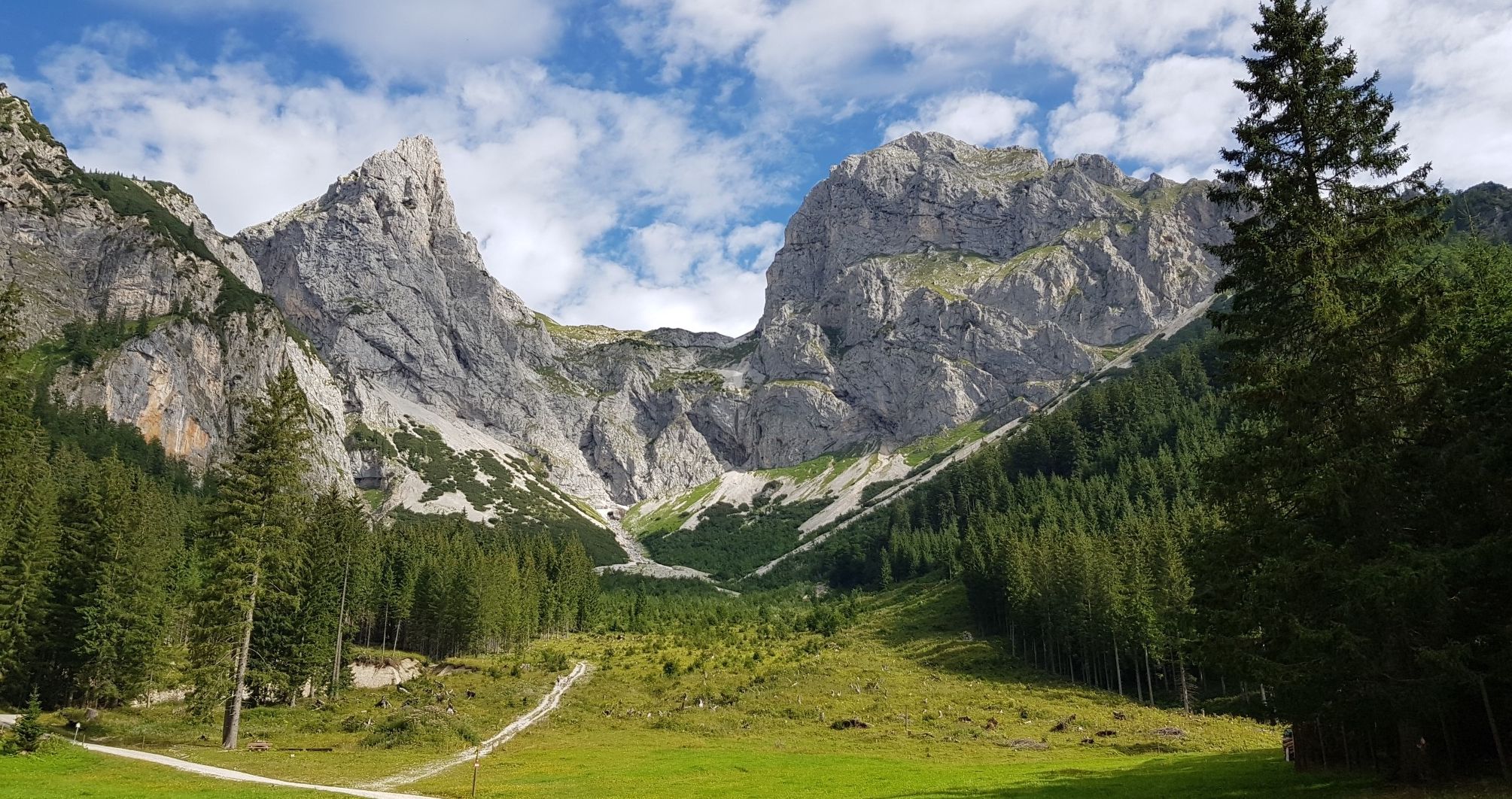
North Alpine Trail 01 – Hike across Austria in 49 days
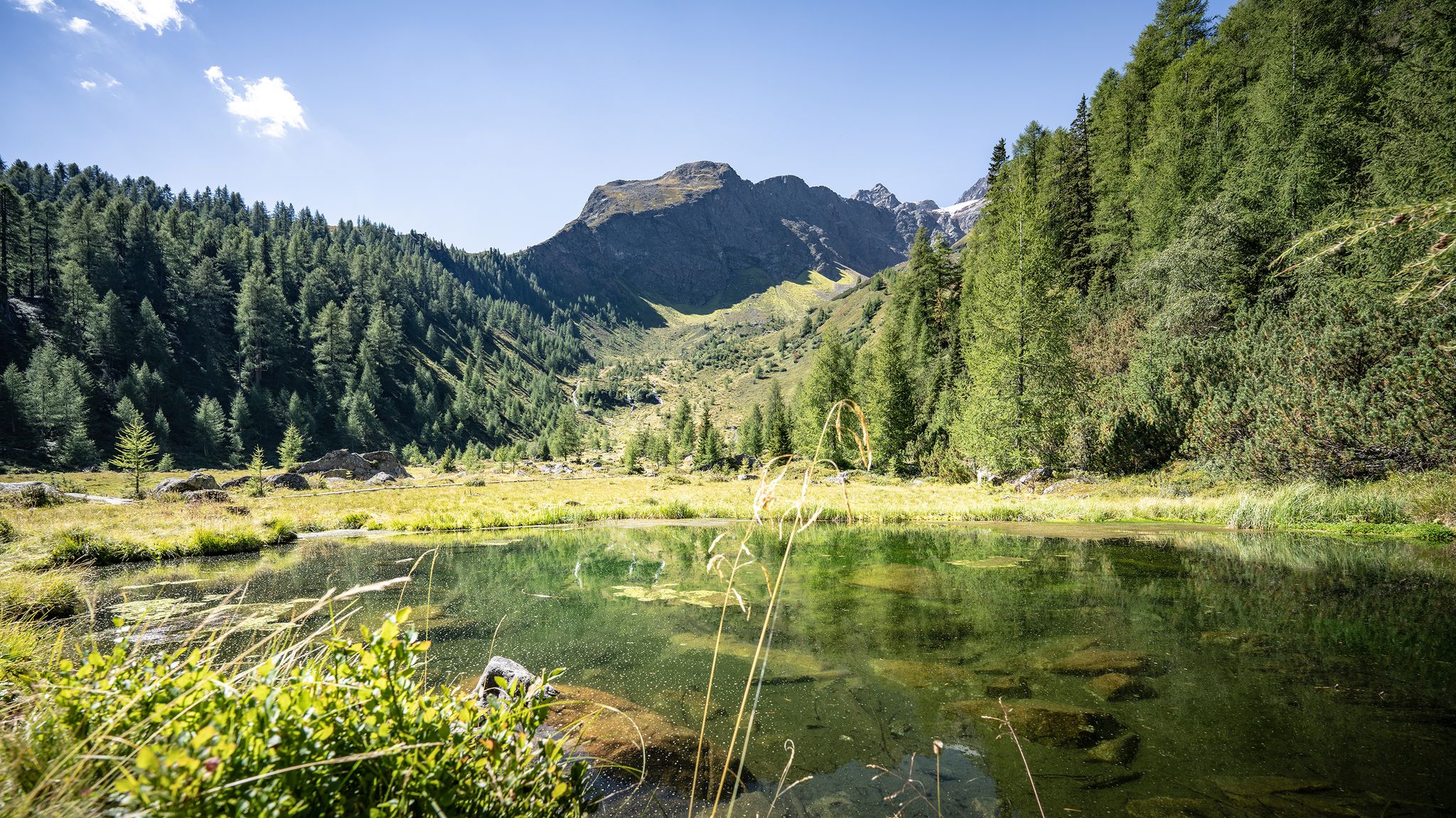
Wild water, light blue – mountain lake Tours in St. Anton am Arlberg
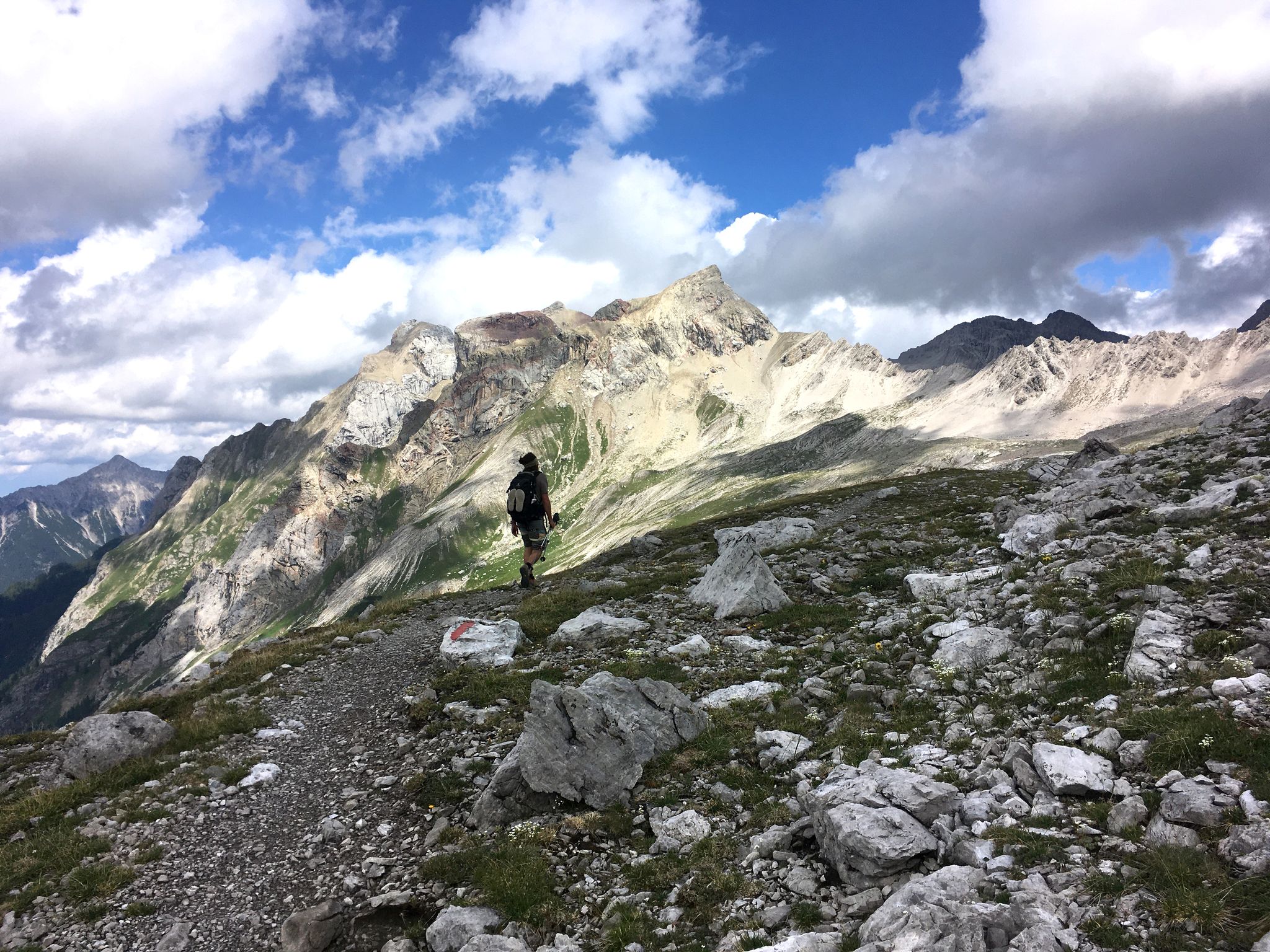
A little scree underfoot — Lechtaler High Trail in Austria
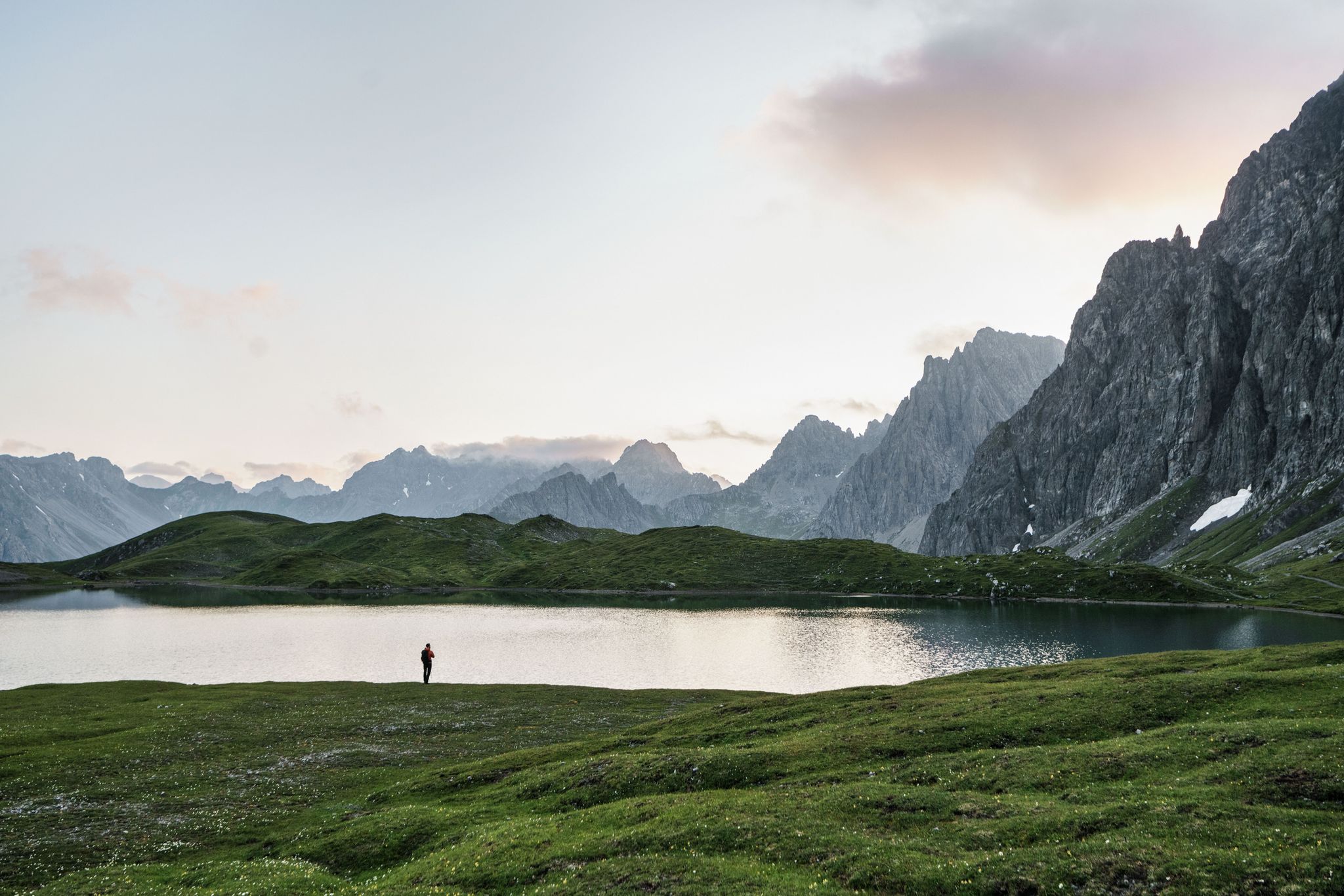
Hiking for human dynamos on the Lechtal Mountain Trail – Great Walks
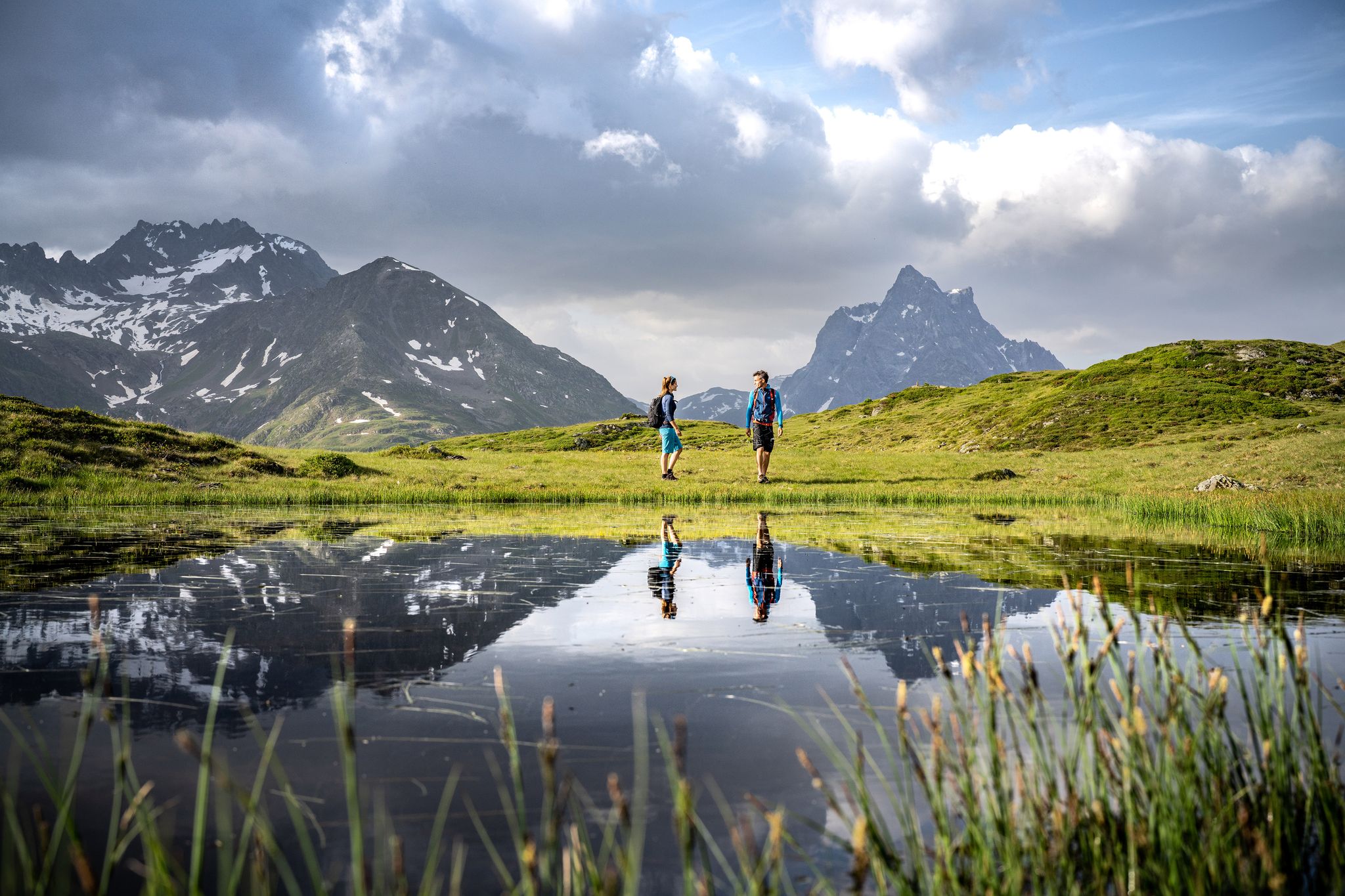
Enjoy the beauty around St. Anton am Arlberg - 12 day hikes
Other adventures around Flirsch


Tips from the Community

Drinking water can be tapped here.
0
0

Beautiful small lake and easy to reach from the village. With benches, a fireplace and many more
0
0

Furnishing The three altars were created in 1851. The high altar has the central figure of a late Gothic Madonna around 1520 and the figures of Saints Bartholomew and Barbara by Josef Georg Witzer from the middle of the 18th century. The excerpt shows the image of the Trinity. The left side altar shows the baroque altarpiece of the Rapture of Mary Magdalene around 1770 and the Heart of Jesus in the upper image. The right side altar shows the altarpiece Madonna and Jesus and Poor Souls from the 19th century and the Heart of Mary in the upper image. An altarpiece allegory Redemption of Poor Souls by Franz Firler from 1757 is in safekeeping. The pulpit is from the second half of the 19th century. The ambo consists of parts from around 1800. Josef Georg Witzer created two male figures of saints. The crucifix is from the beginning of the 18th century. The two canvas pictures Anna herself and Josef with child are from the end of the 18th century. The Mariahilf picture in a carved frame was created around 1800. The station pictures are from the first quarter of the 19th century. Anton Behmann built the organ in 1906. Text / Source: Austria Forum https://austria-forum.org/af/AustriaWiki/Pfarrkirche_Flirsch
15
1
architecture The baroque church building with a simple nave under a gable roof has a retracted polygonal choir. The tower on the north side of the choir has round-arched sound windows with an eastern balcony with a bulging iron grille and, at the end, a blown gable with an onion helmet and lantern from 1821. The west facade with a composite gable has the figure of the Good Shepherd from the 19th century in a niche . The sacristy was added to the south. The interior of the church shows a four-bay nave with arched windows under a vaulted barrel with stitch caps on pilasters and flat belts. The two-story gallery on iron stands is from the 19th century. Behind the round-arched triumphal arch is the choir with a square groin-vaulted choir yoke and a 3/8 end. The ceiling paintings by the painter Josef Leopold Strickner from 1812 show St. Bartholomew before Christ and in the nave the torture, the sermon and the miraculous healing of St. Bartholomew. Text / Source: Austria Forum https://austria-forum.org/af/AustriaWiki/Pfarrkirche_Flirsch
15
1
Flirsch Parish Church (consecrated Apostle Bartholomew) Story The church was mentioned in a document in 1385. The side altars were consecrated in 1482. In 1751 the church was re-consecrated after renovations. In 1811 the church was renovated and expanded to the west. The church was a branch of the parish church of St. Jakob am Arlberg and was elevated to a parish church in 1891. An interior renovation took place from 1973 to 1974. Text / Source: Austria Forum https://austria-forum.org/af/AustriaWiki/Pfarrkirche_Flirsch
15
1
Parish Church of Strengen (Saint Martin of Tours) A church was mentioned in a document in 1420. The church was changed in 1636/1637. Today's church was built with a baroque renovation between 1753 and 1755 according to the plans of the architect Paul Glatzl, and was re-consecrated in 1761. In 1892 the church was made a parish. There was a renovation in 1974/1975, which also included an expansion of the church in the west with a vestibule and gallery according to the plans of the architect Eduard Ladner. Text/Source: Wikipedia https://de.wikipedia.org/wiki/Pfarrkirche_Strengen
15
1

Pretty little chapel with a fountain and a beautiful view of the valley and mountains.
0
0
Passing the hamlets of Riefe, Kramategg and Verill, you reach this particularly quiet and picturesque high meadow area above Strengen. The Eggerweiher also slumbers here - a fantastically beautiful place!
0
0
Frequently Asked Questions
How many easy hiking trails are available around Flirsch?
Flirsch offers a wide selection of easy hiking trails, with over 160 routes specifically categorized as easy. In total, the region boasts more than 550 hiking tours, catering to various preferences and skill levels.
What kind of terrain can I expect on easy hikes in Flirsch?
Easy hikes around Flirsch typically traverse lush alpine meadows and dense forests, set against the dramatic backdrop of the Lechtal Alps and Verwall Group. You'll find varied terrain, including gentle paths through the Schnanner Gorge and serene areas like the Mösli Nature Reserve.
Are there any easy circular routes in Flirsch?
Yes, Flirsch has several easy circular routes. A popular option is the Ganatschalm – Mösli Nature Reserve loop from Flirsch, which is about 3.6 km long. Another is the Flirsch Parish Church – Flirsch loop from Flirsch, a 3.0 km trail through the village surroundings.
What are the best seasons for easy hiking in Flirsch?
The best seasons for easy hiking in Flirsch are spring and summer, when the weather is mild and the landscape is vibrant with blossoming flowers. Autumn also offers a spectacular experience as the mountain slopes are adorned with bright foliage, providing stunning views.
Are there any family-friendly easy hikes in Flirsch?
Many easy trails around Flirsch are suitable for families. The hiking trail around the village of Schnann is particularly attractive, allowing children to playfully discover nature. Routes like the Flirsch Parish Church – Flirsch loop from Flirsch are also gentle and accessible for all ages.
Can I find any waterfalls on easy hiking trails near Flirsch?
While many waterfalls are in more challenging areas, you can explore the Schnanner Gorge, which features narrow pathways and towering rock formations, offering a unique natural experience. The Parseierbach Waterfall is also a notable highlight in the broader region.
What do other hikers enjoy most about the easy trails in Flirsch?
The easy trails in Flirsch are highly rated by the komoot community, with an average score of 4.5 stars from over 1,400 reviews. Hikers often praise the well-marked paths, the stunning alpine scenery, and the tranquil atmosphere of areas like the Mösli Nature Reserve.
Are there any interesting landmarks or points of interest along easy hikes?
Yes, you can combine easy hikes with cultural and natural points of interest. The Alpine section from Fritzhütte – View of Schnann loop from Flirsch passes through forests near the Schnanner Gorge. You can also visit historic sites like Schnann Castle or the Lourdes Chapel and Grotto as part of a village exploration.
Are there any easy hikes that offer panoramic views?
While many high alpine panoramic views require more challenging ascents, some easy trails offer lovely vistas of the surrounding mountains and valleys. The Alpine section from Fritzhütte – View of Schnann loop from Flirsch provides scenic views of the area.
How long do easy hikes around Flirsch typically take?
Easy hikes around Flirsch vary in length and duration. For example, the Ganatschalm – Mösli Nature Reserve loop from Flirsch typically takes about 1 hour and 8 minutes to complete, while the Flirsch Parish Church – Flirsch loop from Flirsch can be done in about 54 minutes.
Are there opportunities for refreshments or cafes after easy hikes in Flirsch?
Flirsch, as a village, offers options for refreshments. Additionally, some mountain huts in the region, like the Fritzhütte, are accessible via moderately challenging paths and provide excellent refreshment stops. For easier access, the village itself has facilities.
Can I access easy hiking trails using public transport in Flirsch?
Flirsch is well-connected within the Arlberg region, and public transport options are available. Many trails start directly from the village, making them accessible without a car. It's advisable to check local bus schedules for specific starting points further afield.
Most popular routes around Flirsch
Most popular attractions around Flirsch

Get inspired with the komoot mobile app


Explore more
Browse the best Hikes in other regions.
