Attractions and Places To See in Pelagonia Region - Top 20
Attractions and places to see in Pelagonia Region, located in southwestern North Macedonia, encompass a diverse landscape of historical landmarks, natural features, and cultural sites. The region is characterized by the fertile Pelagonian Plain, surrounded by mountains like Baba Mountain, and includes significant natural areas such as Pelister National Park and Lake Prespa. It offers a variety of sites ranging from ancient cities and medieval fortresses to historic churches and vibrant pedestrian streets.
Best attractions and places to see in…
Last updated: August 4, 2026
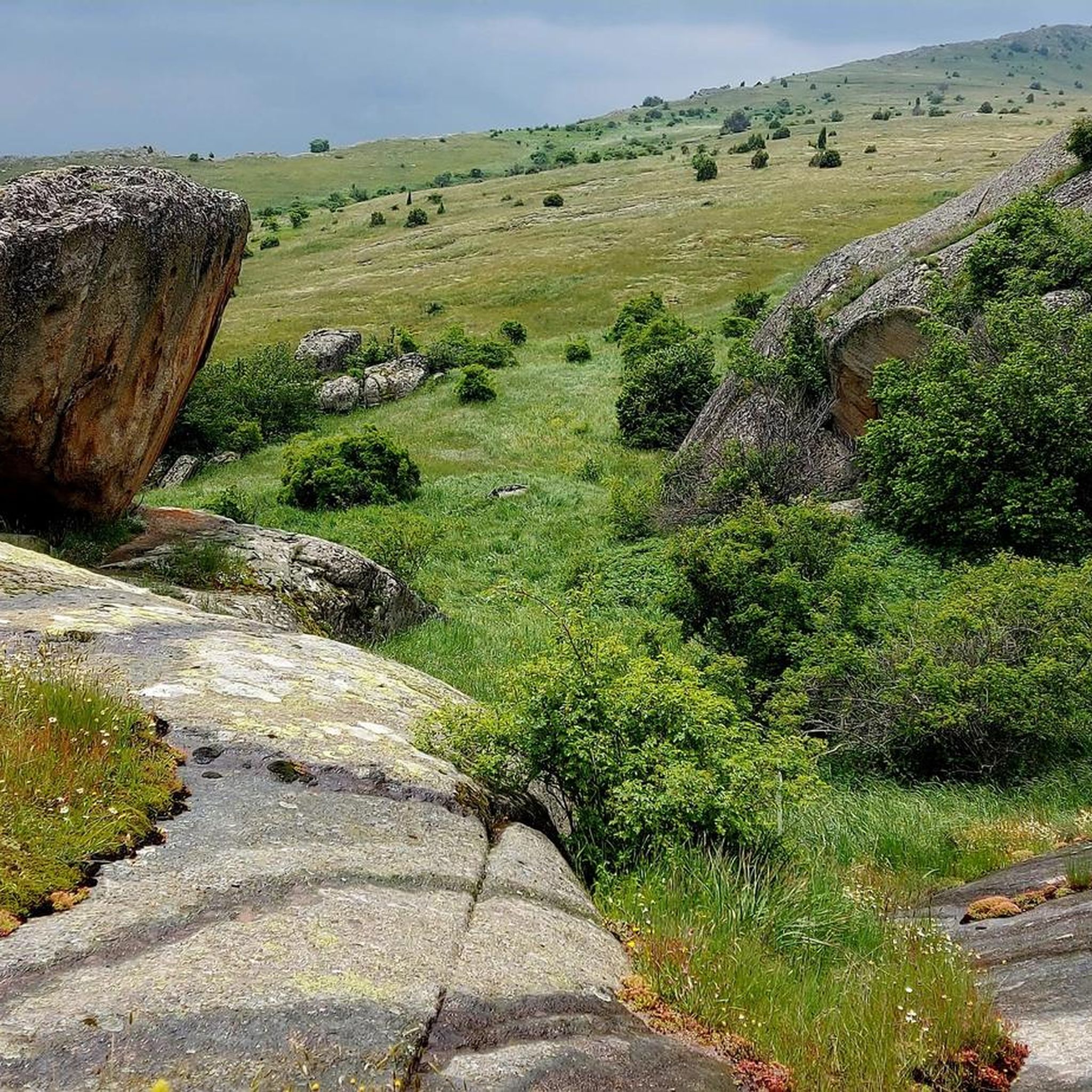
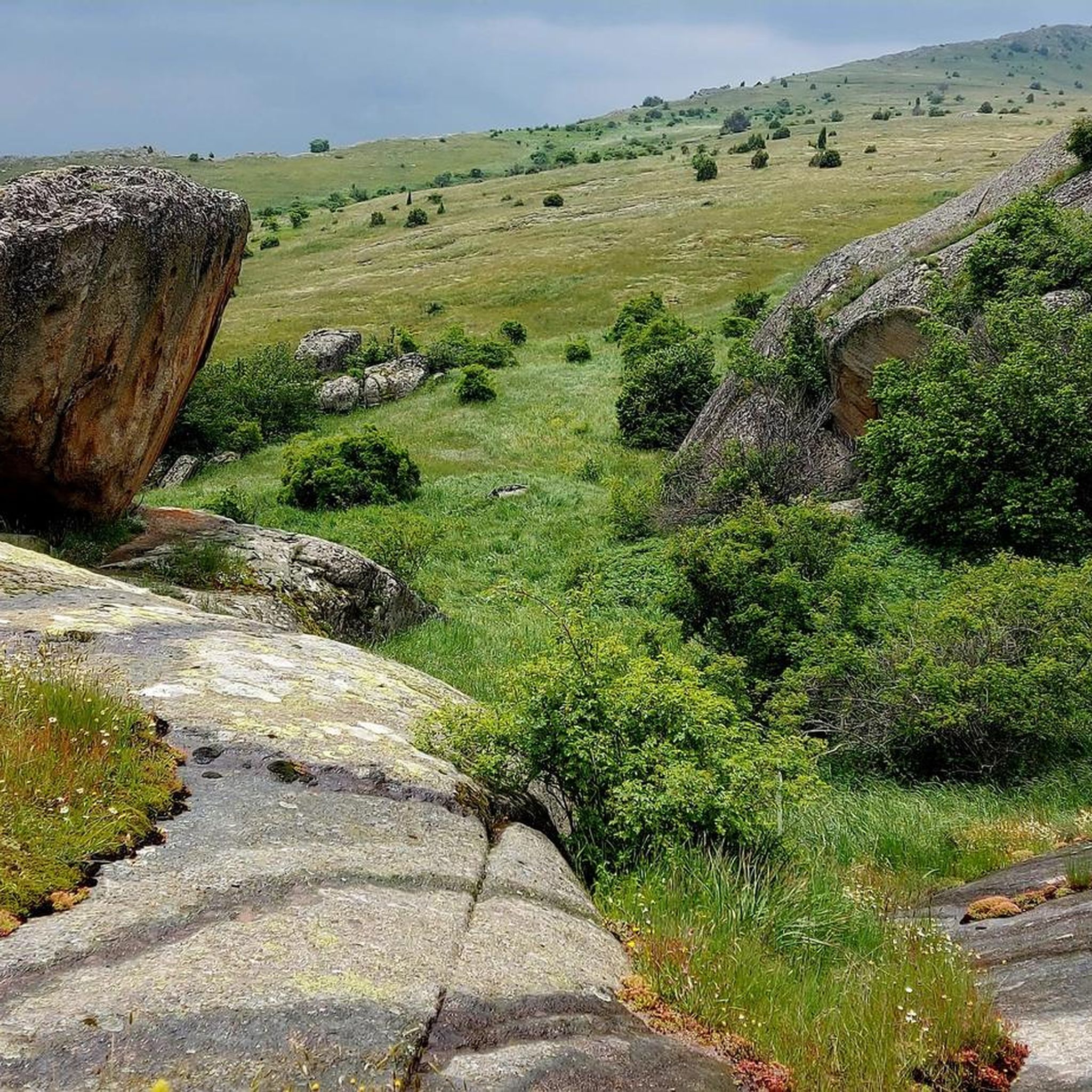
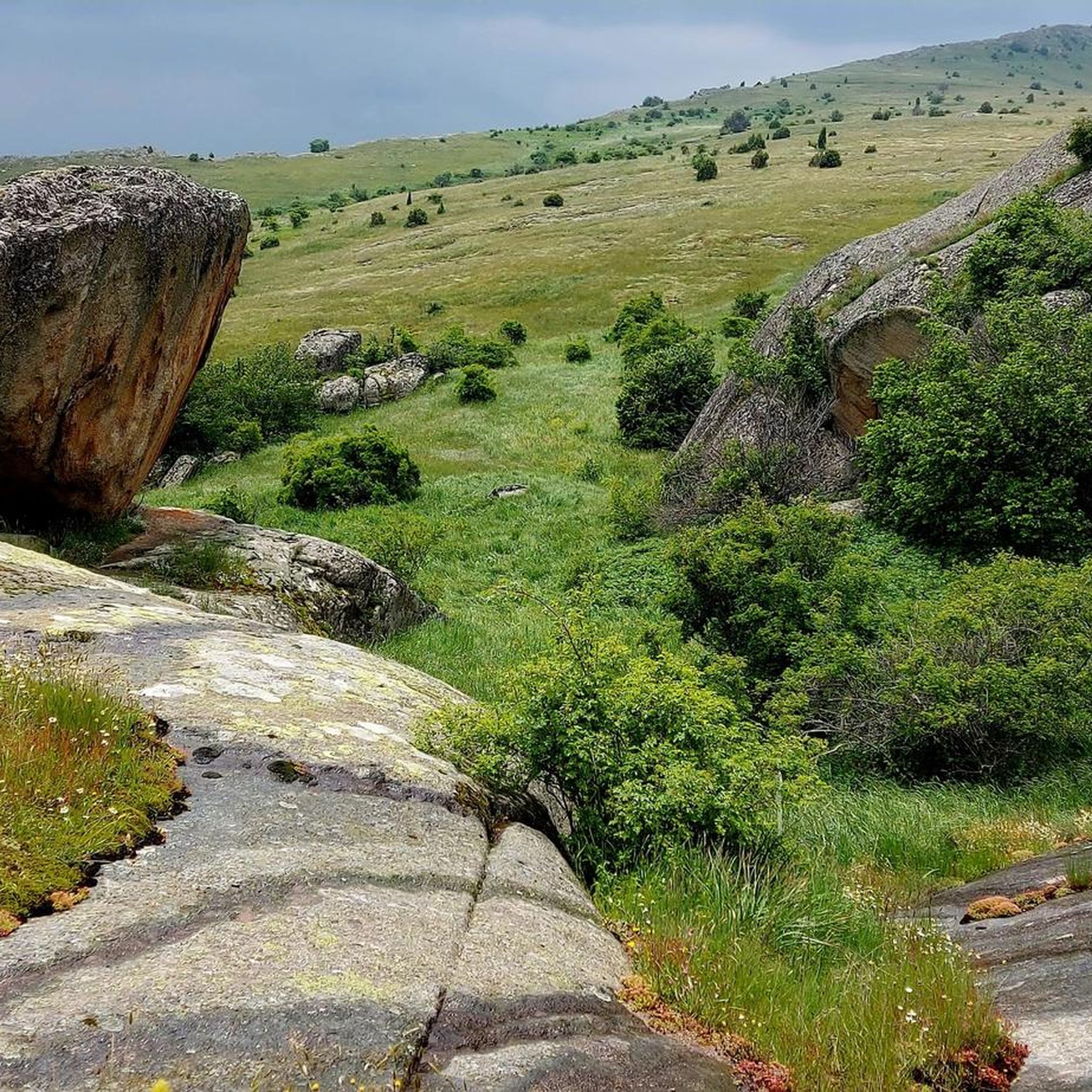
Markovi Kuli (Marko's Towers)
Highlight • Historical Site
Translated by Google •
Tip by

Magaro Hiking Area
Highlight • Trail
Translated by Google •
Tip by

Sign up now to discover places like this
Get recommendations on the best single tracks, peaks, & plenty of other exciting outdoor places.
Sign up for free
Forest Trail in Pelister National Park
Highlight • Trail
Translated by Google •
Tip by

St. Demetrius Church
Highlight • Religious Site
This church is a temple of the eparchy and is one of the largest churches in Macedonia. …
Translated by Google •
Tip by

Cobblestone Road in Pelister National Park
Highlight (Segment) • Cycleway
Tip by

Bitola Clock Tower
Highlight • Monument
Translated by Google •
Tip by
Viewpoint Over Magarevo
Highlight • Viewpoint
Translated by Google •
Tip by
Gjavato Pass (1164 m)
Highlight • Mountain Pass
Translated by Google •
Tip by

Yahya Pasha Mosque
Highlight • Religious Site
Translated by Google •
Tip by
Summit Cross
Highlight • Summit
Translated by Google •
Tip by

Sign up for free to discover even more attractions in Pelagonia Region.
Sign up for free
Already have an account?
Start today with a free account
Your next adventure awaits.
Login or Signup
Tips from the Community

Built in 1830, it is the landmark and one of Bitola's most important buildings. It is located in the park, where the New Mosque and the Church of St. Demetrios are also located.
1
0

The road from Resen up to the pass was easy to cycle. The new road down towards Bitula is obviously more suitable.
0
0

Road isn't in a good condition, but not a single car there
1
0

At the end of the Korzo you can see two mosques. One is still active. The other now houses cultural events.
1
0
The iconostasis was made in golden woodcut by an unknown clique of woodcutters This church is a temple of the eparchy and is one of the largest churches in Macedonia. It was built in 1830, and its bell tower a century later, in 1936. It was built at a time when Turkish law did not allow churches to be too high. Therefore, burying this magnificent building in the ground was the best way to respect the law at that time. The interior is very beautiful and richly decorated. Two rows of massive columns, six on each side, divide it into three naves, of which the central one is the largest. It was built in the form of a three-nave basilica, with side galleries on the floor where there are chapels. The iconostasis is made of deep woodcut, with plaster and gold, and is rich in elements of the flora and fauna. It was created by the hands of a previously unknown clique of Macedonian woodcarvers.
2
0
The Clock Tower is the most famous monument and symbol of Bitola. It is located in the center. The town clock dominates with its height and broadcasts popular music in time with the hour hand. Although no documentation of its construction has been found, it is assumed that it was built during the period of Turkish rule, in the 14th century, together with the Jeni Mosque. It is 33 m high and stands on a square base. On the north side there is a semicircular entrance and internal staircases made of stone in the shape of a spiral. It is divided into three floors, and on the third floor there is the mechanism with clocks on all four sides. The top part is a small dome that offers a beautiful view of the City of Consuls and the surrounding area. The park around the tower is the place for citizens to gather on Christmas Eve. There they light candles on the lawn and along the sidewalk on Christmas Eve.
1
0

In August a big meeting of Macedonians from all over the world.
0
0
Located on the Gawato Pass with a beautiful view towards Bitola. Place for a break.
0
0
Frequently Asked Questions
What natural attractions can I explore in the Pelagonia Region?
The Pelagonia Region offers diverse natural beauty. You can visit Pelister National Park, known for its rugged scenery, glacial lakes (including the 'Pelister Eyes'), and endemic *molika* pine. Another highlight is Prespa National Park and Lake Prespa, featuring stunning shorelines, diverse birdlife, and Golem Grad (Snake Island). For hiking, the Magaro Hiking Area within Galičica National Park offers trails of varying lengths. Baba Mountain also provides magnificent views.
Are there easy hiking trails in the Pelagonia Region?
Yes, the Pelagonia Region has several easy hiking options. For example, you can find routes like the 'Markovi Kuli (Marko's Towers) – Summit Cross loop from Prilep' which is 3.7 km long. Another easy option is the 'Yahya Pasha Mosque – Bitola Clock Tower loop from Bitola' covering 5.5 km. You can find more easy hikes in the region by exploring the Easy hikes in Pelagonia Region guide.
What historical sites should I visit in the Pelagonia Region?
The region is rich in history. Near Bitola, explore the ancient city site of Heraclea Lyncestis with its Roman baths, theater, and mosaics. In Prilep, don't miss Markovi Kuli (Marko's Towers), medieval towers on a hill offering great views. The Bitola Clock Tower is a prominent symbol in Bitola's city center, and the Kale Fortress provides panoramic views overlooking Bitola.
What cultural experiences does the Pelagonia Region offer beyond historical sites?
Beyond ancient ruins, you can experience the vibrant atmosphere of Shirok Sokak, Bitola's bustling pedestrian street with neoclassical buildings and cafes. Visit the Tobacco Museum in Prilep, which showcases exhibits from various continents. The Regional Museum Bitola covers the history, culture, and archaeology of Pelagonia. Additionally, picturesque villages like Malovište offer opportunities to experience local traditions and authentic cuisine.
Are there any significant religious sites in the Pelagonia Region?
Yes, the Pelagonia Region is home to many significant religious sites. The St. Demetrius Church in Bitola, built in 1830, is one of the largest churches in Macedonia, known for its richly decorated iconostasis. Near Prilep, you can find the important Monastery Complex of Zrze and Treskavec. The medieval Church of St. George in Kurbinovo is renowned for its well-preserved frescoes, considered of world importance. The Yahya Pasha Mosque in Bitola is also a notable historical religious building.
What are some family-friendly activities in the Pelagonia Region?
Families can enjoy the natural beauty of Pelister National Park with its hiking trails and glacial lakes. The Bitola Clock Tower is considered a family-friendly historical site. Exploring the pedestrian street Shirok Sokak in Bitola offers a pleasant stroll with shops and cafes. Depending on the season, activities like skiing in winter at centers like Nizepole or Kopanki, or simply enjoying the tranquil scenery around Lake Prespa can be great for families.
What is the best time to visit the Pelagonia Region?
The Pelagonia Region offers attractions year-round. For hiking and exploring natural parks like Pelister and Prespa, late spring to early autumn (May to October) provides pleasant weather. Summer is ideal for mountain activities and enjoying the lakes. If you're interested in cultural events, Bitola hosts the International Cinematographers' Film Festival 'Manaki Brothers', and Prilep has 'Pivofest' (beer fest).
Where can I go for outdoor activities like cycling or mountain biking?
The Pelagonia Region is excellent for cycling and mountain biking. You can find various road cycling routes, such as the 'Pelagonija Road loop from Прилеп' which is 88 km long, or the 'Roadbike loop from Dolno Konjsko'. For mountain biking, there are challenging trails like the 'Peribleptos Church – View of Lake Ohrid loop from Ohrid'. Explore more options in the Road Cycling Routes in Pelagonia Region and MTB Trails in Pelagonia Region guides.
Are there any hidden gems or less-known attractions in Pelagonia?
Beyond the main highlights, consider visiting the Resen's Saraj, a unique mansion now serving as a museum and pottery colony. The picturesque Aromanian village of Malovište is a popular tourist destination offering authentic experiences. For nature lovers, Krusevo Lake and Marble Lake provide beautiful natural settings. The numerous cliff-top monasteries and historic churches with vibrant frescoes scattered throughout the Pelagonia Valley also offer unique discoveries.
What are some notable historical landmarks in Prilep?
Prilep is home to several significant historical landmarks. The most prominent are Markovi Kuli (Marko's Towers), medieval towers located on a hill northwest of the city. The Old City Center of Prilep, with its narrow streets, is also historically rich. Other important sites include the Mound of the Unbeaten and the Memorial Museum of October 11, 1941, commemorating a pivotal historical event.
Can I find cafes or places to eat near historical sites?
Yes, especially in larger towns. In Bitola, Shirok Sokak is famous for its numerous cafes and restaurants, perfect for a break after visiting sites like the Bitola Clock Tower or Heraclea Lyncestis (which is just outside the city). Prilep's city center also offers dining options near its historical landmarks. Many active villages in the region, such as Brajčino and Ljubojno, also offer authentic local cuisine.
What is the Pelagonian Plain and why is it significant?
The Pelagonian Plain is the geographical heart of the region, a large and fertile valley surrounded by mountains like the Baba and Nidže ranges. It's significant for its agricultural productivity and has historically been a crossroads for cultures, contributing to the rich tapestry of historical and cultural sites found throughout the region.
Most popular routes in Pelagonia Region
Most popular attractions in Pelagonia Region

Get inspired with the komoot mobile app


Explore more
Still not found the Highlight you’re looking for? See guides of the top attractions in other regions:
