Easy hikes and walks in Chko České Středohoří
4.6
(14355)
53,100
hikers
340
hikes
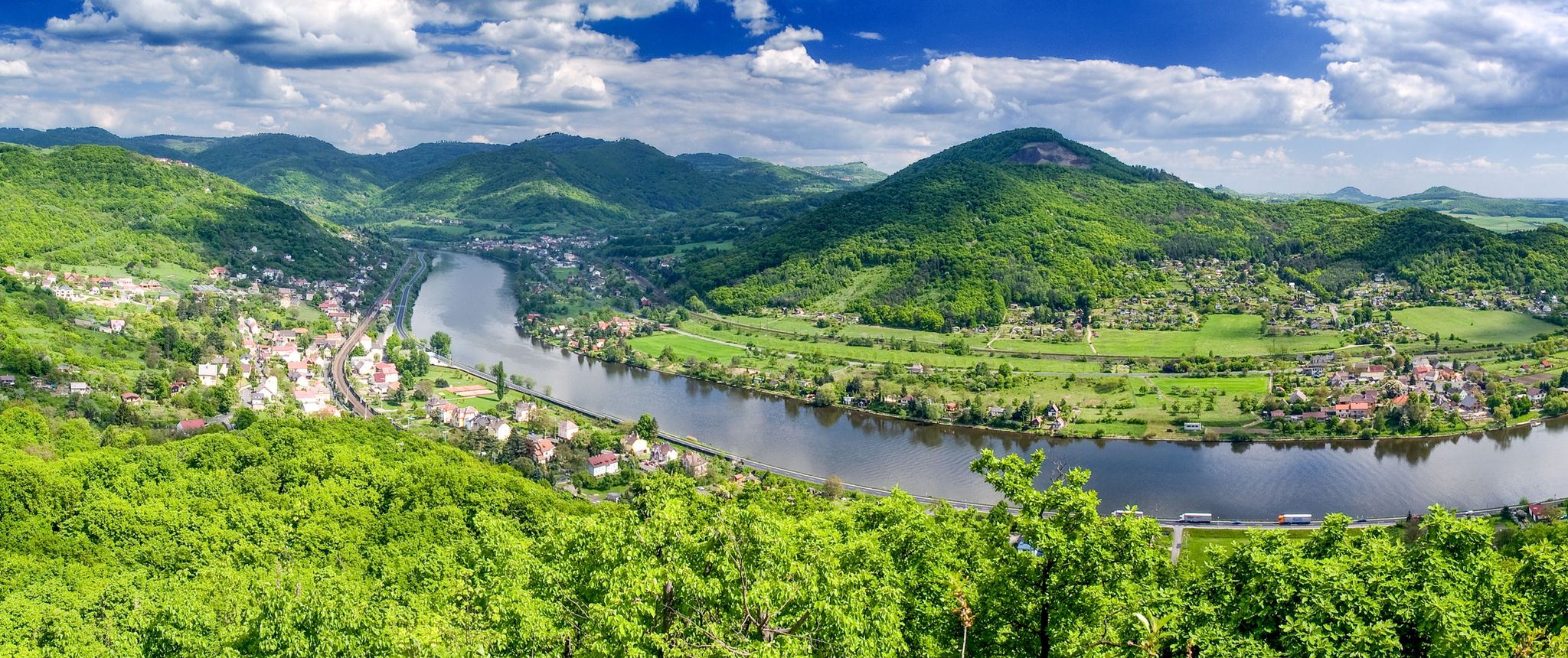
Hiking in Chko České Středohoří offers diverse landscapes shaped by its unique volcanic origin. The region features steep, conical hills, sharp rocky formations, and deep ravines, providing varied terrain for exploration. The Elbe River carves through the foothills, adding to the natural diversity with lush pastures and dense deciduous forests. This protected landscape area is characterized by its geological formations and rich ecosystems, making it suitable for various outdoor activities.
Best easy hiking trails in Chko České Středohoří
- The most…
Last updated: May 19, 2026
4.5
(23)
71
hikers
5.52km
01:36
130m
130m
Easy hike. Great for any fitness level. Easily-accessible paths. Suitable for all skill levels.
3.9
(9)
46
hikers
7.17km
01:53
60m
60m
Easy hike. Great for any fitness level. Easily-accessible paths. Suitable for all skill levels.

Sign up for free
4.0
(6)
34
hikers
6.91km
01:58
140m
140m
Easy hike. Great for any fitness level. Easily-accessible paths. Suitable for all skill levels.
4.8
(13)
55
hikers
4.57km
01:20
110m
110m
Easy hike. Great for any fitness level. Easily-accessible paths. Suitable for all skill levels.
3.3
(10)
29
hikers
6.49km
01:53
170m
180m
Easy hike. Great for any fitness level. Easily-accessible paths. Suitable for all skill levels.
Get access to more routes and recommendations from other explorers.
Sign up for free
Already have an account?
Our route recommendations are based on thousands of hikes, rides, and runs completed by other people on komoot.
Start today with a free account
Your next adventure awaits.
Login or Signup
Other adventures in Chko České Středohoří


Tips from the Community

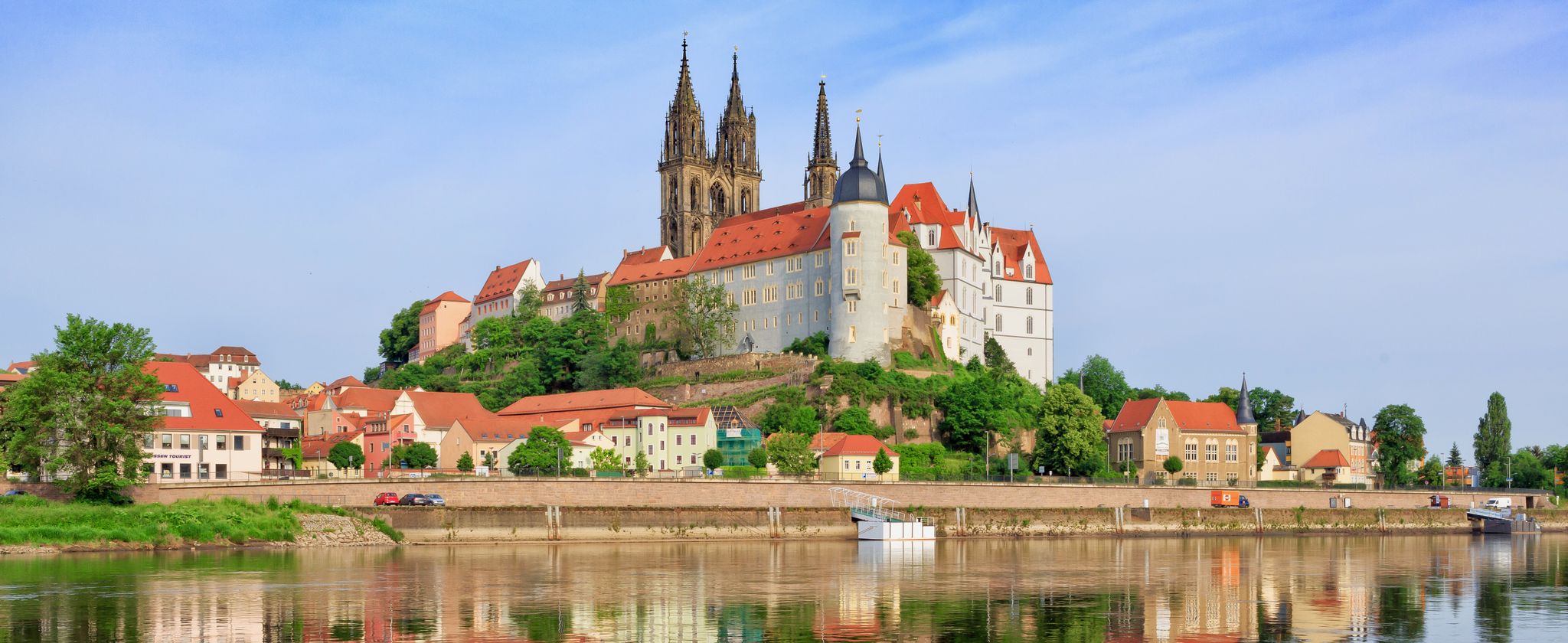
The Thuns undertook two fundamental and comprehensive interventions in the palace. The first, the High Baroque remodeling, took place in the last three decades of the 17th century at the instigation of Maximilian Thun, the imperial envoy and diplomat. His primary aim was to strengthen the ceremonial function of his estate and appropriately demonstrate the family's wealth and influential position. The main axis of the entire project was the new access road, the so-called "Long Drive" ("Dlouhá jízda"), which leads to the upper gate in front of the completely rebuilt entrance wing. Along this road, he had an ornamental garden (now the Rose Garden) laid out symmetrically on one side and an equestrian area on the other. Down in the town, practically at the foot of the Schlossberg, Maximilian and his brother Johann Ernst had the palace church "Elevation of the Holy Cross" built (the architect remains unknown to this day).
2
0
Děčín Castle (German: Tetschner Schloss) is located on a rocky ridge near the Elbe River in the town of Děčín (Tetschen) in the Czech Republic. The castle dates back to a fortification built by the Přemyslids at the end of the 10th century (mentioned in 1128) to control shipping on the Elbe. In the 13th century, the wooden structure was converted into a stone castle and expanded. The Bünaus converted the complex into a Renaissance castle in the 16th century, but were forced to sell it to the von Thun family after the Thirty Years' War because of their Protestant faith. The von Thuns occupied the castle until 1932, then sold it to the state for financial reasons and relocated to Jílové (Eulau). See: https://de.wikipedia.org/wiki/Schloss_D%C4%9B%C4%8D%C3%ADn
2
0
The Rose Garden is undoubtedly the most attractive part of the palace grounds. Its charm lies in the combination of unique Baroque architecture with the captivating beauty of blooming roses. To the west, the Rose Garden is bordered by the Sala Terrena, with its preserved frescoes dating from 1678; the eastern end forms a sweeping gloriette decorated with a Baroque statue gallery. The name Rose Garden came into use around 1881, after one of the most famous rose gardens of the Habsburg Monarchy was created here. See: https://www.zamekdecin.cz/de/info/uber-das-schloss/schlossgarten/rosengarten
2
0
Děčín Castle (German: Tetschner Schloss) is located on a rocky ridge near the Elbe River in the town of Děčín (Tetschen) in the Czech Republic. The castle dates back to a fortification built by the Přemyslids at the end of the 10th century (mentioned in 1128) to control shipping on the Elbe. In the 13th century, the wooden structure was converted into a stone castle and expanded. The Bünaus converted the complex into a Renaissance castle in the 16th century, but were forced to sell it to the von Thun family after the Thirty Years' War because of their Protestant faith. The von Thuns occupied the castle until 1932, then sold it to the state for financial reasons and relocated to Jílové (Eulau). See: https://de.wikipedia.org/wiki/Schloss_D%C4%9B%C4%8D%C3%ADn
2
0
The reconstructed restaurant with the 18 m high observation tower stands on the Schäferwand, a sandstone cliff 160 m high above the Elbe in the town of Děčín.
2
0
Děčín Castle (German: Tetschner Schloss) is located on a rocky ridge near the Elbe River in the town of Děčín (Tetschen) in the Czech Republic. The castle dates back to a fortification built by the Přemyslids at the end of the 10th century (mentioned in 1128) to control shipping on the Elbe. In the 13th century, the wooden structure was converted into a stone castle and expanded. The Bünaus converted the complex into a Renaissance castle in the 16th century, but were forced to sell it to the von Thun family after the Thirty Years' War because of their Protestant faith. The von Thuns occupied the castle until 1932, then sold it to the state for financial reasons and relocated to Jílové (Eulau). See: https://de.wikipedia.org/wiki/Schloss_D%C4%9B%C4%8D%C3%ADn
4
0
The historic fountain stands on the market square in the town of Děčín, Czech Republic. The stone figure depicts Neptune, the god of the sea. The fountain originally served as a source of drinking water.
3
0

Always worth a trip. Magnificent view of Decin from up there.
0
0
Frequently Asked Questions
How many easy hiking trails are available in Chko České Středohoří?
Chko České Středohoří offers a wide selection of easy hiking trails. There are nearly 100 easy routes, making it a great destination for beginners or those looking for a relaxed walk. In total, the region features over 340 hiking routes across all difficulty levels.
What kind of terrain can I expect on easy hikes in Chko České Středohoří?
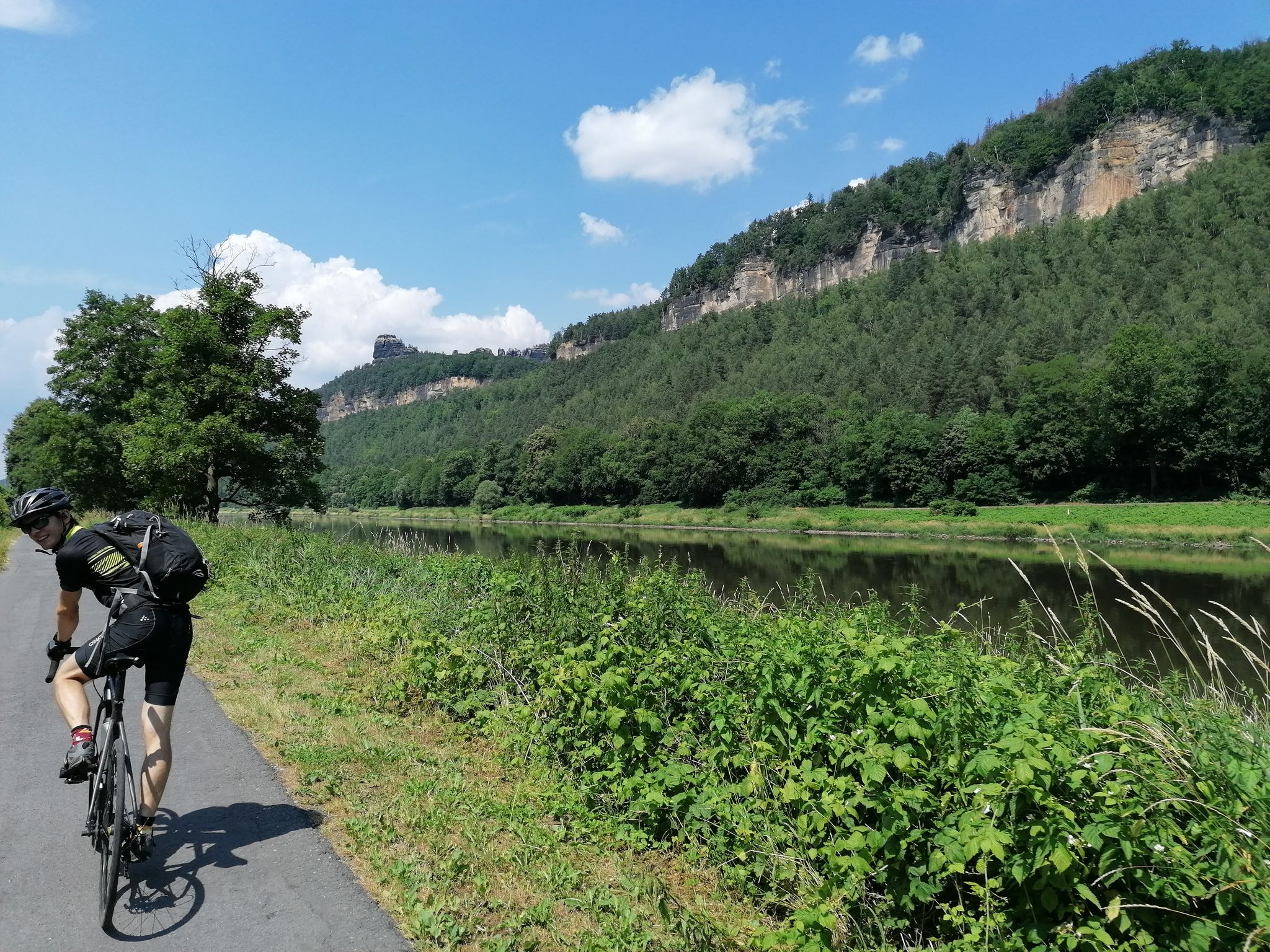
Easy hikes in Chko České Středohoří often feature varied terrain, reflecting the region's unique volcanic origin. You can expect gentle paths through deciduous forests, lush pastures, and along the winding Elbe River. While the area is known for its steep volcanic hills, easy routes typically navigate around or offer gradual ascents, providing scenic views without significant challenge.
Are there any easy circular walks in Chko České Středohoří?
Yes, many easy trails in Chko České Středohoří are designed as circular walks, allowing you to start and end at the same point. For example, the Děčín Castle – Děčín Castle loop from Děčín hlavní nádraží is a popular easy circular route, as is the Děčín Castle – Děčín Castle loop from Děčín zastávka.
What natural features can I see on easy trails in Chko České Středohoří?
Easy trails in Chko České Středohoří showcase the region's diverse natural beauty. You can encounter remnants of its volcanic past, such as the dramatic Panská Skála Basalt Columns, or enjoy views of the Elbe River carving through the landscape at the 'Porta Bohemica'. The area also features varied ecosystems, from dense forests to dry steppes, and vineyards near the river.
Are there any castles or historical sites accessible on easy hikes?
Absolutely. The region is rich in history. Many easy routes offer views of or lead to historical sites. For instance, several easy loops provide excellent perspectives of Děčín Castle, such as the View of Děčín Castle – Děčín Castle loop from Děčín-Přípeř. You might also spot other castle ruins or historical villages along your walk.
Where can I find the best viewpoints on easy hiking trails?
The volcanic topography of Chko České Středohoří provides numerous vantage points. Even on easy trails, you can often find stunning panoramic views of the 'Garden of Bohemia'. Highlights like Ferdinandshöhe (Větruše) offer accessible elevated perspectives, and some routes provide distant views of prominent peaks like Milešovka.
Are the easy hiking trails in Chko České Středohoří suitable for families with children?
Yes, Chko České Středohoří offers many family-friendly easy hikes. These routes typically have gentle elevation changes and well-maintained paths, making them suitable for children. The diverse landscapes and points of interest, such as castles or unique rock formations, can keep younger hikers engaged.
Can I bring my dog on easy hikes in Chko České Středohoří?
Generally, dogs are welcome on trails in Chko České Středohoří, provided they are kept on a leash, especially in protected areas and near wildlife. Always ensure your dog is under control and that you clean up after them. It's advisable to check specific trail regulations if you plan to visit a nature reserve within the protected landscape area.
What is the best time of year for easy hiking in Chko České Středohoří?
The best time for easy hiking in Chko České Středohoří is typically from spring to autumn. Spring brings blooming wildflowers and fresh greenery, while autumn offers vibrant foliage. Summer is also pleasant, especially along the Elbe River or in shaded forest sections. Winter hikes are possible but require appropriate gear for potentially icy or snowy conditions.
Are there options for public transport to access easy hiking trails?
Yes, several easy hiking trails in Chko České Středohoří are accessible via public transport. For example, routes like the Děčín Castle – Děčín Castle loop from Děčín hlavní nádraží start directly from a main train station, making them convenient for those without a car. Check local bus and train schedules for specific trailheads.
What do other hikers enjoy the most about hiking in Chko České Středohoří?
The area is highly rated by the komoot community, with an average score of 4.7 stars from over 1,300 reviews. Reviewers often praise the stunning panoramic views, the unique volcanic landscapes, and the well-maintained network of trails that cater to various fitness levels. The blend of natural beauty and historical sites is also frequently highlighted.
Are there any specific regulations or permits needed for hiking in Chko České Středohoří?
Chko České Středohoří is a Protected Landscape Area, meaning certain regulations apply to preserve its natural beauty. Generally, no permits are needed for hiking on marked trails. However, it's important to stay on designated paths, respect wildlife, and not disturb the natural environment. For detailed information on specific rules, you can consult the official website of the administration of the Protected Landscape Area at aopk.gov.cz.
Most popular routes in Chko České Středohoří
Most popular attractions in Chko České Středohoří

Get inspired with the komoot mobile app


Explore more
Browse the best Hikes in other regions.
