Attractions and Places To See in Kuyavian-Pomeranian Voivodeship - Top 20
Attractions and places to see in Kuyavian-Pomeranian Voivodeship encompass a diverse range of historical sites, natural landscapes, and cultural experiences. The region is characterized by its well-preserved medieval towns, such as Toruń, known for its Gothic architecture and as the birthplace of Nicolaus Copernicus. Expansive forests like Tuchola Forest and significant waterways including the Brda River define its natural environment. Visitors can explore ancient archaeological reserves, historic castles, and interactive museums.
Best attractions and places to see in Kuyavian-Pomeranian Voivodeship
…Last updated: August 2, 2026
Bydgoszcz–Koronowo Narrow-Gauge Railway Bridge over the Brda
Highlight • Bridge
Translated by Google •
Tip by

Teutonic Castle in Bierzgłowski Castle
Highlight • Castle
Translated by Google •
Tip by

Sign up now to discover places like this
Get recommendations on the best single tracks, peaks, & plenty of other exciting outdoor places.
Sign up for free
Chełmno Renaissance Town Hall
Highlight • Monument
is always worth a trip. Also called the city of love.
Translated by Google •
Tip by

Medieval Town of Toruń
Highlight • Historical Site
Except for a street from the late 19th century, almost the entire development is …
Translated by Google •
Tip by

Toruń Town Hall Tower
Highlight • Monument
Translated by Google •
Tip by
Chełmno Market Square
Highlight • Settlement
Translated by Google •
Tip by
Monument to Nicolaus Copernicus in Torun
Highlight • Monument
Translated by Google •
Tip by

Cathedral Basilica of Saints John the Baptist and John the Evangelist, Toruń
Highlight • Religious Site
Translated by Google •
Tip by
Fojutowo Aqueduct
Highlight • Monument
The junction of Czerska Struga and the Great Brda Canal (Großer Brda-Kanal)
See more.
More info: pl.wikipedia.org/wiki/Akwedukt_w_Fojutowie
Translated by Google •
Tip by

Ostromecko Palace and Park Complex
Highlight • Historical Site
Translated by Google •
Tip by
Sign up for free to discover even more attractions in Kuyavian-Pomeranian Voivodeship.
Sign up for free
Already have an account?
Start today with a free account
Your next adventure awaits.
Login or Signup
Popular around Kuyavian-Pomeranian Voivodeship
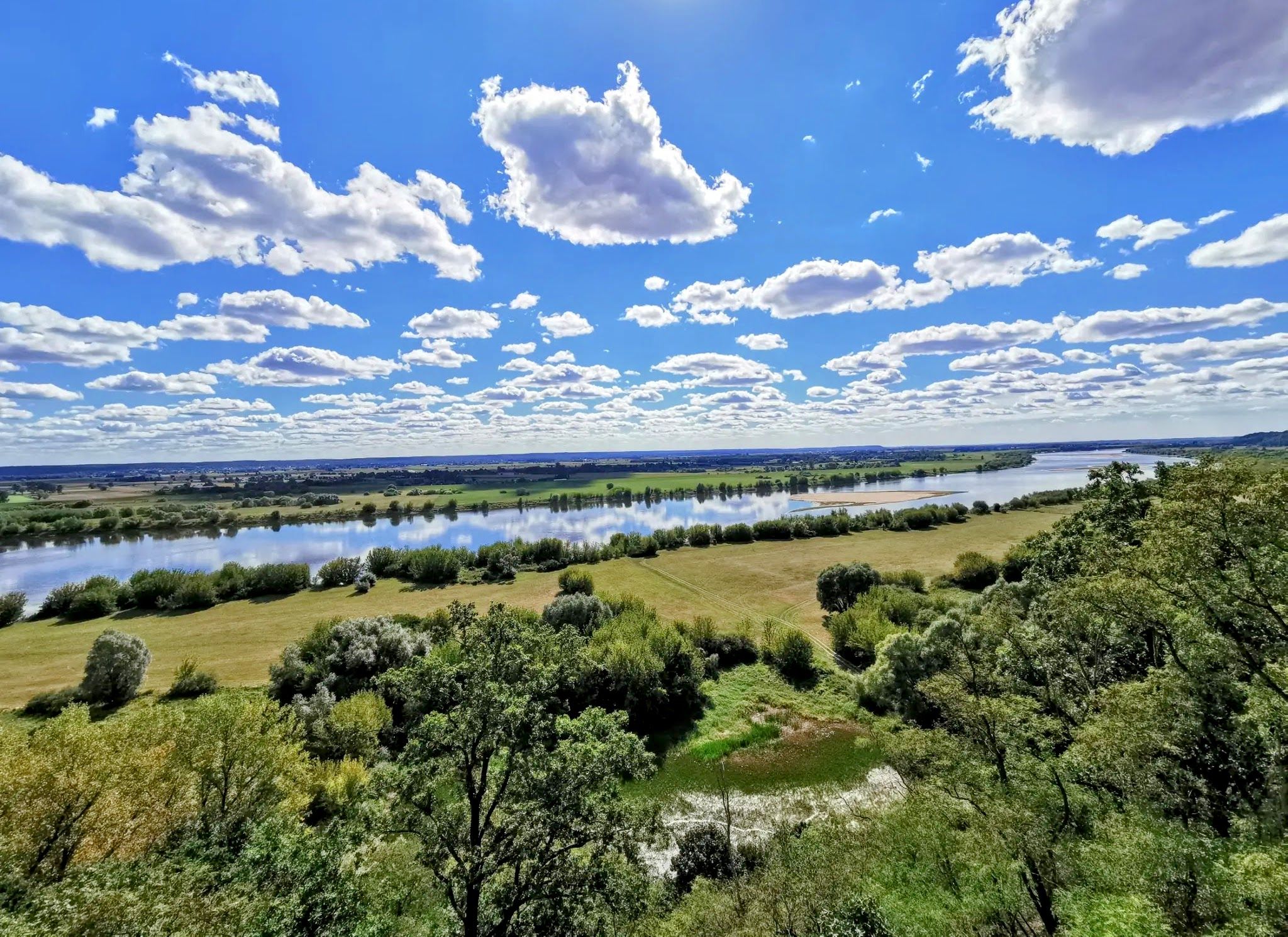
Vistula Cycle Route – The Queen of Polish Rivers in the Spotlight
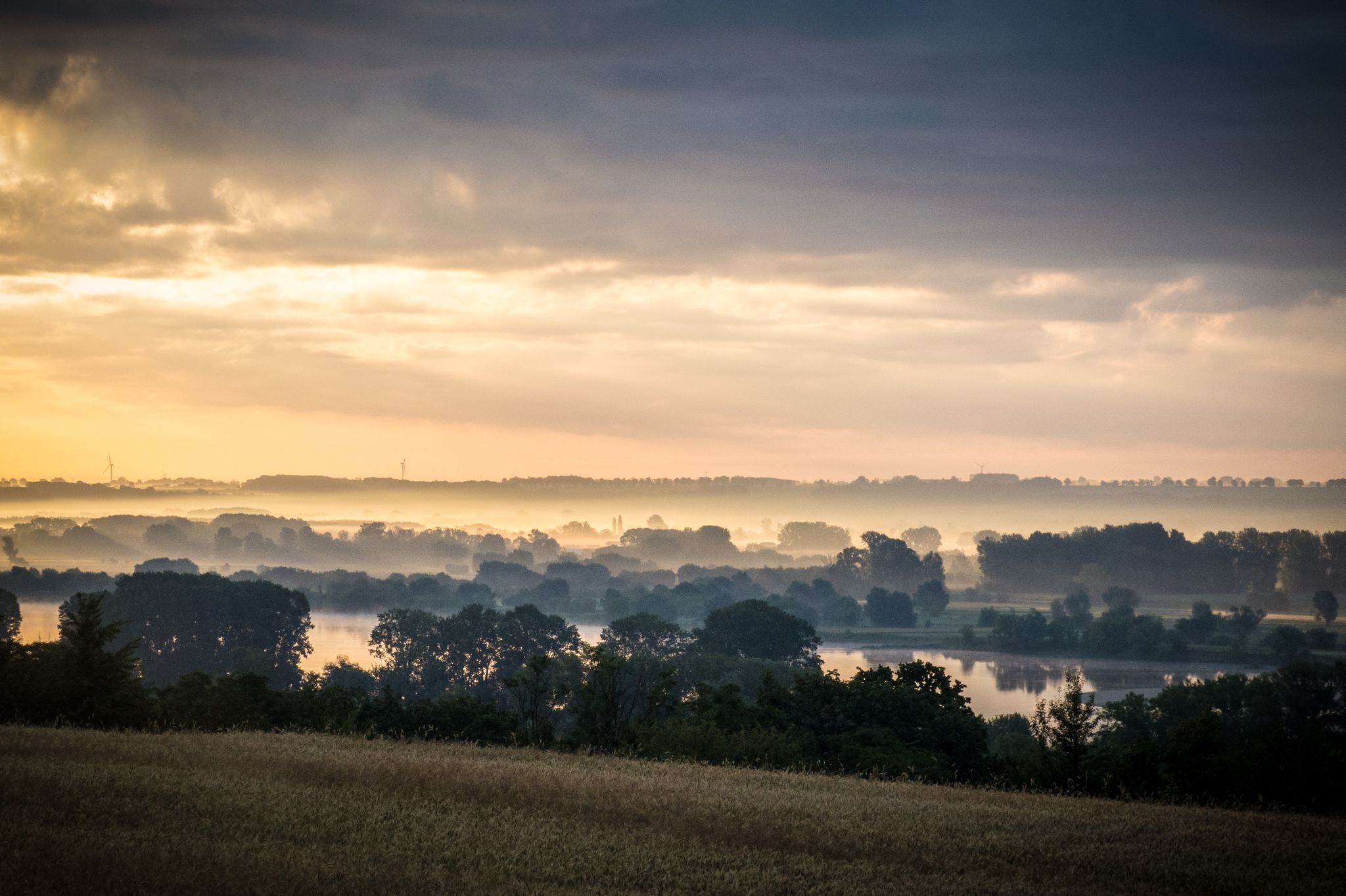
EuroVelo 9 – The Amber Route from the Baltic to Adriatic Sea
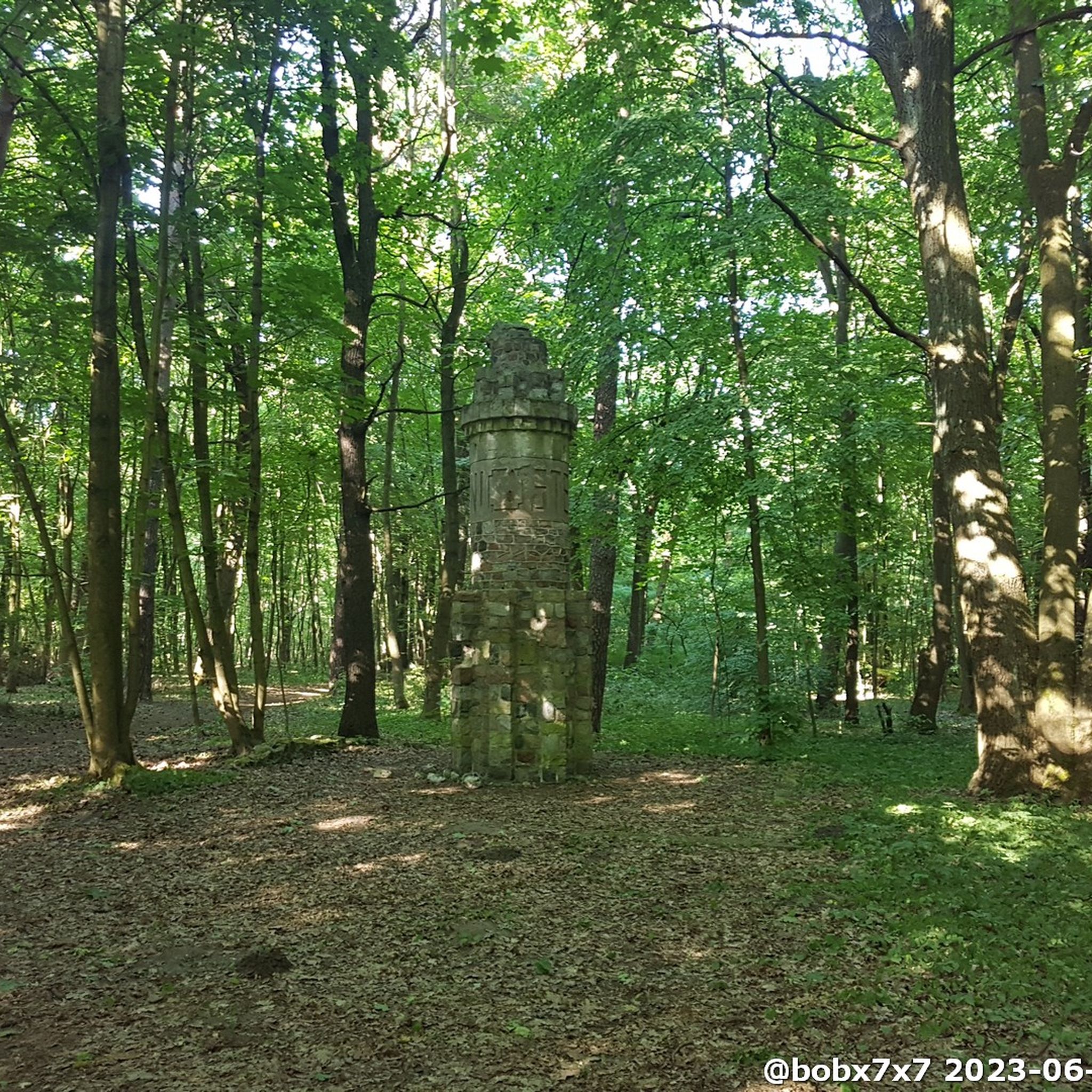
Hiking in Kuyavian-Pomeranian Voivodeship
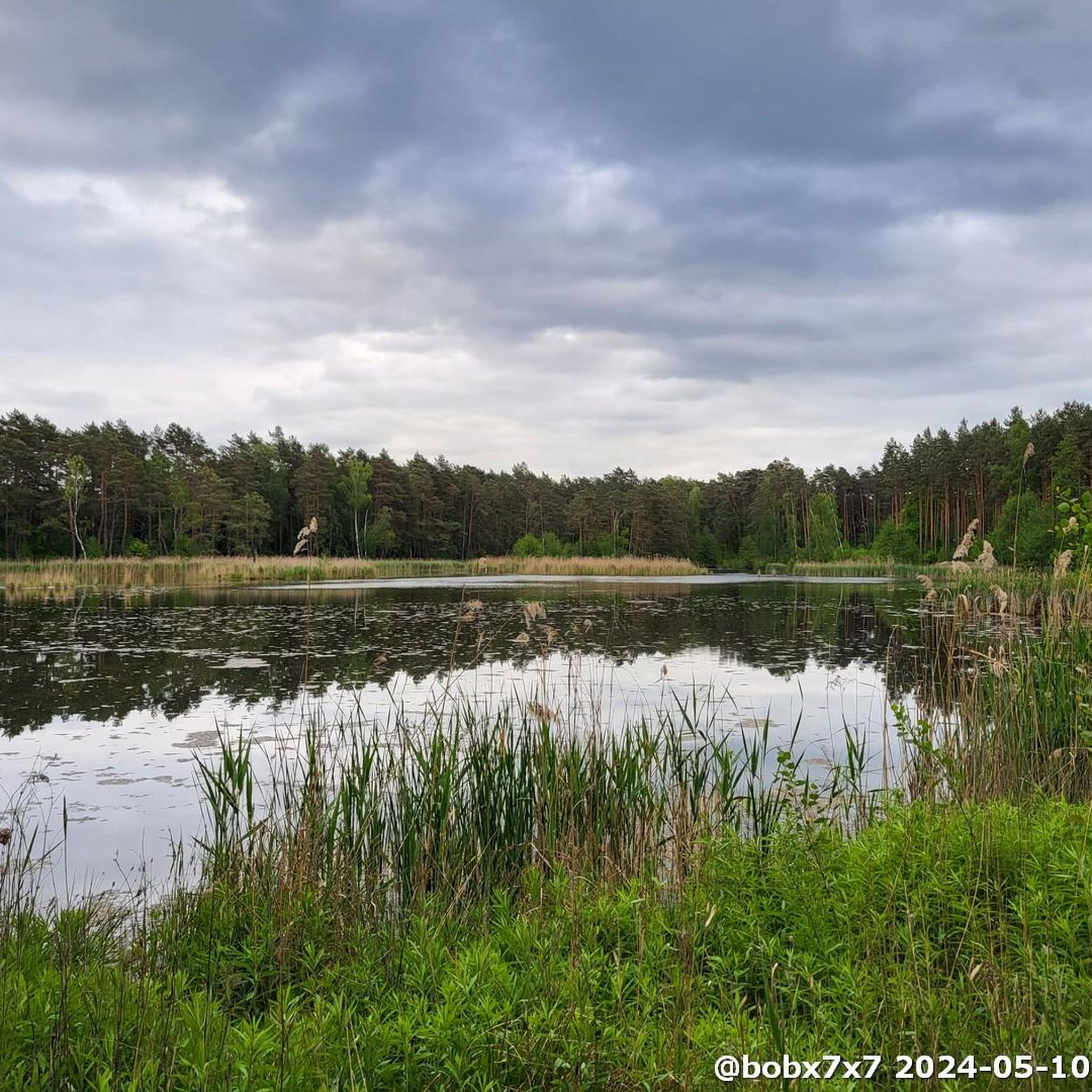
Cycling in Kuyavian-Pomeranian Voivodeship
Road Cycling Routes in Kuyavian-Pomeranian Voivodeship
Running Trails in Kuyavian-Pomeranian Voivodeship
MTB Trails in Kuyavian-Pomeranian Voivodeship

Gravel biking in Kuyavian-Pomeranian Voivodeship
Other adventures in Kuyavian-Pomeranian Voivodeship


Tips from the Community

Thorn is a colorful and vibrant city with a lot of German and Polish history. Every street is full of discoveries.
1
0
The market square with its great town hall invites you to linger. From the town hall tower, you have a great view of the old town and the Vistula River.
1
0
Copernicus was born in Thorn and was a significant scientist. He changed the view of the world.
1
0

Chełmno A bit poor, quiet and in places neglected, but it has something about it that makes you want to return. I'm here every year or two and with each visit I like it more and more. It is one of the best-preserved medieval towns in Poland. To this day, its 13th-century urban layout has survived almost intact, and over two kilometers of defensive walls are among the best preserved in the country. A walk along them and through the narrow streets gives a much better idea of a medieval town than many history lessons. The center had a huge impact on the development of urban planning and self-governance in this part of Europe. It was from here that the order began to organize the administration of the conquered lands, and the town became a model for subsequent settlements. In 1233, the Teutonic Knights granted it the so-called Chełmno Law – a medieval "city user manual" that defined the principles of self-governance, trade, and justice. The solution proved so practical that over 200 towns and about 1500 villages in the territory of present-day Poland were later founded according to Chełmno Law. Chełmno is called the City of Lovers. All thanks to the relics of St. Valentine kept in the parish church. It's worth sitting down for a coffee in the market square and just watching. There are no crowds here like in Toruń or Gdańsk, but there is peace and the atmosphere of a small town that doesn't need to prove anything. If I had to point out the most charming small town in Kuyavia and the Chełmno Land, Chełmno would be very high on this list.
1
0

The Old Town Hall - the monument is located near the center of Toruń's Old Town Market Square. In 1997, it was inscribed on the UNESCO World Heritage List. The inner courtyard (with interesting "figurines" on the windows). Inside the Town Hall, you can admire, among others, the Gothic Art Gallery. There is also the Burgher Hall with a gallery of portraits of prominent Toruń burghers (16th–18th century), where you can admire the portrait of Nicolaus Copernicus – arguably the most famous image of the astronomer in the world, the Royal Hall with the country's oldest Pocztem Królów Polskich (Gallery of Polish Kings), the Gallery of Polish Painting from the end of the 18th century to 2010. It includes works by Jan Matejko, Olga Boznańska, Stanisław Ignacy Witkiewicz, Jacek Malczewski, Julian Fałat, Tadeusz Kantor, Andrzej Wróblewski, and Zdzisław Beksiński.
0
0

A unique engineering structure, the intersection of the Czerska Struga River (flowing downstream) with the Great Brda Canal (flowing upstream).
0
0

The castle has an open chapel on the first floor.
0
0

Stunning town hall, plenty of benches around the square to admire it from. You can also find food and a bike repair stand nearby.
0
0
Frequently Asked Questions
What historical sites can I explore in Kuyavian-Pomeranian Voivodeship?
The region is rich in history. You can visit the well-preserved Medieval Town of Toruń, a UNESCO World Heritage site known for its Gothic architecture and as the birthplace of Nicolaus Copernicus. Other notable historical sites include the Teutonic Castle in Bierzgłowski Castle, the Chełmno Renaissance Town Hall, and the Biskupin Archaeological Reserve, which features a reconstructed Lusatian culture settlement from 2,700 years ago.
Are there any family-friendly attractions in Kuyavian-Pomeranian Voivodeship?
Yes, the region offers several family-friendly attractions. In Toruń, families can enjoy the Monument to Nicolaus Copernicus and the interactive Living Gingerbread Museum where you can bake traditional cookies. Bydgoszcz's Forest Park of Culture and Recreation "Myślęcinek" features a zoo, playgrounds, and an amusement park. The Fojutowo Aqueduct also offers kayak rentals for an active family outing.
What natural landscapes and outdoor activities are available?
The Kuyavian-Pomeranian Voivodeship boasts diverse natural beauty. The Tuchola Forest National Park (Bory Tucholskie) is perfect for hiking, mountain biking, and kayaking on its numerous lakes and rivers. The Brda River, flowing through Bydgoszcz, offers scenic views and opportunities for boating. You can also explore the Bydgoszcz–Koronowo Narrow-Gauge Railway Bridge over the Brda, which is now part of a cycling path with beautiful river views.
What cultural experiences can I find in the region?
Beyond historical sites, the region offers unique cultural experiences. Visit the Museum of Soap and History of Dirt in Bydgoszcz for an interactive look at hygiene, or explore The House of Nicolaus Copernicus in Toruń to learn about the famous astronomer. Włocławek Cathedral and the Kujawsko-Pomorskie Museum provide further cultural insights, often hosting local festivals.
Are there opportunities for cycling or mountain biking?
Absolutely. The region is well-suited for cycling. The Bydgoszcz–Koronowo Narrow-Gauge Railway Bridge over the Brda is a highlight on a popular cycling path. For more extensive routes, you can find numerous options for gravel biking and MTB trails throughout the Kuyavian-Pomeranian Voivodeship, catering to various difficulty levels.
Where can I go hiking in Kuyavian-Pomeranian Voivodeship?
The region offers several scenic hiking opportunities. The Tuchola Forest National Park is ideal for exploring unspoiled landscapes. You can find various trails, including easy walks like the Jelenia Wyspa Nature Trail or more moderate routes such as the Black trail named after Prof. Krystyna Wyrostkiewicz in Chelminski Landscape Park. Discover more hiking routes in the area.
What is the Fojutowo Aqueduct and why is it significant?
The Fojutowo Aqueduct is Poland's longest aqueduct, stretching 75 meters. Built between 1845 and 1849, its design was inspired by Roman aqueducts. It connects the Great Brda Canal with Czerska Struga and is a significant historical and engineering marvel, offering beautiful views and nearby kayak rentals.
Are there any notable castles or palaces to visit?
Yes, the region features several impressive castles and palaces. Besides the Teutonic Castle in Bierzgłowski Castle, you can explore Golub-Dobrzyń Castle, known for its medieval events, and the ruins of Świecie Castle. The elegant Lubostroń Palace, with its unique rotunda hall, and the Romantyczny Palace in Turzno also offer historical charm.
What is Bydgoszcz known for?
Bydgoszcz is often called the "Venice of Poland" due to the Brda River flowing through its center. It's known for its historic architecture, scenic waterways, and vibrant city life. Key attractions include Wyspa Młyńska (Mill Island), Opera Nova, and the historic Bydgoszcz Canal. The city also hosts the Forest Park of Culture and Recreation "Myślęcinek".
What is the best time to visit Kuyavian-Pomeranian Voivodeship?
The best time to visit largely depends on your interests. For outdoor activities like hiking, cycling, and kayaking, the warmer months from late spring to early autumn (May to September) are ideal. If you're interested in cultural events like the Archaeological Festival at Biskupin, September is a great choice. The region's historical towns and museums can be enjoyed year-round.
What are some unique museums or attractions in the area?
Beyond traditional museums, the region offers some truly unique experiences. The Museum of Soap and History of Dirt in Bydgoszcz provides an entertaining and interactive look at hygiene. In Toruń, the Living Gingerbread Museum allows visitors to participate in baking traditional gingerbread. For history buffs, the Narrow Gauge Railway Museum in Wenecja offers a chance to see historic locomotives and even take a train ride.
Are there any attractions suitable for visitors with limited mobility?
Yes, some attractions are designed to be more accessible. The Monument to Nicolaus Copernicus in Torun is noted as wheelchair accessible. When planning your visit, it's advisable to check specific accessibility details for other sites directly, as older historical sites may have limitations.
Most popular routes in Kuyavian-Pomeranian Voivodeship
Most popular attractions in Kuyavian-Pomeranian Voivodeship

Get inspired with the komoot mobile app


Didn’t find what you were looking for?
Are you keen on exploring more awesome places nearby? Browse our guides:
Explore more
Still not found the Highlight you’re looking for? See guides of the top attractions in other regions:
