Attractions and Places To See in Lubusz Voivodeship - Top 20
Best attractions and places to see in Lubusz Voivodeship, located in western Poland, offers a diverse landscape characterized by extensive forests, numerous lakes, and rivers. The region is rich in natural beauty, historical landmarks, and cultural sites. It features two national parks, vast wetlands, and a variety of historical architecture. This area provides opportunities for exploring both natural environments and significant historical locations.
Best attractions and places to see in Lubusz Voivodeship
- The most popular attractions is Zatonie Palace Ruins…
Last updated: August 16, 2026
Border on the Neisse at the Bad Muskau weir island
Highlight • Historical Site
Translated by Google •
Tip by

Prince Pückler Park, Bad Muskau
Highlight • Natural Monument
Translated by Google •
Tip by

Sign up now to discover places like this
Get recommendations on the best single tracks, peaks, & plenty of other exciting outdoor places.
Sign up for free
Old Railway Bridge on the Oder–Neisse Cycle Path (Guben)
Highlight • Bridge
Translated by Google •
Tip by

Old Railway Bridge over the Lusatian Neisse
Highlight • Bridge
Translated by Google •
Tip by

Ruins of the Neisse Bridge Forst
Highlight • Bridge
As a silent warning against the war.
More information: de.wikipedia.org/wiki/Zasieki
Translated by Google •
Tip by

City Bridge Guben-Gubin over the Neisse
Highlight • Bridge
More information: de.wikipedia.org/wiki/Guben#Verkehr
Translated by Google •
Tip by
Frankfurt (Oder) — Old Town and Riverside Promenade
Highlight • Settlement
Translated by Google •
Tip by

Stany Railway Bridge over the Oder River
Highlight • Bridge
Translated by Google •
Tip by

Herrenberg Viaduct
Highlight • Bridge
Worth seeing views from many points.
More information: de.wikipedia.org/wiki/F%C3%BCrst-P%C3%BCckler-Park_Bad_Muskau and muskauer-park.de
Translated by Google •
Tip by
Zatonie Palace Ruins
Highlight • Historical Site
Translated by Google •
Tip by
Sign up for free to discover even more attractions in Lubusz Voivodeship.
Sign up for free
Already have an account?
Start today with a free account
Your next adventure awaits.
Login or Signup
Popular around Lubusz Voivodeship
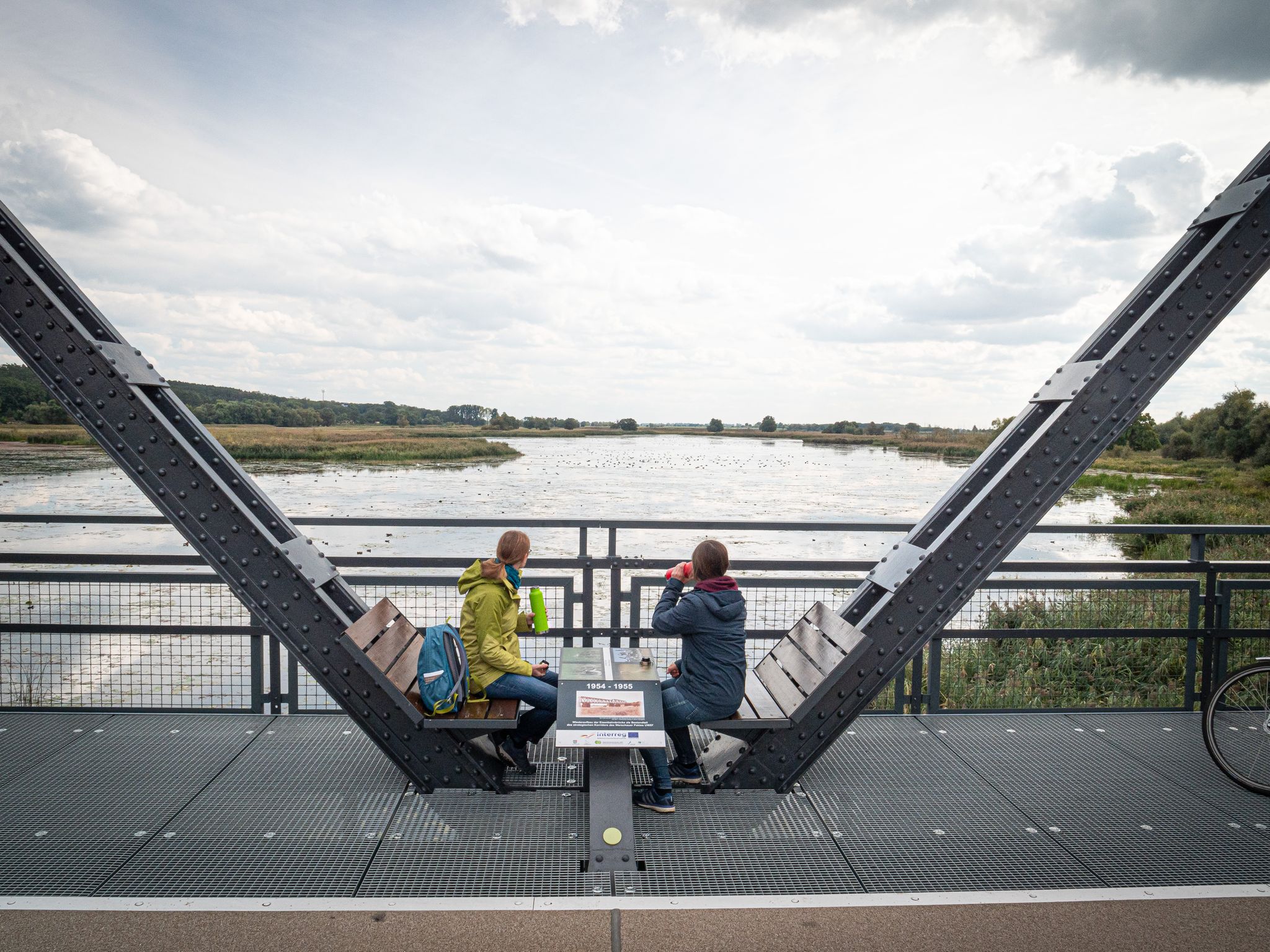
Travelling without boundaries – German-Polish cycling trips
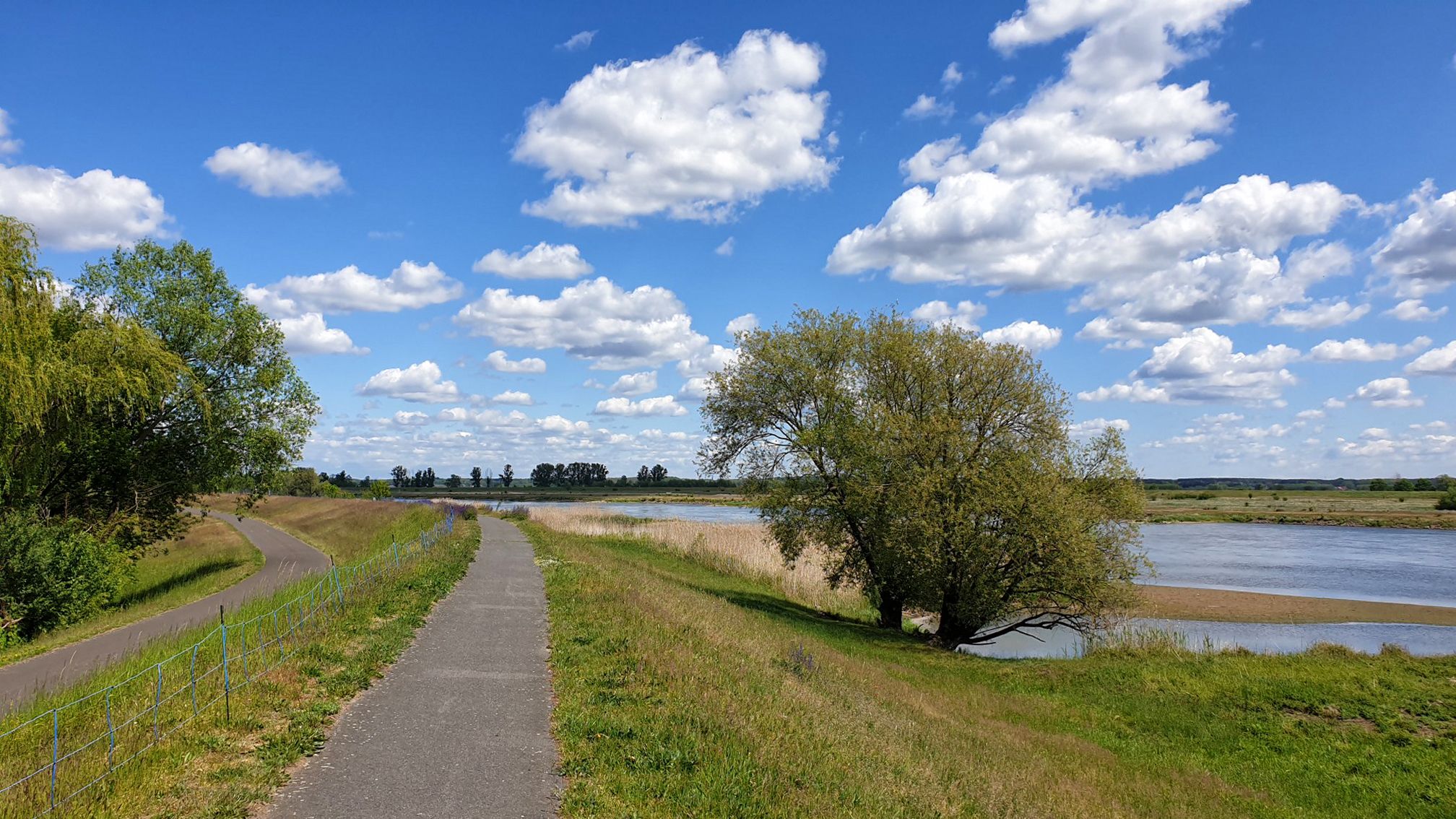
D-Route 12: Oder-Neiße Cycle Route
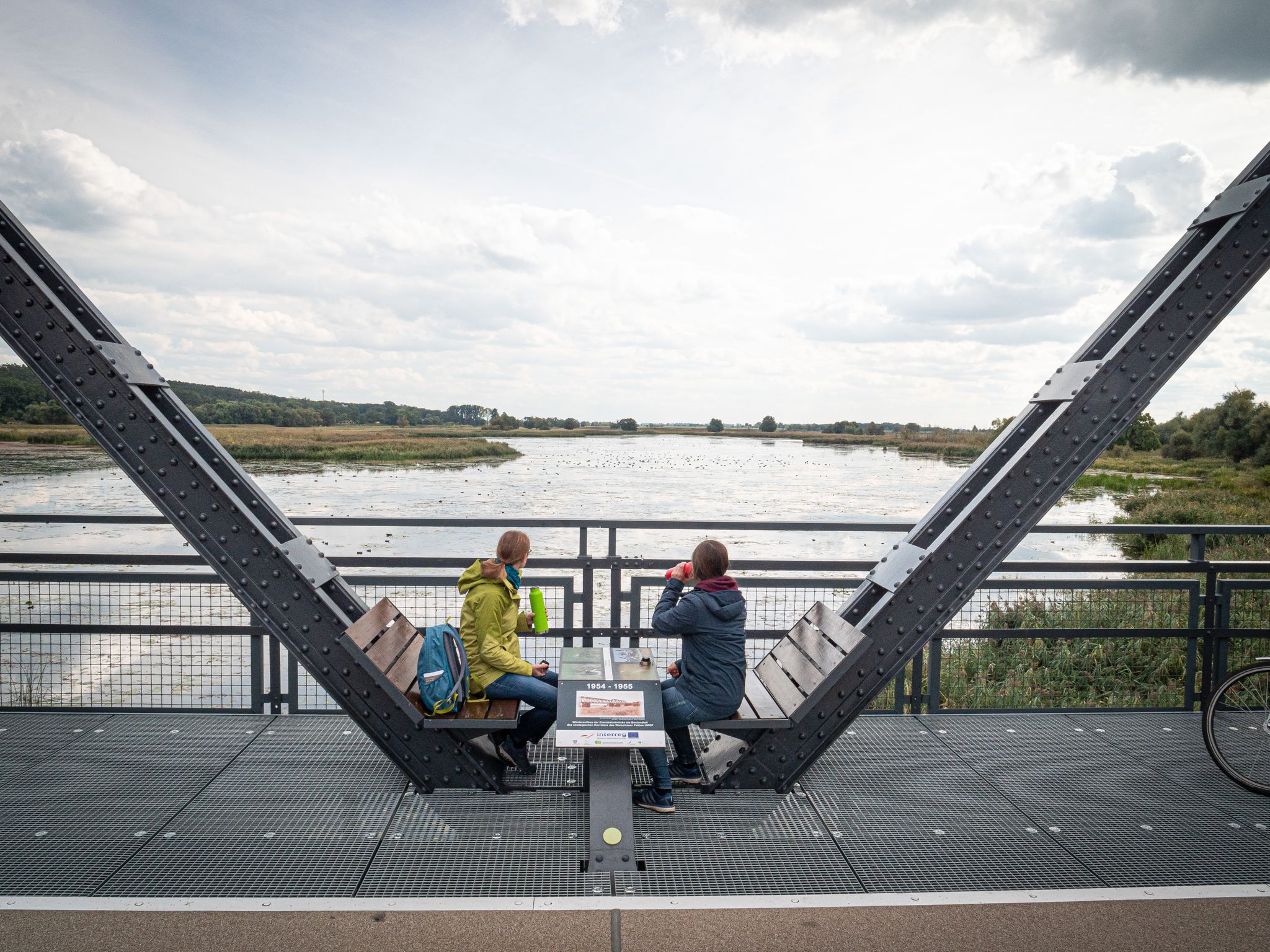
Grenzenlos unterwegs - Deutsch-Polnische Wander Ausflüge
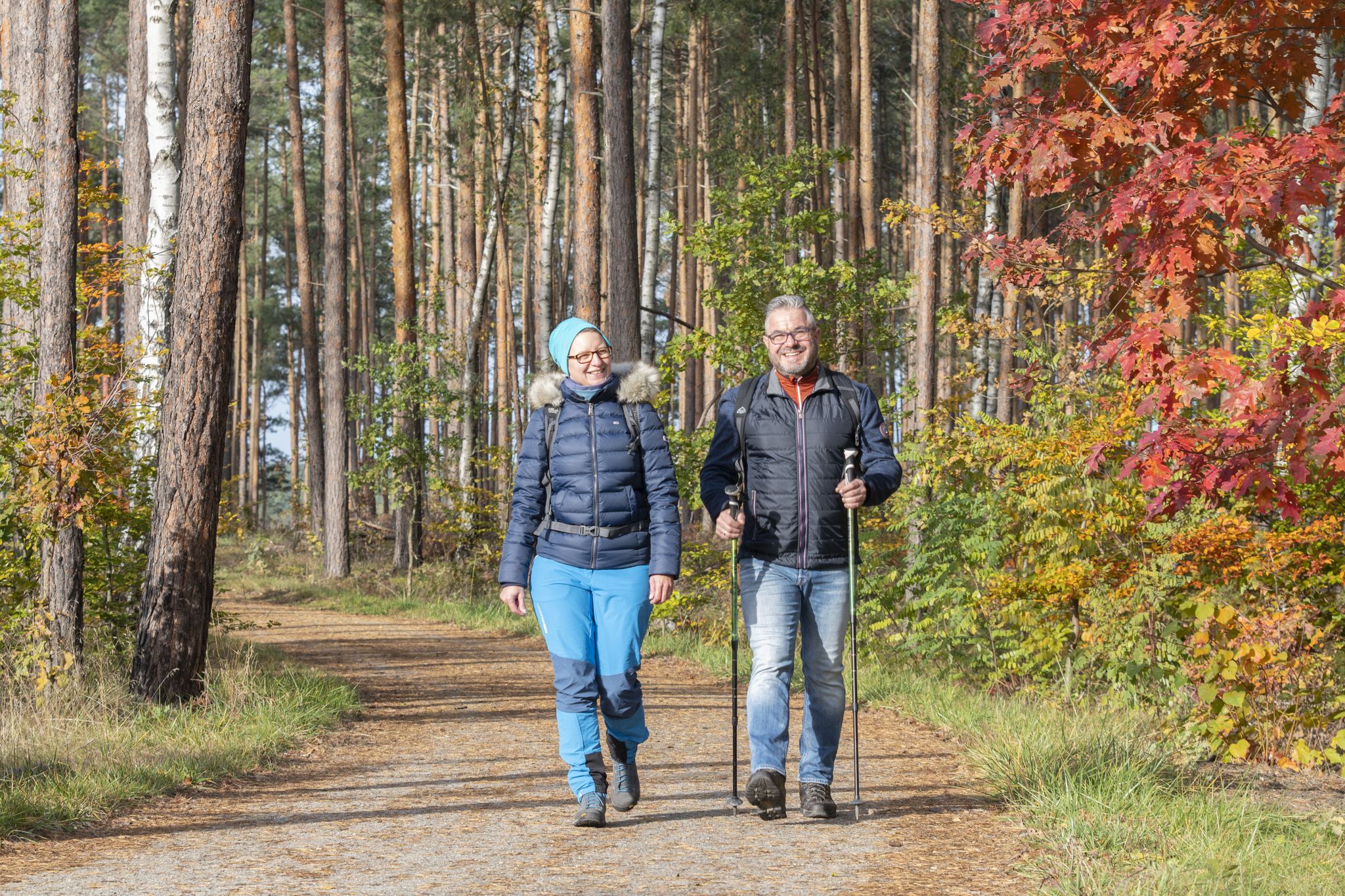
Wandertouren im Lausitzer Seenland

Oder-Neiße-Radweg - Radfahren im Seenland Oder-Spree
Hiking in Lubusz Voivodeship
Cycling in Lubusz Voivodeship
MTB Trails in Lubusz Voivodeship
Road Cycling Routes in Lubusz Voivodeship
Running Trails in Lubusz Voivodeship
Other adventures in Lubusz Voivodeship


Tips from the Community


The modern city bridge over the Oder River embodies the close cooperation and shared vision of the twin cities of Frankfurt and Słubice. A cosmopolitan and vibrant European urban space is being created here in the heart of Europe, offering a vibrant atmosphere, art, culture, sports, lush greenery, and a rich urban history.
3
0

Worth seeing is definitely the area
0
0

It's just incredibly beautiful here 😊.
0
0

One of the most beautiful places in this area.
0
0

The railway bridge in the States, located on the Oder near Nowa Sól, is one of the longest and most impressive railway bridges in Poland. Its history, spanning over 120 years, is inextricably linked to the development of rail transport in the region and turbulent historical events. The construction of the bridge began in 1905 and was completed in 1908. It was a gigantic engineering undertaking. The bridge was designed as a steel truss structure, consisting of several spans supported by stone pillars. Its length was approximately 640 meters, making it one of the longest structures of this type in Germany at that time. With the opening of the bridge, transport in the entire region was significantly improved, and Nowa Sól gained a new, important rail connection. During World War I, the bridge did not suffer any major damage, although its strategic importance increased. The real test for the structure came with World War II. At the end of the war, in 1945
2
0

A place with great historical potential. Secured palace ruins, orangery, large park complex with rare trees and small architecture.
1
0

Unfortunately destroyed and unusable.
1
0
Frequently Asked Questions
What natural attractions can I explore in Lubusz Voivodeship?
Lubusz Voivodeship is rich in natural beauty, featuring extensive forests, numerous lakes, and rivers. You can visit two national parks: Warta Mouth National Park, known for its vast wetlands and birdwatching, and Drawa National Park, ideal for kayaking. Notable lakes include Sława Lake, and the Warta River is popular for canoeing. Don't miss the unique Afryka Lake Observation Tower in Łuk Mużakowa Landscape Park, offering panoramic views of the continent-shaped lake.
Are there opportunities for hiking or cycling in Lubusz Voivodeship?
Yes, the region offers diverse routes for outdoor enthusiasts. You can find numerous trails for cycling, mountain biking, and running. For example, the Stany Railway Bridge over the Oder River has been repurposed as part of a bicycle trail, offering scenic views. You can explore various cycling routes, including parts of the Oder-Neisse Cycle Path, or find MTB trails near Zielona Góra and Sulęcin. For more detailed routes, check out the komoot guides for Cycling in Lubusz Voivodeship, MTB Trails in Lubusz Voivodeship, and Running Trails in Lubusz Voivodeship.
What historical sites should I visit in Lubusz Voivodeship?
The region boasts a rich history. A must-see is the Zatonie Palace Ruins, a revitalized historical site with a beautiful park and orangery. The Międzyrzecz Fortified Region offers a fascinating glimpse into military history with its underground bunkers. Other notable sites include Głogów Castle, Łagów Castle, and the revitalized ruins of Kostrzyn nad Odrą's Old Town and fortress. Don't miss the Cistercian Route for exploring medieval abbeys.
Are there any unique cultural experiences in the region?
Absolutely. Zielona Góra is famous for its vineyards and wine production, offering wine-tasting experiences along the Lubusz Wine Trail. You can also visit the Lubusz Land Museum in Gorzów Wielkopolski to learn about the province's history and culture. The Ethnographic Museum in Zielona Góra-Ochla showcases rural architecture in an open-air setting, and the Museum of Fortifications and Bats in Pniewo provides a unique historical and natural experience.
Where can I find scenic viewpoints in Lubusz Voivodeship?
For breathtaking views, head to the Afryka Lake Observation Tower in Łuk Mużakowa Landscape Park, which offers a 360-degree panorama. The Przewóz Hanging Bridge over the Odra River provides stunning vistas, especially at sunset. Krzyżowa Góra in Sulechów is another spot offering panoramic views from its chapels. You can also enjoy views from the Oder Promenade in Frankfurt (Oder), looking towards Słubice.
Are there family-friendly attractions in Lubusz Voivodeship?
Many attractions in Lubusz Voivodeship are suitable for families. The revitalized park around Zatonie Palace Ruins is great for a stroll, and the Stany Railway Bridge over the Oder River, now a bicycle trail, is accessible for all ages. The Muskau Park (Park Mużakowski) is a UNESCO World Heritage site with picturesque bridges and walking routes. The Papugarnia Butterfly House in Sarbia offers a magical experience with colorful butterflies, perfect for children.
What is the best time to visit Lubusz Voivodeship?
The best time to visit Lubusz Voivodeship largely depends on your interests. Spring and autumn offer pleasant weather for hiking and cycling, with beautiful natural scenery. Summer is ideal for enjoying the region's numerous lakes and rivers for swimming, kayaking, and other water sports. If you're interested in the bat population at the Międzyrzecz Fortified Region, winter is the prime viewing season.
Are there any unique bridges or railway structures to see?
Yes, the region is home to several impressive engineering marvels. The Stany Railway Bridge over the Oder River, with its neo-Gothic watchtowers, is a historical engineering marvel now part of a bicycle trail. You can also see the Przewóz Hanging Bridge over the Odra River, offering scenic views. The Old Railway Bridge on the Oder–Neisse Cycle Path (Guben) and the Ruins of the Neisse Bridge Forst are also points of interest for those interested in historical infrastructure.
Can I find wheelchair-accessible sights in Lubusz Voivodeship?
While accessibility can vary, some attractions in Lubusz Voivodeship are noted for being wheelchair-friendly. The Stany Railway Bridge over the Oder River, now a cycling path, is considered wheelchair accessible. The Oder Promenade in Frankfurt (Oder) and the nearby Peace Bell are also generally accessible. It's always recommended to check specific venue details for the most up-to-date accessibility information.
What are some lesser-known attractions or 'hidden gems' in Lubusz Voivodeship?
Beyond the main highlights, consider exploring the Trail of Wooden Churches of the Kozioł Region, featuring the oldest wooden church in Europe in Kosieczyn, along with others in Kępsko and Chlastawa. The former Cistercian abbey in Gościkowo and the Church of the Visitation of Mary in Klępsk are listed as Historic Monuments of Poland. For nature lovers, Eko Park Witnica offers unspoiled forests and serene lakes, and the Muskau Bend Landscape Park is part of a UNESCO Global Geopark with unique post-mining reservoirs.
What do visitors enjoy most about the attractions in Lubusz Voivodeship?
Visitors frequently praise the blend of natural beauty and historical significance. The revitalized Zatonie Palace Ruins are highly recommended for their beautiful park and cafe. The Stany Railway Bridge is appreciated for its interesting history and scenic views, especially as a cycling path. The panoramic views from the Afryka Lake Observation Tower are also a favorite, offering a unique perspective of the landscape.
Most popular routes in Lubusz Voivodeship
Most popular attractions in Lubusz Voivodeship

Get inspired with the komoot mobile app


Didn’t find what you were looking for?
Are you keen on exploring more awesome places nearby? Browse our guides:
Explore more
Still not found the Highlight you’re looking for? See guides of the top attractions in other regions:
