Attractions and Places To See in Central Serbia - Top 20
Best attractions and places to see in Central Serbia encompass a diverse landscape of historical landmarks, significant cultural sites, and varied natural features. This region, also known as Serbia Proper, is characterized by its blend of ancient fortresses, religious monuments, and expansive national parks. Visitors can explore a range of environments, from river canyons and geological formations to mountainous terrain and archaeological sites. The area offers opportunities to discover both urban historical centers and preserved natural ecosystems.
Best attractions and…
Last updated: August 2, 2026
Ada Bridge
Highlight • Bridge
Tip by

Despot's Gate and Dizdar Tower, Belgrade Fortress
Highlight • Castle
Translated by Google •
Tip by

Sign up now to discover places like this
Get recommendations on the best single tracks, peaks, & plenty of other exciting outdoor places.
Sign up for free
Zemun Riverside Promenade
Highlight • Trail
Translated by Google •
Tip by

Pobednik (The Victor) Monument, Belgrade Fortress
Highlight • Monument
Tip by

Church of Saint Sava
Highlight • Religious Site
One of the largest Orthodox churches in the world is a must-see …
Translated by Google •
Tip by
National Assembly of Serbia
Highlight • Monument
Translated by Google •
Tip by
Moskva Hotel, Belgrade
Highlight • Monument
Translated by Google •
Tip by

National Museum 🖼️ Narodni Muzej, Belgrade
Highlight • Historical Site
Tip by
St. Mark's Church, Belgrade
Highlight • Religious Site
Translated by Google •
Tip by
New Belgrade Promenade Along the Sava River
Highlight (Segment) • Trail
Tip by
Sign up for free to discover even more attractions in Central Serbia.
Sign up for free
Already have an account?
Start today with a free account
Your next adventure awaits.
Login or Signup
Popular around Central Serbia
Transcontinental Race No10: crossing Europe from France to Turkey
TCR No. 8 — racing across Europe
5 days of gravel adventure in Serbia — Serbia Upside Down
Running Trails in Central Serbia
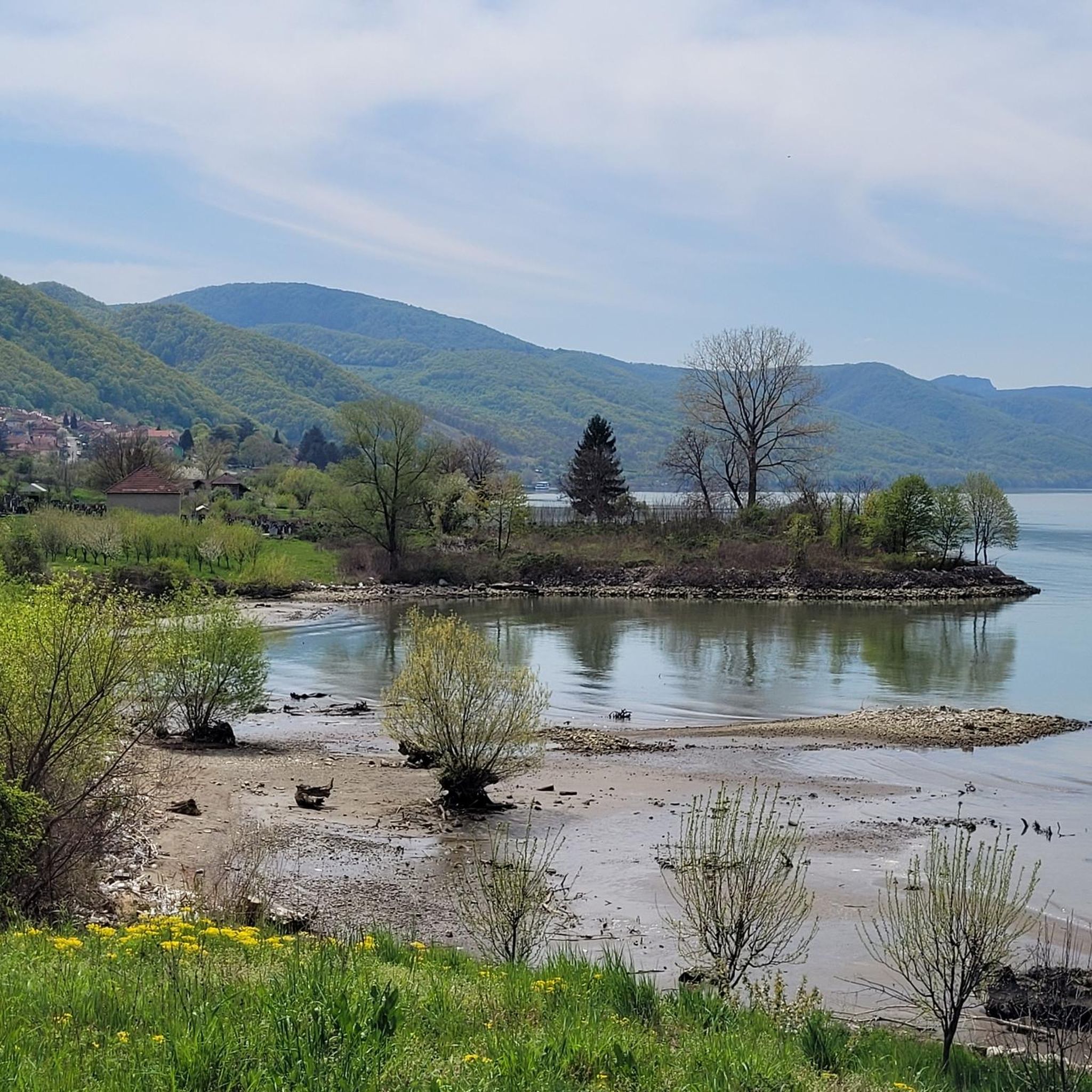
Hiking in Central Serbia
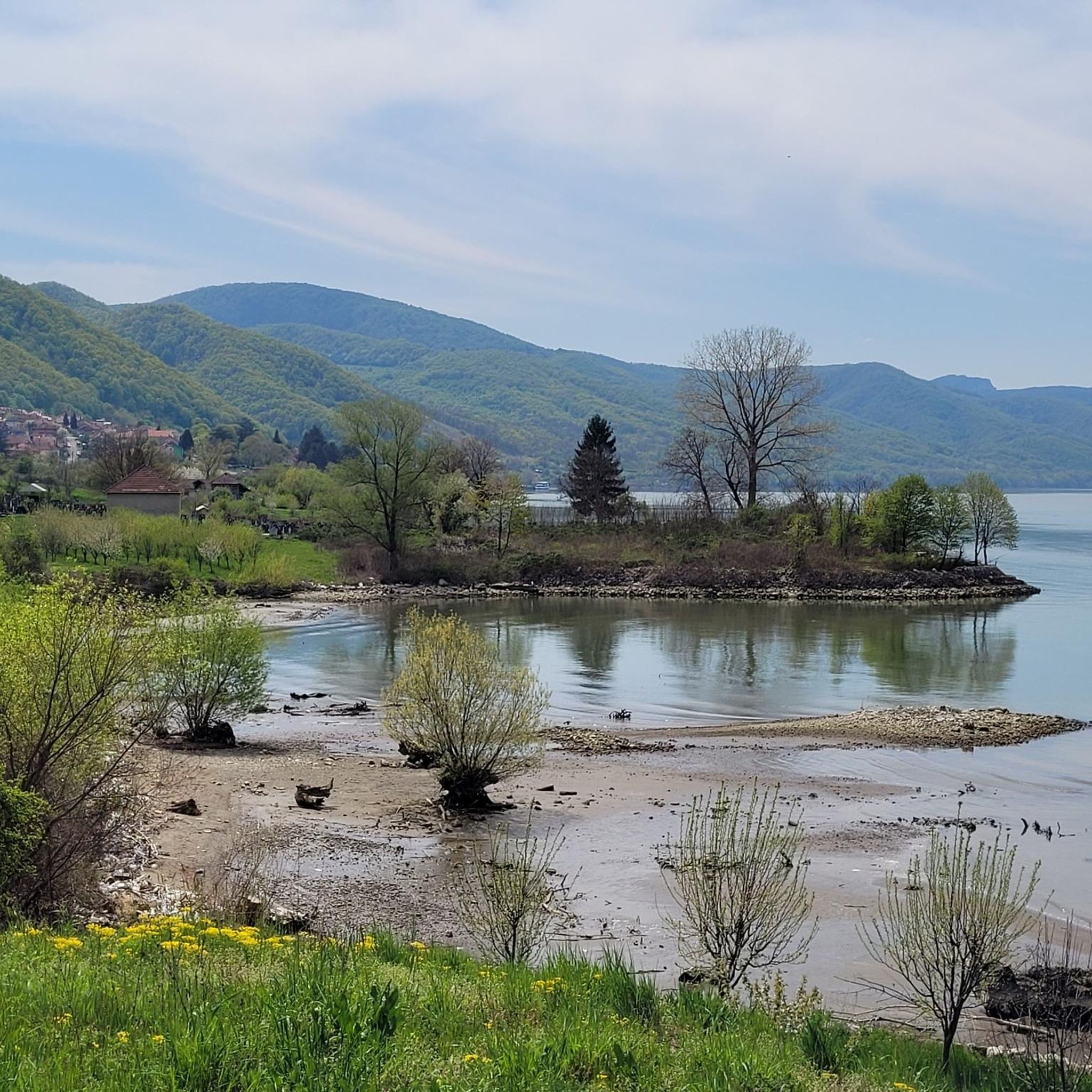
Road Cycling Routes in Central Serbia
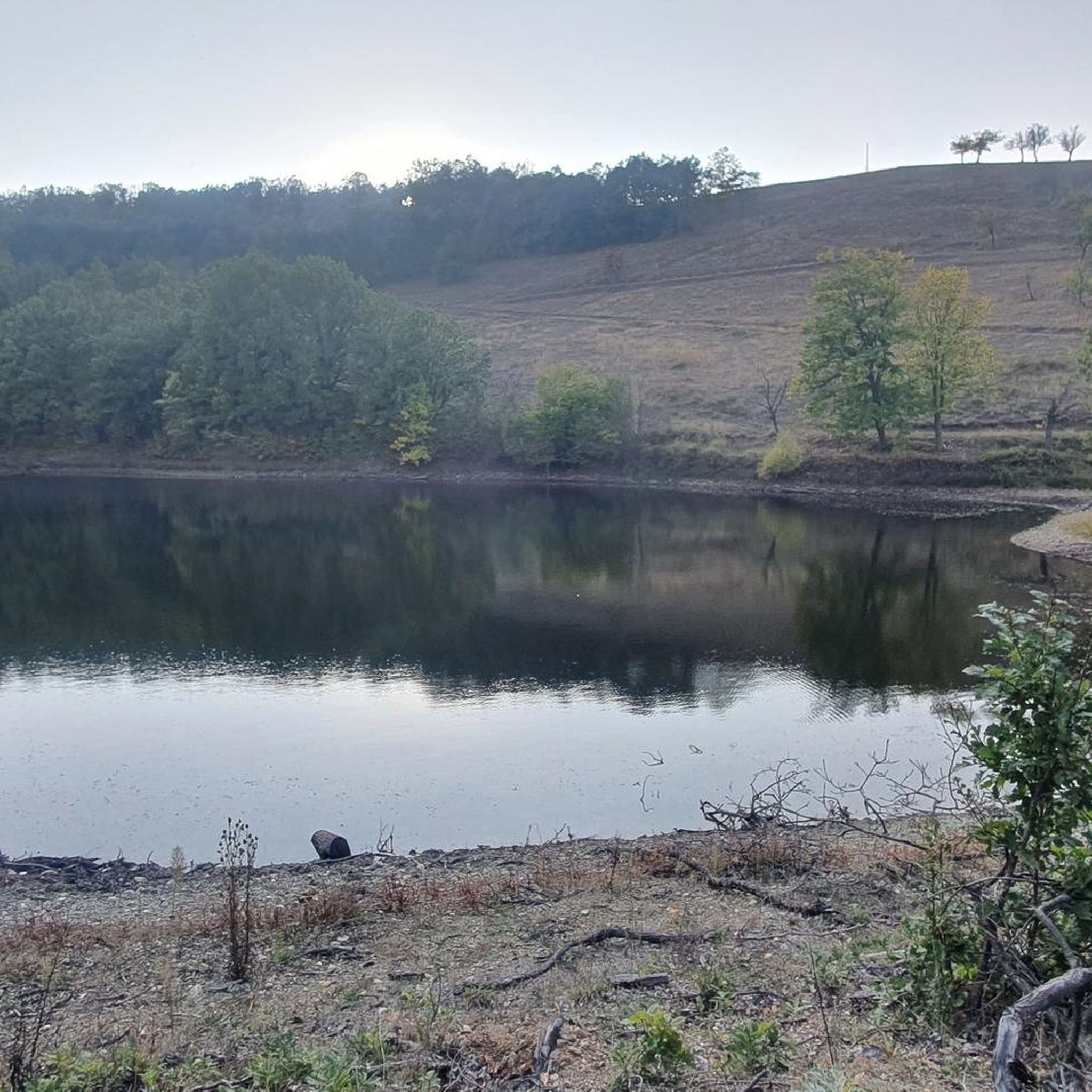
Cycling in Central Serbia
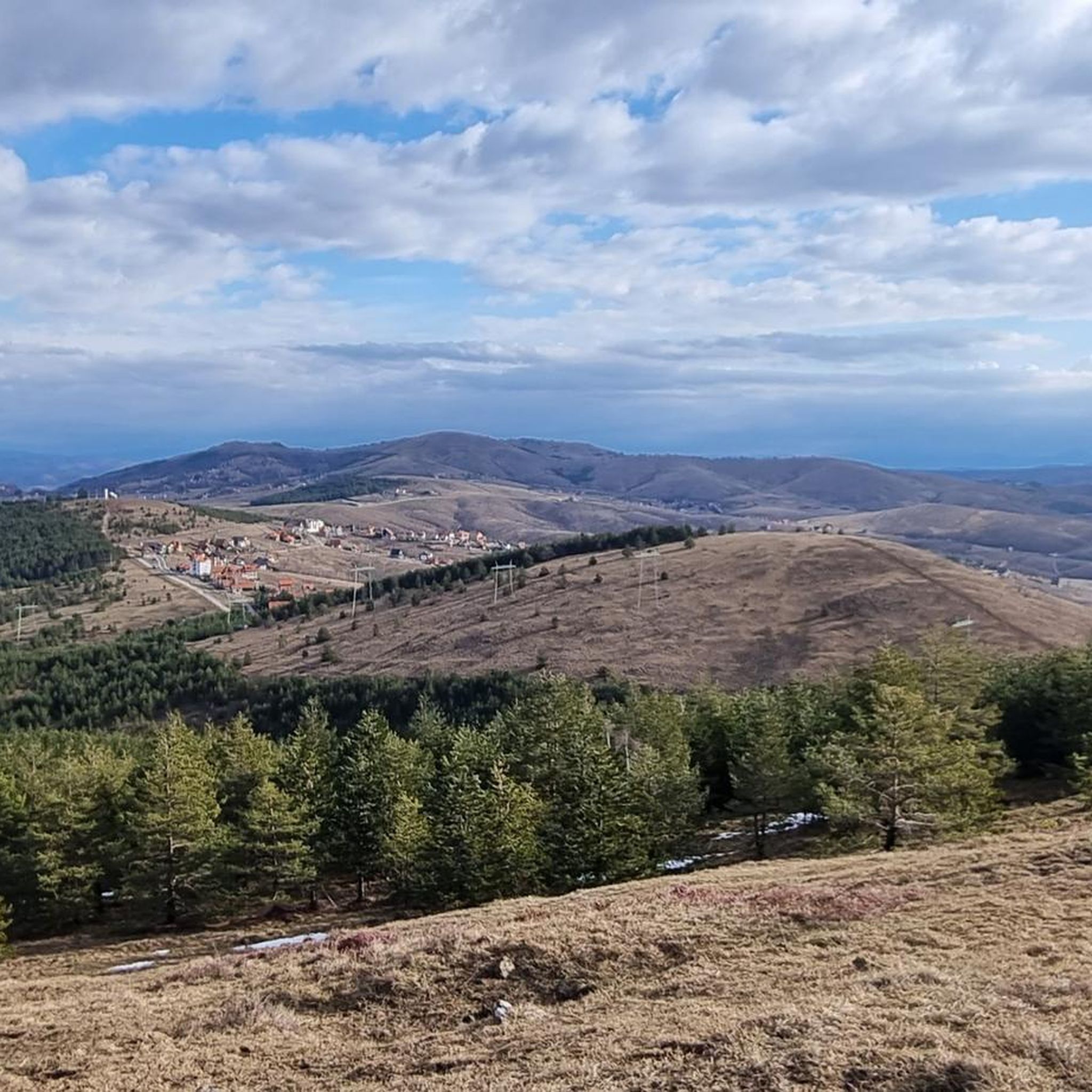
MTB Trails in Central Serbia

Mountain Hikes in Central Serbia
Gravel biking in Central Serbia


Tips from the Community

Extensive fortress complex. There is much to see and discover. Access to the popular pedestrian zone with cafes and restaurants.
0
0

Nice shadowy road, but can be crowded during hoildays.
0
0


Part of the fortifications that rise above Belgrade and from which you can see the mouth of the Sava. A tourist magnet!
1
0

The Serbian National Museum, or Narodi Museum, is a highlight for every archaeologist. Important finds from the Lepenski Vir, Starcevo, and Vinča cultures can be found there. Neolithic = New Stone Age, dating back to the 6th millennium BC.
0
0

There is a nice terrace café with a fantastic view
2
0

With a built-up area of 4830 m², it is one of the largest Orthodox churches in the world.[2] With an inner dome diameter of 30.5 m, the dome is directly modeled on the Hagia Sophia. Work on the church began in 1935. After the Second World War, construction was halted until 1985. Then work was suspended again during the civil war years from 1991 to 2004. The cost of decorating the dome with scenes from the New Testament was borne by Russian President Vladimir Putin, with Gazprom Neft initially covering the costs in 2016. The Russian Foreign Minister Sergei Lavrov attended the inauguration of the partial completion of the mosaics as part of a state ceremony on February 22, 2018.
2
0
The Belgrade Fortress forms the historical core of the Serbian capital Belgrade and its basic structure dates back to the beginning of the 15th century, but was expanded with more modern bastions, particularly at the end of the 17th century and the beginning of the 18th century. The centrally located Belgrade Fortress was bitterly fought over during the military confrontation for supremacy in Eastern Central Europe between the great powers of the Habsburg Monarchy and the Ottoman Empire in the Turkish Wars and was briefly held by Austria in the 17th and 18th centuries. During the First Serbian Uprising against the Turks, the Serbs conquered the fortress in 1807, but it retained an Ottoman commander until 1867. Strategically located on a 50-meter-high limestone spur above the river delta of the Sava into the Danube, the fortress is the city's landmark. In addition to walls, bastions, towers and gates, the numerous monuments as well as two churches and the Military History Museum of Serbia are tourist attractions in the complex.
1
1
Frequently Asked Questions
What are some significant historical sites to visit in Central Serbia?
Central Serbia is rich in history. You can explore the ancient Roman archaeological site of Gamzigrad-Romuliana (Palace of Galerius) near Zaječar, a UNESCO World Heritage site. Another must-see is the National Assembly of Serbia in Belgrade, a monumental building with a neo-baroque interior. Further historical depth can be found at the Ottoman-era Niš Fortress, originally built by the Romans, or the 14th-century Golubac Fortress along the Danube River.
Are there any UNESCO World Heritage sites in Central Serbia?
Yes, Central Serbia is home to several UNESCO World Heritage sites. These include the Studenica Monastery, a stunning example of Raška architecture and the spiritual heart of the Serbian Orthodox Church, and Gamzigrad-Romuliana (Palace of Galerius), an ancient Roman archaeological site. Additionally, Sopoćani Monastery and the medieval fortress of Stari Ras are also recognized for their exceptional historical and cultural significance.
What natural attractions should I not miss in Central Serbia?
Central Serbia boasts incredible natural beauty. The Uvac Canyon is famous for its spectacular winding meanders and is home to the Griffon Vulture. Another unique spot is Đavolja Varoš (Devil's Town), a peculiar geological formation with rock pyramids. You can also visit the Canyon of Vratna, featuring Europe's largest natural stone bridges, or the impressive Veliki Buk Waterfall, one of Serbia's largest tufa waterfalls.
Are there family-friendly attractions in Central Serbia?
Absolutely! Many attractions in Central Serbia are suitable for families. The Belgrade Fortress (Kalemegdan) offers plenty to explore, including the Despot's Gate and Dizdar Tower and the Pobednik (The Victor) Monument, with expansive grounds for children to enjoy. The Zemun Riverside Promenade is perfect for a leisurely stroll or bike ride. Additionally, the Church of Saint Sava is an awe-inspiring architectural marvel that can captivate visitors of all ages.
What kind of outdoor activities can I do near these attractions?
Central Serbia offers a variety of outdoor activities. You can find numerous hiking opportunities, from easy strolls to challenging mountain treks. For example, there are easy hikes around Belgrade, including the Ada Bridge area, or more demanding mountain hikes in regions like Stara Planina. If you're interested in waterfalls, explore waterfall hikes to sites like Veliki Buk. Kopaonik National Park is also a popular destination for skiing in winter.
Where can I find unique cultural experiences in Central Serbia?
For unique cultural experiences, visit Drvengrad (Wooden Town), an ethno-village created by film director Emir Kusturica. The Nikola Tesla Museum in Belgrade is dedicated to the life and work of the famous inventor. You can also explore Skadarlija, Belgrade's Bohemian Quarter, known for its vibrant atmosphere, restaurants, and cafes.
What are some notable museums in Central Serbia?
Belgrade hosts several significant museums. The National Museum 🖼️ Narodni Muzej is the largest and oldest in Serbia, housing over 400,000 objects, including archaeological finds from ancient cultures like Lepenski Vir and Vinča. The Nikola Tesla Museum is a must-visit for science enthusiasts, showcasing his original documents and inventions. The Ethnographic Museum focuses on Serbian crafts and traditions.
Are there any ancient archaeological sites in Central Serbia?
Yes, Central Serbia is home to some of Europe's most significant prehistoric and Roman archaeological sites. Lepenski Vir is a crucial Stone Age site on the Danube, revealing an ancient culture with complex social structures. Near Belgrade, Vinča is one of Europe's largest prehistoric settlements. Additionally, Viminacium near Kostolac offers remains of a Roman city, including an amphitheater and Roman baths.
What are some popular places for relaxation and scenic views?
For relaxation and scenic views, consider visiting Zaovine Lake, a beautiful and popular destination. The Gradac River Gorge near Valjevo offers picturesque natural scenery. For a unique experience, the Krupaj Hot Spring in eastern Serbia is an ecological oasis with a unique natural phenomenon. You can also enjoy the views from Mount Tornik.
Where can I find religious monuments in Central Serbia?
Central Serbia is rich in religious heritage. Beyond the prominent Church of Saint Sava, you can visit St. Mark's Church in Belgrade. The Studenica Monastery and Sopoćani Monastery are UNESCO World Heritage sites renowned for their architecture and frescoes. The Manasija Monastery, an early 15th-century fortress-like structure, also features intricate frescoes.
What are some unique urban areas or promenades to explore?
In Belgrade, the Knez Mihailova Street is a popular pedestrian zone filled with cafes and restaurants. The Zemun Riverside Promenade offers a different atmosphere in the historic part of Belgrade, known for its walkways and the Gardos Tower. For a vibrant cultural experience, Skadarlija, Belgrade's Bohemian Quarter, is a must-visit.
Are there any national parks or nature reserves in Central Serbia?
Yes, Central Serbia offers several national parks and nature reserves. Kopaonik National Park is known for its mountainous terrain and biodiversity, popular for skiing. Tara National Park, in western Serbia, is celebrated for its diverse forest ecosystems and the Drina Valley Canyon. Additionally, Stara Planina ("The Old Mountain") Nature Park in eastern Serbia boasts exceptional geological diversity and preserved flora and fauna.
Most popular routes in Central Serbia
Most popular attractions in Central Serbia

Get inspired with the komoot mobile app


Didn’t find what you were looking for?
Are you keen on exploring more awesome places nearby? Browse our guides:
Explore more
Still not found the Highlight you’re looking for? See guides of the top attractions in other regions:
