Top 20 Caves in Catalonia
Caves in Catalonia offer a diverse range of underground experiences, from ancient geological formations to historically significant sites. The region's varied landscape, encompassing mountains, coastlines, and inland areas, contributes to a rich collection of caves. These natural formations provide insights into geological processes, prehistoric human activity, and unique mineral deposits. Visitors can explore a variety of cave types, each presenting distinct features and educational opportunities.
Best caves in Catalonia
- The most popular caves is Cave of Hell, a cave that is a natural passageway open to the sea on two sides. This sea cave is known for the reddish color the water takes on at dawn, simulating a "door to hell."
- Another must-see spot is Els Avencs de la Febró, a cave system featuring an open crevice in the Mussara mountain range. Visitors can explore this narrow canyon, which is approximately 250 meters long and 25-30 meters deep.
- Visitors also love Cave of the Cranes, a cave in the form of a Romanesque apse. This unique location features a fifty-meter waterfall and a small lake, making it a distinctive natural monument.
- Catalonia is known for prehistoric caves, salt mines, and sea caves. The region offers a variety of underground environments, including those with impressive speleothems, archaeological findings, and unique geological structures.
- The caves in Catalonia are appreciated by the komoot community, with 95 upvotes and 46 photos shared by users.
Last updated: August 3, 2026
Morral del Drac
Highlight • Natural Monument
It is a monolith of conglomerate with a carbonate composition formed by two large blocks of about 32 meters high, separated at their base, where they leave a large opening.
It is the scene of one of the most remote traditional legends of Sant Llorenç del Munt, the legend of the dragon of Sant Llorenç. The first ascent was made on February 11, 1923 by members of the Terrassa Hiking Center.
Translated by Google •
Tip by

Sant Miquel del Fai Road
Highlight • Cycleway
If you feel for some steep ramps, you can continue up the small road. It looks bad at first, but it is only the first few hundred meters with rocks and bad surface. After that, it turns into a narrow but fine road.
Watch out for cars in the corners though. There is not a lot of space.
In the end, the road connects back to the main road, where you can ride back down to the village for a coffee or bocadillo. Its a really nice loop.
Tip by

Sign up now to discover places like this
Get recommendations on the best single tracks, peaks, & plenty of other exciting outdoor places.
Sign up for free
Cave of the Cranes
Highlight • Cave
Translated by Google •
Tip by

Sant Miquel del Fai Monastery and Waterfall
Highlight • Historical Site
When you access the natural area, everything captures the senses. The monastery of Sant Miquel del Fai hangs almost from the cliff of the mountain at the top, presiding over a space where rock and water roam free. The route of the monastery of Sant Miquel del Fai is a spectacular walk, which can be done on foot or by car to reach the historic site. The visit to the church is paid, since the enclosure has owners and is private property. But paying them is worth it.
Translated by Google •
Tip by

Els Avencs de la Febró
Highlight • Cave
Access via a short climbing passage, headlamp required
Translated by Google •
Tip by

Norfeu Tower
Highlight • Viewpoint
Whether you choose the easy way or the more difficult one, it is worth it either way. Arrive, sit down and just switch off
Translated by Google •
Tip by

Cave of Hell
Highlight • Cave
Translated by Google •
Tip by

The Blood Hospital
Highlight • Cave
To condition the cavity, the soldiers covered its two accesses (on either side of the rock) with exposed masonry walls, part of which is still preserved.
The Carlists chose this place for its size, for having a water source (Rossinyol's fountain located in the neighboring cave of the Cort Fosca) and for being strategically hidden and offering an excellent aerial view of the Torrent del Figueret, the ridge of the Espluga and other parts of the Obac.
Translated by Google •
Tip by

Cova del Tabac
Highlight • Cave
The cave was formed by karst phenomena, meaning that water infiltrated through the stone over millions of years.
As a curiosity, we know that the name of Cova del Tabac comes from the dust that was extracted from it back in the day to mix it with tobacco.
Translated by Google •
Tip by

Llop Marí Cove and Cave
Highlight • Cave
In summer, the cove and its cave are so attractive and popular that it is necessary to reserve access.
Translated by Google •
Tip by

Sign up for free to discover even more caves in Catalonia.
Sign up for free
Already have an account?
Start today with a free account
Your next adventure awaits.
Login or Signup
Popular around Catalonia

Triathlon 360 – my journey around the world
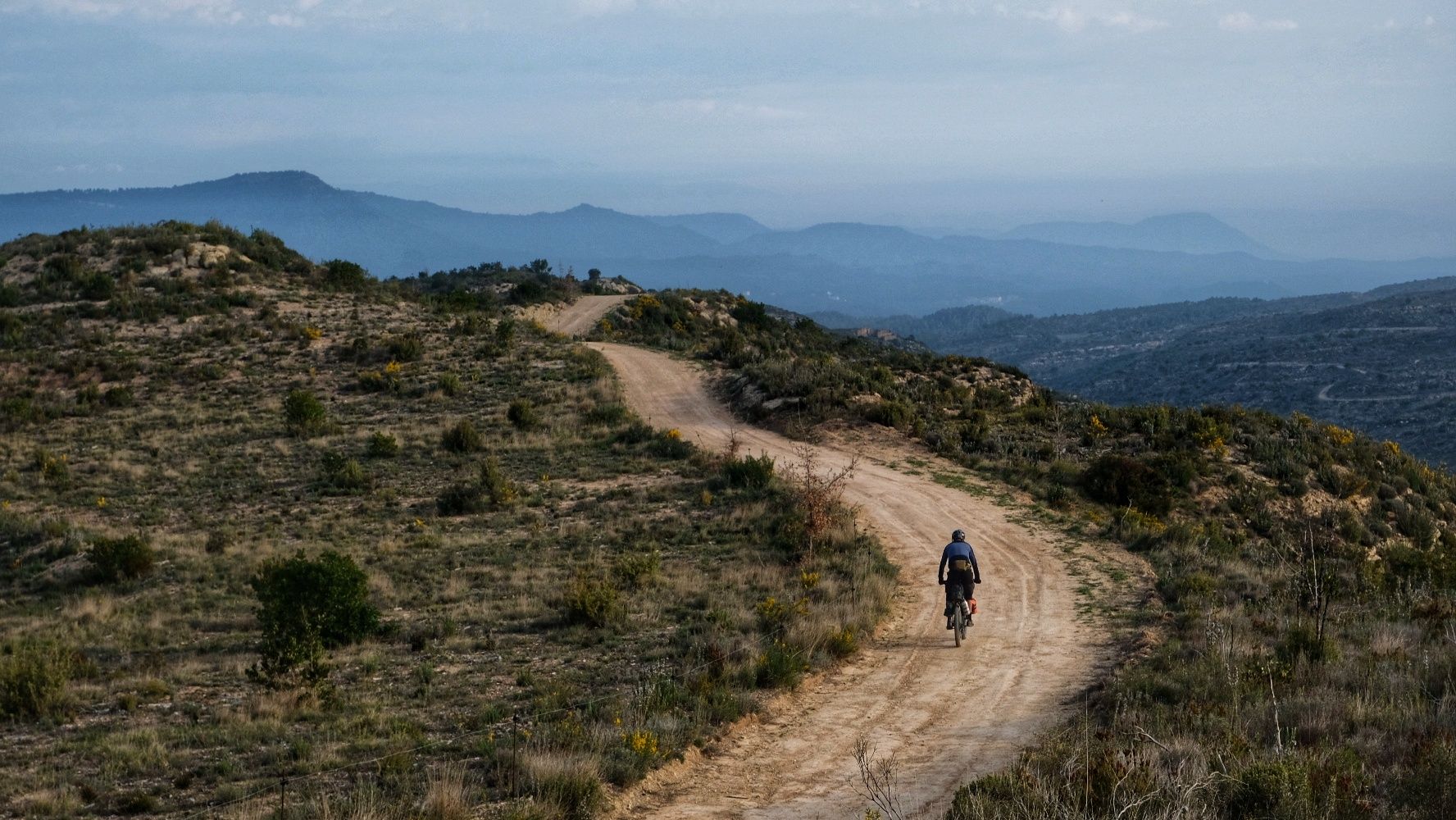
European Divide Trail — 7,600 km across the continent
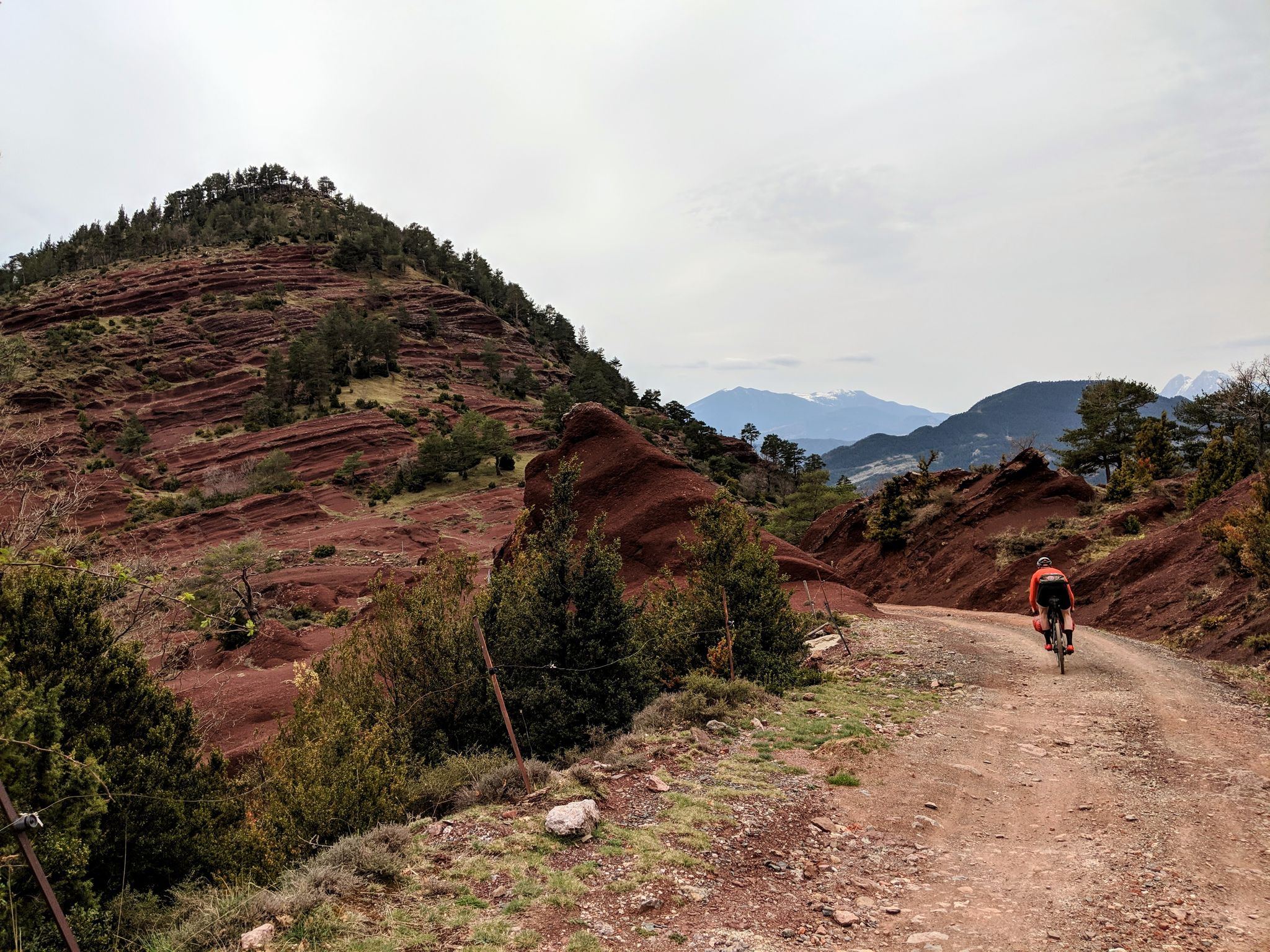
Catalunya Trail — Bikepacking in the Pyrenees
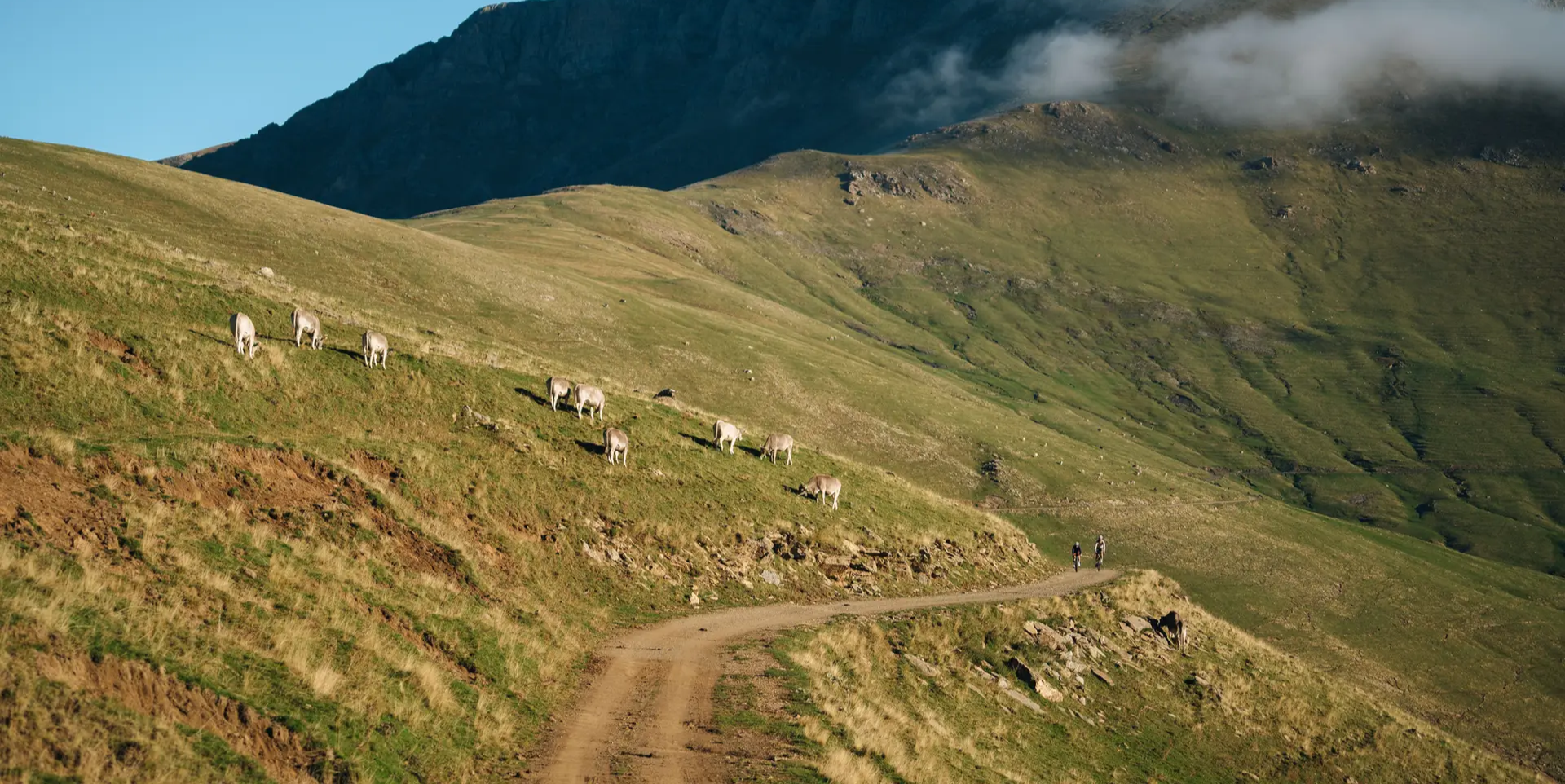
Grand Tour of Catalonia Gravel – your bikepacking adventure
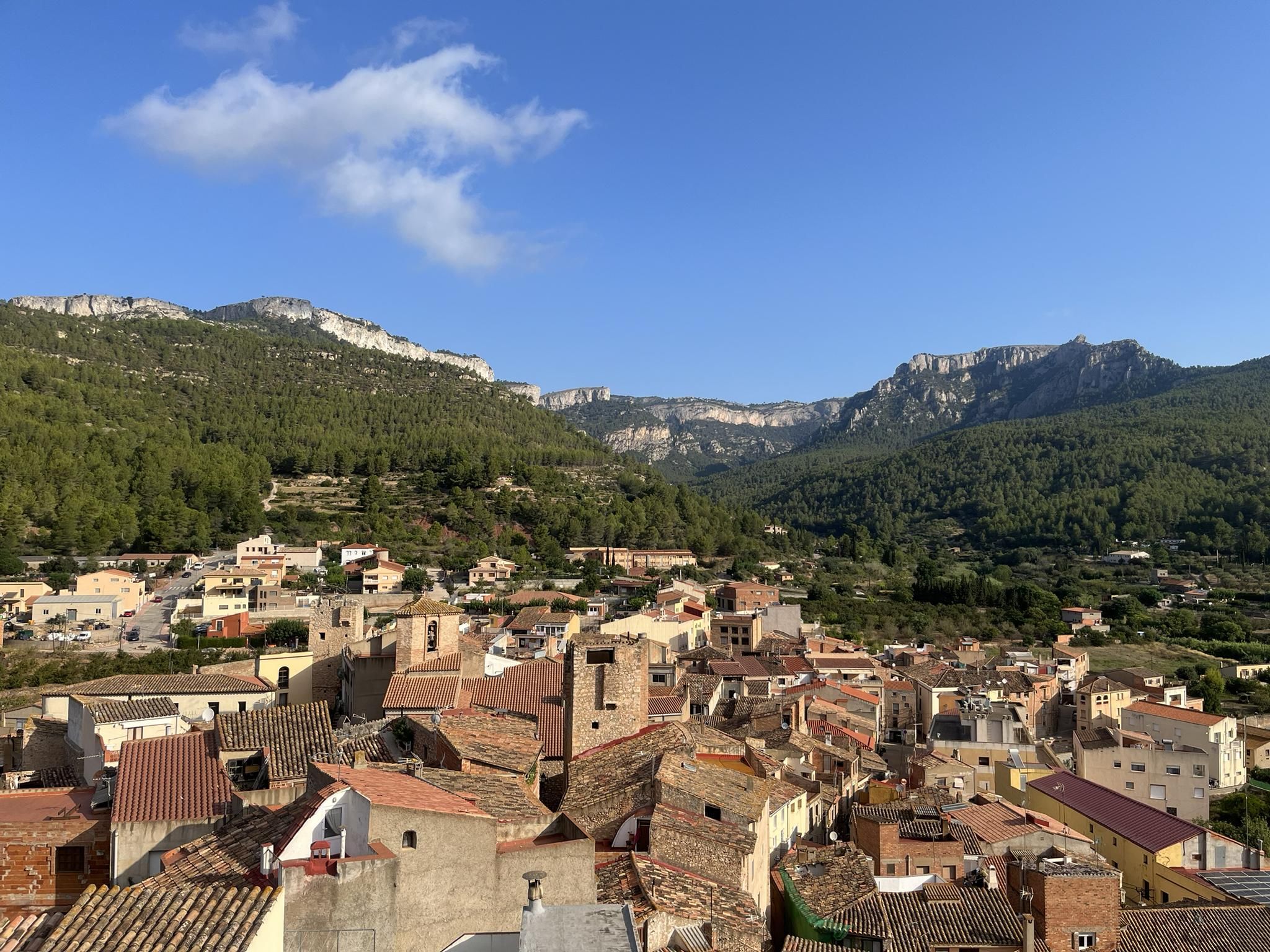
From Cambrils to the Ebro Delta - Camí del Vent (GR 192)
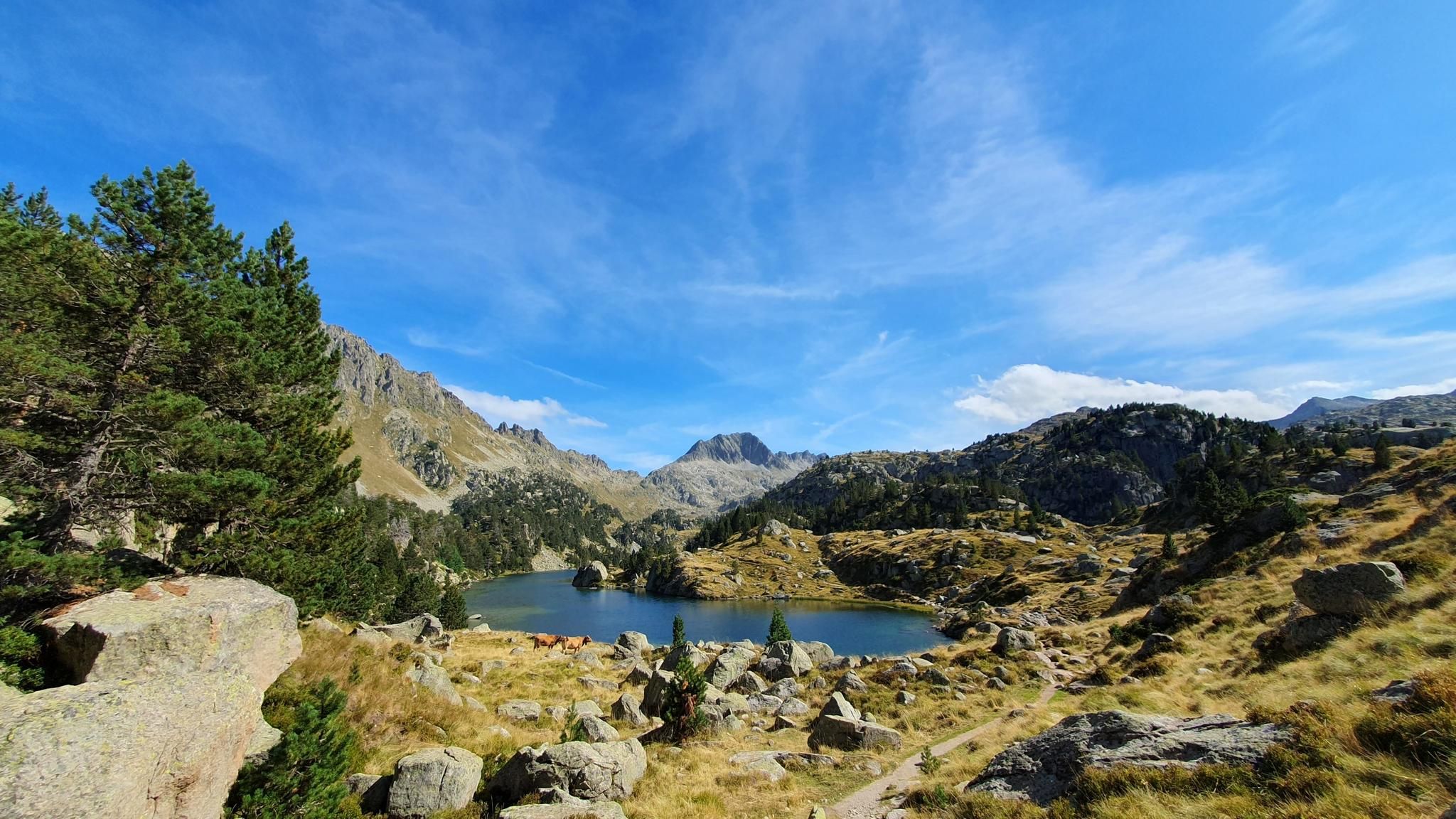
100 miles in paradise - Discover the Val d'Aran by UTMB
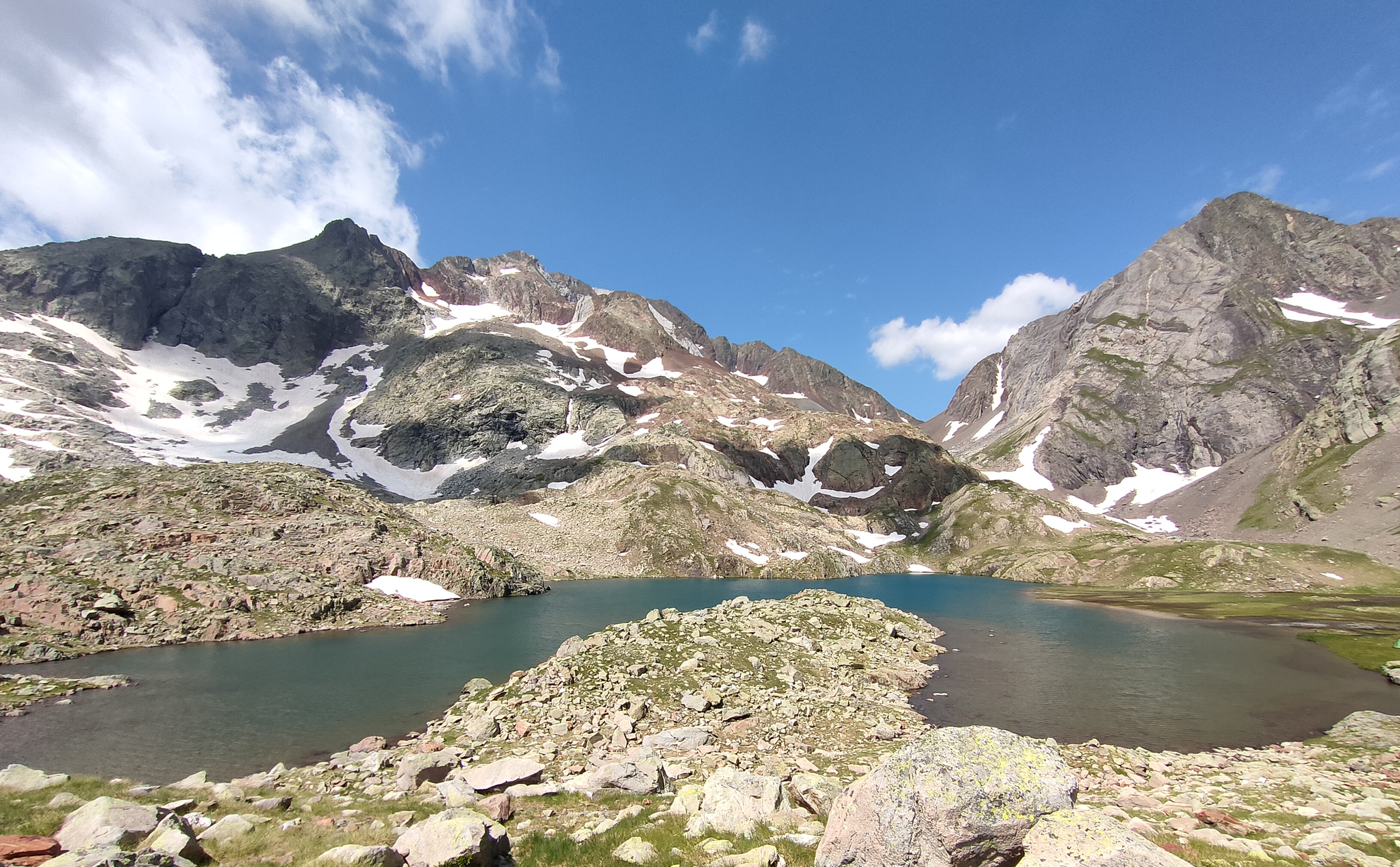
Panoramic Pyrenees – 15 hikers' peaks of over 3,000 metres
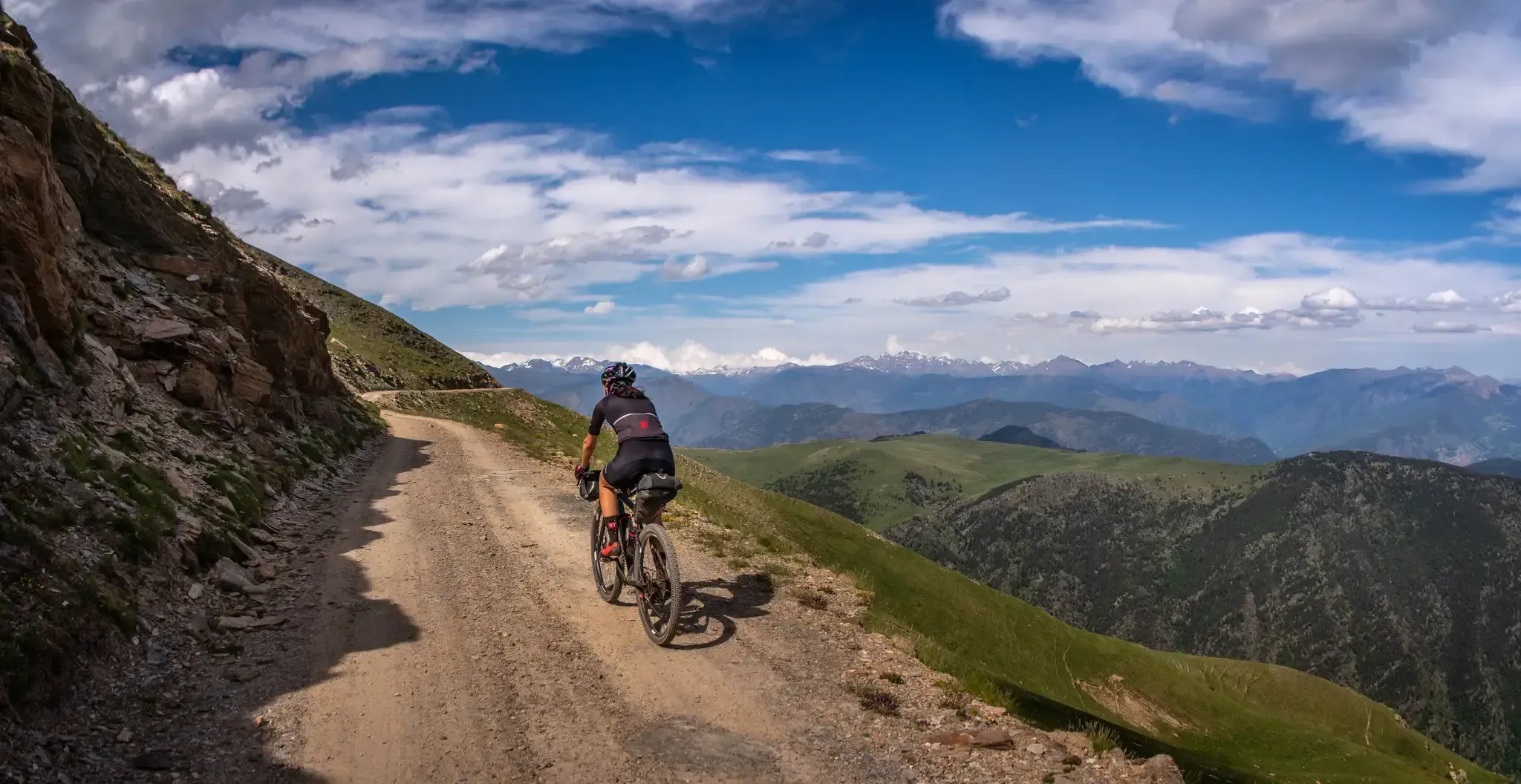
Pedals de Foc – An adventure through the Catalan Pyrenees
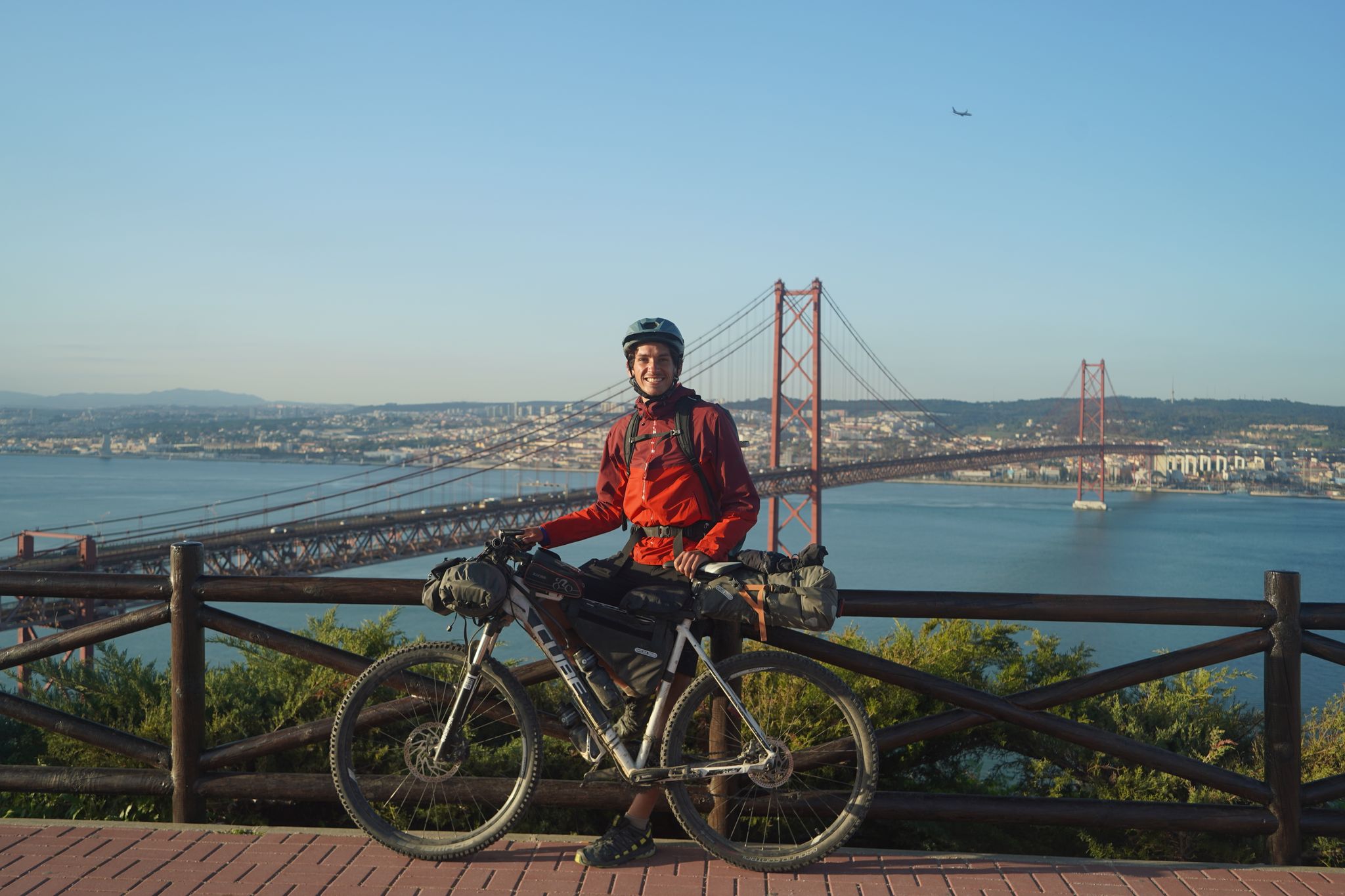
Road to Lisbon – bikepacking the Alps, Pyrenees and Picos de Europa
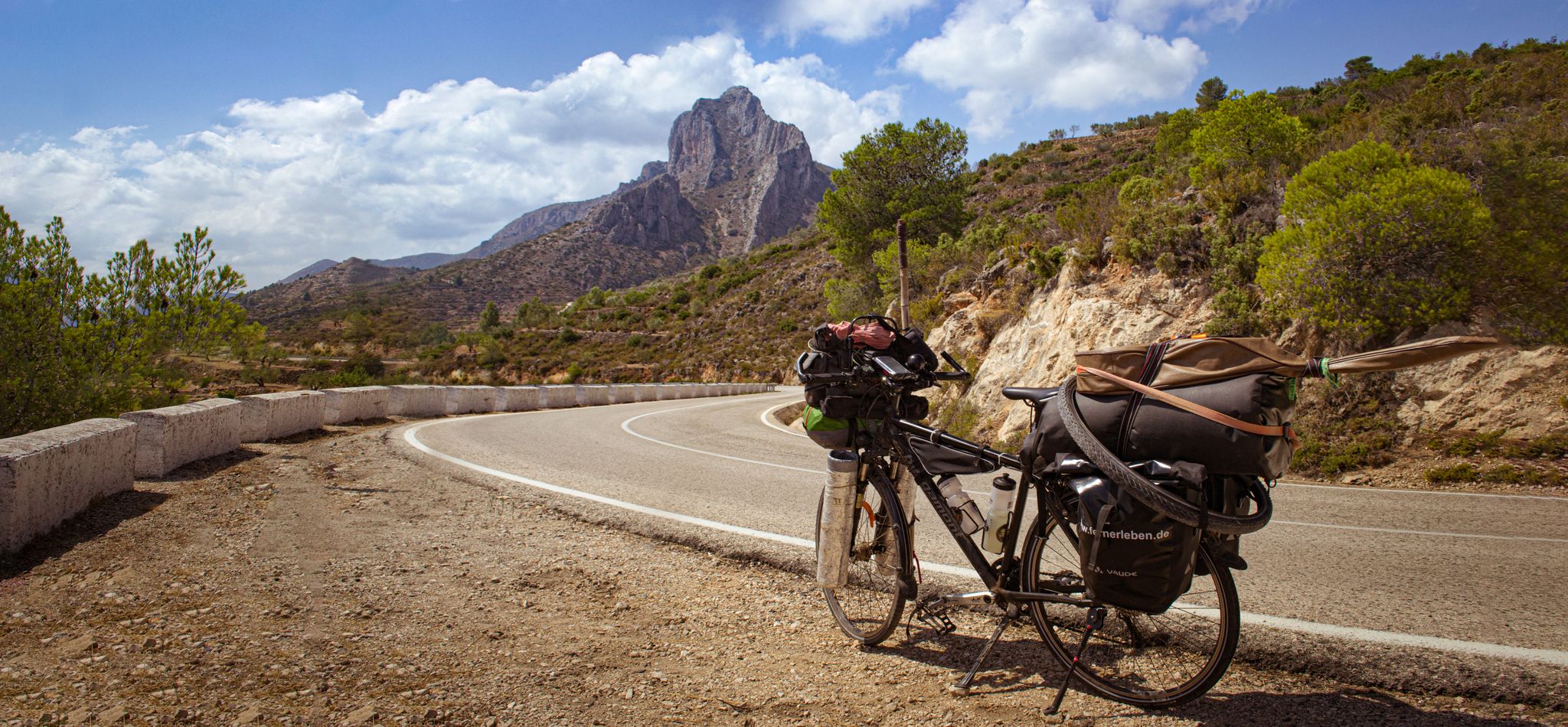
On the road to the sun — bikepacking to southeast Spain
Other adventures in Catalonia


Tips from the Community

The cave can only be reached from the lower footpath. You have to hike back the same way.
0
0

A real discovery! Superb views, decent asphalt and virtually no cars.
0
0

The Norfeu Tower is a historic watchtower built in the 16th century to defend against pirate attacks. It stands atop a rocky cliff overlooking the Mediterranean Sea and offers stunning views of the Roses coastline.
3
0


The Torre de Norfeu is a building in the municipality of Roses (Alt Empordà) protected as a cultural asset of local interest. Located within the small peninsula that forms the Cap de Norfeu, on top of the highest hill of all those that make up the orography of the area, with a great command over the sea. These are the remains of a watchtower located in these contours. Circular in plan, with a slightly sloping profile and a large diameter, the tower is built with stone of various sizes and some ashlars, without being worked, arranged in irregular rows and bound with lime mortar. It currently has an approximate height of about six meters and maintains the hemispherical vault that covered the ground floor. The interior walls still maintain remains of the hydraulic lime layer that coated them and the bottom was built with a fairly well-preserved tile pavement, since the floor was intended to be a rainwater collection cistern. In the center of the vault, the register through which the water was extracted and the first floor was reached is still preserved.[1] Currently, access to the interior of the tower is through a slightly raised chasm, which gives access to the space of the cistern. Large fragments of built walls and scattered rubble, from the demolition of the upper part, are scattered around the construction. Source: https://ca.m.wikipedia.org/wiki/Torre_de_Norfeu
2
0

To enter Avencs, you will find a pile of stones where you have to go down. Easier access to enter 🌿
0
0

Especially if it has rained, it is spectacular
0
0

Natural crevice called Avencs de la Febro, you need good shoes with heels and, if possible, a headlamp or flashlight. They are cracks 30 meters deep, 300 meters long and 8 meters wide that are just a step away from La Mussara. However, they are hidden by vegetation. Because yes, there are many stories of friends and acquaintances who have had to turn around because they have not been able to find their entrance. That's the fun! Hahaha Els Avencs de La Febró have offered shelter to all types of people. For example, they served as a hiding place for the smuggler Josep Ferrer i Grau and General Prim. Yes, I am talking about Juan Prim i Prats, who, apart from being originally from Reus, would come to occupy the position of President of the Government of Spain in 1869.
2
0
Frequently Asked Questions
What are some of the most impressive natural cave formations in Catalonia?
Catalonia features several caves with remarkable natural formations. The Cave of the Cranes is known for its Romanesque apse shape, a fifty-meter waterfall, and a small lake. The Salnitre Caves, located within the Montserrat mountain, boast impressive dimensions with stalactites, stalagmites, and columns. The Benifallet Caves, particularly Cova Meravelles, are renowned for their spectacular 'eccentrics' – unusually shaped formations.
Are there caves in Catalonia that offer insights into prehistoric human activity?
Yes, Catalonia is rich in prehistoric caves. The Gavà-Can Tintorer Prehistoric Mines represent one of Europe's oldest mining complexes, dedicated to extracting variscite. The Parc de les Coves Prehistòriques de Serinyà, especially the Arbreda cave, holds extensive evidence of human occupation from the Bronze Age. Additionally, the Cova del Toll in Moià is significant for its vestiges of human occupation from the Paleolithic period and remains of ancient fauna like cave bears.
Which caves are particularly suitable for families with children?
Several caves in Catalonia are family-friendly. The Salt Mountain of Cardona offers an easy route and enlightening guided tours about its unique salt formations. The Parc de les Coves Prehistòriques de Serinyà and the Cova del Toll both provide educational tours about prehistory, making them ideal for families. The Turó de Montcada i Reixac area also includes family-friendly trails and a cave.
Can I find caves with unique geological features beyond typical stalactites and stalagmites?
Absolutely. The Salt Mountain of Cardona is a unique geological formation made entirely of salt, offering a distinct experience with its salt stalactites and stalagmites. The Benifallet Caves are famous for their 'eccentrics,' which are extraordinary and unusually shaped formations. The Els Avencs de la Febró is a massive open crevice or canyon, providing a different kind of underground exploration.
What kind of historical significance do some of Catalonia's caves hold?
Many caves in Catalonia have deep historical roots. The Salnitre Caves served as a refuge for guerrillas in the 19th century. The Salt Mountain of Cardona has a history of mining dating back to Roman times. The Cova del Dos in Benifallet holds historical remains from the Neolithic period and connections to the Battle of the Ebro. The Gavà-Can Tintorer Prehistoric Mines are a testament to early human industry, being a Neolithic site for variscite extraction.
Are there any caves in Catalonia that are open all year round?
Many of the major tourist-accessible caves in Catalonia, such as the Salnitre Caves, Salt Mountain of Cardona, and Benifallet Caves, typically operate year-round, though it's always advisable to check their specific opening hours and seasonal schedules directly before planning your visit, as these can vary.
What outdoor activities can I do near the caves in Catalonia?
The diverse landscape around Catalonia's caves offers various outdoor activities. You can find numerous cycling routes, including those for touring bicycles, gravel biking, and road cycling. For example, you can explore routes like the 'From Sant Feliu de Guíxols to Tossa de Mar' for touring, 'Girona - Gravel ride along the Riu Ter' for gravel biking, or 'Els Àngels and Santa Pellaia – Hincapie Loop' for road cycling. More details on these can be found in the Cycling in Catalonia, Gravel biking in Catalonia, and Road Cycling Routes in Catalonia guides.
Are there any sea caves or coastal caves to explore in Catalonia?
Yes, Catalonia's coastline features impressive sea caves. The Cave of Hell (Cova de l'Infern) is a notable sea cave near Cap de Creus, known for its unique reddish water at dawn. The Norfeu Tower area also has a cave accessible to adventurers, offering a different coastal cave experience.
What should I bring for cave exploration in Catalonia?
For most guided cave tours, comfortable walking shoes and appropriate clothing for a consistent cool temperature (around 14°C in some caves like Salnitre) are recommended. For more adventurous explorations, such as in Els Avencs de la Febró or the cave near Norfeu Tower, a headlamp or flashlight is essential. Some locations, like the Cave of the Cranes, might even invite a swimsuit if you wish to cool off in the lake during warmer weather.
Are there any caves in Catalonia that are considered high-altitude or unique in their location?
Yes, the Fontrabiouse Caves in North Catalonia are notable for being Europe's highest equipped cave, situated at 1,500 meters above sea level. They feature an underground lake and colorful paving flows, offering a distinct high-altitude caving experience.
What is the best time of year to visit caves in Catalonia?
Caves generally maintain a consistent cool temperature year-round, making them a good destination in any season. However, visiting during spring or autumn can be ideal as the weather outside is pleasant for combining cave exploration with other outdoor activities. During summer, caves offer a cool escape from the heat, and in winter, they provide a sheltered experience. Always check specific cave opening times, as some may have seasonal variations.
Most popular routes in Catalonia
Most popular attractions in Catalonia

Get inspired with the komoot mobile app


Didn’t find what you were looking for?
Discover more caves in Catalonia region by region:
Explore more
Extend your search for the best caves by checking out these guides of the top ones in Catalonia:
