Easy hikes and walks around La Campiña
4.3
(1099)
8,950
hikers
184
hikes
Easy hiking trails around La Campiña traverse a varied landscape characterized by pine forests, expansive river views, and limestone cliffs. The region also features flat, open steppe landscapes and agricultural areas with olive groves and sunflower fields. Riparian poplar forests line rivers, while pockets of Mediterranean vegetation, including holm oaks and mastic trees, create distinct natural islands. Geological formations like the Cárcavas de Pontón de la Oliva add to the diverse terrain.
Best easy hiking trails around La Campiña
- The…
Last updated: November 21, 2026
5.0
(1)
5
hikers
Easy hike. Easily walkable paths.
1.0
(1)
4
hikers
Easy hike. Easily walkable paths.

1
hikers
5.82km
01:33
60m
60m
Easy hike. Easily walkable paths.
4.7
(3)
27
hikers
Easy hike. Easily walkable paths.
4.5
(6)
24
hikers
6.06km
01:37
60m
60m
Easy hike. Easily walkable paths.
4.5
(2)
18
hikers
Easy hike. Easily walkable paths.
11
hikers
7.08km
01:53
70m
70m
Easy hike. Easily walkable paths.
10
hikers
Easy hike. Easily walkable paths.
10
hikers
6.38km
01:38
20m
20m
Easy hike. Easily walkable paths.
5.0
(1)
8
hikers
6.42km
01:45
100m
100m
Easy hike. Easily walkable paths.
Get access to more routes and recommendations from other explorers.
Already have an account?
Our route recommendations are based on thousands of hikes, rides, and runs completed by other people on komoot.
Start today with a free account
Your next adventure awaits.
Popular around La Campiña

Easy hikes in Campiñas De Sevilla

Easy hikes in Salado De Lebrija-Las Cabezas
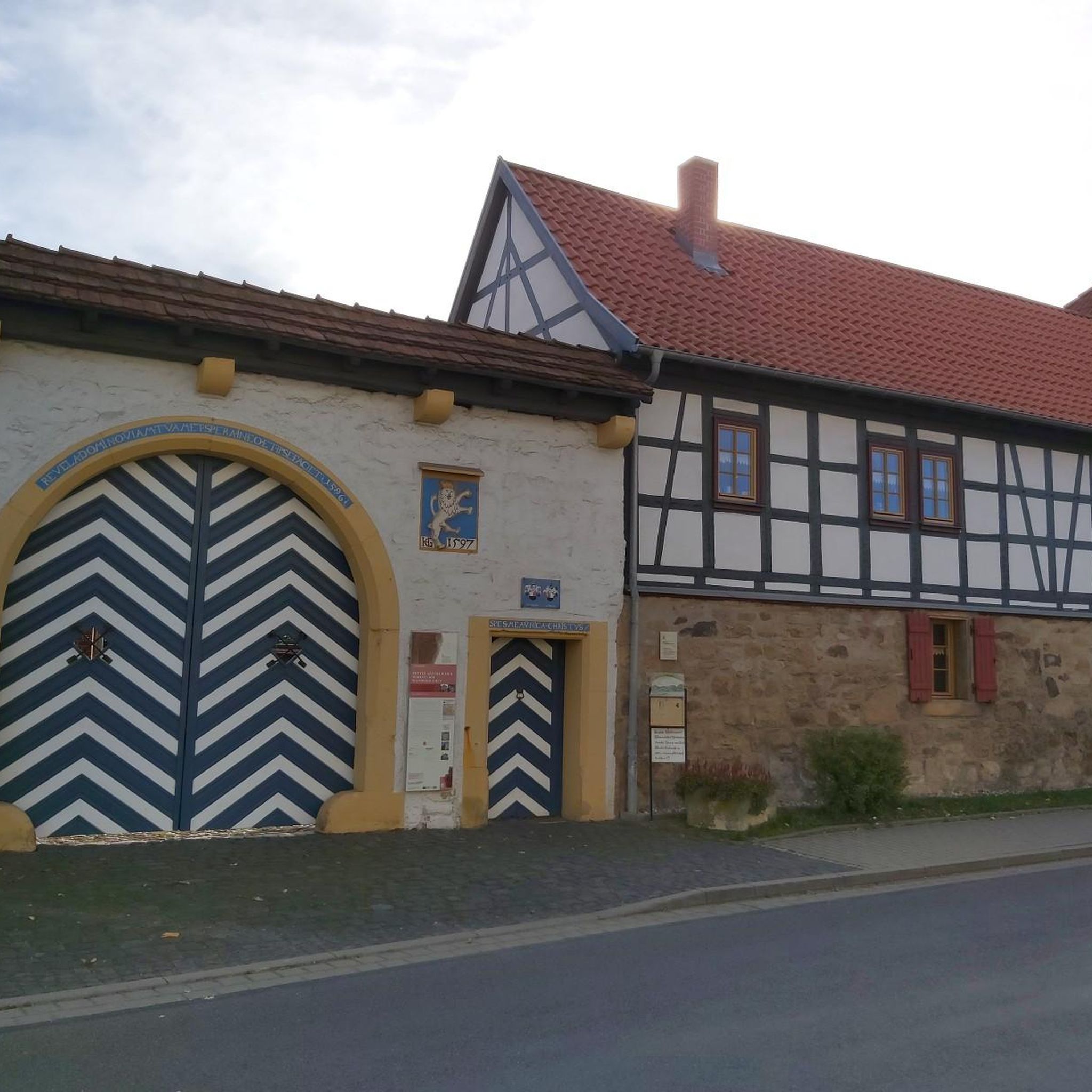
Easy hikes in Brazo Del Este

Easy hikes in Arroyo De Santiago, Salado De Morón Y Matabueyes/Garrapata
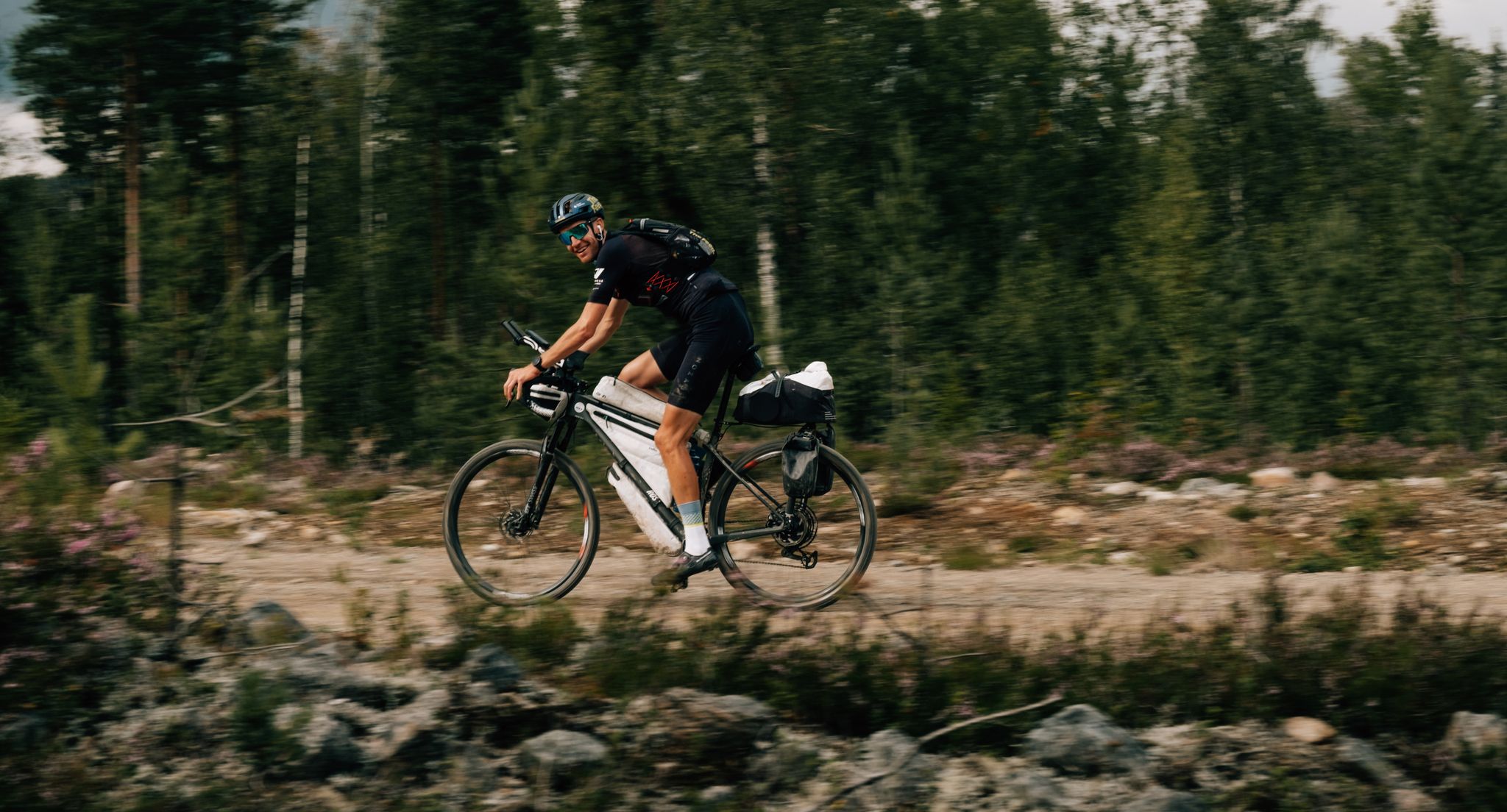
European D̶I̶V̶I̶D̶E̶ Connect Trail Project – a journey across Europe
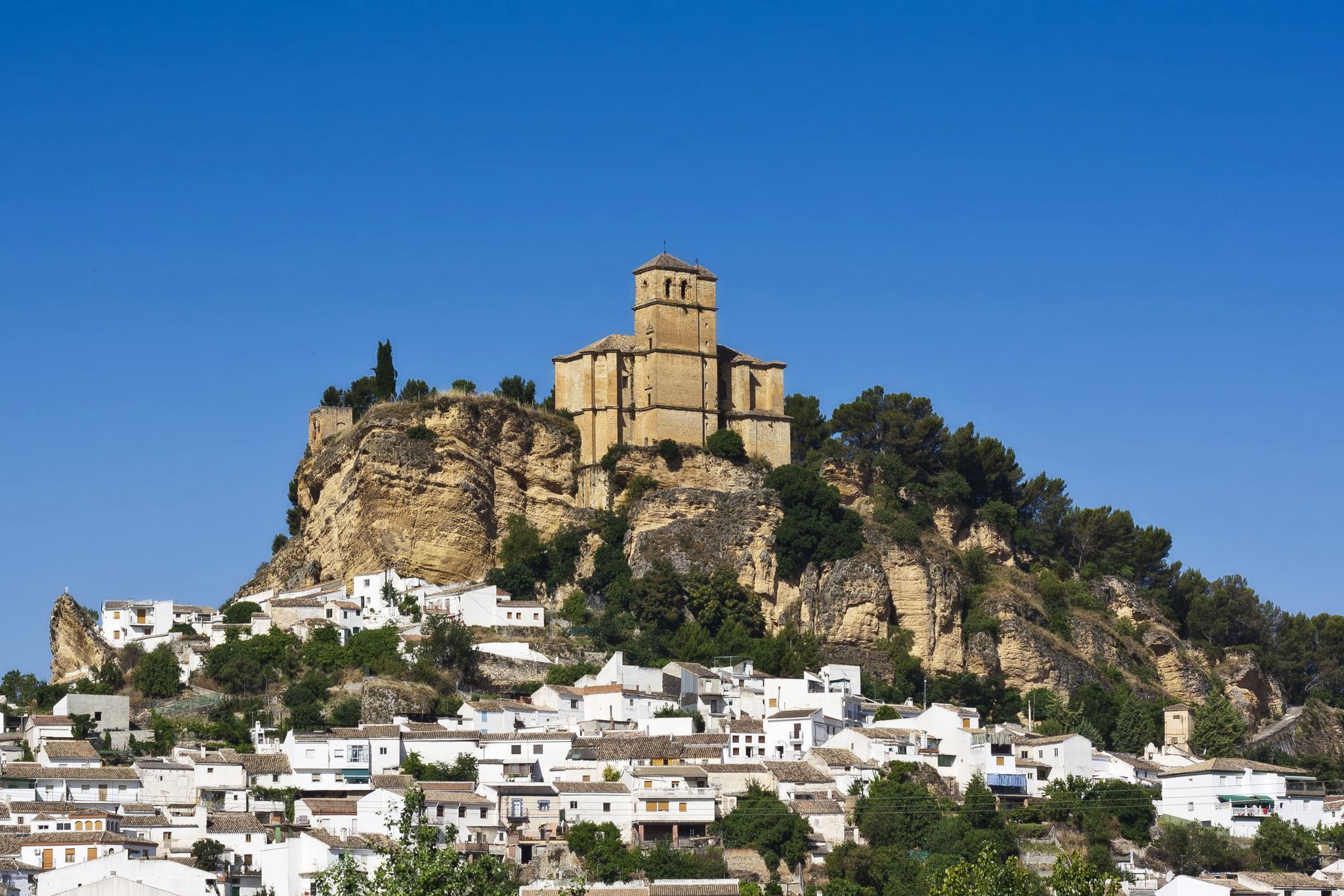
Washington Irving – cycle through the Arab vestiges of Andalusia
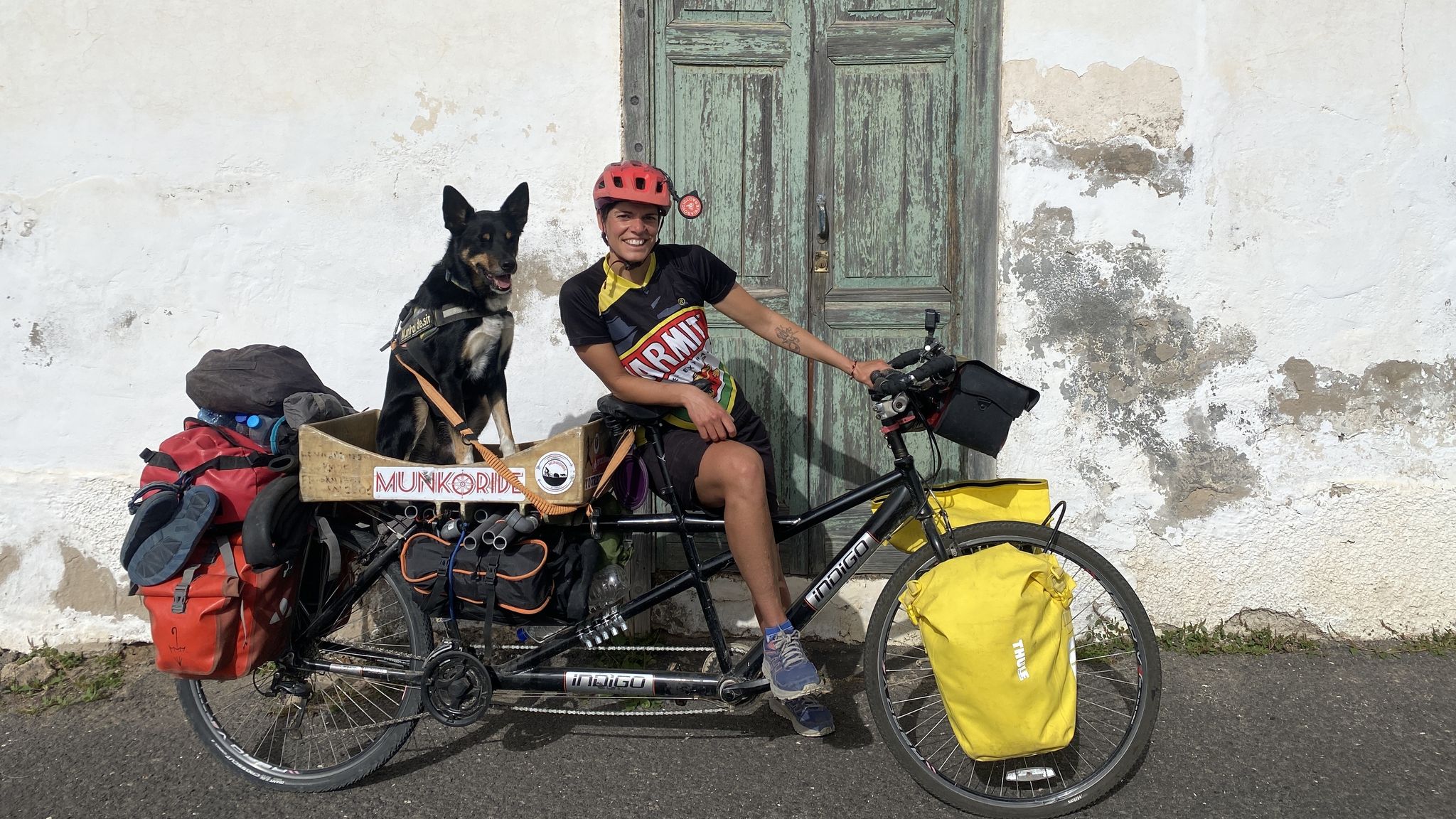
A winter getaway along the greenways of Andalusia in Spain
Let’s head south – cycle in Andalusia with me and my dog
Cycle through the countryside of Spain’s Cordoba – Via Verde de la Campiña
Vía de la Plata – from Seville to Gijón by bike
Other adventures around La Campiña


Tips from the Community

Impressive former sandstone quarry on the outskirts of Osuna, which is also known as the "Petra of Andalusia" due to its monumental rock walls and intricately designed stone reliefs. For centuries, the characteristic golden sandstone was quarried here, which was used for numerous historic palaces, churches, and other buildings in Osuna. Particularly fascinating are the huge cave spaces created by the stone extraction, the powerful rock pillars, and the modern sculptures and reliefs incorporated into the sandstone, which are reminiscent of the art of ancient cultures. Today, the extraordinary site is used, among other things, as an event venue and cultural meeting place. A spectacular interplay of nature, centuries-old quarry history, and sculptural art, which counts as one of the most extraordinary sights in Osuna.
3
0
Historic main square in the heart of the old town of Osuna, which has been the social center of the city since the 16th century. The rectangular square with its central fountain and ornate street lamps is surrounded by several historically significant buildings, including the town hall, the market hall, and the church of the former Convento de la Concepción. Also known as "La Alameda," the square invites you to linger with its typical Andalusian flair and is one of the central sights of the historic old town.
4
0
Monumental Collegiate Church of the Assumption (Colegiata de Santa María de la Asunción), which towers on a hill above Osuna and, together with the historic university opposite, defines the cityscape. Built in the 16th century under Juan Téllez-Girón, the church is one of the most important Renaissance buildings in the region. Behind the simple, imposing facade are magnificent altars, valuable religious works of art, and paintings by the Spanish Baroque painter José de Ribera. Of particular art-historical significance is the underground ducal pantheon of the Téllez-Girón family. The exposed location with its magnificent view over Osuna and the vast Andalusian landscape also makes the church a particularly rewarding destination.
1
0
Magnificent historic noble palaces along the Calle San Pedro, one of the most beautiful streets in the Andalusian town of Osuna. The numerous stately buildings date mainly from the 18th century and bear witness to the former wealth and social influence of the Spanish nobility. Particularly impressive are the artistically designed Baroque facades with their monumental portals, stone coats of arms, wrought-iron balconies, and elaborate ornaments. Outstanding structures include the Palacio del Marqués de la Gomera and the Cilla del Cabildo Colegial, a former granary with an exceptionally richly decorated facade. A walk through this historic street is one of the architectural highlights of a visit to Osuna.
1
0
The imposing Collegiate Church of Santa María de la Asunción towers high above the Andalusian town of Osuna and is one of its most significant historical buildings. The church was built in the 16th century at the behest of Juan Téllez-Girón, the fourth Count of Ureña, in the Spanish Renaissance style. Behind the comparatively simple, monumental facade lies a richly decorated interior with elaborate altarpieces, religious sculptures, and important paintings by José de Ribera. Particularly worth seeing is the underground ducal pantheon of the Téllez-Girón family with its magnificent Renaissance architecture. Due to its exposed location directly opposite the historic university, the church also offers beautiful views over Osuna and the vast Andalusian landscape.
4
0

The Jesús Nazareno bridge, popularly known as the "Roman bridge" because it was built over the remains of a Roman construction, crosses the Guadaíra river in the heart of the old town of Alcalá de Guadaíra. It did not receive its current name until 1944, when the City Council renamed it in honor of the Brotherhood of Jesús Nazareno, which every Good Friday, at dawn, reenacts the scene of the arrest on the bridge before ascending to Calvary.
1
0

The Church of San Pedro is one of the most emblematic churches in Carmona (Seville), recognizable above all for its tower known as La Giraldilla, due to its resemblance to the Giralda of Seville. Built in the 15th century on the site of the former hermitage of the Virgen de la Antigua, its Baroque tower, called La Giraldilla, was originally designed by Hernán Ruiz the Younger around 1565 and completed in 1784.
15
0
Declared a Historic-Artistic Monument in 1906, even before the Giralda of Seville. Today it houses the Tourist Information Center and is used for cultural events and guided tours.
8
0
Frequently Asked Questions
How many easy hiking trails are there in La Campiña?
La Campiña offers nearly 70 easy hiking trails, making it an ideal destination for relaxed walks. These routes are part of a broader network of over 140 trails across the region, catering to various preferences.
What kind of terrain will I encounter on easy hikes in La Campiña?
Easy hikes in La Campiña feature a diverse landscape. You can expect to traverse pine forests, enjoy expansive river views, and explore flat, open steppe landscapes. The region also boasts agricultural areas with olive groves and vibrant sunflower fields, especially beautiful in spring. Some routes also pass through unique Mediterranean vegetation pockets and interesting geological formations.
Are there any family-friendly easy hikes in La Campiña?
Yes, many of the easy trails in La Campiña are suitable for families. These routes often feature gentle gradients and offer opportunities to explore historical sites or natural beauty without strenuous effort. For example, the Coto de las Canteras, Colegiata de Osuna y plaza de Toros — circular by the town of Osuna route is a great option for a leisurely family outing.
Can I bring my dog on the easy hiking trails in La Campiña?
La Campiña is generally dog-friendly, with many trails suitable for walking with your canine companion. It's always recommended to keep dogs on a leash, especially in areas with wildlife or near agricultural land, and to carry water for both yourself and your pet. Always check local regulations for specific routes.
Are there circular easy walks available in La Campiña?
Yes, La Campiña offers numerous circular easy walks, perfect for exploring the region without retracing your steps. Routes like the Cerro de Valdeperros Circular Trail provide a pleasant loop through the countryside, allowing you to experience different views and features.
What interesting landmarks or attractions can I see along easy hiking trails?
Many easy trails in La Campiña pass by historical sites and natural attractions. You might encounter ancient bridges like the Jesús Nazareno Bridge / Roman Bridge Alcalá (highlight), impressive geological formations such as the Coto de las Canteras (highlight), or historical gates like the Puerta de Córdoba (highlight). Some routes also lead through charming towns with notable architectural landmarks, such as the The Puerta de Carmona and the Arco de la Rosa — circular by Marchena.
When is the best time of year for easy hiking in La Campiña?
The best time for easy hiking in La Campiña is typically spring (March to May) when the agricultural fields are vibrant with a kaleidoscope of colors, and the weather is pleasantly mild. Autumn (September to November) also offers comfortable temperatures and beautiful scenery. Summers can be very hot, making early mornings or late afternoons preferable, while winters are generally mild but can be damp.
Are there viewpoints on easy hikes in La Campiña?
While specific viewpoints might require slightly more challenging routes, many easy trails offer expansive vistas over the rolling countryside, agricultural fields, and river valleys. The region's diverse terrain ensures picturesque scenery throughout your walk.
What do other hikers enjoy most about the easy trails in La Campiña?
The easy trails in La Campiña are highly rated by the komoot community, with an average score of 4.4 stars from over 150 reviews. Hikers often praise the varied terrain, which includes pine forests, river views, and agricultural landscapes, as well as the well-maintained paths suitable for all ability levels. The integration of historical sites along many routes is also a frequently appreciated aspect.
Are there any easy hikes that pass through towns or villages with amenities?
Yes, several easy hikes in La Campiña are designed to explore the charming towns and villages of the region, offering access to amenities like cafes and restaurants. For instance, the Historic Center of Carmona – Carmona Market Hall loop from Carmona takes you through the heart of Carmona, where you can easily find places to rest and refuel.
What kind of wildlife can I spot on easy hikes in La Campiña?
La Campiña's diverse ecosystems support a variety of wildlife. On easy hikes, you might spot common species like rabbits and partridges, as well as typical steppe birds such as crested larks, wheatears, and corn buntings. Keep an eye out for larger birds like little bustards and stone curlews. Some areas, particularly near lakes, offer opportunities to see flamingos (highlight).
Are there easy hikes that follow old railway lines or historical paths?
Yes, some of the easy routes in La Campiña utilize converted old railway lines, offering unique and generally flat paths through the landscape. These 'Vías Verdes' (Greenways) provide excellent opportunities for relaxed walking and often connect historical sites or natural areas. The Via Verde de la Sierra, for example, offers a scenic route, though parts are gravel.
Most popular routes around La Campiña
Most popular attractions around La Campiña

Get inspired with the komoot mobile app


Didn’t find what you were looking for?
Check out more Hikes throughout La Campiña below and find the perfect route in your destination.
Explore more
Browse the best Hikes in other regions.
