Easy hikes and walks around Duero Bajo
4.8
(46)
494
hikers
75
hikes
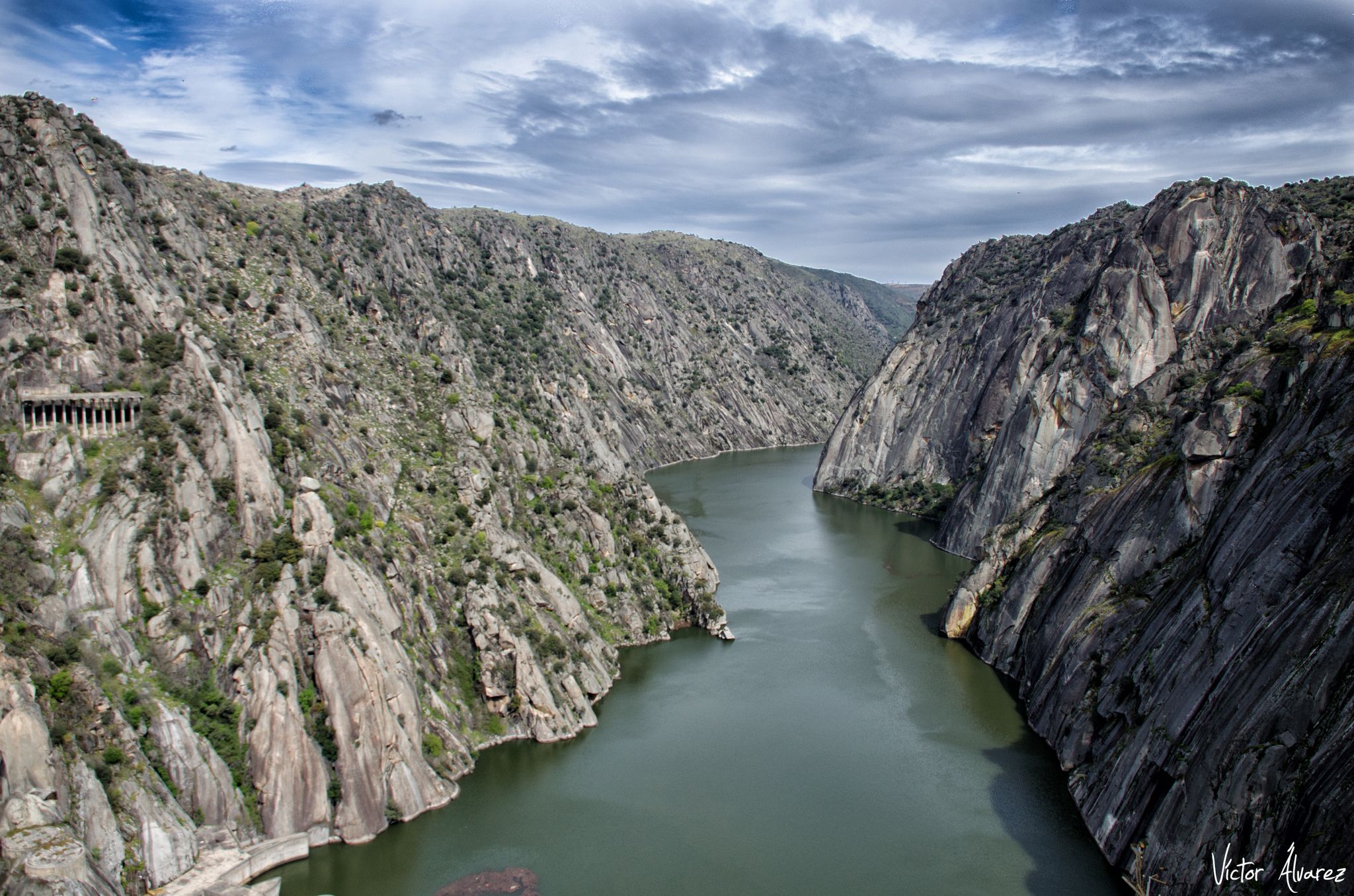
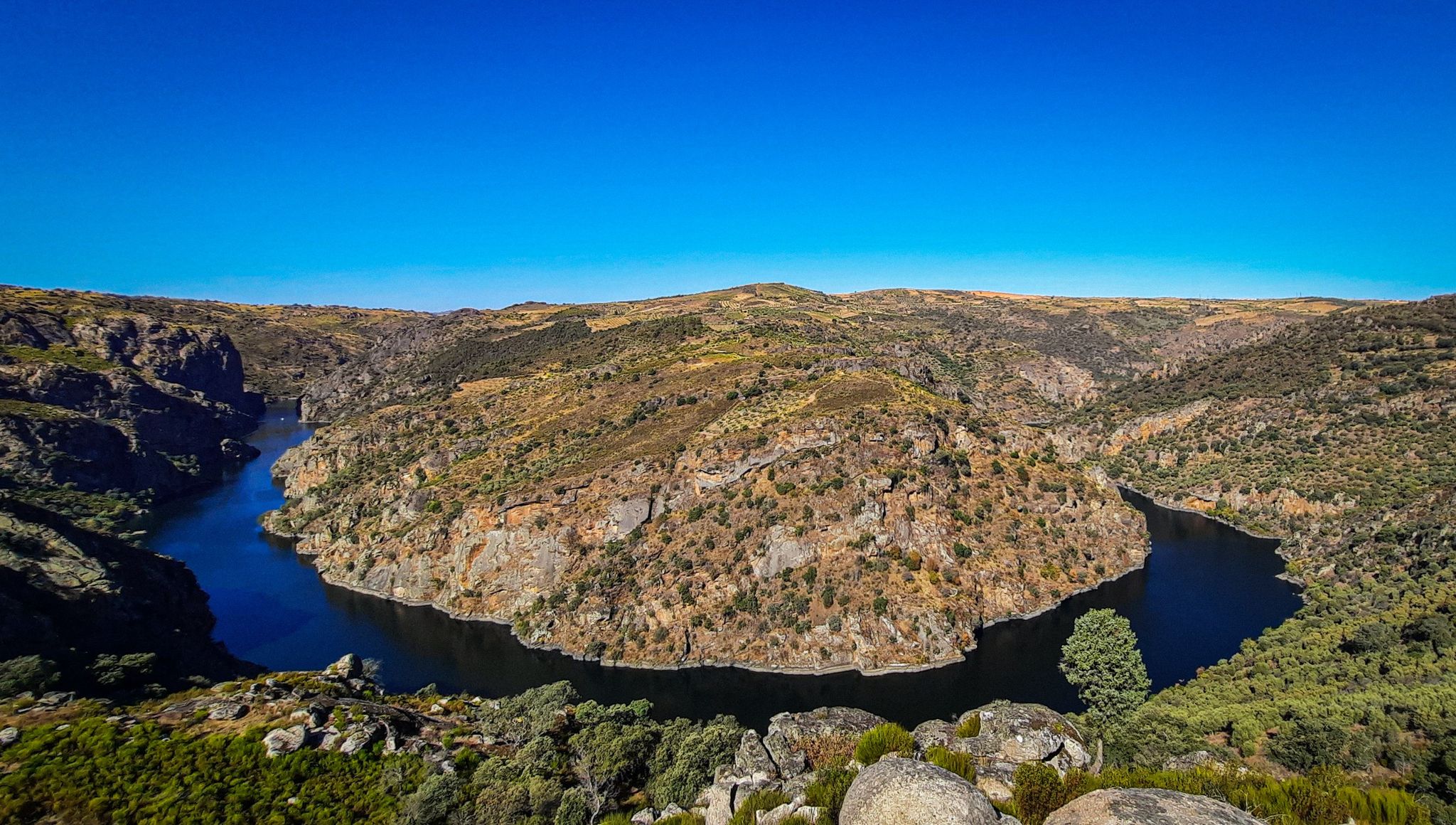
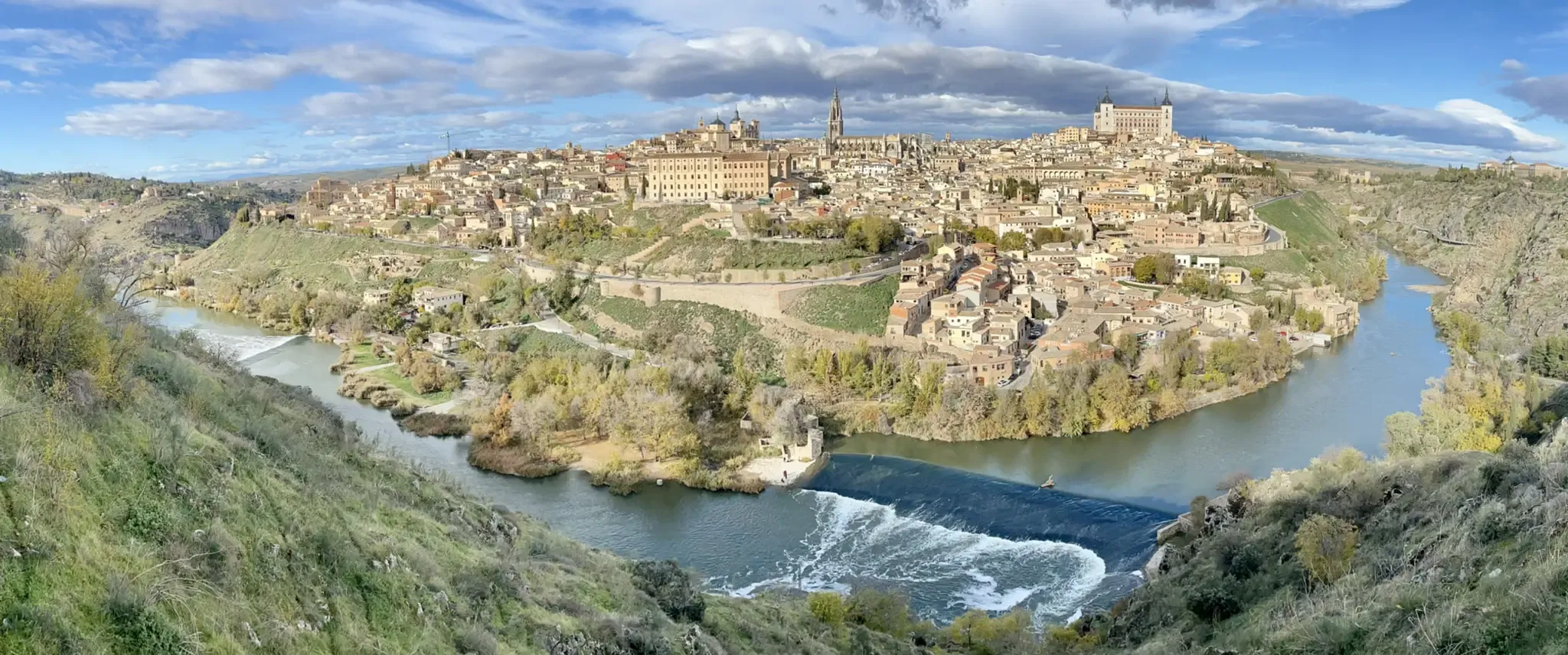
Easy hiking trails around Duero Bajo traverse a diverse landscape shaped by the Duero River and its tributaries, featuring deep canyons and granite gorges. The region's terrain includes riverbanks, Mediterranean forests of juniper, gall oak, and cork oak, and areas with vineyards and olive groves. These routes often follow the river's course, offering varied scenery with generally low elevation changes.
Best easy hiking trails around Duero Bajo
- The most popular easy hiking route is Zamora city tour — circular from…
Last updated: November 21, 2026
5.0
(1)
9
hikers
Easy hike. Easily walkable paths.
4.0
(3)
6
hikers
Easy hike. Easily walkable paths.

5.0
(1)
5
hikers
Easy hike. Easily walkable paths.
3
hikers
4.32km
01:14
100m
100m
5.0
(1)
2
hikers
7.21km
01:53
50m
50m
5.0
(4)
34
hikers
Easy hike. Easily walkable paths.
10
hikers
Easy hike. Easily walkable paths.
11
hikers
5.60km
01:28
40m
40m
Easy hike. Easily walkable paths.
6
hikers
5.89km
01:34
70m
70m
Easy hike. Easily walkable paths.
5
hikers
5.30km
01:29
110m
110m
Easy hike. Easily walkable paths.
Get access to more routes and recommendations from other explorers.
Already have an account?
Our route recommendations are based on thousands of hikes, rides, and runs completed by other people on komoot.
Start today with a free account
Your next adventure awaits.
Other adventures around Duero Bajo


Tips from the Community

The Alcázar of Toro is a historic fortification located in the town of Toro (Zamora, Castile and León), with great heritage and scenic value. It was built in the 10th century during the Christian repopulation, as part of the defensive system against Muslim incursions. It was reinforced in subsequent centuries, especially in the Middle Ages, when Toro acquired strategic importance in the Kingdom of León and later in Castile. It played a prominent role in the War of the Castilian Succession (1475), in the famous Battle of Toro between supporters of Isabella I of Castile and Joanna la Beltraneja.
2
0
It spans the Duero River in Zamora (Castilla y León), connecting Avenida de Portugal (Pinilla neighborhood) with Calle de Salamanca in the city. The project began in 1882, with construction starting in 1892, under the direction of engineer Prudencio Guadalajara, to alleviate the overloading of the old Stone Bridge. Inaugurated in 1900, it represented a significant improvement in handling the growing traffic in the city. It was designed in steel, using a metal lattice structure of the St. Andrew's Cross type, typical of the late 19th century.
3
0

A beautiful square. It gets really busy from 8 p.m. onwards, when the Spanish nightlife begins.
3
0
Zamora Castle is a historic fortification located in the city of Zamora, in Castile and León. Built in the 11th century, the castle has witnessed numerous historical events and has undergone several modifications over the centuries. It has a rhomboidal plan and is surrounded by a deep moat. Its thick walls and the keep, which is the highest and served as the last defensive redoubt, stand out. The castle is a fascinating place to explore history and enjoy panoramic views of the city.
3
0
The Stone Bridge of Zamora, also known as Puente Nuevo in the Middle Ages, is one of the five bridges that cross the Duero River in Zamora, Castile and León. This Romanesque bridge was built in the early 13th century and has been renovated on several occasions.
5
1

They can be visited, check the opening hours at the tourist office...
0
0

you can find almost everything here. Please note the opening times (siesta)
2
0
The oldest evidence indicates that the church was built in the mid-12th century, although work continued in the 13th century and lasted even until the 14th century. The church stands out for its south doorway, which is the main one and is in perfect condition, flanked by two slender attached columns and three semicircular archivolts with elegant decoration. If you want to visit it or learn more about its history and architecture, I recommend consulting specialized sources or visiting its page on Románico Zamora for detailed information. I hope you enjoy your visit to this important historical monument! 🏰✨
9
0
Frequently Asked Questions
How many easy hiking trails are there in Duero Bajo?
There are over 25 easy hiking trails available in Duero Bajo, offering diverse landscapes from riverbanks to historical towns. In total, the region features more than 50 hiking routes across various difficulty levels.
What kind of terrain can I expect on easy hikes in Duero Bajo?
Easy hikes in Duero Bajo primarily follow the Duero River and its tributaries, featuring generally low elevation changes. You'll encounter riverbanks, Mediterranean forests of juniper, gall oak, and cork oak, as well as areas with vineyards and olive groves. Some trails also explore historical towns.
Are there any circular easy hikes in Duero Bajo?
Yes, many easy routes in Duero Bajo are circular. For example, the Zamora city tour is a 4.6 km circular route exploring the city's historical sites. Another option is the Aceñas de Olivares from Playa de los Pelambres, a 6.5 km circular trail along the Río Duero.
What historical landmarks can I see on easy hikes in Duero Bajo?
Duero Bajo offers several historical landmarks accessible via easy trails. In Zamora, you can explore the castle and ancient walls on the Zamora city tour. Near Toro, the Camino de Levante: Toro Loop passes by the historic town. You can also visit the impressive Collegiate Church of Santa María la Mayor in Toro or the Monoliths of the Three Causeways.
Are there any easy trails that offer views of the Duero River canyons?
While many easy trails follow the riverbanks, the dramatic canyons of the Arribes del Duero Natural Park are a defining feature of the region. The Route through the Duero Riverbank and San Lorenzo Heights offers views along the Duero River, providing a glimpse into the landscape that has carved these deep gorges.
What is the best time of year for easy hikes in Duero Bajo?
The Duero Bajo region experiences a mild microclimate, making it suitable for hiking for much of the year. Spring and autumn generally offer the most pleasant temperatures for easy hikes, with vibrant flora in spring and beautiful colors in autumn. Summers can be warm, especially in the canyons, while winters are generally mild.
Are easy hikes in Duero Bajo suitable for families with children?
Yes, many easy hikes in Duero Bajo are suitable for families. The low elevation changes and well-defined paths make them accessible for children. Routes like the Zamora city tour combine gentle walking with historical exploration, which can be engaging for younger hikers.
Can I bring my dog on easy hiking trails in Duero Bajo?
Many trails in Duero Bajo are dog-friendly, but it's always advisable to check local regulations, especially within protected areas like the Arribes del Duero Natural Park. Generally, dogs on a leash are welcome on most public footpaths. The El Quejigal de Valparaíso Trail is a good option for a walk with your canine companion.
Are there any waterfalls to see on easy hikes in Duero Bajo?
While not directly on an easy hiking trail listed in this guide, the Duero Bajo region is home to the stunning Pozo de los Humos waterfall, a nearly 200-meter high cascade. This natural wonder is a significant attraction in the wider area and can be visited separately.
What do other hikers enjoy most about easy hikes in Duero Bajo?
The easy hikes in Duero Bajo are highly rated by the komoot community, with an average score of 4.5 stars from over 20 reviews. Hikers often praise the diverse scenery, the tranquility of the river paths, and the opportunity to explore historical towns and natural beauty with minimal effort.
Where can I find parking for easy trails in Duero Bajo?
Parking is generally available near the starting points of many easy trails, especially in and around towns like Zamora and Toro. For urban routes like the Zamora city tour, public parking lots are usually accessible. For trails in more rural settings, look for designated parking areas or roadside pull-offs near trailheads.
Are there any easy trails near the Alcázar of Toro?
Yes, the Alcázar de Toro – Toro loop from Toro is an easy 5.3 km route that starts and ends in Toro, allowing you to explore the town and its historic sites, including the Alcázar. Another option is the Plaza Mayor de Toro loop from Toro, which also explores the town.
Most popular routes around Duero Bajo
Most popular attractions around Duero Bajo

Get inspired with the komoot mobile app


Explore more
Browse the best Hikes in other regions.
