The best road cycling routes around Kerken
4.6
(56)
860
riders
108
rides
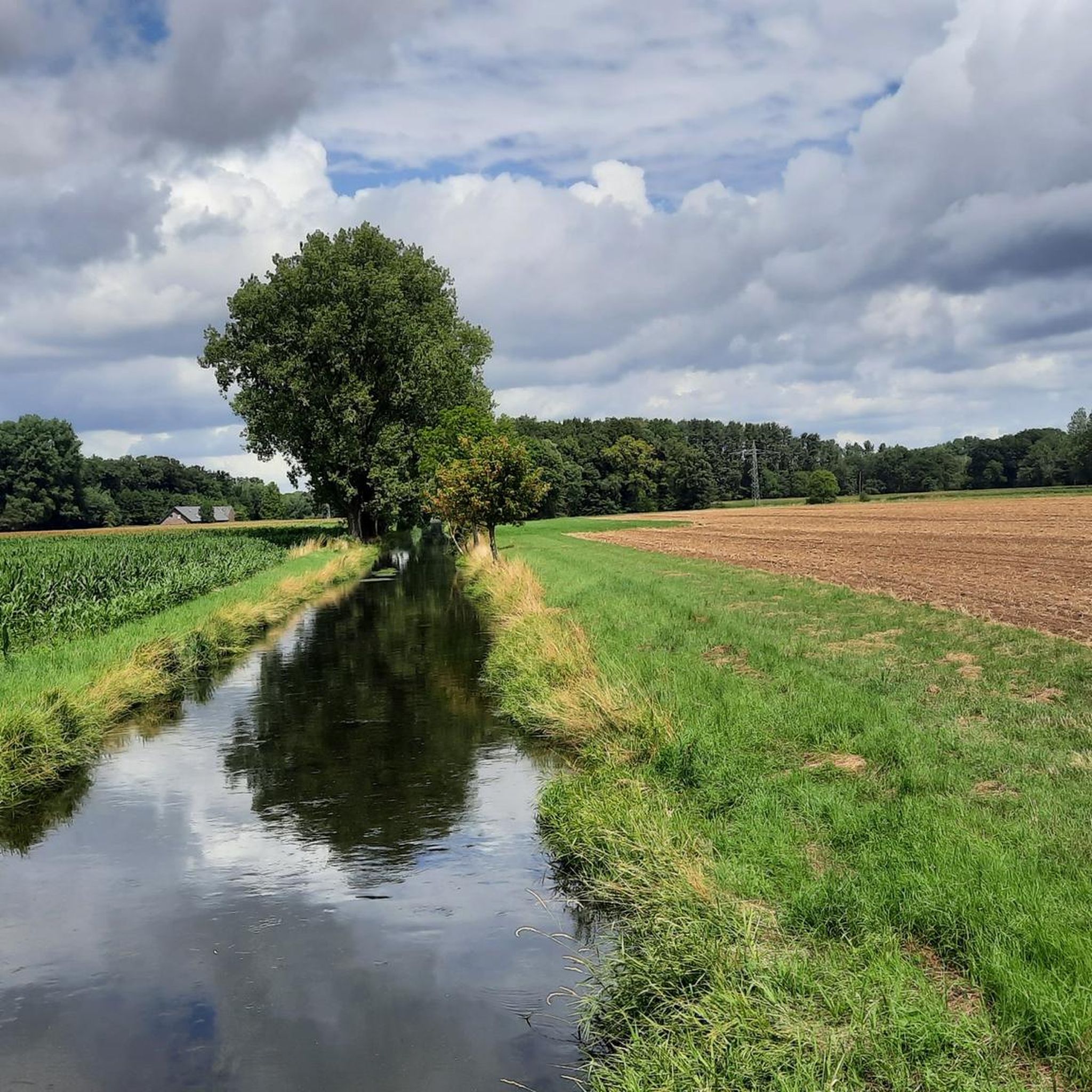
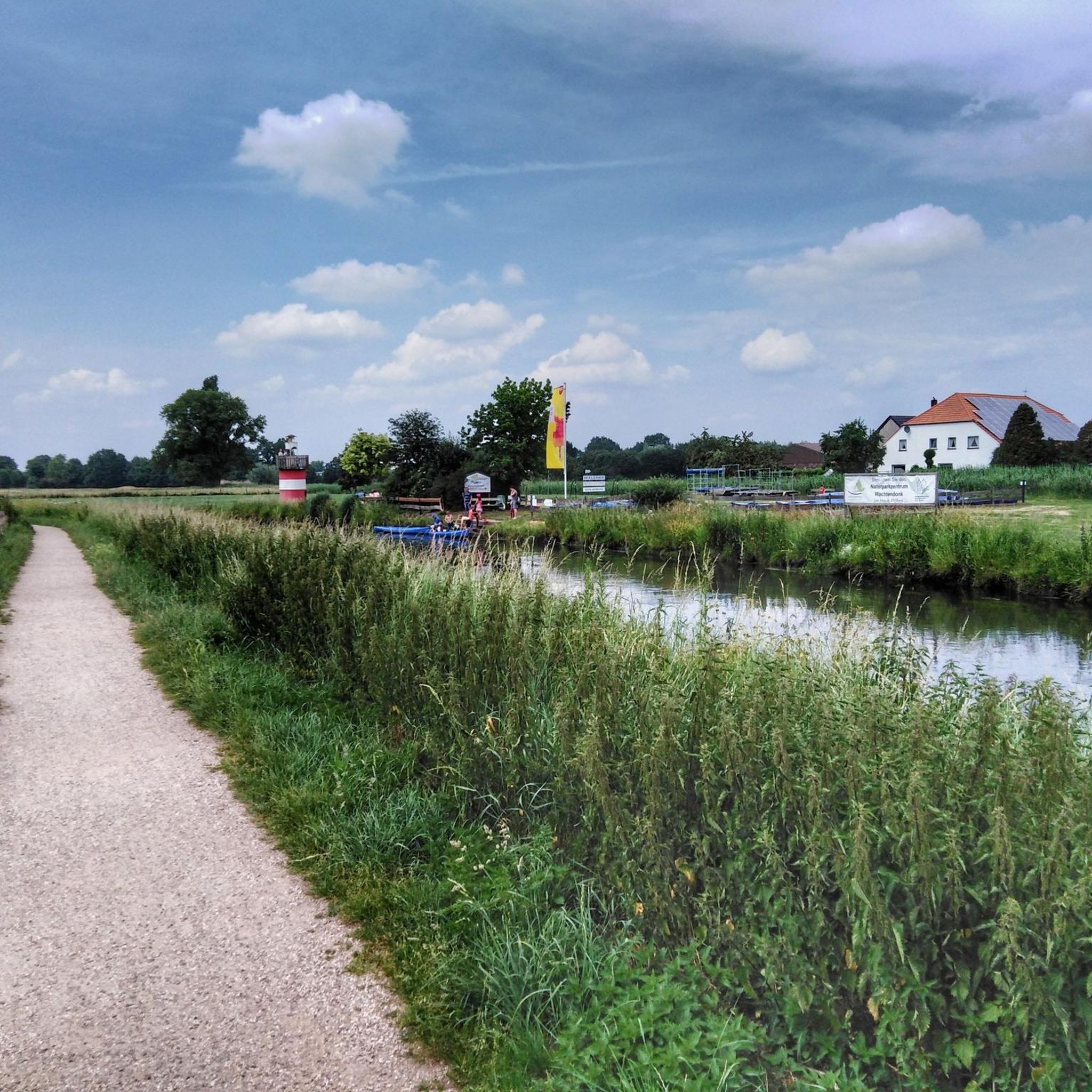
Road cycling routes around Kerken are set within the characteristic Lower Rhine landscapes, featuring mostly paved surfaces suitable for road bikes. The region is defined by its flat to gently rolling terrain, with minimal elevation gain across its network of routes. Cyclists can explore expansive agricultural fields, forests, and picturesque riverside paths along the Niers and Nette. This environment provides accessible cycling for various fitness levels.
Best road cycling routes around Kerken
- The most popular road cycling route is Blue…
Last updated: September 29, 2026
4.0
(5)
69
riders
55.1km
02:09
110m
110m
Moderate road ride. Good fitness required. Some segments of this route may be unpaved and difficult to ride.
4.6
(5)
31
riders
Easy road ride. Great for any fitness level. Mostly well-paved surfaces and easy to ride.

5.0
(1)
36
riders
Moderate road ride. Good fitness required. Mostly well-paved surfaces and easy to ride.
20
riders
Moderate road ride. Good fitness required. Some segments of this route may be unpaved and difficult to ride.
4.0
(1)
15
riders
58.9km
02:18
140m
140m
Moderate road ride. Good fitness required. Mostly well-paved surfaces and easy to ride.
Get access to more routes and recommendations from other explorers.
Already have an account?
Our route recommendations are based on thousands of hikes, rides, and runs completed by other people on komoot.
Start today with a free account
Your next adventure awaits.

Tips from the Community

The road through the Maasduinen is always a highlight
0
0

The parish church of St. Antonius is a Roman Catholic church in Kevelaer. It is under the patronage of Anthony the Great. Until September 6, 2014, it was the parish church of a parish of the same name; since September 7, 2014, it has been the parish church of the newly founded parish community of St. Antonius Abt Kevelaer with the filial churches of St. Antonius Abt Kervenheim, St. Quirinus Twisteden, St. Petrus Wetten, and St. Urbanus Winnekendonk. The church is listed as a cultural monument A 153 in the monument list of the pilgrimage town of Kevelaer.
1
0
The pilgrimage town of Kevelaer (Pronunciation: [ˈkeːvəlaːɐ̯], with a long vowel 'e'; in the local dialect Kääwel or Kääweler) is located on the lower left Rhine in the northwest of the state of North Rhine-Westphalia. It is a medium-sized town belonging to the district of Kleve in the administrative region of Düsseldorf. Kevelaer is a member of the Euregio Rhein-Waal. The town is particularly known as one of Germany's most important Marian pilgrimage sites. Since July 4, 2024, Kevelaer has officially been allowed to call itself a "State-recognized spa town with healing springs."
1
0

... The parish of Kevelaer was founded in 1472 by separating from the parish of Weeze. The small, eastward-facing Gothic village church, built around 1450, remained unchanged until the 19th century. The reconstructed remains of this structure are integrated into the present-day modern church interior and are used as a chapel. A larger, magnificently designed Neo-Gothic church with the approximate floor plan of the current main building was erected only after the construction of the Marienbasilika and was consecrated in 1904. The church was largely destroyed in World War II and rebuilt in 1952. In order to meet the requirements of the 2nd Vatican Council, an extensive redesign, especially of the chancel, took place in 1972 (on the occasion of the 500th anniversary of the parish's founding). On January 13, 1982, the church burned down to its foundations; only the outer walls of the chapel, the baptismal font, the sacristy, the chancel, and the tower remained. The modern new building on the historic floor plan was designed by Dieter Georg Baumewerd. Renowned artists such as Theo Heiermann, Bert Gerresheim, and Joachim Klos created the furnishings. On January 17, 1987, the rebuilt church was consecrated by Bishop Reinhard Lettmann. In addition to its normal use as a parish church, St. Antonius is often chosen as a place for final devotions by pilgrim groups from outside the area due to its favorable location at the end of the park-like open-air Stations of the Cross...
1
0
"The current church building dates back to the early 15th century. The core has a late Gothic appearance, while the church tower is unmistakably Neo-Gothic. The church building originates from an early 15th-century church. The core has a late Gothic appearance, while the church tower is unmistakably Neo-Gothic. The parish church of St. Peter and Paul immediately captivates its visitors and is of historical significance for the entire Lower Rhine region. Interesting guided tours, filled with stories, reveal beautiful, sometimes hidden, details." https://www.niederrhein-tourismus.de/attraktion/st.-peter-und-paul-a7d292c910
2
0

In 1890, the tower was built in its current form; it is 63 meters high. The parish church is open to visitors before and after services. Tours can be booked through the local history society or the parish office.
14
0

Around 1300, he became very fashionable as a patron in the Lower Rhine region. Farmers in particular hoped for his assistance, as they had seen ancient depictions of the saint on which he is shown with a pig on a rope, which is meant to signify that he held evil firmly in check and could master it. Farmers therefore invoked Saint Anthony for help when their pigs became ill. In the Middle Ages and even afterwards, there was often no more than one pig in the stable, and its illness was an economic disaster for the farmer. Even in the first third of the last century, there was a custom where the farmers of a parish chose a piglet as an 'Anthony's pig', and this was then fattened by all the villagers. When it was ready for slaughter, the poorest families received the meat free of charge. Source: https://www.antonius-kevelaer.de/unsere-kirchen-und-kapellen/unser-pfarrpatron/
2
0
Already on the way to the main portal, "Ferke(l) s Tön", the patron of the parish, greets churchgoers high up on a stele. Saint Anthony (the Great) is the father of monks. His feast day is January 17th. He was born in 251 or 252 in Kome in Middle Egypt. His parents were quite wealthy Christians. After their death, he gave away all his possessions and lived very ascetically in various places in the desert. He quickly became well-known. Disciples gathered around him because they wanted to live like him, other people sought his advice or prayer so that they would be healed. Even Emperor Constantine and his sons exchanged letters with Anthony. He died at the age of 105. What is his significance? He brought together individual hermits into communities of hermits and gave them a guideline on how they should live. So, he was actually the "inventor" of monasticism.
2
0
Frequently Asked Questions
What is the general terrain like for road cycling around Kerken?
Road cycling routes in Kerken are characterized by flat to gently rolling terrain, typical of the Lower Rhine region. You'll find mostly paved surfaces, making them ideal for road bikes. The minimal elevation gain ensures accessible cycling for various fitness levels.
How many road cycling routes are available in Kerken, and what are their difficulty levels?
There are over 100 road cycling routes around Kerken. The majority, about 78, are considered moderate, offering a good balance for regular cyclists. For those seeking an easier pace, there are around 29 easy routes, and a few more challenging options for experienced riders.
What kind of scenery can I expect on road cycling routes in Kerken?
The routes around Kerken offer diverse and pleasant scenery. You'll cycle through expansive agricultural fields, peaceful forests, and along picturesque riverside paths, particularly near the Niers and Nette rivers. Many routes also connect to charming historic towns like Kempen.
Are there any specific landmarks or viewpoints to look out for on road cycling routes?
Yes, several routes offer views of interesting landmarks. You might pass by the Hallenhaus at Halde Norddeutschland or the Johannesturm Observation Tower. Some routes also provide views of the Himmelstreppe (Stairway to Heaven). Additionally, the region's historic towns, such as Kempen with its Old Town and Turmmühle, are often accessible.
Do any routes pass by natural reserves or unique natural features?
Yes, several routes traverse natural areas. For instance, the Heerenven Observation Tower – Fleuthkulen Nature Reserve loop from Aldekerk leads directly through the Fleuthkulen Nature Reserve. You'll also find routes winding along the Niers and Nette rivers, offering beautiful natural settings.
Are the road cycling routes around Kerken typically circular?
Many of the road cycling routes in Kerken are designed as loops, allowing you to start and end at the same point. Examples include the popular Blue Lagoon – Nieukerk Town Center loop from Nieukerk and the Landgoed Arcen – De Maasduinen – Heerenven Observation Tower loop from Nieukerk.
Are there options for beginner road cyclists in Kerken?
Absolutely. Kerken's flat to gently rolling terrain makes it very beginner-friendly. There are approximately 29 easy routes available, such as the Landgoed Arcen – De Maasduinen – Heerenven Observation Tower loop from Nieukerk, which is an easy 50 km path winding through open fields.
Can experienced road cyclists find challenging routes in Kerken?
While the region is generally flat, experienced road cyclists can find routes that offer longer distances and require good basic fitness. There are a few routes classified as difficult, and many moderate routes, like the Erprathsweg – Blue Lagoon loop from Aldekerk, provide a good workout over nearly 60 km with some elevation changes.
Are there any long-distance road cycling routes or connections to regional networks?
Yes, Kerken is part of a larger regional cycling network. You can connect to the 210 km long Rheinland route, which links historic towns and villages in stages. This offers excellent opportunities for longer multi-day tours extending to towns like Straelen, Kevelaer, Geldern, Issum, and Wachtendonk.
Is parking available near the road cycling routes in Kerken?
Yes, parking is generally available in and around the starting points of many routes in Kerken, particularly in the larger villages like Nieukerk and Aldekerk. It's advisable to check specific route details for recommended parking locations.
Can I reach the road cycling routes in Kerken using public transport?
Kerken has public transport connections that can bring you close to various starting points for road cycling routes. While direct access to every trailhead might vary, local bus services often connect the main villages, allowing you to bring your bike and start your tour.
Are there places to stop for refreshments or accommodation along the routes?
Yes, many routes pass through or near charming local towns and villages where you can find cafes, pubs, and restaurants for refreshments. For longer tours, accommodation options are available in Kerken and surrounding areas like Kempen, making it easy to plan multi-day trips.
What do other road cyclists enjoy the most about road cycling in Kerken?
The road cycling experience in Kerken is highly rated by the komoot community, with an average score of 4.7 stars from over 40 reviews. Cyclists often praise the well-maintained, mostly paved surfaces, the peaceful rides through expansive fields and forests, and the picturesque riverside paths that make for enjoyable and accessible tours.
Most popular routes around Kerken
Most popular attractions around Kerken

Get inspired with the komoot mobile app


Explore more
Browse the best Road cycling routes in other regions.
