Top 20 Castles in Scotland
Castles in Scotland are prominent historical landmarks, often situated amidst diverse geographic features ranging from volcanic rocks to coastal cliffs and loch shores. The country's landscape provides a dramatic backdrop for these structures, many of which have played significant roles in Scottish history. These sites offer insights into architectural evolution and past conflicts. Scotland's natural environment, including its lochs and highlands, complements the historical significance of its castles.
Best castles in Scotland
- The most popular castles is Gylen Castle,…
Last updated: August 16, 2026
Arthur's Seat
Highlight • Summit
Tip by

Loch an Eilein Castle
Highlight • Castle
Tip by

Sign up now to discover places like this
Get recommendations on the best single tracks, peaks, & plenty of other exciting outdoor places.
Sign up for free
Holyrood Palace
Highlight • Historical Site
Tip by
Balloch Castle
Highlight • Castle
Tip by
Gylen Castle
Highlight • Historical Site
Tip by

Stirling Castle
Highlight • Castle
Knights, …
Tip by

Earl's Palace, Kirkwall
Highlight • Historical Site
Translated by Google •
Tip by

Mugdock Castle
Highlight • Castle
Tip by
Edinburgh Castle
Highlight • Castle
Tip by

St Andrews Cathedral Ruins
Highlight • Historical Site
Tip by
Sign up for free to discover even more castles in Scotland.
Sign up for free
Already have an account?
Start today with a free account
Your next adventure awaits.
Login or Signup
Popular around Scotland
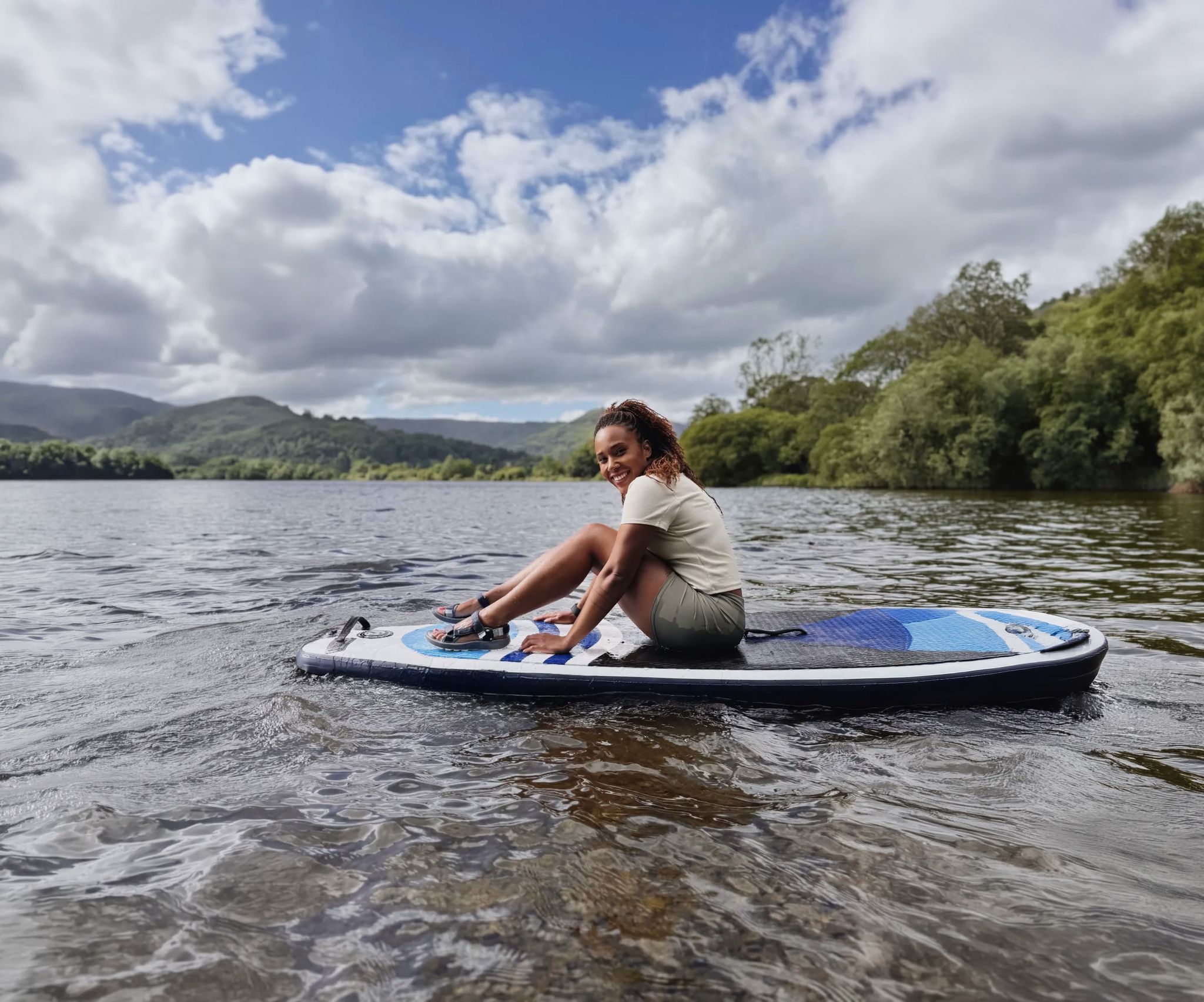
Scenic hikes to stand-up paddleboarding locations in the UK

Supporting the National Three Peaks FKT in true Green Runners’ Style
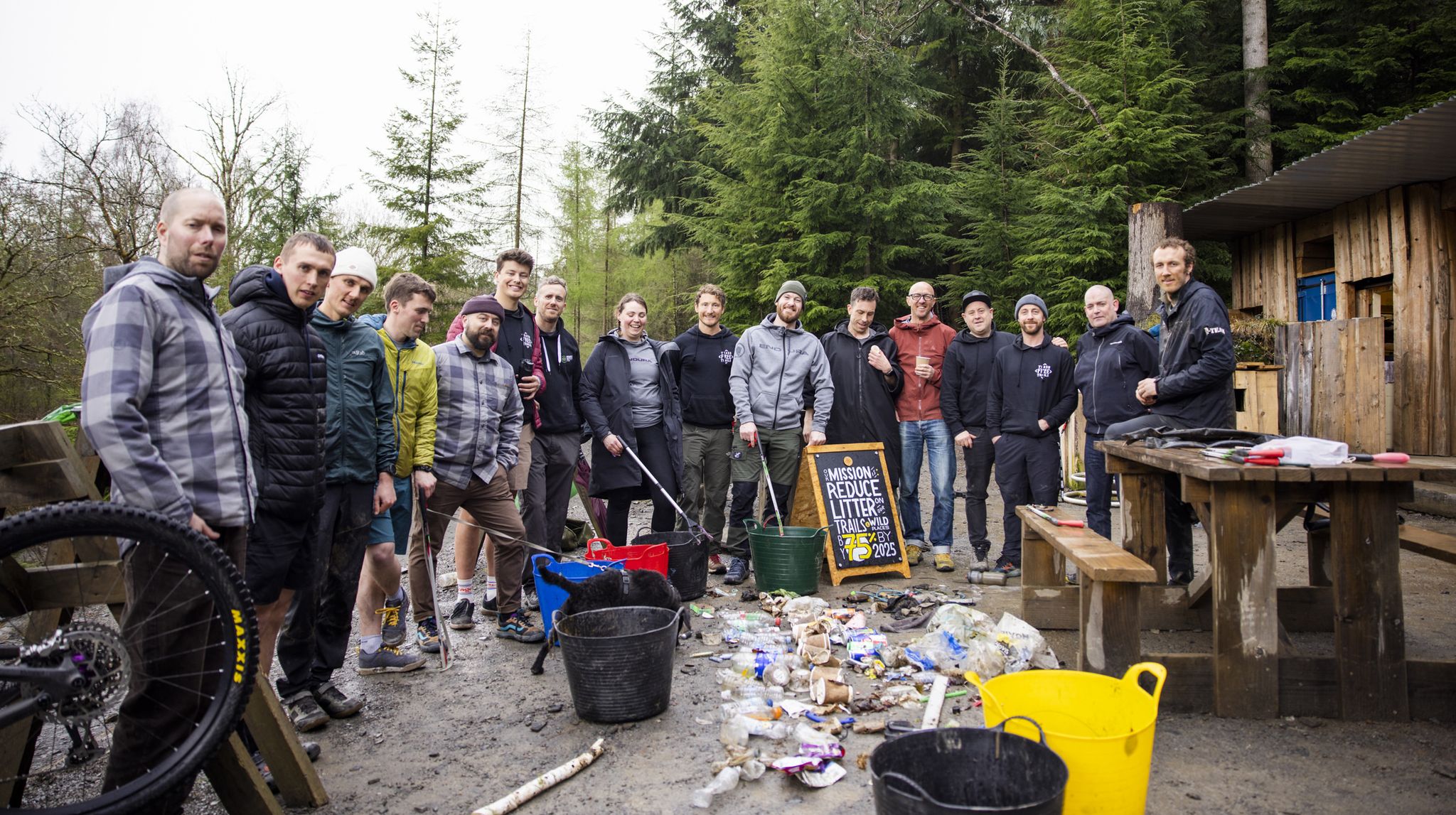
Adventures with a Purpose – our A-TEAMers’ best routes
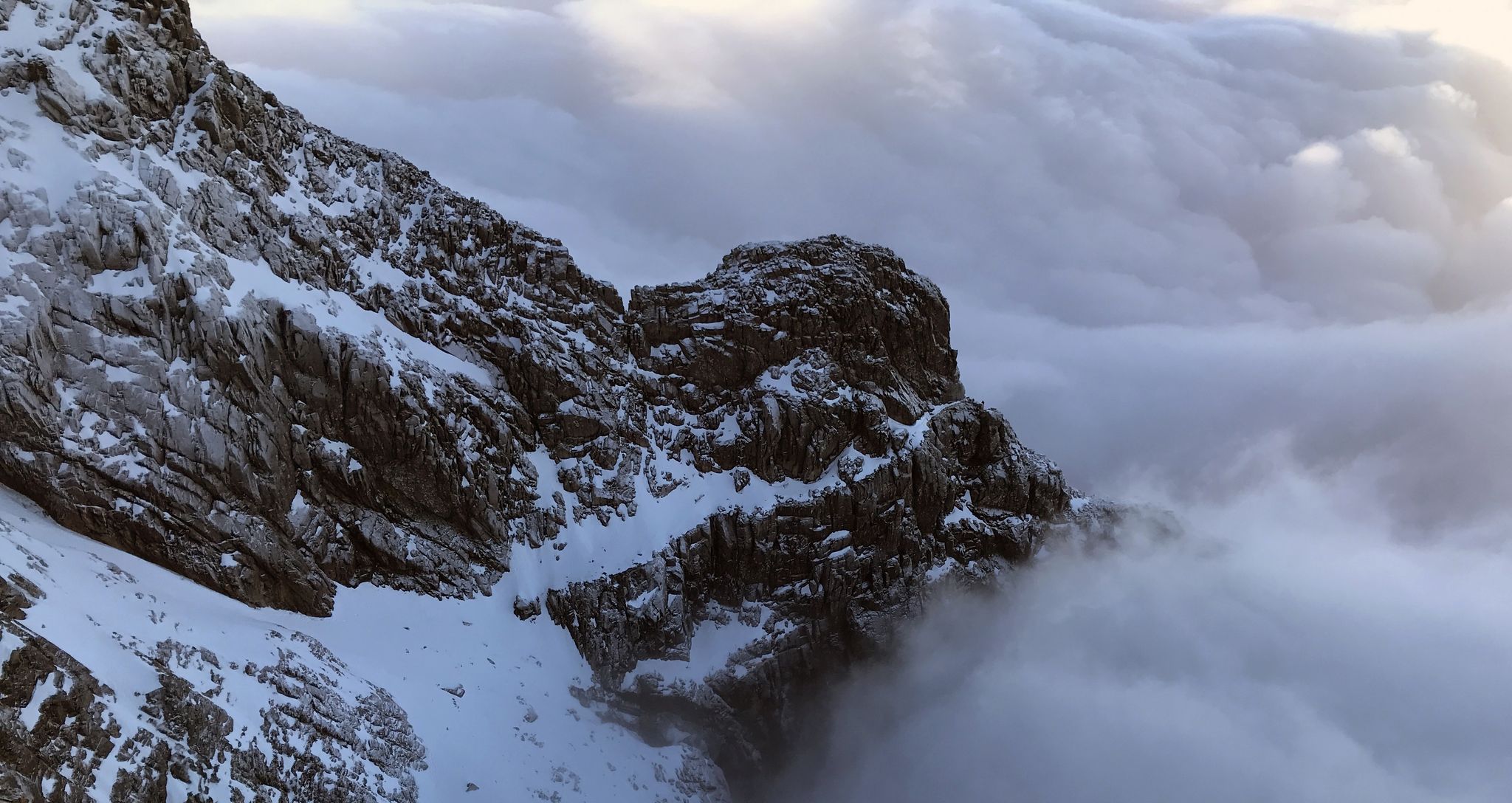
Ephemeral Lines – Stunning UK Winter Ridges
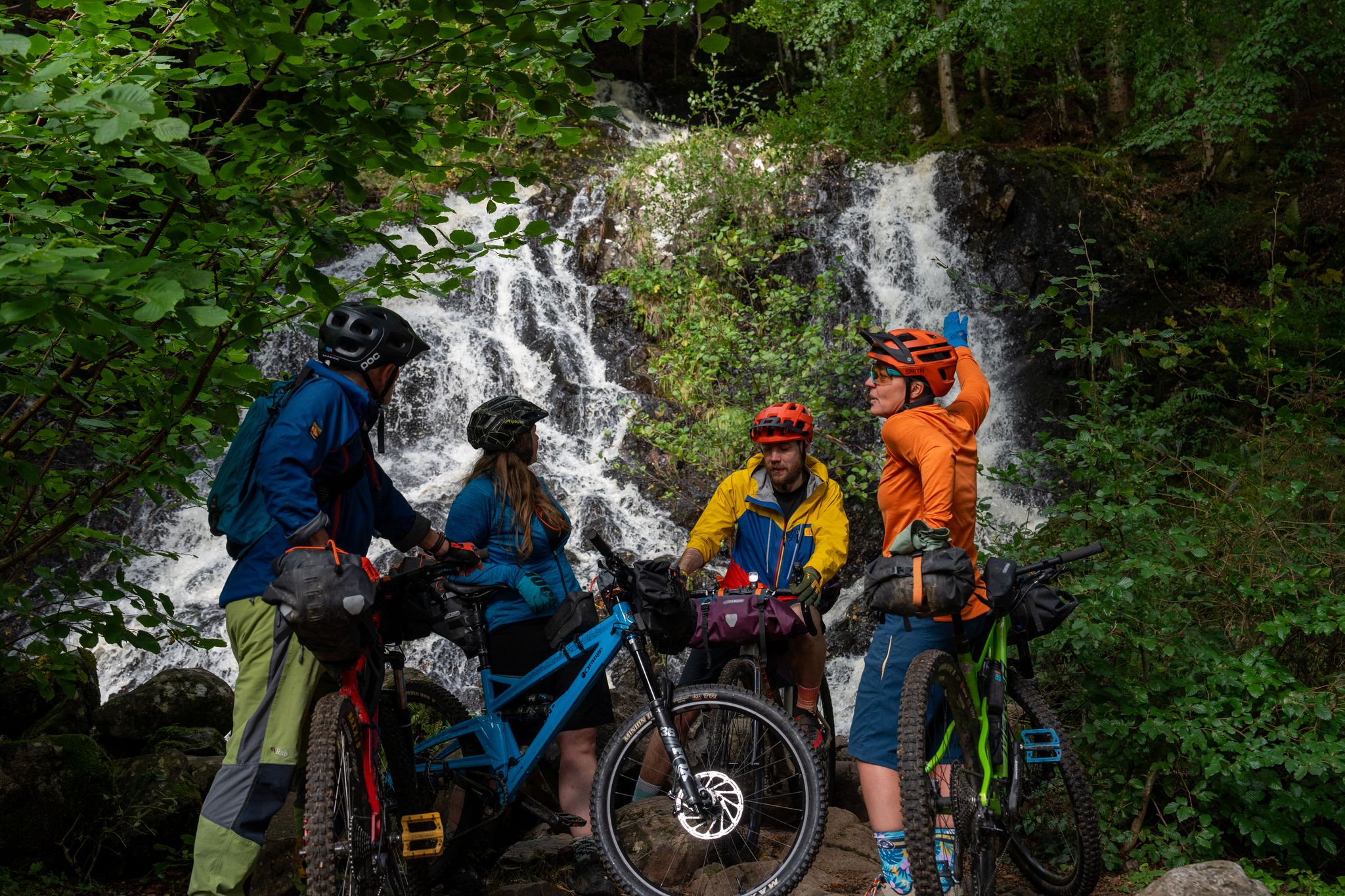
Purposeful Adventures from Comrie Croft
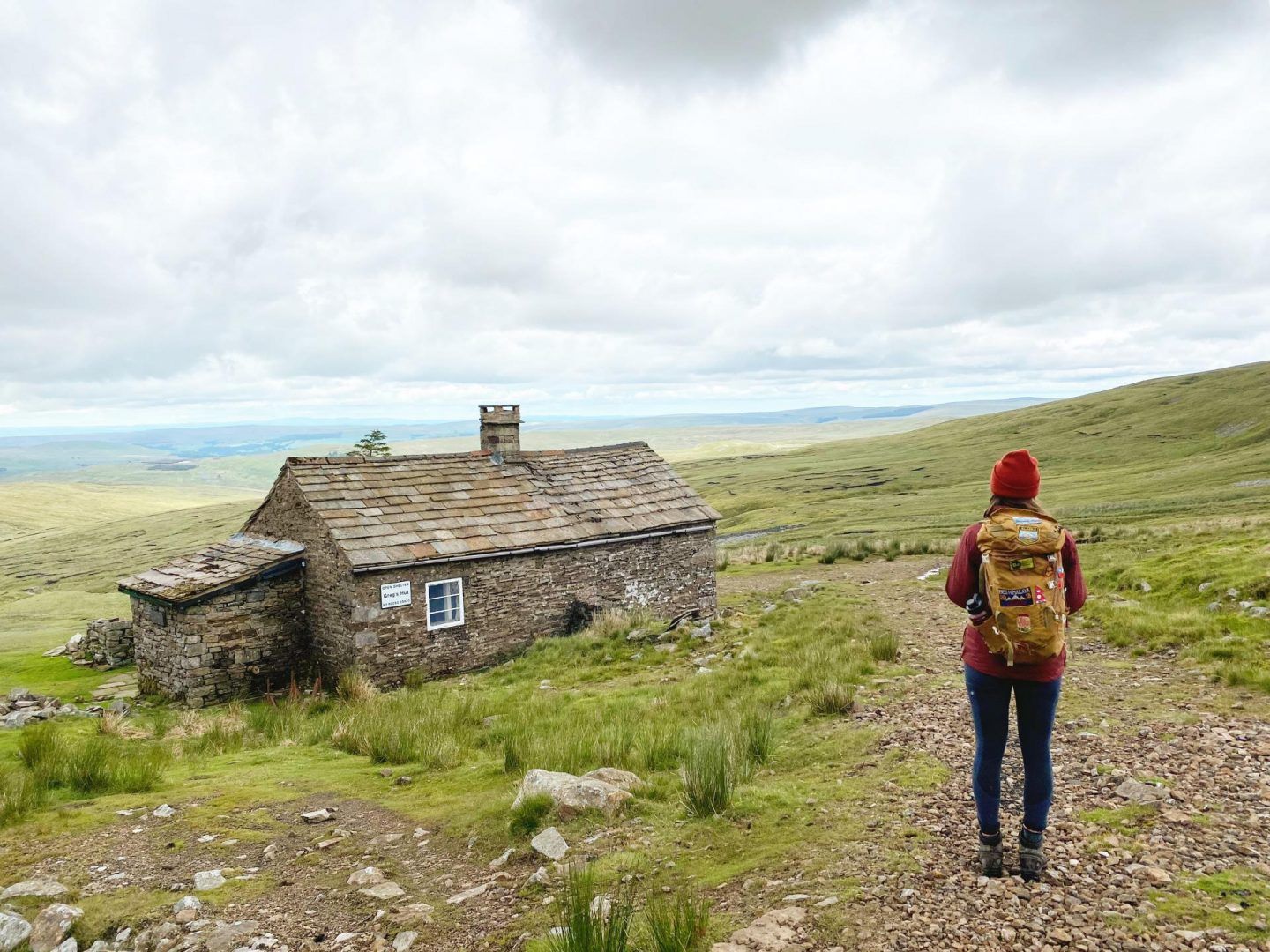
Bothies of Britain: hiking and biking adventures to unique mountain shelters
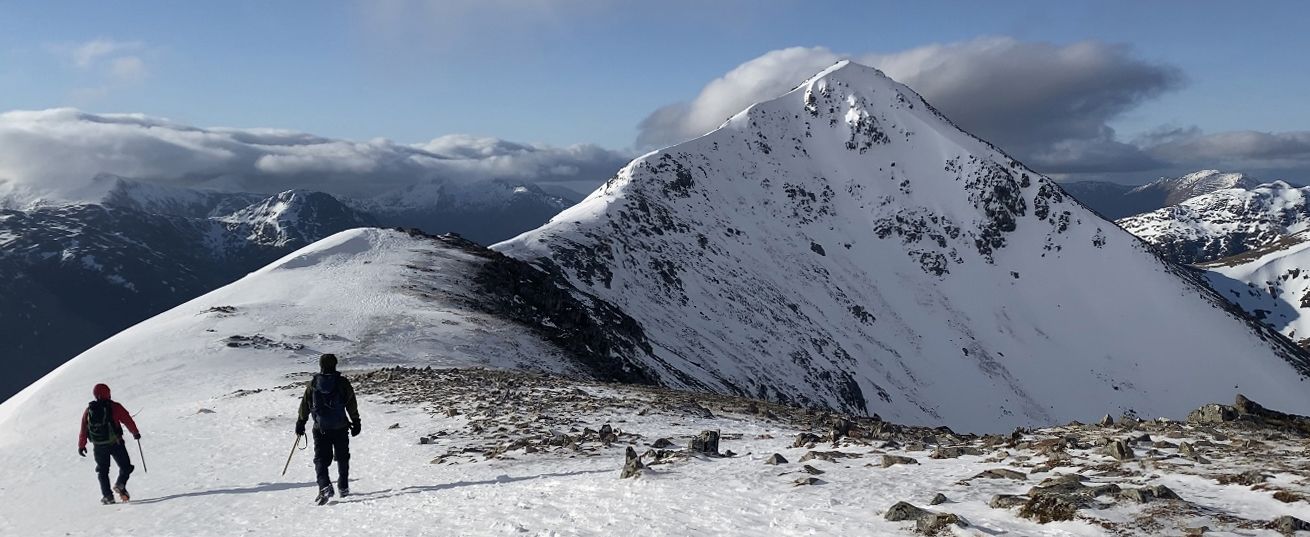
Scottish winter – five superb mountaineering routes in Lochaber
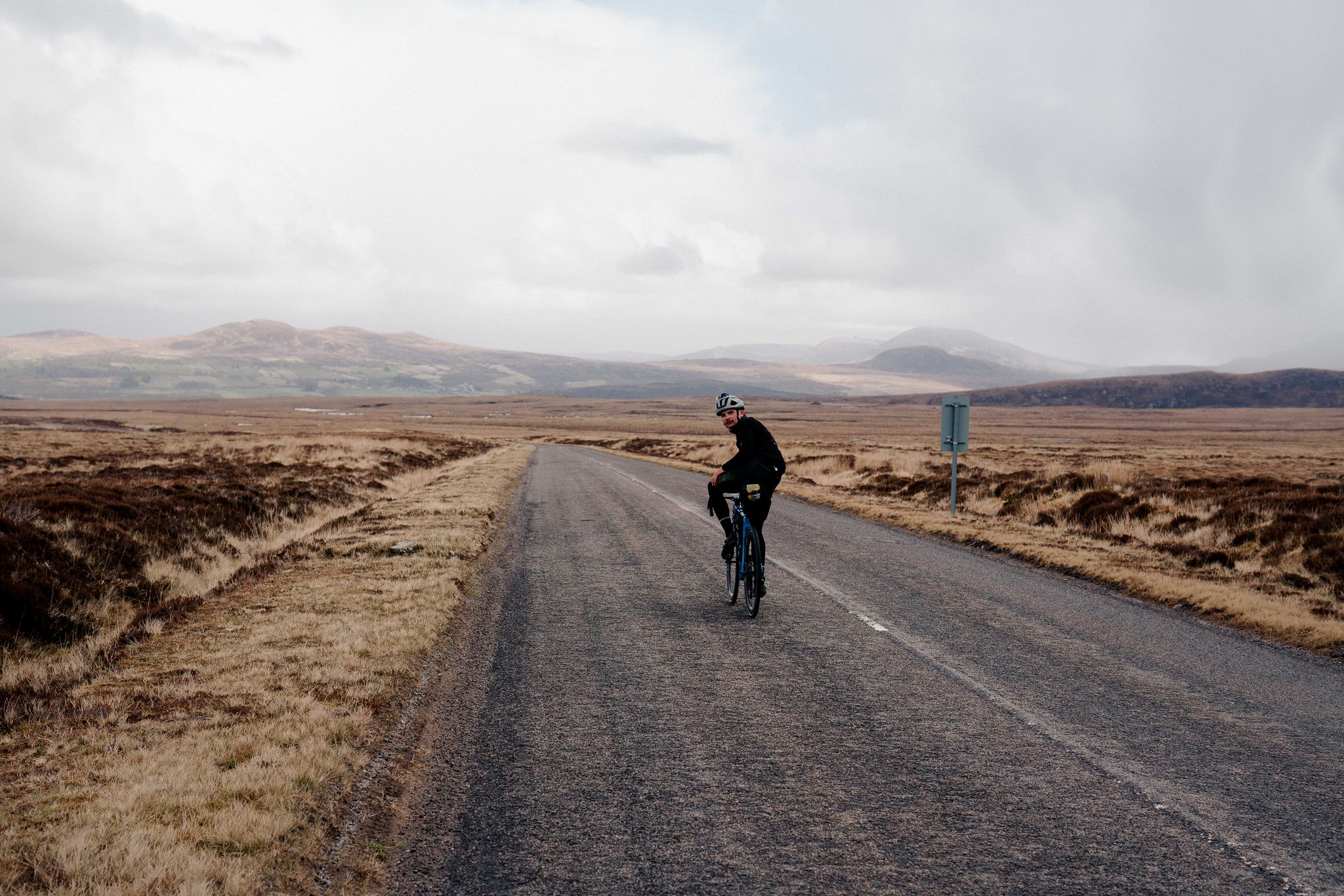
North Coast 500 – Escape to the Highlands
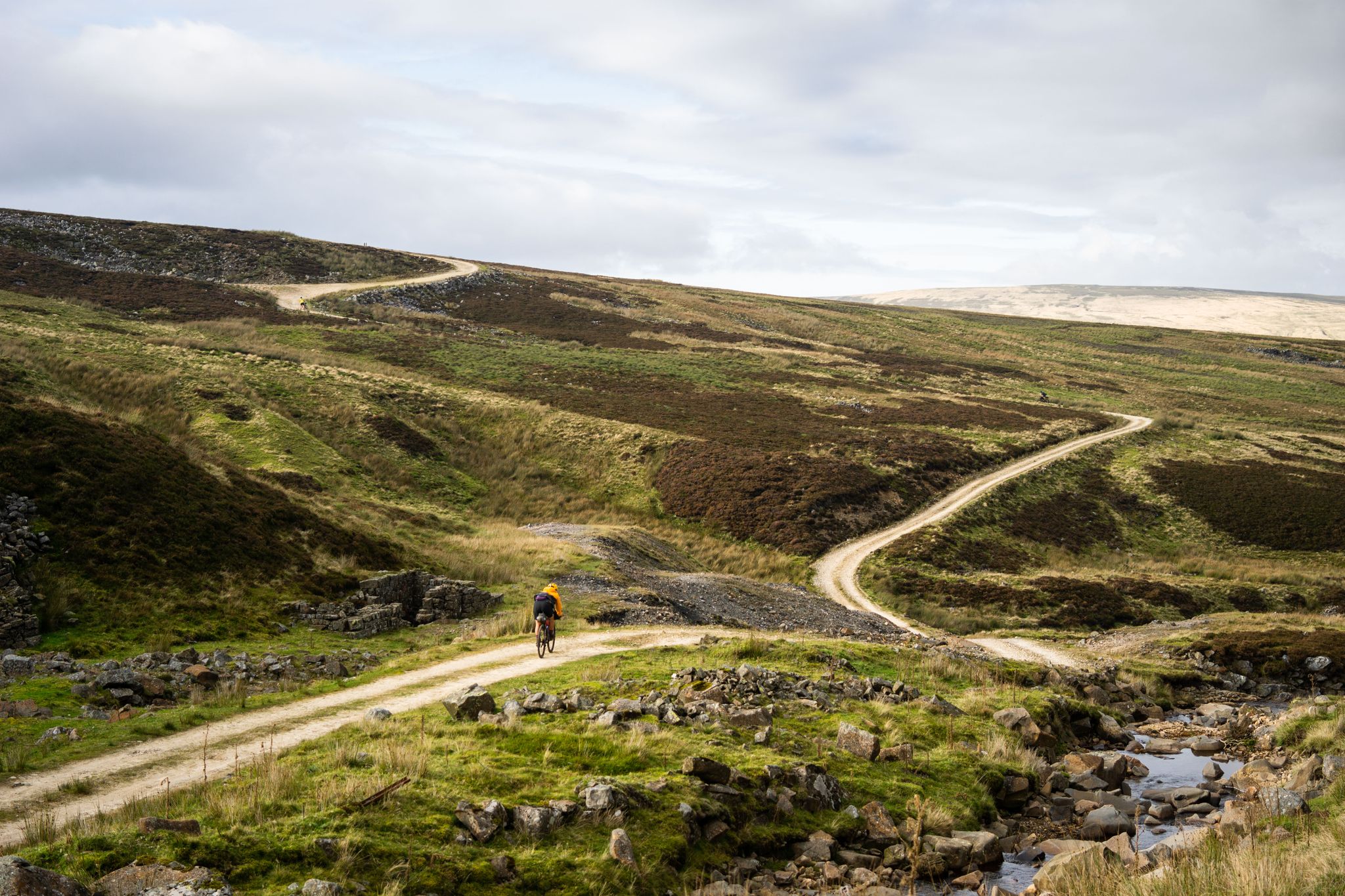
Second City Divide — Rough Stuff Of The North
Hebridean hopscotch — cycling along Scotland's magical west coast
Other adventures in Scotland


Tips from the Community

Above all, the path through Mugdock-Forest is worth it.
0
0

Saint Andrew, to whom this former church—whose ruins still serve as a picturesque backdrop—was dedicated, belongs to the circle of the twelve apostles whom Jesus Christ called to follow him. However, in biblical accounts, he is usually somewhat overshadowed by his far more famous brother, Saint Peter. The Gospels present the calling of the two brothers in different ways. According to the Gospel of John (John 1:40-42), Andrew is called first (together with another unnamed disciple). Later, he tells his brother that he has found the Messiah. In Scotland, however, Saint Andrew is particularly venerated, as he is the patron saint of the country, and the X-shaped white "St. Andrew's Cross," on which he was executed, forms the Scottish national flag against a blue background. The feast day of Saint Andrew is celebrated on November 30th in all major Christian denominations.
0
0

Nice to look at from a distance, but rather a sad sight up close
1
0

Admission was free - really worth seeing!
0
0

Who doesn't remember the movie Braveheart with Mel Gibson as William Wallace? Although these two people never met, they are closely connected through the film.
2
0

It's astonishing how "new" the graves, or rather the inscriptions on the gravestones, are, given that the church was abandoned during the Scottish Reformation in the 16th century. There are at least inscriptions from recent years. We set out to find the oldest date possible, although we were far from able to verify all of them. On a wall inscription in the east, toward the old bell tower, we found 1708, and on a nearby gravestone, 1712. We didn't find any older ones, or some were weathered and unreadable.
1
0

The original Castle on this site was built in the 13th century by the Graham family. The Grahams were a family on the rise and the family were made the Earls of Montrose in 1505. The most famous Graham resident of Mugdock Castle was James Graham (1612-1650) known as The Great Montrose. He was a poet and soldier who fought for the cause of King Charles I during the Wars of The Three Kingdoms (more commonly referred to as The English Civil Wars) and was marked as one of the greatest soldiers of the time. So great was his military fame that King Louis XIV offered him the role as Marshal of France. His success ultimately ran out in 1650 with the loss of The Battle of Carbisdale in Rosshire. Montrose was betrayed by a fellow Scotsman and was ultimately Hung, Drawn and Quartered for his part in the war. His campaigns were immortalised by Sir Walter Scott in his 1819 novel A Legend of Montrose.
0
0

Edinburgh Castle has been home to kings and queens for centuries. Queen Margaret (who later became a saint) died here in 1093. The chapel built in her honour by her son, King David I, is the oldest building in Edinburgh. St Margaret’s Chapel still hosts weddings and christenings today. The Great Hall, completed in 1511 for King James IV, hosted grand banquets and state events. But the king had little time to enjoy his new addition. James IV was killed at the Battle of Flodden in 1513, fighting English forces sent by his brother-in-law, King Henry VIII of England. Above the door to the Royal Palace are the gilt initials MAH – for Mary Queen of Scots and her second husband Henry Stewart, Lord Darnley. Mary gave birth to James VI at the Royal Palace in 1566. He became King of Scotland at the age of 13 months and united the crowns of Scotland and England in 1603. The Scottish Honours are the oldest crown jewels in the UK. Made of gold, silver and precious gems, they were created in Scotland and Italy during the reigns of James IV and James V. The crown, sceptre and sword of state were first used together to crown a monarch in 1543, when Mary Queen of Scots came to the throne. https://www.edinburghcastle.scot/the-castle/history
5
1
Frequently Asked Questions
Which castles in Scotland are particularly family-friendly?
Several castles in Scotland offer a great experience for families. Loch an Eilein Castle, situated on an island in Rothiemurchus Forest, is noted for its family-friendly atmosphere and the local myths and legends surrounding it. Mugdock Castle and Balloch Castle are also categorized as family-friendly, offering engaging historical sites for all ages. Additionally, Stirling Castle provides a full-day experience with magnificent interiors that appeal to families.
Are there any wheelchair-accessible castles in Scotland?
Yes, Balloch Castle is listed as wheelchair accessible, making it a good option for visitors with mobility needs. When planning your visit, it's always recommended to check the specific accessibility details with the castle directly, as conditions can vary.
What are some of the most historically significant castles to visit in Scotland?
Scotland is rich in historical castles. Gylen Castle, originally built in 1582, is a significant historical site. Loch an Eilein Castle dates back to the 13th century. Mugdock Castle has a long history, strategically protected by Mugdock Loch. Beyond these, Stirling Castle is considered one of Scotland's most historically and architecturally important castles, having been a royal residence and enduring multiple sieges. Edinburgh Castle and Glamis Castle also hold immense historical and royal significance.
Which castles offer the most scenic views or natural settings?
Many Scottish castles are renowned for their dramatic locations. Loch an Eilein Castle is beautifully situated on a natural island in the Rothiemurchus Forest, offering brilliant views from the shoreline. Gylen Castle is an imposing ruin located on the cliffs of Kerrera, overlooking the sea. Eilean Donan Castle, at the junction of three lochs in the Highlands, and Dunnottar Castle, perched dramatically on a cliff overlooking the North Sea, are also celebrated for their stunning and rugged settings.
What outdoor activities can I do near Scottish castles?
Many castles are located near excellent outdoor activity areas. For instance, near various castles, you can find numerous hiking opportunities. You can explore routes like the Ben Nevis Mountain Path or the Old Man of Storr loop, which are part of the broader hiking in Scotland guides. For easier walks, consider routes like the Loch an Eilein Circular, detailed in the easy hikes in Scotland guide. Mountain enthusiasts can find challenging routes like the Lochan a’ Choire Campsite – Ben Nevis summit loop in the mountain hikes in Scotland guide.
What makes Scottish castles unique in their architecture?
Scottish castles showcase a diverse range of architectural styles, reflecting various historical periods and purposes. For example, Earl's Palace in Kirkwall is considered one of the most beautiful Renaissance buildings in Scotland. Caerlaverock Castle is unique for its triangular shape, a rare design among British castles. Many, like Craigievar Castle, are iconic tower houses, while others, such as Dunrobin Castle, feature French-inspired elements like cone-shaped towers and pyramid roofs.
What do visitors enjoy most about the castles in Scotland?
Visitors frequently appreciate the dramatic settings and historical depth of Scottish castles. Many highlights, such as Loch an Eilein Castle, are praised for their brilliant views and the local myths that bring them to life. The imposing ruins of places like Gylen Castle on the cliffs are iconic attractions. The blend of natural beauty, rich history, and the opportunity to explore ancient structures is a major draw, as evidenced by over 1200 upvotes and 800 photos shared by the komoot community.
Which castles are known for their royal connections?
Several Scottish castles have strong royal ties. Holyrood Palace in Edinburgh is the official residence of the monarch in Scotland. Stirling Castle was a significant royal residence before the union of Scotland and England. Balmoral Castle is famously the preferred summer residence of the British royal family since Queen Victoria's time. Glamis Castle is notable as the childhood home of Queen Elizabeth The Queen Mother and the birthplace of Princess Margaret.
What is the best time of year to visit Scottish castles?
The best time to visit Scottish castles generally depends on your preferences. The spring (April-May) and autumn (September-October) offer milder weather, fewer crowds, and beautiful landscapes, with vibrant colors. Summer (June-August) provides the warmest weather and longest daylight hours, but also the largest crowds. Some castles, like Balmoral, have limited public access when the royals are in residence, so checking specific opening times is crucial, especially during peak seasons or winter.
Are there any castles in Scotland that are particularly unique or unusual?
Yes, Scotland boasts several unique castles. Caerlaverock Castle, south-east of Dumfries, stands out with its distinctive triangular shape and still-filled moat. Craigievar Castle is instantly recognizable for its iconic pink harled walls, giving it a fairytale-like appearance and rumored to have inspired Disney's Cinderella castle. Loch an Eilein Castle is unique for being an inaccessible ruin situated on a natural island in the Rothiemurchus Forest, now home to nesting ospreys.
Can I find castles that are more off the beaten path or considered 'hidden gems'?
While many castles are popular, some offer a more secluded experience. Gylen Castle on the island of Kerrera, though an iconic attraction, offers a sense of remoteness due to its island location. Loch an Eilein Castle, deep in the Rothiemurchus Forest, provides a picturesque ruin in a tranquil natural setting, away from the busiest tourist routes.
What kind of natural landscapes surround Scottish castles?
Scottish castles are often set against breathtaking natural backdrops. You'll find them perched on volcanic rocks like Edinburgh Castle, on coastal cliffs such as Dunnottar Castle and Gylen Castle, or on the shores of picturesque lochs like Eilean Donan Castle and Loch an Eilein Castle. The landscape often includes dramatic highlands, forests, and views of the sea or firths, complementing their historical significance.
Most popular routes in Scotland
Most popular attractions in Scotland

Get inspired with the komoot mobile app


Didn’t find what you were looking for?
Explore Scotland’s best castles region by region:
Explore more
Looking for the best castles somewhere else? Discover other guides in Scotland:
