Top 20 Natural Monuments in Scotland
Best natural monuments in Scotland include a diverse range of geological formations, dramatic landscapes, and ancient natural features. The country's terrain features mountains, vast lochs, and rugged coastlines shaped by volcanic activity and glaciation. These sites offer insights into Scotland's natural heritage and provide varied outdoor experiences.
Best natural monuments in Scotland
- The most popular natural monuments is Arthur's Seat, a summit that dominates Holyrood Park. This ancient volcano offers commanding views across Edinburgh and the Firth of Forth.
- Another must-see spot is View of Loch Lomond from Conic Hill, a viewpoint offering expansive vistas of Loch Lomond and the Highlands. It serves as a notable landmark for hikers on the West Highland Way.
- Visitors also love Old Man of Storr, an impressive rock pinnacle on the Trotternish Peninsula. This monolith stands within a landscape of extraordinary rocky features, visible from a distance and accessible for walks.
- Scotland is known for its mountains, lochs, and coastal formations. These include volcanic peaks, glacial valleys, and sea-carved cliffs, offering a wide variety of natural monuments to explore.
- The natural monuments in Scotland are appreciated by the komoot community, with more than 1270 upvotes and over 622 photos shared across various highlights.
Last updated: October 27, 2026
Old Man of Storr
Highlight • Climb
Translated by Google •
Tip by

Arthur's Seat
Highlight • Summit
Tip by

Sign up now to discover places like this
Get recommendations on the best single tracks, peaks, & plenty of other exciting outdoor places.
Ben Nevis summit
Highlight • Summit
Leaving the summit in poor visibility during winter poses significant dangers due to the cornices that form on the Ben's gullies. The safest way off is to walk on a bearing of 231 degrees for 492 feet (150 m) from the summit trig point. Then, walk on a bearing of 282 degrees to intercept the zig zags of the Pony Track.
Tip by
The Quiraing
Highlight • Natural Monument
Tip by
View of Loch Lomond from Conic Hill
Highlight • Viewpoint
Sometimes it can be a bit crowded, as many day trippers from Balmaha also venture the climb.
Translated by Google •
Tip by

Ben Lomond Summit
Highlight • Summit
From Rowardennan it’s an easy climb on a good path – and the summit views over Loch Lomond’s isle-dotted expanse are scenically stupendous.
Tip by

Cairn Gorm Summit
Highlight • Summit
Rising to 4,084 feet (1,245 m), it is Britain’s sixth highest mountain and a worthy objective. Its northern slopes are home to Cairngorm Mountain ski development and a funicular railway that leads to Britain’s highest restaurant, the Ptarmigan.
The high car park makes it quite an easy Munro to ascend, depsite its great height. Adventurous hikers may want to seek out the Fiacaill Ridge – a Grade II scramble – to the west as a means of ascent.
Tip by
View of the Old Man of Storr
Highlight • Viewpoint
Tip by

View of the Old Man of Storr
Highlight • Viewpoint
Tip by

Scald Law Summit
Highlight • Summit
Tip by

Sign up for free to discover even more natural monuments in Scotland.
Already have an account?
Start today with a free account
Your next adventure awaits.
Popular around Scotland
Scenic hikes to stand-up paddleboarding locations in the UK
Supporting the National Three Peaks FKT in true Green Runners’ Style
Adventures with a Purpose – our A-TEAMers’ best routes
Ephemeral Lines – Stunning UK Winter Ridges
Purposeful Adventures from Comrie Croft
Bothies of Britain: hiking and biking adventures to unique mountain shelters
Scottish winter – five superb mountaineering routes in Lochaber
North Coast 500 – Escape to the Highlands
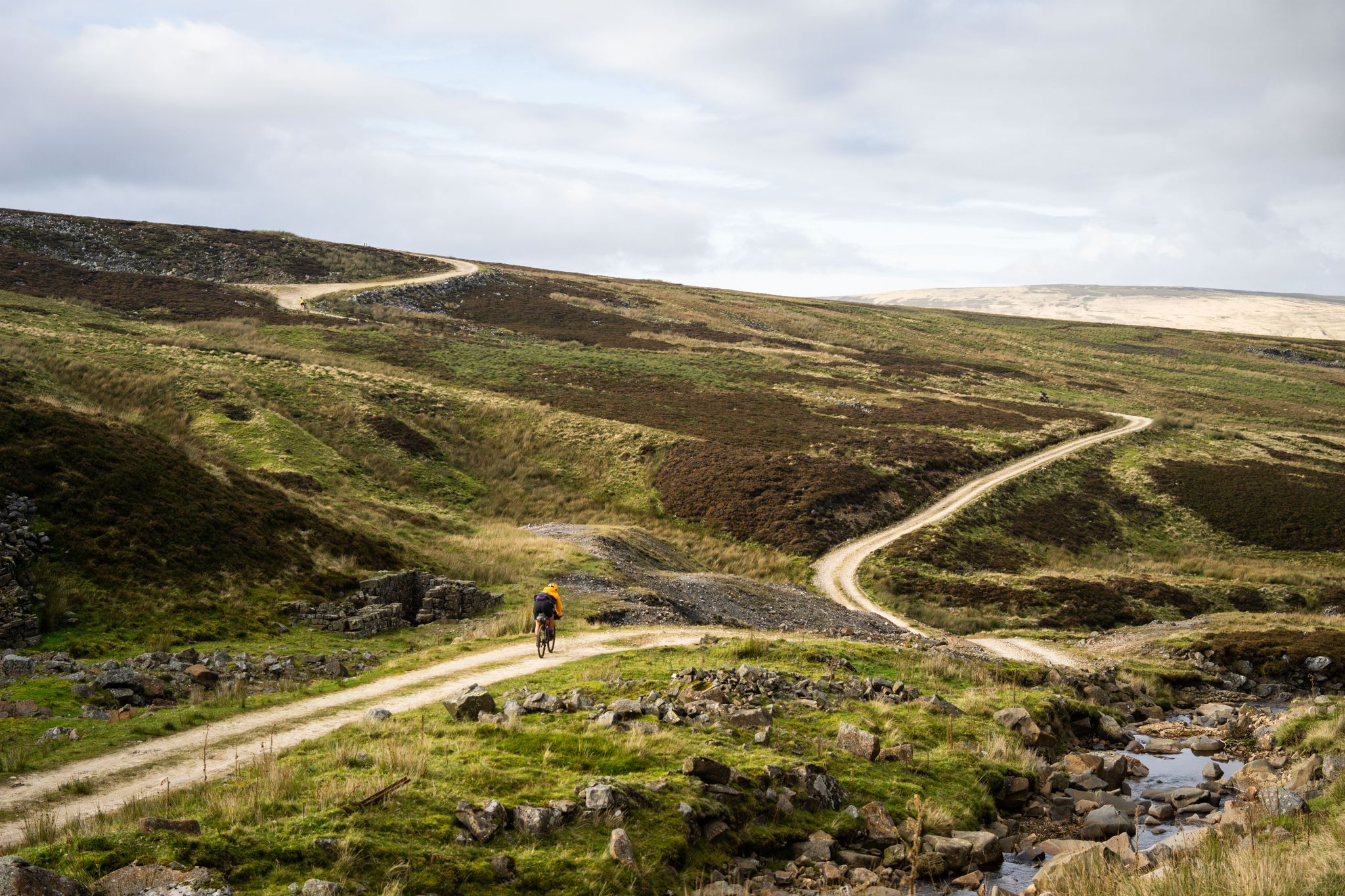
Second City Divide — Rough Stuff Of The North
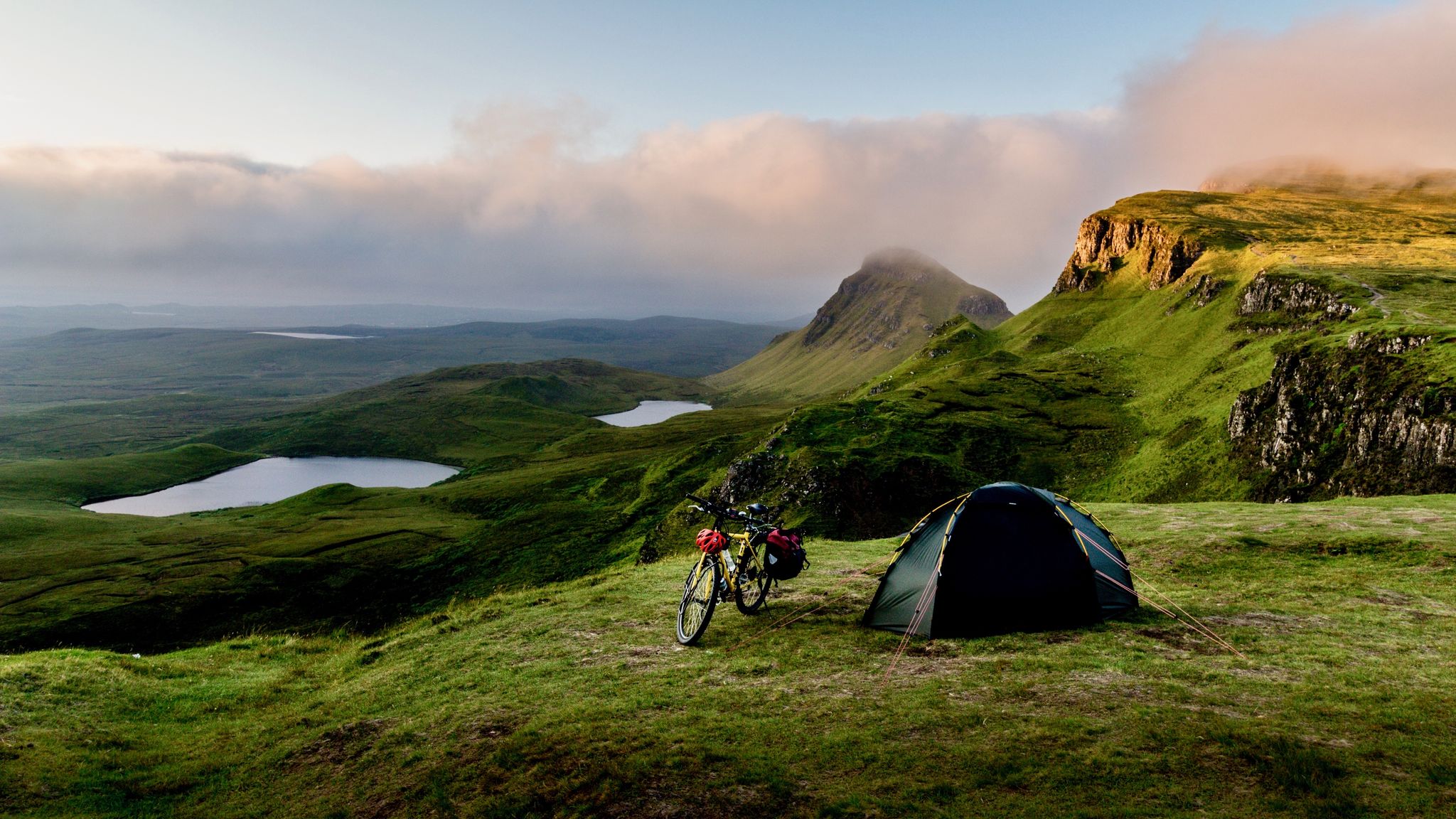
Hebridean hopscotch — cycling along Scotland's magical west coast
Other adventures in Scotland


Tips from the Community

i would really reccomend this walk but car parking can be tedious
5
0

After the peaks it's all flat terrain and definitely more busy on a dry day. Walk the way back after the last peak if you prefer the challenge of it.
0
0

The Old Man of Storr is one of the most famous and visited sights. It is a 55 meter high peak of basalt rock, the remnant of a 2.8 billion year old volcanic plug. The walk to the summit is suitable for most weather conditions, although on a wet day the path can become muddy and there is always a danger of falling rocks along the path at higher levels. The walk is approximately 3.8 kilometers long and takes an average of 1 hour and 15 minutes. It is advisable to bring suitable clothing for changes in the weather and wear sturdy footwear for the walk. Despite the site's popularity, it is still possible to enjoy the peace and quiet, especially if you visit early in the morning or late in the afternoon.
5
1
The Quiraing is a remarkable geological formation located. It is part of a mountain range and is located in the northernmost part of the Trotternish Peninsula. The Quiraing is unique in that it is still moving, meaning the road needs to be repaired every year. The area is known for its curious rock peaks formed by a series of landslides. A walk through the Quiraing is not just a hike. It is a tough 7 kilometers that alternate with up and down narrow paths with sometimes deep abysses. It is therefore not recommended to go hiking there if it rains (a lot) or there is a lot of fog. But in clear weather you can see bizarrely far. It is one of the most popular walks on the island.
2
0

Quote: It is not clear where the name "Arthur's Seat" comes from. Some see it as a reference to the legendary King Arthur. In 1912, John Milne published a book on Gaelic place names in which he derived the name from "Suidhe Ard-Thir", which in English means something like "place on high ground". However, the word order here would be odd. The historian William Maitland put forward a different theory in the 18th century. According to him, the name would be "Àrd-na-Said", "height of arrows", a variant that was later changed to "Archer's Seat" and later "Arthur's Seat". (Text source: https://www.myhighlands.de/arthurs-seat-edinburgh/ )
6
0

The Quiraing is an astonishing landslip caused by underlying sedimentary rock giving way to heavier basalt deposited as a result of ancient volcanic activity. It's an iconic and unique place to explore, one of Britain's most beguiling natural wonders. There are many incredible rock formations among the massive cliffs of Meall na Suiramach, though special mention has to go to the hugely impressive Prison, the 120-foot (37 m) pinnacle of the Needle and the green plateau of the Table.
6
1

As one of the UK's most famous and accessible Munros, it attracts countless walkers and nature lovers every year. Thanks to the high parking lot and funicular, the summit is an attainable yet challenging destination for many. Taking the funicular up to Ptarmigan Restaurant, the highest restaurant in Britain, makes the climb much easier and offers a unique way to enjoy the stunning scenery without having to walk the entire way. For the more adventurous, Fiacaill Ridge, a Grade II scramble, offers an exciting alternative to the traditional trail. The summit itself presents a panorama that is second to none. From up here you have a wonderful view over the national park, revealing the vastness and beauty of the Scottish Highlands in all their glory. The view extends over endless ranges of hills, deep valleys and the characteristic waters dotted with islands. However, the weather in the Cairngorms can be unpredictable. Warm clothing, even in summer, is a must as it can get very cold at altitude. Wind and fog can suddenly appear, which is why good preparation and carrying navigation aids such as a map and compass are essential. GPS devices provide additional security, but should not be used as the sole guide. Hikers should respect local Cairngorms National Park regulations and act environmentally consciously to preserve this unique place for future generations. Understanding and respecting nature are essential aspects when exploring this extraordinary mountain.
2
0
Frequently Asked Questions
Beyond the most popular, what are some other iconic natural monuments in Scotland?
Scotland offers many iconic natural monuments. On the Isle of Staffa, you can find Fingal's Cave, famous for its hexagonal basalt columns and unique acoustics. The dramatic Three Sisters of Glencoe dominate the Glen Coe valley, shaped by ancient geological forces. For a remote coastal experience, Sandwood Bay near Kinlochbervie features vast dunes and a sea stack.
What kind of geological features can I expect to see at Scotland's natural monuments?
Scotland's natural monuments showcase a wide array of geological features. You'll encounter ancient volcanic formations, such as the basalt columns of Fingal's Cave and the dramatic landscapes of the Isle of Skye, including Old Man of Storr and The Quiraing. Glacial activity has sculpted valleys and lochs, while coastal areas like Eshaness on Shetland reveal cliffs, stacks, and geos formed by millennia of weathering.
Are there natural monuments in Scotland suitable for families with children?
Many natural monuments in Scotland are family-friendly. For example, the gentle walk to An Lochan Uaine (The Green Lochan) in Glenmore Forest Park is enchanting for all ages. The Arthur's Seat in Edinburgh offers various routes to the summit, some suitable for younger hikers. The Fairy Pools on the Isle of Skye also provide a magical experience with relatively accessible paths.
What are some of the best natural monuments for panoramic views in Scotland?
For breathtaking panoramic views, consider climbing Arthur's Seat, which offers commanding vistas across Edinburgh and the Firth of Forth. The summit of Ben Nevis, Britain's highest mountain, provides unparalleled views on a clear day. Additionally, Conic Hill offers expansive views over Loch Lomond and the Highlands.
What outdoor activities can I do near Scotland's natural monuments?
You can enjoy a wide range of outdoor activities. Hiking is popular, with trails like the Ben Nevis Mountain Path or the Old Man of Storr loop. Cycling routes, such as the Loch Leven Heritage Trail, are also available. For running enthusiasts, there are trails like the Pentland Skyline Race. You can find more details on these activities in the Hiking in Scotland, Cycling in Scotland, and Running Trails in Scotland guides.
Are there challenging hikes associated with Scotland's natural monuments?
Yes, Scotland offers numerous challenging hikes. Ascending Ben Nevis is a significant challenge, with various routes including the Càrn Mòr Dearg Arête. The Cuillin mountain range on the Isle of Skye provides spectacular and varied terrain for experienced hikers. The 7-kilometer walk around The Quiraing is also rewarding but tough.
What is the best time of year to visit Scotland's natural monuments?
The best time to visit Scotland's natural monuments generally depends on your preferred activities. Late spring (May-June) and early autumn (September-October) often offer more stable weather, fewer midges, and beautiful scenery. Summer (July-August) provides the longest daylight hours but can be busier. Winter visits offer a different, often dramatic, experience, especially for snow-covered mountains, but require more preparation and awareness of weather conditions.
Which natural monuments are known for their unique water features?
Scotland is home to several natural monuments with distinctive water features. Loch Lomond is the largest freshwater lake in Britain, offering stunning views and water sports. The Fairy Pools on the Isle of Skye are famous for their crystal-clear, naturally formed pools. An Lochan Uaine (The Green Lochan) in Glenmore is known for its emerald waters, adding a touch of magic to the landscape.
Can I find natural monuments that are less crowded or considered 'hidden gems'?
While many sites are popular, you can find less crowded natural monuments. Sandwood Bay, accessible via a 4-mile path, is considered one of mainland Britain's most unspoiled and remote beaches, offering solitude. The dramatic coastline of Eshaness in Shetland, with its unique geological formations, also provides a wild and less-trafficked experience.
What do visitors particularly enjoy about exploring Scotland's natural monuments?
Visitors frequently highlight the incredible panoramas and the sense of awe inspired by Scotland's dramatic landscapes. Many appreciate the opportunity for challenging hikes, like those on Ben Nevis, and the rewarding views from summits such as Arthur's Seat. The unique geological formations, like those at The Quiraing, are also a major draw, offering a chance to connect with ancient natural history.
Are there natural monuments within Scotland's National Parks?
Yes, Scotland's National Parks are rich in natural monuments. The Cairngorms National Park features picturesque lochs, dense forests, and Munro mountains, offering a hub for outdoor activities. Loch Lomond is a key feature of the Loch Lomond and The Trossachs National Park, providing breathtaking views and a wide range of water-based activities.
Most popular routes in Scotland
Most popular attractions in Scotland

Get inspired with the komoot mobile app


Didn’t find what you were looking for?
Find even more amazing natural monuments in Scotland by checking out the top Highlights region by region:
Explore more
Extend your search for the best caves by checking out these guides of the top ones in Scotland:
