Top 20 Caves in Arizona
Caves in Arizona offer a variety of geological formations and historical significance. The state features diverse underground environments, from actively growing limestone caves to ancient dry caverns and volcanic lava tubes. These natural features provide opportunities for exploration and observation of unique rock structures. Arizona's caves are distributed across different regions, reflecting varied geological processes.
Best caves in Arizona
- The most popular caves is Subway Cave and Ruins — Boynton Canyon, a cave that features ancient ruins and unique rock formations. Visitors can explore the cave and view well-preserved ruins, though touching them is not permitted.
- Another must-see spot is Soldier Pass Cave, a cave known for its secluded location and unique formations. Access to this cave is via a side-trail from the main Soldier Pass trail, offering a distinct underground experience.
- Visitors also love Hidden Valley Tunnel, a cave consisting of intricately intertwined boulders. This natural formation provides opportunities for photography and features ancient Hohokam petroglyphs.
- Arizona is known for "living" limestone caves, ancient dry caverns, and lava tubes. These include Kartchner Caverns with its active formations, Colossal Cave with its extensive dry passages, and Lava River Cave, a volcanic formation.
- The caves in Arizona are appreciated by the komoot community. With more than 40 upvotes and over 40 photos, these routes offer diverse underground experiences.
Last updated: August 9, 2026
Subway Cave and Ruins — Boynton Canyon
Highlight • Cave
Tip by

Soldier Pass Cave
Highlight • Cave
Tip by
Sign up now to discover places like this
Get recommendations on the best single tracks, peaks, & plenty of other exciting outdoor places.
Sign up for free
Hidden Valley Tunnel
Highlight • Cave
Tip by

Wave Cave
Highlight • Cave
Tip by

Wind Cave Trail
Highlight (Segment) • Trail
Tip by
Lava River Cave
Highlight • Cave
Tip by
Peppersauce Cave
Highlight • Cave
Tip by

Mooney Fall – descent to the falls
Highlight • Waterfall
Translated by Google •
Tip by

El Bosquecito Campground Trail, Colossal Cave Mountain Park
Highlight • Trail
Tip by
Overhang at Arizona Trail
Highlight • Cave
Translated by Google •
Tip by
Sign up for free to discover even more caves in Arizona.
Sign up for free
Already have an account?
Start today with a free account
Your next adventure awaits.
Login or Signup
Popular around Arizona
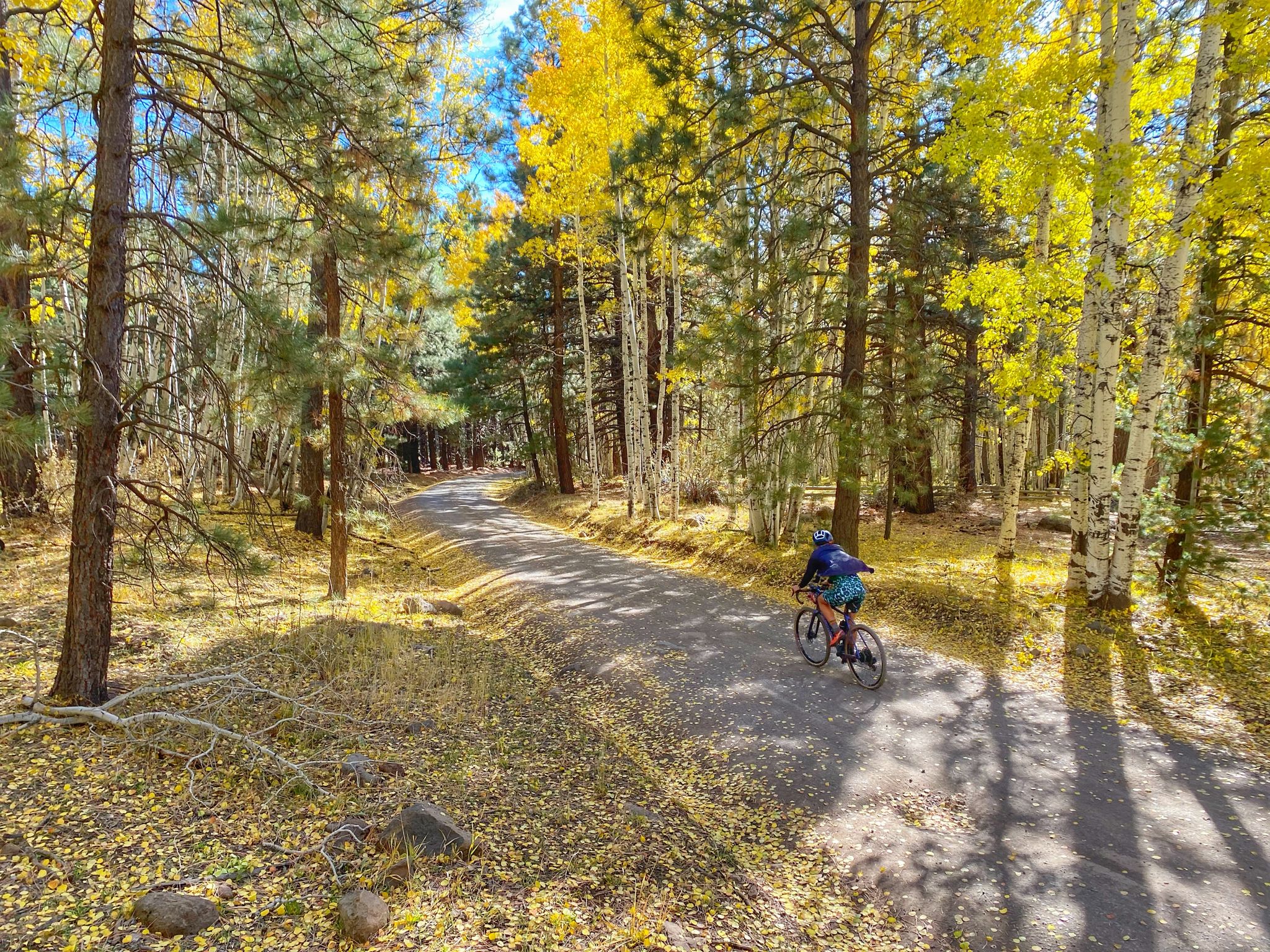
Grand Canyon to Mount Humphreys — a run, bike, run adventure
Grand Enchantment Trail — Slot canyons, spruce peaks & desert solitude
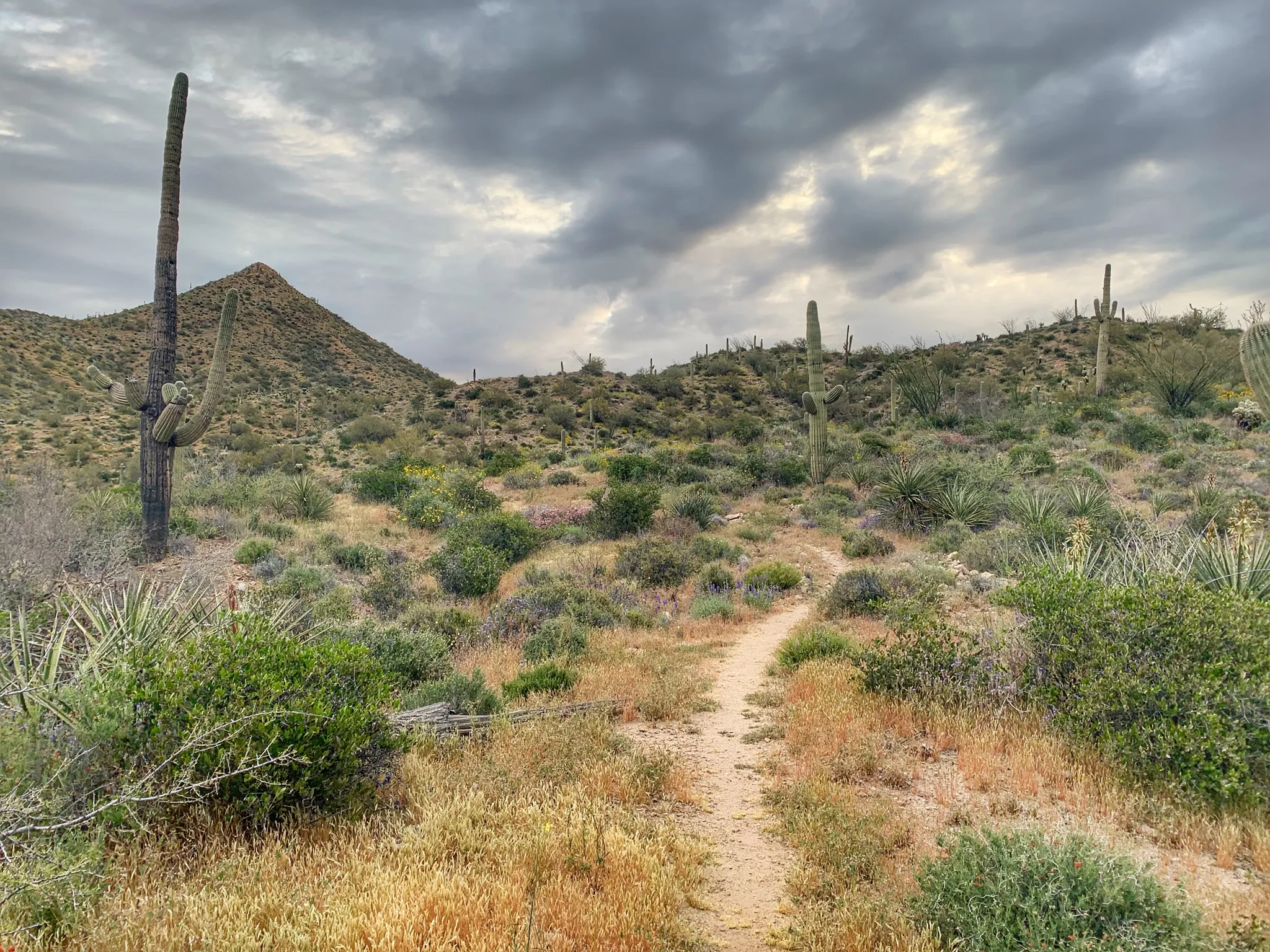
Arizona Trail — A beautiful 800-mile struggle
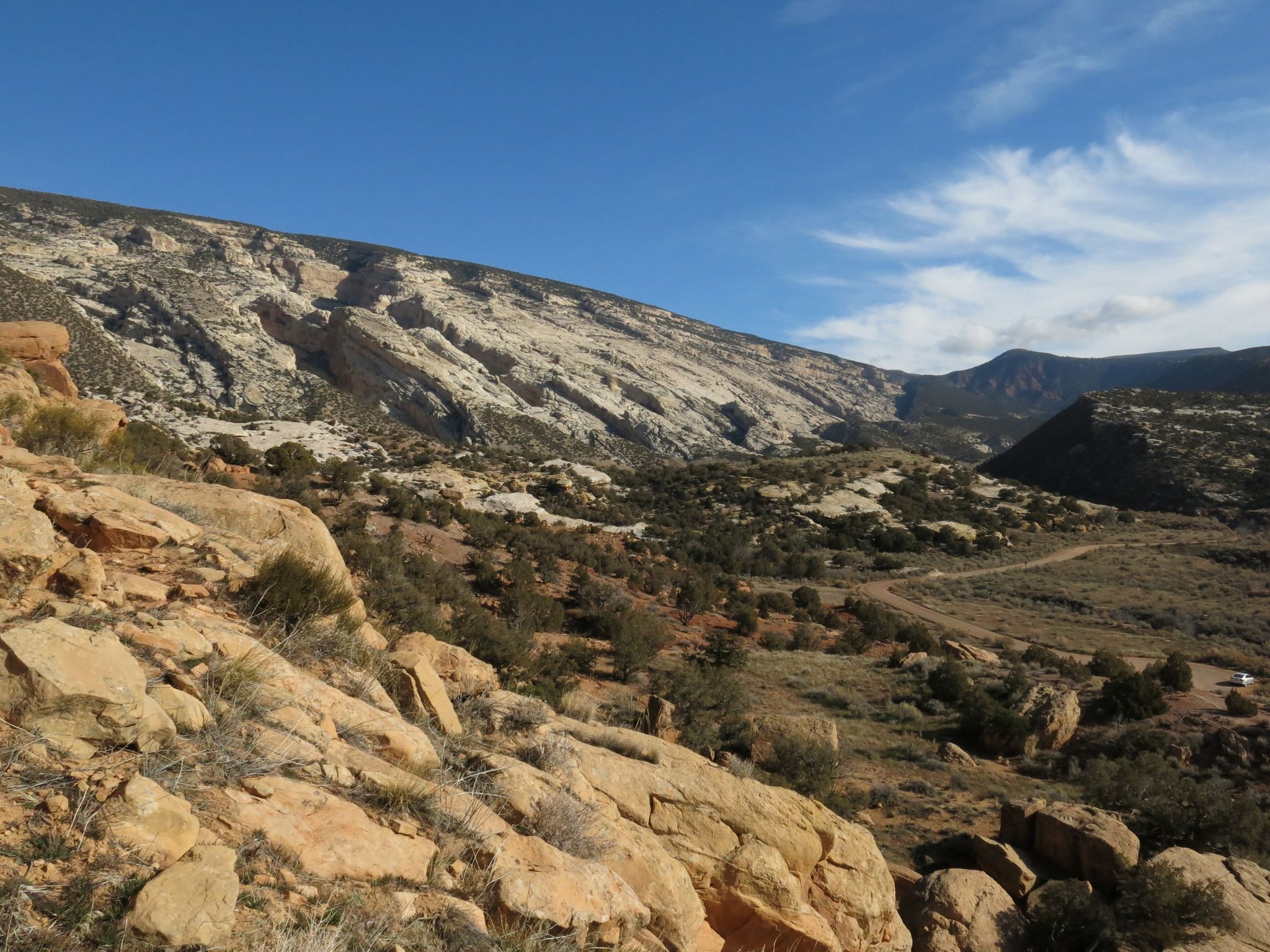
Bikepack in America's southwest – deserts, cacti and Anasazi culture
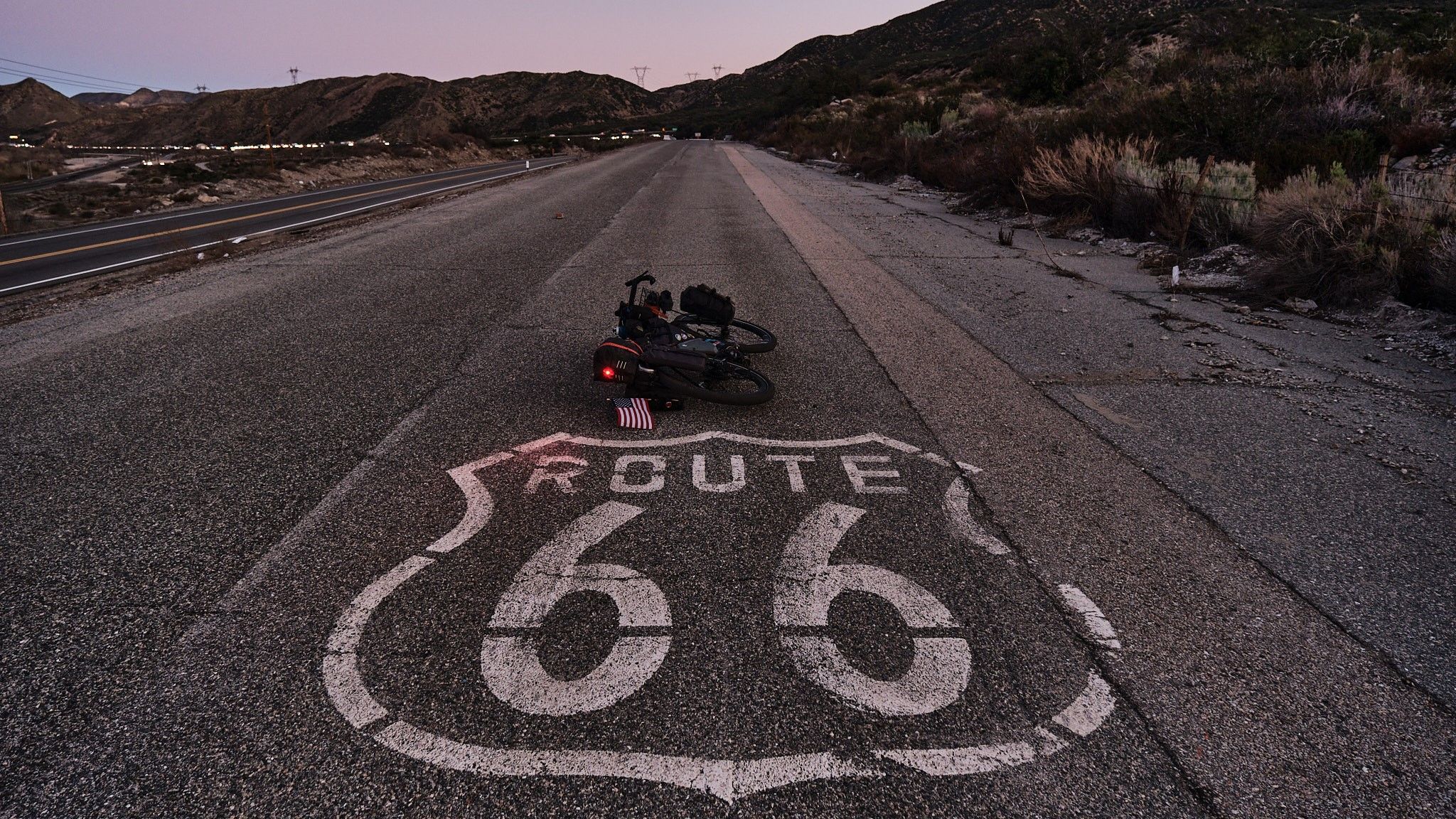
Adventure Cycling Association's Bicycle Route 66 — LA to Chicago
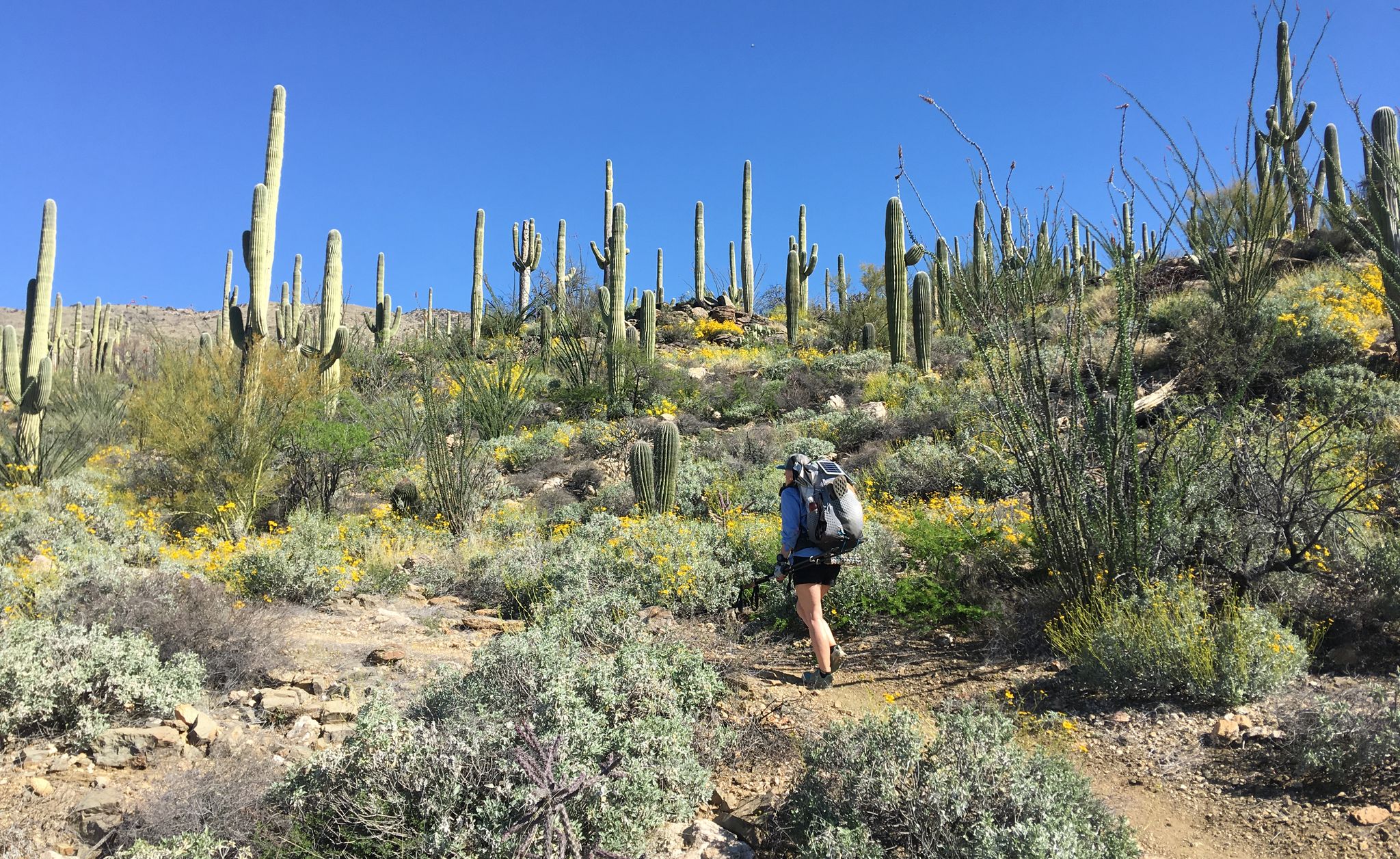
The Arizona Trail — From Mexico to Utah in 43 days
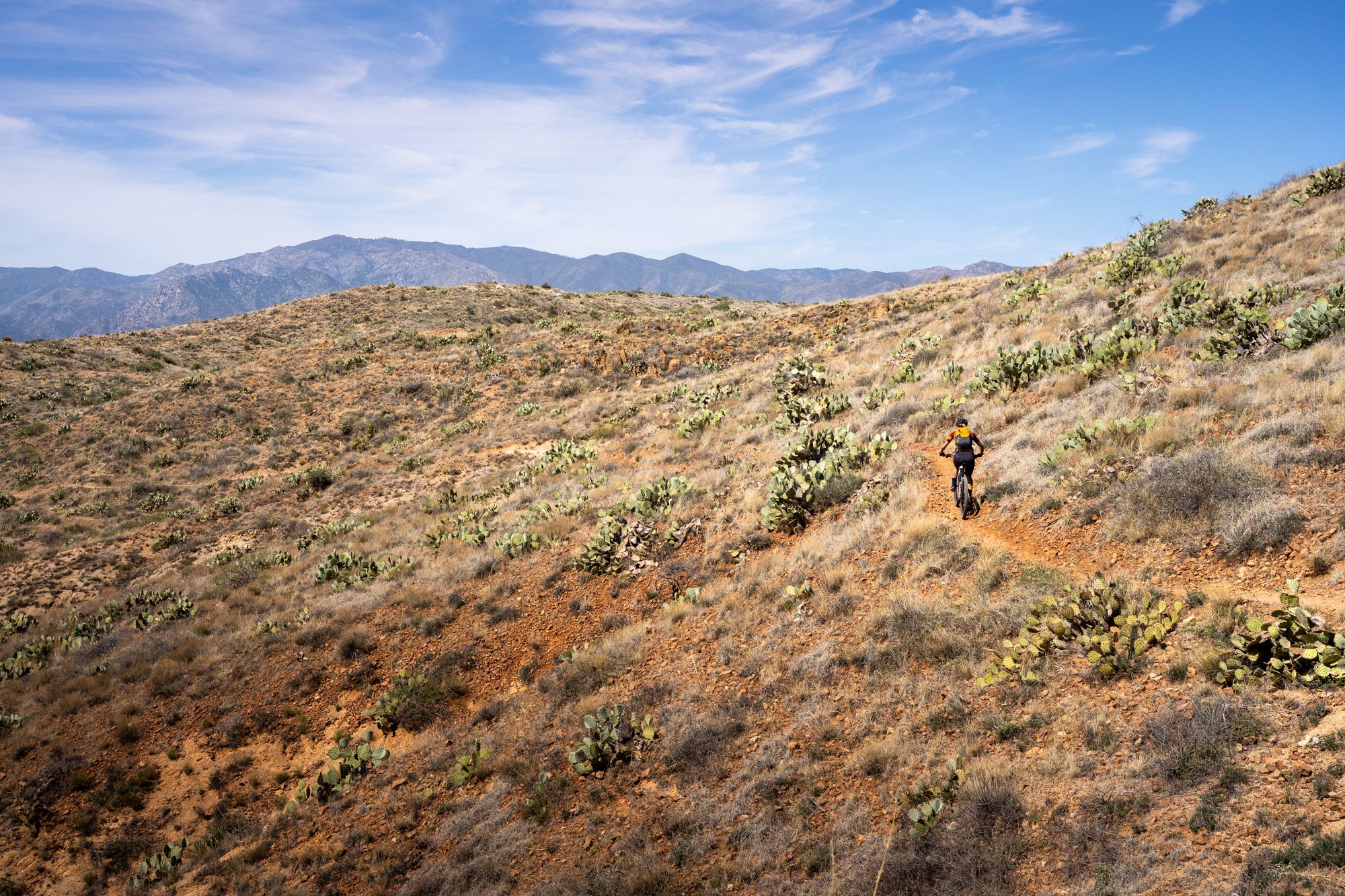
Pure Arizona mountain singletrack — Black Canyon Trail
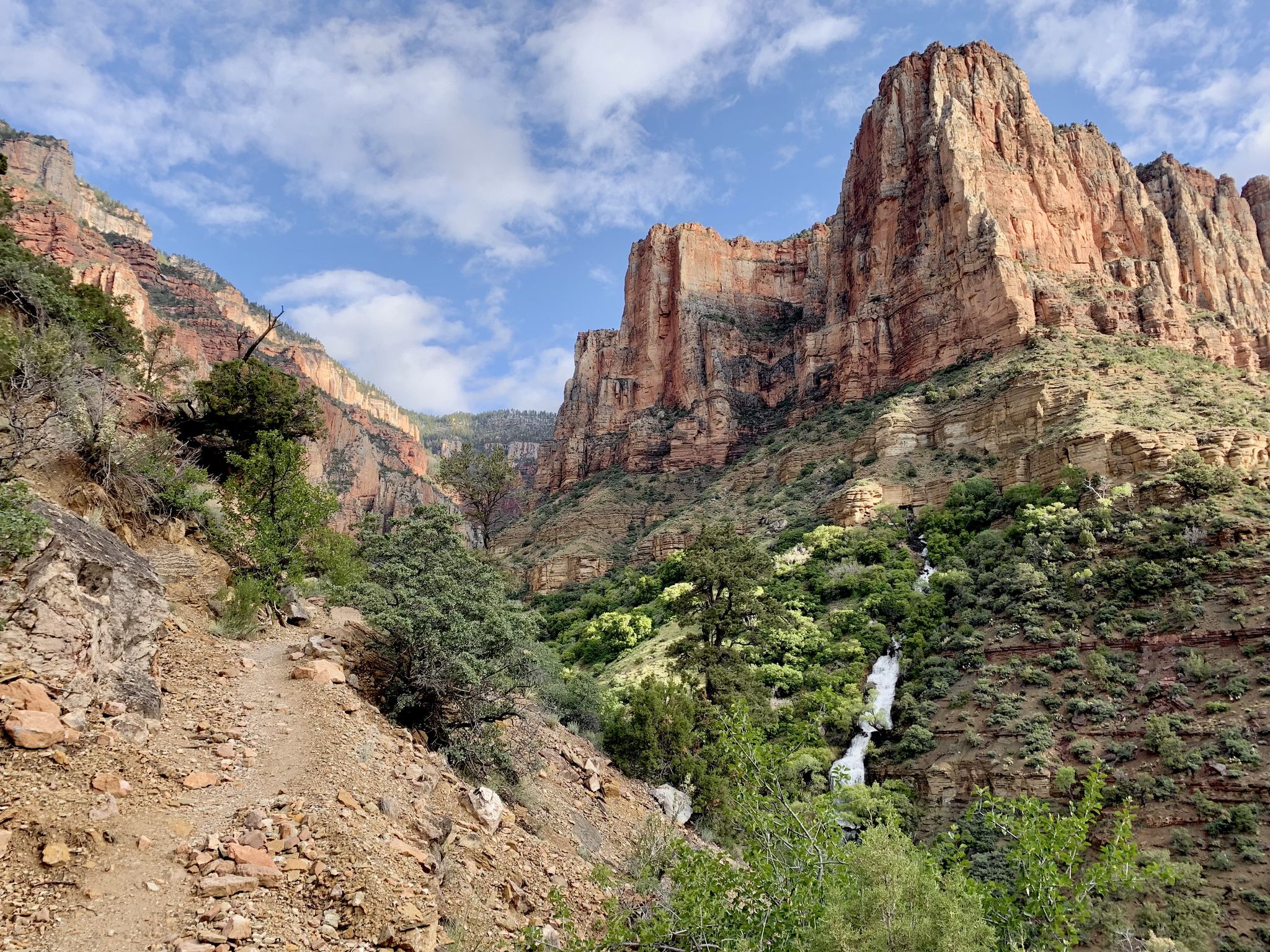
Rim-to-Rim-to-Rim – top to bottom through the Grand Canyon
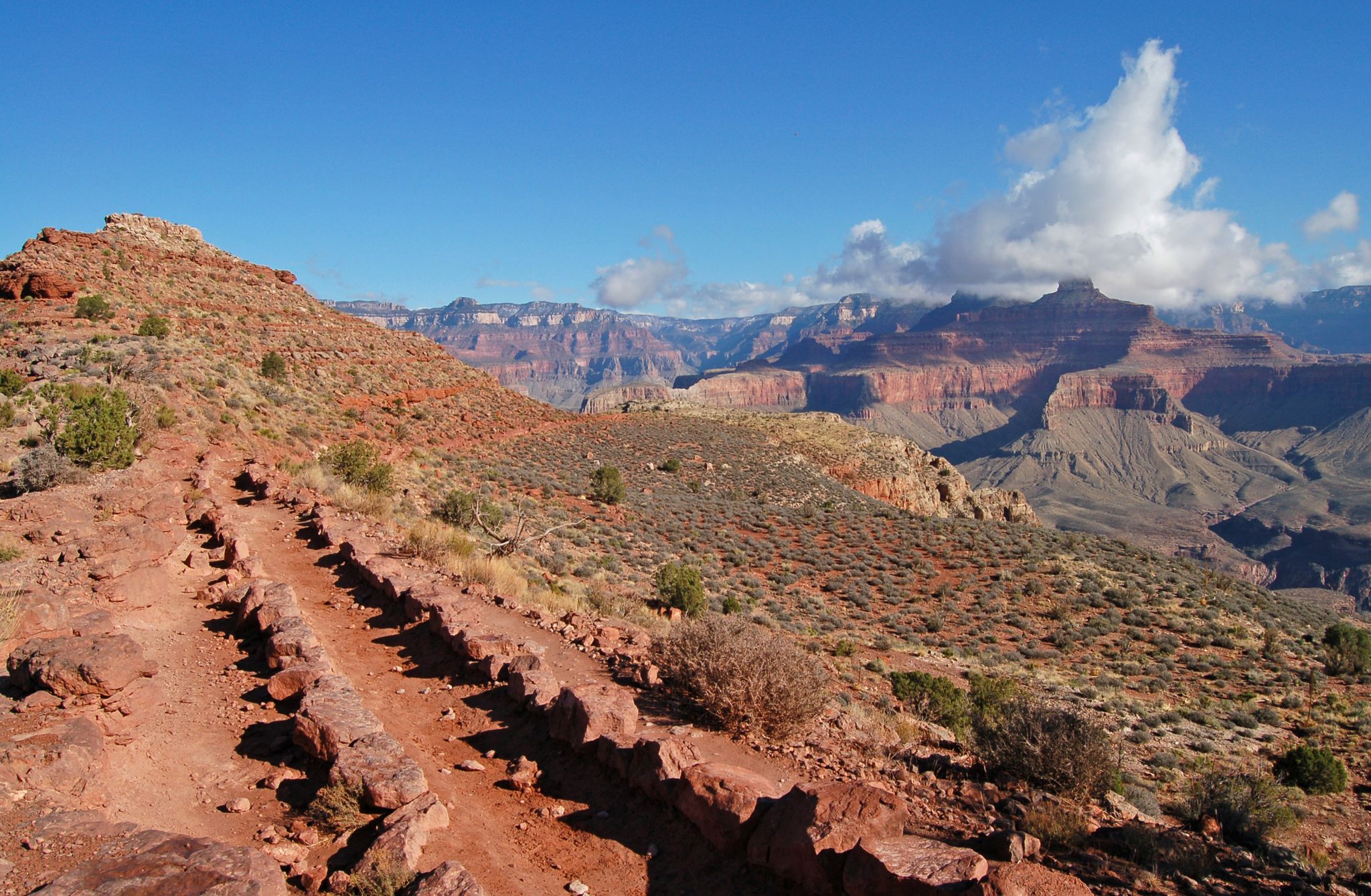
Rim-to-Rim-to-Rim — Fastpacking into the Grand Canyon’s heart
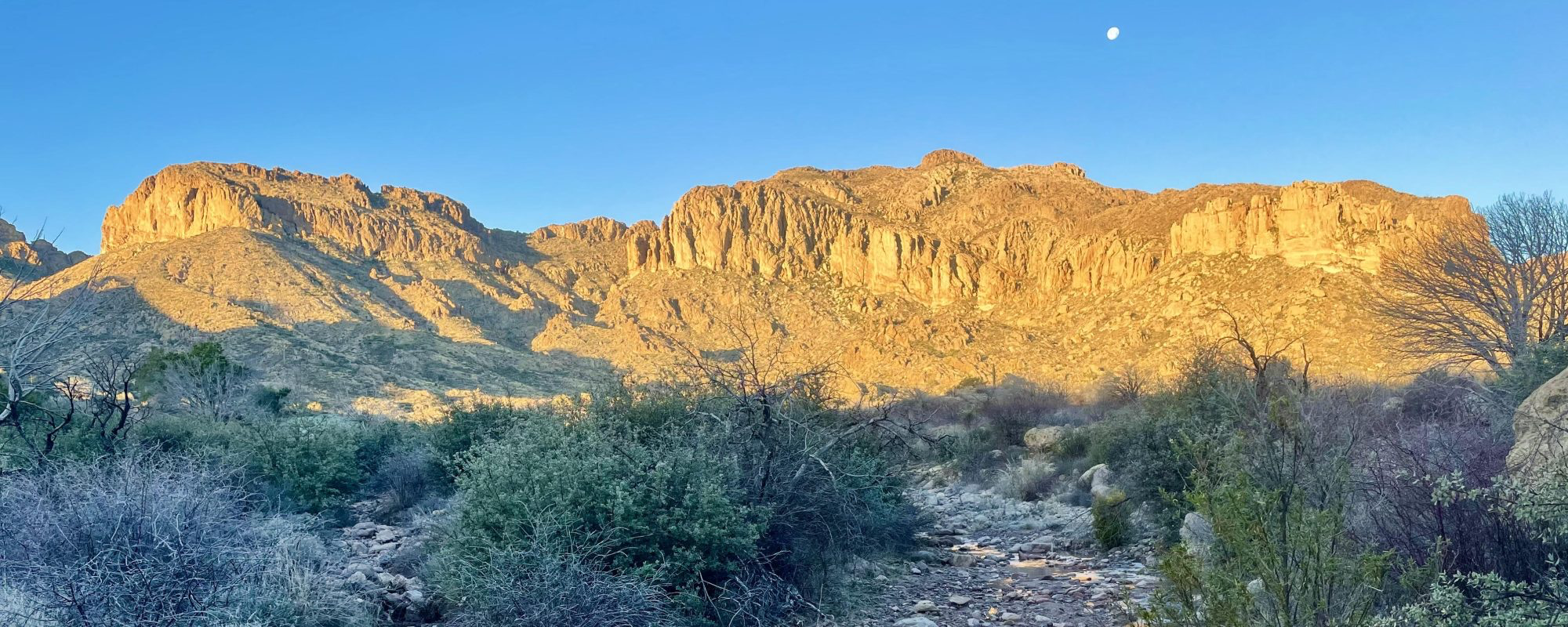
Highline National Recreation Trail – The High Road around the Mogollon Rim
Other adventures in Arizona


Tips from the Community

There are two ways to get up to the Subway Cave: one is easier, but goes along a narrow cliff. The more direct approach is more technical, going up the direct slope, but also less scary if you're not good with heights.
0
0

The Subway Cave is a remarkable slot-like natural rock formation and is often considered a "secret spot" due to its location; however, you will likely encounter plenty of other visitors here. Reaching this location requires a short scramble, but the breathtaking views of the surrounding red rock landscape make it well worth the effort.
0
0

The Lava River Cave is a massive lava tube deep within the Coconino National Forest. You can access and explore the cave on your own. Expect some scrambling over big boulders, some ducking in lower sections and cool temperatures within the cave. Bring at least two sources of light as it it pitch dark and you cannot find you way out of the tunnels without light. The tunnel has a length of almost a mile! The cave was discovered in 1915.
2
0

NOT an easy trail. Definitely intermediate to hard level trail. Still, Wave Cave is still a really unique spot with a large rock that resembles a wave. Me and a friend took a much needed nap under that wave before making our trek down. A must see if you are an intermediate to experienced hiker.
0
0
Colossal Cave is, as the name suggests, a cave formation. Guided tours can be booked from 10am to 5pm. Thru-hikers can have ReSupply packs sent to the Gift Shop, which offers limited snacks. The snack bar is open from 10am and serves pizza, burgers, nachos, soft drinks and beer, among other things.
1
0

Along Costa Quemada Canyon the Arizona Trail weaves right through Colossal Cave Mountains Park. A green oasis compared to most of the AZT, and it also offers a little bit of civilization. This is also a popular destination for day MTB'rs from Tucson and surrounding areas.
0
0

Soldier Pass Cave is a favorite sight among the many in Sedona due to its secludedness and uniqueness. The only way to access this cave is via a small side-trail from the main Soldier Pass trail. Please stick to the obvious trails and trampled areas, and do not create trails and shortcuts of your own, as this is a very fragile area.
0
0
Entrance to the cave is pretty straight forward; you will arrive at the back of the cave once you walk up the small rock walkway. If you wish to view the ruins, keep to the right ledge and walk straight out of the cave. The ruins are still in good condition, but do not touch them or run your hands over the rock walls!
0
0
Frequently Asked Questions
What types of caves can be found in Arizona?
Arizona features a diverse range of caves, including 'living' limestone caves like Kartchner Caverns, ancient dry caverns such as Colossal Cave Mountain Park and Grand Canyon Caverns, and volcanic lava tubes like Lava River Cave. Each type offers distinct geological formations and exploration experiences.
What are some unique caves to explore in Arizona?
Beyond the well-known ones, you can explore Subway Cave and Ruins — Boynton Canyon, which features ancient ruins. Another unique spot is Soldier Pass Cave, known for its secluded location and distinct formations. For a different experience, Hidden Valley Tunnel offers intricately intertwined boulders and ancient Hohokam petroglyphs.
Are there family-friendly or accessible caves in Arizona?
Yes, some caves cater to families and offer accessibility. For instance, Grand Canyon Caverns provides an accessible 'Short Tour' via an exploration elevator. Kartchner Caverns State Park also offers ADA-accessible tours. Colossal Cave Mountain Park, while a dry cave, has guided tours suitable for various ages.
What is the typical difficulty level for exploring caves in Arizona?
Difficulty varies significantly. Some caves like Grand Canyon Caverns offer easy, guided tours. Others, such as Subway Cave and Ruins — Boynton Canyon and Soldier Pass Cave, are considered challenging due to their access trails or internal terrain. Lava River Cave involves self-guided exploration over an uneven, boulder-strewn floor, requiring some scrambling.
When is the best time to visit Arizona's caves, and are they open year-round?
Many of Arizona's commercial caves, like Kartchner Caverns, Colossal Cave, and Grand Canyon Caverns, maintain a consistent temperature of around 70°F (21°C) year-round, making them suitable for visits in any season. However, Lava River Cave near Flagstaff closes seasonally to protect bat habitats, and timed entry reservations might be required during its operating seasons. Always check specific cave operating hours before planning your trip.
What should I wear and bring when visiting Arizona caves?
For caves with consistent temperatures like Kartchner Caverns or Colossal Cave, comfortable walking shoes and light layers are usually sufficient. For colder caves like Lava River Cave (around 42°F or 5°C), warm clothing, sturdy footwear, and at least two reliable light sources (headlamps are ideal) are essential due to the dark and uneven terrain. Photography is often restricted in delicate 'living' caves to protect formations.
Do Arizona's caves have historical significance?
Absolutely. Colossal Cave Mountain Park is listed on the National Register of Historic Places and has legends of train robbers. Subway Cave and Ruins — Boynton Canyon features ancient ruins, and Hidden Valley Tunnel showcases ancient Hohokam petroglyphs. Grand Canyon Caverns has also yielded remains of Ice Age creatures and archaeological artifacts.
What unique natural features can I expect to see in Arizona's caves?
Arizona's caves boast impressive geological formations. Kartchner Caverns is famous for its actively growing speleothems, including massive columns and long 'soda straw' stalactites. Colossal Cave features a variety of formations like stalactites, stalagmites, and helictites. Lava River Cave, a volcanic tube, displays unique lavacicles. Grand Canyon Caverns, being dry, showcases vast rock formations.
What other outdoor activities can I find near Arizona's caves?
Many cave locations offer additional outdoor recreation. Colossal Cave Mountain Park, for example, provides extensive hiking and biking trails, horseback riding, and camping. The areas around caves often feature opportunities for hiking, such as the easy hikes in Arizona or more challenging mountain hikes. You can also find MTB trails in the region.
Are permits required to visit caves in Arizona?
For commercial caves like Kartchner Caverns, Colossal Cave, and Grand Canyon Caverns, guided tours are typically ticketed, serving as your entry. For natural caves on state trust land, such as Wave Cave, a permit for entry might be required. Always check the specific regulations for the cave you plan to visit.
Can I explore caves on my own, or are guided tours necessary?
It depends on the cave. Commercial caves like Kartchner Caverns, Colossal Cave, and Grand Canyon Caverns primarily offer guided tours for safety and preservation. However, Lava River Cave allows for self-guided exploration, provided you are prepared with appropriate gear and knowledge. Some natural caves, like Subway Cave and Ruins — Boynton Canyon, are accessible via hiking trails for self-exploration.
What amenities are available near Arizona's major caves?
Major cave attractions often have amenities. Grand Canyon Caverns offers a motel, gift shop, and RV park, with a unique underground dining experience. Kartchner Caverns State Park includes a Discovery Center, hiking trails, and camping. Colossal Cave Mountain Park features a petting zoo, butterfly garden, and picnic areas, along with museums. Nearby towns also provide various accommodation and dining options.
Most popular routes in Arizona
Most popular attractions in Arizona

Get inspired with the komoot mobile app


Didn’t find what you were looking for?
Discover more caves in Arizona region by region:
Explore more
Extend your search for the best caves by checking out these guides of the top ones in Arizona:
