Top 20 Caves in Bezirk Wiener Neustadt
Best caves in Bezirk Wiener Neustadt are found in Lower Austria, a region characterized by its diverse natural landscape, including limestone gorges and thermal areas. This district offers a range of subterranean formations, from accessible show caves to more challenging natural systems. The geological features of the area contribute to a variety of cave types, providing opportunities for exploration and discovery.
Best caves in Bezirk Wiener Neustadt
- The most popular caves include Höhlturm, a historical site that encompasses the…
Last updated: May 9, 2026
Rudolf Decker via ferrata, Steinwand Gorge
Highlight • Climb
Translated by Google •
Tip by

Einhornhöhle (Unicorn Cave)
Highlight • Cave
More information is available at wieneralpen.at/urlaubszielen-in-den-wiener-alpen-discoveren/a-einhorn-tropfsteinhoehle.
Translated by Google •
Tip by

Sign up now to discover places like this
Get recommendations on the best single tracks, peaks, & plenty of other exciting outdoor places.
Sign up for free
Höhlturm
Highlight • Historical Site
Translated by Google •
Tip by

Eisenstein Cave
Highlight • Cave
Translated by Google •
Tip by
Steinerner Stadl
Highlight • Natural Monument
Translated by Google •
Tip by
Türkenloch Cave (Steinwand Gorge)
Highlight • Cave
Translated by Google •
Tip by
Myralucke Cave
Highlight • Cave
Translated by Google •
Tip by

Frauenluckensteig (Hohe Wand)
Highlight • Climb
Translated by Google •
Tip by
Frauenlucke Chimney Ladder (Hohe Wand)
Highlight • Climb
Translated by Google •
Tip by

Finkenhaus Cave (1864/42)
Highlight • Cave
Translated by Google •
Tip by

Sign up for free to discover even more caves in Bezirk Wiener Neustadt.
Sign up for free
Already have an account?
Start today with a free account
Your next adventure awaits.
Login or Signup
Popular around Bezirk Wiener Neustadt
Central Alps Trail Eastern Section – Discover Austria
North Alpine Trail 01 – Hike across Austria in 49 days
Wiener Wallfahrerweg 06 – A pilgrimage through Lower Austria
Viennese Alpenbogen – Lower Austria's most beautiful peaks
Alpannonia – Crossing borders from Austria to Hungary
Rosalia Trail Challenge – Running on wonderful Forest paths
Superb cycling in the Vienna Alps – every day a new route
In all directions – bike rides out from Wiener Neustadt
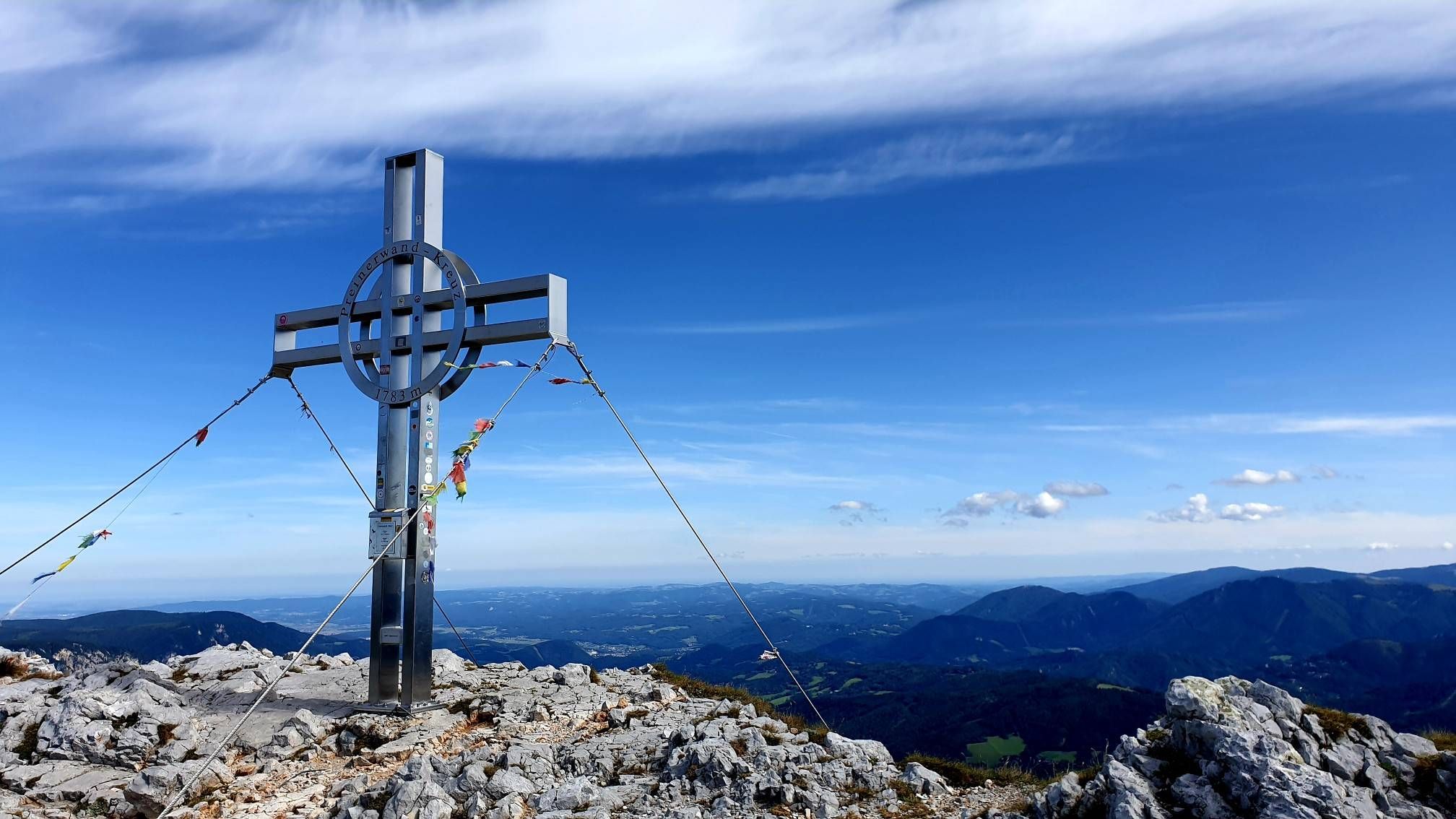
Alpine hiking on Vienna’s doorstep – Rax-Schneeberg Group Mountains
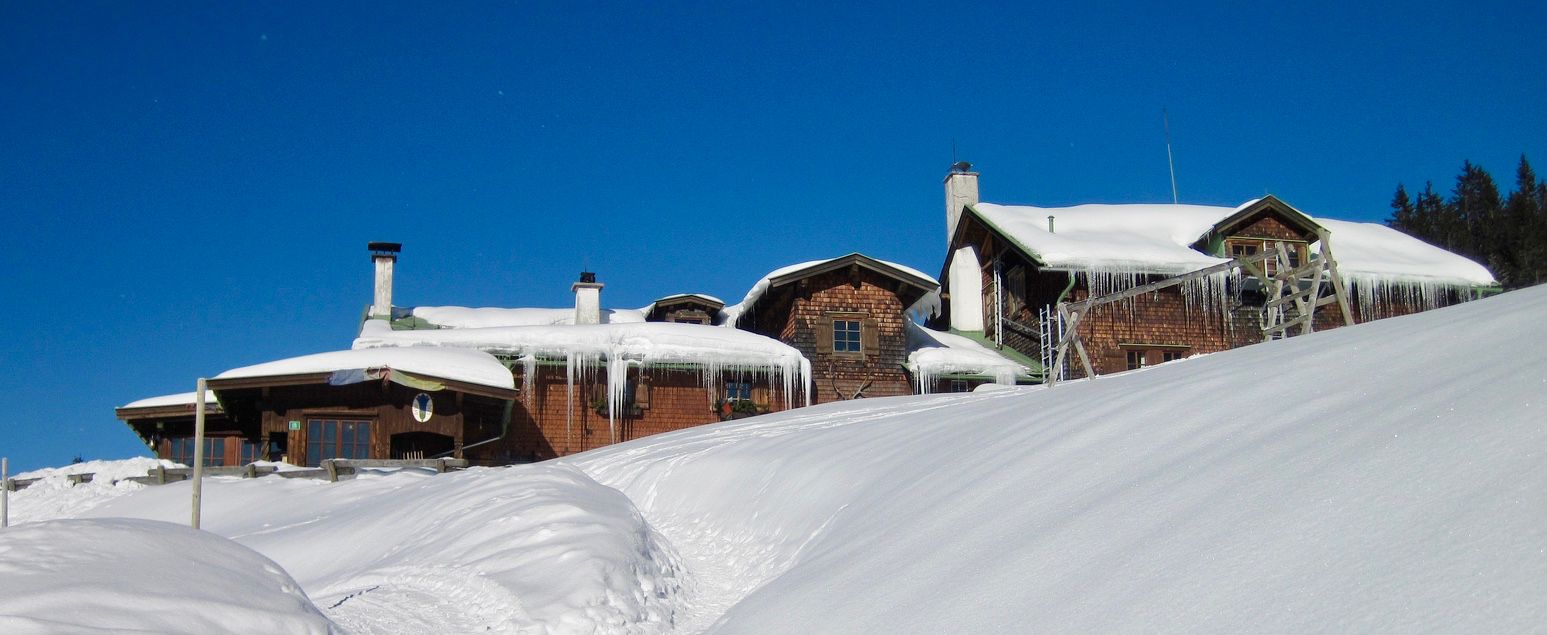
Mountain lodges for the cold season in the Alps
Other adventures in Bezirk Wiener Neustadt


Tips from the Community

Inside the stone barn, remains of stone tools and ceramics have been found, and it is now assumed that this cave also served as a cult room from the Neolithic to the Iron Age (and possibly later). Its proximity to the Hoffmannshöhle suggests a resonance/connection.
1
0
The cave was discovered in 1927 by Otto Langer sen. and opened as a show cave in 1930. During World War II, the cave served as a place of refuge. In 1958, it was accessible again as a show cave. In 1964, the installations were modernized by Otto Langer jun.
0
0
In the cave there is a thermal spring, whose water temperature is indicated to be between 13 and 16.5 degrees Celsius.[1][2] The Eisensteinhöhle is located in a fault zone striking NNE-SSW and dipping at an average of 47°, directly at the edge of the Eastern Alps against the Vienna Basin and shows up to 5 superimposed gangways; its maximum horizontal extent is 147 m.
1
0
The panoramic trail with a beautiful circular view over the market town and magnificent views into the valley begins at the Höhlturm (a small ruin that served as an observation post for the Starhemberg ruin) and, after a steep, sweaty climb on beautiful forest paths, leads to Henninger, which is not directly on the hiking trail.
1
0

A super great place that you should see
0
0
Beautiful little cave to see
0
0

Unfortunately, at the end of June 2025, not a drop of water was to be seen🙈
0
0

If the rain is off for an extended period, this is a beautiful cave to explore. However, you shouldn't enter it if the weather is bad.
0
0
Frequently Asked Questions
Which caves in Bezirk Wiener Neustadt are suitable for families?
For a family-friendly experience, the Einhornhöhle (Unicorn Cave) is a great choice. It's a dripstone cave that offers a more accessible visitor experience, typically open seasonally from Easter until the end of September on Sundays and public holidays. The Johannesbachklamm gorge also offers a family-friendly hike where you can observe caves like the Johannesbachklammhöhle and Klammwirthöhle from the outside.
What are the more adventurous caving options in the region?
For those seeking adventure, the Eisenstein Cave offers a challenging guided tour where visitors, equipped with helmets and overalls, navigate clay steps and four iron ladders. Another thrilling option is the Abseilhöhle near Pernitz, where you can rappel 10 meters deep into a cave with a certified guide, exploring formations and potentially seeing bats.
What unique geological features can be found in the caves of Bezirk Wiener Neustadt?
The region's caves showcase diverse geological formations. The Eisenstein Cave, a thermal cave, is known for its rich coral and popcorn sinter formations, as well as a thermal spring maintaining a constant 15.5 °C. The Einhornhöhle features impressive stalactites and stalagmites. The Steinerner Stadl is a natural rock bridge formed from a collapsed passage cave.
Are there any caves with historical significance in the area?
Yes, several caves have historical connections. The Steinerner Stadl is believed to have served as a cult room from the Neolithic period to the Iron Age, with remains of stone tools and ceramics found inside. The Rudolf Decker via ferrata in Steinwand Gorge leads to the Türkenloch, which was historically used as a hiding place during the Turkish siege.
What is the best time of year to visit the caves in Bezirk Wiener Neustadt?
Many caves, like the Einhornhöhle, are open seasonally, typically from Easter until the end of September. The Johannesbachklamm gorge, where you can observe caves, is particularly beautiful in autumn due to the vibrant foliage. Thermal caves like the Eisenstein Cave maintain a consistent temperature year-round, making them suitable for visits in various seasons, though access might be weather-dependent for the surrounding areas.
What should I wear when visiting caves in this region?
For caves like the Eisenstein Cave, visitors are equipped with helmets and overalls, and good shoes are essential for navigating clay steps and ladders. While the Eisenstein Cave maintains a warm 15.5 °C, other caves can be cooler and damp, so bringing layers is generally advisable. For adventure caving or via ferratas involving caves, appropriate climbing gear and headlamps are necessary.
Can I go hiking near the caves in Bezirk Wiener Neustadt?
Absolutely. The region offers excellent hiking opportunities. For instance, the Johannesbachklamm gorge provides a scenic hike where you can see caves. You can find numerous hiking trails in the area, including routes like the 'Hohe Wand Nature Park with Skywalk' or the 'Myra Falls – Hausstein Summit loop from Pernitz'. Explore more options on the Hiking in Bezirk Wiener Neustadt guide.
Are there cycling routes available near the caves?
Yes, the Bezirk Wiener Neustadt region is well-suited for cycling. You can find various routes, such as the Schwarzatal Cycle Path or the Piestingtal Cycle Path, which offer opportunities to explore the natural landscape surrounding the cave areas. For detailed routes and difficulty levels, refer to the Cycling in Bezirk Wiener Neustadt guide.
What is the Myralucke Cave, and is it accessible to the public?
The Myralucke Cave, located on the Unterberg, is the source of the Mirabach, which feeds the Myra Falls. It's an episodically active water cave with a total length of over 306 meters. However, it features siphon sections that require diving or a rubber dinghy to traverse, making it more suitable for experienced cavers than general tourists.
What do visitors enjoy most about the caves in Bezirk Wiener Neustadt?
Visitors appreciate the diverse experiences offered, from the accessible beauty of dripstone caves like the Einhornhöhle to the adventurous guided tours of thermal caves such as the Eisenstein Cave. The unique geological formations, the historical significance of sites like the Steinerner Stadl, and the thrill of rappelling into caves are frequently highlighted by those exploring the region.
Are there any caves that are part of a via ferrata route?
Yes, the Frauenluckensteig on Hohe Wand features a striking element: a 15-meter high, vertical cave shaft called the 'Frauenlucke,' which is ascended via a bold iron ladder. This offers a thrilling, albeit indirect, cave experience for those comfortable with climbing. Additionally, the Rudolf Decker via ferrata in Steinwand Gorge includes a spectacular cave passage.
What is the Höhlturmhöhle and where is it located?
The Höhlturmhöhle is a cave near Wöllersdorf in southern Lower Austria. It is one of the larger caves in the Mandling-Waxeneck area, measuring 180 meters in length and having a height difference of 28 meters. It's associated with the historical site of Höhlturm, which was a lookout post.
Most popular routes in Bezirk Wiener Neustadt
Most popular attractions in Bezirk Wiener Neustadt

Get inspired with the komoot mobile app


Didn’t find what you were looking for?
Discover more caves in Bezirk Wiener Neustadt region by region:
Explore more
Extend your search for the best caves by checking out these guides of the top ones in Bezirk Wiener Neustadt:
