Top 20 Castles in Pesaro e Urbino
Best castles in Pesaro e Urbino are found within Italy's Marche region, an area characterized by rolling hills and valleys. This region offers strategic locations for medieval architecture and Renaissance palaces. Many structures are well-preserved, providing insights into centuries of history and military engineering. The region's cultural significance is rooted in its past as a domain of powerful noble families.
Best castles in Pesaro e Urbino
- The most popular castles is Fiorenzuola di Focara, a settlement that is a…
Last updated: August 4, 2026
Fiorenzuola di Focara
Highlight • Settlement
Translated by Google •
Tip by

Gradara
Highlight • Castle
The imposing structure is protected by two city …
Translated by Google •
Tip by

Sign up now to discover places like this
Get recommendations on the best single tracks, peaks, & plenty of other exciting outdoor places.
Sign up for free
Tavoleto Castle
Highlight • Castle
Translated by Google •
Tip by

Ducal Palace
Highlight • Castle
Tip by

Ducal Palace, Urbino
Highlight • Historical Site
Translated by Google •
Tip by

Urbino
Highlight • Historical Site
Translated by Google •
Tip by
Rocca Torrione of Cagli
Highlight • Castle
Translated by Google •
Tip by

Montecopiolo Castle
Highlight • Castle
Translated by Google •
Tip by

Mondelacasa Castle (the Muracci)
Highlight • Castle
Translated by Google •
Tip by

Piobbico
Highlight • Settlement
Showing Translation
Tip by

Sign up for free to discover even more castles in Pesaro e Urbino.
Sign up for free
Already have an account?
Start today with a free account
Your next adventure awaits.
Login or Signup
Popular around Pesaro e Urbino
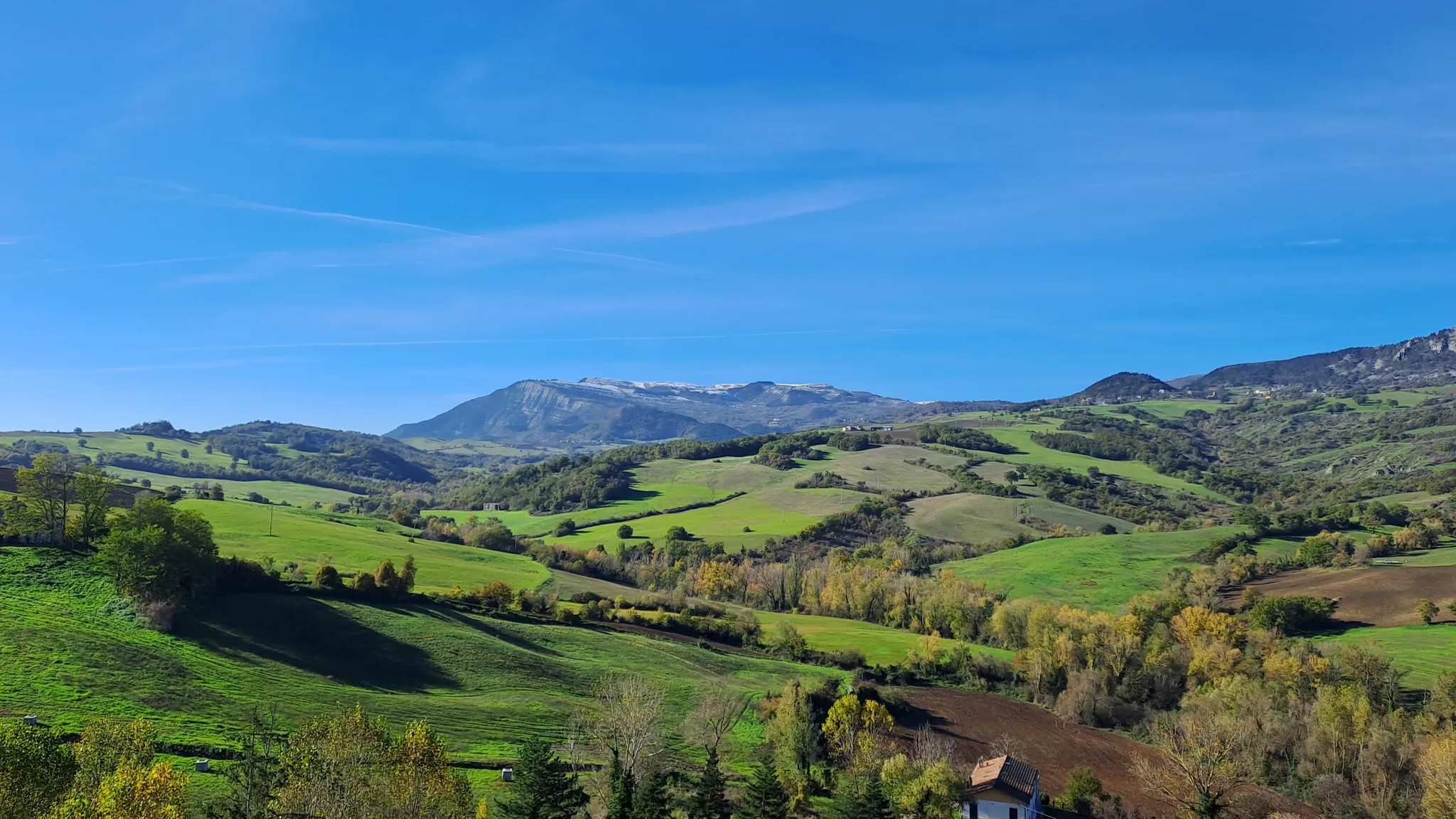
Cycling the Marche – sea to the mountains, among villages and hills
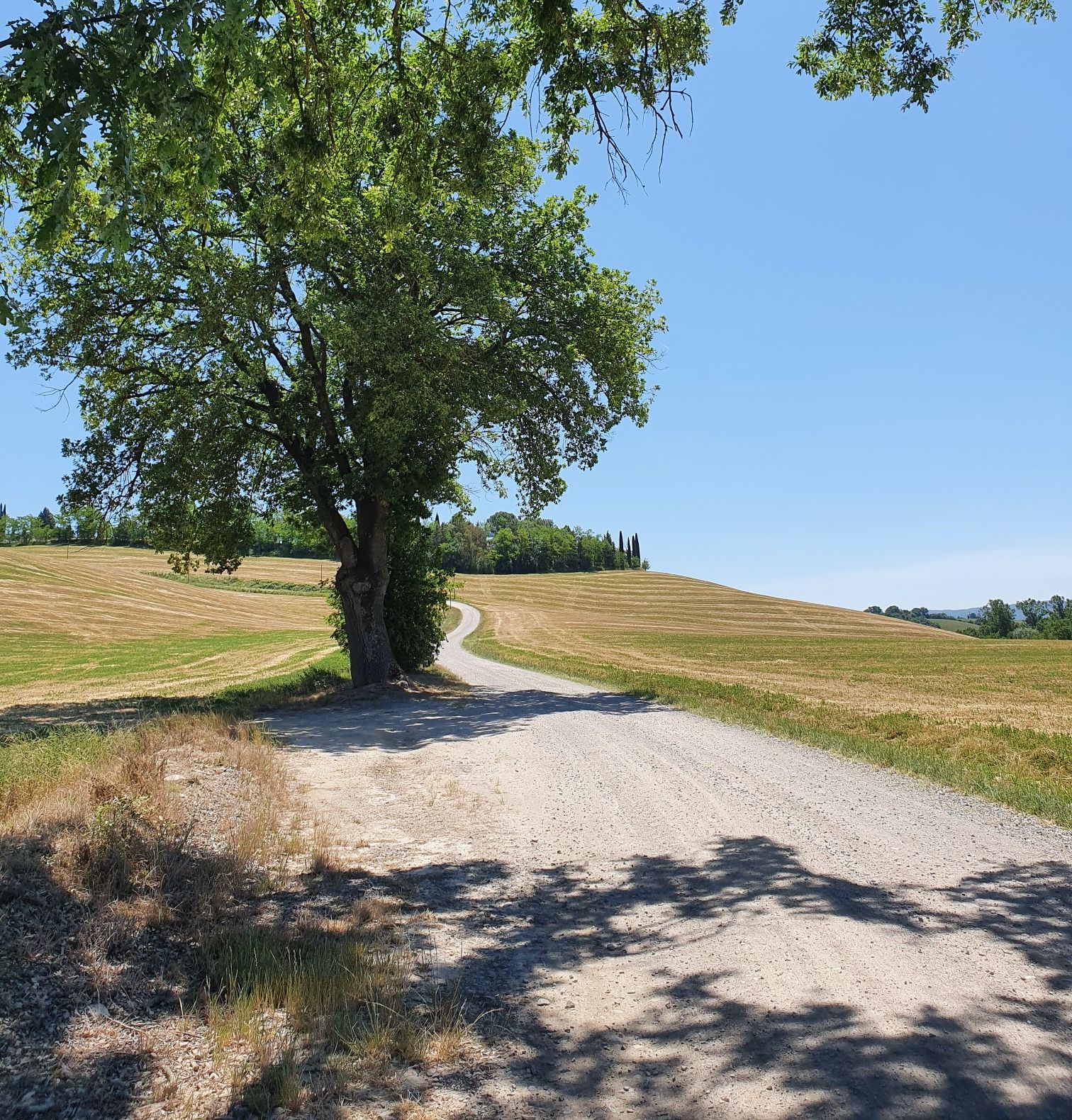
Ciclovia dei due mari - By bike from the Tyrrhenian Sea to the Adria
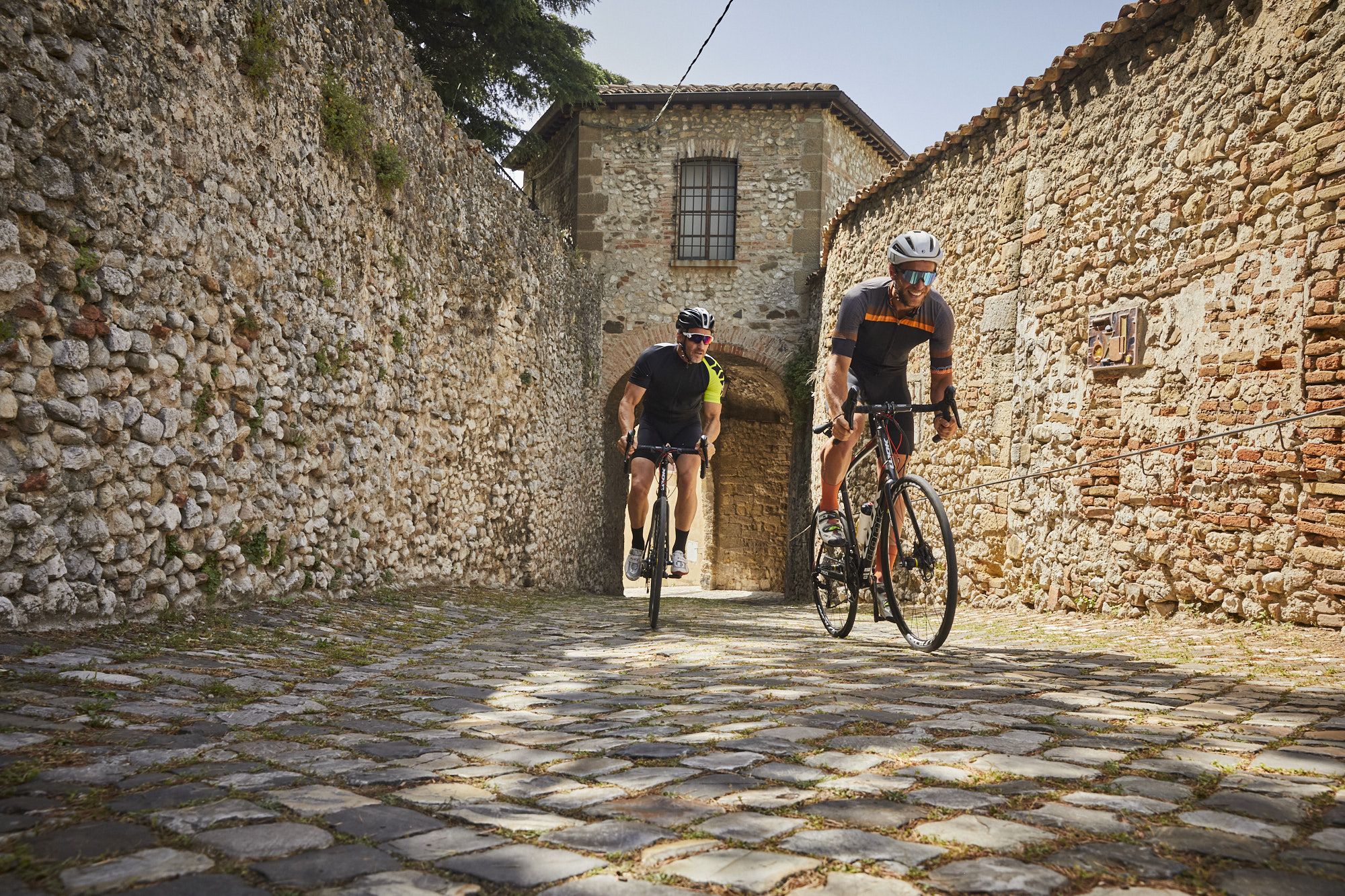
Adriatic Riviera and San Marino – cycle amid the sea and the Apennines
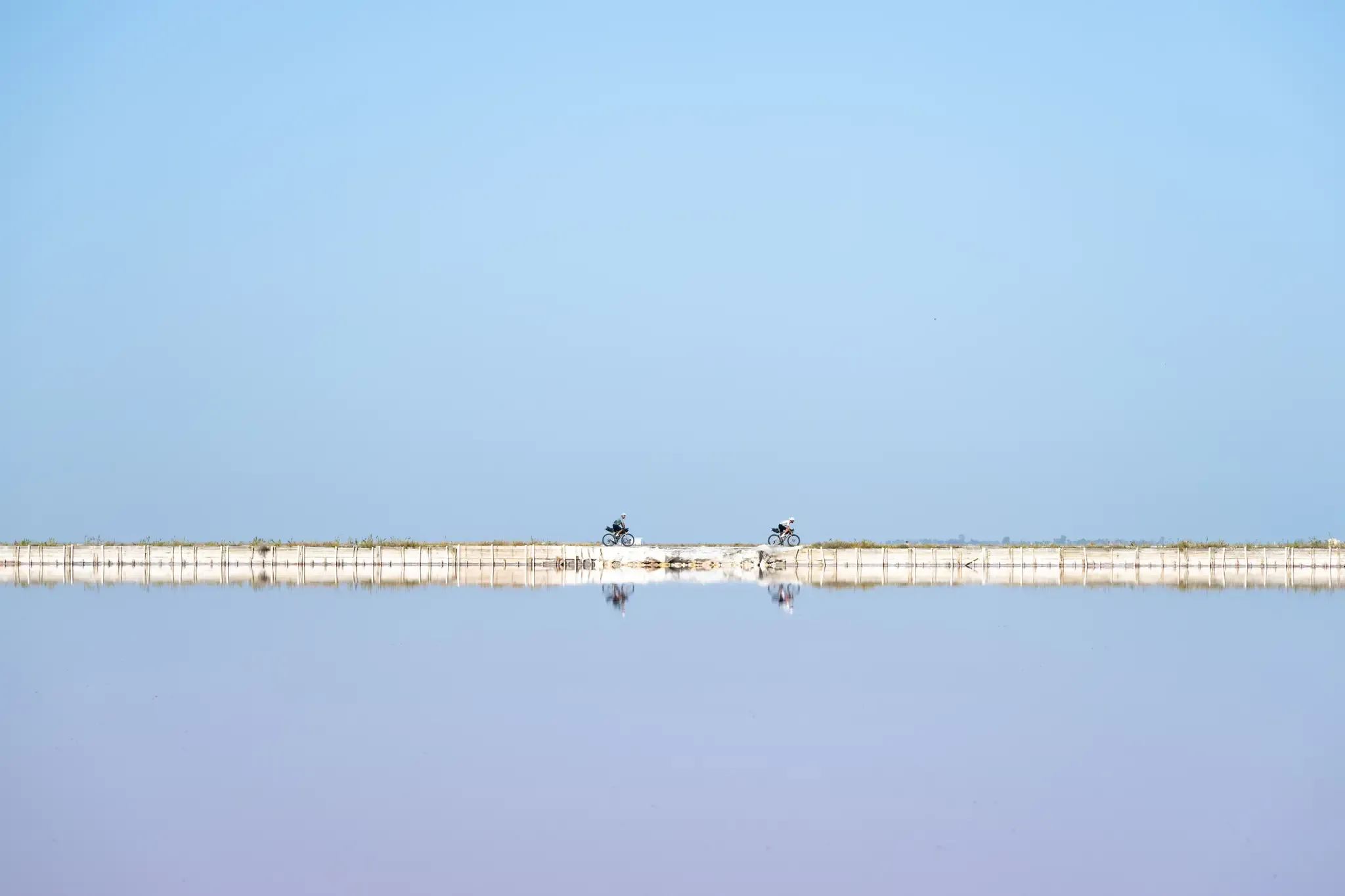
Trieste to Santa Maria di Leuca – the Adriatic Cycle Route
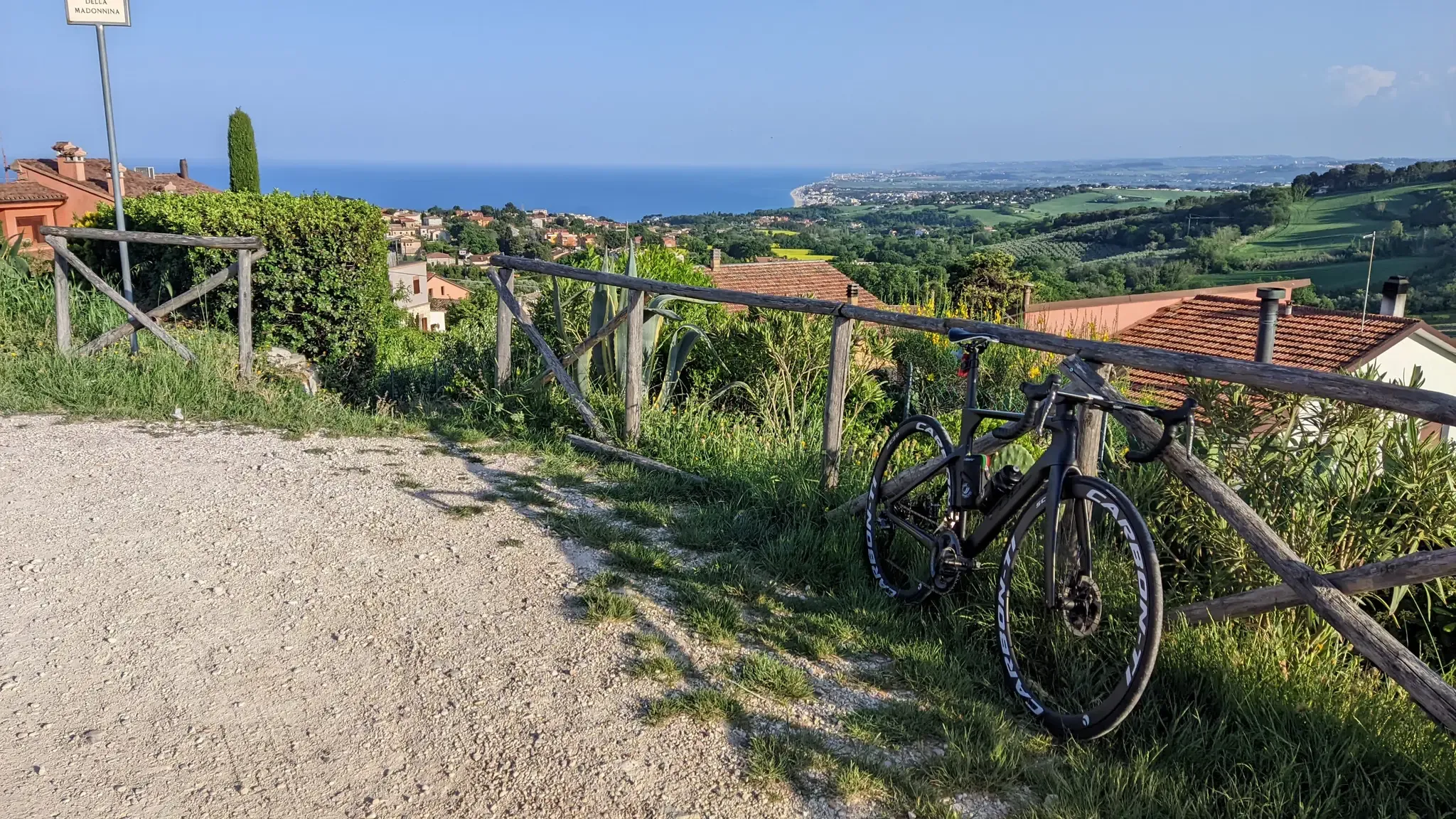
Between mountains and sea — road cycling in Italy’s Marche
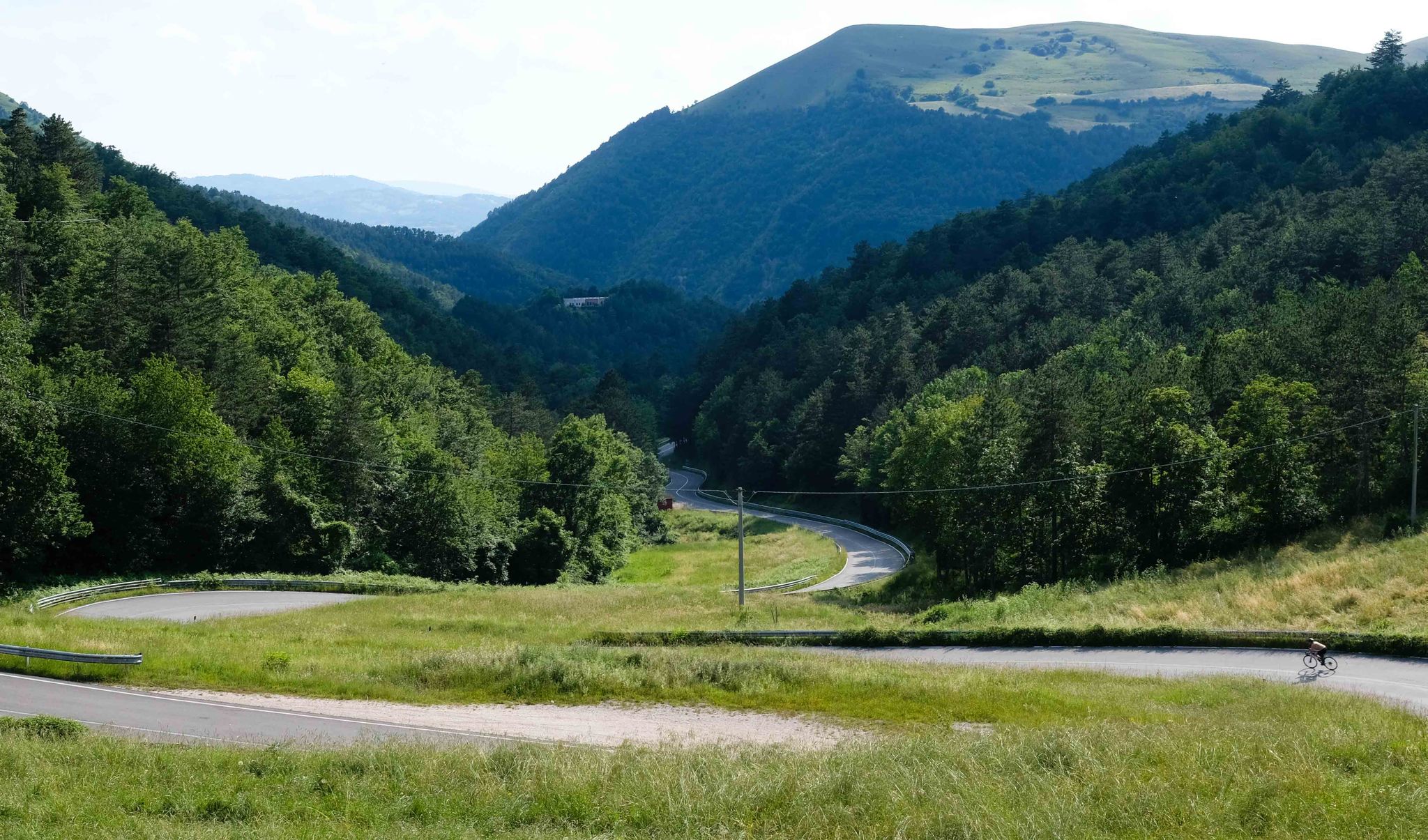
Italy’s Coast to Coast – pedalling from the Adriatic to Tyrrhenian Sea
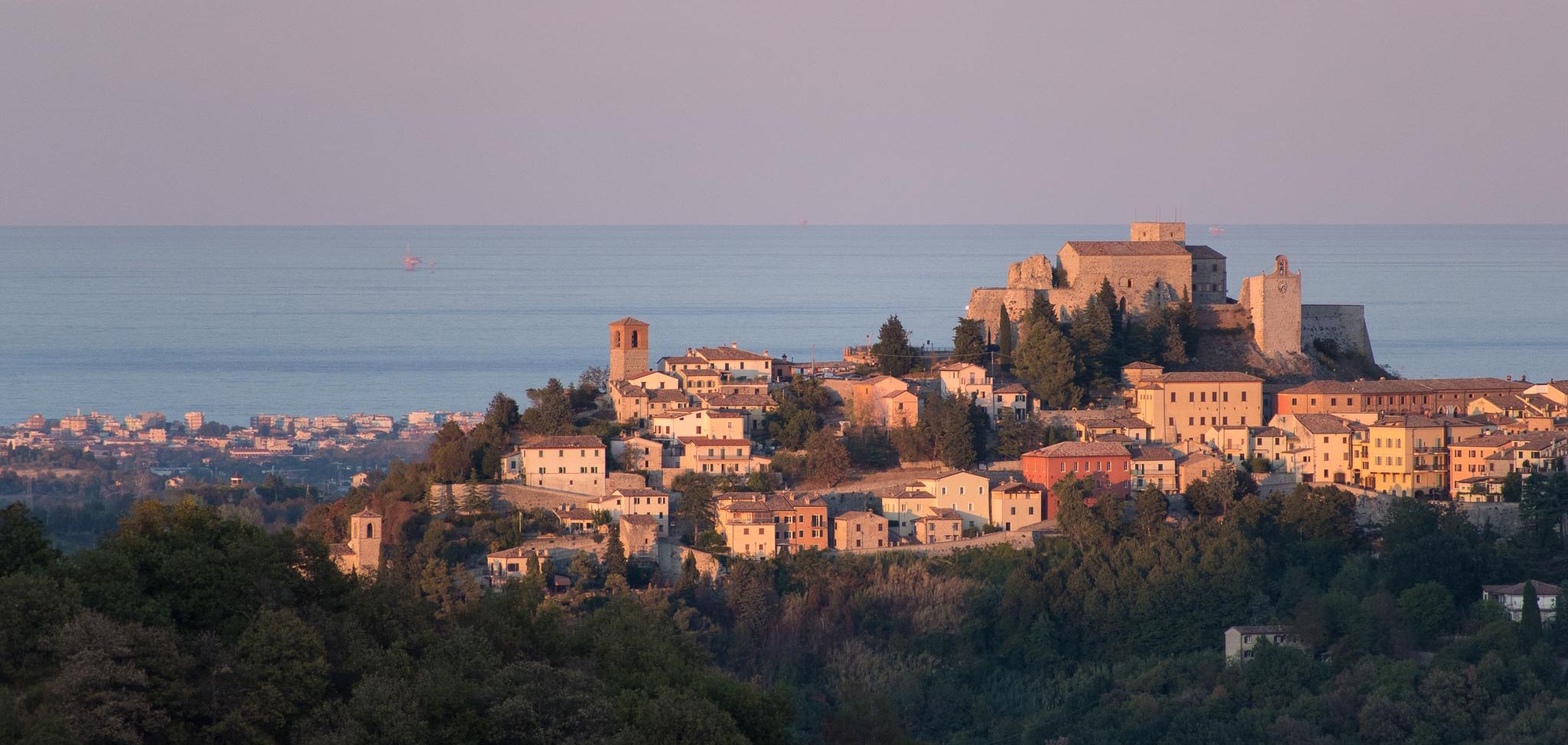
In the quiet backcountry of the Adriatic — cycling in Emilia Romagna
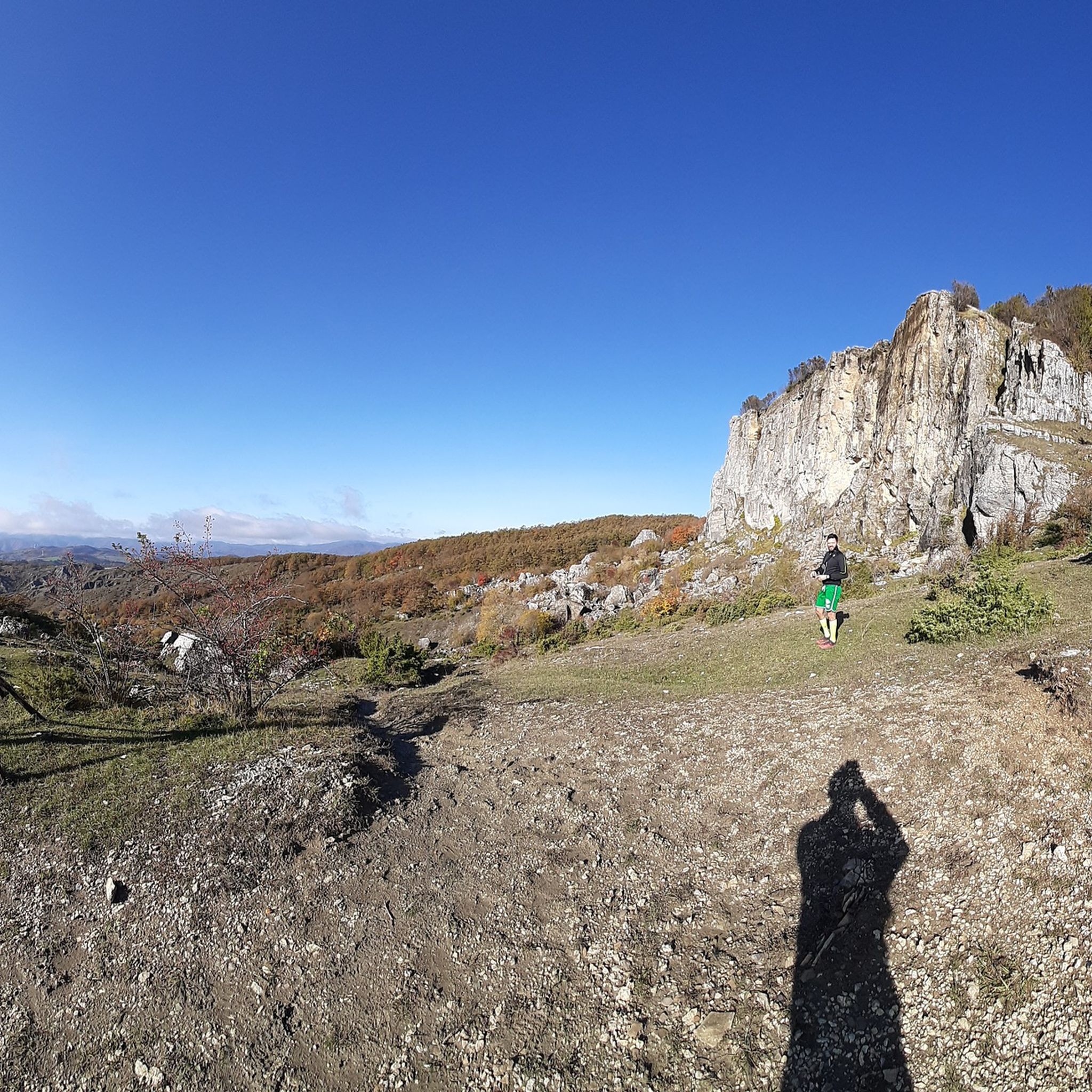
Hiking in Pesaro e Urbino
Road Cycling Routes in Pesaro e Urbino
MTB Trails in Pesaro e Urbino
Other adventures in Pesaro e Urbino


Tips from the Community

The castle preserves original furnishings, 15th-century frescoes, and a chapel with terracotta altarpieces. The structure is famous for its connection to the story of Paolo and Francesca, the two lovers mentioned by Dante in the Divine Comedy. The village is known for its double ring of walls and drawbridge, examples of medieval military architecture. The interior houses the courtyard of honor, the torture chambers, and the room attributed to the betrayal of the two young people.
1
0
Urbino is a city in the Marche region, recognized as a UNESCO World Heritage site for its Renaissance-era historic center. It is located in a hilly area and is characterized by uphill streets, squares, and brick buildings. Among the main sites is the Ducal Palace of Urbino, home to the National Gallery of the Marche. Urbino is also the birthplace of Raffaello Sanzio, with a house-museum that can be visited. The city is home to the University of Urbino Carlo Bo, which contributes to the presence of students throughout the year.
0
0
Piobbico is a beautiful town in the province of Pesaro Urbino with about 1800 inhabitants. It is located in a valley between Monte Nerone and Monte Montiego and stands right at the confluence of two rivers: the Biscubio and the Candigliano. Piobbico is also known as the Land of the Ugly, due to the National Association of the Ugly, founded at the end of the 19th century to allow young women from Piobbico to find a husband; it currently has about 30,000 members and every year, on the first Sunday of September, the World Festival of the Ugly takes place. The festival is famous throughout central Italy and attracts a very large number of people each year.
1
0

The Palazzo Ducale is a Renaissance ducal palace built primarily on the orders of Count Federico da Montefeltro between 1463 and 1472. It is now a UNESCO World Heritage Site.
1
0

Entering the medieval village of Gradara has its own charm...
1
0
The Palazzo Ducale in Urbino is a Renaissance palace and houses the famous Renaissance picture gallery of the Marche.
2
0

The ruins of the Mondelacasa Castle (or Monte della Casa), called the Muracci, are located on the northern slopes of Mount Nerone, on the left bank of Val d'Abisso, at 707 m above sea level, about 1 km south of the historic center of Piobbico. (from COMUNE PIOBBICO 1999): Close to Mount Nerone stands a massive buttress whose base widens between the Biscubio torrent and the Petrello stream (Fosso di S. Maria) and carries the ruins of an ancient artifact on the summit. It was a castle, a primitive dwelling that the Brancaleoni, who arrived around the year 1000 in the Biscubio District, built and lived in until the mid-1300s. This is how our Costanzo Felici (1) describes it in a document from 1582:... climbing up to Monte Nerone a mile away on a rough and terrible hill and rock, there are vestiges of a superb, large and beautiful palace or fortress now in ruins, of which those (Brancaleoni) of Piobico were the owners. Built by Gentile Brancaleoni in the first half of the 13th century, it took the name of Mons Casa or Mondelacasa, today Muracci because of the ruins visible on the summit. Towards the middle of the 14th century, both because of the harshness of the place, difficult to reach when ... winter almost buried the tower under the snow, locked it under the grip of the ice, tormented it with the blizzard, confining it for months in isolation, and because of the need for other and more comfortable comforts, the two brothers Pazzo and Federico Brancaleoni decided to settle in the house that they had begun to build "in castro Plobici", on the hill to the right of the confluence of the Biscubio with the Candigliano, where there were already small houses piled up, that is, equipped with a watchtower with a Gothic arch portal to the north and a castle to the south-east. It is the place where the Brancaleoni Castle-Palazzo will develop and take shape over time. NOTE: (1) Costanzo Felici was born in the second decade of the 16th century in Casteldurante (now Urbania). However, he preferred to define himself as a native of Piobbico, where his ancestors had moved around 1330. He practiced medicine in Piobbico, Sant'Angelo in Vado, Pesaro, Rimini and Urbania. At the same time, he cultivated naturalistic and historical studies with notable results. He died in Pesaro on February 5, 1585. taken from: https://www.lavalledelmetauro.it/contenuti/beni-storici-artistici/scheda/11123.html
0
0

Beautiful town, worth taking a break
0
0
Frequently Asked Questions
Which castles in Pesaro e Urbino are particularly rich in history and architecture?
The region is home to several historically significant castles. The Ducal Palace in Urbino is a masterpiece of Renaissance architecture, built for Duke Federico II da Montefeltro, and now houses several museums. Gradara Castle is a medieval fortress known for its double walls and the tragic love story of Paolo and Francesca. The Rocca di Cagli, designed by Francesco di Giorgio Martini, offers insights into advanced military engineering of the late 15th century.
Are there family-friendly castles to visit in Pesaro e Urbino?
Yes, several castles in the region are suitable for families. Gradara Castle is a popular choice, often hosting museum exhibits and events that can engage children. The Ducal Palace, Urbino, while a significant cultural site, is also listed as family-friendly and offers a broad experience. Tavoleto Castle is another family-friendly option.
What kind of natural features or viewpoints can I find near the castles?
Many castles offer stunning views due to their strategic locations. Fiorenzuola di Focara, a medieval village and castle, provides splendid views of the Adriatic Sea within the Monte San Bartolo natural park. The Rocca di Fossombrone offers panoramic views of the entire Metauro valley. Montecopiolo Castle and Mondelacasa Castle are also noted for their viewpoints.
What outdoor activities can I do near the castles in Pesaro e Urbino?
The region offers various outdoor activities. You can explore running trails, such as the San Bartolo Trail, near the coast. For cycling enthusiasts, there are numerous routes for gravel biking and touring bicycles, including paths around the Furlo Gorge and routes connecting towns like Pesaro and Fano. You can find detailed routes and guides for these activities on Komoot, such as Running Trails in Pesaro e Urbino, Gravel biking in Pesaro e Urbino, and Cycling in Pesaro e Urbino.
What is the best time of year to visit the castles in Pesaro e Urbino?
The spring and autumn months generally offer pleasant weather for exploring the castles and the surrounding region. During these seasons, temperatures are mild, and the landscapes are particularly beautiful. Summer can be warm, but many castles, like Rocca Costanza, host festivals and events during this time, adding to the visitor experience.
Are there any castles in the region that are particularly well-preserved or restored?
Yes, many of the region's historical fortifications are well-preserved. Castello di Gradara is known for its impressive double walls and was extensively restored in 1920. The Ducal Palace in Urbino is a meticulously maintained Renaissance masterpiece. Villa Imperiale in Pesaro, an ancient Sforza mansion, has also been carefully restored to its former glory.
Can I find castles that are less known or considered 'hidden gems' in Pesaro e Urbino?
While many castles are popular, Ginestreto Castle offers a glimpse into over a thousand years of history with well-preserved military architectural elements and the Romanesque Pieve di S. Pietro, providing a more off-the-beaten-path experience. Granarola Castle is another historical settlement that might offer a quieter visit.
What are the parking and public transport options for visiting castles like Gradara or Urbino?
For popular sites like Gradara Castle and the Ducal Palace in Urbino, parking is typically available in designated areas outside the historic centers, often with a fee. Public transport options, such as local buses, connect major towns and can provide access to some castle locations. It's advisable to check local transport schedules and parking availability for specific sites before your visit.
Are there any castles that host special events or festivals?
Yes, several castles in Pesaro e Urbino are venues for cultural events. Gradara Castle regularly hosts museum exhibits, musical performances, and artistic events. Rocca Costanza in Pesaro is transformed during the summer season to host various festivals and events, embodying its original vocation for hospitality.
What do visitors particularly enjoy about the castles in Pesaro e Urbino?
Visitors frequently appreciate the historical depth and architectural beauty of the castles. The stunning views from locations like Fiorenzuola di Focara and the strategic positioning of fortresses like Rocca di Fossombrone are often highlighted. The rich history, from medieval battles to Renaissance splendor, and the well-preserved nature of many sites, such as the Ducal Palace, are also highly valued.
Are there any castles in Pesaro e Urbino associated with famous historical figures or stories?
Absolutely. Gradara Castle is famously associated with the tragic love story of Paolo and Francesca, immortalized in Dante's *Divine Comedy*. The Ducal Palace in Urbino was built at the behest of Duke Federico II da Montefeltro, a prominent figure of the Renaissance. Villa Imperiale has strong historical connections to the Sforza family.
Most popular routes in Pesaro e Urbino
Most popular attractions in Pesaro e Urbino

Get inspired with the komoot mobile app


Didn’t find what you were looking for?
Explore Pesaro e Urbino’s best castles region by region:
Explore more
Looking for the best castles somewhere else? Discover other guides in Pesaro e Urbino:
