Attractions and Places To See in Nordsachsen - Top 20
Best attractions and places to see in Nordsachsen encompass a diverse landscape, including the Leipzig Neuseenland, Dübener Heide Nature Park, and unique floodplains along the Mulde and Elbe rivers. The region is characterized by its historical landmarks, such as Renaissance castles, and its cultural significance as a "Mühlenregion" (mill region). It offers a blend of natural beauty and historical depth for visitors to explore.
Best attractions and places to see in Nordsachsen
- The most popular attraction is Hartenfels Castle,…
Last updated: September 26, 2026
Hartenfels Castle
Highlight • Castle
Translated by Google •
Tip by

Bucket wheel from the SRs 6300 excavator
Highlight • Monument
Translated by Google •
Tip by

Sign up now to discover places like this
Get recommendations on the best single tracks, peaks, & plenty of other exciting outdoor places.
Albert Tower on the Collmberg
Highlight • Monument
Translated by Google •
Tip by

View of Schladitzer Lake from Schäferhöhe
Highlight • Viewpoint
Translated by Google •
Tip by

Biedermeier Beach Hayna at Lake Schladitz
Highlight • Beach
Translated by Google •
Tip by

Wolteritz Beach at Lake Schladitzer
Highlight • Beach
Translated by Google •
Tip by

Elbe Gate of Hartenfels Castle
Highlight • Castle
Showing Translation
Tip by
Werbeliner See cycle path
Highlight • Cycleway
Translated by Google •
Tip by

Lake Neuhauser
Highlight • Lake
Translated by Google •
Tip by
Gruna Ferry
Highlight • Bridge
Translated by Google •
Tip by

Sign up for free to discover even more attractions in Nordsachsen.
Already have an account?
Start today with a free account
Your next adventure awaits.
Popular around Nordsachsen
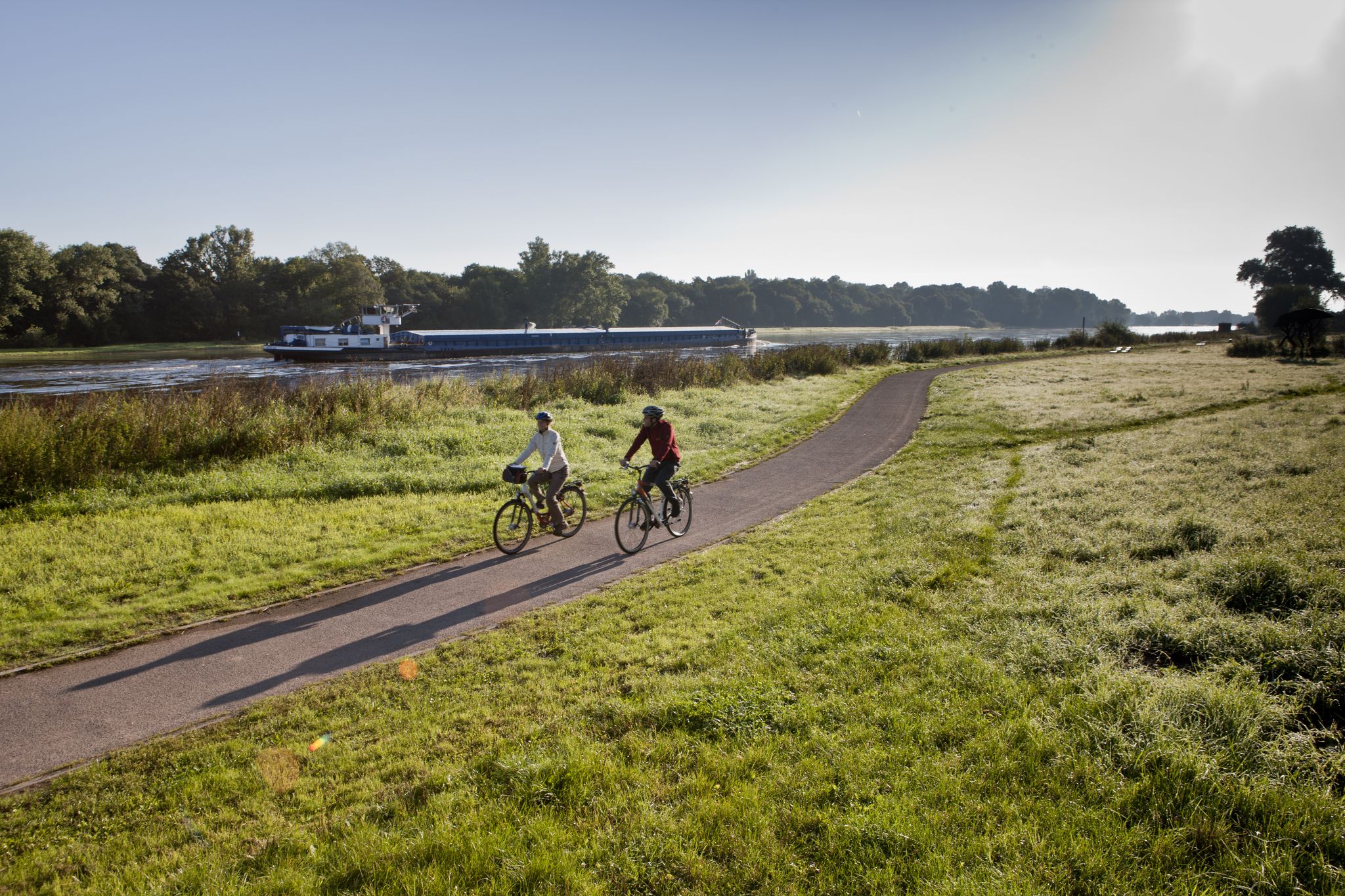
Elbe Cycle Route – Ride through Saxony-Anhalt
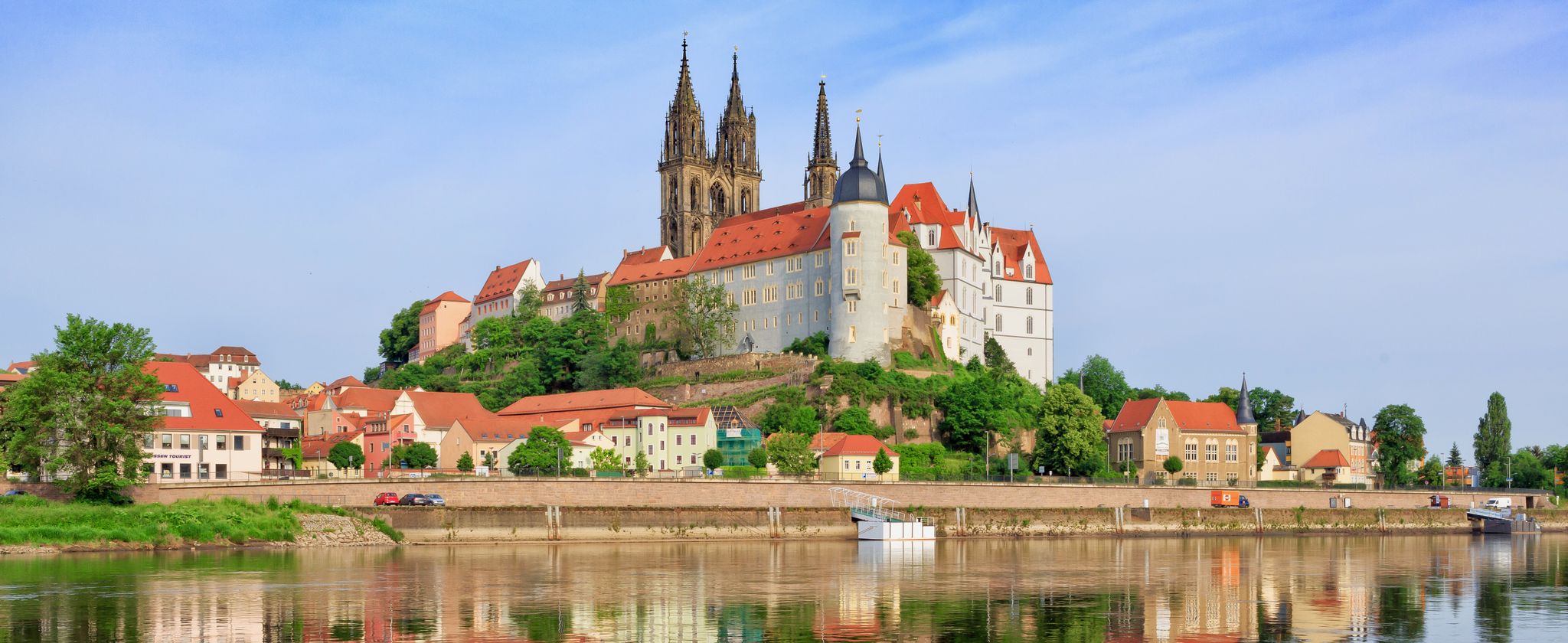
The Elbe Cycle Path — cross-border cycling pleasure
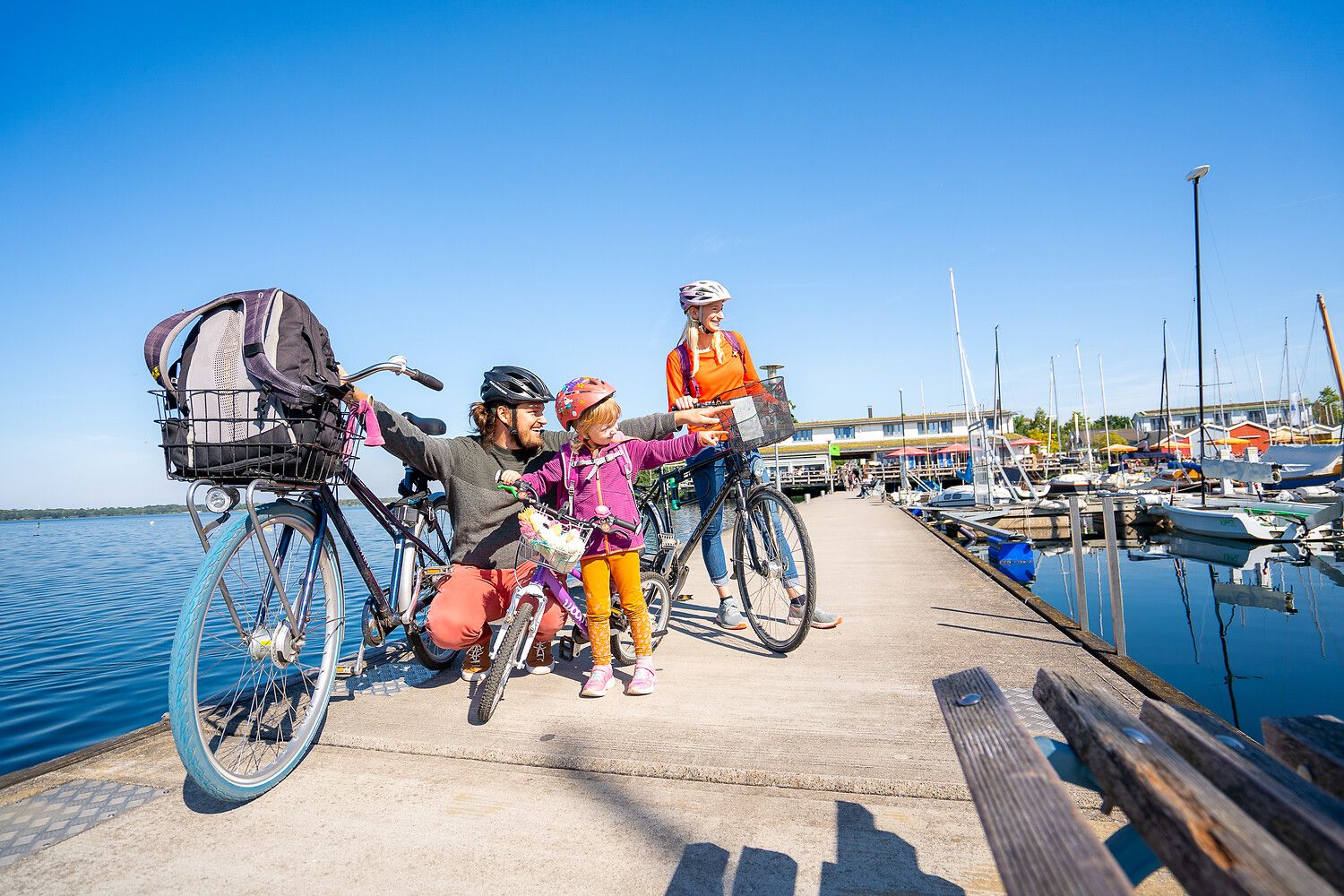
Lake views and fresh air – cycling by the water in the Leipzig region
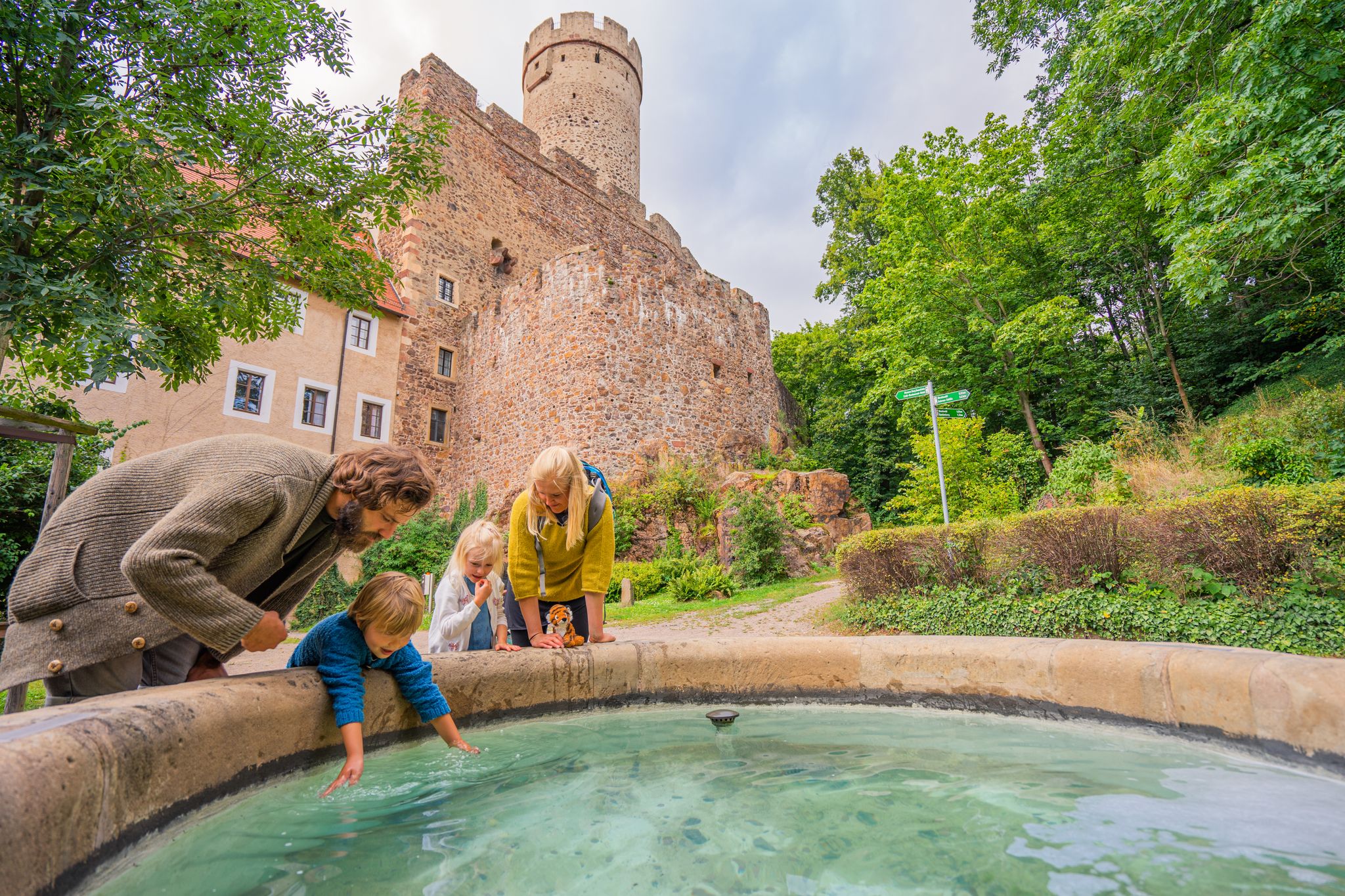
Time for little adventures – family hikes in the Leipzig region
The National Natural Landscapes in Saxony-Anhalt
The National Natural Landscapes in Saxony
Walking and Wellness – spa towns in the Leipzig area
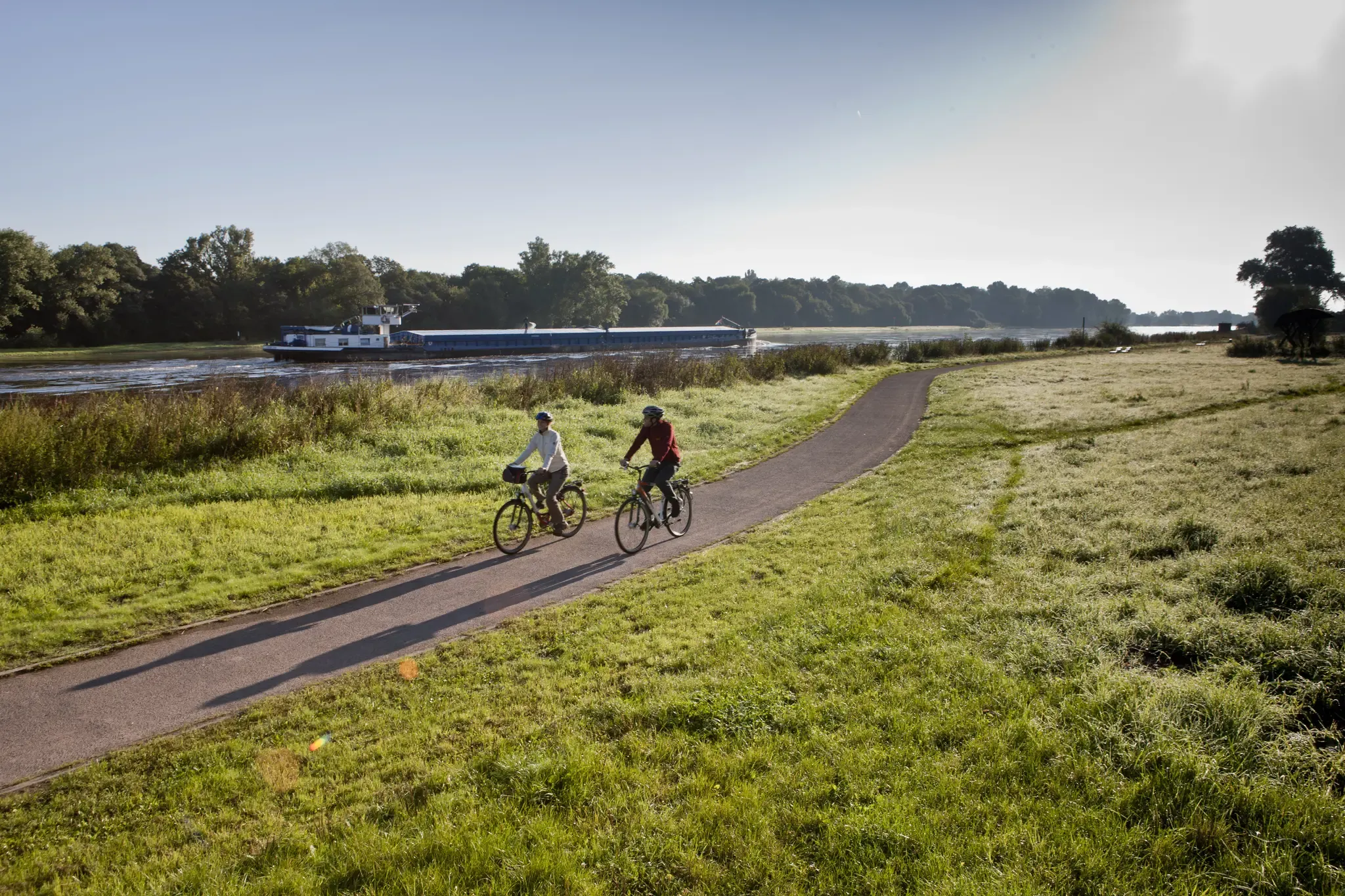
Ride the Elbe Cycle Route through Saxony-Anhalt
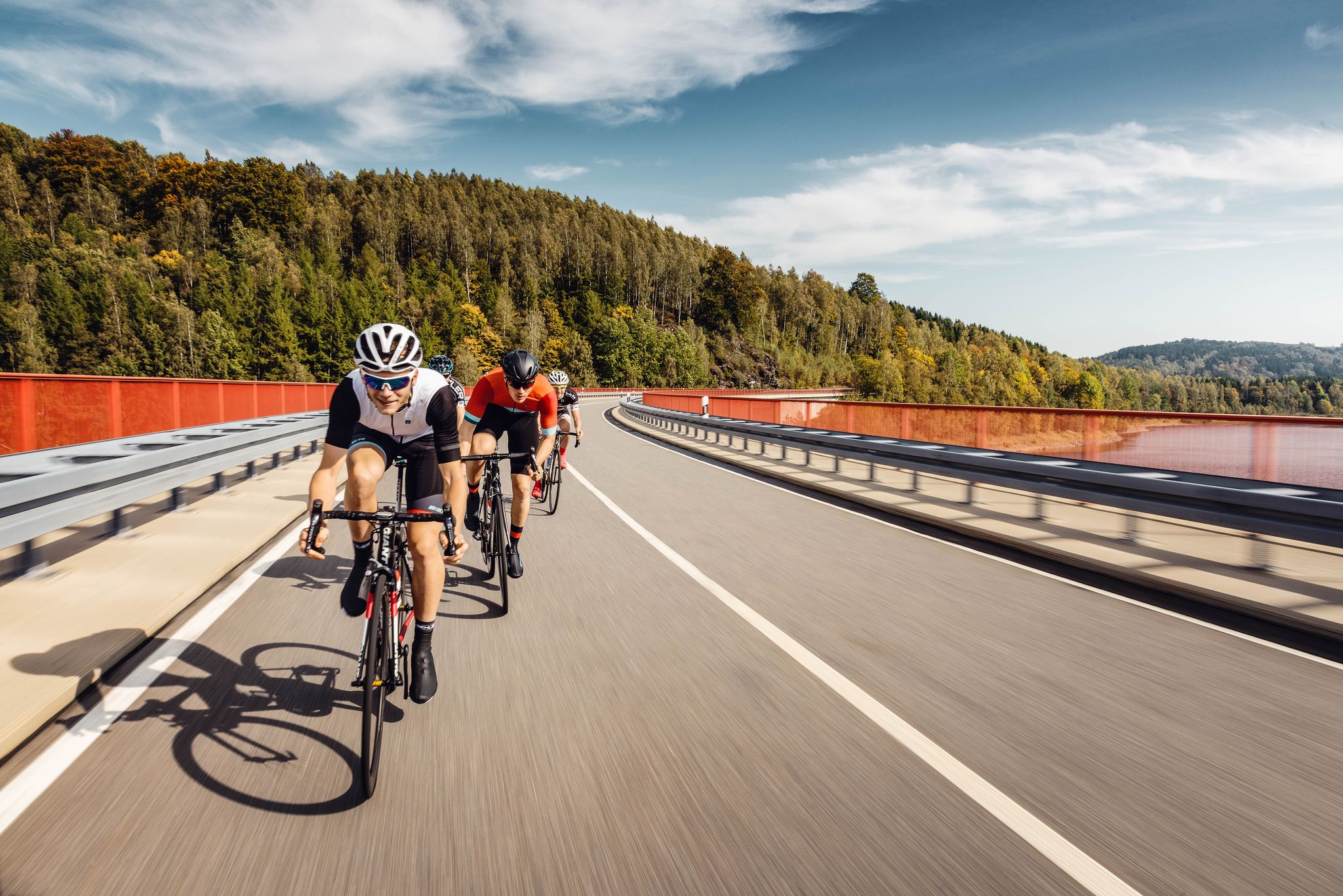
Pure road and gravel riding joy through Saxony
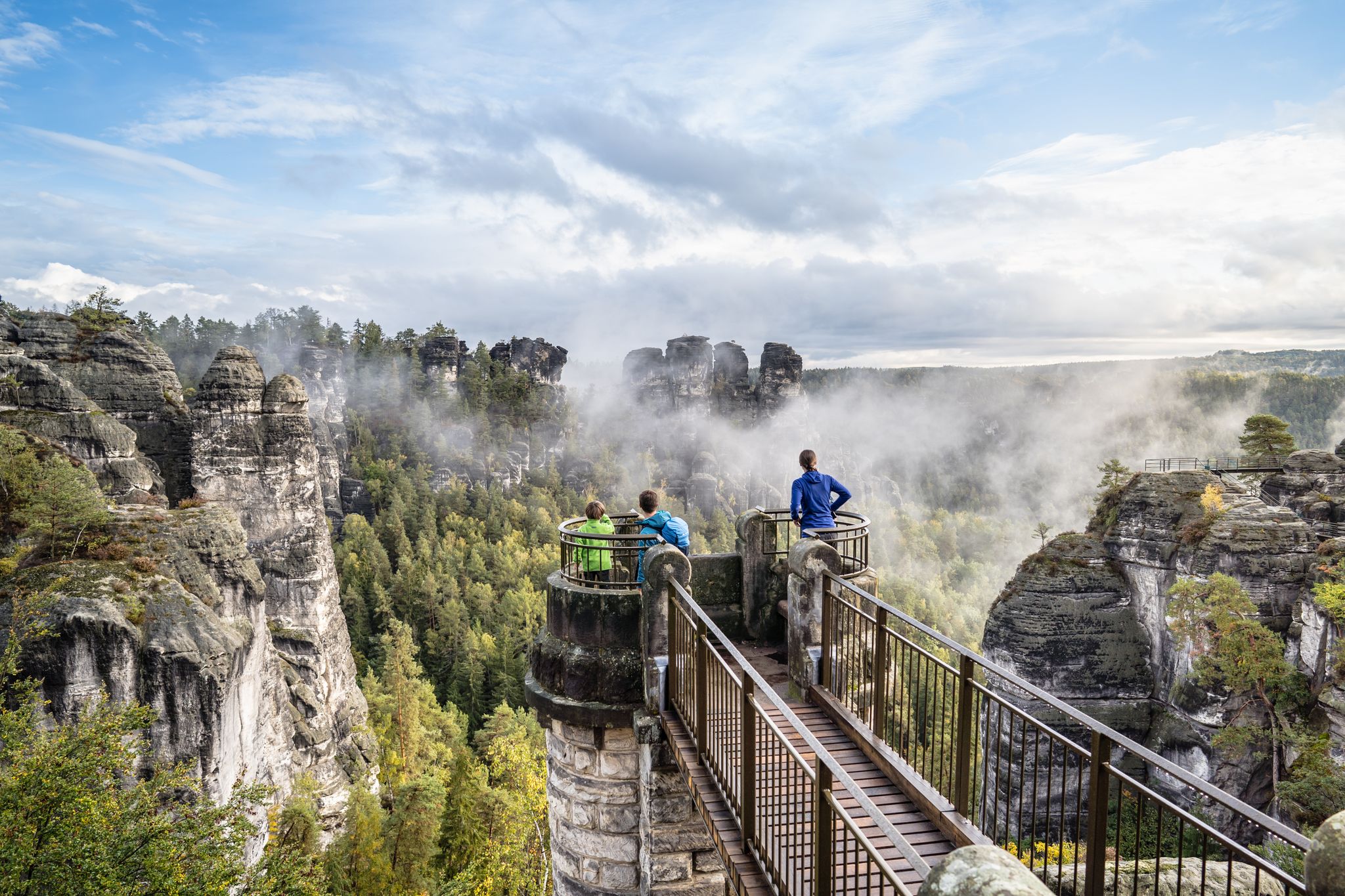
Natural wonders of Saxony – hiking with the wow factor
Other adventures in Nordsachsen


Tips from the Community

Today, an developed network of cycle paths and hiking trails with viewing platforms and information boards on the formation of the landscape extends along the Neuhäuser See. The 120 km long Kohle-Dampf-Licht cycle path from Lutherstadt Wittenberg to Markkleeberg passes by the lake. Source https://de.wikipedia.org/wiki/Neuh%C3%A4user_See
1
0
In the mid-19th century, the first mining activities began in the southwest of Goitzsche, near the villages of Petersroda and Holzweißig.[3] Following the lignite seam, mining progressed from west to east. Favored by the opening of the current Magdeburg–Leipzig and Trebnitz–Leipzig railway lines, the sales market for lignite expanded to Halle and Leipzig, among other places. The increased demand for electrical energy and fossil fuels in the 19th and 20th centuries led in 1908 to the opening of the Leopold open-cast mine (from 1945 to 1962 Holzweißig–Ost) and in 1958 to the creation of the Holzweißig-West open-cast mine.[3] The Neuhäuser See originated from the former Holzweißig-West lignite open-cast mine. It is named after the Neuhaus estate, which was demolished in 1976 along with the village of Paupitzsch. The Holzweißig-West open-cast mine was operated from 1958 to 1980. Other sources report usage until 1991. The lake was flooded from 1993 to 2005.[1] Overflowing water is channeled via the Goitzsche into the Mulde. Since 1997, the area has been renatured and stable embankments have been created. Source https://de.wikipedia.org/wiki/Neuh%C3%A4user_See
1
0
The Neuhäuser See is located on the northwestern border of the Free State of Saxony with Saxony-Anhalt, at an altitude of about 78 m above sea level. NN. South of the lake is Benndorf, a district of the North Saxon district town of Delitzsch, and to the north is the unified municipality of Bitterfeld-Wolfen in Saxony-Anhalt. It is located in the Central German Lake District, south of the Großer Goitzschesee and the waters Ludwigsee and Paupitzscher See. Quelle https://de.wikipedia.org/wiki/Neuh%C3%A4user_See
1
0
The Neuhäuser See (also Neuhauser See) is an opencast mine residual lake of approximately 155 hectares, which was created by flooding the former Holzweißig-West opencast mine. The lake is located in the Central German Lake District, south of the Goitzsche nature reserve and north of the town of Delitzsch. Source https://de.wikipedia.org/wiki/Neuh%C3%A4user_See
1
0
Definitely worth seeing
1
0
More info at https://biedermeierstrand.de/
5
0

The lakeside stage is also located here, and concerts, etc., are regularly held. Therefore, there is, of course, also a nice parking lot.
3
0
Frequently Asked Questions
What historical landmarks can I explore in Nordsachsen?
Nordsachsen is rich in history, featuring several impressive castles and historical sites. A must-see is Hartenfels Castle in Torgau, a Renaissance masterpiece significant to the Reformation. Other notable historical sites include Barockschloss Delitzsch, Schloss Hubertusburg in Wermsdorf, and the partially restored Schloss Dahlen. You can also visit the historic towers of Delitzsch or the unique St. Aegidien Church in Oschatz with its tower keeper's residence.
Are there natural attractions or scenic viewpoints in Nordsachsen?
Yes, Nordsachsen offers diverse natural beauty. The Albert Tower on the Collmberg provides fantastic panoramic views from its 18-meter height. The region also features the fascinating Leipzig Neuseenland, a landscape of former open-cast mines now transformed into lakes. You can enjoy views of lakes like Schladitzer See from spots like Schäferhöhe, or explore the unique floodplains along the Mulde and Elbe rivers.
What kind of outdoor activities are popular in Nordsachsen?
The region is excellent for outdoor enthusiasts. You can find numerous cycling and hiking trails, especially in the Dübener Heide Nature Park, Dahlener Heide, and Wermsdorfer Wald. The Elbe Cycle Path also passes through Nordsachsen, offering scenic rides. For water sports, the many lakes like Schladitzer See and Werbeliner See are popular. You can find various routes for hiking and cycling in the area.
Are there family-friendly attractions in Nordsachsen?
Absolutely! Families can enjoy a variety of attractions. The Hartenfels Castle offers an engaging historical experience. For animal lovers, there's Tierpark Eilenburg and Delitzsch Zoo. The Gruna Ferry provides a unique, hand-operated river crossing experience, and the Döllnitzbahn, known as the 'Wilder Robert,' offers scenic narrow-gauge railway rides. Many lakes, like Schladitzer See with its Biedermeier Beach Hayna, are perfect for swimming and recreation.
Where can I learn about the industrial history of Nordsachsen?
To delve into the region's industrial past, visit the impressive Bucket wheel from the SRs 6300 excavator. This 17-meter-high, 180-ton paddle wheel is a striking remnant of a former open-cast mine, with other smaller components of the mining operation displayed nearby, offering a glimpse into the scale of past industrial activities.
What cultural experiences does Nordsachsen offer?
Nordsachsen boasts a rich cultural heritage. Torgau's Old Town is known for its historic architecture and its significance as a meeting point for Russian and US forces at the end of WWII. The region is also recognized as a 'Mühlenregion' (mill region), with various types of mills that you can explore, especially during the annual German Mill Day on Whit Monday. You can also visit the Torgau Stadtkirche St. Marien, a significant cultural landmark.
Are there any easy hiking trails suitable for beginners or families?
Yes, Nordsachsen has many easy hiking options. You can explore trails like the Grabschützer See nature trail, the Pressel Nature Trail, or the Eilenburg Planet Trail. These routes are generally flat and suitable for all ages. For more options, check out the easy hikes in Nordsachsen guide.
What are the best places for cycling in Nordsachsen?
Nordsachsen is a cyclist's paradise with a well-developed network of routes. The Elbe Cycle Path is a highlight, offering stunning views of castles like Hartenfels. You can also cycle around the many lakes, such as the Werbeliner See cycle path, or through the Dübener Heide Nature Park. There are various routes for all levels, including easy and moderate options, which you can find in the cycling in Nordsachsen guide.
Are there any attractions that are wheelchair accessible?
Yes, some attractions in Nordsachsen are designed to be accessible. For instance, the Mulde Bridge in Bad Düben is wheelchair accessible, offering pleasant views over the river. It's always recommended to check specific accessibility details for other sites before your visit.
What is the 'Mühlenregion' (mill region) in Nordsachsen?
Nordsachsen is known as a 'Mühlenregion' due to its numerous historical mills. These include post windmills, Dutch windmills, and watermills, showcasing traditional craftsmanship. Visitors can often learn about the old milling techniques, especially during the annual German Mill Day, which typically takes place on Whit Monday.
Can I enjoy water sports in Nordsachsen?
Yes, the region's many man-made lakes, such as Schladitzer See and Werbeliner See, are popular for various water sports and recreational activities. You can find opportunities for swimming, paddleboarding, and other water-based fun, particularly during the warmer months.
What is there to see in Torgau, the capital of Nordsachsen?
Torgau, the capital of Nordsachsen, is a town rich in history and architecture. Its historic town center is memorable, and it's home to the magnificent Hartenfels Castle, a key site of the Reformation. You can also see the architecturally impressive Elbe Gate of Hartenfels Castle and the Torgau Stadtkirche St. Marien.
Most popular routes in Nordsachsen
Most popular attractions in Nordsachsen

Get inspired with the komoot mobile app


Didn’t find what you were looking for?
Are you keen on exploring more awesome places nearby? Browse our guides:
Explore more
Still not found the Highlight you’re looking for? See guides of the top attractions in other regions:
