The best mountain hikes in Réserve Naturelle Régionale Du Massif De Saint-Barthélemy
4.5
(2)
13
hikers
2
hikes
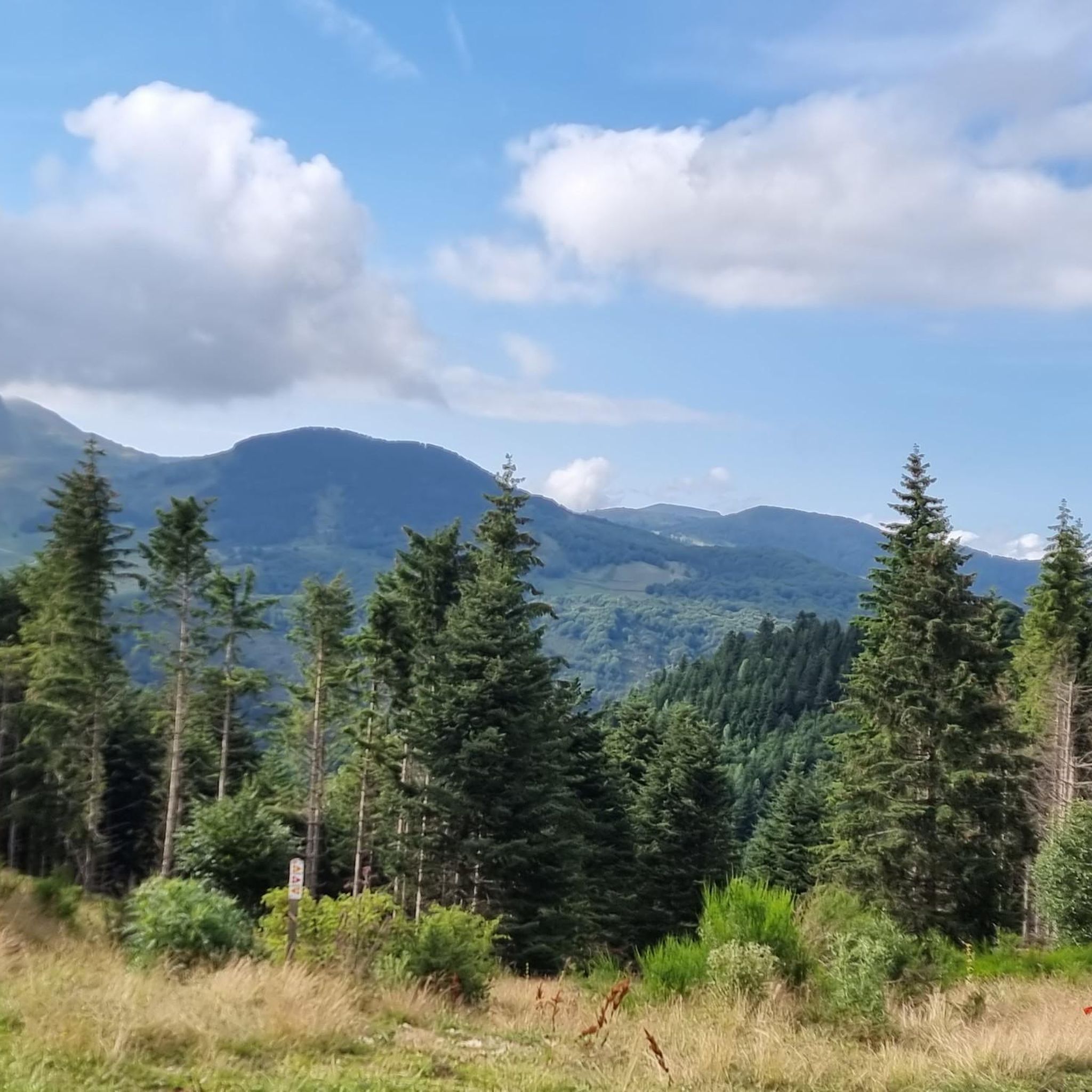
Mountaineering in Réserve Naturelle Régionale Du Massif De Saint-Barthélemy offers challenging routes through a rugged mountain landscape. The region is characterized by high peaks, alpine lakes, and forested slopes, providing varied terrain for experienced mountaineers. Routes often feature significant elevation gains and traverse mountain passes, offering expansive views of the surrounding massif.
Best mountaineering routes in Réserve Naturelle Régionale Du Massif De Saint-Barthélemy
- The most popular mountaineering route is Étang de Moulzoune – Étang du Diable loop from SN 1678…
Last updated: June 22, 2026
7
hikers
11.0km
05:32
900m
910m
Hard mountaineering route. Very good fitness required. Sure-footedness, sturdy shoes and alpine experience required.
5.0
(1)
4
hikers
12.5km
05:42
940m
940m
Hard mountaineering route. Very good fitness required. Sure-footedness, sturdy shoes and alpine experience required.

Sign up for free
4.0
(1)
2
hikers
14.8km
04:48
620m
630m
Moderate mountaineering route. Good fitness required. Mostly accessible paths. Sure-footedness required.
Our route recommendations are based on thousands of hikes, rides, and runs completed by other people on komoot.
Start today with a free account
Your next adventure awaits.
Login or Signup
Popular around Réserve Naturelle Régionale Du Massif De Saint-Barthélemy
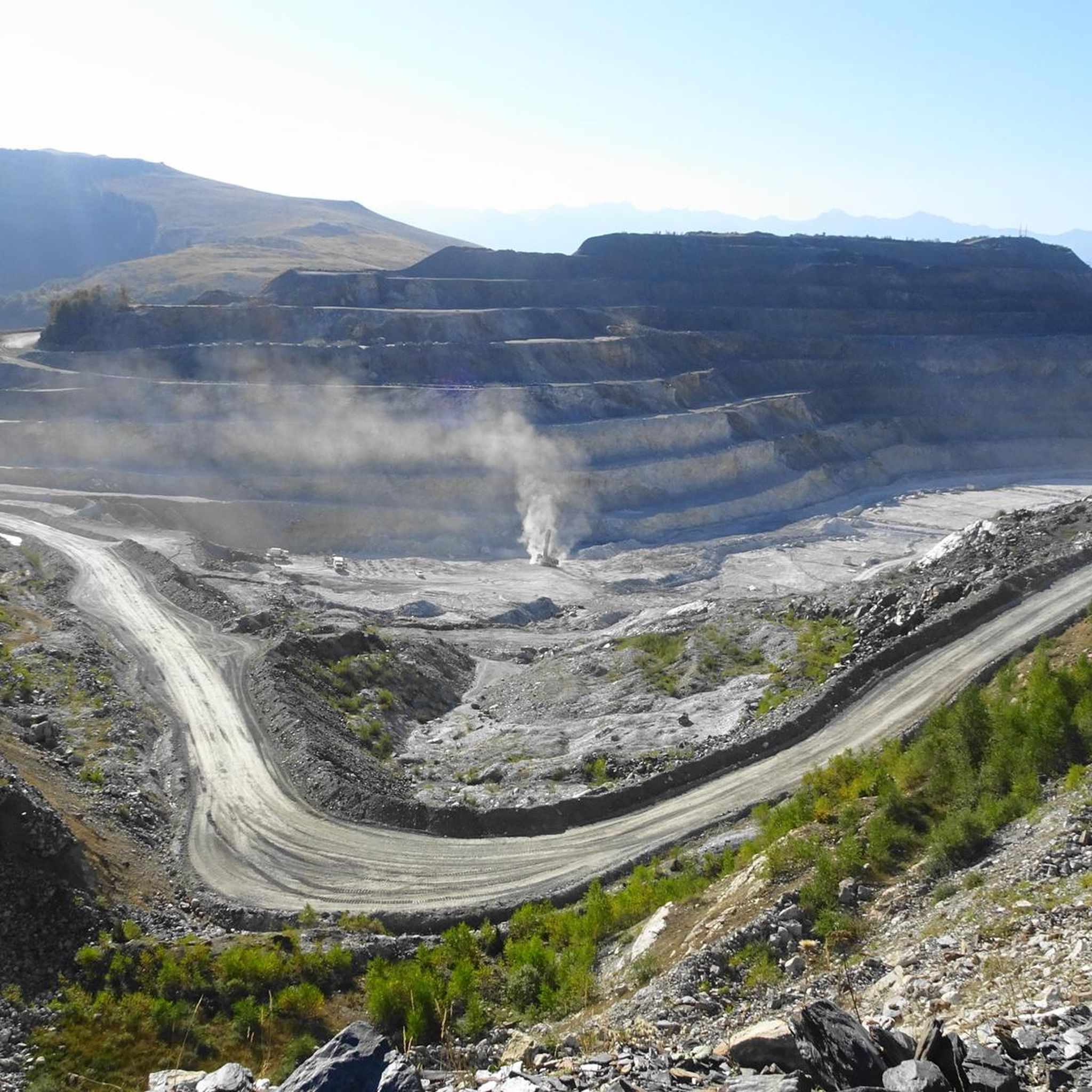
Road Cycling Routes in Réserve Naturelle Régionale Du Massif De Saint-Barthélemy
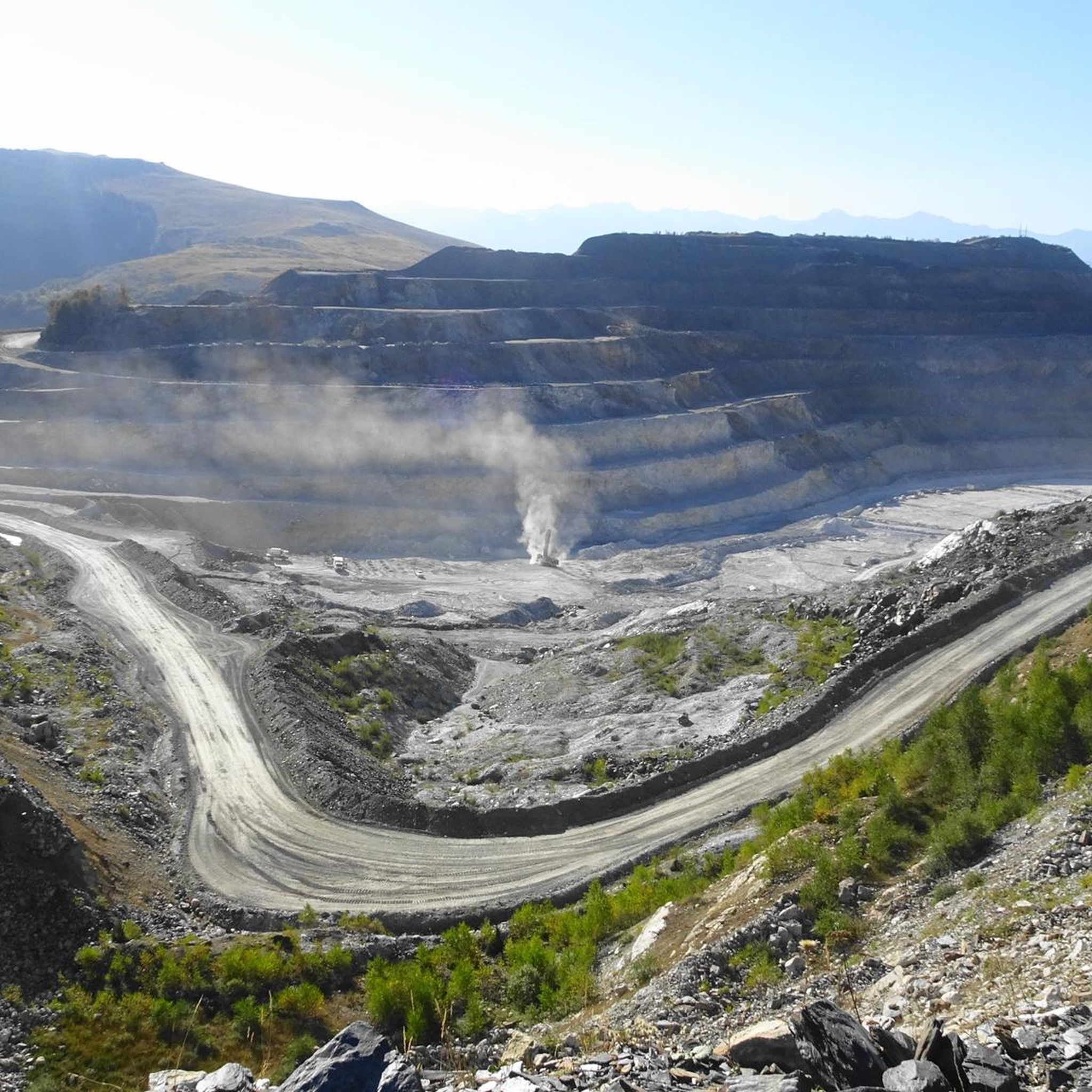
Hiking in Réserve Naturelle Régionale Du Massif De Saint-Barthélemy
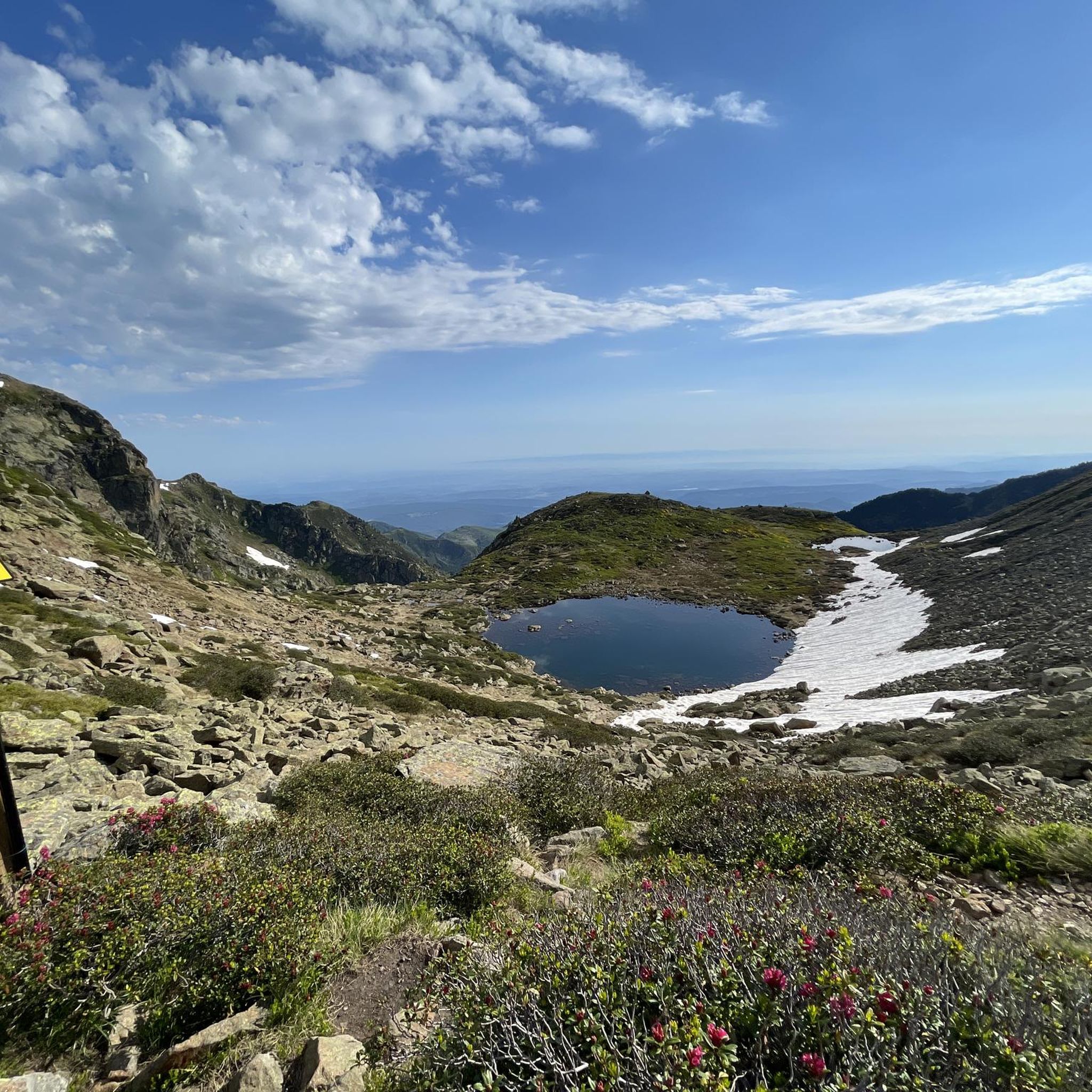
Cycling in Réserve Naturelle Régionale Du Massif De Saint-Barthélemy
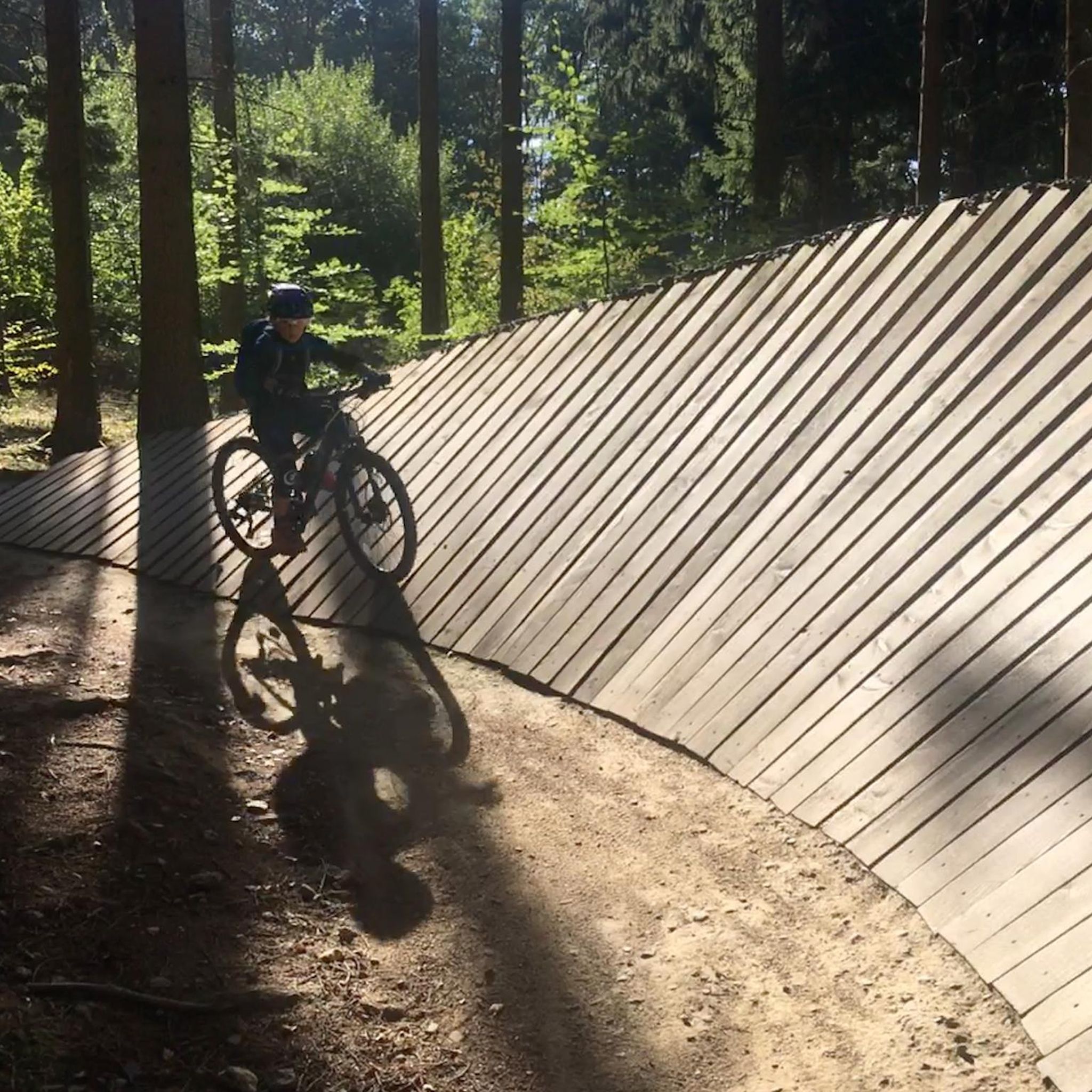
Running Trails in Réserve Naturelle Régionale Du Massif De Saint-Barthélemy
MTB Trails in Réserve Naturelle Régionale Du Massif De Saint-Barthélemy
Tips from the Community

A must-see in Ariège that you should do at least once in your life. The view of the various mountain ranges is splendid.
0
0

Be careful, expert route but what a view
0
0

Château de Montaillou is a former fortified castle from the 13th century and overlooks the village and its surroundings
9
0
At approximately 1680 meters, it's the starting point for hikes, ski tours, and cycling. The highest point of this charming ski area is 1850 meters.
12
0
Château de Montaillou is a world-famous former fortified castle from the 13th century, the ruins of which were declared a monument by decree on December 21, 1984. The remains of the keep and the fortress are located on a hill overlooking
19
0


The Château de Montaillou is located in Ariège. It is a medieval fortress already documented in the 13th century which is today in a state of ruin. Located on a slope of Mount Allion, three walls and other vestiges of this construction are still preserved.
5
0
Montaillou Castle is located in the French department of Ariège. It is a medieval fortress already documented in the 13th century, today in a state of ruin. Located on a slope of Mount Allion, three walls and other vestiges of this construction are still preserved.
2
0
Frequently Asked Questions
What kind of difficulty can I expect from mountaineering routes in Réserve Naturelle Régionale Du Massif De Saint-Barthélemy?
The routes in Réserve Naturelle Régionale Du Massif De Saint-Barthélemy are predominantly challenging. Most of the available mountaineering tours are rated as difficult, featuring significant elevation gains and rugged terrain. There is one moderate route, the Quercourt Rock – Montaillou Castle loop from Camurac, which still requires a good level of fitness.
Are there any beginner-friendly mountaineering routes in Réserve Naturelle Régionale Du Massif De Saint-Barthélemy?
Mountaineering in Réserve Naturelle Régionale Du Massif De Saint-Barthélemy is generally geared towards experienced individuals due to the challenging nature of the terrain and significant elevation changes. While there is one moderate route, the Quercourt Rock – Montaillou Castle loop from Camurac, true beginner-level mountaineering routes are not a primary feature of this specific area.
How long do mountaineering routes typically take in Réserve Naturelle Régionale Du Massif De Saint-Barthélemy?
The duration of mountaineering routes in the region varies depending on the specific trail and your pace. For example, the difficult Étang de Moulzoune – Étang du Diable loop from SN 1678 typically takes around 6 hours and 50 minutes to complete, while the Mont d'Olmes loop from Les Monts d'Olmes can be completed in about 4 hours.
Where are the main trailheads for mountaineering in Réserve Naturelle Régionale Du Massif De Saint-Barthélemy?
Common starting points for mountaineering routes include areas near SN 1678 for trails like the Étang de Moulzoune – Étang du Diable loop, and Les Monts d'Olmes for routes such as the Mont d'Olmes loop. Another trailhead can be found near Camurac, which is the starting point for the Quercourt Rock – Montaillou Castle loop.
Are permits required for mountaineering in Réserve Naturelle Régionale Du Massif De Saint-Barthélemy?
Generally, permits are not required for day mountaineering in Réserve Naturelle Régionale Du Massif De Saint-Barthélemy. However, it's always advisable to check local regulations, especially if you plan to camp or engage in specific activities within the nature reserve. Always respect protected areas and follow any posted guidelines.
What is the best time of year for mountaineering in Réserve Naturelle Régionale Du Massif De Saint-Barthélemy?
The best time for mountaineering in Réserve Naturelle Régionale Du Massif De Saint-Barthélemy is typically from late spring to early autumn (June to September). During these months, the weather is generally more stable, and trails are free of snow at lower to mid-altitudes. Always check the local weather forecast before heading out, as conditions can change rapidly in the mountains.
Are there any circular mountaineering routes in Réserve Naturelle Régionale Du Massif De Saint-Barthélemy?
Yes, several popular mountaineering routes in the region are circular, allowing you to return to your starting point without retracing your steps. Examples include the challenging Étang de Moulzoune – Étang du Diable loop from SN 1678 and the Mont d'Olmes loop from Les Monts d'Olmes.
What are some notable natural features or landmarks I might see along the mountaineering routes?
Mountaineering routes in Réserve Naturelle Régionale Du Massif De Saint-Barthélemy offer stunning natural scenery. You can expect to encounter beautiful alpine lakes, such as Étang de Moulzoune and Étang du Diable, which are featured on the Étang de Moulzoune – Étang du Diable loop. High peaks like Mont d'Olmes provide panoramic views, and you might also pass through historic sites like Montaillou Castle on the Quercourt Rock – Montaillou Castle loop.
What do other mountaineers enjoy most about the routes in Réserve Naturelle Régionale Du Massif De Saint-Barthélemy?
The area is highly rated by the komoot community, with an average score of 4.3 stars. Reviewers often praise the challenging ascents, the rewarding panoramic views from high peaks, and the serene beauty of the alpine lakes. The rugged and varied terrain provides a true mountaineering experience for those seeking adventure.
Is Réserve Naturelle Régionale Du Massif De Saint-Barthélemy suitable for winter mountaineering?
Winter mountaineering in Réserve Naturelle Régionale Du Massif De Saint-Barthélemy is possible but requires advanced skills, proper equipment (such as crampons, ice axe, and avalanche safety gear), and a thorough understanding of avalanche risks. Many trails become significantly more challenging and potentially dangerous due to snow and ice. It is recommended only for highly experienced mountaineers.
Are there any specific safety considerations for mountaineering in this region?
Given the difficult nature of the routes, safety is paramount. Always carry appropriate gear, including navigation tools, sufficient water and food, and layers of clothing. Be prepared for rapid weather changes, and inform someone of your planned route and expected return time. Some routes involve significant exposure and steep sections, requiring careful footing and experience.
Can I bring my dog on the mountaineering trails in Réserve Naturelle Régionale Du Massif De Saint-Barthélemy?
While many natural areas in France are dog-friendly, specific regulations can apply within a Regional Nature Reserve. It's best to check with the local park authority for the most current rules regarding dogs on trails, especially concerning leash requirements and restricted areas to protect wildlife. Always ensure your dog is well-behaved and capable of handling challenging mountain terrain.
Most popular routes in Réserve Naturelle Régionale Du Massif De Saint-Barthélemy

Get inspired with the komoot mobile app


Explore more
Browse the best Mountain Hikes & Routes in other regions.
