Top 20 Castles in Rems-Murr-Kreis
Best castles in Rems-Murr-Kreis are found amidst the diverse landscapes of Baden-Württemberg, Germany. This region features a variety of historical castles and ruins, from well-preserved landmarks to evocative remnants set within picturesque vineyards and valleys. The area's rich past is reflected in its medieval fortifications, Baroque residences, and water castles. Visitors can explore sites offering views over the Murr and Rems Valleys, providing insights into the region's cultural heritage.
Best castles in Rems-Murr-Kreis
- The most popular castles is Yburg castle…
Last updated: September 26, 2026
Yburg castle ruins (Kernen-Stetten)
Highlight • Castle
Translated by Google •
Tip by

Kappelberg Castle Ruins
Highlight • Castle
Translated by Google •
Tip by

Sign up now to discover places like this
Get recommendations on the best single tracks, peaks, & plenty of other exciting outdoor places.
Reichenberg Castle
Highlight • Castle
Translated by Google •
Tip by

Spirit of wine sculpture at the Y-Burg (r)
Highlight • Monument
Translated by Google •
Tip by

Burg Bürg (Altwinnenden Castle)
Highlight • Castle
In the first …
Translated by Google •
Tip by

Ruins of Wart Castle and Warthof Forestry Station
Highlight • Castle
Translated by Google •
Tip by

Oppenweiler Moated Castle
Highlight • Castle
Translated by Google •
Tip by

Winnenden Castle
Highlight • Castle
Translated by Google •
Tip by

Waldenstein Castle
Highlight • Castle
Translated by Google •
Tip by

Schloss Sulzbach
Highlight • Castle
Translated by Google •
Tip by

Sign up for free to discover even more castles in Rems-Murr-Kreis.
Already have an account?
Start today with a free account
Your next adventure awaits.
Popular around Rems-Murr-Kreis
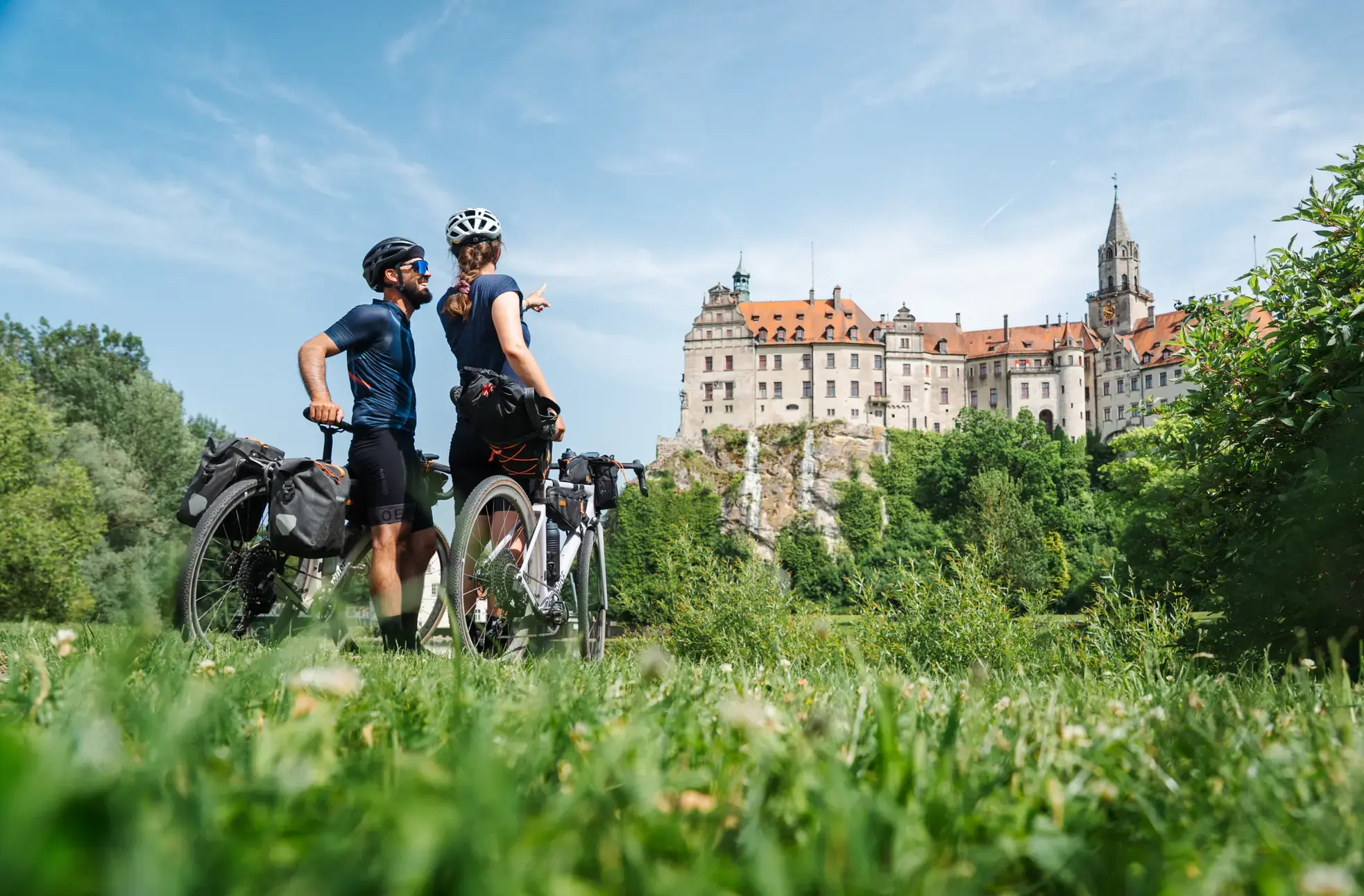
Castles, Alps and Lake Constance – gravel days on the Hohenzollern Cycle Route
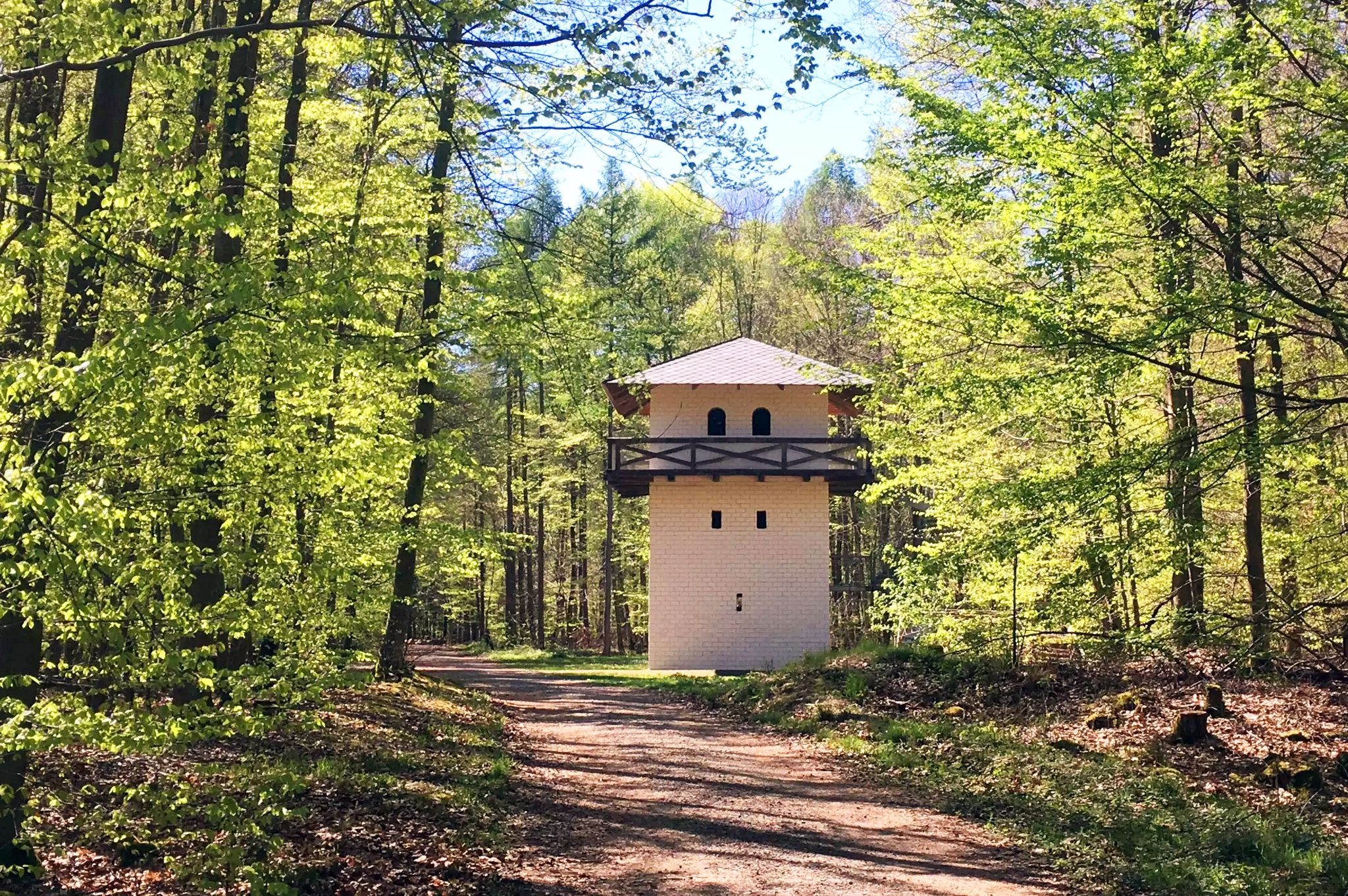
German Limes Cycle Path – Riding from the Rhine to the Danube
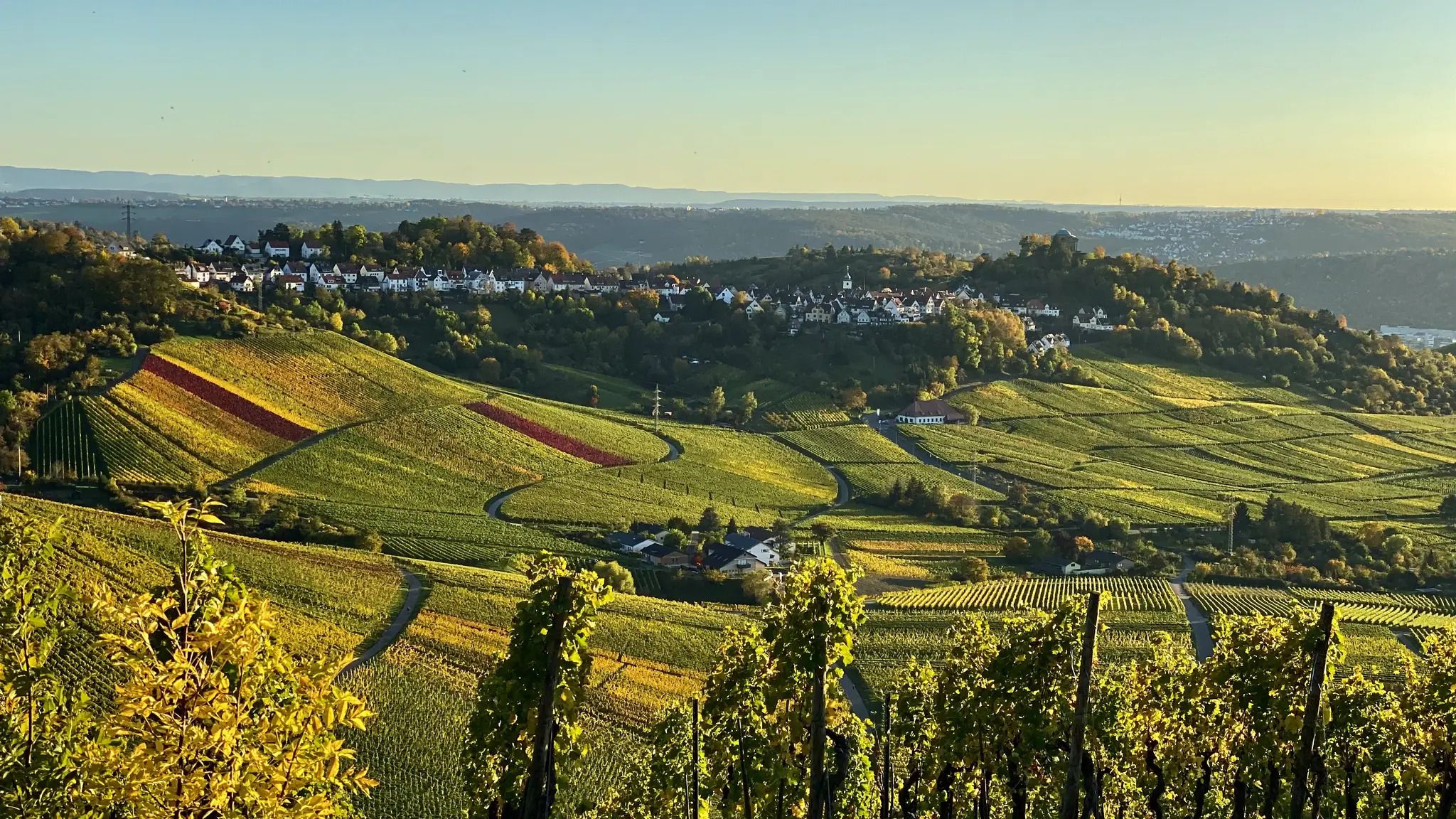
Rems Valley Trail near Stuttgart – Endlessly beautiful 11 stages
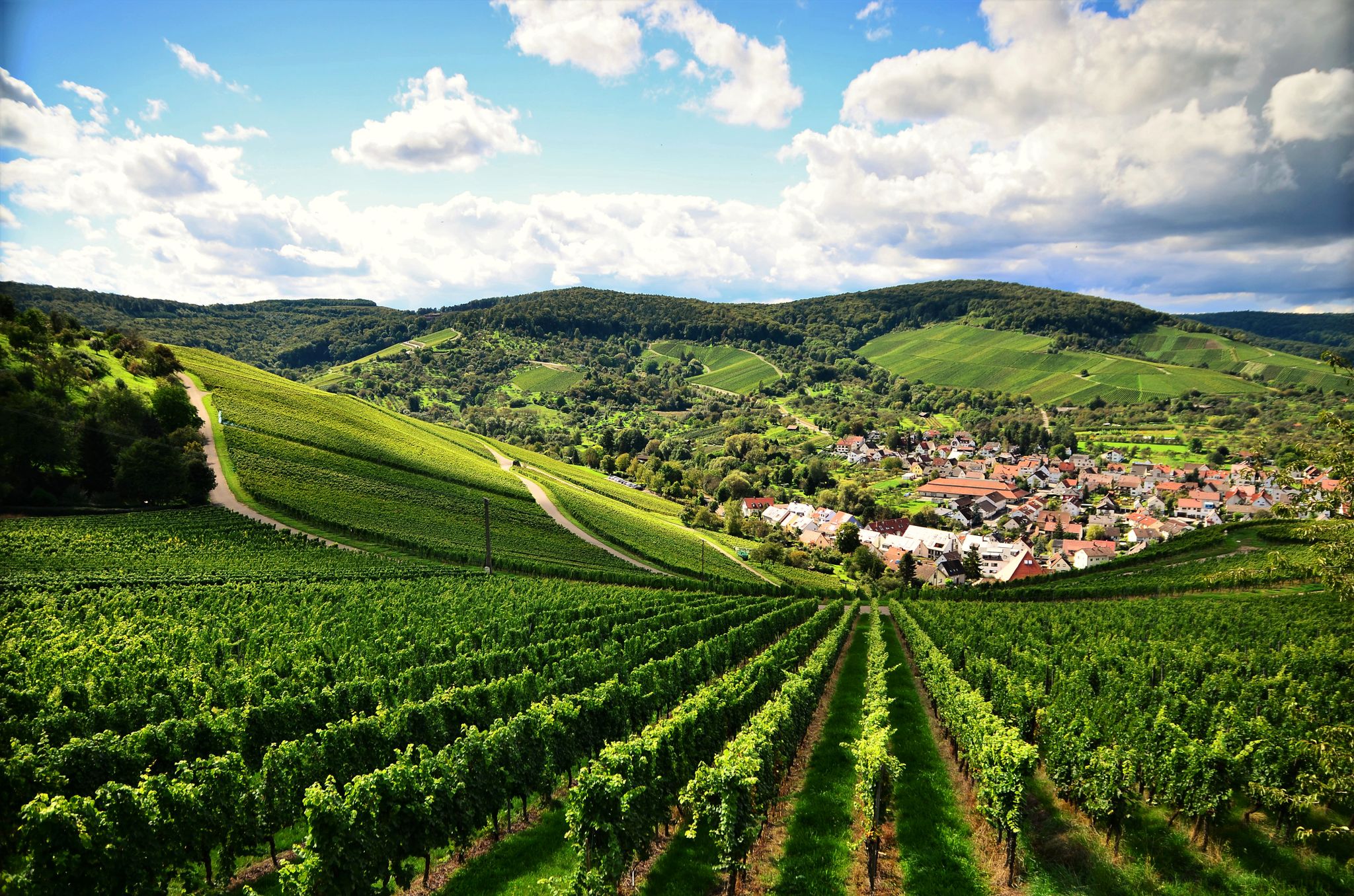
The Remstal cycle path – Nature, timber frame and the Limes
The Stromberg Murrtal Bike Path – 7 stages of nature and culture
The state from above: 7 Summits of Baden-Württemberg
Discover Stuttgart's surroundings – main route of the Stuttgart E-Bike region
The National Natural Landscapes in Baden-Württemberg

Hiking in the Remstal – digital hiking badges for real adventures
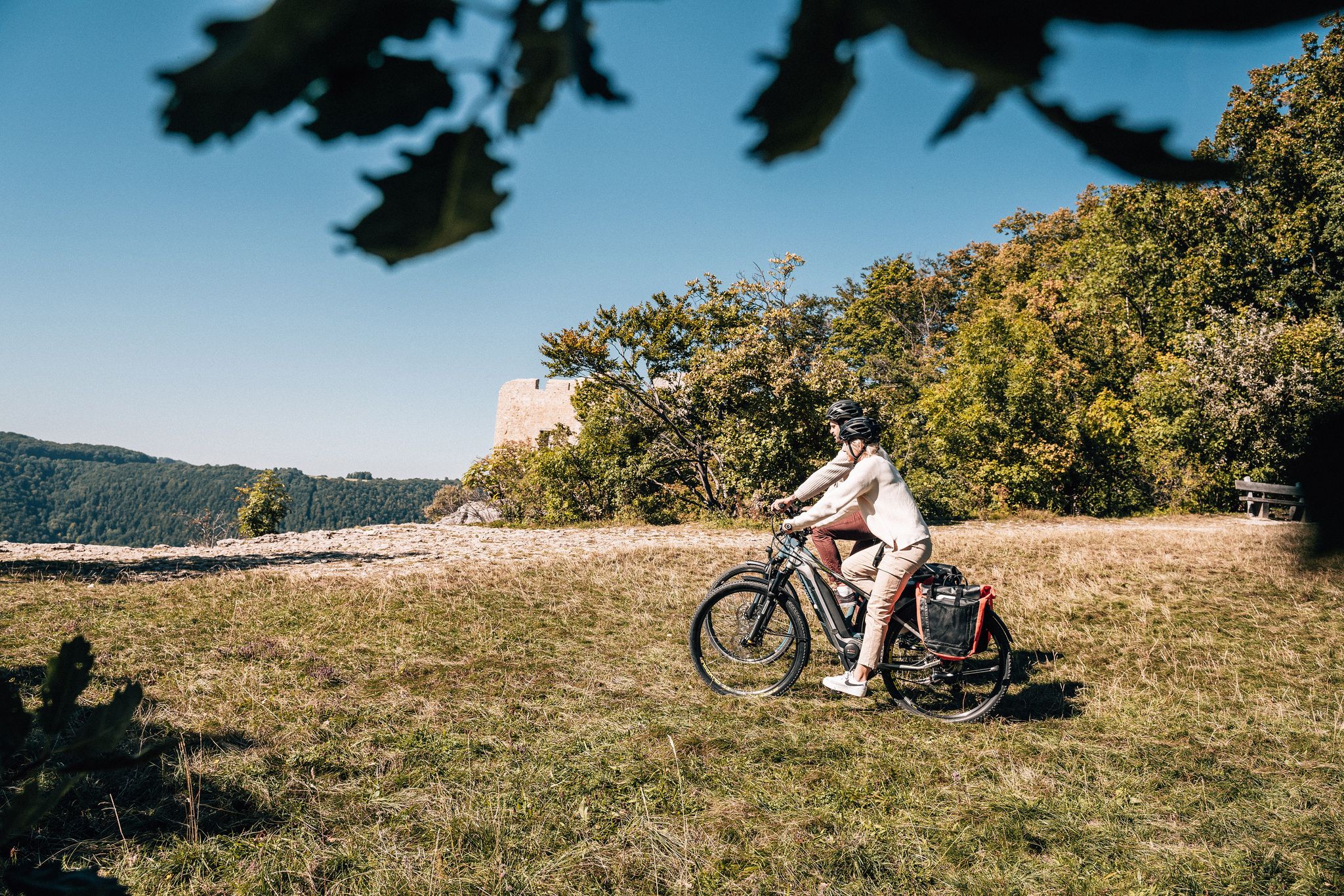
Breathe in the mountain air – long-distance cycle paths in the Swabian Alb
Other adventures in Rems-Murr-Kreis


Tips from the Community

Burg Waldenstein is the historical ruin of a spur castle in the Waldenstein district of the municipality of Rudersberg in the Rems-Murr district (Baden-Württemberg). It is located in the scenically shaped Wieslauf valley in the Swabian Jura and is today used as a Hotel Garni & Eventlocation.🏰 History of the Castle Construction: The complex was built before 1251 and initially served as the residence of Staufen imperial ministeriales.
0
0

Training center of Forst BW with integrated old castle wall
0
0

The 23-meter-high defense tower remains the only remnant of the former Bürg castle. The castle was built in 1181 by Gottfried von Winnenden on a spur of the mountain.
0
0

Interesting tower with traditional craftsmanship
0
0

Yburg Castle can be seen from afar. The landmark of the Stetten district is idyllically situated among the vineyards and was built between 1300 and 1310 by the Truchsessen (stewards) of Stetten and their cousins from Y-Berg. However, the builders did not complete the project. In 1760, the castle complex was demolished, except for the outer walls that are still visible today. Yburg Castle has been inhabited again since April 2011. The 15 bronze sculptures, which create a unique art experience at this prominent location, attract art lovers from all over Germany to the hillside setting.
7
0
Bürg Castle, Winnenden Of the former Bürg Castle, the 23-meter-high keep remains, visible from afar. Gottfried von Winnenden had it built in 1181 on the commanding promontory. The once mighty castle complex of Alt-Winnenden fell into ruin during the 15th century and was demolished in 1538, except for the keep. The Bürg district now occupies the site of the castle.
0
0
Where only remnants of walls can be seen today, the ancestral castle of the Württemberg dynasty once stood, before they moved to a newly built castle on the eponymous Wirtemberg hill near Stuttgart at the end of the 11th century. The complex was probably built around the year 1000 and is now one of the most important historical sites in the region. During vineyard consolidation work in the mid-20th century, the castle ruins were rediscovered and excavated.
3
0
Situated in a scenic location (390 m above sea level), Waldenstein Castle dominates the beautiful Wieslauf Valley. The castle, with its walls up to 3 m thick, suggests a certain importance in earlier times. The property and the surrounding area belonged to the Hohenstaufen dynasty; when Württemberg assumed control is unknown. However, Count Ulrich I of Württemberg appears to have been the overlord of the castle as early as 1251. Around 1420, Waldenstein Castle was then described as the property of Württemberg, which, however, frequently mortgaged its bailiwick. After the Rudersberg district was established, Count Ulrich V granted Waldenstein Castle, including gardens, meadows, pastures, and fishing waters, to his court master, Antony von Emershofen, in 1456. The feudal services were the responsibility of the surrounding villages such as Schlechtbach, Steinenberg, Rudersberg, and Michelau, which redeemed themselves for 720 guilders in 1590. The Emershofen family remained on the Waldenstein for over a hundred years. Hans and Gerung von Emershofen are known by name. The latter was the bailiff of Winnenden and stabbed a farmer while trading oats. After this crime, he fled to the commandery of the Teutonic Order in Winnenden. The sub-bailiff of Schorndorf then took over the property. In 1551, Duke Christoph enfeoffed Chr. Waldauf, already known as Christoph von Waldenstein, with the Waldenstein, who was succeeded by his son in 1571. Around 1586, we encounter a line of the von Gaisberg family. In the 17th century, the von Göllnitz family acquired the estate, and in 1761, the widow of the court physician Riecke of Stuttgart owned it as a Kunkellehen. In 1792, the property was sold by the Chamber Clerk's Office to the municipality of Rudersberg. Some of the noblemen who named themselves after the Waldenstein belonged to the class of dynasts. Special mention should be made of Konrad von Waldenstein, who was part of Count Ulrich II of Württemberg's entourage around 1720. The Lords of Gaisberg apparently owned Waldenstein only for a short time. The following episode is related to this noble family: At the end of the 16th century, the plague raged in Germany. Anna von Gaisberg, who had married a Baron von Holtz and was staying in Welzheim, wanted to escape the epidemic. She sought shelter at the castle with her parents, but was not allowed in for fear of bringing the terrible disease. On November 1, 1597, she gave birth to a boy outside the protective castle walls, near a well belonging to the castle – the later famous Generalfeldzeugmeister Georg Fr. von Holtz. Since the 17th century, representatives of the lower nobility and commoners were also enfeoffed with Waldenstein.
0
0
Frequently Asked Questions
What types of castles can I expect to find in Rems-Murr-Kreis?
The Rems-Murr-Kreis region features a diverse range of historical castles and ruins. You'll find elegant water castles like Oppenweiler Castle, well-preserved Romanesque fortifications such as Burg Reichenberg, and picturesque castle ruins nestled in vineyards, like Yburg castle ruins (Kernen-Stetten). Many have been adapted for modern use, serving as town halls, cultural centers, or even sanatoriums, while others remain evocative ruins amidst scenic landscapes.
Which castles offer the best views of the surrounding landscape?
Several castles in Rems-Murr-Kreis boast magnificent views. Yburg castle ruins (Kernen-Stetten) provides stunning panoramas over the Rems Valley and its vineyards. Burg Reichenberg offers impressive vistas across the Murr Valley. For views of the Welzheim Forest and the Wieslauf Valley, Waldenstein Castle is an excellent choice. Additionally, Kappelberg Castle Ruins (Burgruine Kappelberg) offers a wonderful view over Beutelsbach.
Are there family-friendly castles to visit in the region?
Yes, many castles in Rems-Murr-Kreis are suitable for families. The parks surrounding Wasserschloss Oppenweiler and Schloss Winnental are great for leisurely strolls. The Kappelberg Castle Ruins (Burgruine Kappelberg) are freely accessible and offer historical exploration. Waldenstein Castle also has a castle restaurant and beer garden, making it a pleasant stop for families.
Can I visit castles with a dog in Rems-Murr-Kreis?
While specific rules vary by location, generally, the outdoor areas and parks around castles like Wasserschloss Oppenweiler, Schloss Winnental, and the ruins such as Yburg castle ruins (Kernen-Stetten) and Kappelberg Castle Ruins (Burgruine Kappelberg) are dog-friendly, provided dogs are kept on a leash. Always check local signage for any restrictions, especially if entering buildings or specific park sections.
What outdoor activities can I combine with a castle visit in Rems-Murr-Kreis?
The region is excellent for combining castle visits with outdoor activities. You can find numerous hiking trails, such as those connecting to the Yburg castle ruins (Kernen-Stetten) via the Stettener Wine Trail. The Rems-Murr-Kreis also offers a variety of road cycling and gravel biking routes. For more detailed routes, explore the Hiking in Rems-Murr-Kreis, Road Cycling Routes in Rems-Murr-Kreis, and Gravel biking in Rems-Murr-Kreis guides.
Are there any castles with unique artistic or architectural features?
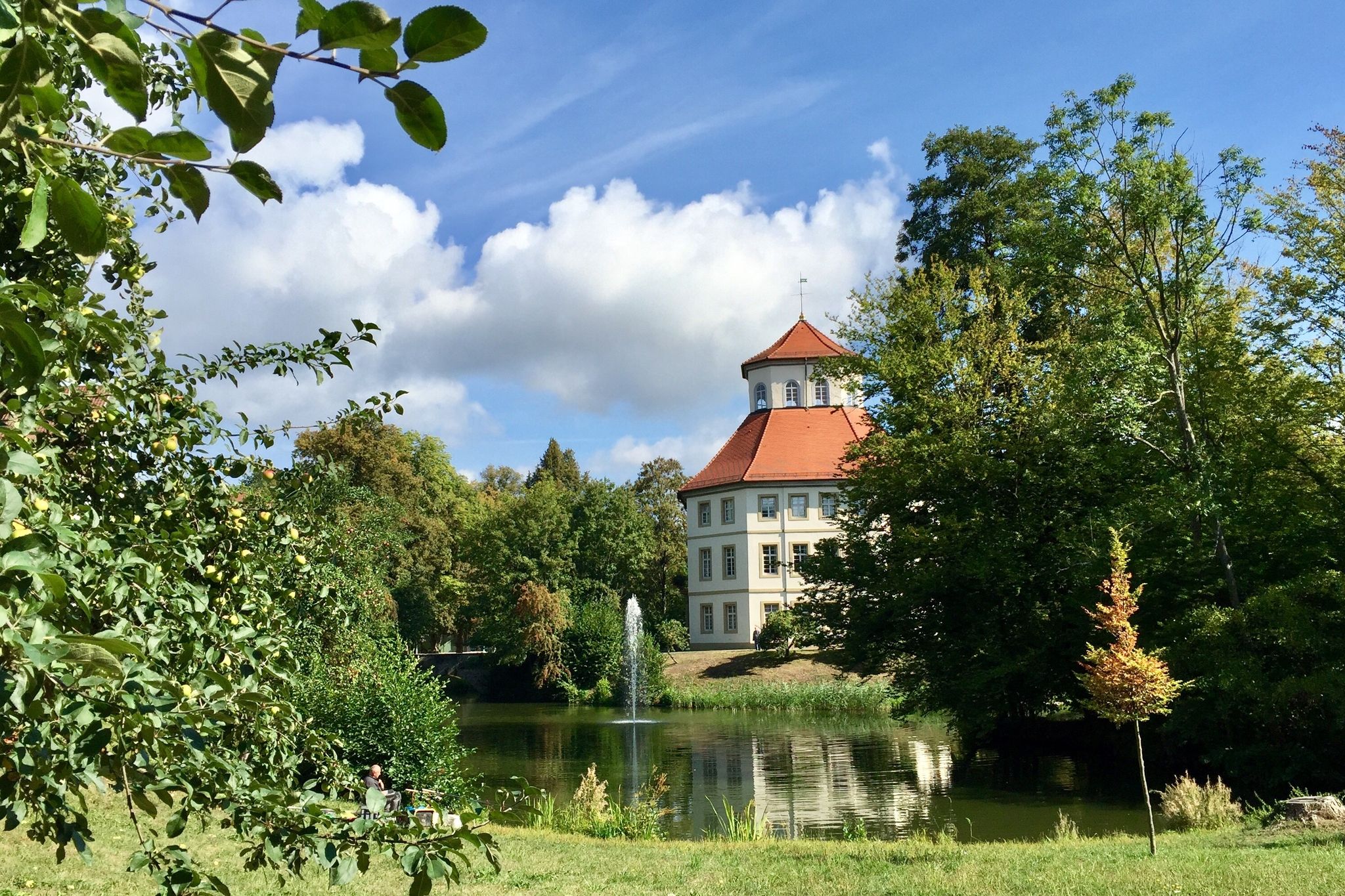
Absolutely. Wasserschloss Oppenweiler is an elegant, octagonal water castle built in the classical style with a columned portico and a beautifully landscaped park designed by Friedrich Ludwig von Sckell. The Yburg castle ruins (Kernen-Stetten) are notable for their unique combination of historic ruins and whimsical bronze sculptures by Karl Ulrich Nuss, creating a modern contrast. Burg Reichenberg is considered the best-preserved Romanesque castle in the region, featuring a 30-meter-high keep and mighty shield wall.
What is the historical significance of Burgruine Kappelberg?
Kappelberg Castle Ruins (Burgruine Kappelberg), also known as Burg Beutelsbach, is highly significant as the probable first ancestral seat of the Württemberg dynasty, dating back to the 11th century. It played a role in guarding the historic 'Kaiserstraße' and is also connected to the 'Armen Konrad' peasant uprising in 1514. Archaeological excavations have revealed important wall remnants, making it one of the most historically important sites in the country.
What is the current use of Schloss Winnental?
Schloss Winnental, originally built around 1300 by the Teutonic Order, has served as a sanatorium since 1834. Today, it houses the Klinikum Schloss Winnenden, a center for psychiatry. While the castle itself is not open for general tours, its beautiful Baroque park, featuring a pond, a monumental fountain, and the 'Mopsdenkmal' (Pug Monument), is open year-round for visitors to enjoy.
Are there cafes or restaurants near the castles?
Yes, some castles offer amenities. For instance, Waldenstein Castle hosts a popular castle restaurant, hotel, and beer garden with magnificent views. Schloss Lautereck, now a cultural center, may also have facilities for events. For other locations, you'll often find cafes and restaurants in the nearby towns and villages.
What is unique about Wasserschloss Oppenweiler?
Wasserschloss Oppenweiler is an elegant, octagonal water castle built in 1783, situated on an island within an artificial lake. It features a classical design with a columned portico and a coat of arms. Today, it serves as the town hall of Oppenweiler, making it one of the most beautiful administrative buildings in the state. Visitors can enjoy the surrounding park, designed by Friedrich Ludwig von Sckell, and occasionally attend art exhibitions or classical music concerts.
What is the best time of year to visit the castles in Rems-Murr-Kreis?
The castles in Rems-Murr-Kreis are enjoyable year-round, but spring and autumn offer particularly pleasant conditions. In spring, the parks and vineyards are in bloom, while autumn brings vibrant fall foliage, especially around sites like the Yburg castle ruins (Kernen-Stetten). Summer is ideal for combining visits with hiking or cycling, and many castle parks remain accessible in winter, offering a different, often serene, atmosphere.
Most popular routes in Rems-Murr-Kreis
Most popular attractions in Rems-Murr-Kreis

Get inspired with the komoot mobile app


Didn’t find what you were looking for?
Explore Rems-Murr-Kreis’s best castles region by region:
Explore more
Looking for the best castles somewhere else? Discover other guides in Rems-Murr-Kreis:
