The best cycling routes around Lupsault
4.7
(6)
30
riders
9
rides
Touring cycling around Lupsault offers routes through a tranquil rural commune in the Charente department of Nouvelle-Aquitaine, France. The area features a gentle topography, with plains in the north and east rising to a hill in the southwest, reaching 139 meters in the Bois de Lupsault. The landscape is characterized by Jurassic limestone, cultivated fields, vineyards for Cognac Fins Bois, and woodlands, drained by the Charente river basin. These features provide a varied backdrop for cycling, from open agricultural lands…
Last updated: November 17, 2026
11
riders
35.9km
02:49
300m
300m
Moderate bike ride. Good fitness required. Mostly paved surfaces.
4
riders
22.2km
01:20
140m
140m
Easy bike ride. Mostly paved surfaces.

5.0
(1)
3
riders
34.6km
02:09
260m
260m
Moderate bike ride. Good fitness required. Mostly paved surfaces.
5.0
(1)
2
riders
38.8km
02:19
250m
250m
Moderate bike ride. Good fitness required. Mostly paved surfaces.
5.0
(1)
2
riders
20.4km
01:15
110m
110m
Easy bike ride. Mostly paved surfaces.
Get access to more routes and recommendations from other explorers.
Already have an account?
Our route recommendations are based on thousands of hikes, rides, and runs completed by other people on komoot.
Start today with a free account
Your next adventure awaits.



Tips from the Community

A beautiful castle that can be visited. The friendly owner gave us a tour. There's a good infrastructure for cyclists, including a well-equipped workshop. All free of charge or in exchange for donations.
0
0

On the road leading west out of the village, crossing the Charente River towards La Terne, this bridge offers a clear view of the river and the riverside properties. A true postcard of the department and the river, if your route passes over this bridge.
0
0

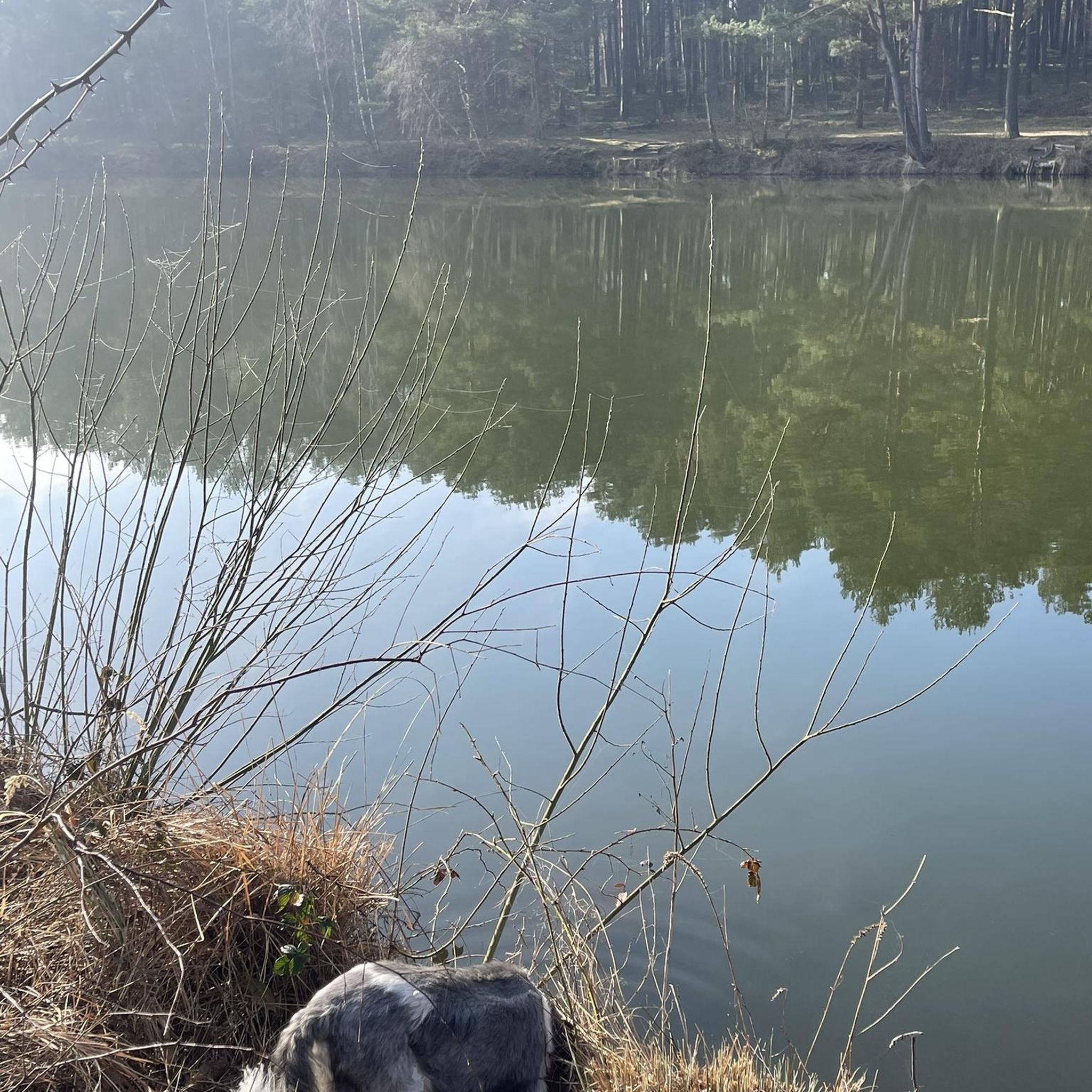
Here you are in the Tusson and Villejesus forest. This is classified as a natural area of ecological, fauna and flora interest. The oaks are very present. By taking the time to silently observe the nature around you, you may come across some animal species. Many raptors find refuge there.
0
0
The town of Tusson is rich in a unique historical heritage. The four tumulus of Tusson date from the fifth century BC and have the particularity of being aligned. These prehistoric monuments made up of one or more blocks of stone and earth were then raised above certain graves. Those of Tusson are among the largest in Europe. The priory and its monastic garden are also worth a look and take you back in time. In addition, gourmets can sit at one of the restaurants or tea rooms in the town to enhance their break.
1
0
The White Stone dolmen was erected between 4,500 and 4,000 BC, approximately 6,000 years ago. It is located in the axis of the four tumulus of Tusson. However, the dolmen is no longer topped by its tumulus.
0
0

The medieval gardens of the Abbey of St. Gall have been recreated there. Using ancient documents to trace and plant with precision, it consists of four separate gardens within the walled garden: an herb garden, a scent garden, a vegetable patch and an orchard.
2
0

The former priory of Saint-Nicolas de Villognon depended on the abbey of Saint-Amant-de-Boixe: shortly after 1040, Geoffroy, Count of Angoulême, donated his villa of Villognon and his estates to the abbey, who will build a church there, polarizing the population. Other donations follow, allowing this priory to develop, with mills, fisheries, communal oven, barn, stable, cellar, dwelling, etc. There are still imposing remains of the old priory dwelling on the south side of the church. The current church, built in the 12th century, has been extensively remodeled: its facade, the nave, and its north gutter wall. The roofs were mainly made of lauzes (flat limestone). The facade, rebuilt in the upper part, consists of a very beautiful portal with three arches, sculpted with geometric ornaments, supported by elegant capitals. He is flanked on either side by two carved panels: the northern one would represent a bishop blessing other characters (some have seen the enthronement of Saint Nicolas there?), while the southern one evokes Saint Michael slaying the dragon, accompanied by another angel (Saint Raphael?). In the upper part, various later sculpted elements have been reused. The presence of the old cemetery located in front of the facade explains the elevation of the ground, thus giving a squat appearance to the portal. The current building consists of a single nave ending in an apse, preceded by a bay under a bell tower. The interior of the nave has lost its stone vault: only the two columns remain, which must certainly have supported a transverse arch. The apse, lit by three bays, had a liturgical pool (washbasin) to the south.
1
0
Frequently Asked Questions
How many touring cycling routes are available around Lupsault?
There are 9 touring cycling routes around Lupsault, catering to various skill levels. You'll find 3 easy routes, 5 moderate routes, and 1 difficult route to explore the region's diverse landscapes.
What kind of terrain can I expect on touring cycling routes near Lupsault?
The terrain around Lupsault is generally gentle, characterized by rolling vineyards, cultivated fields, and the tranquil Charente River valley. While mostly flat, some routes include moderate climbs through hillsides, particularly in the southwest towards the Bois de Lupsault. You'll cycle through a mix of open agricultural lands and shaded forest paths.
Are there any family-friendly touring cycling routes in Lupsault?
Yes, Lupsault offers several easy routes suitable for families. A great option is the Saveille Castle loop from Brettes, an easy 22.1 km trail that takes about 1 hour 19 minutes, leading through woodlands and open countryside.
What are some of the longer touring cycling routes available?
For a more challenging, long-distance ride, consider the Vinade-Bassac bridge – Bridge near Le Mareuil loop from Bazauges. This difficult route spans 160.8 km and involves significant elevation changes, offering an extensive exploration of the region.
Are there any circular touring cycling routes around Lupsault?
Yes, many routes around Lupsault are designed as loops, allowing you to start and end at the same point. Popular circular routes include the moderate Altes Dörfchen loop from Bazauges (56.4 km) and the easy Saveille Castle loop from Brettes (22.1 km).
What historical sites or attractions can I see along the touring cycling routes?
Lupsault and its surroundings are rich in history. You can visit the 12th-century Romanesque church of Saint-Cybard in Lupsault itself. Along the routes, you might encounter ancient logis (dwellings) and other points of interest. For example, the Medieval Monastic Garden – Tusson loop from Aigre passes by the Medieval Monastic Garden and the village of Tusson. Other nearby attractions include the Notre-Dame de Lanville Priory and the White Stone Dolmen.
What is the best season for touring cycling in Lupsault?
The Charente department, where Lupsault is located, offers pleasant cycling conditions for much of the year. Spring and autumn generally provide comfortable temperatures and beautiful scenery, with vineyards in bloom or displaying their autumnal colors. Summer can be warm but is also popular, especially along shaded river paths. Winter cycling is possible, though some paths might be less maintained.
What do other touring cyclists enjoy most about Lupsault?
The area is highly rated by the komoot community, with an average score of 4.7 stars from more than 5 reviews. Reviewers often praise the tranquil rural setting, the gentle topography ideal for touring, and the blend of cultivated fields, vineyards, and historical sites that create a varied and engaging cycling experience.
Are there routes that connect to the Flow Vélo?
While Lupsault is not directly on the Flow Vélo, its close proximity within the "Cœur de Charente" region means you can easily access this renowned long-distance route. The Flow Vélo offers a 400 km journey through the Charente valley, connecting the Dordogne to the Atlantic coast, and is known for its varied landscapes and cultural stops.
What are the typical durations for touring cycling routes in Lupsault?
Route durations vary significantly based on distance and difficulty. An easy route like the Saveille Castle loop from Brettes (22.1 km) can be completed in about 1 hour 19 minutes. Moderate routes, such as the Medieval Monastic Garden – Tusson loop from Aigre (35.0 km), typically take around 2 hours 8 minutes. Longer, more difficult routes will require a full day or multiple days.
Is Lupsault a good base for exploring the wider Charente region by bike?
Absolutely. Lupsault's central location in the Charente department makes it an excellent starting point for exploring. You're within easy cycling distance or a short drive to larger towns like Cognac (34 km) and Angoulême (35 km), which offer more extensive amenities and connections to regional cycling networks, including the Flow Vélo.
Most popular attractions around Lupsault

Get inspired with the komoot mobile app


Explore more
Browse the best Cycling routes in other regions.
