The best gravel rides around Montreuil-Des-Landes
4.5
(3)
44
riders
5
rides
Gravel biking around Montreuil-Des-Landes offers access to the varied landscapes of the Ille-et-Vilaine department in Brittany. The region is characterized by its rural charm, featuring a mix of unpaved roads, wooded paths, and trails alongside streams. Cyclists can explore the Breton countryside, which includes numerous lakes and forests, providing diverse terrain for gravel bikes. This area serves as a gateway to both tranquil natural settings and historical sites.
Best gravel bike trails around Montreuil-Des-Landes
- The most popular gravel bike trail…
Last updated: May 20, 2026
4.5
(2)
19
riders
37.7km
01:56
150m
150m
Moderate gravel ride. Good fitness required. Mostly paved surfaces. Suitable for all skill levels.
5.0
(1)
12
riders
20.2km
01:03
120m
120m
Easy gravel ride. Great for any fitness level. Mostly paved surfaces. Suitable for all skill levels.

Sign up for free
5.0
(1)
17
riders
29.6km
01:37
190m
190m
Moderate gravel ride. Good fitness required. Mostly paved surfaces. Suitable for all skill levels.
8
riders
27.3km
01:26
160m
160m
Moderate gravel ride. Good fitness required. Mostly paved surfaces. Suitable for all skill levels.
7
riders
58.6km
03:12
500m
500m
Hard gravel ride. Very good fitness required. Mostly paved surfaces. Suitable for all skill levels.
Our route recommendations are based on thousands of hikes, rides, and runs completed by other people on komoot.
Start today with a free account
Your next adventure awaits.
Login or Signup


Tips from the Community

The Église Saint-Léonard was built in the 12th century and acquired its present form in the flamboyant Gothic style in the 15th and 16th centuries. During the French Revolution, the church was deprived of its sacred function, but in the 19th century, under architects such as Aristide Tourneux, it underwent extensive renovations, including a new main façade with a large rose window. Inside, 19th-century stained-glass windows depicting episodes from the life of Saint Léonard can be seen.
1
0
The cadastral records of the Château Fort de Fougères mention two towers—the Tour Raoul and the Tour Surienne (also called "tour de Surienne")—dated between 1480 and 1485. The tower was part of the fortifications that were reinforced or rebuilt in the 15th century.
1
0

The renowned landscape painter and avant-garde colorist Emmanuel de la Villéon, who associated with the greatest independent painters of his time, experimented with different styles and brushstrokes. This collection of oil, pastel, gouache, charcoal, and ink paintings traces his career through selected works. The museum is usually open during school holidays in Zone B. The museum is currently closed due to leaks!
1
0

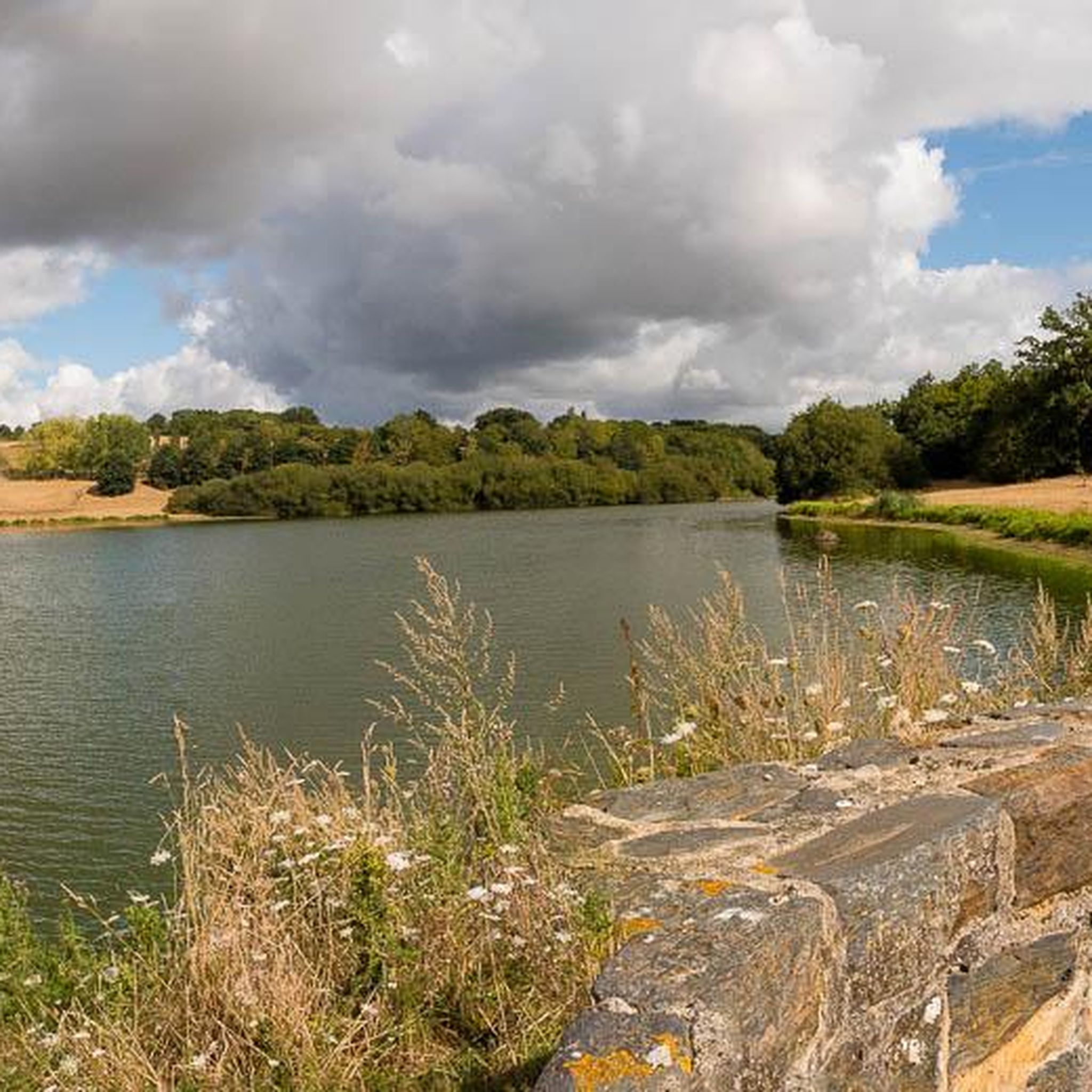
Bird watching possible!
0
0
The Tour Surienne was named after Françoise de Surienne. In March 1449, in the midst of a truce between France and England, François de Surienne, a Spanish mercenary in the pay of the English, attacked in the dead of night with his 600 men. The inhabitants were slaughtered and the city plundered. In 1450, Surienne settled there and entrenched himself. Only after a two-month siege by Francis I, Duke of Brittany, who was aided by a plague epidemic, did Surienne surrender.
0
0

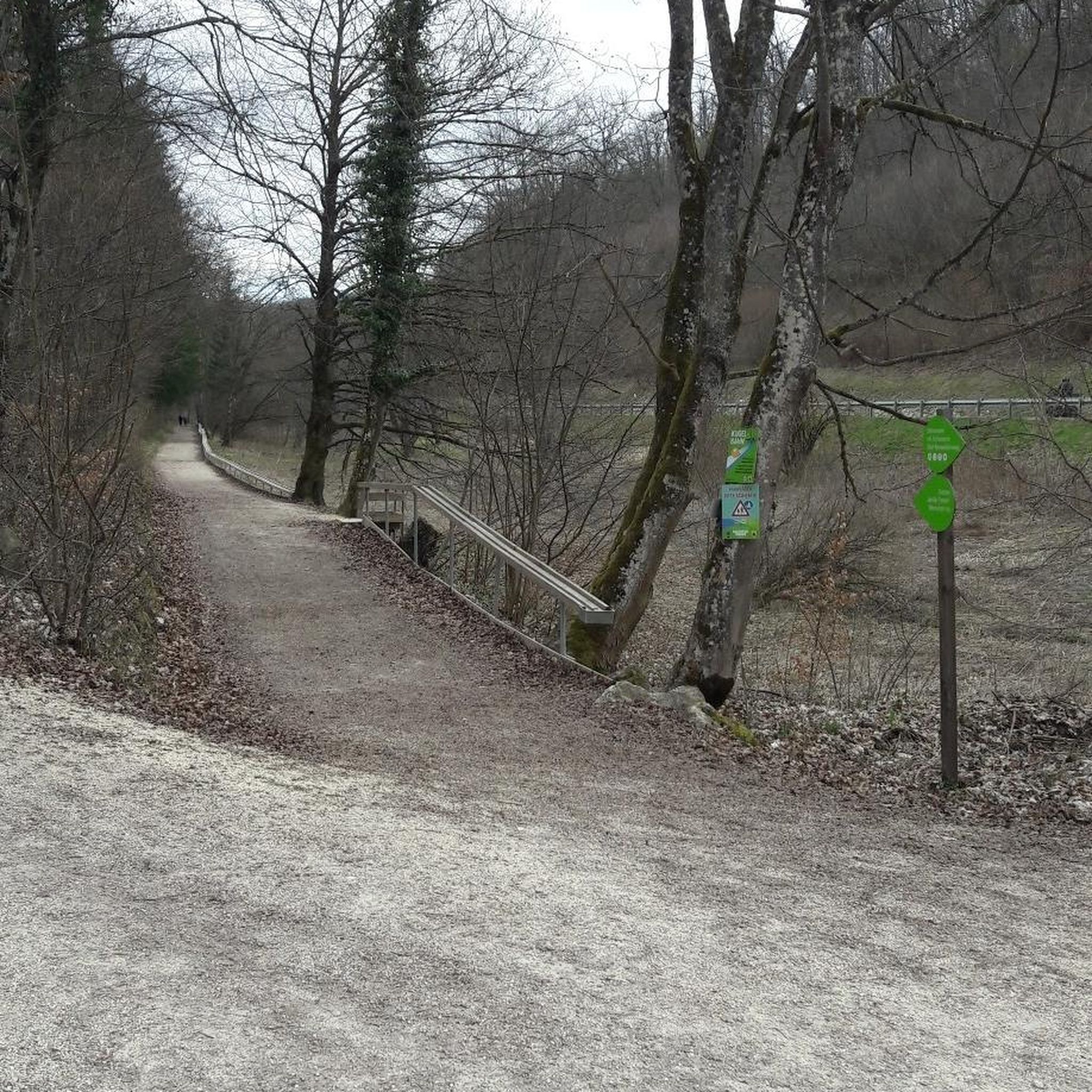
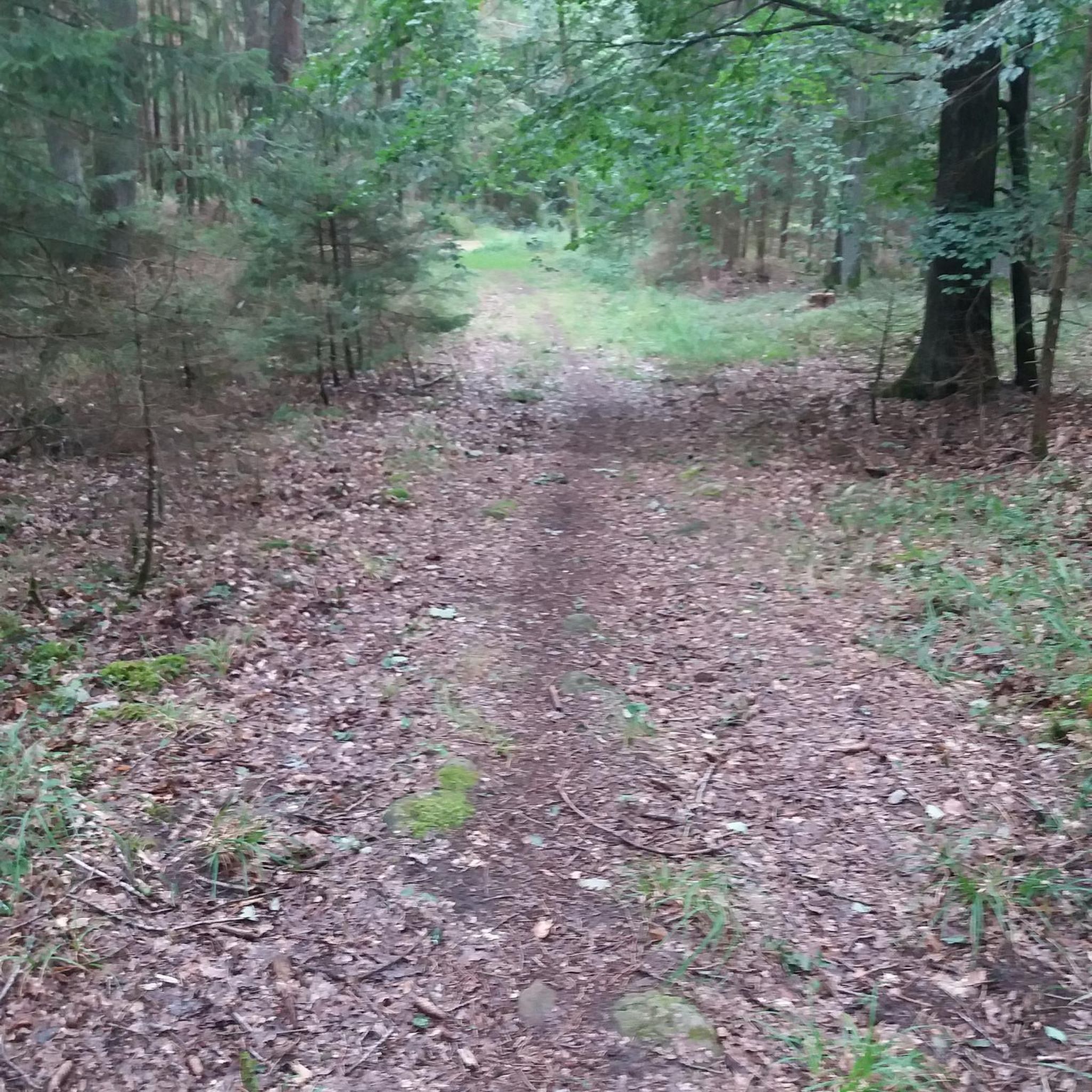
This part of the greenway is really in a pitiful state. Holes, stones, moss.... the other part up to Fougères is new.
0
1
The largest fortress in Europe, the castle of Fougères stands on a rocky outcrop surrounded by marshland. The first castle of Fougères was built around the turn of the millennium to defend the north-eastern part of the border area of the Duchy of Brittany. Built at the crossroads of important trade routes, this primitive fortress had the main objective of monitoring the powerful neighbors and preventing their raids on Breton lands. To the north, Normandy belonged to the kings of England at the time.
4
1
The church tower can be visited in high season, where you can discover an incredible panorama of Fougères as well as its monuments and the surrounding countryside. Here you will have the opportunity to discover the secret interior of its tower, its impressively large bell and of course... a spectacular 360° view of the city, the castle and the valley!
1
0
Frequently Asked Questions
What kind of terrain can I expect on gravel bike trails around Montreuil-Des-Landes?
The region offers a diverse mix of terrain ideal for gravel biking. You'll find unpaved roads, wooded paths, and trails alongside streams, characteristic of the Breton countryside. While Montreuil-Des-Landes itself is inland, the broader Ille-et-Vilaine department is known for its varied landscapes, making it a fascinating destination for gravel enthusiasts.
How many gravel bike trails are available in the Montreuil-Des-Landes area?
There are 5 gravel bike trails currently available around Montreuil-Des-Landes, offering a range of experiences for different skill levels.
Are there any family-friendly gravel bike routes near Montreuil-Des-Landes?
While specific 'family-friendly' designations aren't provided, the region's tranquil countryside and numerous pedestrian paths with streams and woods suggest that some of the moderate routes, such as the Cantache Pond – Cantache dam loop from Taillis, could be suitable for families with some gravel biking experience. Always check the route details for distance and elevation before heading out.
What are the difficulty levels of the gravel bike trails in this area?
The gravel bike trails around Montreuil-Des-Landes cater to various abilities, with 3 moderate routes and 2 difficult routes available. This allows cyclists to choose paths that match their experience and fitness levels.
What can I see along the gravel bike trails around Montreuil-Des-Landes?
Many routes offer scenic views of the Breton countryside, including lakes and forests. Some trails also pass by significant historical landmarks. For instance, the Saint Léonard Church – Fougères Castle loop from Fougères connects to the impressive Fougères Castle and Saint Léonard Church.
Are there any circular gravel bike routes available?
Yes, all the gravel bike routes listed for the Montreuil-Des-Landes area are designed as loops. This includes popular options like the Cantache Pond – Cantache dam loop from Taillis and the Châtillon Lake – Fougères–Vitré Greenway loop from Romagné, allowing you to start and finish at the same point.
What do other gravel bikers enjoy most about the trails in Montreuil-Des-Landes?
The area is highly rated by the komoot community, with an average score of 4.3 stars. Cyclists often praise the varied terrain, which includes tranquil countryside, wooded paths, and routes around numerous lakes, providing a rich and engaging gravel biking experience.
Are there any historical sites or landmarks accessible by gravel bike?
Absolutely. The region is rich in history. Routes like the Saint Léonard Church – Fougères Castle loop from Fougères will take you past historical landmarks such as Fougères Castle. The nearby town of Vitré also boasts a superb historic center, which can be explored via routes like the Cantache Pond – Inn at Vitré Castle loop from Taillis.
What natural features can I explore while gravel biking here?
Montreuil-Des-Landes and its surroundings are characterized by beautiful natural features. You'll find routes that explore areas around lakes such as Étang de Châtillon-en-Vendelais and Étang de la Cantache, as well as trails through forests like Forêt de Fougères. The local Landes de Jaunousse also offers opportunities to discover local flora and fauna.
Is it possible to combine gravel biking with other outdoor activities in the region?
Yes, the broader Ille-et-Vilaine department provides a range of outdoor activities. Beyond gravel biking, you can find opportunities for hiking, horseback riding, and even tree-top adventures. The natural settings, including lakes and forests, are perfect for various outdoor pursuits.
Are there any longer, more challenging gravel bike routes for experienced riders?
Yes, for experienced riders seeking a challenge, there are difficult routes available. The Fougères Castle – Cordon des druides loop from Fougères is a demanding 77 km trail, while the Saint Léonard Church – Fougères Castle loop from Fougères covers nearly 59 km, both offering significant elevation gains.
What is the best time of year for gravel biking around Montreuil-Des-Landes?
The Brittany region generally offers pleasant conditions for cycling from spring through autumn. While specific weather patterns can vary, these seasons typically provide milder temperatures and less rainfall, making them ideal for exploring the varied landscapes on a gravel bike.
Most popular routes around Montreuil-Des-Landes
Most popular attractions around Montreuil-Des-Landes

Get inspired with the komoot mobile app


Explore more
Browse the best Gravel rides in other regions.
