The best gravel rides around Cambayrac
4.6
(9)
30
riders
11
rides
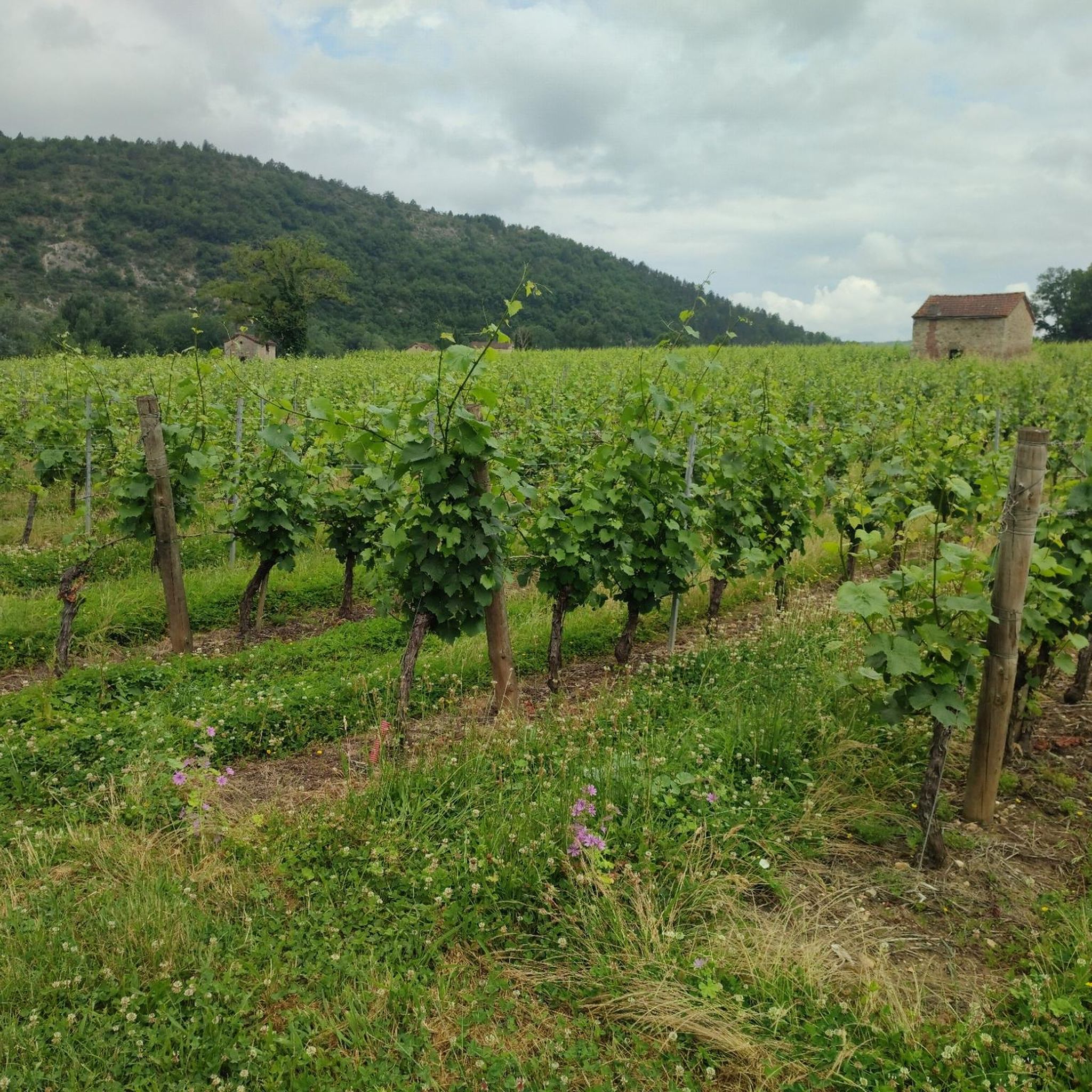
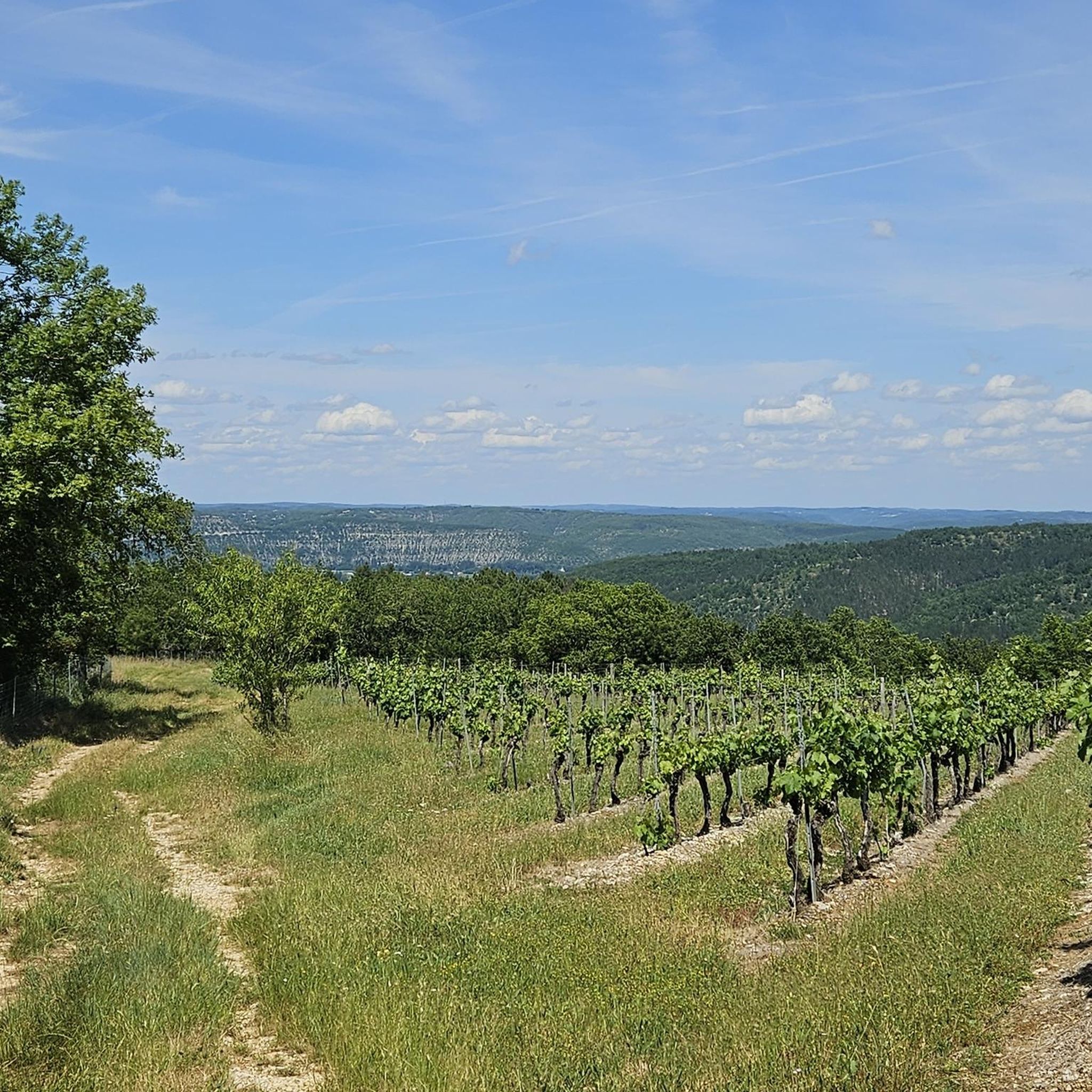
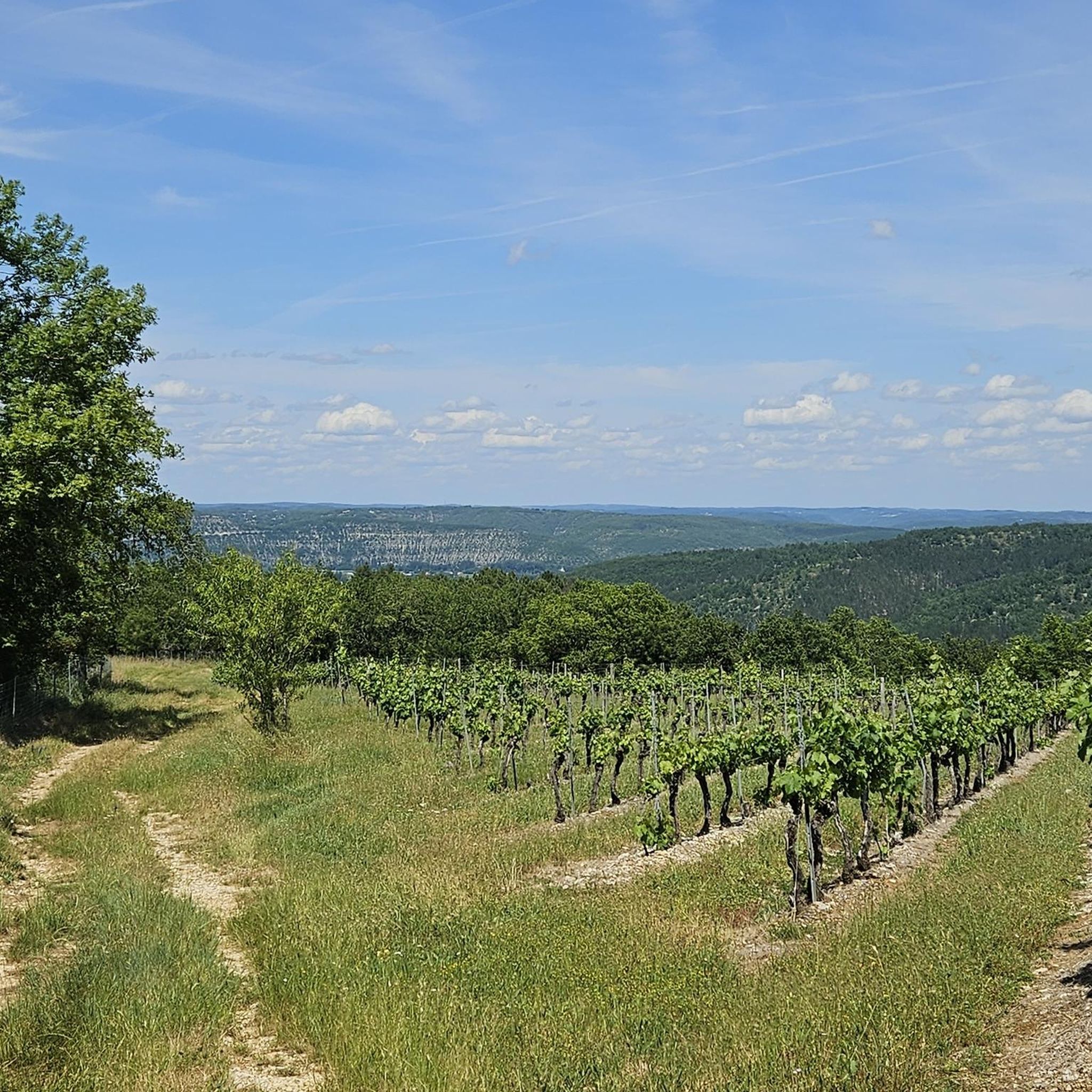
Gravel biking around Cambayrac offers varied terrain within the Lot department of the Occitanie region. The area is characterized by the "Quercy Blanc," featuring white, lacustrine limestone landscapes. Elevations range from 140 to 322 meters, providing undulating paths and rewarding climbs. River valleys, carved by waterways like the Bondoire and Landorre streams, contribute to the diverse natural environment.
Best gravel bike trails around Cambayrac
- The most popular gravel bike trail is Cazelle de Trespoux – Labastide-Marnhac loop from Trespoux-Rassiels,…
Last updated: November 14, 2026
4.5
(2)
9
riders
53.2km
03:49
660m
670m
Hard gravel ride. Very good fitness required. Mostly paved surfaces.
4.0
(1)
4
riders
34.7km
02:17
360m
360m
Moderate gravel ride. Good fitness required. Mostly paved surfaces.

3
riders
37.6km
03:00
710m
710m
Hard gravel ride. Very good fitness required. Mostly paved surfaces.
2
riders
24.0km
01:57
390m
390m
Moderate gravel ride. Good fitness required. Mostly paved surfaces.
5.0
(3)
7
riders
32.5km
02:02
290m
290m
Moderate gravel ride. Good fitness required. Mostly paved surfaces.
Get access to more routes and recommendations from other explorers.
Already have an account?
Our route recommendations are based on thousands of hikes, rides, and runs completed by other people on komoot.
Start today with a free account
Your next adventure awaits.

Tips from the Community

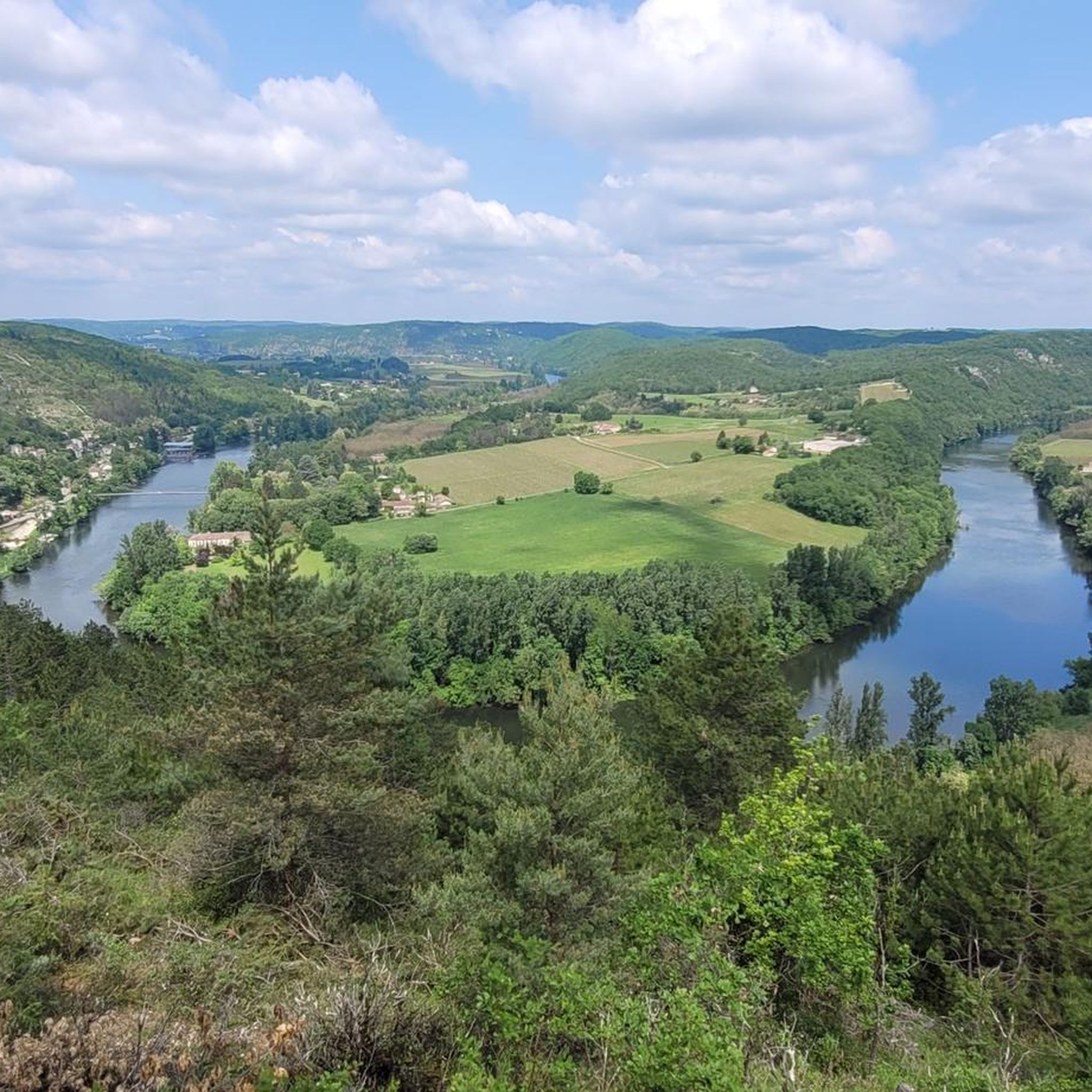
The green way and cycle route of the Lot Valley (V86) is a large and secure cycle route that stretches for about 430 to 480 km, connecting La Canourgue in Lozère to Aiguillon in Lot-et-Garonne. The route follows the meanders of the Lot river through varied landscapes of limestone cliffs, vineyards, orchards, and causses.
0
0
The medieval Tower of Luzech: This 24-meter-high, elongated keep dominates the medieval castrum. Built by the Bishop of Cahors, Guillaume de Cardaillac, in the 13th century, the building is undergoing a major restoration program, supported by the Fondation du patrimoine, to secure its structure and allow its reopening to the public.
0
0
Built at the end of the 13th century and remodelled in the 18th century following a fire in 1562, then again in 1881, the village church forms a single-nave stone vessel with a polygonal apse. The choir (Radiant Gothic) is covered. The stained glass windows, in very vivid colour ranges, depict the lives of Christ and Saint-Hilaire.
0
0
Montcuq is a superb medieval hilltop village with a rich heritage in the heart of Quercy Blanc: La Tour de Montcuq: A majestic 12th-century keep that proudly dominates the village. Built between the end of the 12th century and the beginning of the 13th century under the authority of the Counts of Toulouse. Destruction of the castle: During the Albigensian Crusade and treaties with the King of France, the local lord had to dismantle the ramparts. Only this main tower survived. Particularities: It has a rectangular (or trapezoidal) shape and a square turret housing a unique spiral staircase. Scientifically, the name has nothing lewd about it: it comes from the Occitan Moncuc, which simply means a conical mound or a fortified hill.
0
0
Montcuq is a superb medieval hilltop village with a rich heritage in the heart of Quercy Blanc: La Tour de Montcuq: A majestic 12th-century keep that proudly overlooks the village. Built between the late 12th and early 13th centuries under the authority of the Counts of Toulouse.Destruction of the castle: During the Albigensian Crusade and the treaties with the King of France, the local lord had to dismantle the ramparts. Only this keep survived.Particularities: It has a rectangular (or trapezoidal) shape and a square turret housing a unique spiral staircase. Scientifically, the name has nothing lewd about it: it comes from the Occitan Moncuc, which simply means a conical hill or a fortified hill.
0
0
The original building was completely destroyed by Protestants in the 16th century, during the Wars of Religion. The current church was completely rebuilt in 1890 in a neo-Gothic style very characteristic of that era. Despite its more recent exterior architecture, it houses and preserves precious and interesting Baroque furnishings.
0
0

A cozy town with many opportunities to stock up on provisions.
0
0

What a wonderful department to cycle through.
0
0
Frequently Asked Questions
How many gravel bike trails are available around Cambayrac?
There are 8 gravel bike routes around Cambayrac documented on komoot. These trails offer a mix of moderate and difficult options, catering to various skill levels. Over 20 gravel bikers have already explored this region using komoot.
What kind of terrain can I expect on gravel bike trails in Cambayrac?
The terrain around Cambayrac is characterized by the "Quercy Blanc," featuring white, lacustrine limestone landscapes. You'll encounter undulating paths and rewarding climbs, with elevations ranging from 140 to 322 meters. The routes often traverse picturesque countryside and river valleys carved by waterways like the Bondoire and Landorre streams.
Are there any challenging gravel bike routes for experienced riders?
Yes, Cambayrac offers several challenging routes. For instance, the Cazelle de Trespoux – Labastide-Marnhac loop from Trespoux-Rassiels is a difficult 33.5-mile (54.0 km) trail with significant elevation gain. Another demanding option is the Bridge at Douelle – Luzech loop from Mercuès, a difficult 23.3-mile (37.6 km) path featuring scenic river valleys and dramatic geological formations.
Are there any moderate gravel bike routes suitable for intermediate riders?
Absolutely. The Labastide-Marnhac – Labastide-Marnhac Church loop from Labastide-Marnhac is a popular moderate trail, covering 21.6 miles (34.7 km) through picturesque countryside and limestone landscapes. Another moderate option is the Montcuq Old Town – Saint-Privat Church of Montcuq loop from Fargues, which is 14.9 miles (24.0 km) long.
What are the best times of year for gravel biking in Cambayrac?
The Lot Valley, where Cambayrac is located, generally offers pleasant conditions for gravel biking during spring, summer, and autumn. Spring and autumn provide milder temperatures and beautiful scenery, while summer can be warm but enjoyable, especially in the mornings or late afternoons. Winter riding is possible but may involve colder temperatures and potentially wetter conditions.
What kind of natural features or landmarks can I see while gravel biking in Cambayrac?
Gravel biking in Cambayrac allows you to experience the distinctive calcareous landscapes of the Quercy Blanc, river valleys, and "falaises lotoises" (Lot cliffs), which are known for raptors. The region's natural beauty is a significant draw, promising invigorating experiences amidst preserved nature.
Are there any historical or cultural attractions near the gravel bike routes?
Yes, the region boasts a rich cultural heritage. You can incorporate visits to historic towns and landmarks into your rides. Notable attractions include the iconic Valentré Bridge in Cahors, the charming village of Albas, and the historic town of Luzech. You might also spot the Cahors Railway Bridge or the Albas suspension bridge.
Are there any loop gravel bike routes in Cambayrac?
Yes, many of the gravel bike routes around Cambayrac are loops, offering a convenient way to start and end your ride in the same location. Examples include the Cazelle de Trespoux – Labastide-Marnhac loop from Trespoux-Rassiels and the Labastide-Marnhac – Labastide-Marnhac Church loop from Labastide-Marnhac.
What do other gravel bikers enjoy most about Cambayrac?
The gravel bike routes in Cambayrac are highly rated by the komoot community, with an average score of 4.5 stars. Reviewers often praise the varied terrain, the picturesque countryside, and the rewarding climbs that define the region's unique "Quercy Blanc" landscape.
Is Cambayrac suitable for family-friendly gravel biking?
While the guide primarily features moderate to difficult routes, the varied terrain of the Quercy Blanc means there are likely quieter paths and less strenuous sections that could be adapted for families. For dedicated family-friendly options, it's advisable to look for routes specifically designated as easy or explore local cycling paths that might be flatter or shorter.
Are there options for parking when cycling in Cambayrac?
Many routes around Cambayrac start from villages or towns like Trespoux-Rassiels, Labastide-Marnhac, or Mercuès, where public parking is generally available. It's recommended to check specific starting points for parking facilities when planning your ride.
Can I find cafes or accommodation suitable for cyclists in the Cambayrac area?
The villages and towns surrounding Cambayrac, such as Cahors, Albas, and Luzech, offer various amenities including cafes, restaurants, and accommodation options that cater to visitors. Exploring local markets in these areas also provides a chance to experience regional culture and sample local produce, making them good stops during or after a ride.
Most popular attractions around Cambayrac

Get inspired with the komoot mobile app


Explore more
Browse the best Gravel rides in other regions.
