Top 14 Natural Monuments around Mons
Natural monuments around Mons offer diverse landscapes, from expansive natural parks to unique geological formations and reclaimed industrial sites. The region features the Parc naturel des Hauts-Pays, spanning 15,700 hectares with varied terrain including agricultural plateaus and forests. Geological marvels like Le Caillou-qui-Bique and the panoramic viewpoints from former mining spoil heaps such as Terril de l'Héribus characterize the area. These sites provide opportunities for exploring the natural and historical evolution of the Mons surroundings.
Best natural monuments around Mons
…Last updated: July 23, 2026
Le Caillou-qui-Bique
Highlight • Natural Monument
A little step back in time... …
Translated by Google •
Tip by

Hyon Waterfall and Ponds
Highlight • Waterfall
Translated by Google •
Tip by

Sign up now to discover places like this
Get recommendations on the best single tracks, peaks, & plenty of other exciting outdoor places.
Sign up for free
The bubbling spring of Stambruges and its mysteries.
Highlight • Natural Monument
Translated by Google •
Tip by

Bois d'Angre
Highlight • Forest
Translated by Google •
Tip by

Crachet slag heap
Highlight • Natural Monument
Translated by Google •
Tip by
Terril Saint-Antoine
Highlight • Structure
Translated by Google •
Tip by

Trees with mistletoe
Highlight • Forest
The white, berry-like fruit is spread by birds. …
Translated by Google •
Tip by

The Neolithic Menhir
Highlight • Monument
Translated by Google •
Tip by
View from the Terril de l'Héribus
Highlight • Viewpoint
Translated by Google •
Tip by
The Liberty Tree (Bois-là-Haut, Mont-Panisel)
Highlight • Natural Monument
Translated by Google •
Tip by

Sign up for free to discover even more natural monuments around Mons.
Sign up for free
Already have an account?
Start today with a free account
Your next adventure awaits.
Login or Signup
Popular around Mons
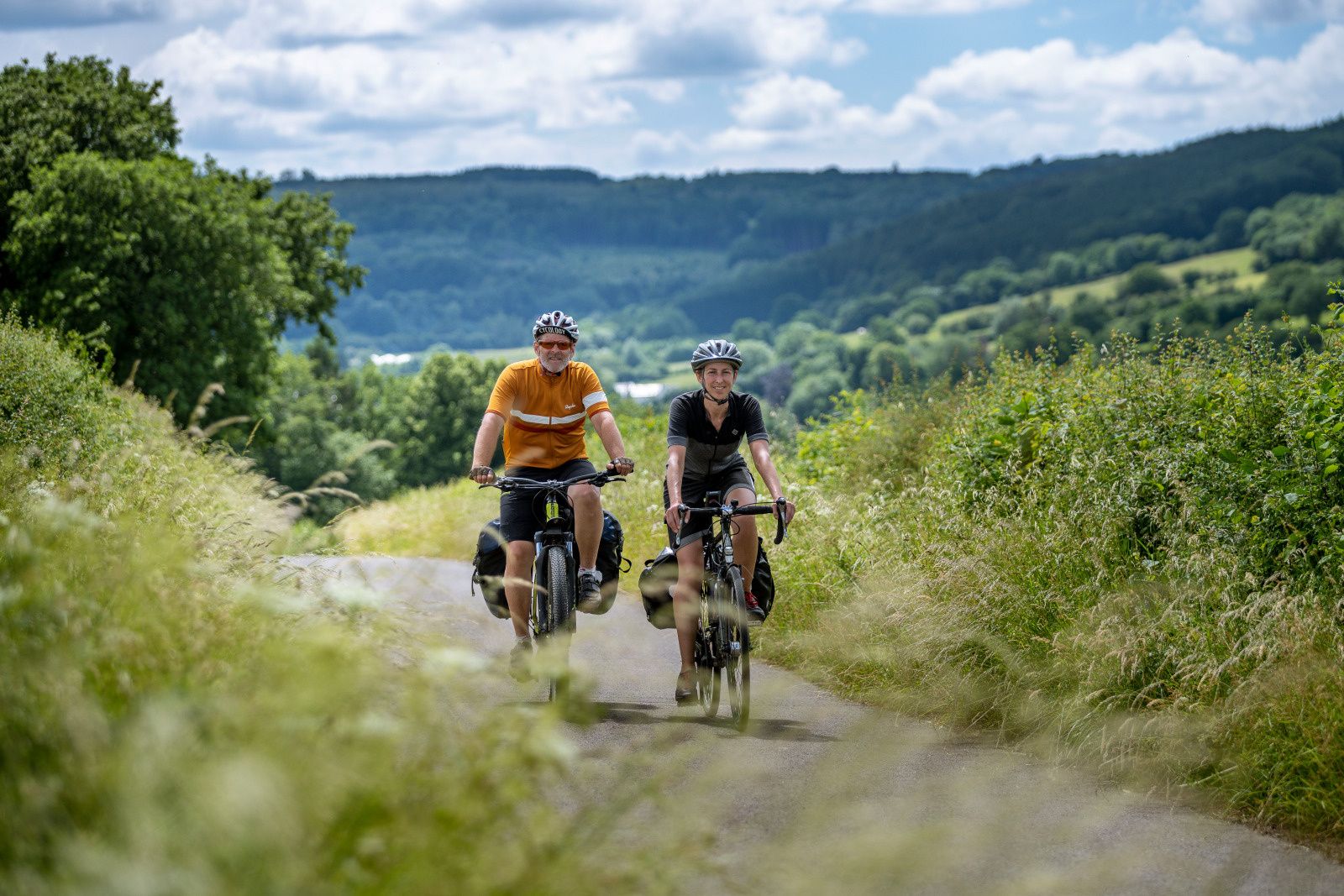
The most beautiful bike rides in Wallonia – pure nature and culture
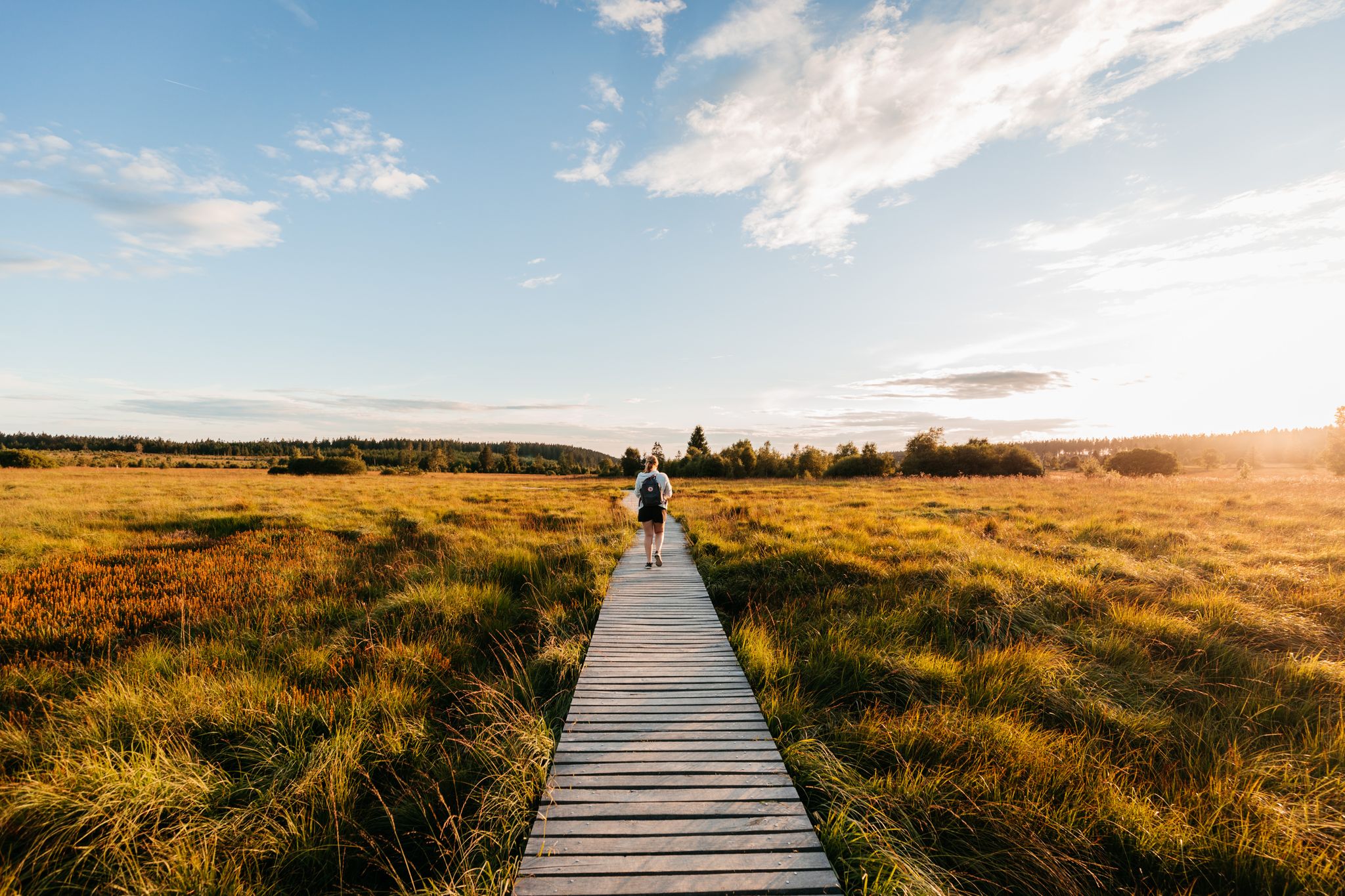
Unspoilt nature and wide views – hiking in Wallonia
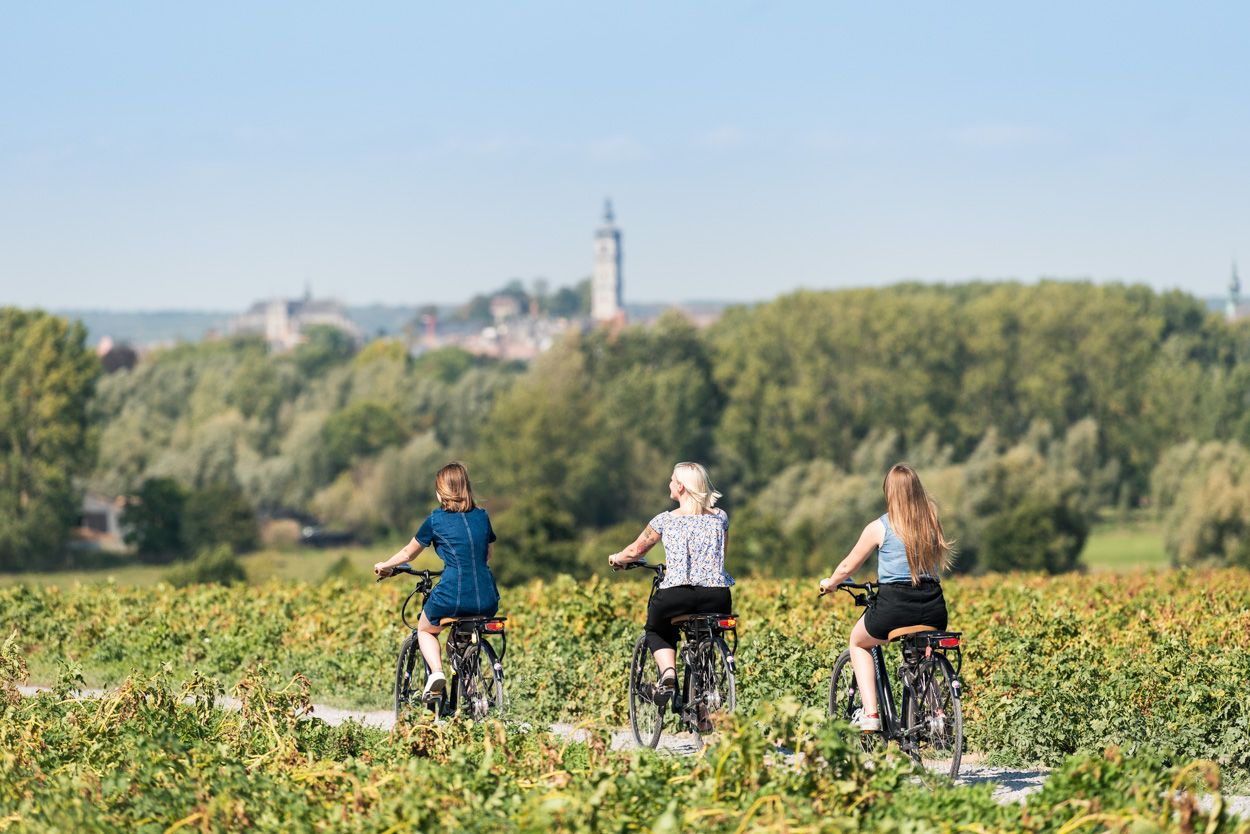
Cycling in the heart of Hainaut — rides in the Mons-Borinage region
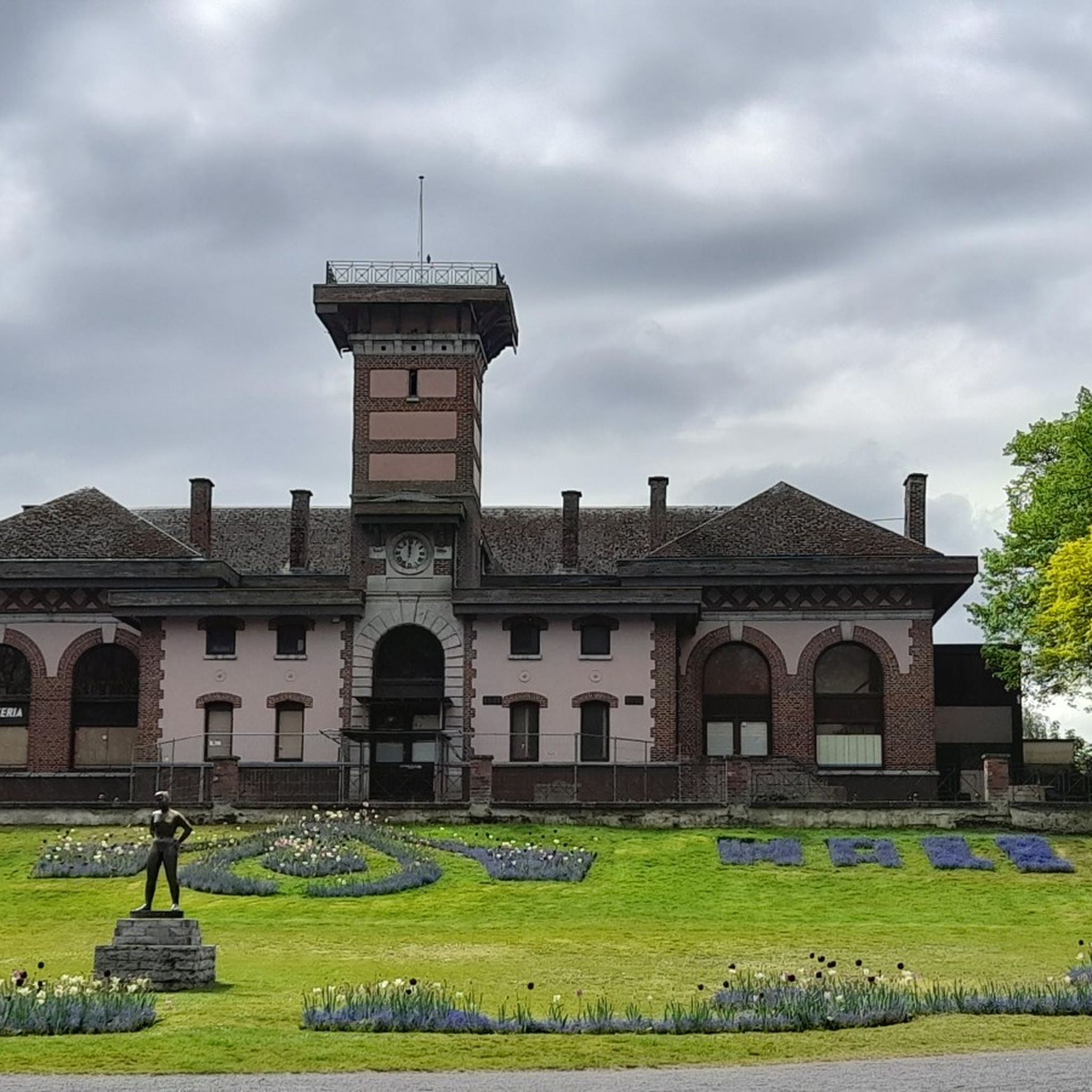
Hiking around Mons
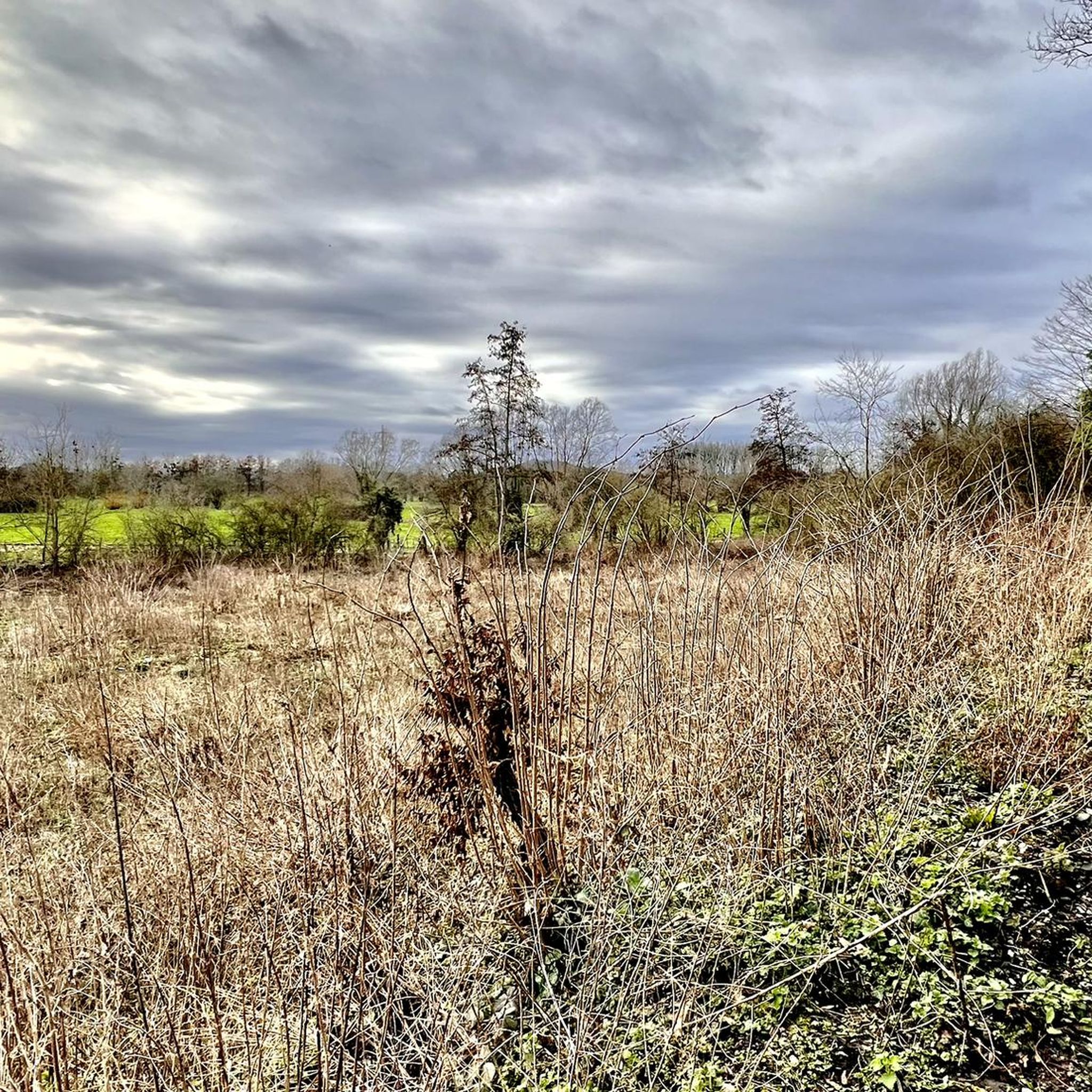
Running Trails around Mons
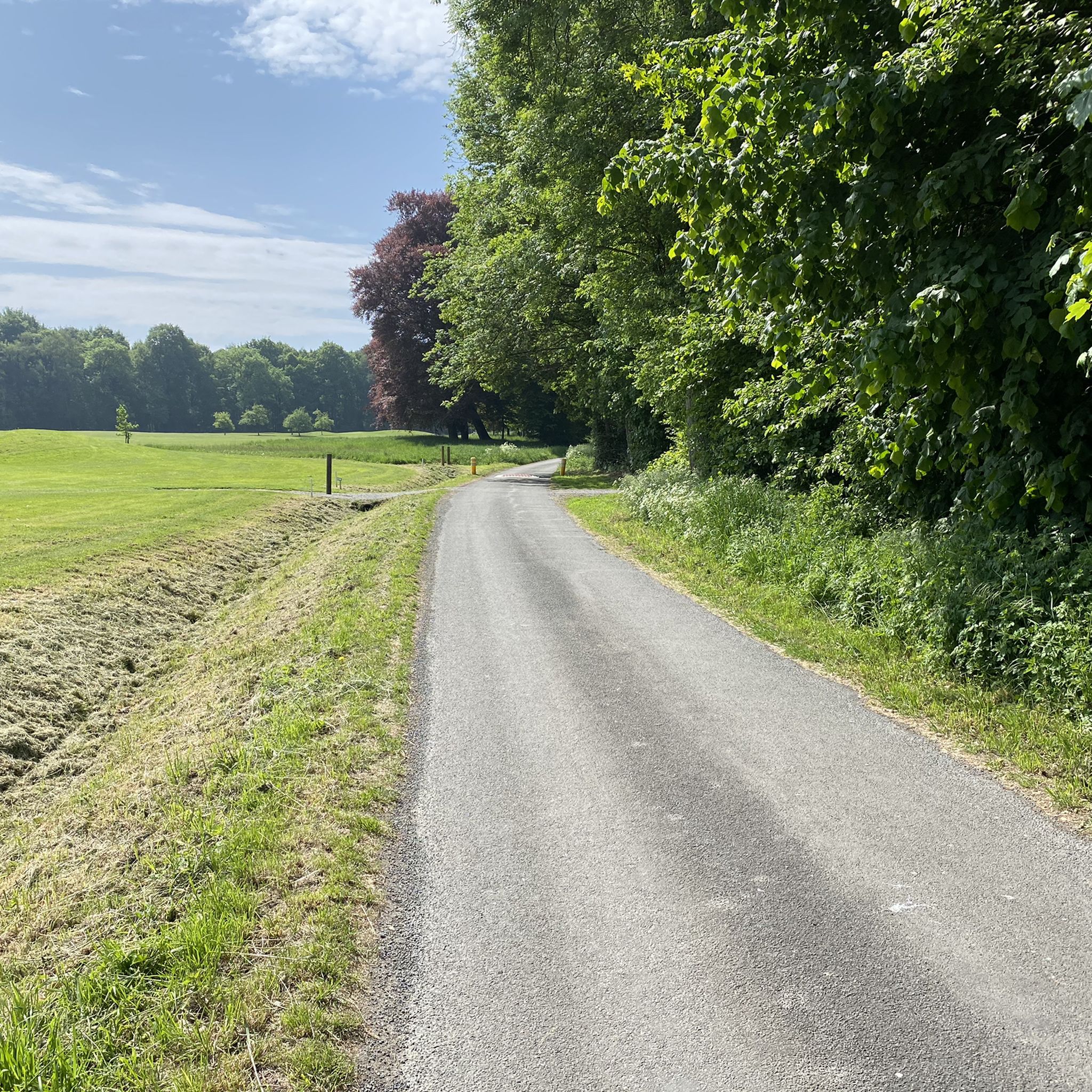
Road Cycling Routes around Mons
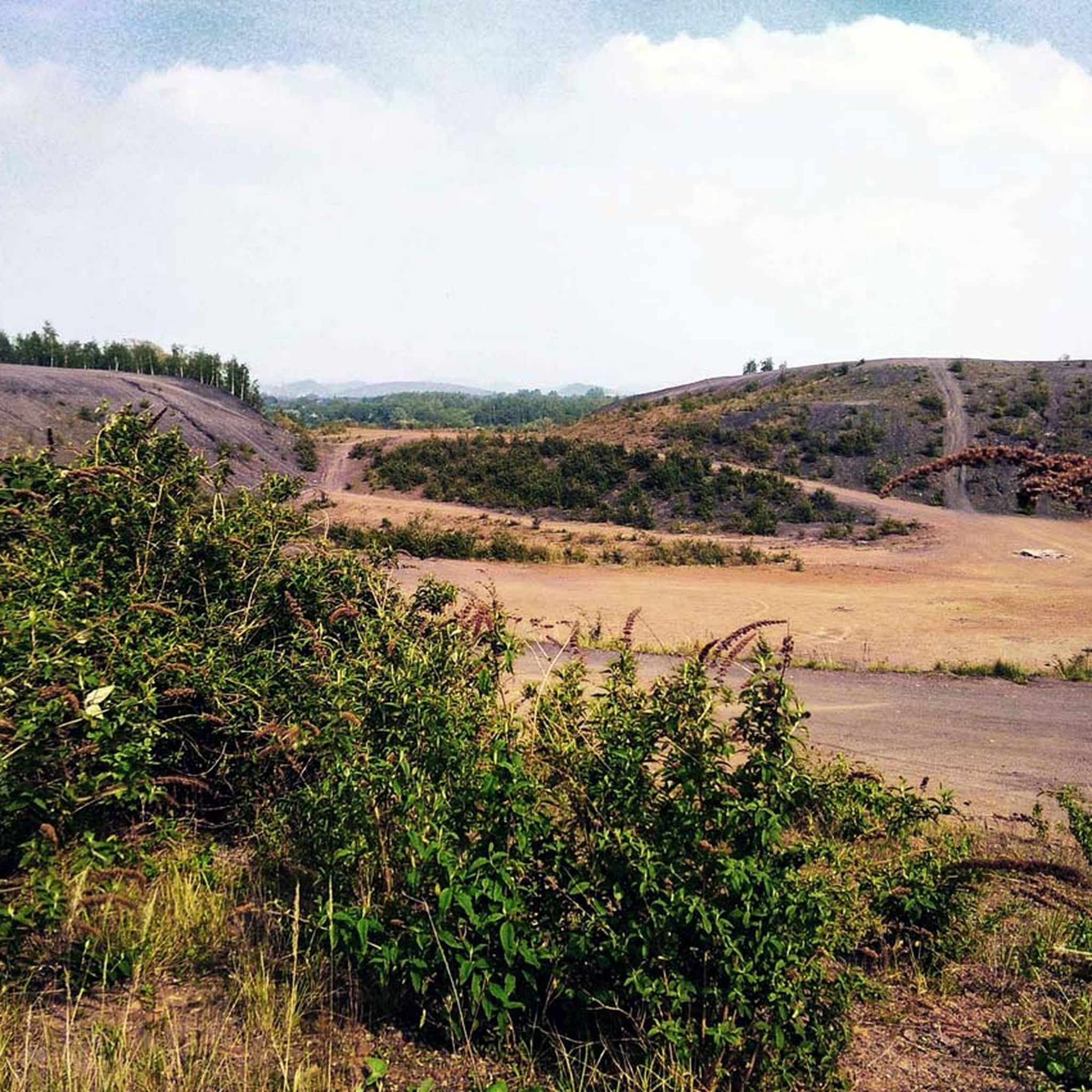
Cycling around Mons
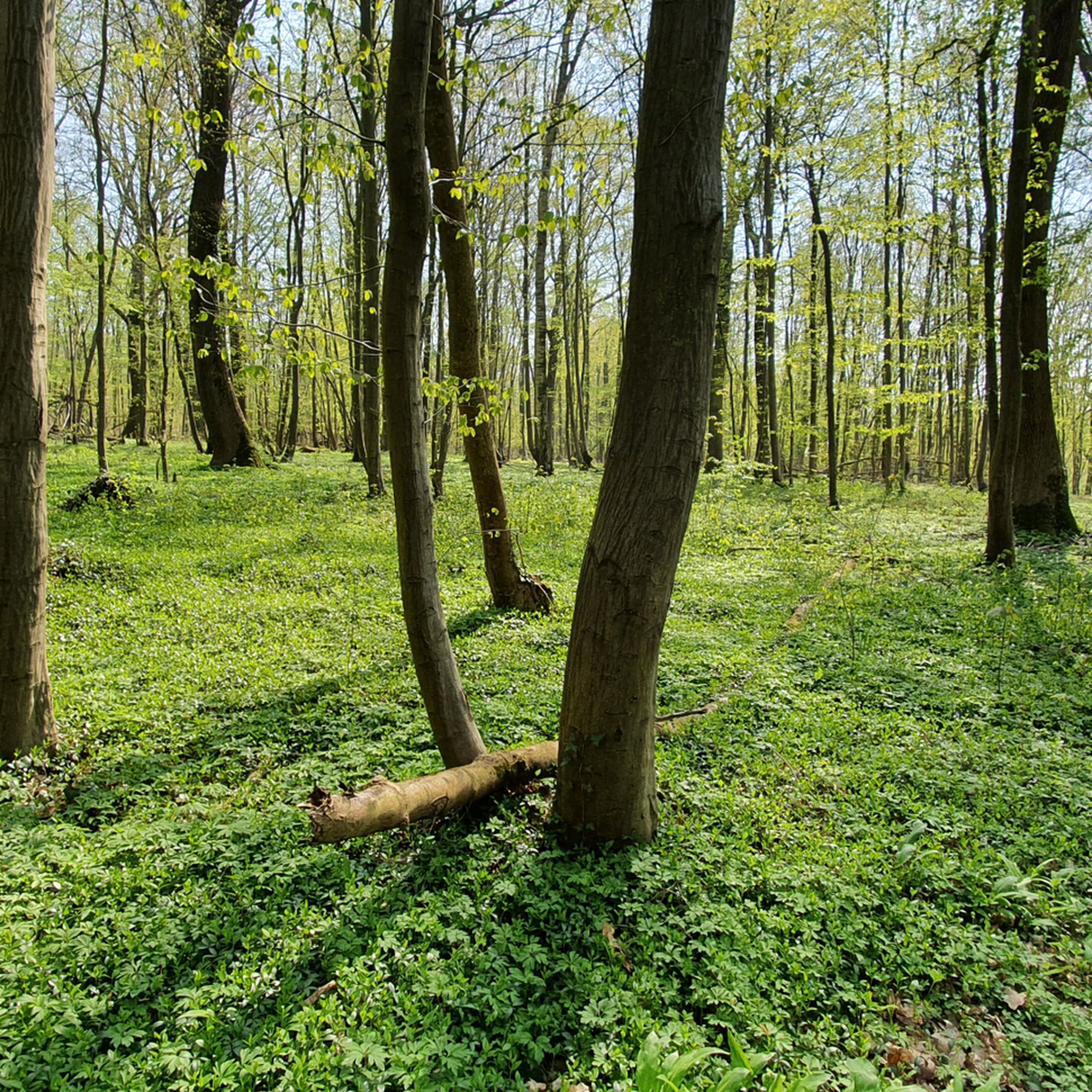
MTB Trails around Mons

Gravel biking around Mons
Other adventures around Mons

Tips from the Community

Added to the collection: komoot.com/de-de/collection/3600632/-naturdenkmaeler-besondere-baeume-und-weitere-schaetze-der-natur
2
0

like a little trip to the moon...
0
0

When I was still "able-bodied", I climbed it several times... The climb is also well laid out as a staircase with railway "balls"... Once at the top, you can enjoy a splendid view of Mons (in particular of Sainte Waudru) as well as of Hyon and in particular, its church with its greenish bell tower.
1
2

The Bois d'Angre, located in Honnelles, is a forest renowned for the Caillou-qui-Bique, a 370 million year old pudding rock. This forest is home to rich biodiversity with oaks, ash trees and various rare species. A place of legends and hikes, the Angre woods is a precious natural site in Wallonia, managed by Natagora and other organizations to preserve its unique fauna and flora.
2
0

Want some super steep gravel climbing? This terril offers 25% or more! Great view on the town of Mons
1
0

This rock formation is very special in the forest!
2
0

It is at the confluence of the Trouille and the Nouvelles river that this waterfall bridge was born. Originally there was a mill, which was turned into a tannery after the First World War. Today it is a bucolic place surrounded by nature.
2
0

By definition, a menhir is a vertical standing stone during the Neolithic era. The menhir of Saint-Symphorien, 2m50 high, 1m30 wide, weighing 2500 kg, also served as a Neolithic ribbon brush for flint tools. It was discovered in 1860 by Mr. Piscart, a farmer who broke his ploughshare while plowing his field, located at the end of the Violette path, on the border of Harmignies. The menhir was then excavated to stand in the park of the Maigret de Priches castle, where it remained for 90 years. On October 17, 1951, the megalith was presented by Miss Emmy Maigret de Priches to the city of Mons. At the request of the Sint-Symphorien Brotherhood, he was reinstalled on March 20, 2007 in the village. http://www.confrerie-saint-symphorien.be/?page_id=307
8
0
Frequently Asked Questions
What are some of the most popular natural monuments around Mons?
Visitors frequently enjoy the unique geological formation of Le Caillou-qui-Bique, a 25-meter-high stone steeped in local legend. Another highly appreciated spot is the View from the Terril de l'Héribus, offering panoramic vistas over Mons. The Bois d'Angre, known for its rich biodiversity and home to Le Caillou-qui-Bique, is also a favorite for nature walks.
What kind of views can I expect from the former mining spoil heaps near Mons?
The former mining spoil heaps, or 'terrils,' like the Terril de l'Héribus, offer remarkable panoramic views. After a rewarding climb, you can enjoy 360° vistas over Mons and the surrounding Borinage area, showcasing the region's blend of industrial heritage and reclaimed nature. The Crachet slag heap and Terril Saint-Antoine also provide elevated perspectives.
Are there family-friendly natural attractions around Mons?
Yes, several natural monuments are suitable for families. The Hyon Waterfall and Ponds offer a bucolic setting with a small park and benches, perfect for a relaxing break. The Bois d'Angre provides gentle trails through a biodiverse forest. Additionally, the Mayeur Garden within Mons is a pleasant urban green space for a stroll.
What outdoor activities can I do near these natural monuments?
The area around Mons is excellent for various outdoor activities. You can find numerous hiking trails, including easy circuits like the 'Circuit du Caillou-qui-Bique' in the Hauts-Pays Nature Park. For runners, there are challenging routes like the 'Trail des Jonquilles' (20K and 35K) within the same park. Cyclists can explore routes such as the 'Discover the UNESCO World Heritage sites around Mons' or circuits around the Grand Large Lake. For more details on routes, check out the Easy hikes around Mons, Running Trails around Mons, and Cycling around Mons guides.
Are there hiking trails suitable for different skill levels in the Parc naturel des Hauts-Pays?
Yes, the Parc naturel des Hauts-Pays offers a diverse range of hiking trails. You can find easy walks, such as the 'Circuit du Caillou-qui-Bique' (6.7 km) or the 'Circuit Moneuse' (4.8 km), which are perfect for a leisurely stroll. For those seeking more challenging routes, the park also features longer and more demanding trails, including sections of the 'Trail des Jonquilles'. The varied terrain, from agricultural plateaus to forests, ensures options for all fitness levels.
What unique natural features can I discover beyond the main highlights?
Beyond the well-known sites, you can explore the intriguing bubbling spring of Stambruges, where fine bubbles constantly agitate the water's surface due to air escaping through a fault. The Hyon Waterfall and Ponds also offer a charming, bucolic landscape at the confluence of two rivers. Keep an eye out for areas with trees with mistletoe, adding to the region's natural charm.
Can I bring my dog to the natural monuments and parks?
Many natural areas around Mons, especially within the Parc naturel des Hauts-Pays and its forests like the Bois d'Angre, are generally dog-friendly. However, it's always recommended to keep your dog on a leash to protect local wildlife and ensure a pleasant experience for all visitors. Specific rules might apply in certain protected zones, so look for local signage.
What is the best time of year to visit the natural monuments around Mons?
The natural monuments around Mons are beautiful year-round. Spring brings vibrant flora and pleasant temperatures, ideal for hiking. Summer offers lush greenery and longer daylight hours. Autumn transforms the forests into a spectacle of colors, making it a picturesque time for walks. Even winter can be charming, especially after a fresh snowfall, though some trails might be muddy or slippery. Always check local weather conditions before your visit.
How can I access the natural monuments around Mons by public transport?
Access to the Parc naturel des Hauts-Pays and other natural monuments can be achieved via public transport, though it often requires a combination of train and bus services. Mons itself is well-connected by train. From Mons, local bus lines can take you to towns and villages bordering the natural park, such as Honnelles or Colfontaine. It's advisable to consult the TEC (Transport en Commun) website for specific bus routes and schedules to plan your journey effectively.
Where can I find parking near the natural monuments?
Parking is generally available near the main access points for natural monuments. For instance, when visiting Le Caillou-qui-Bique and the Bois d'Angre in Honnelles, you'll find designated parking areas. Similarly, trailheads for the Parc naturel des Hauts-Pays and sites like the Terril de l'Héribus often have parking facilities nearby. Look for local signage upon arrival.
Are there any historical or cultural sites integrated with the natural monuments?
Yes, the region's natural monuments often intertwine with its rich history. The former mining spoil heaps, or 'terrils,' like the Terril de l'Héribus, are direct remnants of the industrial past, now reclaimed by nature. Le Caillou-qui-Bique is not only a geological marvel but also steeped in local legends involving the devil and Saint-Ghislain Abbey. You can also find the Neolithic Menhir, a man-made monument within a natural setting.
Most popular routes around Mons
Most popular attractions around Mons

Get inspired with the komoot mobile app


Didn’t find what you were looking for?
Find even more amazing natural monuments around Mons by checking out the top Highlights region by region:
Explore more
Extend your search for the best caves by checking out these guides of the top ones around Mons:
