Top 20 Natural Monuments around Ellrich
Best natural monuments around Ellrich showcase the unique gypsum karst landscape of the Südharz region. These sites feature a blend of geological wonders, historical significance, and diverse ecosystems. The area is characterized by karsted anhydrite formations, gypsum caves, and sinkholes. Exploring these natural monuments provides insight into the region's geological history.
Best natural monuments around Ellrich
- The most popular natural monuments is Reversible oak (HWN 165), a natural monument that was once a lookout point between Zorge and Sülzhayn.…
Last updated: August 20, 2026
Reversible oak (HWN 165)
Highlight • Natural Monument
Translated by Google •
Tip by

Poppenberg Tower (HWN 92)
Highlight • Viewpoint
Translated by Google •
Tip by

Sign up now to discover places like this
Get recommendations on the best single tracks, peaks, & plenty of other exciting outdoor places.
Sign up for free
Stöberhai Summit and Shelter
Highlight • Summit
Translated by Google •
Tip by

Stierberg Pond (HWN 048)
Highlight • Lake
Translated by Google •
Tip by

Ilfelder Weather Vane (HWN 095)
Highlight • Viewpoint
Translated by Google •
Tip by

Sign up for free to discover even more natural monuments around Ellrich.
Sign up for free
Already have an account?
Start today with a free account
Your next adventure awaits.
Login or Signup
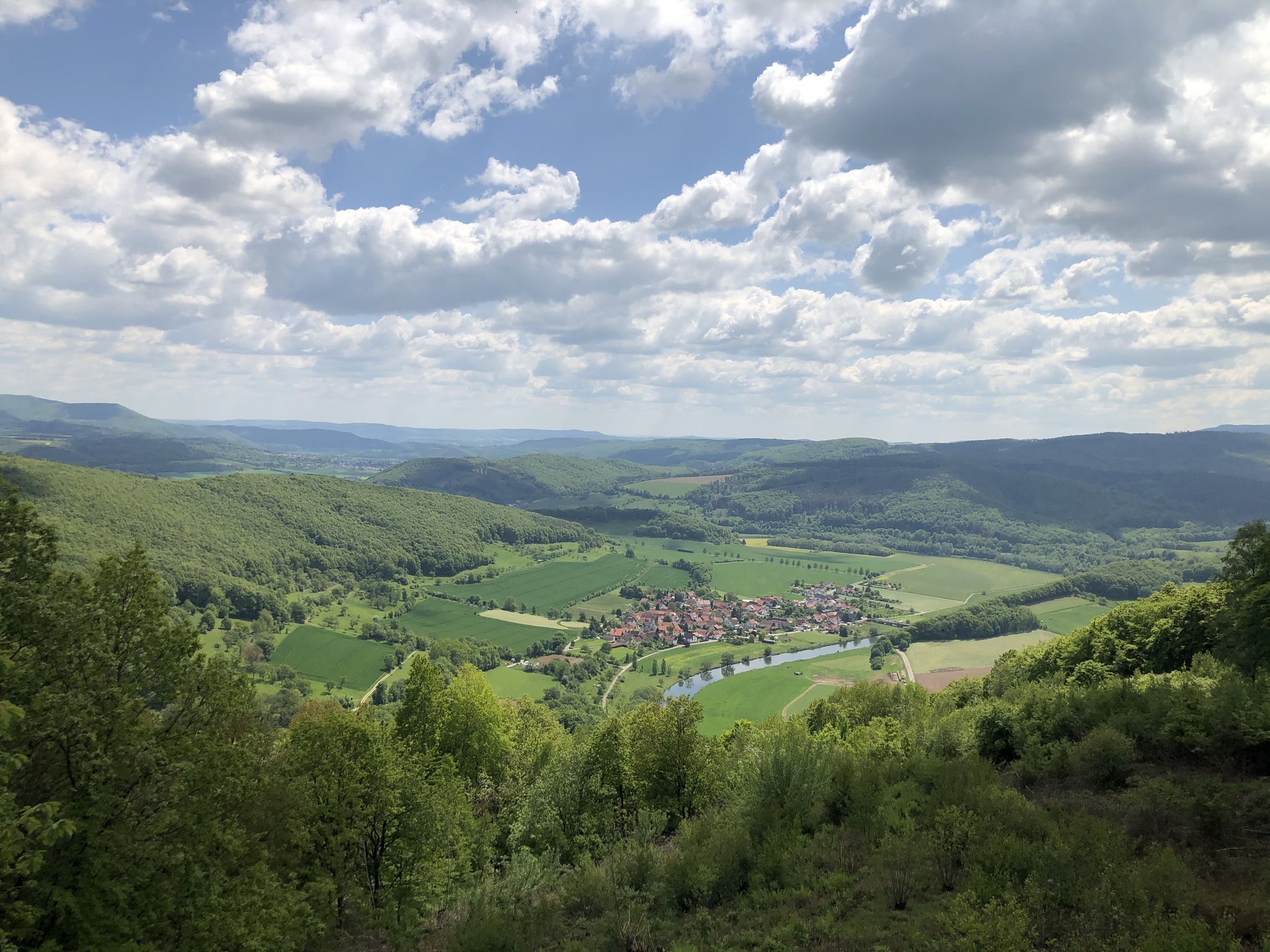
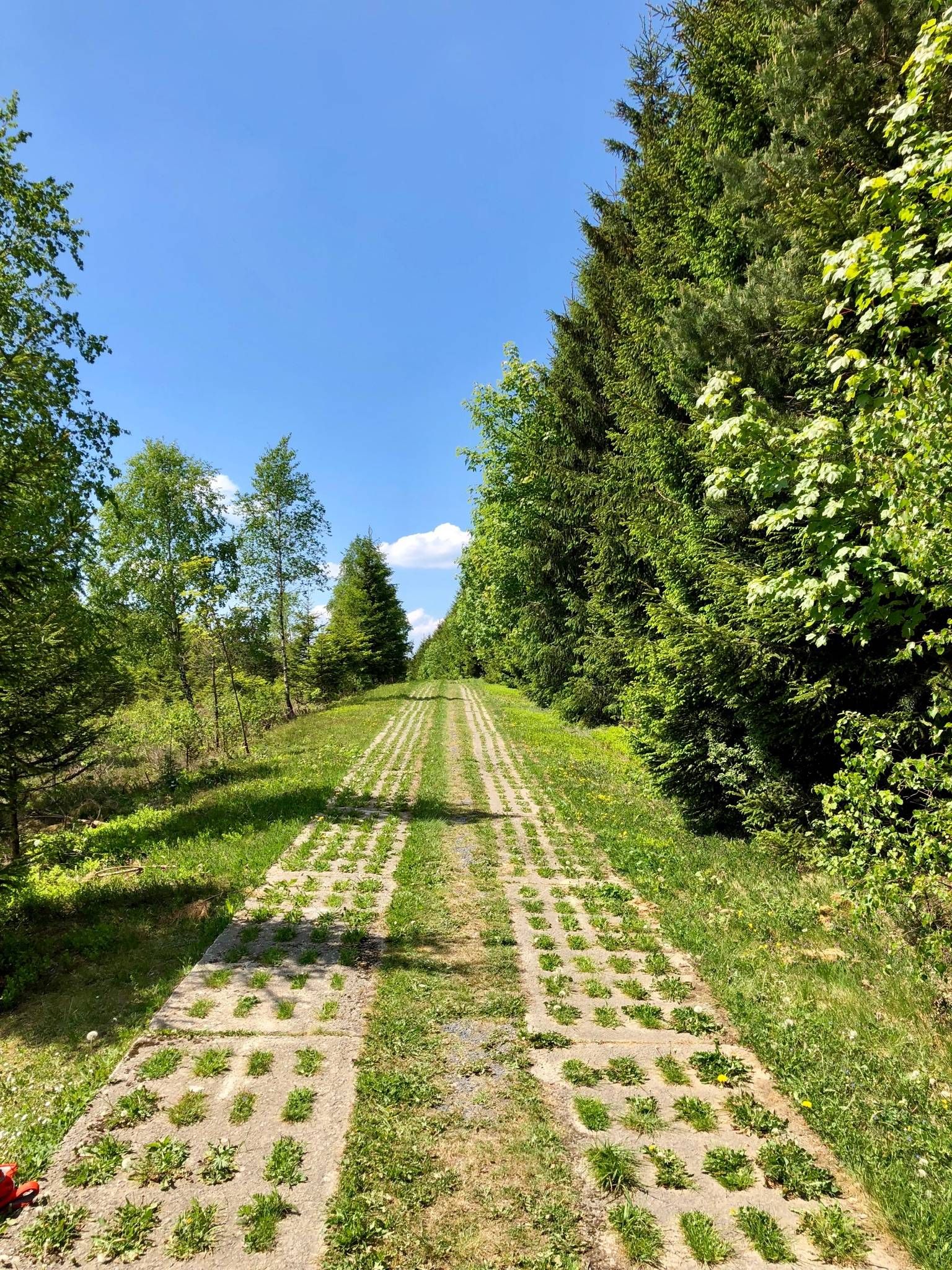
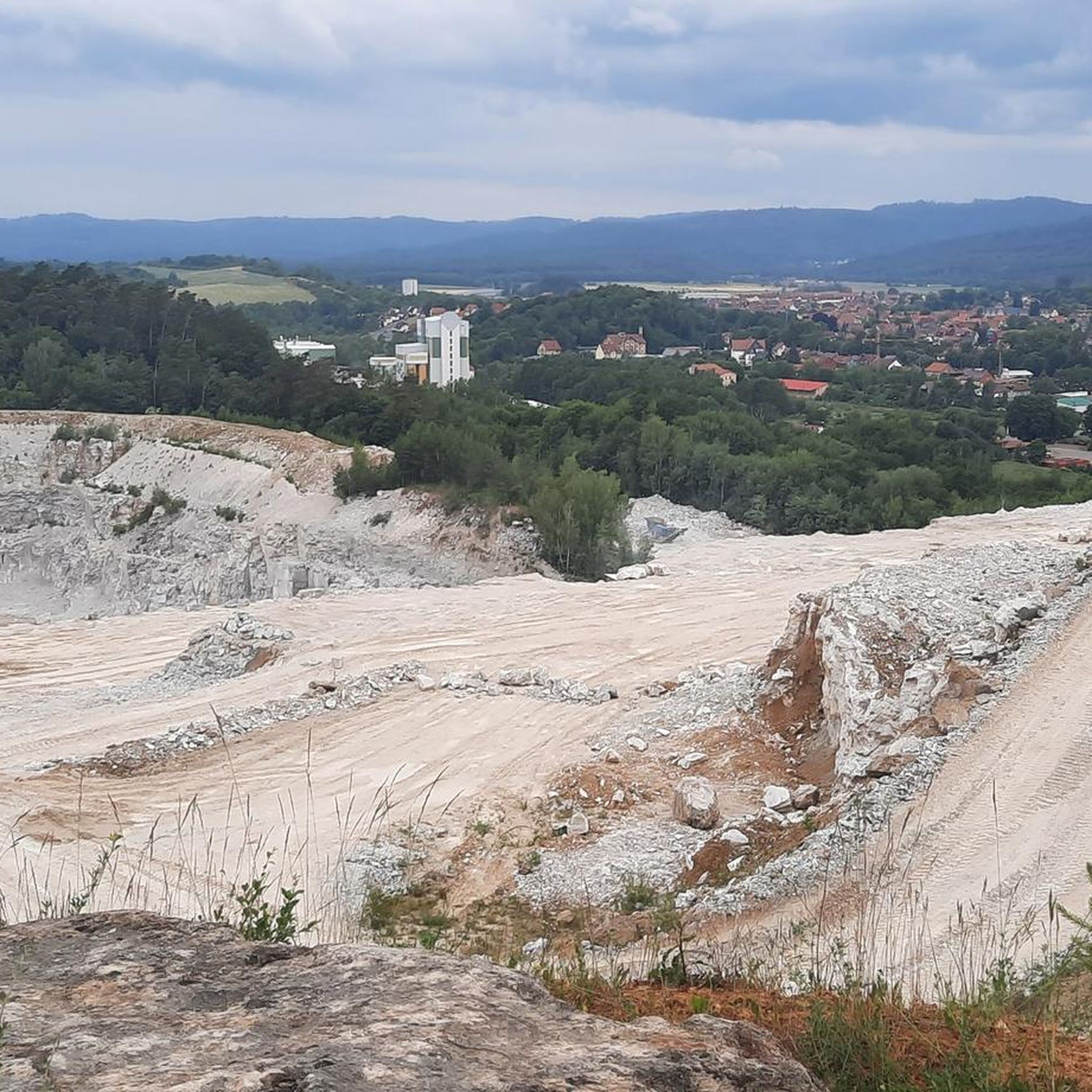
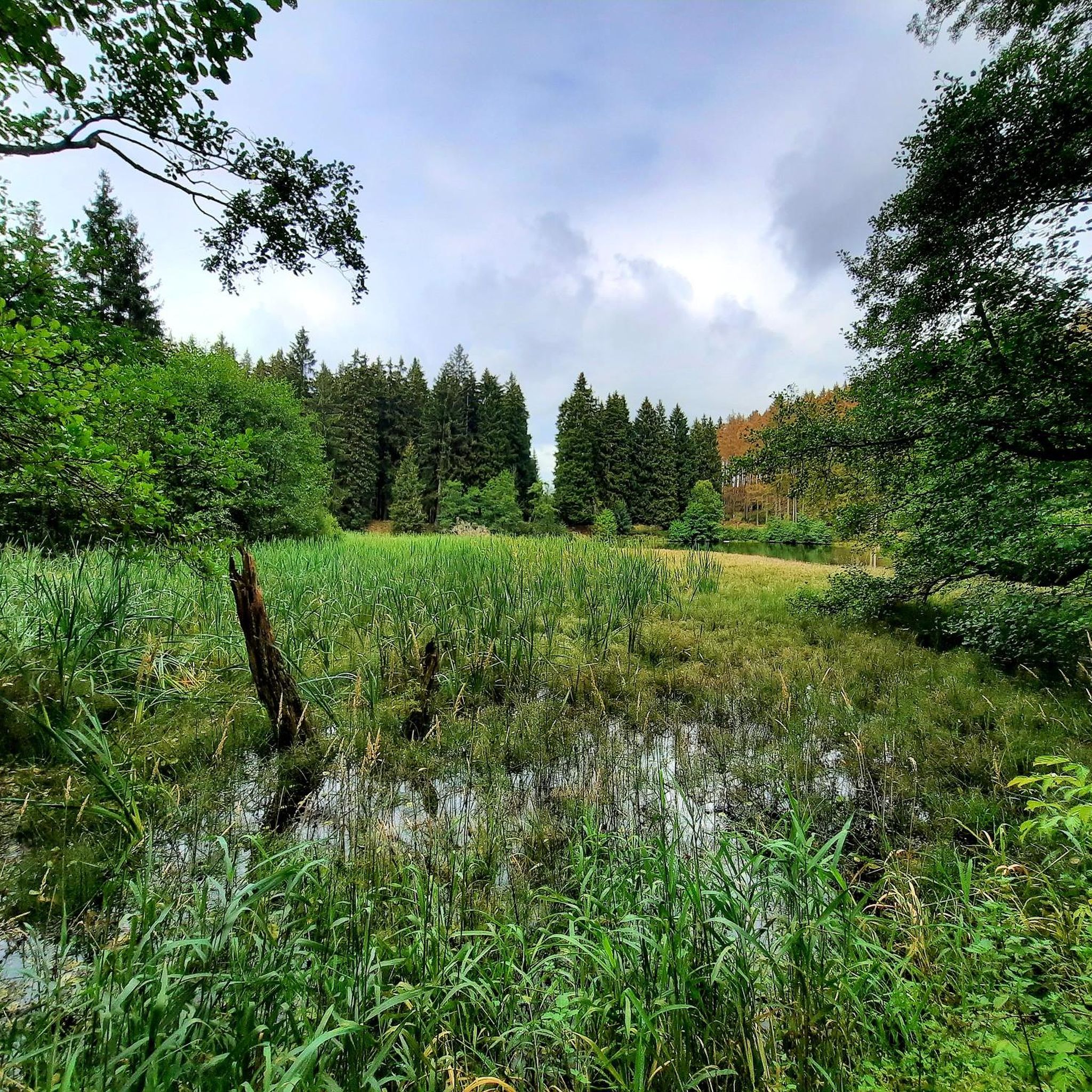
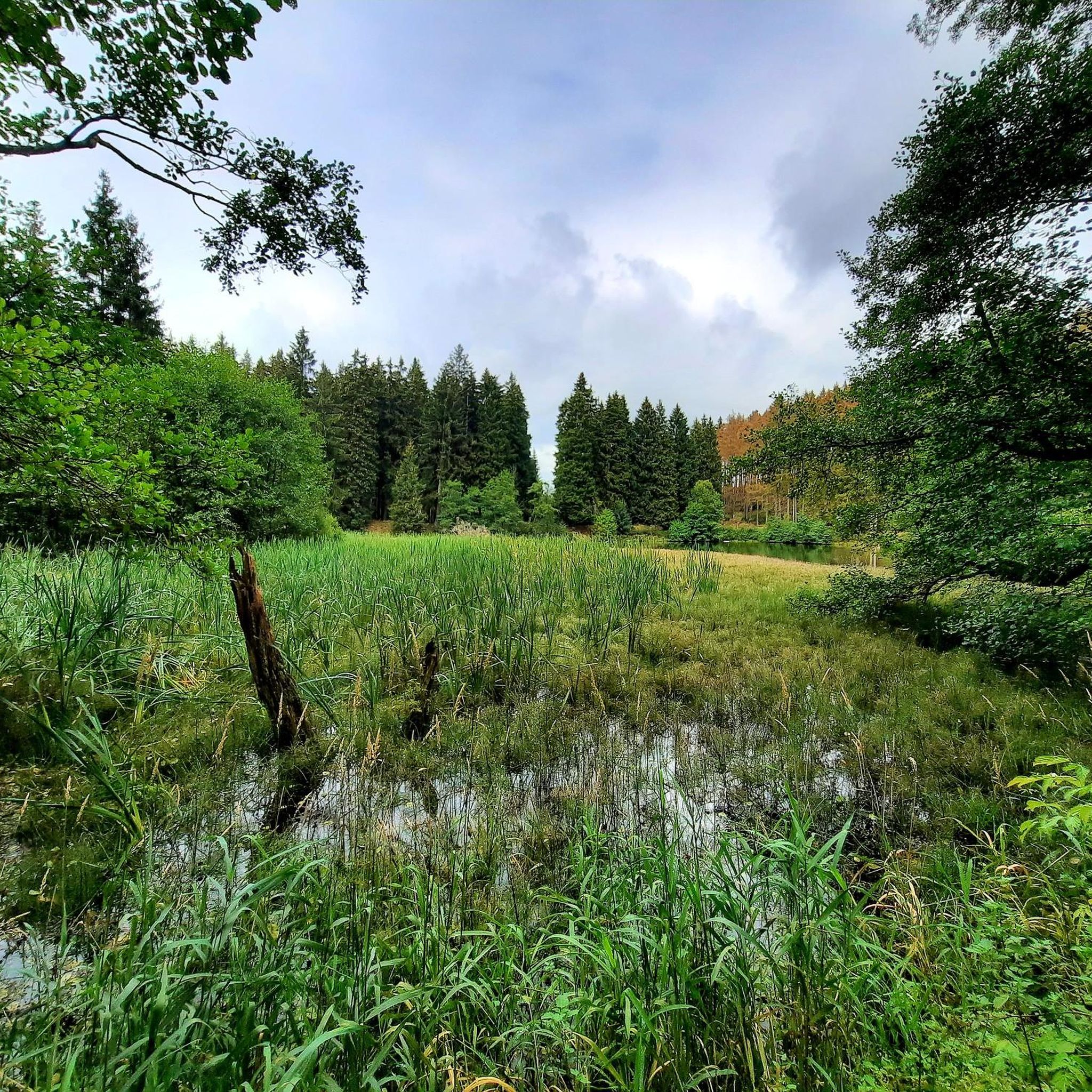
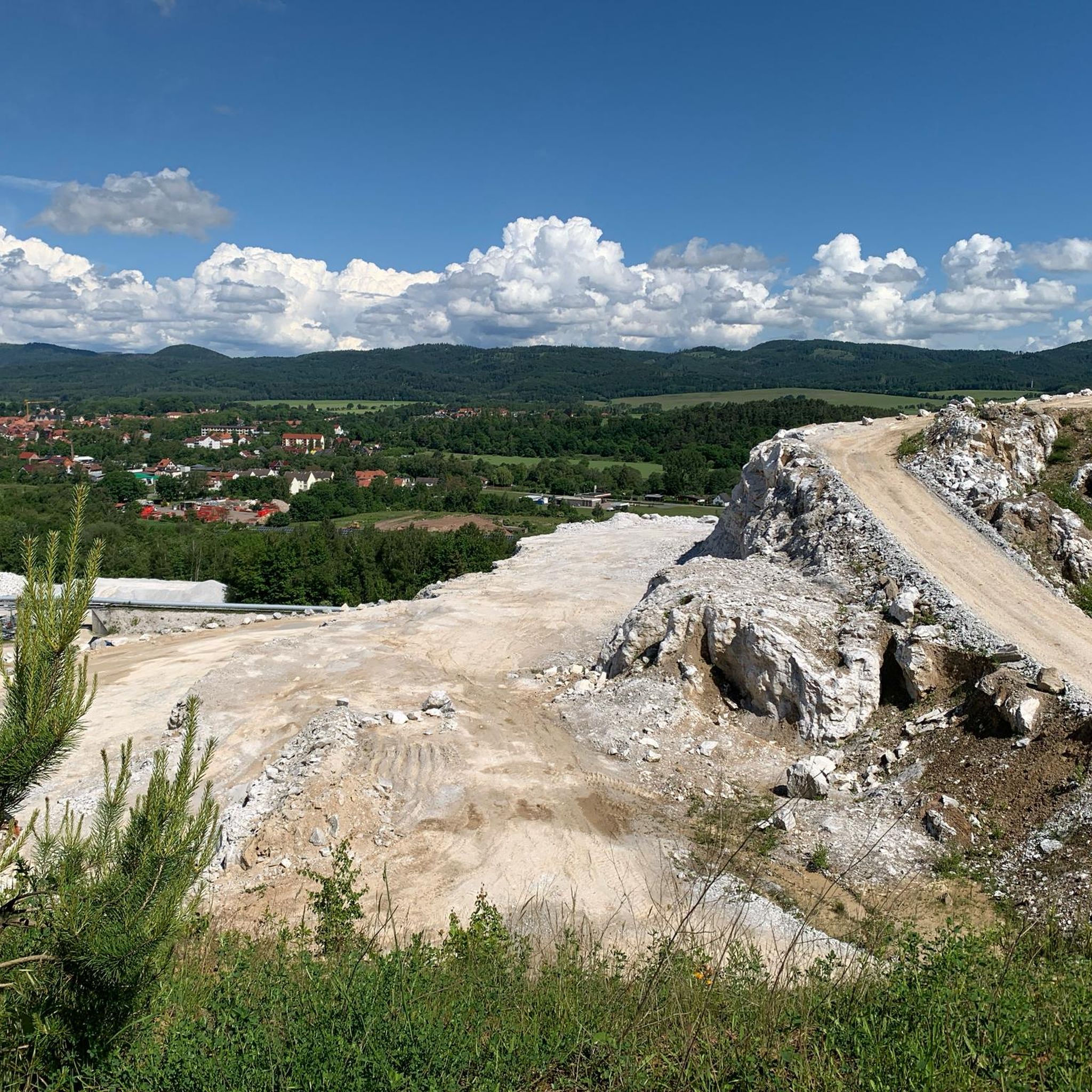
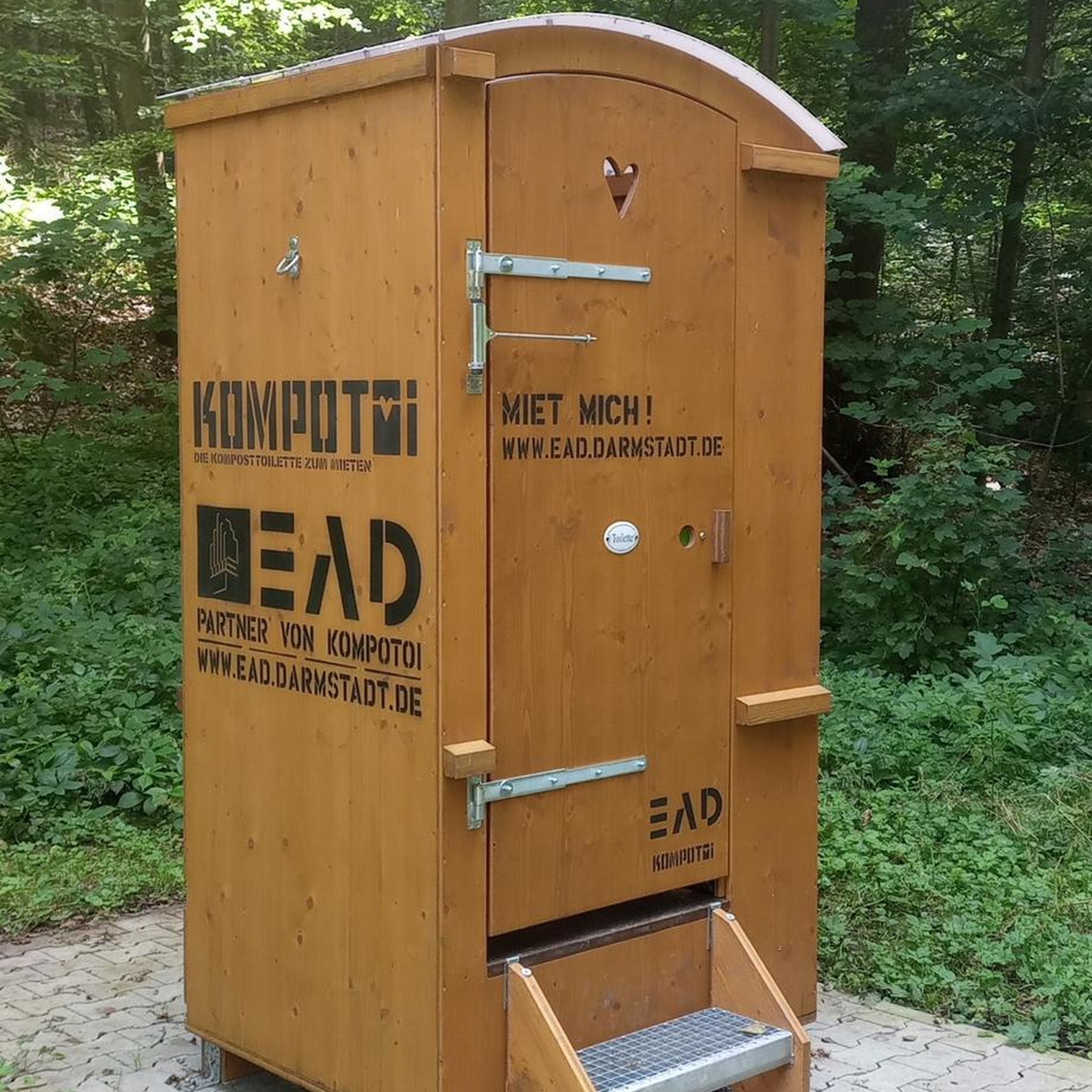



Tips from the Community

This shelter no longer exists and the stamp box has been moved slightly.
10
0

Since 1894, the wooded Poppenberg has had a 33.5 m high observation tower in steel framework construction built by the Nordhausen branch of the Harz Club, which was named after Prince Otto zu Stolberg-Wernigerode. On the occasion of the dedication of the tower on July 12, 1894, the mountain peak was christened Fürst-Otto-Höhe in honor of the forest owner. The tower was renovated in 1994.[2] When visibility is good, it offers a comprehensive view of the southern Harz, the Lower Harz with the Joseph Cross on the Großer Auerberg, the Goldene Aue and the Kyffhäuser. (Source: Wikipedia)
16
1

The old turning body has fallen over in the meantime. You can still see the remains of the old spiral staircase that long ago allowed visitors to climb to the platform in the treetop.
12
1

I've been here so many times now, in every season. The first time was an absolute challenge for me with my fear of heights. But now it gets better with every climb. And the view is sensational anyway.
12
0

The Stöberhai, which is 731 meters high, is a bit of a challenge.
23
2

great resting place on the Grenzweg, the oak must have been an impressive tree with its viewing platform in the past, unfortunately destroyed by a storm, but a monument should be erected at this point
15
2

Zeynep, the last hurricane unfortunately blew the oak down
10
2

The weather vane on the Herzberg is considered a symbol of Ilfeld and can be seen several times from the village.
19
1
Frequently Asked Questions
What unique geological features can I explore among the natural monuments around Ellrich?
The Ellrich area is renowned for its distinctive gypsum karst landscape. You can explore features like the massive sinkhole and semi-open cave at Die Kelle, which is a significant gypsum cave. The Himmelreich Gipsmassiv also showcases numerous typical karst phenomena, including steep rock faces up to 40 meters high and the impressive Himmelreichhöhle, the largest known natural cavity in the German low mountain ranges.
Are there any natural monuments with historical significance in the Ellrich area?
Yes, several natural monuments in the region hold historical importance. Die Kelle has been documented for centuries and was known as a pilgrimage site. The Two-Country Oak (Zweiländereiche) marks the former inner-German border, with boundary stones from different historical periods still visible. The Itelteich was originally created by Cistercian monks in the Middle Ages for fish farming, making it a cultural-historical monument.
What are some popular hiking trails to natural monuments near Ellrich?
The region offers many trails, including sections of the Karstwanderweg. For a popular option, you can hike to the Reversible oak (HWN 165), which was once a lookout point between Zorge and Sülzhayn. Another well-loved route leads to the Poppenberg Tower (HWN 92), offering magnificent views. You can find more hiking options in the Easy hikes around Ellrich guide.
Are there family-friendly natural monuments or activities around Ellrich?
The Stierberg Pond (HWN 048) is noted as family-friendly, offering a beautiful, quiet place in the forest. The Two-Country Oak (Zweiländereiche) also has facilities and is considered family-friendly, providing an interesting historical context for older children. Many of the well-marked hiking trails, especially those categorized as 'easy,' are suitable for families.
Where can I experience panoramic views of the Southern Harz landscape?
For impressive panoramic views, head to the Poppenberg Tower (HWN 92). This 33.5-meter-high observation tower provides clear views of the Brocken and the Kyffhäuser. Additionally, points within the Himmelreich Gipsmassiv, such as the 'Hexentanzplatz' (Witches' Dance Floor), offer great views over Ellrich and the Southern Harz.
Can I find any natural monuments that are also important for wildlife or ecology?
Yes, the Itelteich is a significant ecological site. Its western part is a valuable biotope with extensive marshlands, providing a habitat and retreat for numerous rare bird species. The Himmelreich Gipsmassiv, part of the 'Gipskarstgebiet bei Bad Sachsa' FFH area, is also characterized by diverse deciduous forests, supporting a rich ecosystem.
What kind of outdoor activities, besides hiking, can I do near Ellrich's natural monuments?
Beyond hiking, the area around Ellrich offers opportunities for running and road cycling. You can explore various routes, such as the 'Ellricher Kelle Cave – St. Johannis Church, Ellrich loop' for running, or the 'Steina–Tettenborn Cycle Path – Bad Sachsa loop' for road cycling. More details can be found in the Running Trails around Ellrich and Road Cycling Routes around Ellrich guides.
Is there a good place to see a pond or water feature among the natural monuments?
The Itelteich is the largest and most notable pond in the region. It's a serene and idyllic dammed pond, fed by karst springs, and is an important cultural-historical and ecological site. Another option is the Stierberg Pond (HWN 048), a beautiful and quiet spot in the middle of the forest.
What is the best time of year to visit the natural monuments around Ellrich?
The natural monuments around Ellrich can be enjoyed throughout the year, each season offering a different experience. Spring and autumn are ideal for hiking, with pleasant temperatures and vibrant foliage. Summer provides lush greenery, while winter can offer a unique, tranquil landscape, especially for those prepared for colder conditions. Always check local weather conditions before your visit.
Are there any natural monuments that offer a glimpse into the former inner-German border history?
Yes, the Two-Country Oak (Zweiländereiche) and Harz Border Trail marker is a significant site. The former inner-German border ran exactly through the two trunks of this oak in the Ellricher city forest. You can still see remains of barbed wire and various boundary stones (KP for Kingdom of Prussia, HB for Duchy of Braunschweig, ST W for Stiftsamt Walkenried, and GDR for a 1968 boundary stone), which explain the historical divisions of the area.
What do visitors enjoy most about the natural monuments around Ellrich?
Visitors frequently appreciate the unique geological formations, such as the gypsum karst landscape and caves, which offer a fascinating insight into the region's natural history. The well-marked hiking trails and panoramic views, like those from the Poppenberg Tower, are also highly praised. The blend of natural beauty with historical and ecological significance, such as at Itelteich, makes for a diverse and rewarding experience.
Most popular routes around Ellrich
Most popular attractions around Ellrich

Get inspired with the komoot mobile app


Explore more
Extend your search for the best caves by checking out these guides of the top ones around Ellrich:
