Top 10 Castles around Isona I Conca Dellà
Best castles around Isona I Conca Dellà are located in the municipality of Isona i Conca Dellà, within the Pallars Jussà region of Catalonia, Spain. This area is characterized by a rich historical and architectural heritage, featuring numerous medieval castles. The landscape provided strategic locations for these ancient fortifications, offering insights into the region's past. Visitors can explore structures that reflect centuries of history and military architecture.
Best castles around Isona I Conca Dellà
- The most popular castles is Castell…
Last updated: May 11, 2026
Castell de Mur
Highlight • Castle
Translated by Google •
Tip by

Claverol Castle
Highlight • Castle
Translated by Google •
Tip by

Sign up now to discover places like this
Get recommendations on the best single tracks, peaks, & plenty of other exciting outdoor places.
Sign up for free
Ruins of Montsor Castle
Highlight • Castle
Translated by Google •
Tip by
Orcau Castle
Highlight • Castle
Translated by Google •
Tip by
Abella de la Conca
Highlight • Settlement
Translated by Google •
Tip by
Sign up for free to discover even more castles around Isona I Conca Dellà.
Sign up for free
Already have an account?
Start today with a free account
Your next adventure awaits.
Login or Signup

Tips from the Community

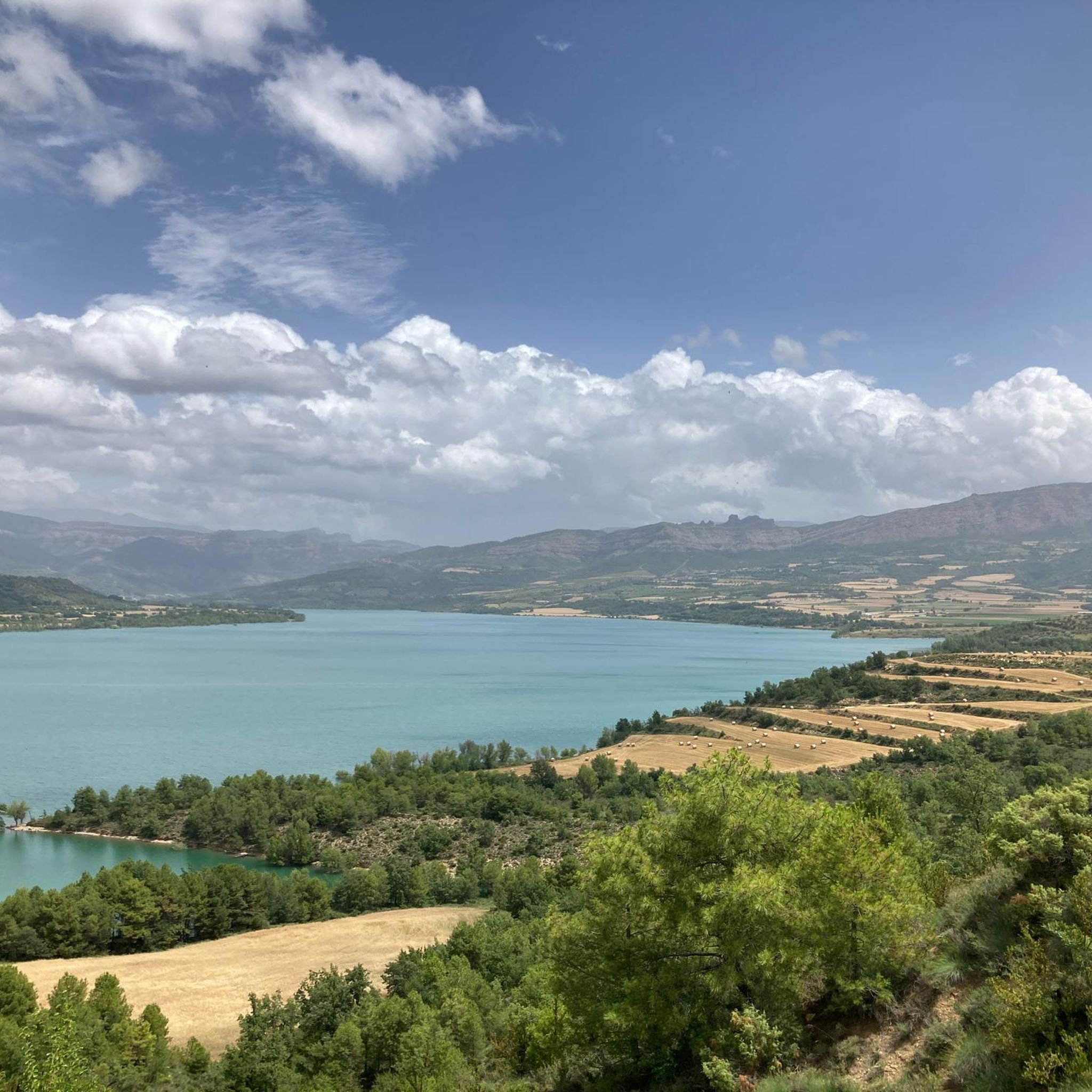
Claverol is a typical mountain village with local stone constructions including a small defensive castle perched on a defensive hill overlooking the lake.
1
0
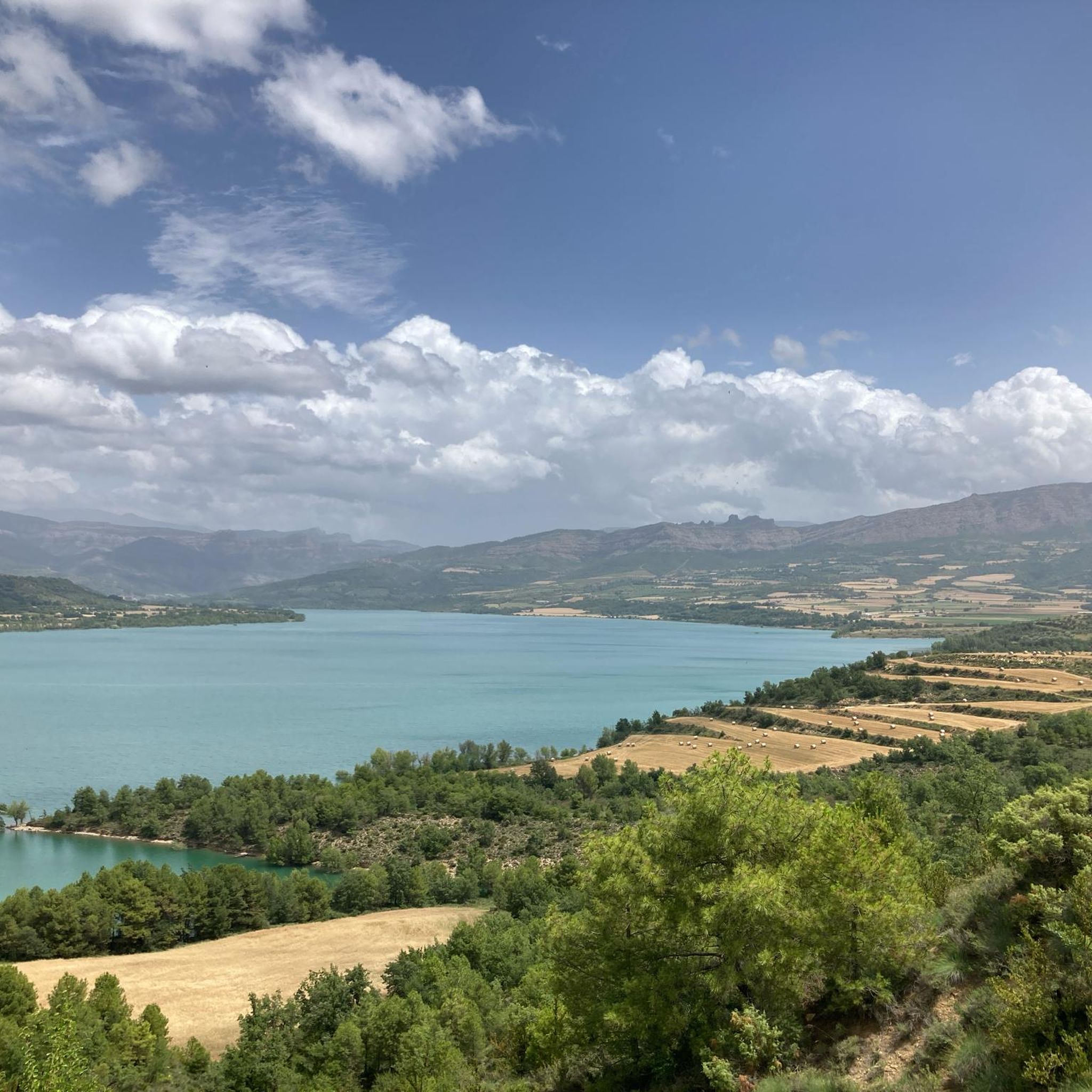
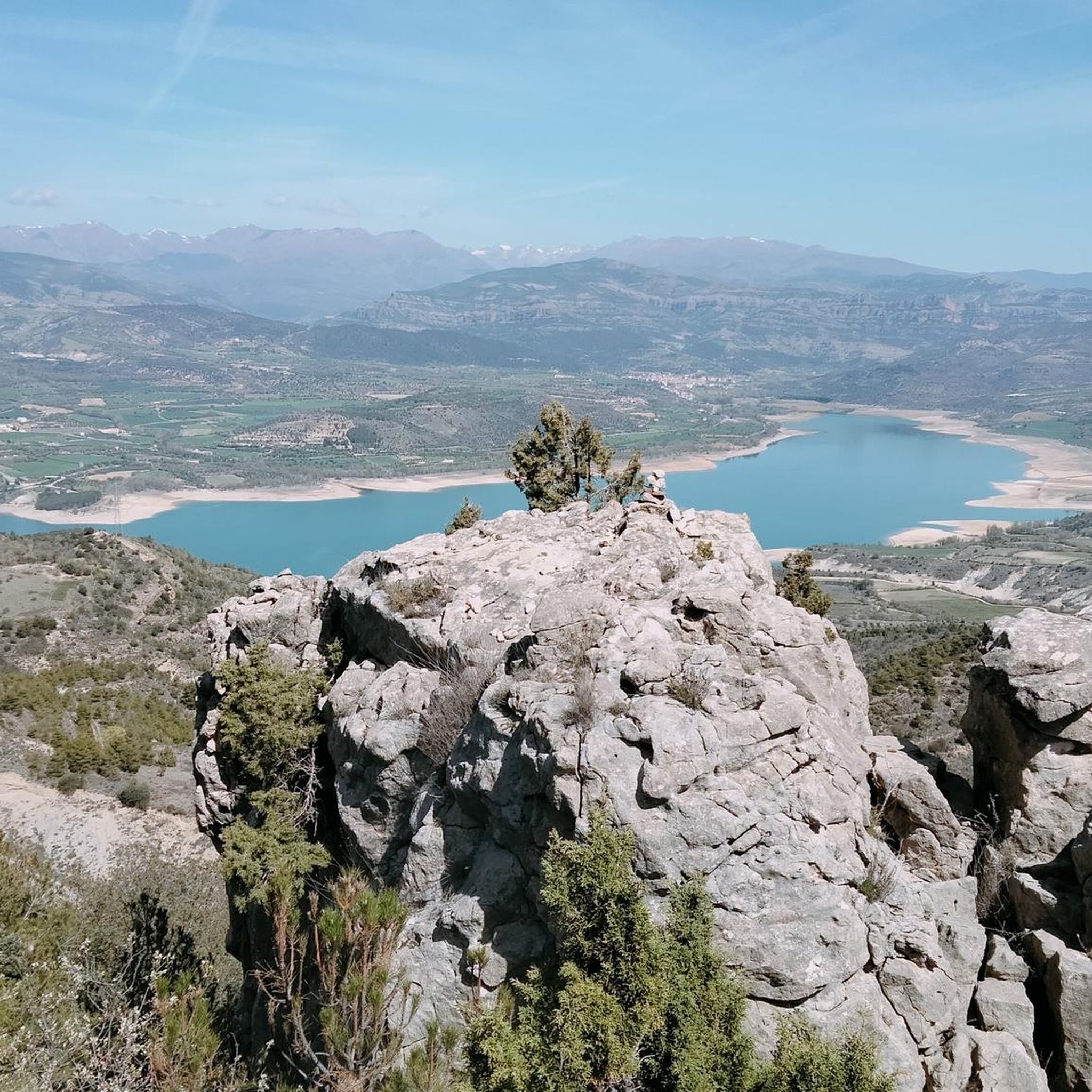
Ruins of the 14th century castle that protected the mountain trade routes that ran through La Pobla. A unique landscape of exposed rock formations and views of the lake valley. An amazing place for hiking and rock climbing.
2
0
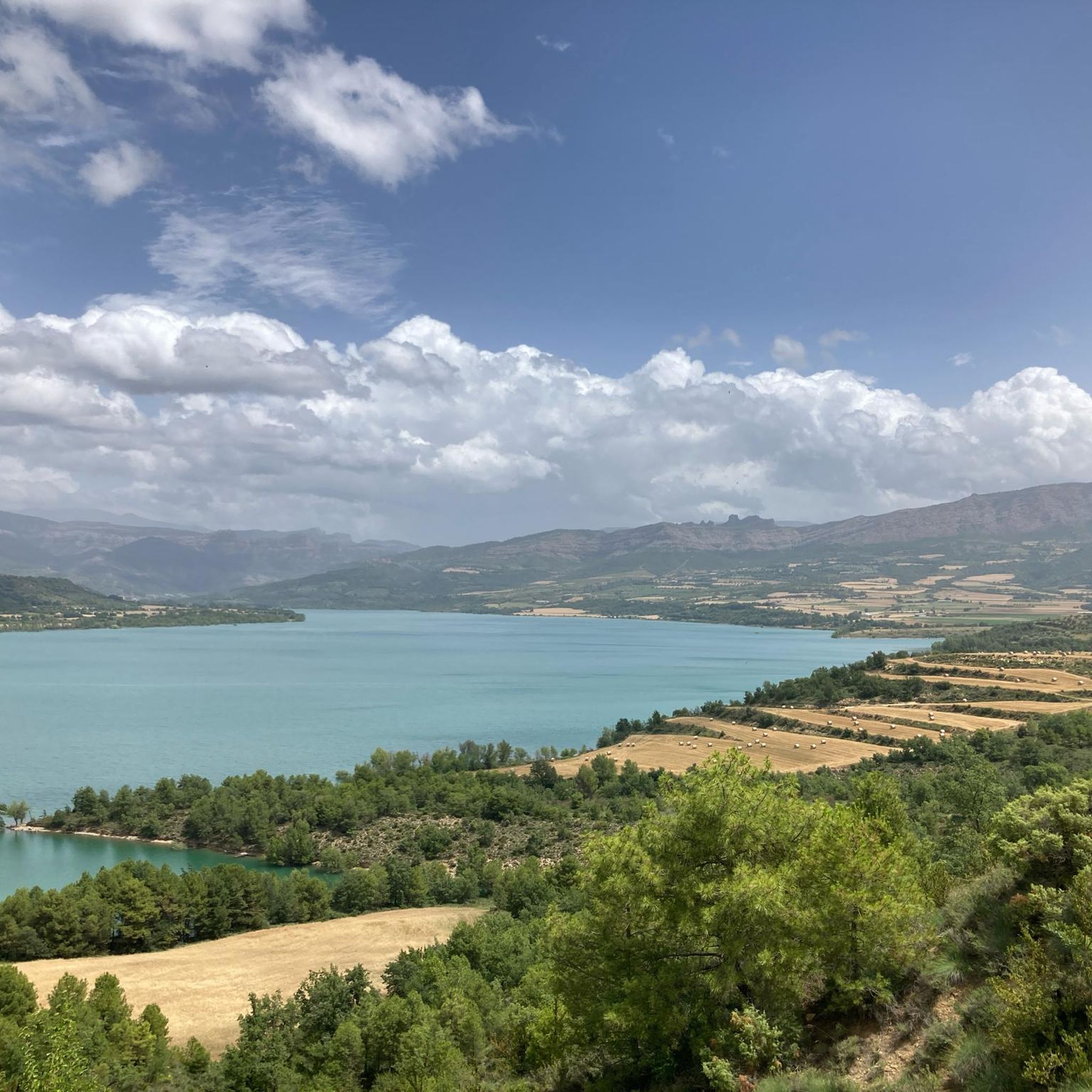
The ruins of Orcau Castle sit on top of a hill above the town. The defensive castle is now in a dilapidated state and is a great place to walk if you are visiting the area. The views from the top are spectacular.
1
0

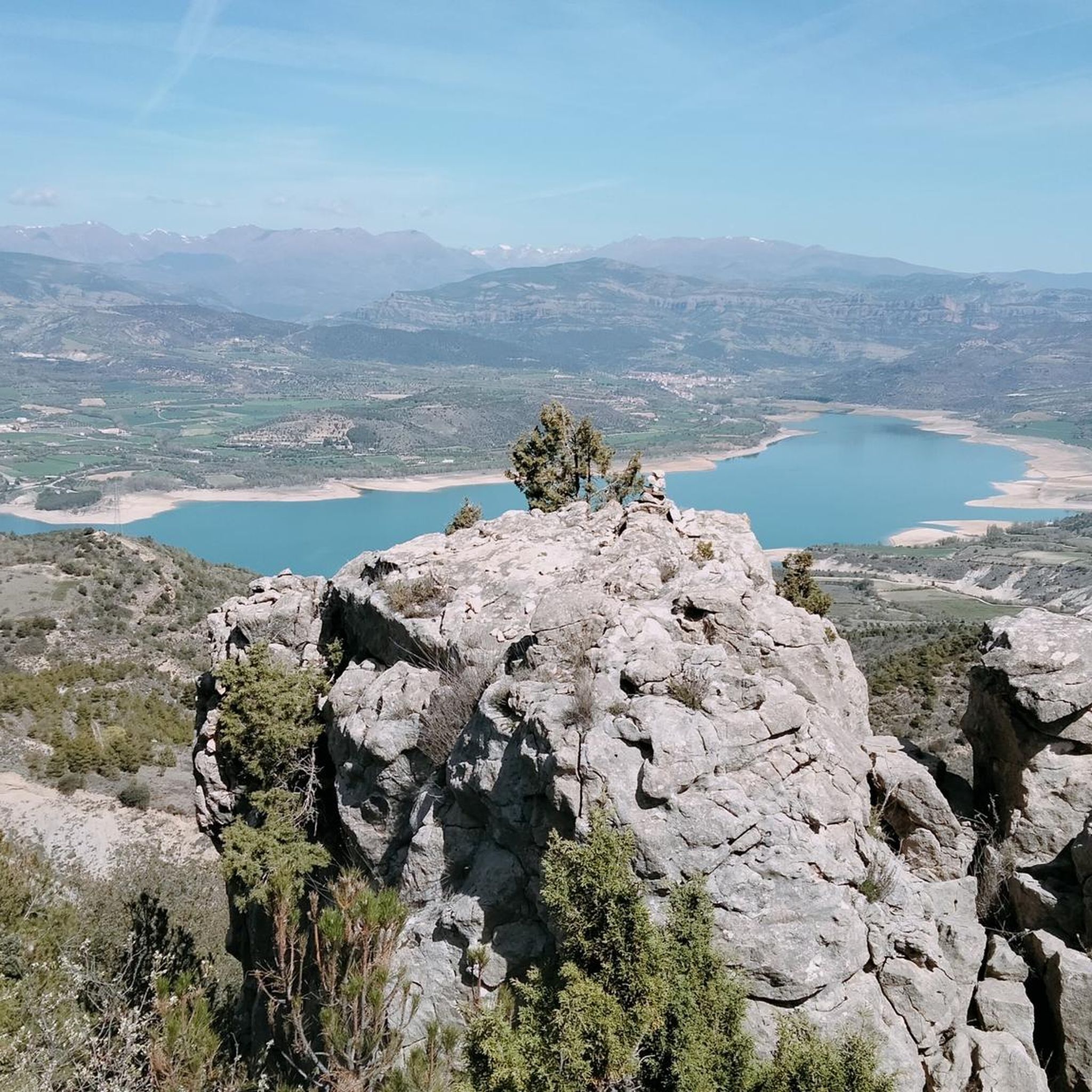
Partially rebuilt castle with spectacular views of the basin.
0
0

Nice town located in the Pallars Jussá region. We can visit its castle, the Romanesque church or walk through the narrow streets. A magnificent opportunity to discover this small town is the day of the honey fair in Abella de la Conca.
0
0

A very beautiful town nestled in the middle of the Serra de Carreu-Sant Corneli. But close to the town is the Forat de l'Abella, a small gorge surrounded by vertical limestone walls.
0
0
We place the castle of Mur, to S. X and S. XI. Romanesque in style, it offers us magnificent views and an interesting history. Highly recommended, make an appointment for a guided tour.
1
0

here you can take shelter if it threatens to thunder
0
0
Frequently Asked Questions
What are some of the most historically significant castles in the Isona i Conca Dellà area?
The region is rich in history. The Castell de Mur, a Romanesque castle from the 10th and 11th centuries, is highly recommended for its historical significance and magnificent views. Another notable site is the Castle of Llordà, an 11th-century palace residence that belonged to Arnau Mir de Tost, showcasing impressive Romanesque architecture and offering insight into medieval defense strategies.
Are there castles with particularly good views in Isona i Conca Dellà?
Yes, several castles offer spectacular panoramic views. The Castell de Mur is known for its magnificent vistas. Similarly, Orcau Castle, though in ruins, sits atop a hill providing spectacular views of the surrounding area. Claverol Castle also offers views overlooking a lake from its defensive position.
What kind of outdoor activities can I do near the castles in Isona i Conca Dellà?
The area around the castles is excellent for various outdoor activities. You can find numerous routes for hiking, cycling, and gravel biking. For example, there are challenging cycling loops like the 'Sant Antoni Dam – MAF Trail' and moderate hiking trails such as 'Alto de Roc de Neret from Tremp'. Many of these routes pass by or offer views of the historical sites.
Are there any family-friendly castles to visit in the region?
While specific 'family-friendly' designations aren't always available, castles like Castell de Mur, with its interesting history and recommended guided tours, can be engaging for families. Exploring the ruins of castles like Orcau Castle or the village of Abella de la Conca, which includes a castle, offers opportunities for exploration and imagination for all ages.
What is the best time of year to visit the castles in Isona i Conca Dellà?
The region experiences a Mediterranean climate with continental influences. Spring and autumn generally offer the most pleasant weather for exploring the castles and engaging in outdoor activities, with milder temperatures. Summer can be hot, while winter can be cold, especially at higher elevations, though the landscapes can be beautiful under different seasonal conditions.
What are some lesser-known or 'hidden gem' castles in the Isona i Conca Dellà area?
Beyond the more prominent sites, the region is dotted with numerous medieval remnants. You might explore the Castell d'Orcau, the Recinte fortificat d'Orcau, or the Castell de Sant Romà d'Abella. The Castle of Benavent de la Conca was part of a defensive network, and the Castell de Galliner is another Romanesque-era castle worth discovering for those interested in deeper historical exploration.
Can I find Romanesque architecture among the castles in this region?
Absolutely. The Isona i Conca Dellà area is particularly noted for its Romanesque castles. The Castell de Mur is a prime example of 10th and 11th-century Romanesque style. The Castle of Llordà is also recognized as a magnificent example of Romanesque architecture from the 11th century, offering a tangible connection to this historical period.
Are there any castles that are part of a larger historical village or settlement?
Yes, Claverol Castle is situated within a typical mountain village featuring local stone constructions. Similarly, the village of Abella de la Conca features its own castle, allowing visitors to explore both the historical fortification and the charm of the narrow streets of the town.
What do visitors enjoy most about the castles around Isona i Conca Dellà?
Visitors frequently appreciate the magnificent views offered by many of the castle sites, such as from Castell de Mur and Orcau Castle. The rich history and the opportunity to explore Romanesque architecture and defensive structures are also highly valued. The unique landscapes, including exposed rock formations and lake views, add to the appeal, making these sites great for both history buffs and nature lovers.
Are there any castles that offer insights into medieval defense strategies?
The Castle of Llordà is an excellent example, characterized by two distinct enclosures. The lower section housed a church and community, while the upper enclosure contained the noble castle, demonstrating the societal structure and defense strategies of the 11th century. The ruins of Montsor Castle also protected mountain trade routes, offering a glimpse into their strategic importance.
Can I combine a castle visit with other natural attractions?
Definitely. The region's diverse heritage includes not only medieval structures but also Roman remains and paleontological sites with dinosaur footprints. For example, near Abella de la Conca, you can find the Forat de l'Abella, a small gorge surrounded by vertical limestone walls, offering a beautiful natural complement to the historical exploration.
Are there any castles that are particularly well-preserved or offer guided tours?
The Castell de Mur is a well-preserved Romanesque castle from the 10th and 11th centuries, and guided tours are highly recommended to fully appreciate its history and architecture. This allows for a deeper understanding of its significance.
Most popular routes around Isona I Conca Dellà
Most popular attractions around Isona I Conca Dellà

Get inspired with the komoot mobile app


Explore more
Looking for the best castles somewhere else? Discover other guides around Isona I Conca Dellà:
