Top 14 Castles around Cembra Lisignago
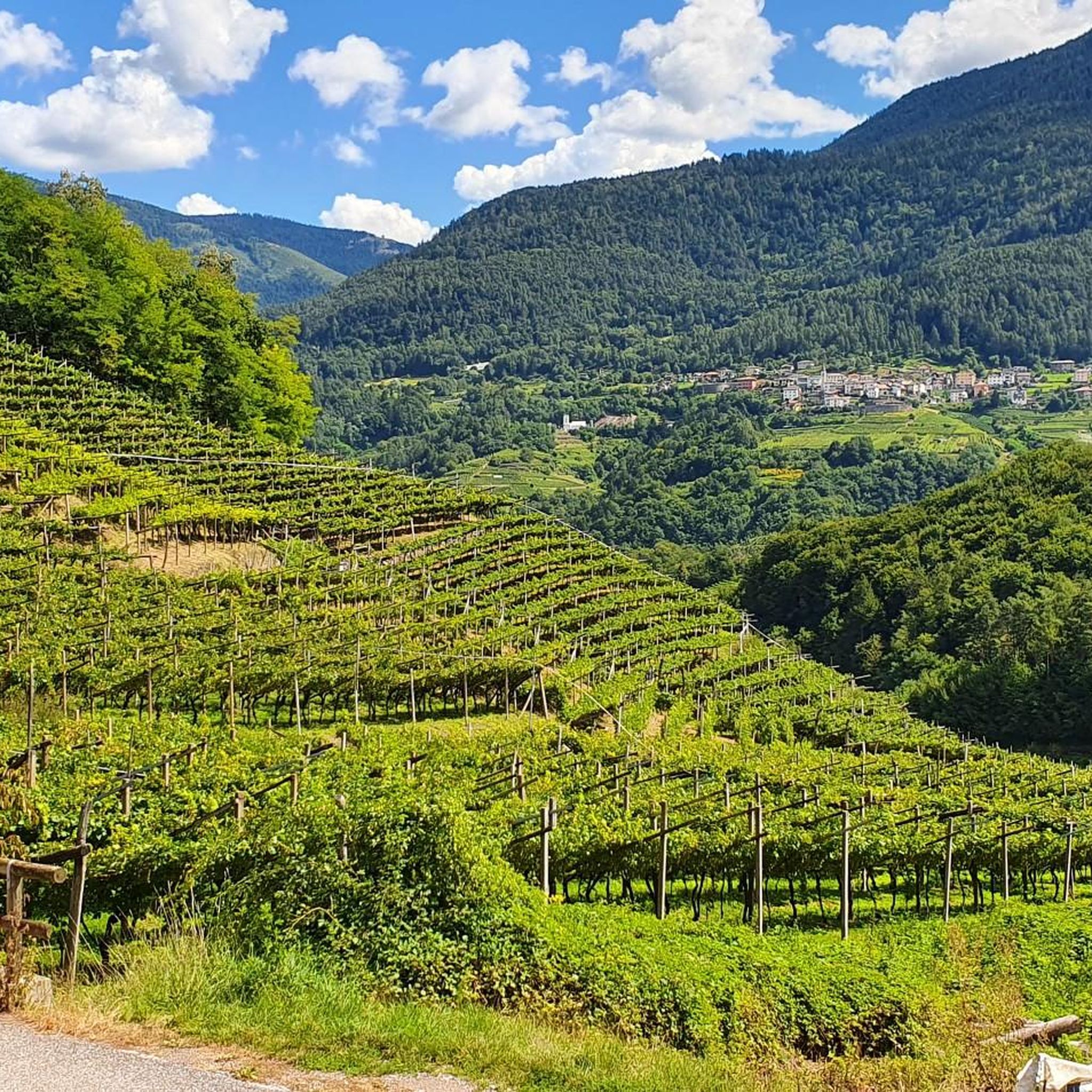
Best castles around Cembra Lisignago are found in a region rich in history, nestled within the Val di Cembra. This area offers glimpses into centuries past, with historical sites providing insight into its strategic significance. The landscape is characterized by valleys and rocky spurs, where fortifications once guarded trade routes. Visitors can explore these historical landmarks, often accessible via paths winding through vineyards and orchards.
Best castles around Cembra Lisignago
- The most popular castles is Castello di Salorno (Haderburg), a castle overlooking Salorno. It is a very nice castle ruin with great views, and its restaurant has an enchanting atmosphere.
- Another must-see spot is Castel San Pietro, a historical site featuring the ruins of a medieval tower. The remains are located on a natural terrace that offers a spectacular view of the northern Brenta Group and the lower Val di Non.
- Visitors also love Monreale Castle, a historical site with a demanding climb towards it. The castle is notable for its historical significance and the various cycle/pedestrian paths that start from its vicinity.
- Cembra Lisignago is known for medieval ruins, strategic fortresses, and historical sites. The region offers a variety of castles to see and explore, from well-preserved structures to significant archaeological remains.
- The castles around Cembra Lisignago are appreciated by the komoot community, with 87 upvotes and 148 photos shared by visitors.
Last updated: July 17, 2026
Castello di Salorno (Haderburg)
Highlight • Castle
Translated by Google •
Tip by

Winery Tiefenbrunner Schlosskellerei Turmhof
Highlight • Castle
The vineyards extend not only around the winery in Entiklar, but also in the renowned sites of Kurtatsch and Magrè. Particularly valuable are the rare south-facing slopes, which, due to their ideal location, are perfectly suited to Bordeaux varieties. Christof Tiefenbrunner emphasizes that grapes from other prime sites such as Völser Aicha (Sauvignon Blanc and Pinot Noir), Bozen (Lagrein), and Montan/Pinzón (Pinot Noir) are also being added to the range.
The winery's vineyards are located at impressive altitudes between 200 and 1,000 meters, creating a wide variety of soils and microcosms. From the estate's own grapes and those of contract winemakers, Schlossweingut Turmhof produces complex, aging-worthy wines that are given the necessary time to mature in the cellar. Sustainability and the careful use of nature are essential components of the winery's philosophy. The winery has been supplied with electricity from its own hydroelectric power plant since 1910.
Opening hours: Monday to Friday, 8:30 a.m. to 6:30 p.m.
Guided tours: upon request, registration required at least one day in advance at tiefenbrunner.com/fuehrungen
Bistro Weinbar Castel Turmhof Tiefenbrunner Kurtatsch: tiefenbrunner.com/winebar
All information at altoadigewines.com/en/winegrowers/winery-tiefenbrunner-schlosskellerei-turmhof/86-197549.html.
Translated by Google •
Tip by

Sign up now to discover places like this
Get recommendations on the best single tracks, peaks, & plenty of other exciting outdoor places.
Sign up for free
Segonzano Castle
Highlight • Castle
Translated by Google •
Tip by

Climb toward Cavedago
Highlight (Segment) • Castle
Translated by Google •
Tip by

Monreale Castle
Highlight • Castle
Tip by

Sign up for free to discover even more castles around Cembra Lisignago.
Sign up for free
Already have an account?
Start today with a free account
Your next adventure awaits.
Login or Signup


Tips from the Community

Very nice location
0
0


Before arriving in Cavedago you pass in front of Castel Belfort (it looks like the castle from Highlander)
0
0

The Tiefenbrunner winery in Entiklar is a true gem of the South Tyrolean wine landscape and boasts an impressive history. The winery has been family-owned since 1675 and has been run as a winery since 1848. Today, it bears the name Schlosskellerei Turmhof and is a landmark of the region, surrounded by a magnificent park. The vineyards extend not only around the winery in Entiklar, but also in the renowned sites of Kurtatsch and Magrè. Particularly valuable are the rare south-facing slopes, which, due to their ideal location, are perfectly suited to Bordeaux varieties. Christof Tiefenbrunner emphasizes that grapes from other prime sites such as Völser Aicha (Sauvignon Blanc and Pinot Noir), Bozen (Lagrein), and Montan/Pinzón (Pinot Noir) are also being added to the range. The winery's vineyards are located at impressive altitudes between 200 and 1,000 meters, creating a wide variety of soils and microcosms. From the estate's own grapes and those of contract winemakers, Schlossweingut Turmhof produces complex, aging-worthy wines that are given the necessary time to mature in the cellar. Sustainability and the careful use of nature are essential components of the winery's philosophy. The winery has been supplied with electricity from its own hydroelectric power plant since 1910. Opening hours: Monday to Friday, 8:30 a.m. to 6:30 p.m. Guided tours: upon request, registration required at least one day in advance at https://www.tiefenbrunner.com/fuehrungen Bistro Weinbar Castel Turmhof Tiefenbrunner Kurtatsch: https://www.tiefenbrunner.com/winebar All information at https://www.altoadigewines.com/en/winegrowers/winery-tiefenbrunner-schlosskellerei-turmhof/86-197549.html.
0
0

If you don't stop here, it's your own fault. There is a lot to discover and the wine is excellent
0
0

breathtaking view. The climb is very steep but it's worth it.
0
2

Interesting castle ruins with a beautiful view and a great castle tavern. The castle and tavern are closed on Thursdays and Fridays!
0
0

Beautiful ruins of Castel Salorno, a good restaurant inside, a bit steep climb up but definitely worth it
0
0
Frequently Asked Questions
What historical significance do the castles around Cembra Lisignago hold?
The castles in this region, such as Castello di Segonzano, Castel San Pietro, and Castello di Monreale (Königsberg), played crucial roles throughout history. They guarded trade routes, served as centers of political power, and offer glimpses into medieval life, with some even having prehistoric origins. They reflect centuries of strategic importance in the Val di Cembra.
Can I visit Castello di Segonzano?
Yes, the embattled ruins of Castello di Segonzano are accessible to visitors. You can reach them by taking the 'sentiero della Corvaia' path from Piazzo di Segonzano, which winds through vineyards and apple orchards. The site offers stunning views and a tangible connection to its medieval past, including its connection to Albrecht Dürer.
What is unique about Castel San Pietro?
Castel San Pietro is notable for its ancient origins, with archaeological finds dating back to the Stone Age. Its ruins, located on Mount Ciolino, offer spectacular panoramic views of the northern Brenta Group and the lower Val di Non. It was once known as 'Tre Corni' due to its robust walls, and its historical significance spans from prehistory through the Middle Ages. You can find more information at visitvalsugana.it.
Is Castello di Monreale (Königsberg) open to the public?
Castello di Monreale, also known as Königsberg, is privately owned by the Castel Rametz Winery. While generally not open for daily public visits, it can be accessed on special occasions such as FAI days, 'Open Palaces' events, or other organized events. It features a massive hexagonal tower, a crenellated curtain wall, and a private chapel with Renaissance frescoes.
Are there other notable historical sites or castles in the area?
Beyond the main castles, you can explore other significant sites. For example, Castello di Salorno (Haderburg) is a popular castle ruin with great views and a restaurant. The Winery Tiefenbrunner Schlosskellerei Turmhof also features a historic castle structure within its grounds, offering a blend of history and viticulture.
Are there castles with great views around Cembra Lisignago?
Yes, several castles offer impressive vistas. Castel San Pietro provides spectacular views of the northern Brenta Group and the lower Val di Non. The ruins of Castello di Segonzano also offer commanding views over the Valle di Cembra. Additionally, Castello di Salorno (Haderburg) is known for its great views overlooking Salorno.
Are there hiking trails near the castles around Cembra Lisignago?
Absolutely. Many castles are integrated into or accessible via hiking trails. For instance, Castello di Segonzano is reached via the 'sentiero della Corvaia' path. The area around Cembra Lisignago offers numerous hiking opportunities, including routes like the Dürerweg to Lago Santo. You can find more hiking options in the Hiking around Cembra Lisignago guide.
What other outdoor activities can I do near the castles?
The region around Cembra Lisignago is excellent for various outdoor activities. Besides hiking, you can find numerous running trails, such as the 'Palazzo a Prato loop from Cembra', detailed in the Running Trails around Cembra Lisignago guide. Road cycling is also popular, with routes like the 'Lake Lases – Lago della Serraia loop from Cembra' available in the Road Cycling Routes around Cembra Lisignago guide.
What is the best time to visit the castles around Cembra Lisignago?
The best time to visit is generally during the spring, summer, and early autumn months (April to October) when the weather is pleasant for exploring and hiking to the castle sites. During these periods, the surrounding vineyards and orchards are also at their most vibrant. Winter visits might be possible for some sites, but access paths could be challenging due to snow or ice.
Are there family-friendly castles to visit?
Many of the castle sites, especially those with accessible paths and scenic views, can be enjoyed by families. Castello di Salorno (Haderburg) and the Winery Tiefenbrunner Schlosskellerei Turmhof are listed as family-friendly. When planning a visit, consider the difficulty of the access paths, as some, like the climb to Monreale Castle, can be demanding.
Is parking available near the castles?
Parking availability varies by castle. For sites like Castello di Segonzano, you would typically park in nearby villages such as Piazzo di Segonzano and then proceed on foot. For others, like Castello di Salorno (Haderburg), there might be parking at the base of the ascent. It's advisable to check specific access details for each castle before your visit.
Are there any cafes or restaurants near the castles?
Yes, some castles or their immediate vicinities offer dining options. Castello di Salorno (Haderburg), for instance, has a restaurant with an enchanting atmosphere. The Winery Tiefenbrunner Schlosskellerei Turmhof also features a bistro and wine bar. In general, nearby towns and villages will have cafes and restaurants to enjoy.
What do visitors particularly enjoy about the castles in this region?
Visitors frequently highlight the stunning views, the historical atmosphere, and the rewarding hikes to reach the castle sites. The community has shared 148 photos and given 87 upvotes, indicating a strong appreciation for the scenic beauty and the sense of history these locations offer. The combination of cultural exploration and outdoor activity is a major draw.
Most popular routes around Cembra Lisignago
Most popular attractions around Cembra Lisignago

Get inspired with the komoot mobile app


Explore more
Looking for the best castles somewhere else? Discover other guides around Cembra Lisignago:
