Top 20 Castles around Röhrenbach
Best castles around Röhrenbach offers a rich historical landscape, characterized by the Kamptal and Taffatal valleys. The region is home to significant Renaissance castles, such as Schloss Greillenstein, which provide insight into Austrian history and architecture. Visitors can explore a variety of historic sites, from well-preserved fortresses to scenic castle ruins. The area's natural setting complements these historical landmarks, making it suitable for exploration.
Best castles around Röhrenbach
- The most popular castles is Rosenburg Castle, a castle that towers…
Last updated: July 26, 2026
Rosenburg Castle
Highlight • Castle
Translated by Google •
Tip by

Dobra Castle Ruins
Highlight • Castle
Translated by Google •
Tip by

Sign up now to discover places like this
Get recommendations on the best single tracks, peaks, & plenty of other exciting outdoor places.
Sign up for free
Schloss Waldreichs
Highlight • Castle
Nothing remains of the original moated castle.
Translated by Google •
Tip by

Rosenburg Castle
Highlight • Castle
Translated by Google •
Tip by

Wildberg Castle
Highlight • Castle
Translated by Google •
Tip by

Sign up for free to discover even more castles around Röhrenbach.
Sign up for free
Already have an account?
Start today with a free account
Your next adventure awaits.
Login or Signup
Tips from the Community

Mystical masonry, excursion destination, haven of peace, picture-book backdrop, wedding location, in short – the Dobra castle ruins are a place for lasting experiences. Just 30 minutes northwest of Krems in the Waldviertel, the Dobra castle ruins lie in the middle of the water, on a peninsula in the Stausee Dobra. Almost 750 years old and 100 meters long, its walls tell many stories from distant days. Today, the keep of the former castle is an observation tower and offers an impressive view far over the Kampsee.
0
0

A great castle ruin. The keep can be climbed. A small donation is requested. From the tower, a flight on a steel cable to the opposite bank of the Kampsee is even offered. Events also take place here.
0
0

No Merlot here — the shelf stands empty, quiet, waiting for a bottle that never comes. Kein Merlot hier — das Regal bleibt leer, still, wartend auf eine Flasche, die nie kommt. Pas de Merlot ici — l'étagère reste vide, silencieuse, attendant une bouteille qui n'arrive jamais. No hay Merlot aquí — el estante queda vacío, silencioso, esperando una botella que nunca llega.
0
0
Schloss Waldreichs was first documented in 1258. Around 1400, Kaspar and Bernhard von Waldreichs are mentioned as feudal lords. After its destruction by an executionary army of the estates in 1446–1448, it was rebuilt as a fortress around 1450 under Hans Harrasser. The present-day ruin in the east wing, the chapel, and the eastern tower date from this period. In 1460, it was enfeoffed to Vinzenz Stodoligk. From 1519–1536, it was united with the Lordship of Ottenstein. Between 1530–1534, it was converted into a moated castle under Eustach Stodoligk. From 1533, it was a free property. In 1536, the complex passed to the Barons of Altena, who expanded it with a zwinger and a manor farm. After its conquest and plundering by imperial troops, the complex was rebuilt again and subsequently changed owners frequently. When it passed to Heinrich von Pereira-Arnstein in 1815, it was united with the Lordship of Wetzlas.
0
0

It looks very impressive - and the festival there is said to be fantastic. Yesterday (7/7/24), for example, Gershwin's "Rapsody in Blue" was performed.
0
0


The castle is idyllically situated on the cycle paths and is perfectly embedded in the landscape.
0
0

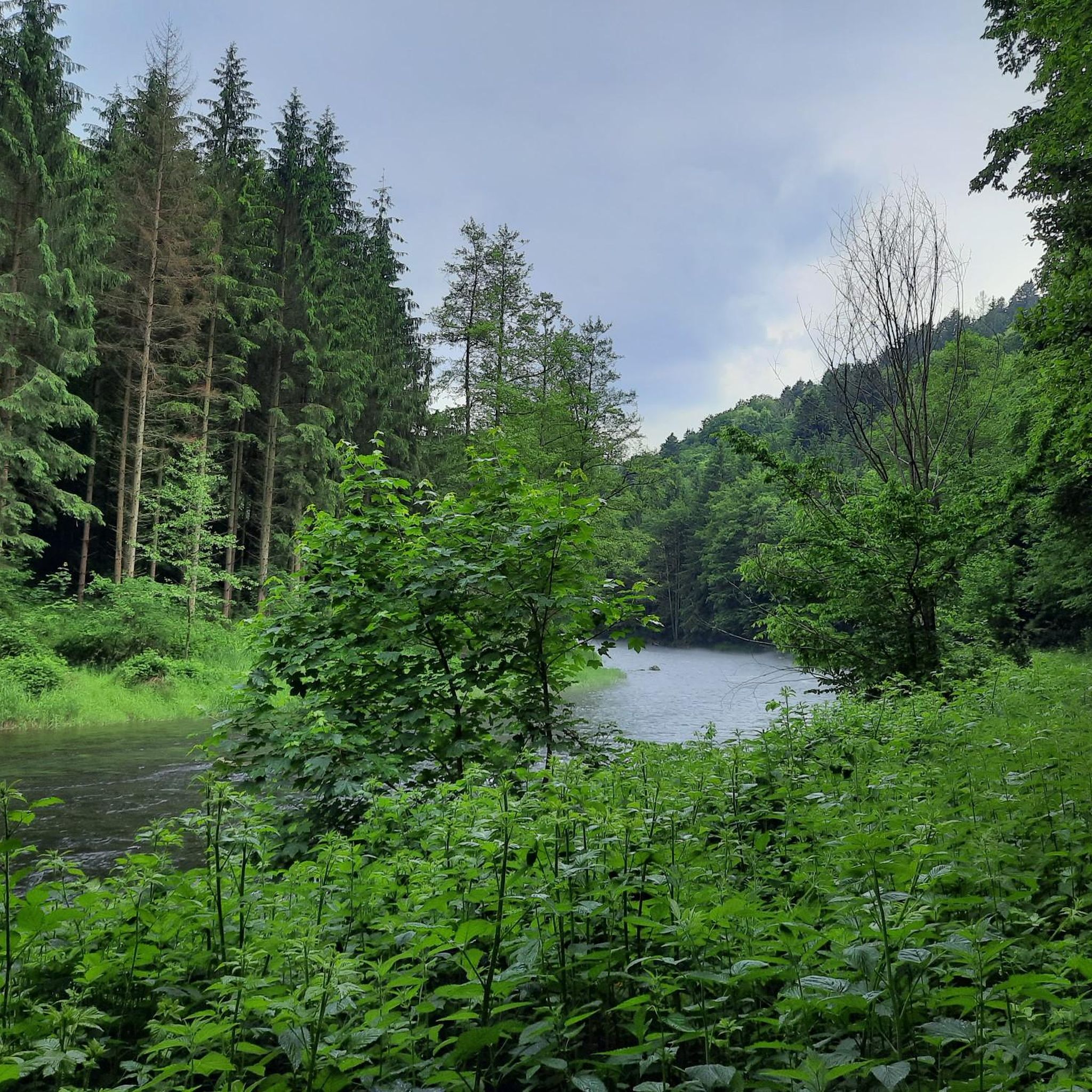
A very impressive ruin that has been well preserved or renovated to the extent that it is safe to enter. Great location right on the Dobra reservoir with great views from the keep.
0
0
Frequently Asked Questions
What types of castles can I explore around Röhrenbach?
The Röhrenbach region offers a diverse range of historical sites, from well-preserved Renaissance castles like Rosenburg Castle, known for its richly decorated rooms, to impressive medieval ruins such as Dobra Castle Ruins on Lake Dobra. You'll find fortresses, castle ruins, and Renaissance castles, each with unique architectural styles and histories.
Are there any family-friendly castles to visit near Röhrenbach?
Yes, Schloss Waldreichs is a family-friendly historical site. While the castle itself cannot be visited inside, its grounds are home to the Lower Austrian Falconry & Birds of Prey Center, offering an engaging experience for families. The castle is also idyllically situated on cycle paths, perfect for a family outing.
Which castle offers a deep dive into Renaissance and Baroque history?
Schloss Greillenstein is an excellent choice. This significant Renaissance castle, still owned by the noble Kuefstein family, showcases a blend of Renaissance architecture with Baroque symbolism. Over half of its approximately 60 rooms are open to visitors, featuring original furnishings, unique rooms like the Registry and Courtroom, and a Renaissance Chapel. It was one of the first castles in Austria opened to the public as a museum.
What outdoor activities can I do near the castles around Röhrenbach?
The region around Röhrenbach is great for outdoor enthusiasts. You can find various hiking, mountain biking, and road cycling routes. For example, there are moderate hiking trails like the 'Schauenstein Ruins – Former Binnenthal Mill Ruins loop' or road cycling routes such as the 'Steinegg Serpentines – Greillenstein Castle loop'. You can explore more options on the dedicated guides for Hiking around Röhrenbach, MTB Trails around Röhrenbach, and Road Cycling Routes around Röhrenbach.
Can I visit Schloss Greillenstein, and what are its notable features?
Yes, Schloss Greillenstein is open to visitors and offers guided tours. It's known for its authentic preservation, with interiors largely in their original 16th-century condition. Highlights include the only preserved regional court barrier in Austria, a unique Renaissance chapel, the Knights' Hall, Turkish Hall, and extensive libraries. The castle also features a revitalized Baroque garden with impressive tree-lined avenues and sandstone dwarfs.
Are there any castles with good viewpoints in the Röhrenbach area?
Yes, Dobra Castle Ruins on Lake Dobra offers a great view of the lake from its extensive medieval remains. Additionally, the Ruins of Ödes Schloss (Stein am Kamp) provides a good view over the Kamp and Taffatal valleys.
What is the best time to visit the castles around Röhrenbach?
The castles are generally enjoyable throughout the warmer months. Schloss Greillenstein, for instance, is noted for its pleasant summer atmosphere, making it suitable for family day trips. For outdoor activities like hiking and cycling around the castles, spring and autumn offer comfortable temperatures and beautiful scenery.
Are there any castles that are privately owned and not open to the public?
Yes, Wildberg Castle, a historical site high above the Taffatal, is privately owned and not open to the public. While it has a rich history, including being a center of Protestantism in Lower Austria, visitors cannot enter the premises.
What kind of historical significance does Schloss Greillenstein hold?
Schloss Greillenstein is historically significant as one of the first castles in Austria to be opened to the public as a museum in the 1960s. It served as a political and administrative center for the prominent Protestant Kuefstein family in the 16th century. The castle largely survived both World Wars without significant damage, preserving its authentic history and interiors.
Are there any other notable historical sites or landmarks near Röhrenbach besides castles?
While the focus is on castles, the region also has other historical points of interest. For example, near Röhrenbach, the Kuefstein family crypt chapel features ceiling frescoes by Paul Troger (1737). Additionally, the nearby Altenburg Abbey is a significant landmark, and you can find hiking routes that include it, such as the 'Altenburg Abbey loop from Altenburg'.
What should I know about parking and public transport for castles in the Röhrenbach area?
Specific parking and public transport details vary by castle. For Schloss Greillenstein, information on parking and accessibility is typically available on its official website. For other castles, especially ruins, access might involve parking in nearby villages and walking. It's advisable to check individual castle websites or local tourism information for the most current details on how to reach them.
Can I bring my dog to the castles or on nearby trails?
Dog policies vary by location. While many outdoor trails around Röhrenbach are dog-friendly, specific rules may apply, especially regarding leashes. For castles like Schloss Greillenstein, it's best to check their official visitor information regarding dog access to the grounds or interiors. Generally, dogs are often allowed in outdoor areas but not inside historical buildings.
Most popular attractions around Röhrenbach

Get inspired with the komoot mobile app


Explore more
Looking for the best castles somewhere else? Discover other guides around Röhrenbach:
