Top 18 Castles around Götzis
Castles around Götzis offer a range of historical sites and viewpoints in the Vorarlberg region of Austria. The area features 18 castles, including medieval ruins and renovated historical buildings. Götzis is situated in the Rhine Valley, providing a backdrop of natural landscapes for these landmarks. The presence of structures like the Neu-Montfort Castle ruin and Jonas-Schlössle highlights the region's historical significance.
Best castles around Götzis
- The most popular castles is Alt-Ems Castle Ruins, a castle that is the longest…
Last updated: November 26, 2026
Alt-Ems Castle Ruins
Highlight • Castle
Translated by Google •
Tip by

Grünenstein Castle
Highlight • Castle
Translated by Google •
Tip by

Sign up now to discover places like this
Get recommendations on the best single tracks, peaks, & plenty of other exciting outdoor places.
Amberg Castle
Highlight • Castle
Schloss Amberg was probably built around 1500 by city magistrate Felix Merklin. In 1510, it was purchased by the Habsburg Emperor Maximilian I, …
Showing Translation
Tip by

Glopper Castle (Neu‑Ems Castle)
Highlight • Castle
Translated by Google •
Tip by

Blatten Castle Ruins
Highlight • Castle
Blatten Castle is a ruined castle in the municipality of Oberriet, in the canton of St. Gallen, Switzerland. The square keep stands not far from the Rhine …
Translated by Google •
Tip by
Sign up for free to discover even more castles around Götzis.
Already have an account?
Start today with a free account
Your next adventure awaits.
Popular around Götzis
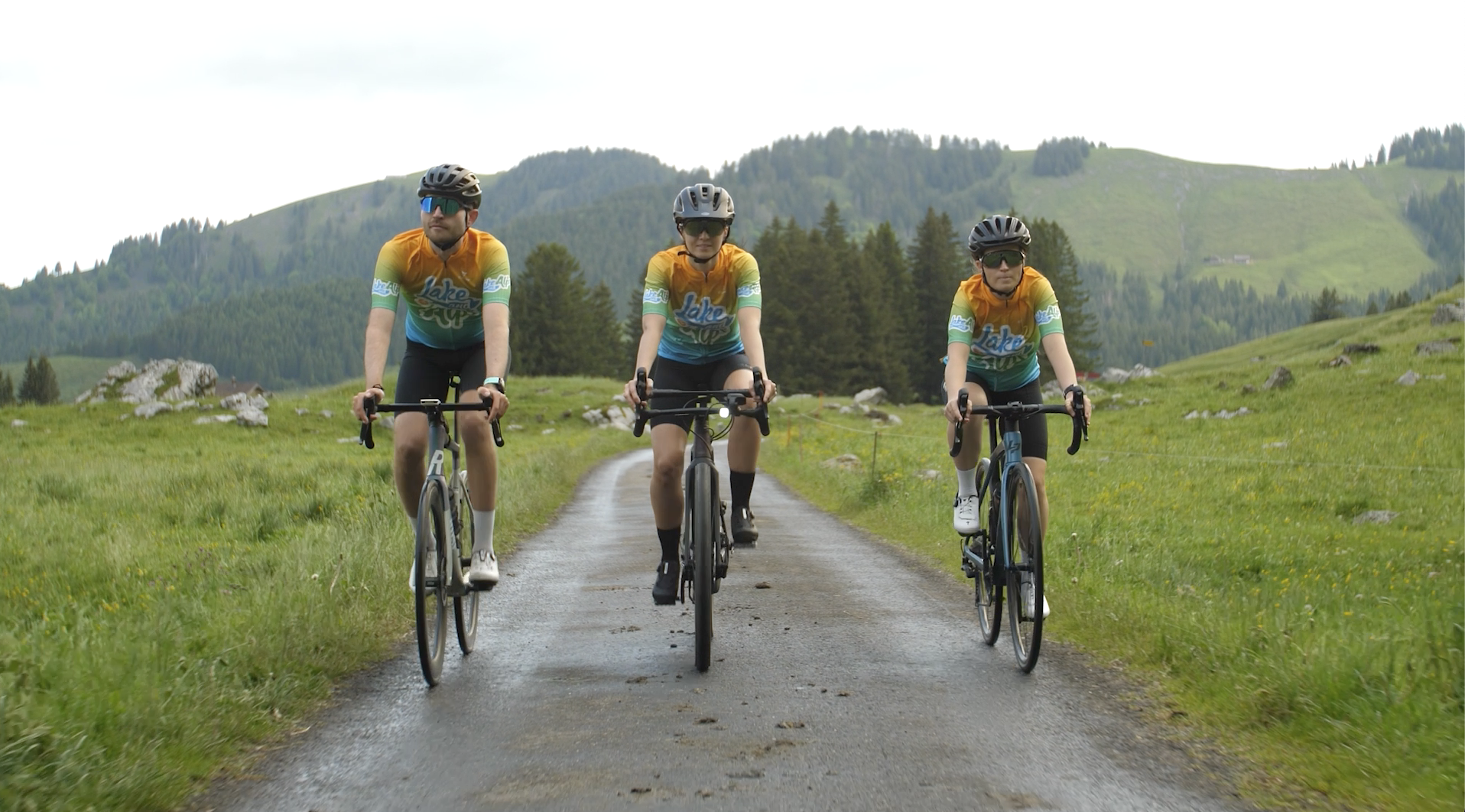
Lake and Alps Adventure – explore 100 dreamy places in our cycling region!
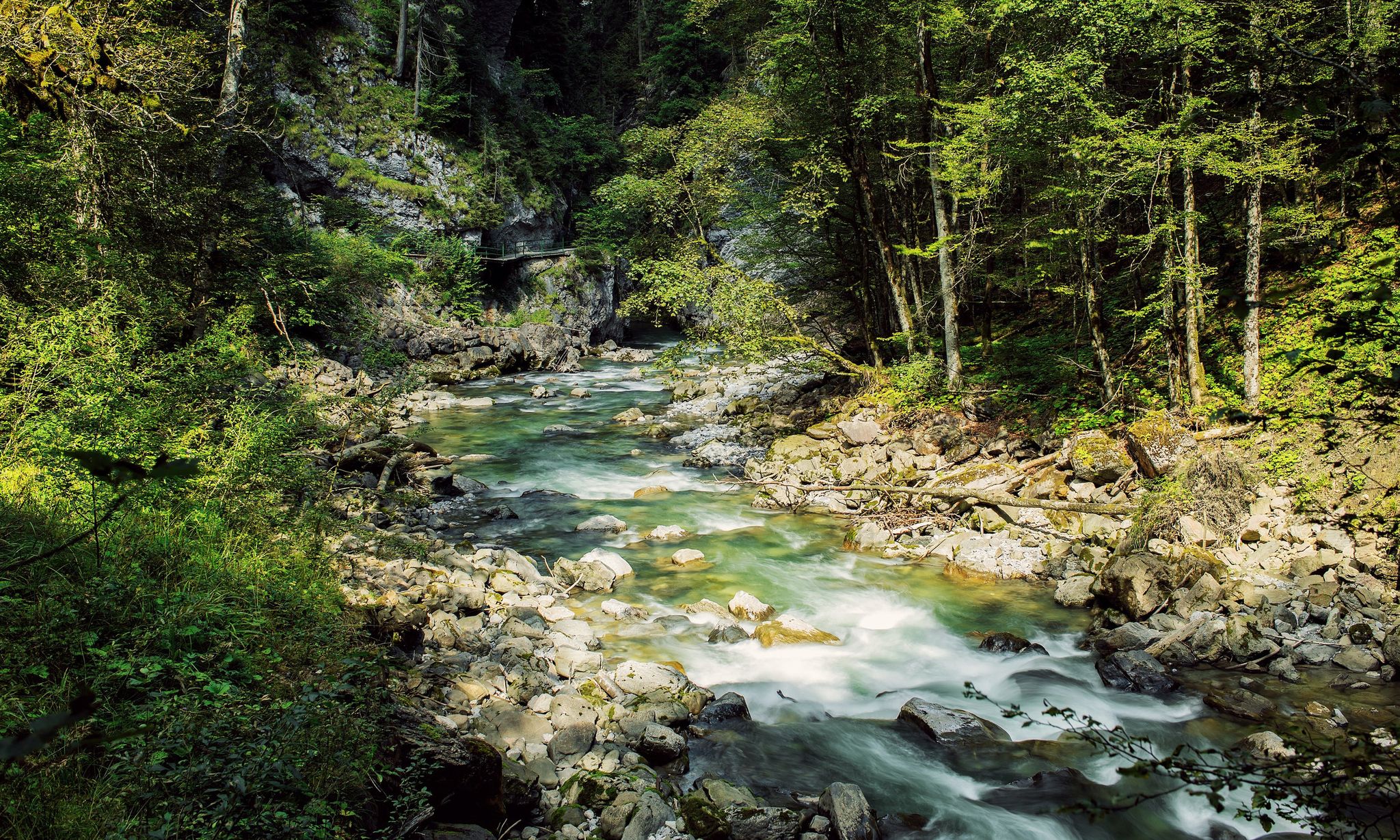
Refreshing cool downs – gorge hikes in Vorarlberg
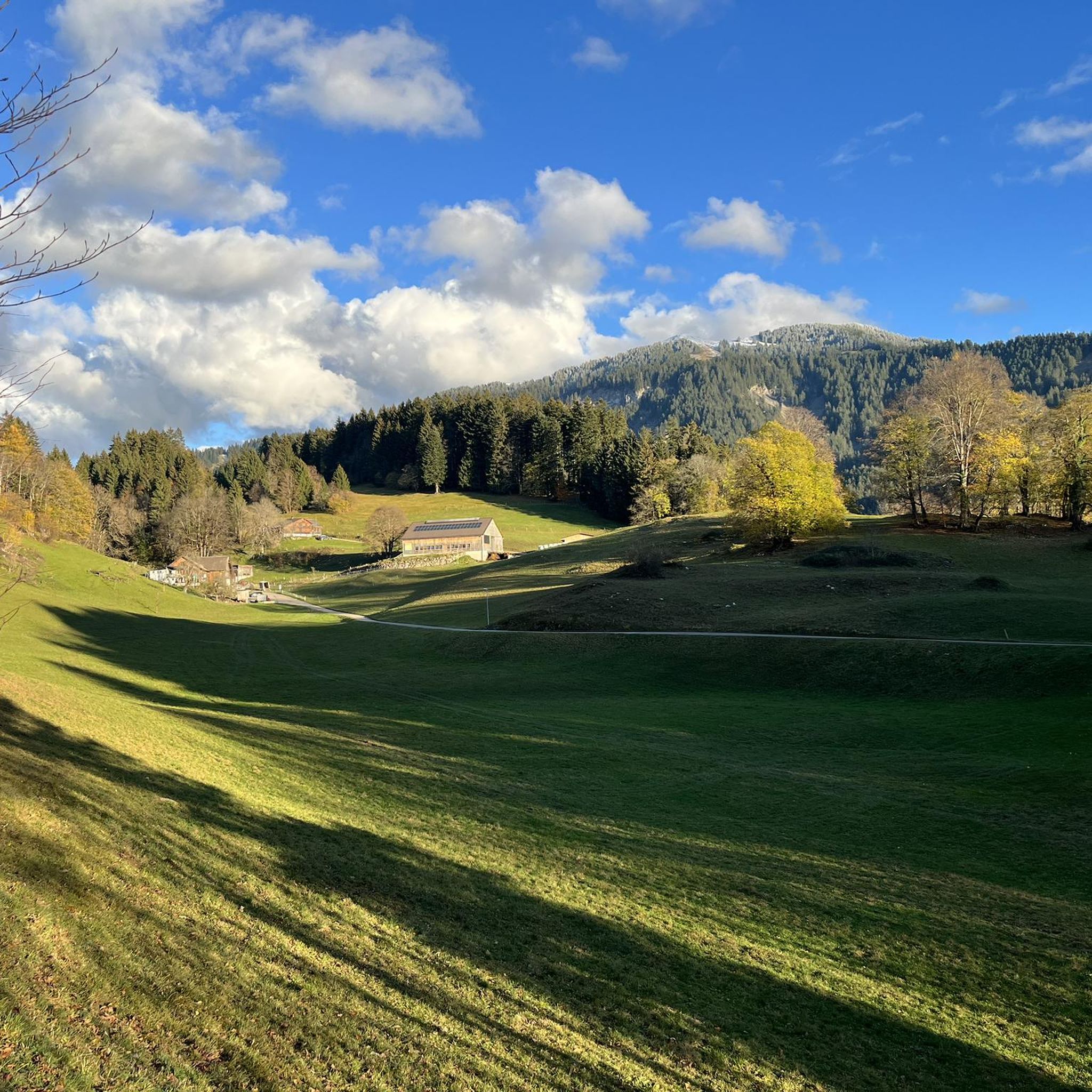
Hiking around Götzis
Cycling around Götzis
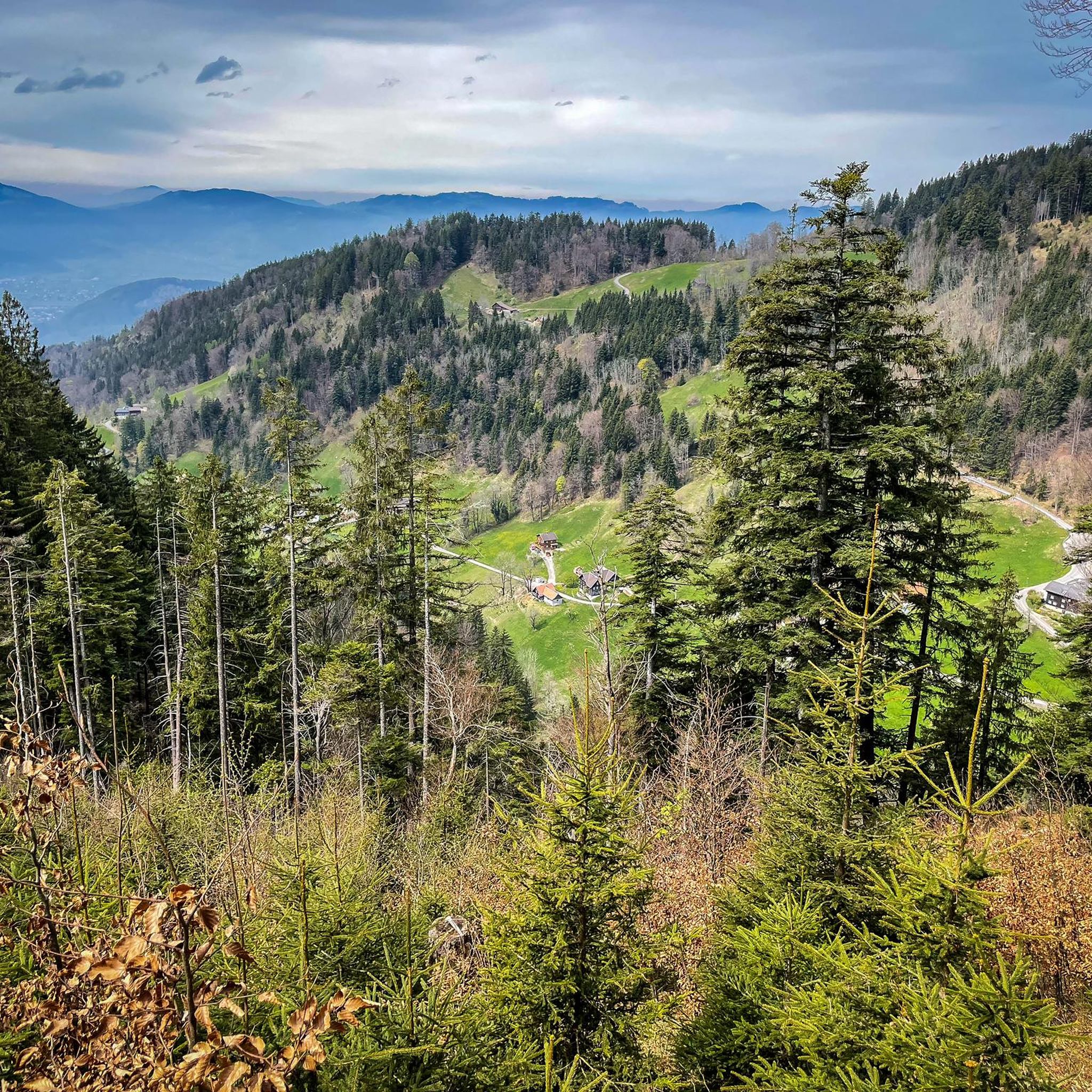
MTB Trails around Götzis
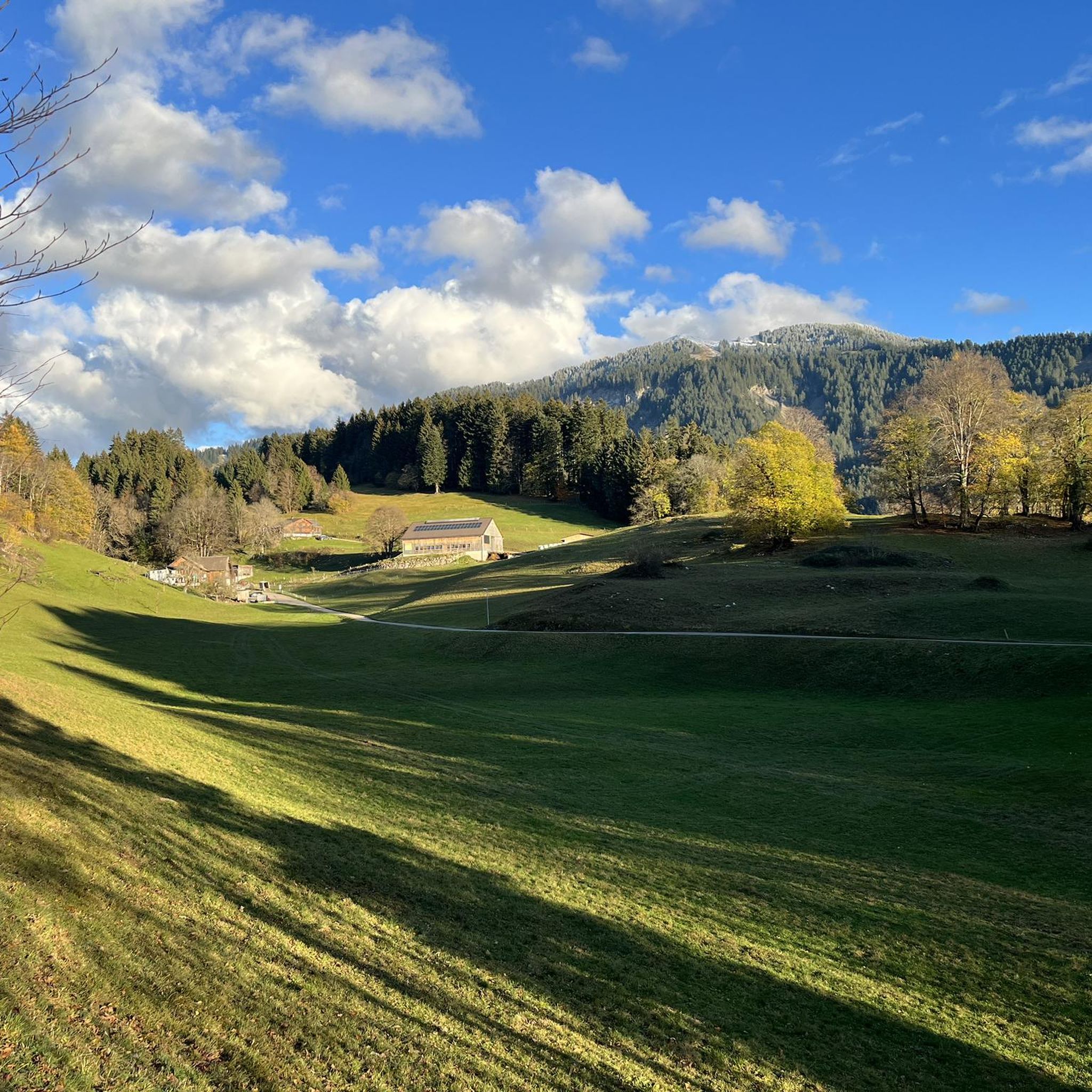
Road Cycling Routes around Götzis
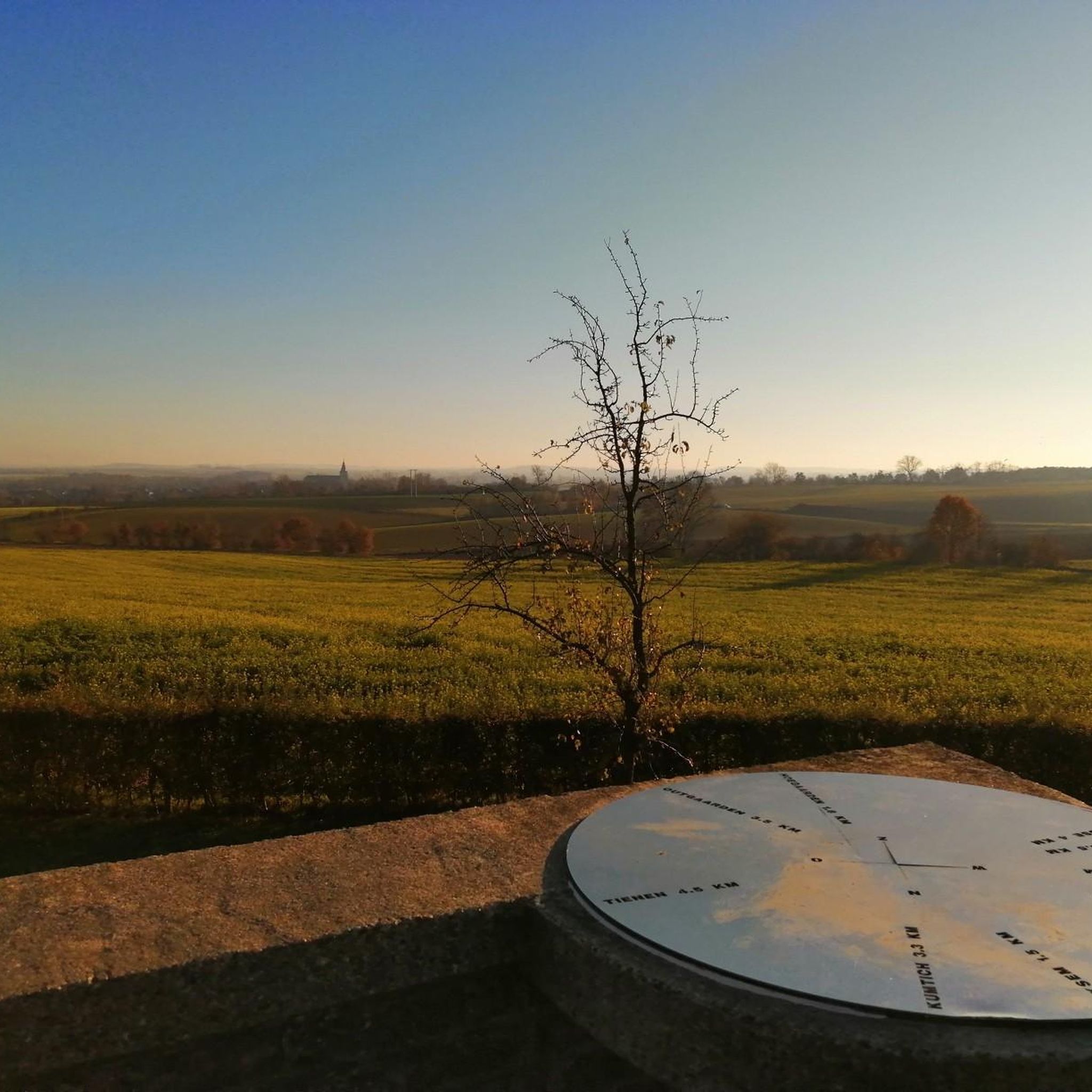
Mountain Hikes around Götzis
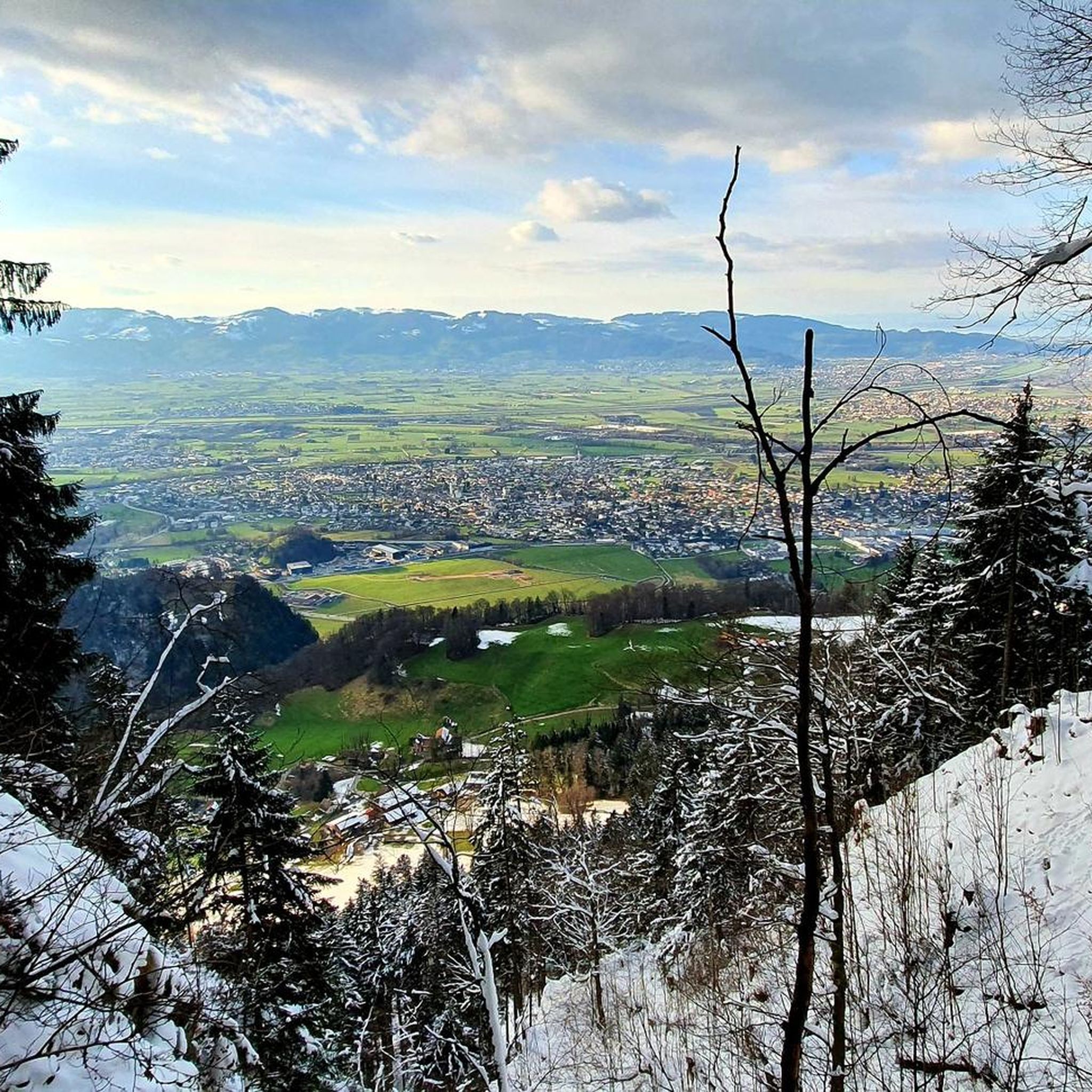
Running Trails around Götzis
Gravel biking around Götzis


Tips from the Community

Ambergschlössle Feldkirch Above Levis - between Altenstadt and Feldkirch - lies the small Amberg castle on the so-called Amberg rock. The Feldkirch city magistrate (1490, 1492, and 1497) Felix Merklin (Märkle) built a small castle around 1502 on the "Gut zue Altenburg" with "corridors and other necessities"; before that, however, he had to clear and demolish "much rubble and old masonry," because sparse wall remains obviously belonged to an older structure, behind which Montfort servants are suspected. From 1510, Anna von Helfenstein - the concubine of Emperor Maximilian (concubina ut dicitur Imperatoris Maximiliani) - lived in the small castle; she bore him an illegitimate son, who fell at a young age during military events in Milan. Another (illegitimate) son from this union was the noble Colonel Friedrich Max von Amberg, who became the owner of the castle in 1535. After his death in 1553, the property and its accessories returned to the possession of Habsburg-Austria; Ferdinand I gifted the Amberg residence to his court vice-chancellor Jakob Jonas from Götzis, ennobled as "von Buch und Udelberg." Subsequently, a series of high-born persons were owners of the castle: Heinrich Vogler (1561), Othmar Pappus (1582), and Georg von Altmannshausen (1591). From 1601 to 1686, the Furtenbach family was the owner, then until 1697 the city of Feldkirch, and finally until 1793 the family of the Counts of Travers. In 1795, three Feldkirch citizens - Gehring, Lerch, and Ludescher - purchased the small castle; after division by lottery, the Lerch family remained the sole owner. Then followed Schatzmann in 1845, and the Leone and Attlmayr families in 1873. At the turn of the 19th to the 20th century, the Silesian master carpenter Ludwig lived in the already very neglected building; in this house, Paula Ludwig - who became a renowned poet - was born on January 5, 1900; she also spent her first childhood years at Amberg Castle. Since 1928, the castle has been in the possession of the Scheyer family, who stylishly renovated the property throughout. Today, Amberg Castle is made available for events; a visit outside of these times is only possible from the outside. Text / Source: WALGAU WIKI https://wiki.imwalgau.at/Ambergschl%C3%B6ssle_Feldkirch
6
0
Schloss Amberg, Feldkirch – “the pearl of the middle Rhine Valley” Or also called: “the pearl of the middle Rhine Valley”. Rightly so! The 15th-century castle is arguably one of the most beautiful estates in the Lake Constance region. Still today. It offers a fantastic view of the entire front Rhine Valley all the way to Lake Constance – with a bit of luck even as far as Lindau. Text / source: Schloss Amberg, Amberggasse 43, Feldkirch https://www.schlossamberg.at/
6
0
Schloss Amberg, Feldkirch - The "Pleasure Palace" Schloss Amberg was probably built around 1500 by city magistrate Felix Merklin. In 1510, it was purchased by the Habsburg Emperor Maximilian I, who gifted it to his mistress, Countess Anna von Helfenstein, which is why the name "Lustschlösschen" (pleasure palace) also appears in literature. Their union produced a son, Friedrich Maximilian. The castle subsequently had many different unknown owners. In 1900, the writer Paula Ludwig, daughter of a Silesian artisan family, was born at the castle. In 1929, the dilapidated castle was bought by master builder Fidel Scheyer and has remained in the possession of the Scheyer family to this day, now in its fourth generation. Today, Schloss Amberg hosts wedding celebrations and events of all kinds. Find out more about the history of the castle, its owners, and how it is used today at https://www.schlossamberg.at/ Text / Source: Text / Source: Tourismus- und Kartenbüro Feldkirch, Palais Liechtenstein Schlossergasse, Feldkirch https://feldkirch-leben.at/entdecken/sehenswuerdigkeiten/burgen-schloesser
6
0
Blatten Castle Ruins, Oberriet / Oberriet's Landmark Obert's landmark, once a proud castle fortress, has a rich history. It was built around 1230 by Abbot Berchtold von Falkenstein to defend his property. The castle has seen several landowners and was set on fire in 1799 during the battle for the Blatten ferry. The surviving remains consist of parts of the tower and the castle ramparts, as well as the vaulted cellar. The castle ruins are located in the southernmost part of the municipality of Oberriet on the Blattenberg, idyllically situated on the edge of the forest. On the fitness trail, which runs almost entirely through the forest, you can practice sports in complete harmony with nature. The castle restaurant is open from April to September. Members of the ski club host guests every Sunday and welcome visitors. The hut can be rented by the public from Monday to Saturday. Tours are welcome on Sundays. Text / Source: Municipality of Oberriet https://www.oberriet.ch/sehenswuerdigkeiten/7474
14
0
Platten Castle, Oberriet Blatten Castle is a ruined castle in the municipality of Oberriet, in the canton of St. Gallen, Switzerland. The square keep stands not far from the Rhine on a rock south of the municipality of Oberriet. The family was first mentioned in 1170 with Burkardus de Blattûn and in 1229 with Ulricus de Blattenn. As chronicler Christian Kuchimeister reports, the castle was built shortly before 1270 by the Abbot of St. Gallen, Berchtold von Falkenstein, as protection against the Counts of Montfort-Werdenberg, in the territory of the Imperial Court of Kriessern, which, along with the Vogtherrschaft (reign of Thurgau and Zürichgau), had been granted to Heinrich Walter von Ramschwag (Lords of Ramschwag) in 1278 for his assistance to King Rudolf in the Battle of Marchfeld. It was then granted to Ulrich von Ramschwag in 1277. Due to his involvement in the Appenzell War, the castle and the lordship were temporarily confiscated as fiefs. In 1458, Walter Heinrich and Ulrich von Ramschwag sold the castle and estate to Jakob Mangold, a citizen of Constance. In 1486, it was repurchased by Abbot Ulrich Rösch of St. Gallen. From 1637 to 1640, Abbot Pius Reher commissioned renovations. The complex then served as the official residence of the Vögte von Kriessern until 1798. The castle was destroyed in the French War of Independence in 1799. Around 1911, part of the complex was used as a quarry. Plaque commemorating the restoration. The Canton of St. Gallen undertook the initial renovation of the tower. Further restorations were carried out on the tower in 1977 and on the surrounding walls and the remains of the castle gate in 1985. Aerial photograph (2016) The castle ruins are known to the people of the Rhine Valley as Blatten Castle. The grounds of the former castle complex and the interior of the tower (there are no longer any floors) are freely accessible. A later-built wooden building stands on top of the preserved vaulted cellar. This building is operated as a castle restaurant by the Oberriet Ski Club from April to September. Text / Source: Wikipedia https://de.wikipedia.org/wiki/Burg_Blatten
14
0

Lots of great things, fitness trail, barbecue area and much more...
4
0
Blatten Castle is a castle ruin in the municipality of Oberriet, in the canton of St. Gallen in Switzerland. The square keep stands not far from the Rhine on a rock south of the municipality of Oberriet. Source: Wikipedia
7
0

Frequently Asked Questions
What are the most historically significant castles around Götzis?
The region boasts several historically significant castles. The Alt-Ems Castle Ruins are notable as the longest medieval castle in Austria. The Jonas-Schlössle, Götzis, though not a traditional fortified castle, is a Renaissance mansion from the 16th century with a rich history. Additionally, the Blatten Castle Ruins in Oberriet have a history dating back to the 13th century, built to defend against local counts.
Which castles offer the best panoramic views of the Rhine Valley?
For breathtaking panoramic views, visit the Alt-Ems Castle Ruins, situated 740m above sea level, offering extensive views over the Rhine Valley. The Neu-Montfort Castle ruin, high above Götzis, also provides fantastic vistas all the way to Lake Constance.
Are there family-friendly castles to visit near Götzis?
Yes, several castles are considered family-friendly. Grünenstein Castle is easily accessible and offers a glimpse into a renovated 13th-century structure. The Blatten Castle Ruins are also family-friendly, with freely accessible grounds and a castle restaurant open seasonally.
Can I combine a castle visit with outdoor activities like hiking or cycling?
Absolutely! Many castles are situated amidst beautiful natural landscapes, perfect for outdoor activities. For instance, you can find various cycling routes around Götzis, including easy to difficult options, that might pass by some castles. Explore routes like the 'Old Rhine at Diepoldsau – Old Rhine loop' for cycling, or 'Örflaschlucht natural beauty' for easy hikes. You can find more details on these activities in the Cycling around Götzis guide and the Easy hikes around Götzis guide.
What unique architectural features can I find among the castles?
The castles around Götzis present diverse architectural styles. Grünenstein Castle, for example, showcases late baroque and rococo architecture after its conversion from a medieval castle. The Jonas-Schlössle, Götzis, is a unique Renaissance mansion featuring a valuable 16th-century wooden coffered ceiling.
Is there a castle that also offers dining options or cultural events?
Yes, the Blatten Castle Ruins host a castle restaurant operated by the Oberriet Ski Club from April to September. The Jonas-Schlössle, Götzis, after extensive renovation, now serves as a venue for cultural events, seminars, exhibitions, readings, and chamber concerts.
How accessible are the castle ruins around Götzis?
Accessibility varies by site. Many castle ruins, like Neu-Montfort and Alt-Ems Castle Ruins, are hilltop castles requiring an ascent, which can be challenging. Others, like Grünenstein Castle, are easily accessible via road and hiking trail. It's advisable to check specific access details for each location.
What is the significance of Neu-Montfort Castle ruin in Götzis?
The Neu-Montfort Castle ruin is a medieval hilltop castle constructed in 1311 by the Counts of Montfort-Feldkirch. It stands as a prominent reminder of the Middle Ages in Götzis, offering historical significance and impressive panoramic views over the Rhine Valley. While largely in ruins, its tower walls are still visible and provide insight into its original structure.
Are there any castles that are privately owned but still notable?
Yes, Grünenstein Castle is a private castle situated on a vineyard. Despite being privately owned, it's a notable 13th-century castle converted with impressive late baroque and rococo architecture, and it occasionally hosts cultural events.
What do visitors particularly appreciate about the castles in this region?
Visitors frequently praise the stunning views, especially from elevated ruins like Alt-Ems Castle Ruins. The historical significance and the opportunity to explore medieval fortifications are also highly valued. The community also appreciates the blend of historical sites with natural beauty, making them ideal for combining with hikes.
What is the best season to visit the castles around Götzis?
While castles can be visited year-round, spring, summer, and autumn generally offer the most pleasant weather for exploring the ruins and enjoying the panoramic views. Autumn, in particular, provides beautiful foliage. Some castle restaurants, like the one at Blatten Castle Ruins, operate seasonally from April to September.
Are there any circular walks around the castles?
Yes, many castles are integrated into hiking networks. For example, the Blatten Castle Ruins are located on a fitness trail that runs through the forest. You can find various circular hiking routes in the region, such as those listed in the Easy hikes around Götzis guide, which can often be combined with castle visits.
What should I wear for castle visits in autumn?
For autumn visits, it's recommended to wear layers as temperatures can vary. Comfortable walking shoes are essential, especially for exploring castle ruins and any associated trails. A waterproof or windproof jacket is also advisable, as the weather can be unpredictable, particularly at elevated castle sites.
Most popular routes around Götzis
Most popular attractions around Götzis

Get inspired with the komoot mobile app


Explore more
Looking for the best castles somewhere else? Discover other guides around Götzis:
