Top 14 Castles around Bezirk Feldkirch
Castles around Bezirk Feldkirch in Vorarlberg, Austria, offer insights into the region's medieval history. This area features a landscape dotted with historic fortified sites, from well-preserved castles to extensive ruins. The geographic setting provides viewpoints over the city of Feldkirch and the surrounding valleys. These sites reflect centuries of architectural and cultural development in Central Europe.
Best castles around Bezirk Feldkirch
- The most popular castles is Tosters Castle Ruins, a castle that represents the largest castle complex in Vorarlberg…
Last updated: October 29, 2026
Schattenburg Castle
Highlight • Castle
The Schattenburg towers over the city and was the seat of the Counts of Montfort until the end of the 14th century. The keep, the highest part …
Translated by Google •
Tip by

Tosters Castle Ruins
Highlight • Castle
There is a very interesting assumption about Tostner Castle that it was a large, unfinished castle complex, of which only the ring wall, dating …
Translated by Google •
Tip by
Sign up now to discover places like this
Get recommendations on the best single tracks, peaks, & plenty of other exciting outdoor places.
Amberg Castle
Highlight • Castle
Schloss Amberg was probably built around 1500 by city magistrate Felix Merklin. In 1510, it was purchased by the Habsburg Emperor Maximilian I, …
Showing Translation
Tip by
Neuburg Castle Ruins (Koblach)
Highlight • Castle
The hilltop castle is located in the middle of the Rhine Valley near the Kummenberg. Although only the extensive ruins remain today, visitors still get an …
Translated by Google •
Tip by
Jonas-Schlössle, Götzis
Highlight • Castle
The history of the Jonas-Schlössle in Götzis can only be traced in fragments. The dates on the east side of the Jonas-Schlössle were not attached until 1884.
In …
Translated by Google •
Tip by
Sigberg Castle Ruins
Highlight • Castle
From the initially few remains of the wall, which were hardly to be found hidden by trees and bushes, a mighty castle complex developed through four renovations …
Translated by Google •
Tip by
Margarethen Chapel (Blasenberg), Feldkirch
Highlight • Religious Site
Until 1897/98 the Margarethenkapf on the Blendenberg belonged to Tisis in terms of community politics and parish; only with the incorporation of the Heilig-Kreuz parcel did …
Translated by Google •
Tip by
Burg Neu-Montfort
Highlight • Castle
Neu-Montfort Castle is the ruin of a medieval hilltop castle near Götzis in Vorarlberg and was built at the beginning of the 14th century.
The tower walls …
Translated by Google •
Tip by
Tschitscher Manor House on Margarethenkapf
Highlight • Castle
Around 1620, the administrator Peter Tschitscher had a four-story residential tower-like building with a steep gable roof built on a narrow rocky hill above the …
Translated by Google •
Tip by
Jagdberg Castle Ruins and Jagdberg Area
Highlight • Castle
According to the planning, the "general refurbishment" taking place beneath the ruins …
Translated by Google •
Tip by

Sign up for free to discover even more castles around Bezirk Feldkirch.
Already have an account?
Start today with a free account
Your next adventure awaits.
Popular around Bezirk Feldkirch
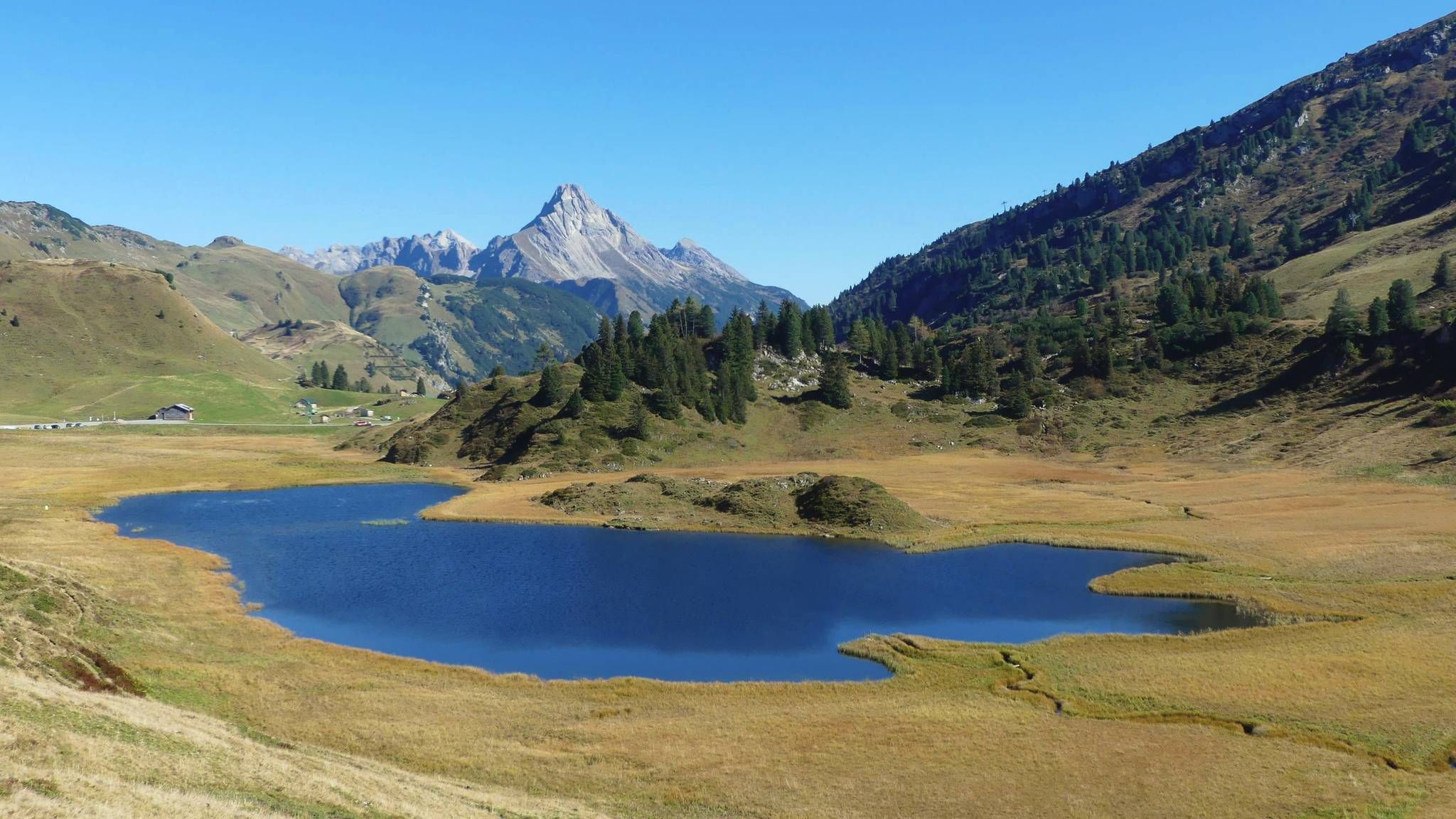
Min Weag long-distance hiking trail – From Lake Constance to the Alps
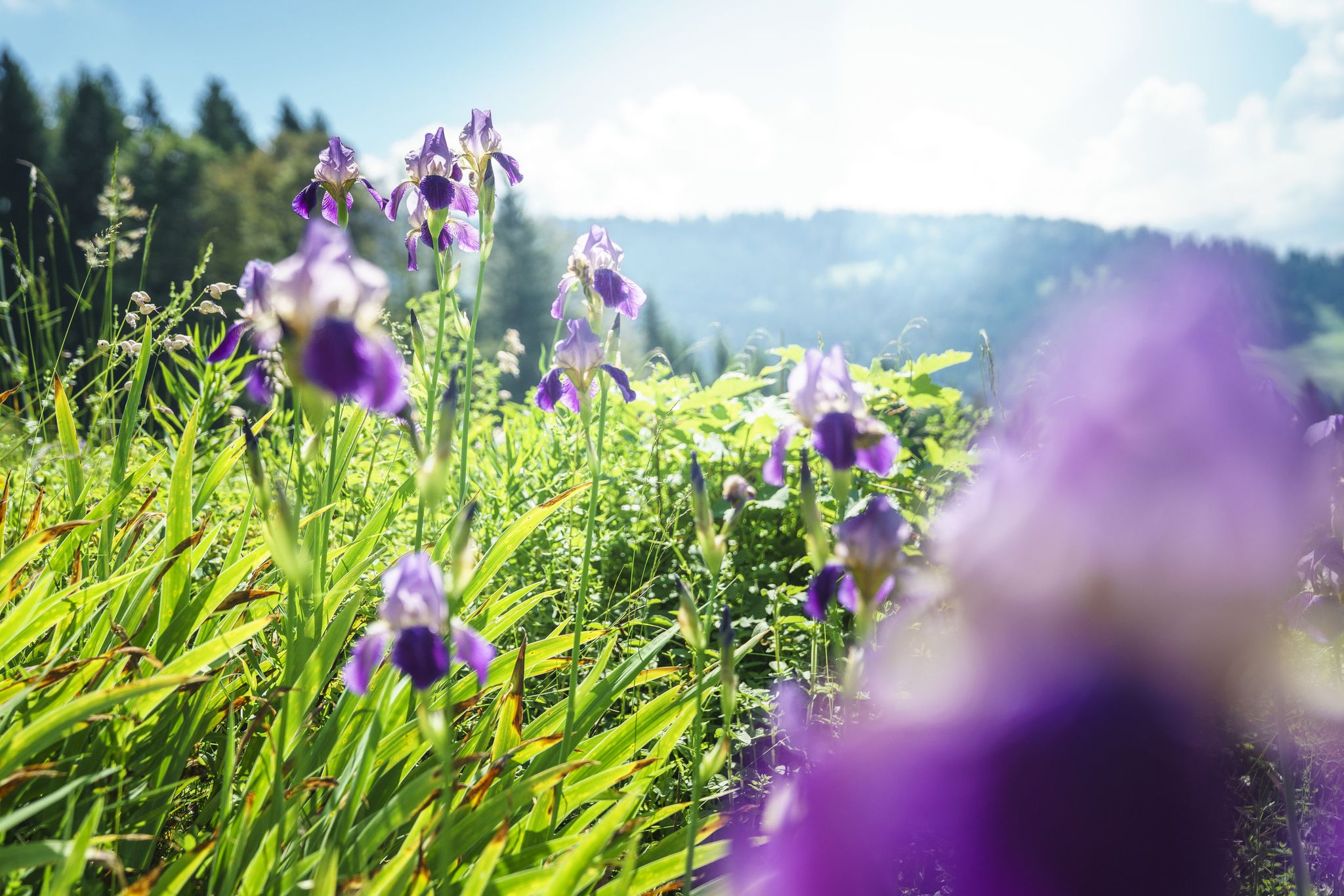
Between moors, meadows and glaciers – discover Vorarlberg's natural beauty
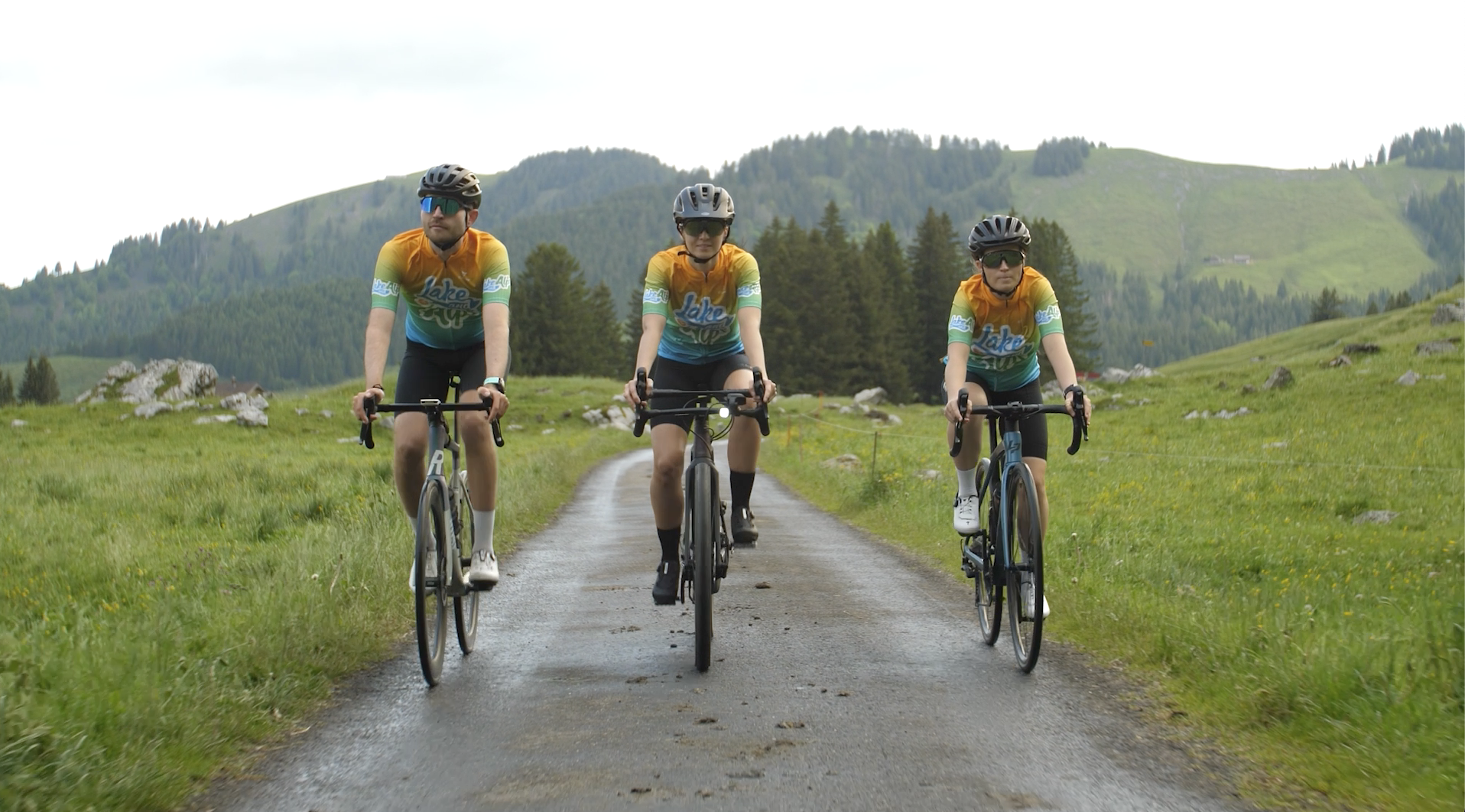
Lake and Alps Adventure – explore 100 dreamy places in our cycling region!
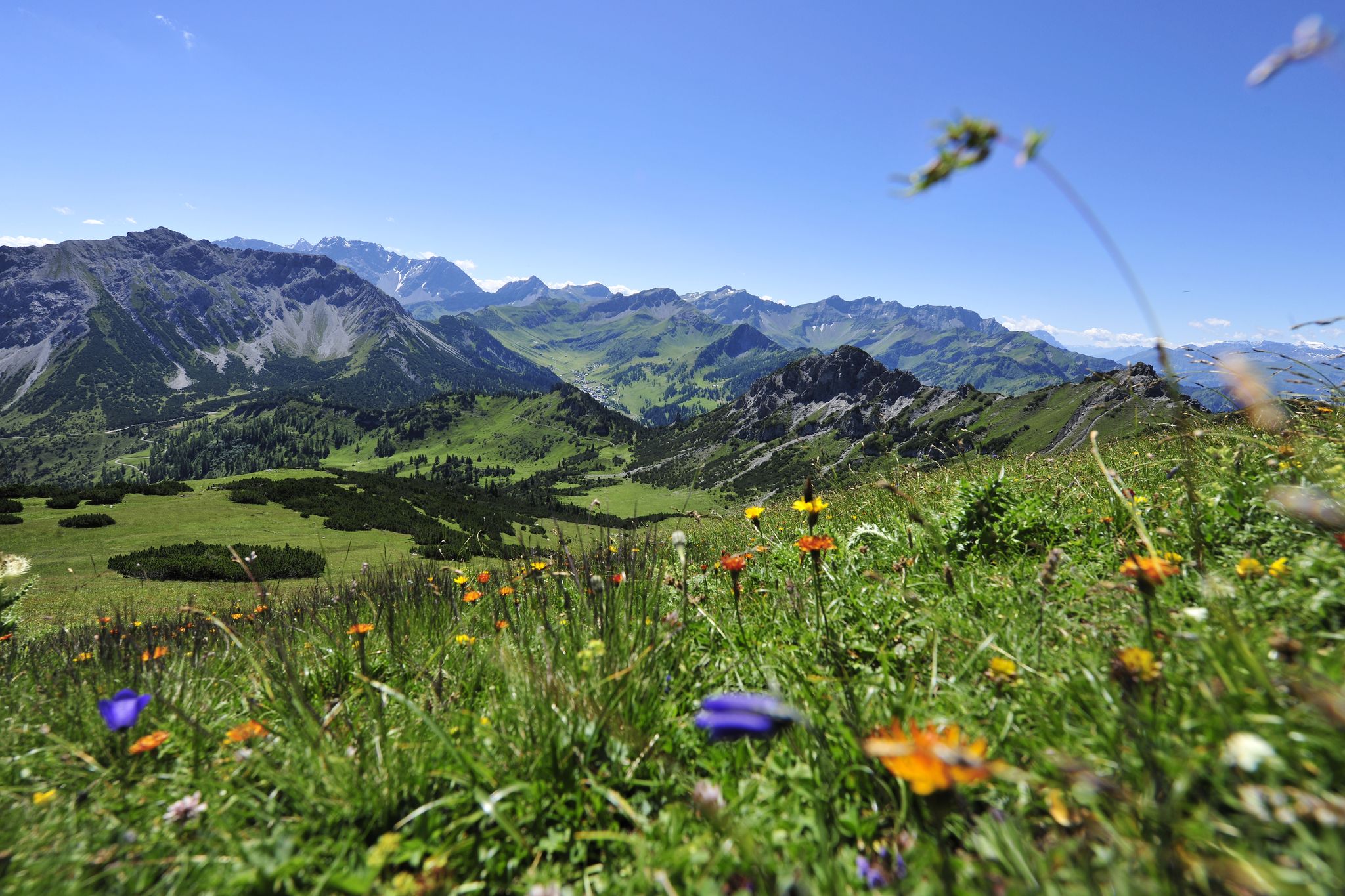
When the snow melts – spring hiking in Liechtenstein
Magnificent mountain biking on Austria's alpine pastures
Discover Vorarlberg by gravel bike – twelve superb Tours
Appenzeller Weg – pilgrimage routes from Austria to Switzerland
Golden season – autumn hikes in Vorarlberg
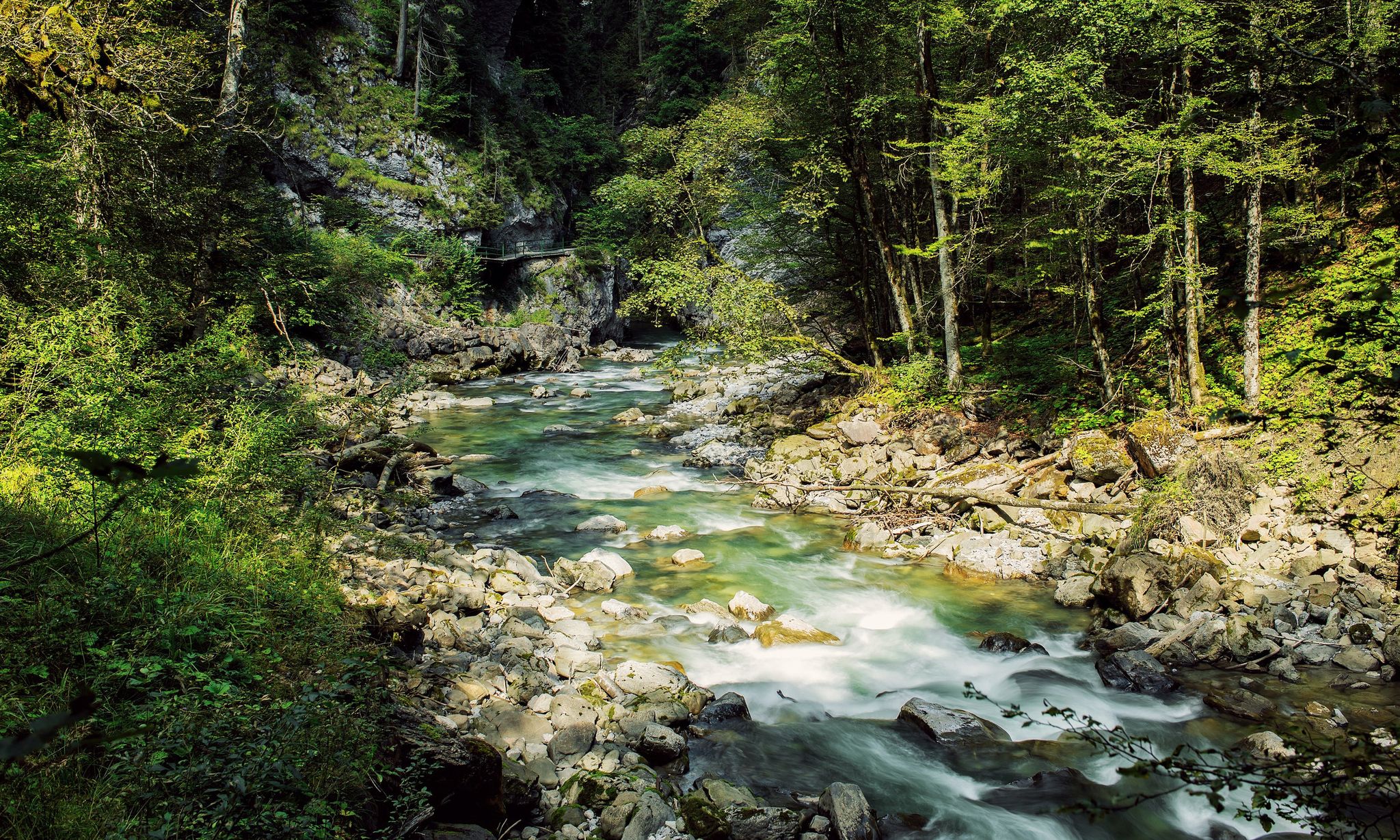
Refreshing cool downs – gorge hikes in Vorarlberg
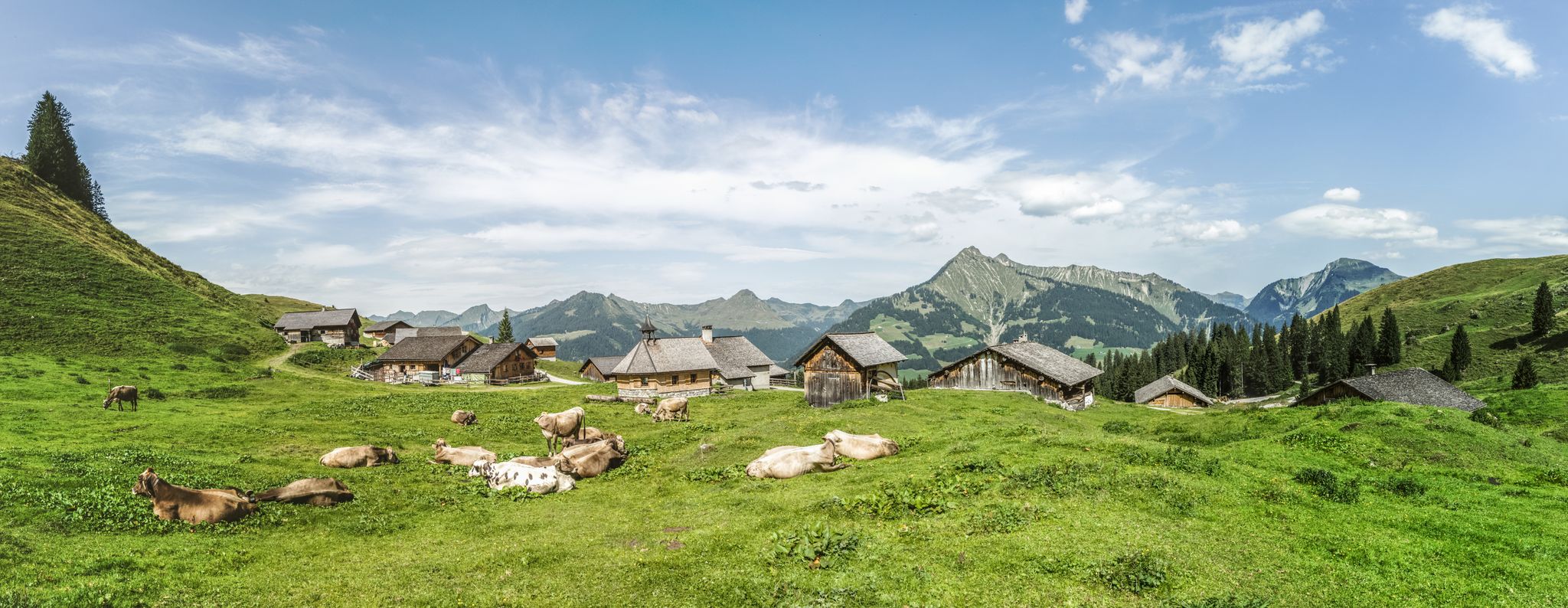
Fun on every path – alpine hiking in Austria’s Vorarlberg
Other adventures around Bezirk Feldkirch


Tips from the Community

Ambergschlössle Feldkirch Above Levis - between Altenstadt and Feldkirch - lies the small Amberg castle on the so-called Amberg rock. The Feldkirch city magistrate (1490, 1492, and 1497) Felix Merklin (Märkle) built a small castle around 1502 on the "Gut zue Altenburg" with "corridors and other necessities"; before that, however, he had to clear and demolish "much rubble and old masonry," because sparse wall remains obviously belonged to an older structure, behind which Montfort servants are suspected. From 1510, Anna von Helfenstein - the concubine of Emperor Maximilian (concubina ut dicitur Imperatoris Maximiliani) - lived in the small castle; she bore him an illegitimate son, who fell at a young age during military events in Milan. Another (illegitimate) son from this union was the noble Colonel Friedrich Max von Amberg, who became the owner of the castle in 1535. After his death in 1553, the property and its accessories returned to the possession of Habsburg-Austria; Ferdinand I gifted the Amberg residence to his court vice-chancellor Jakob Jonas from Götzis, ennobled as "von Buch und Udelberg." Subsequently, a series of high-born persons were owners of the castle: Heinrich Vogler (1561), Othmar Pappus (1582), and Georg von Altmannshausen (1591). From 1601 to 1686, the Furtenbach family was the owner, then until 1697 the city of Feldkirch, and finally until 1793 the family of the Counts of Travers. In 1795, three Feldkirch citizens - Gehring, Lerch, and Ludescher - purchased the small castle; after division by lottery, the Lerch family remained the sole owner. Then followed Schatzmann in 1845, and the Leone and Attlmayr families in 1873. At the turn of the 19th to the 20th century, the Silesian master carpenter Ludwig lived in the already very neglected building; in this house, Paula Ludwig - who became a renowned poet - was born on January 5, 1900; she also spent her first childhood years at Amberg Castle. Since 1928, the castle has been in the possession of the Scheyer family, who stylishly renovated the property throughout. Today, Amberg Castle is made available for events; a visit outside of these times is only possible from the outside. Text / Source: WALGAU WIKI https://wiki.imwalgau.at/Ambergschl%C3%B6ssle_Feldkirch
6
0
Schloss Amberg, Feldkirch – “the pearl of the middle Rhine Valley” Or also called: “the pearl of the middle Rhine Valley”. Rightly so! The 15th-century castle is arguably one of the most beautiful estates in the Lake Constance region. Still today. It offers a fantastic view of the entire front Rhine Valley all the way to Lake Constance – with a bit of luck even as far as Lindau. Text / source: Schloss Amberg, Amberggasse 43, Feldkirch https://www.schlossamberg.at/
6
0
Schloss Amberg, Feldkirch - The "Pleasure Palace" Schloss Amberg was probably built around 1500 by city magistrate Felix Merklin. In 1510, it was purchased by the Habsburg Emperor Maximilian I, who gifted it to his mistress, Countess Anna von Helfenstein, which is why the name "Lustschlösschen" (pleasure palace) also appears in literature. Their union produced a son, Friedrich Maximilian. The castle subsequently had many different unknown owners. In 1900, the writer Paula Ludwig, daughter of a Silesian artisan family, was born at the castle. In 1929, the dilapidated castle was bought by master builder Fidel Scheyer and has remained in the possession of the Scheyer family to this day, now in its fourth generation. Today, Schloss Amberg hosts wedding celebrations and events of all kinds. Find out more about the history of the castle, its owners, and how it is used today at https://www.schlossamberg.at/ Text / Source: Text / Source: Tourismus- und Kartenbüro Feldkirch, Palais Liechtenstein Schlossergasse, Feldkirch https://feldkirch-leben.at/entdecken/sehenswuerdigkeiten/burgen-schloesser
6
0

Nice detour, but a steep climb.
1
0
very nice, you shouldn't miss it
1
0
The Construction History of Tostner Castle There is a very interesting assumption about Tostner Castle that it was a large, unfinished castle complex, of which only the ring wall, dating from the end of the 12th century/beginning of the 13th century, was built. The present keep, gatehouse, and palace (possibly also outbuildings) were built into these in the second half of the 13th century. This theory is supported primarily by the truly remarkable placement of the palace, which was placed right above the ring wall and occupies a remarkable position within the castle complex. During the Appenzell Wars, which raged heavily in this region, Tostner Castle was also severely damaged in 1405, but was rebuilt after 1408. The very spacious, yet sparsely built castle complex, was abandoned before 1616 and has since fallen into disrepair. The keep was restored in 1938/39, and extensive renovations followed in 1974 and 1980. Text / Source: Tosters Castle Ruins Tourist Information, Schlossergasse 8, A-6800 Feldkirch http://www.burgenkunde.at/vorarlberg/vbg_Burgruine_Tosters/vbg_Burgruine_Tosters.htm
13
0


Beautiful old walls. Good acoustics. A lovely place for smaller events!
2
0
Frequently Asked Questions
What are the most historically significant castles in Bezirk Feldkirch?
Bezirk Feldkirch is rich in history. Two of the most significant castles are Schattenburg Castle, built around 1200 and serving as the seat of the Counts of Montfort, and Tosters Castle Ruins, constructed around 1260 by the same noble family. Schattenburg is renowned for its preservation and museum, while Tosters, despite being a ruin, is the largest castle complex in Vorarlberg by area and offers insights into medieval defensive strategies.
Are there family-friendly castles to visit in Bezirk Feldkirch?
Yes, several castles in Bezirk Feldkirch are suitable for families. Schattenburg Castle offers a museum that can engage children with its historical exhibits, and its restaurant is known for generous portions. The Tosters Castle Ruins are freely accessible and can be reached via walking trails, making it an adventurous outing for families. The Jonas-Schlössle in Götzis is also listed as family-friendly.
What kind of views can I expect from the castles in Bezirk Feldkirch?
Many castles in Bezirk Feldkirch offer excellent viewpoints. From the keep of Schattenburg Castle, you can enjoy panoramic views over Feldkirch and the surrounding area, including glimpses of Liechtenstein and Switzerland on clear days. The Tosters Castle Ruins also provide good views of the city and landscape. Additionally, the Margarethen Chapel (Blasenberg) and Tschitscher Manor House on Margarethenkapf are noted for their scenic vistas.
Are there hiking trails near the castles in Bezirk Feldkirch?
Yes, the region offers numerous hiking opportunities. For example, Tosters Castle Ruins are easily accessible via walking trails from Feldkirch. You can find more detailed hiking routes and guides for the area, including trails like 'Feldkirch-Tosters to Nofels via the Schellenberg', on the Hiking around Bezirk Feldkirch guide.
What is the best time to visit the castles in Bezirk Feldkirch?
The castles in Bezirk Feldkirch can be visited year-round, but the best time often depends on your preferred activities. Spring and autumn offer pleasant temperatures for exploring ruins and walking trails. Summer is ideal for enjoying the outdoor restaurant at Schattenburg Castle and the generally good weather. Winter visits can be magical, especially if there's snow, though some outdoor areas might be less accessible.
Can I find food and drink options at or near the castles?
Yes, you can. Schattenburg Castle houses an inn and restaurant famous for its schnitzel, offering a unique dining experience with city views. For other castles, you'll find various cafes and restaurants in the nearby towns, particularly in Feldkirch itself, which is easily accessible from many of the castle sites.
What other outdoor activities are available near the castles?
Beyond hiking, Bezirk Feldkirch offers a range of outdoor activities. You can explore mountain hikes, with routes like 'Portlahorn Ridge – Sünser Spitze loop from Furkajoch' detailed in the Mountain Hikes around Bezirk Feldkirch guide. For mountain biking enthusiasts, there are challenging trails such as 'Emser Hut – Alpe Schöner Mann loop from Altach', which you can find in the MTB Trails around Bezirk Feldkirch guide.
What makes Schattenburg Castle a must-visit attraction?
Schattenburg Castle is a must-visit due to its exceptional preservation as one of Central Europe's best-maintained medieval castle complexes. It features a comprehensive museum with 18 rooms detailing Feldkirch's history, a viewing platform in its keep offering panoramic vistas, and a renowned castle restaurant. It provides a deep dive into history combined with stunning scenery and traditional Austrian hospitality.
What can I see at the Tosters Castle Ruins?
At the Tosters Castle Ruins, you can explore the remains of Vorarlberg's largest castle complex. Key features include a mighty six-story keep and visible foundations, which provide a tangible connection to medieval defensive strategies and architecture. The ruins offer insights into how such fortified buildings were central to life in the era, along with good views of the surrounding area.
Are there any fortified churches in the region?
Yes, the Rankweil Basilica is a significant fortified church in the region. Originating as a fortress church around the 8th century, it was rebuilt and converted into a fortified Gothic-style church between 1470 and 1510. It features defensive walls, covered battlements with shooting windows, and embrasures, showcasing how religious sites were also fortified for defense in the Middle Ages.
What do visitors enjoy most about the castles in Bezirk Feldkirch?
Visitors particularly appreciate the rich historical immersion offered by the castles, especially the well-preserved Schattenburg Castle with its museum. The panoramic views from the castle keeps and ruins, such as those at Tosters Castle Ruins, are also highly valued. The combination of history, scenic beauty, and accessibility for walking makes these sites very popular.
Are there other notable castle ruins besides Tosters?
Yes, besides Tosters Castle Ruins, you can also visit the Neuburg Castle Ruins (Koblach), a hilltop castle with extensive remains that give an impression of its former size. Another significant site is the Sigberg Castle Ruins, which has undergone renovations to preserve its mighty complex and is now a popular leisure area.
Most popular routes around Bezirk Feldkirch
Most popular attractions around Bezirk Feldkirch

Get inspired with the komoot mobile app


Didn’t find what you were looking for?
Explore Bezirk Feldkirch’s best castles region by region:
Explore more
Looking for the best castles somewhere else? Discover other guides around Bezirk Feldkirch:
