Attractions and Places To See around Covas Do Barroso - Top 8
Best attractions and places to see around Covas do Barroso include a blend of natural landscapes and historical sites. This civil parish in northern Portugal is characterized by its river valleys, green fields, and traditional granite houses. Declared a World Heritage Site for Agriculture by the FAO in 2018, the region showcases centuries of agricultural heritage and rich biodiversity. Visitors can explore significant natural features and cultural landmarks within this area.
Best attractions and places to see around Covas Do Barroso
- The most popular attractions is Ponte de Cavez, a bridge that is a 13th-century structure over the Tâmega River, located near the mouth of the Cavez River. This historical bridge is a notable landmark in the region.
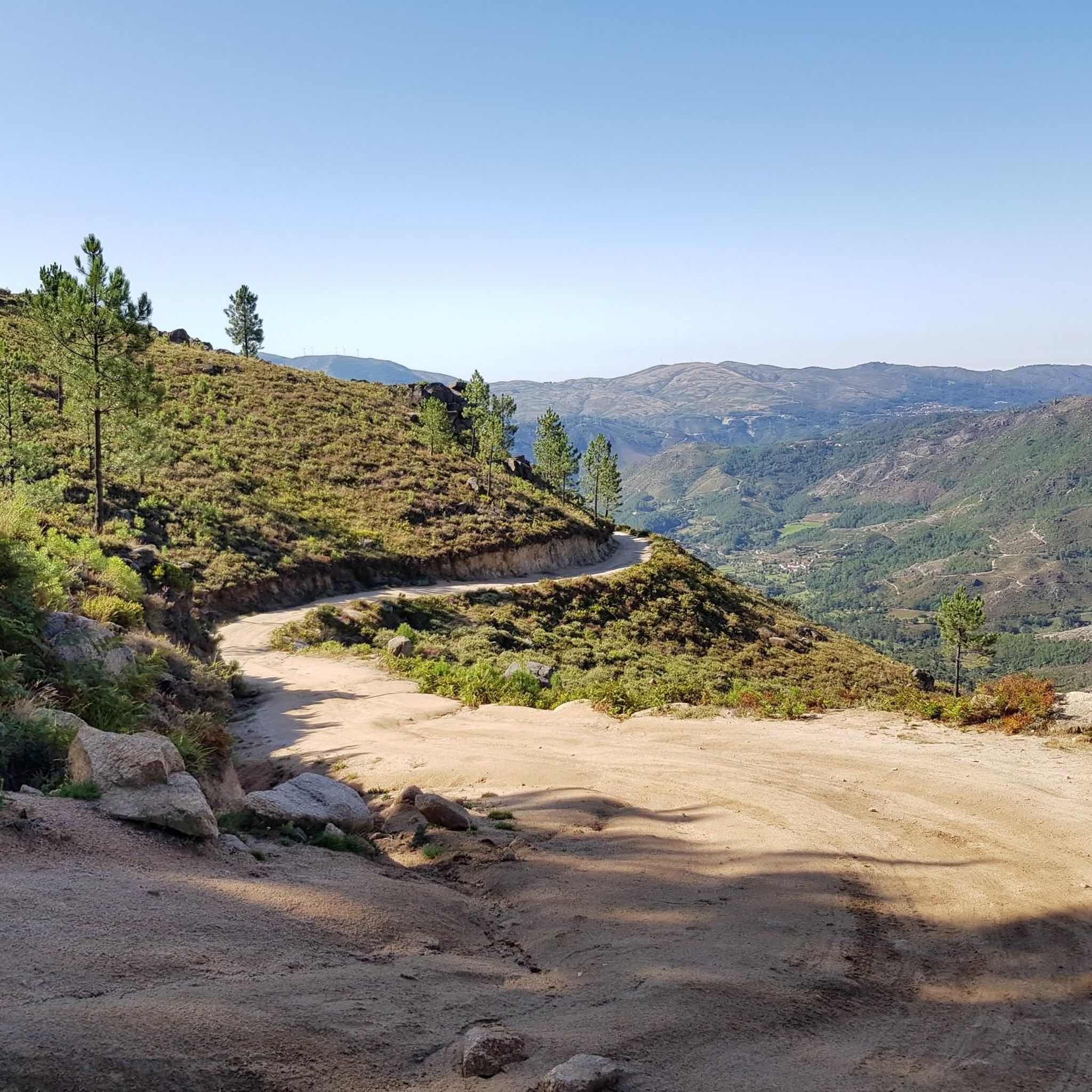
- Another must-see spot is Descent Along the Tâmega River, a river viewpoint. This stretch of road offers views of the Tâmega valley.
- Visitors also love Hórreo (Traditional Granary), a man-made monument. These traditional granaries are maintained and preserved as cultural assets and serve as a tourist attraction.
- Covas Do Barroso is known for its natural features like river valleys and historical landmarks such as traditional granaries and churches. The area offers a variety of attractions to see and explore, from ancient bridges to picturesque villages.
- The attractions around Covas Do Barroso are appreciated by the komoot community, with 4 upvotes and 2 photos shared.
Last updated: May 6, 2026
Ponte de Cavez
Highlight • Bridge
Translated by Google •
Tip by

Hórreo (Traditional Granary)
Highlight • Monument
Translated by Google •
Tip by

Sign up now to discover places like this
Get recommendations on the best single tracks, peaks, & plenty of other exciting outdoor places.
Sign up for free
Descent Along the Tâmega River
Highlight (Segment) • River
Translated by Google •
Tip by
Vila da Ponte
Highlight • Settlement
Translated by Google •
Tip by
Negrões Village
Highlight • Settlement
Translated by Google •
Tip by

Sign up for free to discover even more attractions around Covas Do Barroso.
Sign up for free
Already have an account?
Start today with a free account
Your next adventure awaits.
Login or Signup
Popular around Covas Do Barroso
Tips from the Community

The granite village stretches along a peninsula formed by the Alto Rabagão Dam reservoir. This body of water, intense blue or pitch black, depending on the mood of the sky, is surrounded by mountains covered in rocks and vegetation.
1
0

The hórreos or espigueiros are hardly used as storage facilities anymore, but they are maintained and preserved because they represent important cultural assets for the population of the region and also serve as a tourist attraction.
3
0
Small picturesque village with a medieval bridge from Roman times. Lots of old granaries, a beautiful church and absolute peace and quiet.
3
0

13th century bridge over the Tâmega river, which is located near the mouth of the Cavez river and the Old Bridge over that river.
0
0
A beautiful stretch of road, with a slight gradient, so you can run without braking too much and enjoy the views of the Tâmega valley.
0
0
Frequently Asked Questions
What historical landmarks can I explore in Covas do Barroso?
Covas do Barroso is rich in history. You can visit the 13th-century Ponte de Cavez, a bridge over the Tâmega River. The region also features traditional Hórreos (Traditional Granary), which are cultural assets reflecting the area's agricultural past. Don't miss the Santa Maria Church, dating back to the 13th century with 18th-century mural paintings, and the Capela de Nossa Senhora da Saúde built in 1692.
Are there any natural features or viewpoints worth visiting in the area?
Yes, the region is known for its natural beauty. You can enjoy the picturesque river valleys of the Serra de Dornela and the Rio Covas. For stunning vistas, the Descent Along the Tâmega River offers beautiful views of the Tâmega valley. Boticas Park, located nearby, is also highlighted for its natural scenery and biodiversity.
What kind of outdoor activities can I do around Covas do Barroso?
The area is ideal for various outdoor activities. You can explore numerous scenic pedestrian routes, including a 22 km path for nature walks. The topography also supports off-road activities like mountain biking and jeeping. For cycling enthusiasts, there are several routes available, such as those found in the Cycling around Covas Do Barroso guide, which includes routes like the Albufeira de Daivões – Miradouro de Santa Bárbara loop.
Are there family-friendly attractions in Covas do Barroso?
Many attractions in Covas do Barroso are suitable for families. The Ponte de Cavez and the Hórreo (Traditional Granary) are historical sites that can be enjoyed by all ages. The charming village of Vila da Ponte, with its medieval bridge and old granaries, offers a peaceful setting for family exploration. Additionally, the Parque de Lazer do Ribeiro de Fontão is a leisure park located about 11.4 km away.
Where can I see traditional architecture in Covas do Barroso?
The villages of Covas do Barroso, Romainho, and Muro are characterized by their traditional granite houses, offering a glimpse into the region's architectural heritage. You can also see well-preserved Hórreos (Traditional Granaries) and a visible community oven, reflecting ancestral traditions.
What kind of wildlife can I spot in Covas do Barroso?
The natural environment of Covas do Barroso, particularly around the Serra de Dornela and Boticas Park, provides excellent opportunities for bird watching, especially for birds of prey. The region's rich biodiversity also means you might encounter various local flora and fauna.
Are there any archaeological sites or ancient ruins to visit?
Yes, the region holds a significant collection of archaeological remains. You can find Iron Age forts like Castro do Poio, Castro de Lesenho, and Alto do Castro in the vicinity. Roman influences are also evident in some archaeological sites, offering insights into the area's ancient past.
Can I find any unique geological features in Covas do Barroso?
Geological enthusiasts will find Covas do Barroso interesting due to its significant pegmatitic deposits associated with granites. This makes it a notable site for exploring unique rock formations and geological history.
What is the significance of Covas do Barroso being a World Heritage Site for Agriculture?
Covas do Barroso was declared a World Heritage Site for Agriculture by the FAO in 2018. This recognition highlights its centuries of agricultural heritage, diverse pasture farming practices, and rich biodiversity, making it a living example of sustainable traditional agriculture.
Are there any cycling routes available near Covas do Barroso?
Yes, there are several cycling routes. For road cycling, you can explore options like the Descent Along the Tâmega River – Ponte de Cavez loop from Ribeira de Pena, detailed in the Road Cycling Routes around Covas Do Barroso guide. These routes offer varying difficulties and scenic views of the region.
What is the village of Negrões known for?
The Negrões Village is a granite village situated along a peninsula formed by the Alto Rabagão Dam reservoir. It's known for its picturesque setting, with the intense blue or pitch-black body of water surrounded by mountains covered in rocks and vegetation, offering a unique landscape.
Are there any traditional mills to see in the area?
The area around Covas do Barroso is home to 21 registered water mills, with approximately 9 still in use. These mills offer a fascinating glimpse into traditional practices and the region's molinologia (the study of mills).
Most popular routes around Covas Do Barroso

Get inspired with the komoot mobile app


Explore more
Still not found the Highlight you’re looking for? See guides of the top attractions in other regions:
