Attractions and Places To See around Saulx-Lès-Champlon - Top 13
Best attractions and places to see around Saulx-Lès-Champlon include a mix of historical sites and natural landscapes. This small commune in the Meuse department of France provides access to significant World War I memorials and natural areas. The village itself, formed from the fusion of Saulx-en-Woëvre and Champlon, is situated near the Longeau river and offers a tranquil setting. Visitors can explore local heritage and various attractions within a short distance, particularly those related to WWI history and natural recreation…
Last updated: May 14, 2026
Longeau Ponds
Highlight • Lake
Translated by Google •
Tip by

German Military Cemetery Viéville-sous-les-Côtes
Highlight • Historical Site
Translated by Google •
Tip by

Sign up now to discover places like this
Get recommendations on the best single tracks, peaks, & plenty of other exciting outdoor places.
Sign up for free
Memorial First World War, Les Èsparges the cemetery
Highlight • Other
Translated by Google •
Tip by

Passion altarpiece - work of art
Highlight • Other
Ligier Richier, born around 1500 in Saint-Mihiel, died in Geneva in 1567, is a …
Translated by Google •
Tip by
Saint-Laurent Church; Bonzée
Highlight • Religious Site
Translated by Google •
Tip by

Sign up for free to discover even more attractions around Saulx-Lès-Champlon.
Sign up for free
Already have an account?
Start today with a free account
Your next adventure awaits.
Login or Signup



Tips from the Community

Beautifully situated at Foxycamp campsite. The campsite is simple but wonderfully peaceful (we were there in early September) and run by very friendly owners. Virtually no mobile phone reception also ensures peace and quiet.
0
0

The monument was created in 1930 by the sculptor Duilio Donzelli, originally from Lacroix-sur-Meuse. Like many French villages after the Great War, Bonzée erected this monument to pay tribute to the local soldiers who gave their lives for France. The names of the fallen are listed on the monument, often with inscriptions such as "Mort pour la France" or "Tué à l'ennemi". What makes it extra special is that Bonzée is located in an area that was badly affected during the war, near the infamous ridge of Les Éparges. The monument is therefore not only a symbol of mourning, but also of the deep scars that the conflict has left in this region.
6
0
The Saint-Laurent church in Bonzée, originally from the 18th century, destroyed in 1914, rebuilt in 1927.
7
0

A lot of fighting in Verdun, you see that in every village. Every center has a statue with a memory from that time.
0
0

Very well maintained German cemetery high up in the village.
0
0
Dated 1503: the work can be discovered with free access by entering the old collegiate church. Ligier Richier, born around 1500 in Saint-Mihiel, died in Geneva in 1567, is a Lorraine sculptor from the beginning of the Renaissance. Attached to the court of Lorraine and Bar, he created several major works preserved in the departments of Meuse and Meurthe-et-Moselle.
0
0

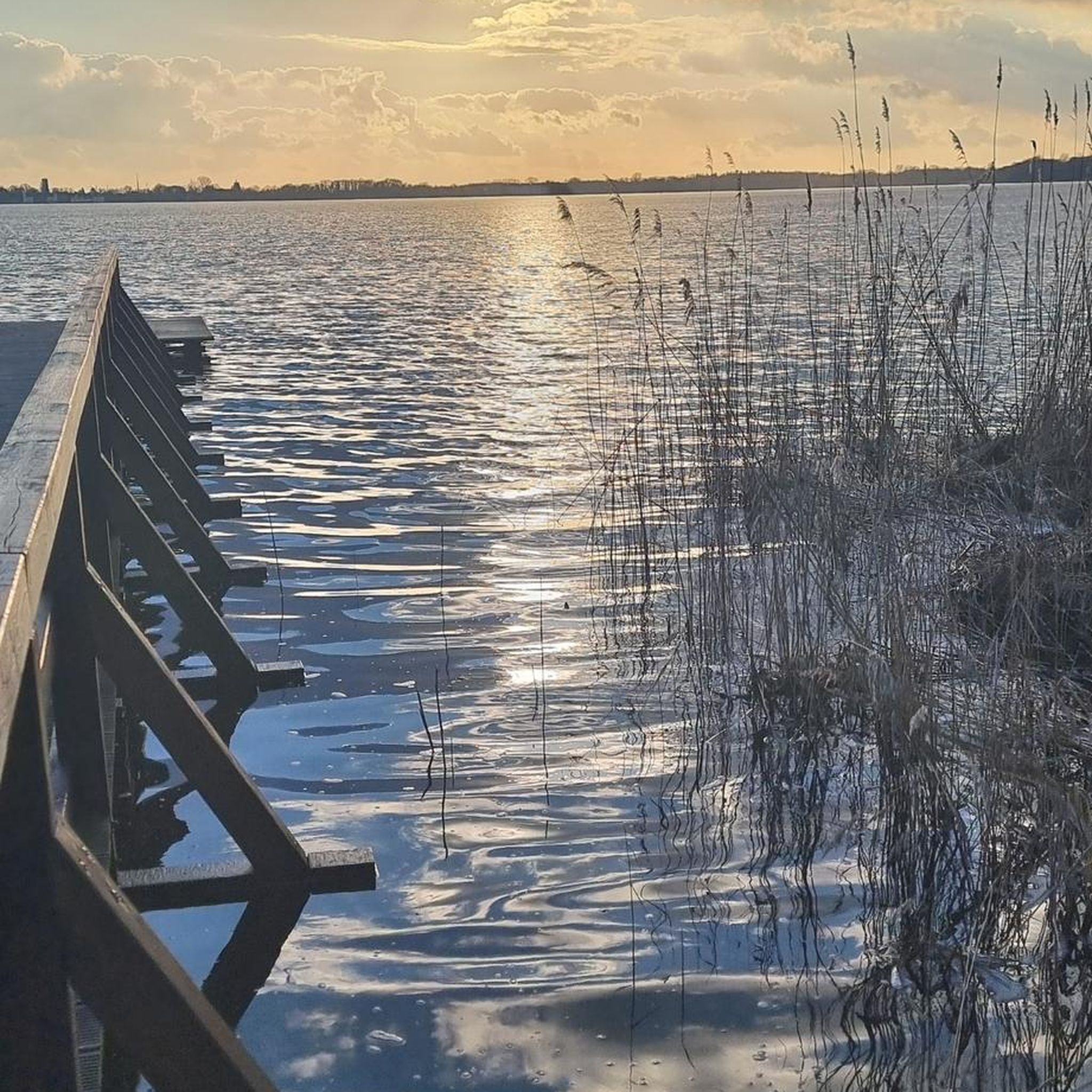
The Etangs du Longeau are a natural site offering many paths around the ponds, where you can enjoy the view of the water, the forest and the fauna.
3
0
In the ridge of Les Esparges, heavy fighting took place between the Germans and the French in the period 1915-1918. The location was of strategic importance at an altitude of 1400m.
0
0
Frequently Asked Questions
What historical sites related to World War I can I visit near Saulx-Lès-Champlon?
The area around Saulx-Lès-Champlon is rich in World War I history. You can visit the German Military Cemetery Viéville-sous-les-Côtes, which is very well maintained and reflects the extensive fighting in the Verdun area. Another significant site is the Memorial First World War, Les Èsparges the cemetery, located on a ridge where heavy fighting occurred. Further afield, but within a short drive, are the Verdun Memorial, Douaumont Ossuary, Fort Douaumont, and Fort de Vaux.
Are there any significant religious or cultural landmarks in the immediate vicinity?
Within Saulx-lès-Champlon itself, the Church of the Assumption of the Virgin is a notable landmark, rebuilt after World War I. Nearby, you can discover the Passion altarpiece, a significant work of art from 1503 by Ligier Richier, located in an old collegiate church. The Saint-Laurent Church in Bonzée, rebuilt in 1927, also features a monument created by sculptor Duilio Donzelli.
Where can I enjoy nature and scenic walks around Saulx-Lès-Champlon?
For nature lovers, the Longeau Ponds are a natural site offering many paths around the water, providing views of the forest and local fauna. The Longeau River also offers scenic paths for walking. These areas are ideal for tranquil strolls and observing wildlife.
What outdoor activities are available for hiking enthusiasts?
The region around Saulx-Lès-Champlon is excellent for hiking. You can explore routes like the 'Les Eparges loop from Les Éparges' (8.95 km, moderate) or the 'Longeau Ponds – Trail along the Longeau loop from Hannonville-sous-les-Côtes' (9.56 km, moderate). For more options, check out the dedicated guide for Hiking around Saulx-Lès-Champlon.
Are there opportunities for cycling or mountain biking near Saulx-Lès-Champlon?
Yes, the area is popular for cycling and mountain biking. You can find routes such as the 'Tavannes Tunnels loop from Haudiomont' (47.47 km, moderate) or the 'Longeau Ponds – View of Hattonchâtel loop from Deuxnouds-aux-Bois' (56.06 km, difficult). Discover more trails in the guide for MTB Trails around Saulx-Lès-Champlon.
Can I find places for water sports or leisure activities near Saulx-Lès-Champlon?
Approximately 17.4 km from Saulx-Lès-Champlon, Lac de Madine is a large lake with surrounding recreation areas like the Site de Nonsard, offering various water sports and leisure activities. You can also find the Arbre et Aventure Lac de Madine adventure park there.
Are there family-friendly attractions suitable for children?
Yes, the Longeau Ponds offer easy paths suitable for family walks. For more active fun, the Arbre et Aventure Lac de Madine adventure park near Lac de Madine provides tree-top courses. Additionally, the Base de Loisirs du Colvert, about 4.1 km away, offers recreational facilities.
What do visitors enjoy most about the attractions near Saulx-Lès-Champlon?
Visitors particularly appreciate the well-maintained historical sites, such as the German Military Cemetery Viéville-sous-les-Côtes, which offers a poignant glimpse into WWI history. The tranquil natural settings, like the Longeau Ponds, are also highly rated for their scenic beauty and peaceful walking opportunities.
What is the best time of year to visit Saulx-Lès-Champlon for outdoor activities?
The spring and autumn months generally offer pleasant weather for outdoor activities like hiking and cycling, with milder temperatures and beautiful natural scenery. Summer is also suitable, especially for water activities at Lac de Madine, though it can be warmer.
Are there any running trails in the area?
Yes, there are several running trails available. You can find routes like the 'Running loop from Fresnes-en-Woëvre' (10.33 km, moderate) or the 'Étang de la Pochie loop from Fresnes-en-Woëvre' (9.01 km, moderate). For a comprehensive list, refer to the guide for Running Trails around Saulx-Lès-Champlon.
What is the historical significance of Saulx-lès-Champlon itself?
Saulx-lès-Champlon was formed in 1972 from the fusion of Saulx-en-Woëvre and Champlon. Saulx-en-Woëvre, first mentioned in 1196, was notably destroyed during World War I, highlighting the region's deep historical ties to the Great War.
Most popular routes around Saulx-Lès-Champlon

Get inspired with the komoot mobile app


Explore more
Still not found the Highlight you’re looking for? See guides of the top attractions in other regions:
