Top 19 Lakes around Port-La-Nouvelle
Best lakes around Port-La-Nouvelle are primarily coastal lagoons, locally known as "étangs," and former salt marshes, forming a unique and ecologically rich complex. These brackish water bodies are interconnected and constitute an essential part of the Narbonnaise Regional Natural Park in the Mediterranean. The area offers diverse landscapes, abundant wildlife, and various recreational activities, making it a notable destination for nature exploration.
Best lakes around Port-La-Nouvelle
- The most popular lakes is Leucate Lagoon, a lake that offers views of…
Last updated: November 23, 2026
Gruissan Lagoon
Highlight • Lake
Translated by Google •
Tip by

Sainte-Lucie Island via the Canal de la Robine
Highlight • Trail
Translated by Google •
Tip by

Sign up now to discover places like this
Get recommendations on the best single tracks, peaks, & plenty of other exciting outdoor places.
Gruissan Lagoon
Highlight • Lake
Translated by Google •
Tip by

Trail along the Étang de Gruissan
Highlight • Trail
Showing Translation
Tip by

Gruissan Lagoon and Sainte-Marie Canal
Highlight • Trail
Translated by Google •
Tip by

Sign up for free to discover even more lakes around Port-La-Nouvelle.
Already have an account?
Start today with a free account
Your next adventure awaits.
Popular around Port-La-Nouvelle

Other adventures around Port-La-Nouvelle

Tips from the Community

Beautiful and pleasant gravel trail between the canal, the pond and the sea.
0
0

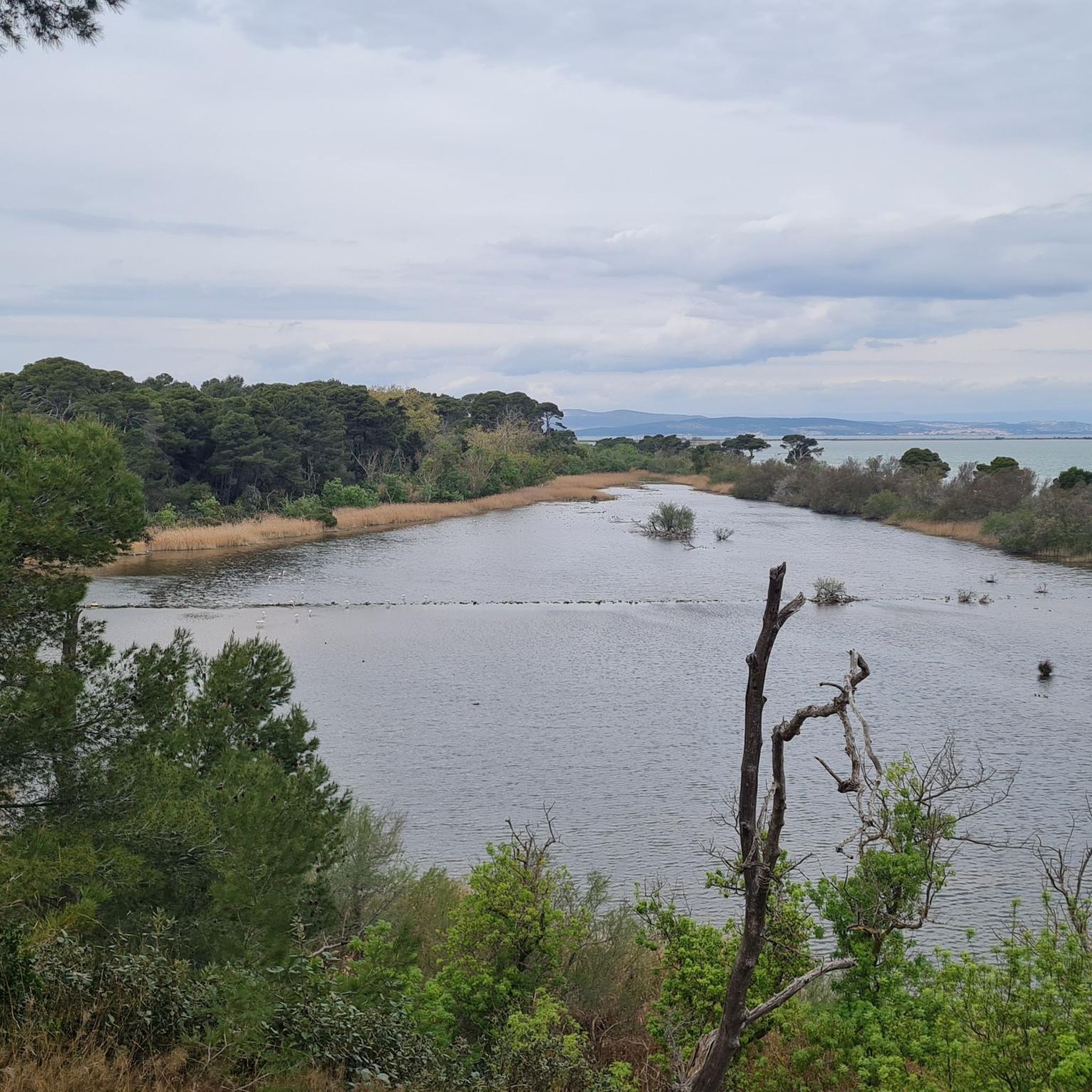
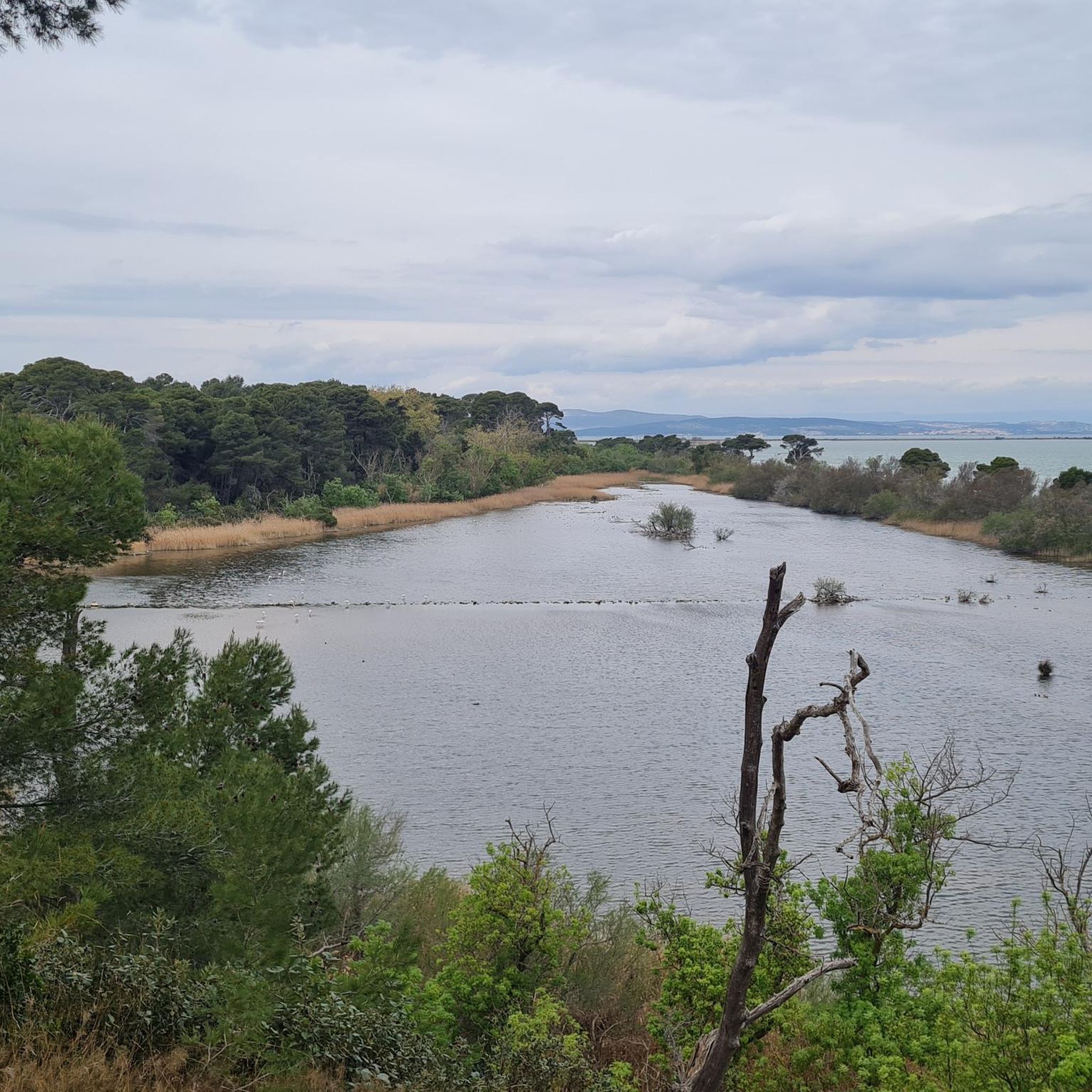
With an average depth of only 55 cm, the Étang de Gruissan is more of a lagoon than a true "lake". Its brackish waters depend on exchanges between the sea, canals, and watershed, while winds can significantly alter its functioning. It is part of the six lagoons of the Narbonne complex, protected notably for the richness of their wetlands and their importance for birds. A few kilometers away, the remains of Île Saint-Martin recall another era: between the 2nd century BC and Roman antiquity, these lagoons were part of Narbonne's vast port system.
3
0
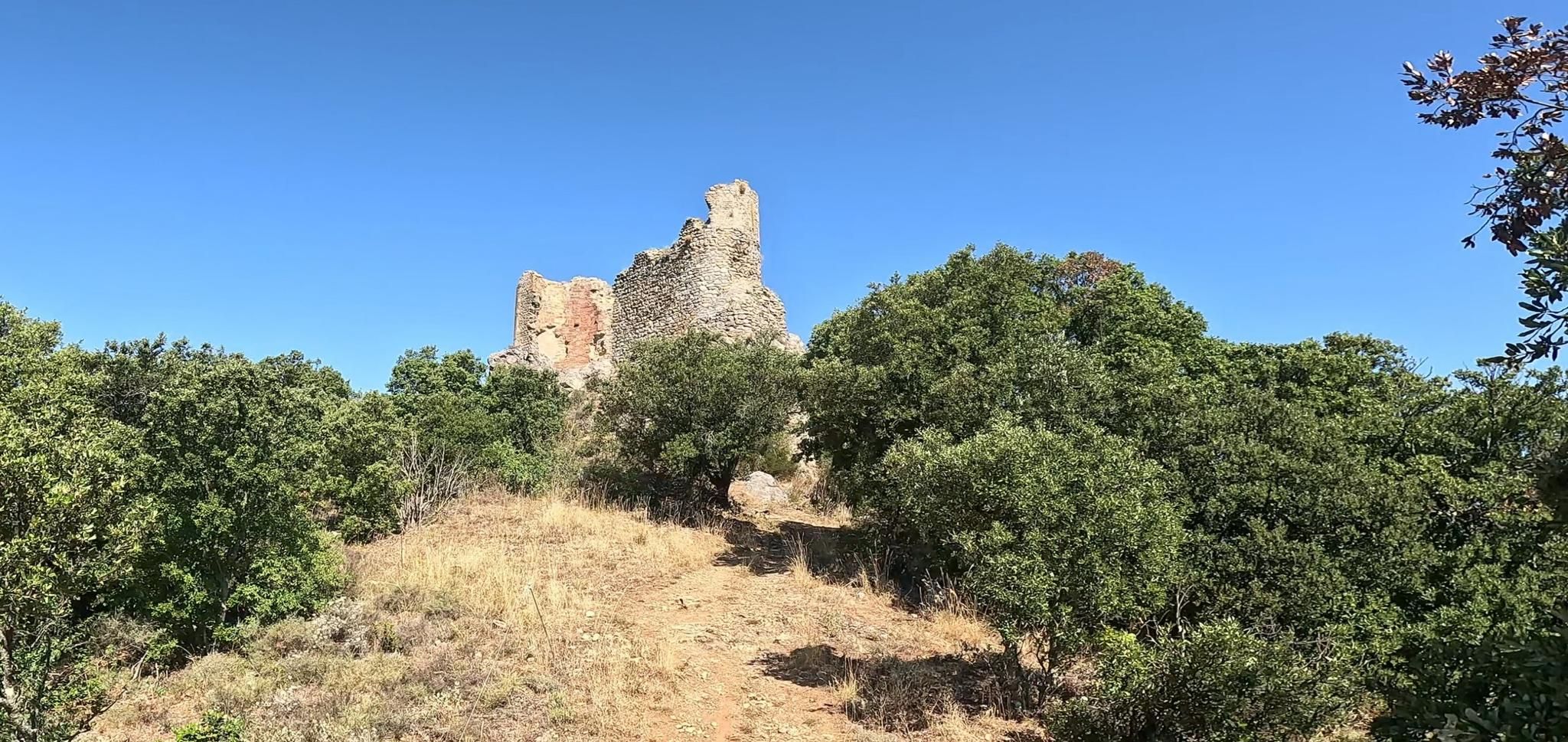
Here, we reach the spot where the Canal Sainte-Marie flows into the Gruissan pond. The waters of the canal then mix with those of the lagoon, which have a higher salinity due to the exchange with the sea. On the other side of the pond, the Barberousse Tower reveals itself on its limestone promontory. Built between 1245 and 1247 by the Archbishop of Narbonne, Guillaume de Broa, this tower is the main remnant of the medieval castle that guarded the maritime access to the Narbonne area.
3
0
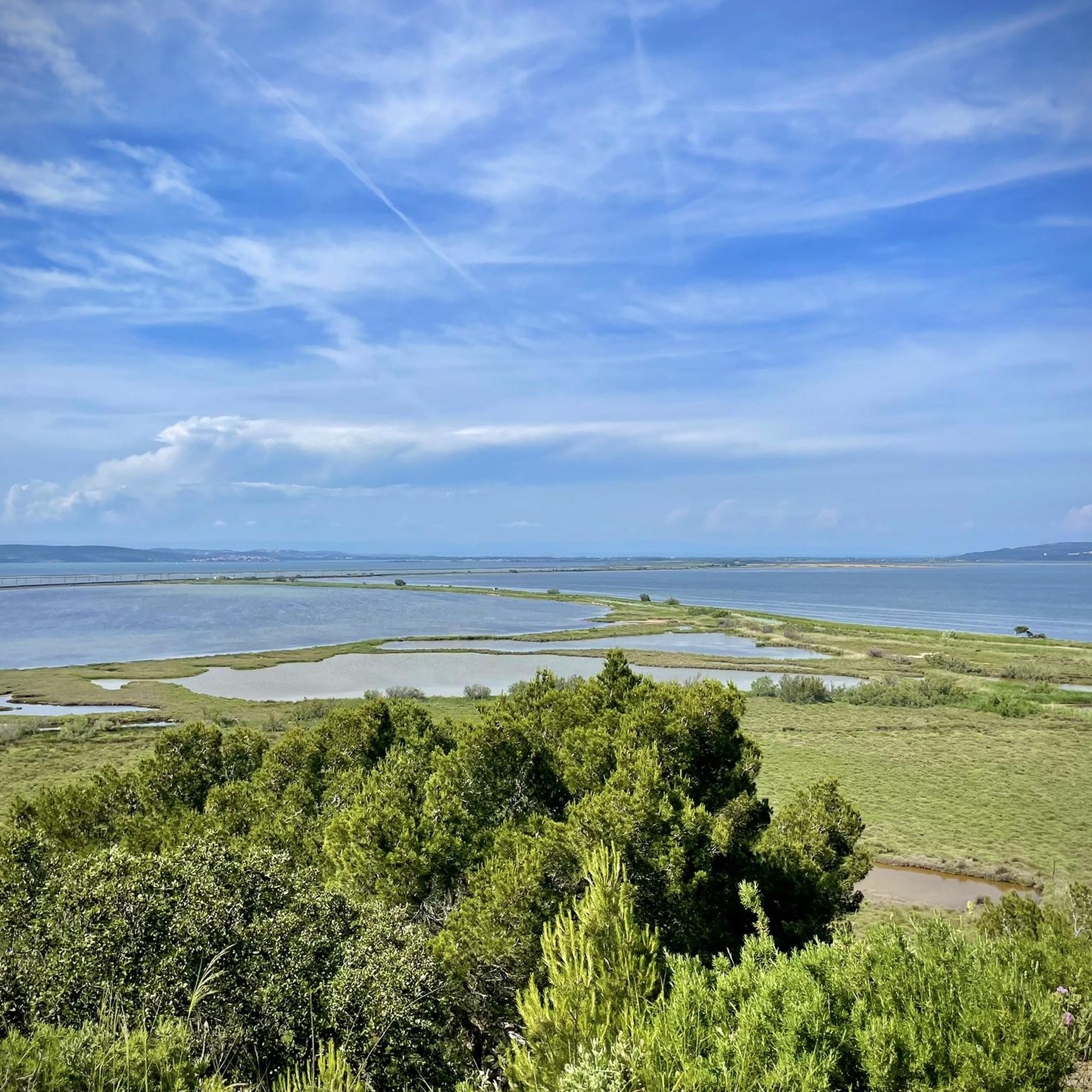
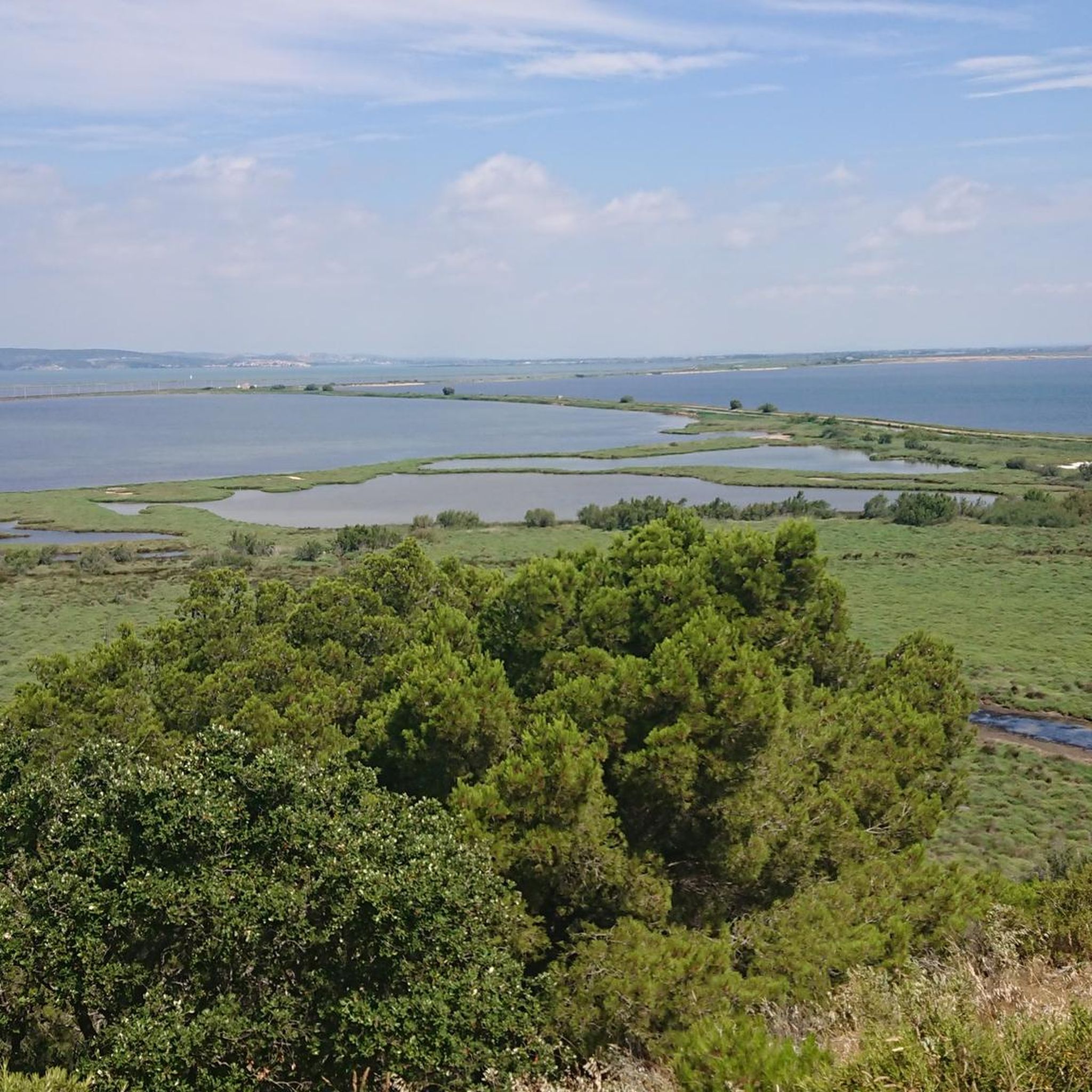
From this narrow strip of land, the lagoon landscape of Gruissan reads almost like a succession of parallel bands: the wetlands and secondary ponds to the south, the path, the Sainte-Marie canal, then the Gruissan pond to the north. The Sainte-Marie canal bears witness to the former hydraulic development of the coastal plain. Integrated into a network of canals intended to manage its waters, it notably participated in the draining of the former salt pond. Today, it contributes to the freshwater supply of the Gruissan pond and thus participates in the salinity variations of the lagoon. Beyond the pond, the reliefs of Gruissan and the Barberousse Tower stand out on the horizon.
3
0

Peaceful corner. Too bad a passage was destroyed by the company that buried the fiber. The banks of the river are really lacking in maintenance, it's hard to cross in places, the path was so pleasant before this work, I hope VNF will improve these points. A tricky trick
1
0

The pond can be easily circumnavigated by bike, it is worth it
0
0

Very beautiful pond, the view of Gruissan is a significant plus which brings great charm to this place!
1
0

Even with a headwind, there are beautiful views of the canal, lagoon and salt marshes. But the terrain is difficult and hardly suitable for racing bikes.
1
0
Frequently Asked Questions
What kind of 'lakes' can I expect to find around Port-la-Nouvelle?
The 'lakes' around Port-la-Nouvelle are primarily coastal lagoons, locally known as 'étangs,' and former salt marshes. These are brackish water bodies, interconnected and forming a unique, ecologically rich complex within the Narbonnaise Regional Natural Park in the Mediterranean.
What are some popular lagoons for nature lovers and birdwatchers?
For nature lovers and birdwatchers, the Leucate Lagoon is a paradise, offering stunning views and sightings of flamingos and herons. The Étang de Bages-Sigean is also a significant lagoon system, recognized as a Natura 2000 and Ramsar site, supporting rich avifauna including flamingos, egrets, and herons. The Étang de l'Ayrolle is another excellent spot, home to nearly 200 bird species like marsh harriers, storks, and terns.
Are there any islands to explore within the lagoon complex?
Yes, the Île Sainte-Lucie Regional Nature Reserve is an unspoiled and uninhabited island nestled within the lagoon complex, specifically south of the Bages-Sigean lagoon. It offers diverse landscapes including forests, lagoons, and salt pans, with numerous walking trails to explore its rich biodiversity.
What unique natural features characterize the Étang de Bages-Sigean?
The Étang de Bages-Sigean features diverse landscapes including wetlands, wild limestone islands like Sainte-Lucie, and former salt pans. It communicates with the Mediterranean Sea, leading to variations in salinity. Its average depth is around 1.5 meters, and its salinity fluctuates significantly, supporting a unique ecosystem.
What makes the Étang de l'Ayrolle special for visitors?
The Étang de l'Ayrolle is characterized by its shallow depth, making it possible to walk across in many places. It is bordered by salt marshes and limestone hills, boasting a rich mosaic of habitats. It's an excellent spot for birdwatching and traditional fishing, with fresh catches often sold directly from boats.
Are there hiking or cycling trails around the lakes?
Yes, there are many opportunities for hiking and cycling. For example, you can follow the Canal de la Robine between the Étang de l'Ayrolle and the Étang de Sigean for a scenic cycling experience. The Sainte-Lucie Island via the Canal de la Robine is also a popular trail for walking and cycling. You can find more routes in the Cycling around Port-La-Nouvelle guide.
What outdoor activities are popular near the lakes of Port-la-Nouvelle?
Beyond hiking and cycling, the area offers various outdoor activities. Birdwatching is highly popular due to the rich avifauna. You can also explore the region through mountain biking, with trails like the 'Gruissan Lagoon loop' or 'Port-La-Nouvelle – Étang de Sigean loop' available. For more options, check out the MTB Trails around Port-La-Nouvelle guide and Running Trails around Port-La-Nouvelle guide.
Are there family-friendly options for exploring the lagoons?
Yes, several areas are suitable for families. The Gruissan Lagoon is noted as family-friendly, offering nice walks. The area 'Between the Étang de l'Ayrolle and the Étang de Sigean' also provides scenic and leisurely routes ideal for families. Many trails around the lagoons are flat and easy to follow.
What is the best time of year to visit the lagoons around Port-la-Nouvelle?
The lagoons are beautiful year-round, but spring and autumn are particularly pleasant for outdoor activities like hiking and birdwatching, as the weather is milder and wildlife is abundant. Summers can be hot, leading to significant evaporation in the lagoons, while winters are generally mild.
How can I get to the Étang de Bages-Sigean or Île Sainte-Lucie using public transport?
While Port-la-Nouvelle has some public transport options, direct routes to specific points within the Étang de Bages-Sigean or Île Sainte-Lucie can be limited. It's often recommended to use a combination of local buses and then walk or cycle to reach specific natural areas. For detailed local transport information, it's best to consult regional transport websites.
Are there any specific regulations or permits needed for visiting the nature reserves?
The Île Sainte-Lucie is a protected Regional Nature Reserve, managed by the Narbonnaise Regional Nature Park. While general access for walking is permitted, certain activities might be restricted to preserve the environment. It's always advisable to check with the Narbonnaise Regional Natural Park for any specific regulations or guided tour requirements, especially for sensitive areas.
Where can I find amenities like cafes or accommodation near the lagoons?
Charming villages along the shores of the Étang de Bages-Sigean, such as Bages and Peyriac-de-Mer, offer panoramic views and often have local cafes and restaurants. Port-la-Nouvelle itself provides various accommodation options and eateries. For specific locations near other lagoons, exploring the towns and villages bordering the natural park is recommended.
What kind of wildlife can I expect to see around the lagoons?
The lagoons are a haven for wildlife, especially birds. You can expect to see flamingos, egrets, and herons around the Étang de Bages-Sigean and Leucate Lagoon. The Étang de l'Ayrolle is home to nearly 200 species, including marsh harriers, white and black storks, and various terns. The diverse habitats also support unique plant life.
Most popular routes around Port-La-Nouvelle
Most popular attractions around Port-La-Nouvelle

Get inspired with the komoot mobile app


Explore more
Still not found your perfect lake around Port-La-Nouvelle? Check out the guides of these regions to see even more beautiful places.
